Tree-lined streets and quiet homes make the discovery of a grand Victorian mansion here feel like stumbling onto a secret.
The Frick Pittsburgh sits on Reynolds Street in the Point Breeze neighborhood, surrounded by beautifully kept lawns and gardens.
At its heart is Clayton, the restored home of industrialist Henry Clay Frick and his family during the Gilded Age.
Guided tours reveal original furnishings, elegant rooms, and stories about what daily life was like for the family who lived there.
Kids usually love the Car and Carriage Museum, where vintage automobiles and old-fashioned carriages line the galleries.
Plan a relaxed afternoon, stroll the gardens between tours, and enjoy a surprising slice of history in the middle of the city.
A Mansion Behind the Neighborhood Streets
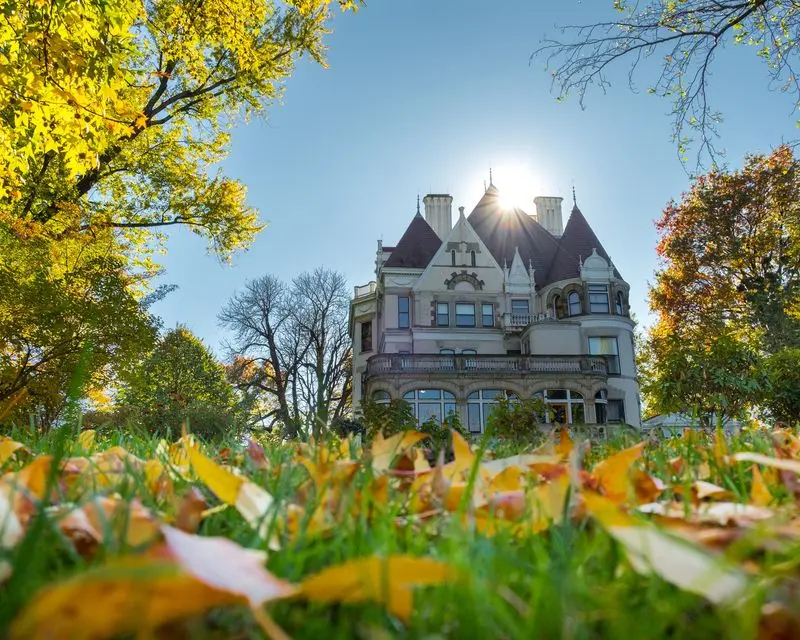
From the street, a grand family estate is probably the last thing you expect to find. Yet behind the neighborhood setting stands Clayton, the historic home at The Frick Pittsburgh Museums & Gardens, 7227 Reynolds St, Pittsburgh, PA 15208, United States. Its presence makes an ordinary walk feel like a small discovery.
Clayton was the home of industrialist Henry Clay Frick and his family, and today it helps tell the story of life during the Gilded Age. That period brought great wealth to some families as Pittsburgh grew through industry. The house offers a way to think about both the people who lived in comfort and the workers whose labor helped build that world.
Start by looking at the outside of the house before moving on to other parts of the estate. Notice its size, its details, and how different it feels from the surrounding streets. Then ask staff about guided tour times if you hope to see inside.
House access may require a separate ticket, so checking the official website before you go can save disappointment. Even without a tour, seeing a mansion tucked into a neighborhood gives you a new reason to slow down and look around. The surprise is part of the fun, especially for visitors who thought they were simply passing another city block.
Clayton’s Rooms Tell a Bigger Story
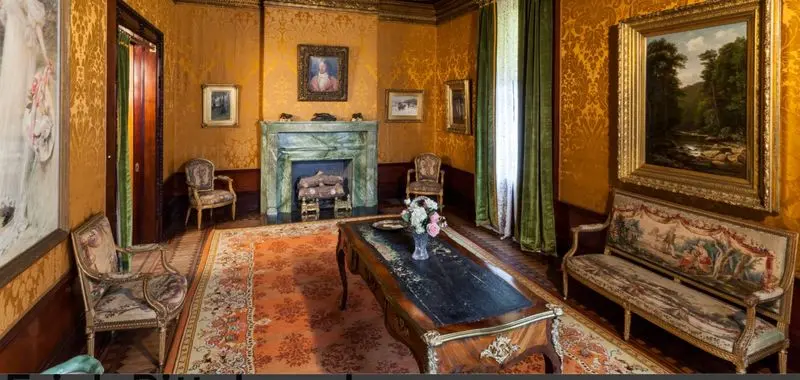
A doorway can feel like a time machine when the rooms beyond it still tell a family story. A guided tour of Clayton brings visitors closer to the Fricks’ home life, from its furnishings to the choices that shaped daily routines. Rather than racing from room to room, take time to listen to the guide.
The details can reveal more than a list of expensive objects ever could. Consider who cared for the house, who was welcome in each space, and how a wealthy family’s days differed from those of other Pittsburgh residents. Those questions make the Gilded Age easier to understand.
Tour themes and areas of access may vary, so read the current description before buying a ticket. Reservations are a smart idea when you have a tight schedule or want a particular tour time. If you visit with children, invite them to spot something they use today that would have looked very different a century ago.
Photography rules may limit pictures inside the home, so check before reaching for your phone. Afterward, share one detail that surprised you with someone in your group. You may remember that conversation longer than a photo, and it can help turn a beautiful old house into a story about real people and their choices.
Gardens Made for a Slower Walk
Flowers, paths, and old trees give the estate a quieter mood than its busy history might suggest. The grounds offer room to stroll between buildings and enjoy the setting that surrounds Clayton. You do not need to know a single plant name to have a good time here.
Try walking once without a camera, then make another loop to photograph whatever catches your eye. That simple plan helps you notice shapes, colors, and views you might otherwise miss. Changes in the seasons also mean the same path can feel different on another visit.
Visitors often mention the grounds as a favorite part of their day. They can be especially useful when your group has mixed interests: one person can enjoy the scenery while another looks forward to the museums. Leave enough time between ticketed activities so the walk does not become a rush.
Check the forecast and wear shoes that feel comfortable on outdoor paths. If you bring a snack, follow the estate’s rules about where food is allowed and carry away any trash. Pause at a bench if one is available, and imagine how the property would have looked when the family lived here. A quiet walk makes the mansion feel less like an isolated building and more like part of a whole estate.
A Greenhouse with a Change of Pace
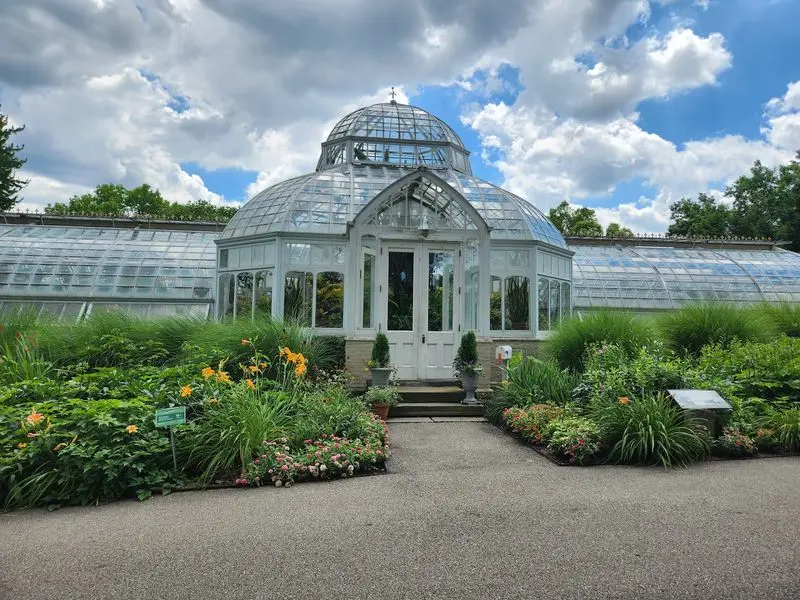
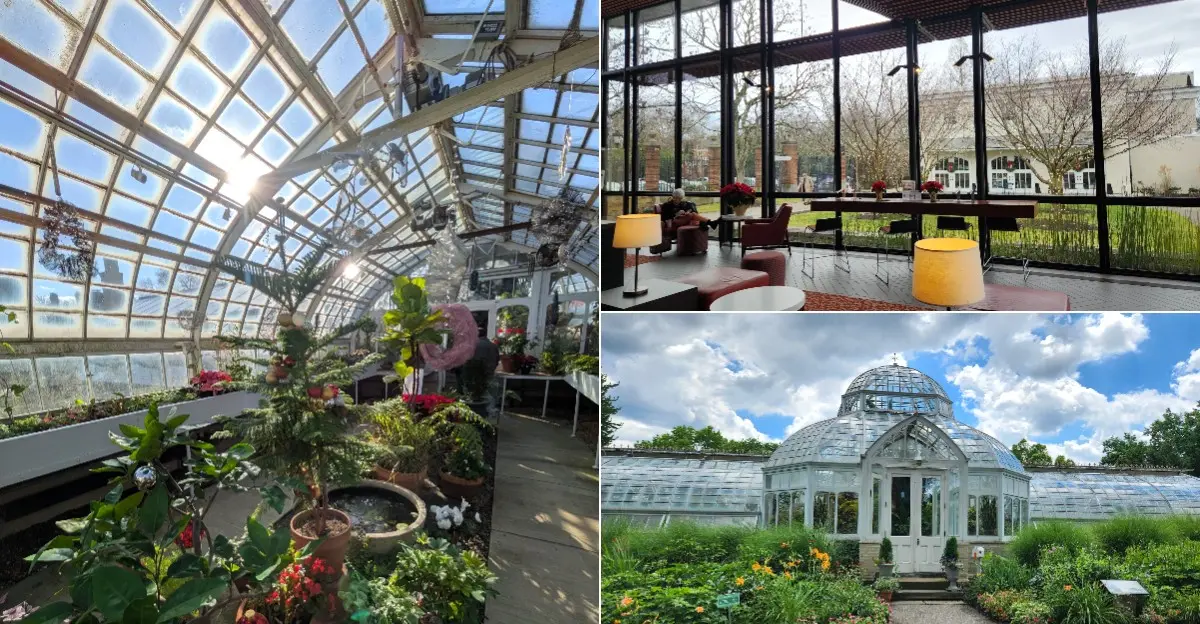
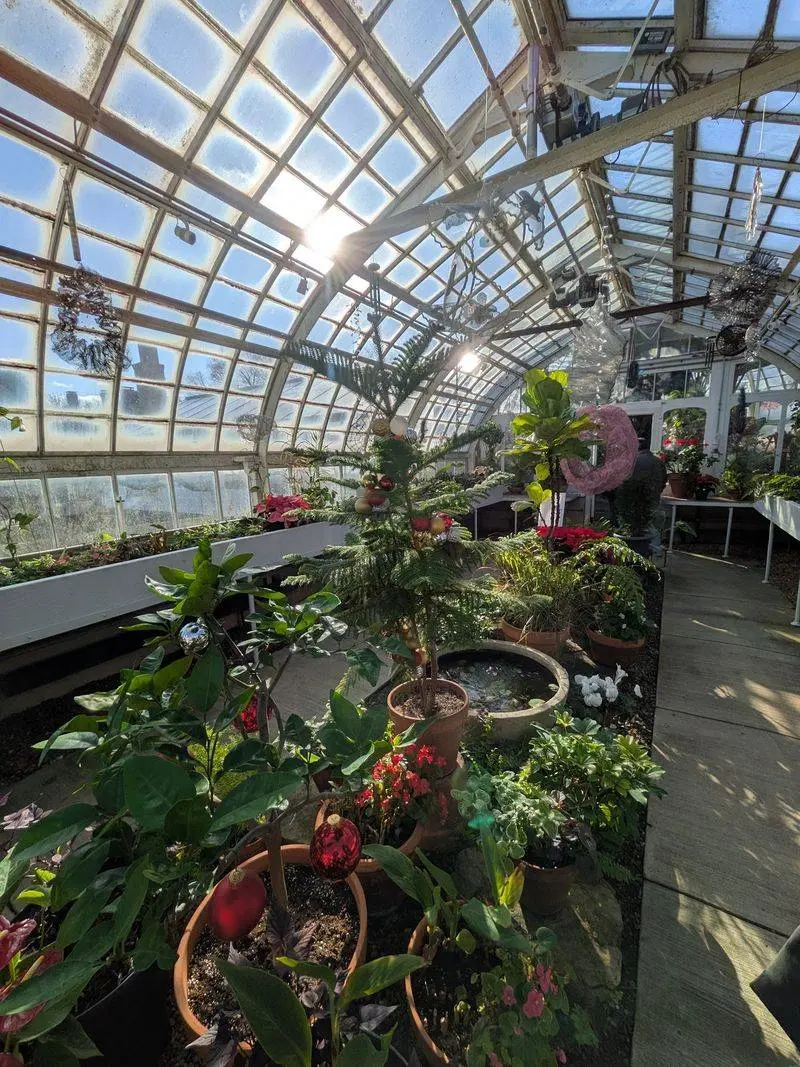
Glass walls and green leaves make the greenhouse feel like a cheerful break from the mansion’s formal rooms. It is a smaller stop than the house or museums, but that is part of its charm. You can enjoy it at an easy pace and then return to the grounds.
Look closely at how light passes through the structure and changes the colors of the plants. Children can hunt for different leaf shapes, while adults may enjoy a few quiet minutes away from screens. There is no need to hurry through just because the space is compact.
The greenhouse also helps show that the estate was more than a single grand home. Outdoor areas and supporting buildings helped shape daily life here, even though visitors may first arrive for the mansion. Seeing these parts together gives a fuller picture of the property.
Access can change because of maintenance, events, or seasonal plans, so ask at the visitor center what is open on the day you arrive. Follow posted paths and avoid touching plants unless a sign invites you to do so. If the weather turns unpleasant, a greenhouse stop may still offer a bright moment, but confirm current access first. A short visit here can add a fresh, living contrast to the estate’s history.
Cars and Carriages from Another Era
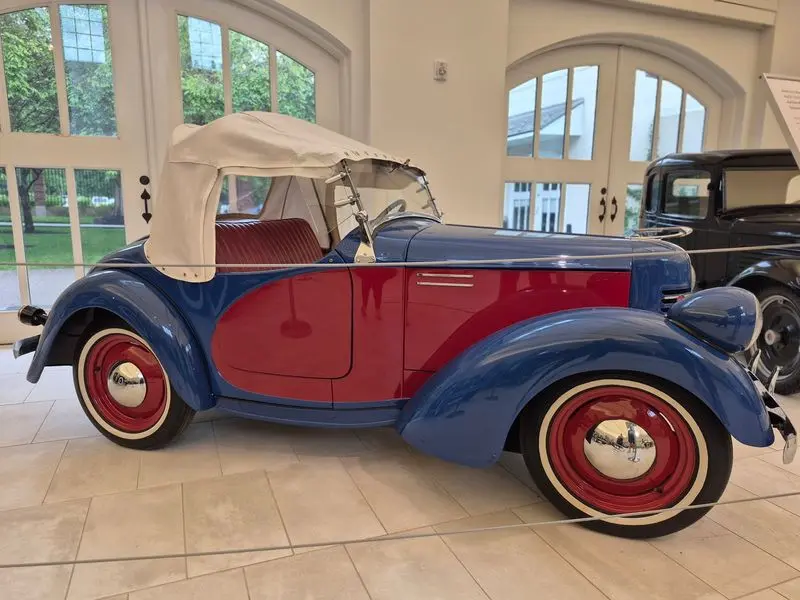
Before cars filled the roads, choosing how to travel could mean choosing a carriage and a horse. The Car and Carriage Museum puts those older ways of getting around beside early automobiles. Even visitors who do not usually care about vehicles may find something surprising in the change from one to the other.
Look at the wheels, seats, and passenger spaces before reading the labels. Which vehicle seems more comfortable, and which would you trust on a rainy day? Those playful questions can help younger visitors connect objects behind a barrier with everyday travel.
The collection also opens a window onto wealth during the Gilded Age. Vehicles were useful, but some could also show a family’s money and status. Think about the people who built, maintained, and drove them as well as the people who rode inside.
Guests often praise the museum as an engaging stop, so leave time to explore rather than squeezing it into your final minutes. Ask staff about current admission and any temporary changes before planning your visit. If a guide or staff member is available, a question about one unusual vehicle might lead to a memorable story. It is a lively companion to Clayton, showing how life changed beyond the front door.
Art That Rewards a Closer Look
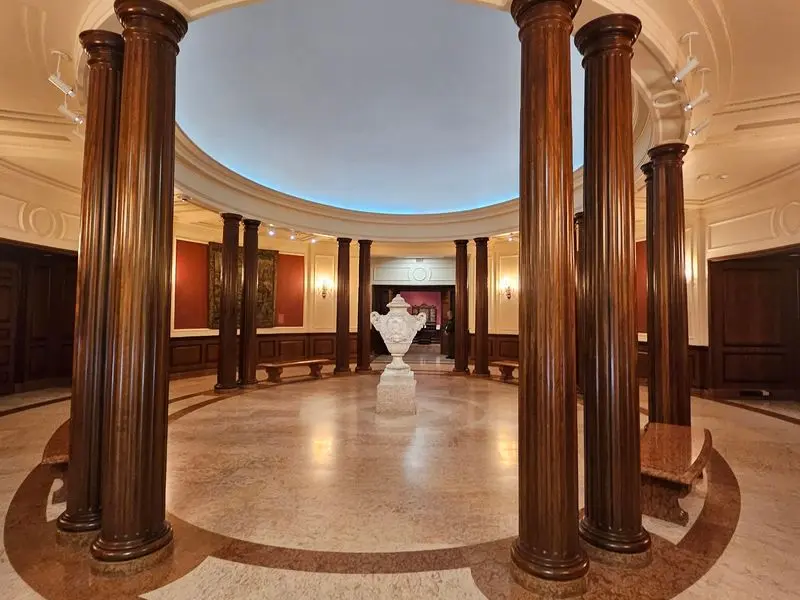
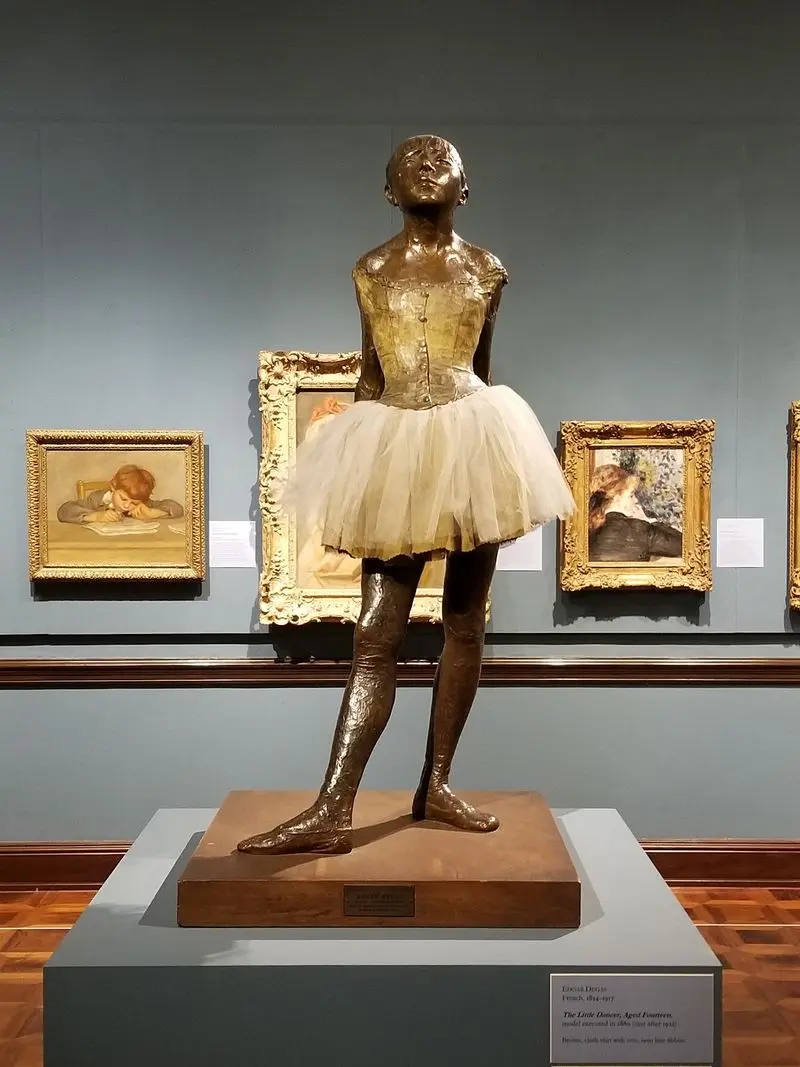
A painting can hold your attention for longer than you expect when the room around it is quiet. The art museum adds another side to the Frick story, bringing works of art into the same visit as the house and grounds. Its galleries give you a chance to focus on a few pieces rather than rush through a huge collection.
Begin with one work that catches your eye, even if you cannot explain why. Look at its colors, people, or setting before reading the label. Afterward, see whether the extra information changes what you first thought.
Exhibitions can change, and special shows may have different tickets from other areas. Check the official schedule if a particular display is the main reason for your trip. Visitors with limited time can also ask staff which galleries are open and how long a visit might take.
Keep drinks and large bags out of gallery spaces when rules require it, and watch for marked boundaries around artworks. These simple steps protect the collection and make the visit easier for everyone. Art is not a test with right answers, so children and adults can each choose a favorite and explain their pick. That small conversation may be the best souvenir from the gallery.
A Café Break with Garden Views
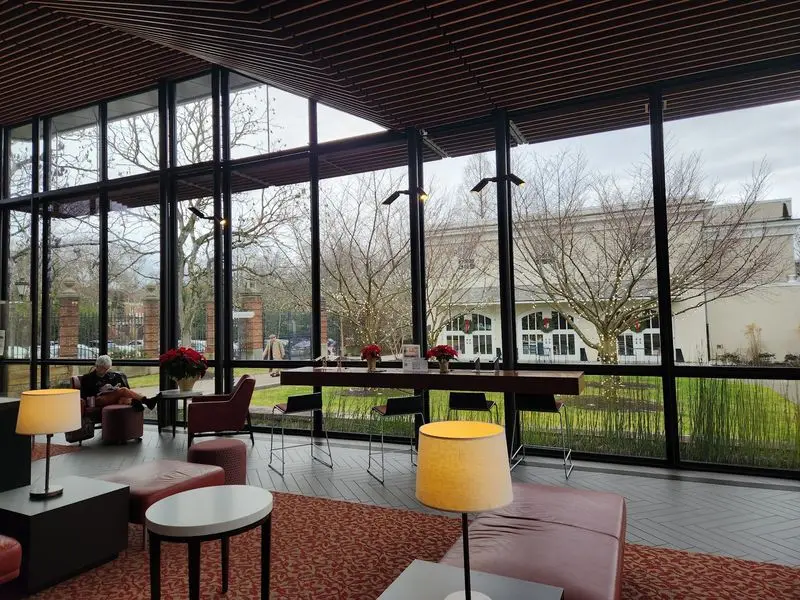
After a house tour or a long walk, sitting down can feel like its own little reward. The estate’s café gives visitors a place to take a break while enjoying views of the grounds. It is a useful stop if your group wants to talk over what everyone has seen.
Think of the meal as part of your visit, not something you must squeeze in at the end. A planned pause can keep younger visitors from getting tired before they reach the cars or art galleries. It also gives adults time to compare favorite parts of the property.
Menus, hours, and seating arrangements can change, so check the café’s current information before counting on a full meal. If you are visiting on a busy day, allow extra time or ask whether reservations are recommended. For a shorter outing, a drink or small bite may be enough before you head outside again.
Keep in mind that food belongs in approved areas, not in the house or museum galleries. When you finish, take another look toward the gardens before moving on. The contrast between an everyday lunch and the history surrounding it is one of the estate’s quiet pleasures. It makes the visit feel relaxed, even when your schedule is full.
A Simple Plan for Your Visit
A little planning helps when one estate holds a house, gardens, art, and antique vehicles. Start at the visitor center to learn what is open and whether any tour spaces remain. Then choose the experience you care about most and build the rest of your visit around it.
Clayton tours are guided and may require a ticket, while access and prices for other spaces can vary. Check the official website for current admission details, exhibitions, and hours before leaving home. The listed schedule includes a Monday closure, but holiday hours and special events may change your plans.
If you have only a short window, pick two stops rather than trying to see everything. A house tour paired with a garden walk offers a strong sense of the estate; art or vehicles can make a good reason to return. Give yourself time to move between buildings without watching the clock.
Visitors bringing a stroller, large bag, or umbrella should ask about rules for each indoor space. That quick question can prevent a frustrating interruption later. Most of all, arrive ready to be surprised by the mix of experiences waiting behind the neighborhood streets. The visit works best when curiosity, rather than a crowded checklist, sets your pace.