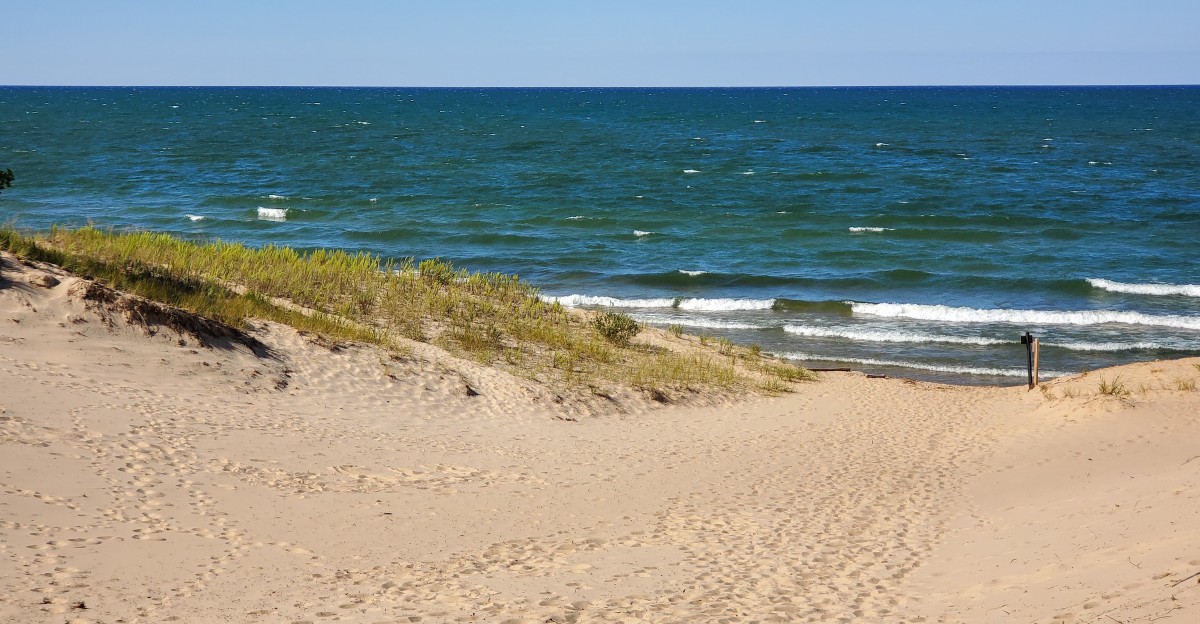
A trail that looks ordinary from the road can quickly turn into a landscape of rolling sand and wooded hills. At North Ottawa Dunes in Spring Lake, Michigan, the ground shifts beneath your feet as sandy slopes rise through the trees, creating an unexpectedly otherworldly setting at 18201 N Shore Rd. The branching trails and connections toward Lake Michigan give hikers plenty of room to wander and discover changing views.
One moment you may be climbing a sandy rise; the next, you are surrounded by quiet woods with the shoreline somewhere beyond the trees. The terrain is part of the experience, but it also means a little preparation can make the outing more enjoyable, especially if you are not accustomed to walking on sand or tackling repeated climbs.
Bring sturdy shoes, take your time, and leave space for unexpected viewpoints along the way. The landscape has plenty of small surprises waiting beyond the first stretch of trail.
A Forest That Seems to Swallow the Road
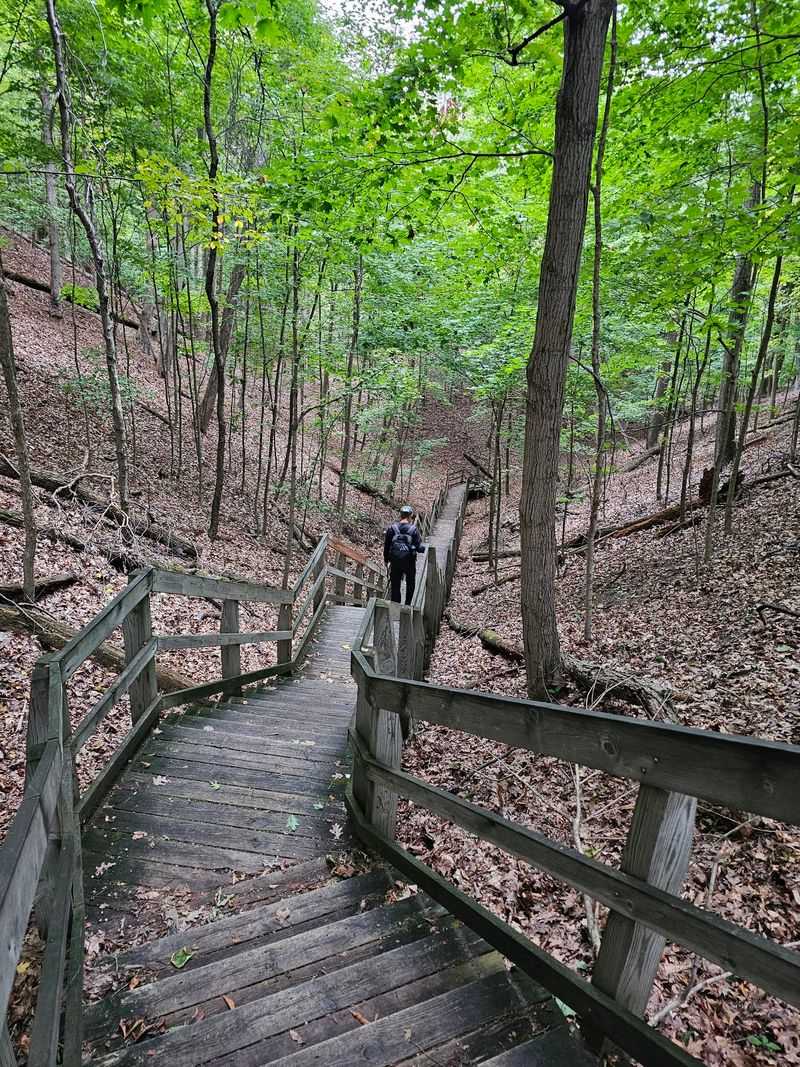
The biggest surprise might be how quickly an ordinary day starts feeling far away. A few turns beneath the trees can replace the mood of errands and traffic with the simple rhythm of footsteps on sand.
At North Ottawa Dunes, wooded slopes give the landscape a tucked away feeling, even though you are still near developed communities. Visitors often describe stretches where the forest feels much more remote than the map suggests.
Choose a manageable route first, then give yourself permission to walk slowly. Listen for birds, notice how the ground rises beside the path, and stop somewhere safe when you want to look around instead of watching your footing.
Quiet is part of the appeal, but solitude is never guaranteed, especially during pleasant weekends. An early visit may offer a calmer atmosphere, and keeping your own voice low helps preserve that feeling for others.
Bring water even for a short outing, because a peaceful setting can make it easy to lose track of both time and effort. The reward is not distance covered, but the change in pace you carry home.
Sandy Slopes With a Surprisingly Big Personality
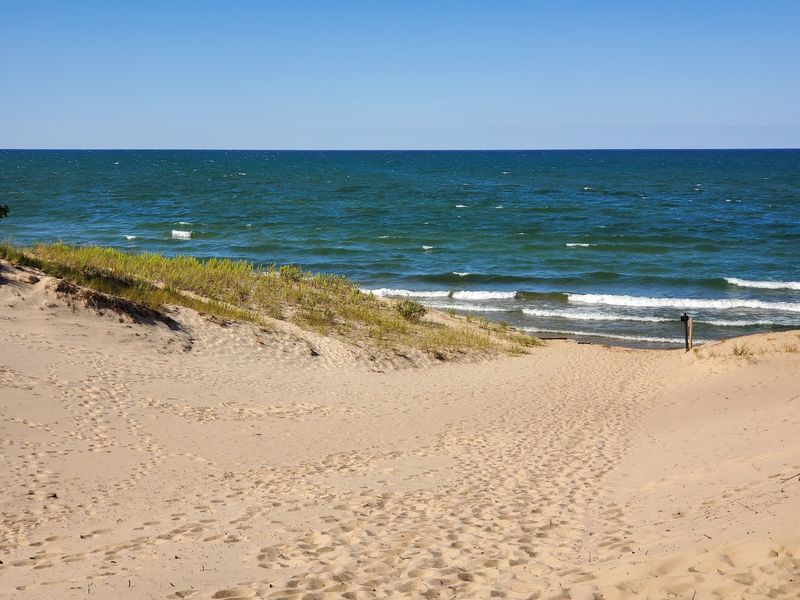
Your shoes may announce the change before your eyes do. Firm ground gives way to loose sand, and suddenly a modest uphill stretch asks for more effort than you expected.
The trails at North Ottawa Dunes include sand and dirt, with some sections crossing rolling or steeper ground. That mix helps create the unusual landscape promised by the title, though this is a wooded Michigan dune system rather than a bare desert.
Take shorter steps on sandy climbs and slow down on the descent. Shoes with reliable traction are helpful, and anyone who uses hiking poles may appreciate the extra balance where the surface shifts underfoot.
A route that looks short on your phone can still feel demanding when sand and elevation join forces. Plan by terrain as well as mileage, carry drinking water, and turn around before tired legs make every slope feel twice as tall.
There is no prize for choosing the hardest section. A comfortable walk leaves more room to notice the curves of the dunes and enjoy the odd pleasure of a forest growing from sandy ground.
Trail Maps That Let You Shape the Adventure
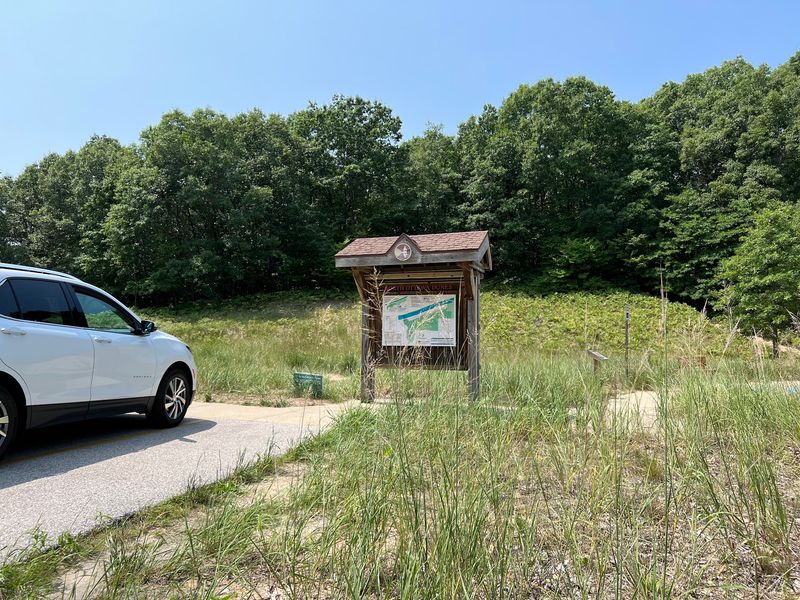
A fork in the path can feel like an invitation or a small headache. Here, taking a moment to read the posted map can turn that choice into part of the fun.
North Ottawa Dunes visitors regularly praise the trail markers and maps at intersections. Reviews also mention difficulty information, which matters because a route labeled easy by an outside app may include sections the park rates more challenging.
Before starting, photograph the current trail map and identify your intended return route. At each junction, check your location rather than assuming the widest or most tempting path is the correct one.
Think of the network as a way to build a walk that suits your energy, not a challenge to complete every branch. Shorter plans work well when you want time for photos or frequent breaks, while longer routes need more supplies and daylight.
Some visitors have found the beginning or lakeward connections less clear, so keep paying attention even when most intersections are easy to follow. A minute spent checking directions can save a much longer detour later that day.
Lakeward Routes With a Stair-Climbing Twist
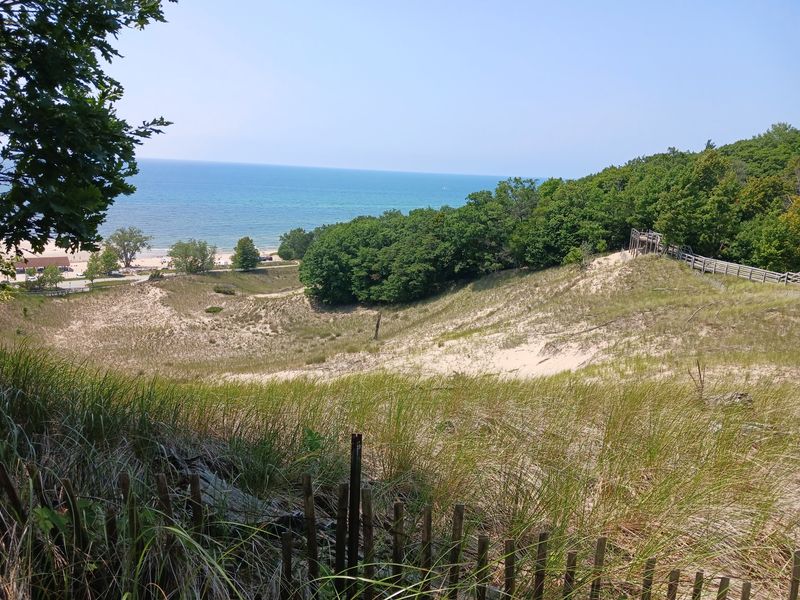
Blue water feels even more exciting when you have earned the first glimpse. For hikers exploring the connected dune trails, the possibility of reaching Lake Michigan adds a satisfying goal beyond the next wooded bend.
Visitors to North Ottawa Dunes describe routes toward the lake and stairs near beach approaches. Those connections require planning, since the forest trail network and nearby shoreline access should not be treated as one simple, flat walk.
Study the current map before choosing a lakeward route, and check which access points are open. Allow extra time for stairs, uphill returns, and navigation, especially if someone in your group has knee pain or limited stamina.
Do not assume every dune crest offers a clear water view or that every path leads to the beach. Following designated routes protects the landscape and keeps your outing predictable.
Pack a light layer if the forecast suggests wind, because exposed shoreline areas can feel different from sheltered woods. Even without reaching the water, walking through these coastal dunes gives you a stronger sense of how closely forest and lake landscapes fit together.
Tiny Forest Finds Worth Slowing Down For
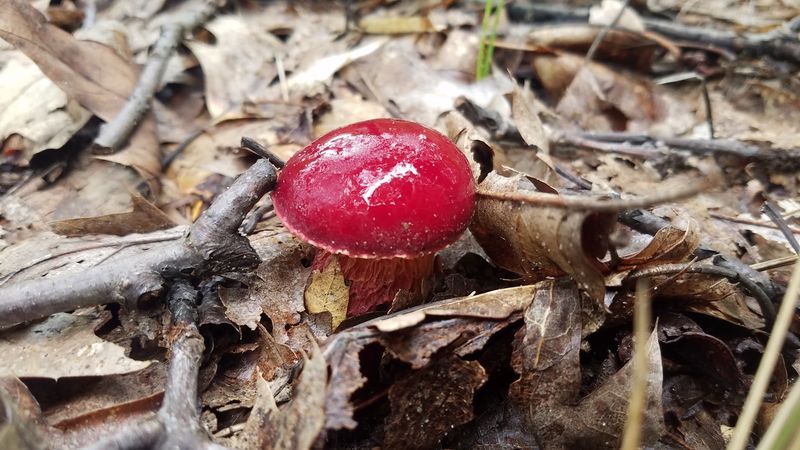
Some of the best sights here could fit inside your palm. A patch of moss, a small mushroom, or a bird moving through the branches can steal attention from the larger hills.
Hikers at North Ottawa Dunes have reported flowers, lichen, mushrooms, and plenty of bird sounds along their walks. These details make the wooded dune setting feel layered rather than empty, with something interesting close to the ground and overhead.
Pause on a durable part of the designated trail and look without picking or disturbing anything. A phone camera can capture a tiny discovery, while binoculars help you watch birds without moving closer to them.
For children, try a simple spotting game: find three textures, hear two different sounds, and notice one living thing you have not seen before. Keep the game focused on observation rather than collecting.
Insects may become more noticeable when you stop, so bring suitable repellent and check yourself for ticks afterward. A slow walk can feel surprisingly rich when you stop measuring success by miles and start noticing the forest’s smaller residents along your chosen route.
A Family Walk Built Around Small Victories
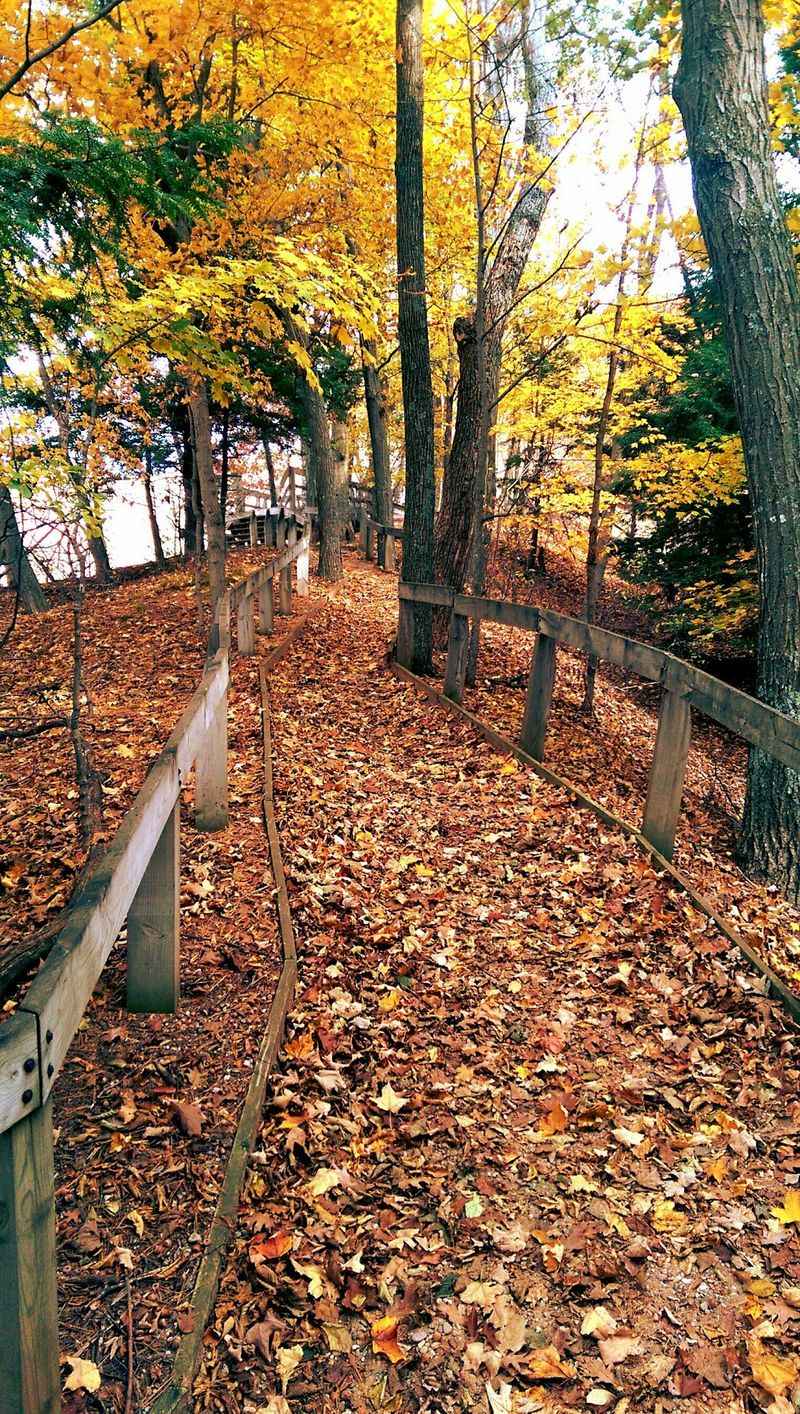
A little hill can become a big adventure when you are six. Add a squirrel sighting and a snack break, and an ordinary woodland walk starts collecting stories before you reach the next junction.
Families have described enjoyable visits to North Ottawa Dunes with young children, including spotting birds and squirrels. Still, the sandy surface and changing elevation mean that a family outing works best when the route matches the youngest walker’s abilities.
Start with a modest plan and let the first stretch show you how everyone feels. Bring water, simple snacks, and a small bag for all your trash, then take breaks before tiredness becomes frustration.
Avoid promising a beach finish unless you have checked the route and know your group can manage the distance and stairs. Instead, make the goal something flexible, such as finding an interesting tree or reaching a mapped junction together.
Uneven sandy trails may not suit ordinary strollers, so confirm conditions before relying on one. The nicest memory may be a shared discovery rather than a destination, especially when there is energy left for the walk back.
Longer Walks That Keep the Scenery Changing
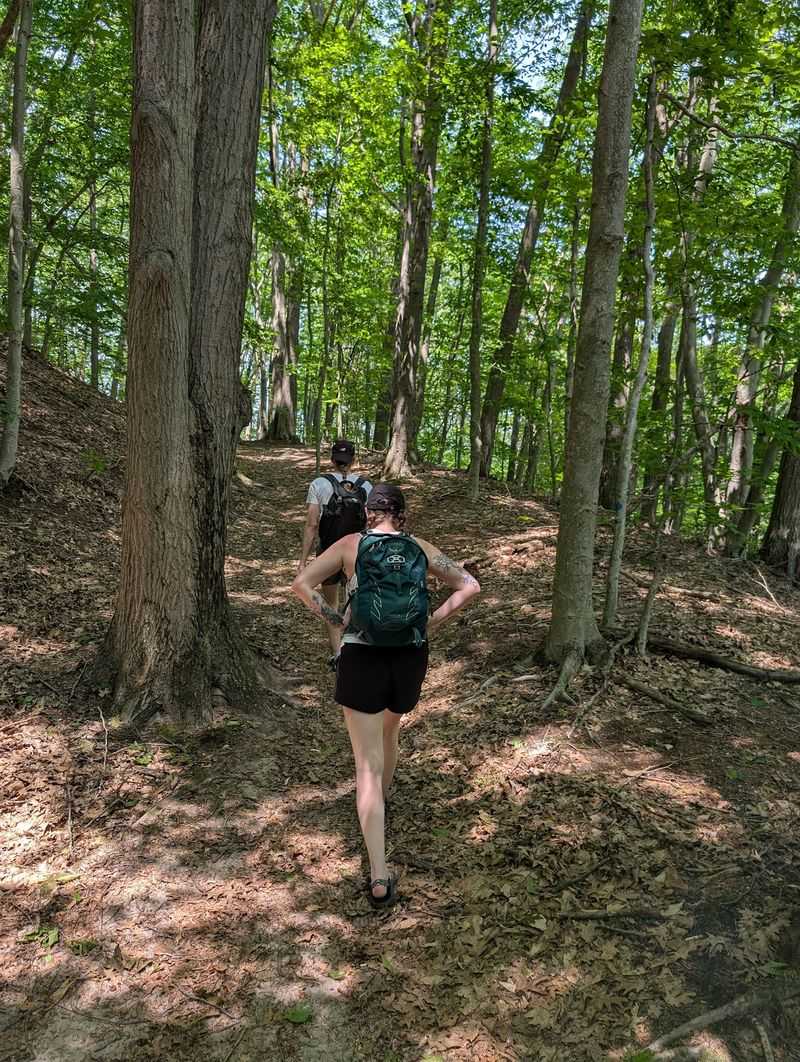
One more bend is an easy bargain to make here. With branching paths and rolling terrain, a short outing can tempt you into a longer walk before you notice how much ground you have covered.
North Ottawa Dunes offers route choices that appeal to hikers seeking more than a quick stroll. Visitors also describe connections toward P.
J. Hoffmaster State Park, although any extended plan should be checked against current maps and access information.
Set a turnaround time before leaving and carry enough water and food for your actual route. Save a map for offline use, keep your phone charged, and tell someone your plan if you are hiking alone.
Longer does not automatically mean better, but extra miles can reveal how the same dune landscape changes from one slope to another. Sandy climbs may slow your pace, so avoid using road walking speed to estimate your finish.
Check the weather and leave a comfortable margin before closing time. If your legs start feeling heavy, choose the sensible return instead of adding another loop simply because the next trail looks inviting through the trees.
Winter Footsteps in a Quieter Landscape
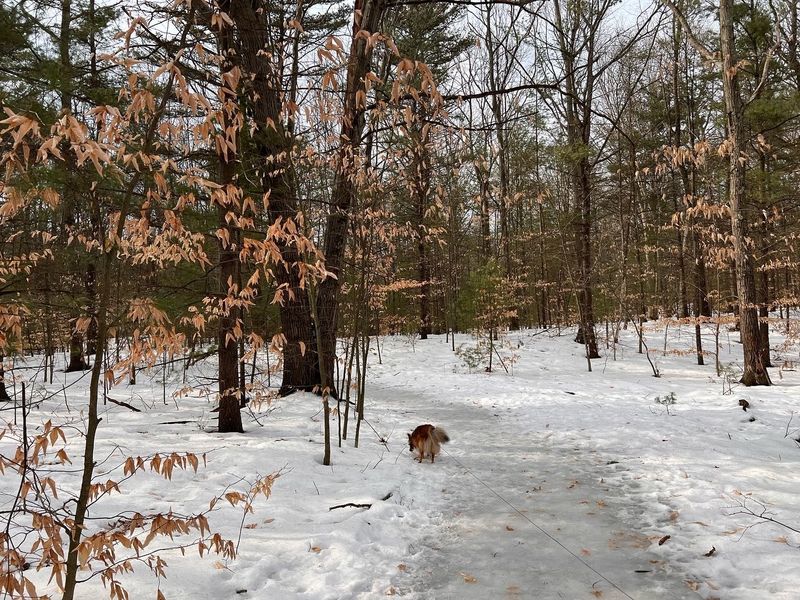
Cold air changes the sound of a walk. Leaves are no longer rustling overhead, your breath becomes visible, and familiar wooded hills can feel newly strange beneath a thin cover of snow.
Winter hiking appears in visitor accounts of North Ottawa Dunes, including walks that continued toward the lake. That does not guarantee cleared paths or easy footing, so treat a cold season visit as a different outing from a summer stroll.
Wear layers that you can adjust as climbs warm you up, and bring footwear suited to the day’s conditions. Ice, packed snow, and slippery leaves can make slopes or stairs harder to manage than they look.
Choose a shorter route when daylight is limited, and check the forecast before driving over. Carry water even when you do not feel sweaty, along with a charged phone and an extra warm layer.
If conditions exceed your comfort level, turning back is a good decision, not a spoiled adventure. The appeal is seeing the dune forest in a quieter mood, with bare branches revealing shapes that summer foliage often hides from passing hikers.
Photographs That Capture More Than a View
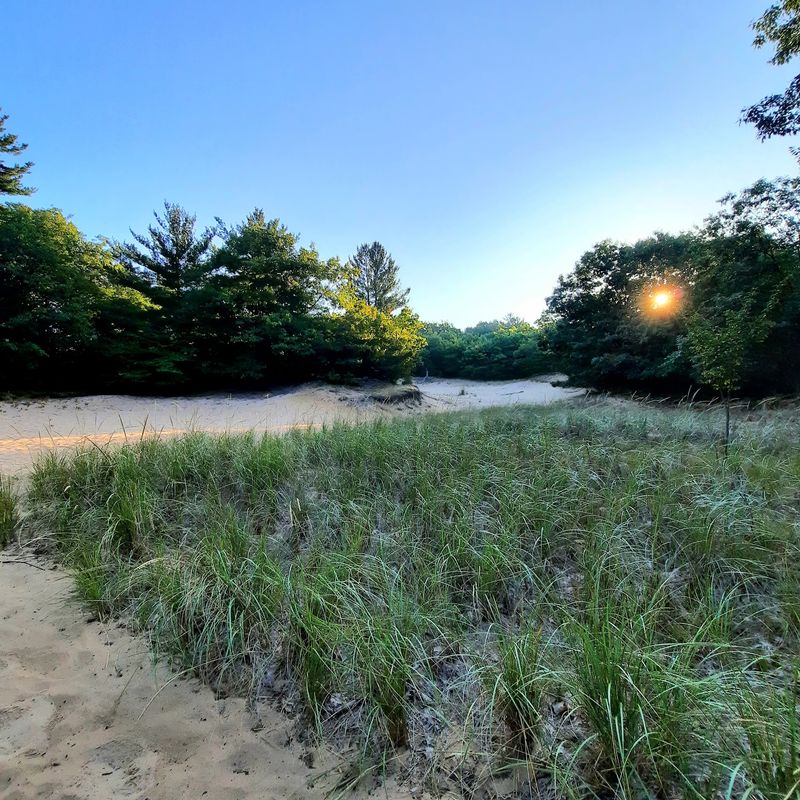
A stripe of sunlight across sand can be more memorable than a grand panorama. Look closely, and the trail offers shapes, shadows, and textures that make the landscape feel almost unfamiliar.
At North Ottawa Dunes, wooded ridges and sandy paths give photographers plenty to work with without leaving the marked route. Frame a curve in the trail, a line of trunks, or the contrast between bright ground and deep shade.
Morning and late afternoon light can bring out texture, but your safety matters more than the perfect glow. Watch your footing while carrying a camera, and stop walking before looking through a viewfinder or at your phone screen.
Keep other hikers moving by stepping only onto a safe, durable spot beside the walking line where permitted. Never climb fragile slopes or enter closed areas for a cleaner composition.
If you plan to photograph late in the day, leave enough time to return before dark and the posted closing hour. The strongest pictures may show the woodland as it truly is, not as an invented alien world, but as a wonderfully unexpected Michigan landscape.
A Little Planning Keeps the Wonder Intact
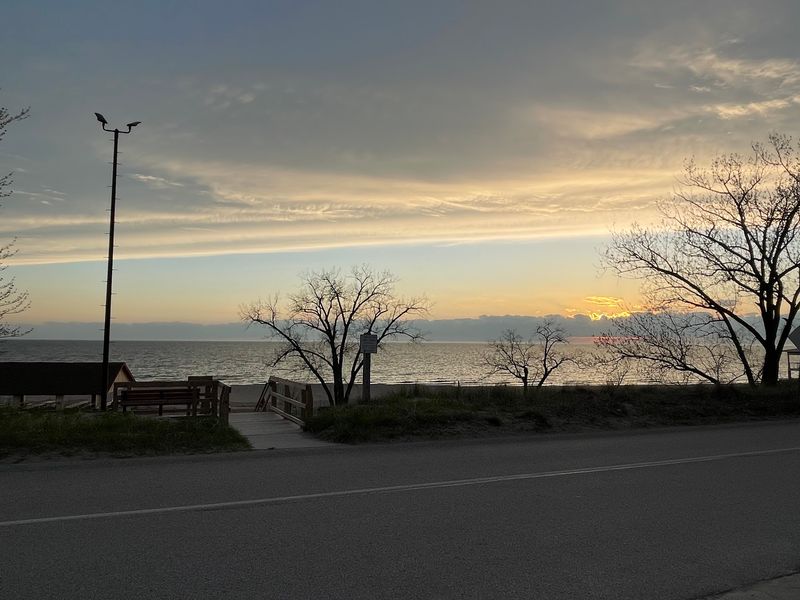
Nothing breaks a peaceful mood faster than realizing you forgot water or chose the wrong entrance. A few practical checks can keep the day’s attention where it belongs, on the trail ahead.
North Ottawa Dunes is listed at 18201 N Shore Rd, Spring Lake, MI 49456, with daily hours of 7 AM to 10 PM in the supplied information. Confirm current hours, access directions, and any closures on Ottawa County’s official park website before leaving.
Check rules for pets rather than relying on older reviews, which give conflicting accounts. Restroom access may also vary, so make a stop beforehand if needed and avoid assuming every facility will be available.
Pack water, weather appropriate clothing, a map, and shoes that handle loose sand. Tell someone your route, allow time for the return, and remember that posted closing hours do not make an unlit trail easy to follow after sunset.
Staying on designated paths helps protect dune plants and reduces erosion. With those basics handled, you can spend less time solving problems and more time enjoying how unexpectedly wild this wooded corner of Michigan feels.