All aboard for a North Carolina train ride that turns railroad history into a real-life adventure!
At the N.C. Transportation Museum in Spencer, the rails carry you through a massive former repair complex where steam locomotives once received the care they needed to keep moving across the South.
The ride may be short, but there is plenty to catch your eye along the way.
Historic railroad buildings, towering locomotives, and wide-open views make every stretch of track feel like a peek into another era.
Then there is the museum itself, packed with fascinating machines, restored rail cars, and stories that bring North Carolina’s transportation past to life.
If you think you know what a train ride can offer, this Spencer adventure may change your mind.
Ride Through North Carolina Railroad History
Picture a place where hundreds of workers once hammered, welded, and fixed giant steam engines all day long. That place still exists, and you can ride right through it.
The N.C. Transportation Museum sits on a 60-acre historic site in Spencer, North Carolina.
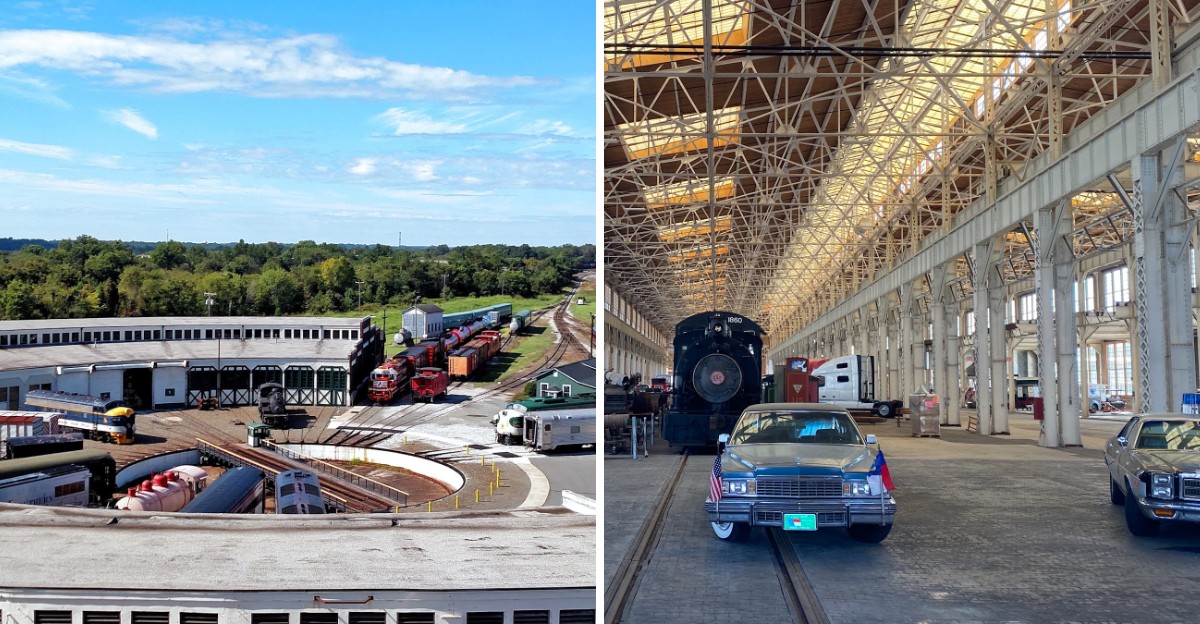
Long ago, the land was home to Spencer Shops, the biggest steam locomotive repair center run by Southern Railway. Trains from all over the region came here for check-ups and repairs.
Many families in town depended on these jobs, so the shops shaped the whole community.
Today, the museum’s train lets you travel past the same buildings and rail structures that workers used every day. Instead of reading about history on a sign, you get to roll through it with the clack of wheels under your feet.
It feels a little like stepping back into an old photo.
Tip: sit near a window and look closely at the brick walls, tracks, and old equipment. Small details, like faded paint or worn rails, show just how busy this place once was.
See Spencer Shops From the Rails
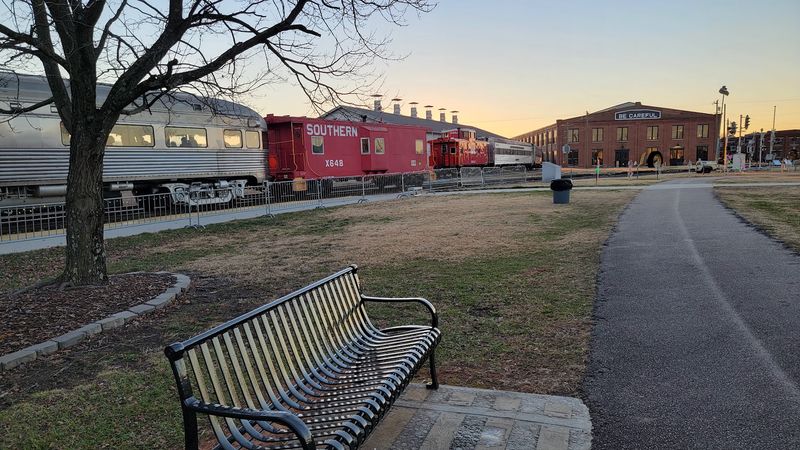
Walking a 60-acre site can wear out even the most excited explorer. Good news, the train does a lot of the work for you.
As you ride, the former railroad complex slides past your window like a living movie.
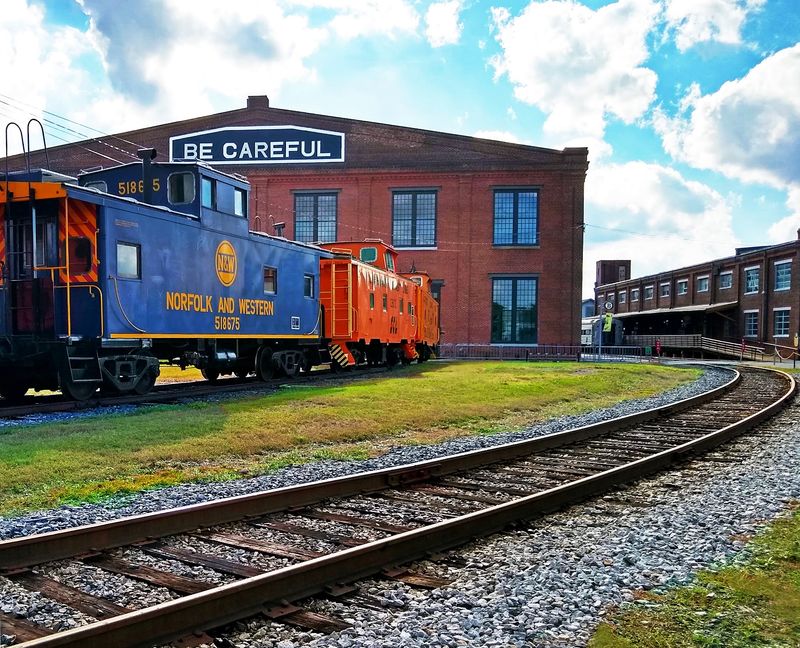
You will spot historic structures and work areas that once helped keep steam locomotives running smoothly. Some buildings held tools and supplies, while others were spaces where engines were taken apart and rebuilt.
Seeing them in order helps you understand how the whole operation fit together.
Riding also gives you a better sense of size. From the train, you can see how far the tracks stretch and how much space the shops needed.
It is hard to feel that scale when you are standing next to one building.
Here is a smart move. Take the train ride early in your visit to get the big picture.
Then hop off and walk to the spots that caught your eye. You will already know where everything is, which makes exploring much easier.
Pass the Massive Bob Julian Roundhouse
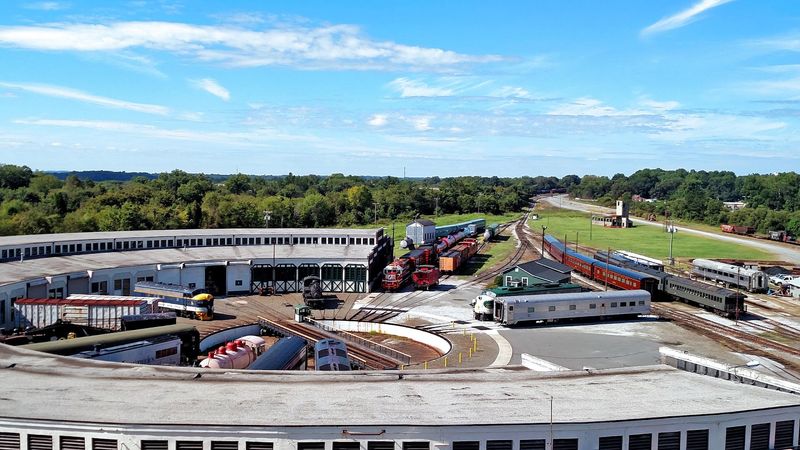
Thirty-seven bays. That is how many stalls the Bob Julian Roundhouse has, and it looks every bit as huge as that number sounds.
When the train rolls by, most riders grab their phones for a picture.
A roundhouse is a curved building made to store and repair locomotives. Engines would pull into a bay like cars parking in a garage.
Back in the day, this building was full of noise, smoke, and busy mechanics working around the clock.
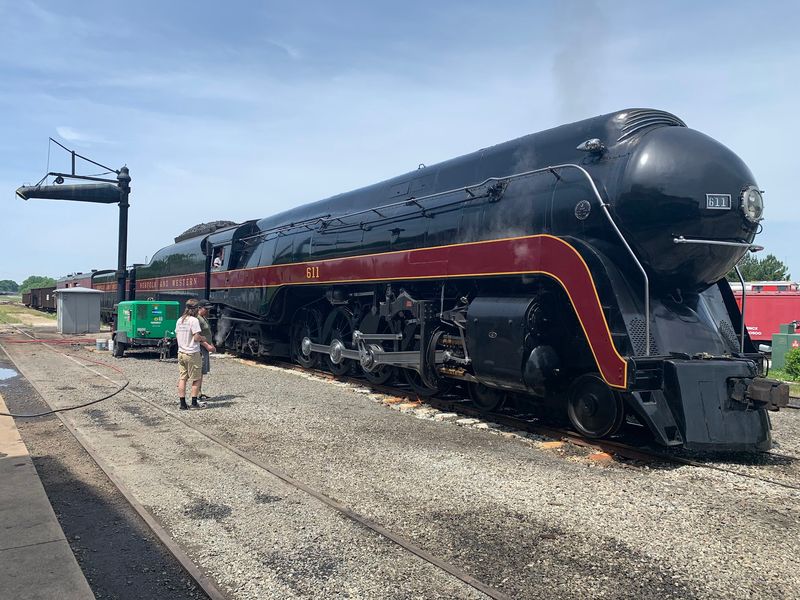
Now the roundhouse is filled with locomotives and rail cars on display. You can see engines from different eras lined up side by side, each with its own story.
It is one of the museum’s signature sights and a big part of Spencer’s railroad past.
Fun fact: roundhouses are shaped in a half circle because engines entered from a turntable in the center. After your ride, walk inside and stand next to the giant wheels.
Most people are surprised at how tiny they feel beside a real locomotive.
Watch the Train Change Direction
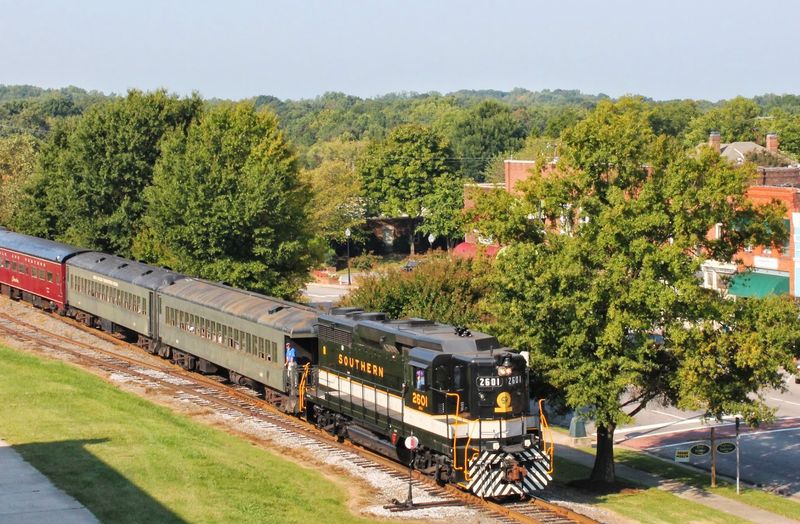
Ever wondered how a train turns around without a steering wheel? On this ride, you get to find out.
The train does not just go out and come straight back the same way.
During the trip of about three miles, the train reverses direction. That little switch is more exciting than it sounds.
Your view changes, and suddenly buildings you passed earlier show up from a brand-new angle.
Kids especially love feeling the slow stop, the pause, and then the gentle push the other way. It is a great moment to talk about how real railroads moved trains around yards and shops.
Workers had to plan every move carefully, since trains can only go where the tracks lead.
Try this on your ride. Pick one building and watch it on the way out, then look for it again after the train reverses.
You might notice doors, signs, or old equipment you missed the first time. It turns a simple ride into a fun spotting game for the whole group.
Start the Journey at Historic Barber Junction
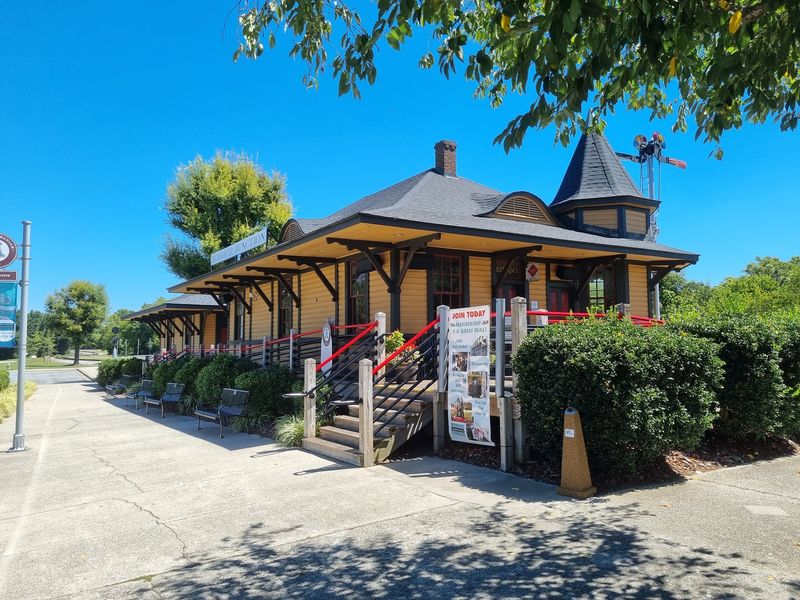
Every great train trip begins at a station, and this one starts at a real piece of history. Barber Junction is an authentic old depot that now works as the museum’s visitor center.
It has that classic small-town station charm you might see in an old movie.
This is where you buy tickets, pick up maps, and ask questions before heading out. Friendly staff can tell you about train times and what is open that day.
It is also a handy spot to use restrooms before your ride.
Take a minute to look around the depot itself. Wooden details, the platform, and the waiting area show how travelers once started their journeys.
Back then, stations like this were the heart of many towns, where people greeted friends and shipped goods.
Arrive a little early so you are not rushed. Grab a seat on the platform, listen for the train, and enjoy that excited feeling right before boarding.
Honestly, the waiting part is half the fun.
Combine the Train Ride With the Museum
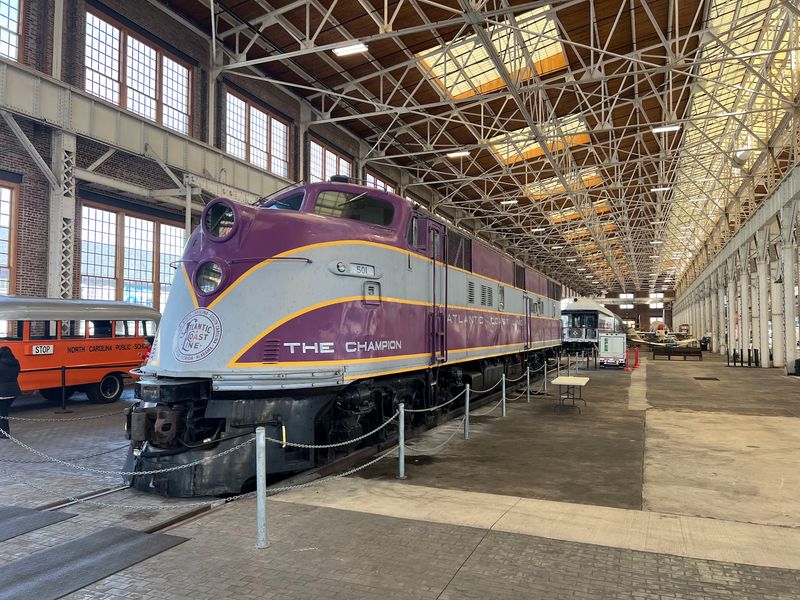
Riding the train is fun, but leaving right after would be like eating only the crust of a pizza. The museum has so much more waiting for you.
Plan to spend time on the grounds after you step off the train.
Start with the Back Shop, a massive building where locomotives were once rebuilt. Then visit the Bob Julian Roundhouse, the Flue Shop, and the Master Mechanic’s Office.
Each building shows a different part of how the old repair shops worked.
The museum is not only about trains, either. You will find historic rail cars, locomotives, classic automobiles, and aviation exhibits too.
That mix makes it a good stop for anyone who likes things that move, whether on wheels, rails, or wings.
A simple plan helps. Choose two or three must-see buildings first, then explore the rest as time allows.
Wear comfy shoes, since the buildings are spread out. Bring water on warm days, and you will be ready to see it all.
Give Yourself Time To Explore
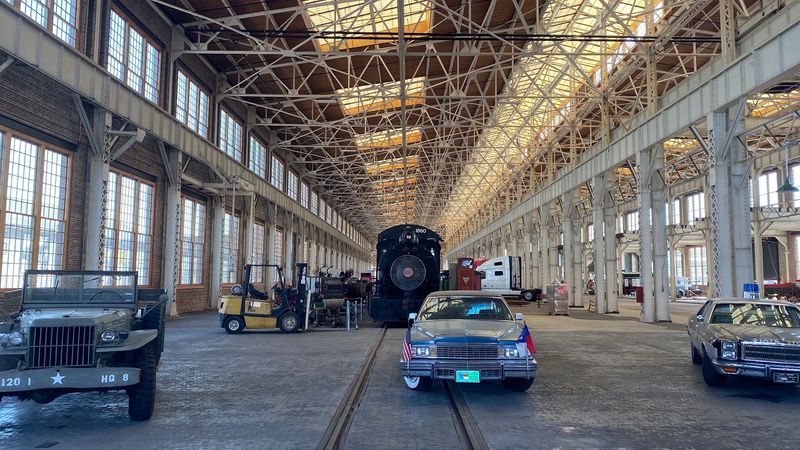
Here is the honest truth. A quick 30-minute stop will not do this place justice.
The museum covers a huge area, and you will want time to soak it in.
Museum staff suggest setting aside about three hours if you plan to ride the train and see the exhibits. Skipping the train?
You will still need around two hours. That makes this more of a half-day adventure than a fast detour.
Why so long? The buildings are large, and many are packed with engines, cars, and stories worth reading.
Walking between them also takes time. Plus, you will probably want to stop and take pictures more than you expect.
To make the most of your day, eat a good meal before you arrive or bring snacks if allowed. Check the train schedule as soon as you get there, then plan your exploring around it.
Leaving extra time means nobody feels rushed, and you can linger at the exhibits that interest you most.
Look for the 1924 Turntable
Did you know a whole locomotive could spin around like a record on a player? The museum’s turntable did exactly that, and it still turns today.
Built in 1924, it is one of the coolest pieces of machinery on site.
Back when Spencer Shops was busy, workers used the turntable to move and turn engines. A locomotive would roll onto the bridge, and the turntable would rotate it toward the right bay in the roundhouse.
It was a clever way to handle heavy machines in a small space.
On operating days, visitors can take a separate ride on the turntable. It moves slowly, but it is a neat chance to feel what the engines once felt.
You also get a wide view of the roundhouse bays curving around you.
Check at the visitor center to see if turntable rides are running during your visit. Since it is separate from the train ride, ask about tickets ahead of time so you do not miss out.
Plan Your Visit
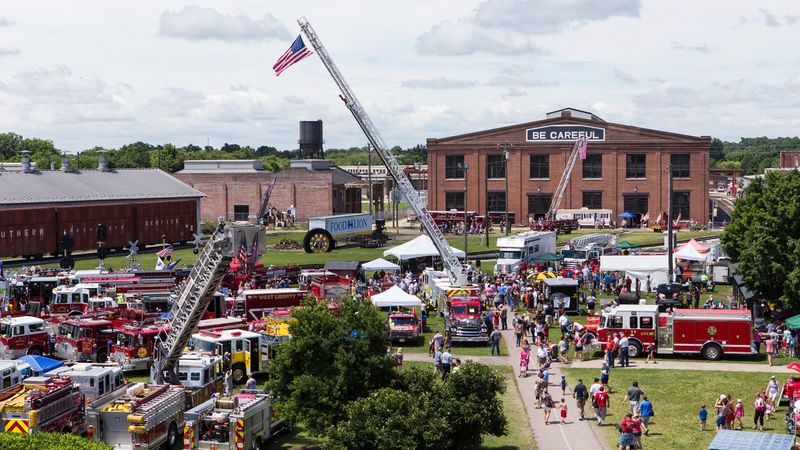
A little planning goes a long way toward a smooth day. The N.C.
Transportation Museum is located at 1 Samuel Spencer Dr., Spencer, NC 28159. Parking is free, and there is room for buses, RVs, and trailers.
Museum hours and train schedules change with the seasons. Always check the official schedule before you leave home.
You can also call +1 704-636-2889 with any questions.
Current regular admission plus train pricing is $20 for adults, $18 for seniors and military, and $16 for kids ages 3 to 12. Children under 3 get in free, and taxes apply.
Prices can change, so double-check before your trip.
Accessibility is a strong point here. The museum is accessible, and the train has a wheelchair lift plus an ADA car with wheelchair tie-downs.
That means more people can share the fun together. Pack comfortable shoes, a camera, and a sense of adventure, and you will be all set for a memorable railroad day.