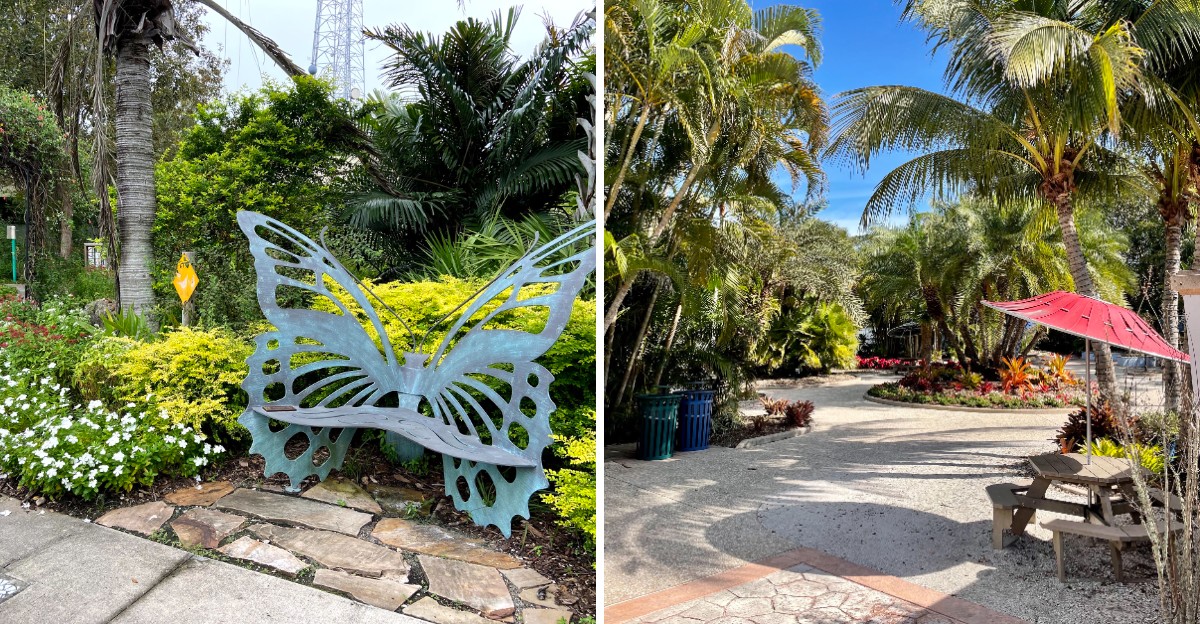
You could easily lose an entire afternoon to butterflies at this Florida garden.
Florida Botanical Gardens in Largo feels like a secret waiting just outside the bustle, with colorful blooms, winding paths, and butterflies fluttering from flower to flower.
Best of all, admission is free, so there’s no reason to rush through the experience.
The Butterfly Garden steals the spotlight, but it’s only the beginning. Tropical plants, native flowers, wetlands, fruit trees, and peaceful walking paths create plenty of reasons to keep exploring long after your first butterfly sighting.
Families can turn the visit into an outdoor learning adventure, while nature lovers can slow down and watch for wildlife among the plants.
Bring your camera, wear comfortable shoes, and give yourself plenty of time.
Once you start wandering, leaving may be harder than you expect.
Start With the Butterfly Garden
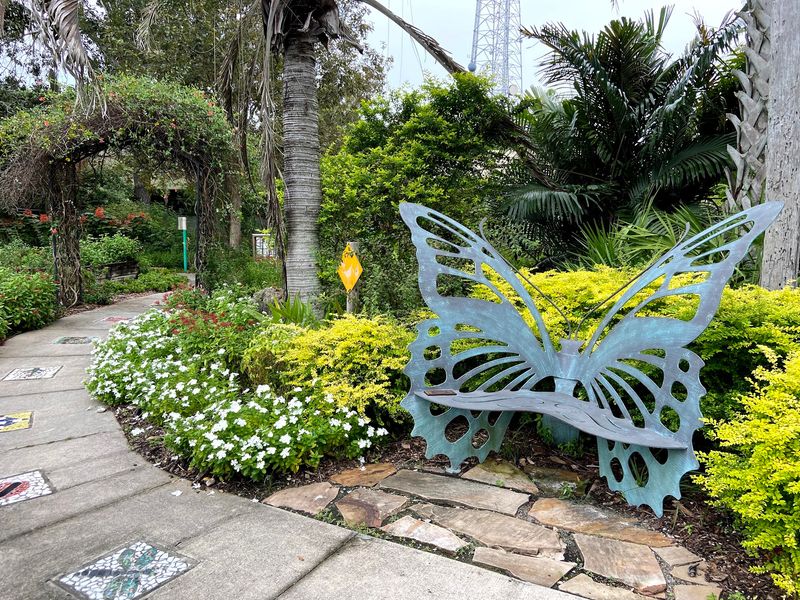
Walking into the Butterfly Garden feels like stepping into a living kaleidoscope where wings in every shade flutter past your shoulders. This carefully designed habitat focuses on native Florida butterflies, combining nectar-rich flowers with host plants that support the complete butterfly lifecycle.
Rather than capturing butterflies behind glass, the garden lets them move freely, creating an authentic natural experience.
Plan to spend at least twenty minutes here observing how different species interact with specific plants. Zebra longwings might rest on passionflower vines while gulf fritillaries circle nearby lantanas.
The plantings change with the seasons, but the garden maintains year-round appeal for both butterflies and visitors.
Early morning or late afternoon visits often provide the best butterfly activity, especially on warm, sunny days. Bring a camera with a close-up lens if you enjoy nature photography.
The garden’s layout includes benches positioned for comfortable observation, making this an ideal starting point that sets a peaceful tone for your entire botanical adventure.
Watch Hundreds of Butterflies Around the Blooms
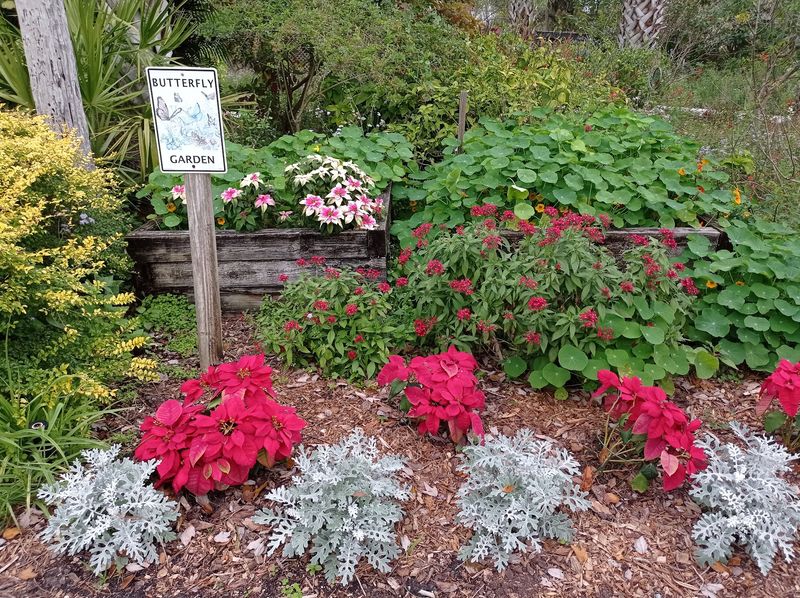
Patience becomes your greatest tool once you settle into butterfly watching mode. Instead of rushing past, try standing still near a patch of blooming pentas or salvia and count how many different butterflies visit within five minutes.
You might be surprised at the variety appearing in such a small window of time.
Each species shows distinct behaviors and preferences. Some butterflies land delicately on flower edges, slowly unrolling their proboscis to sip nectar.
Others hover briefly before moving to the next bloom, almost hummingbird-like in their rapid movements.
Children particularly enjoy the challenge of spotting different colors and patterns. Bring along a simple butterfly identification guide or use a smartphone app to identify species in real time.
The experience teaches valuable lessons about ecosystems, pollination, and plant-insect relationships.
Look for caterpillars on host plants too, since the garden supports all life stages. Watching butterflies interact with their environment creates memorable moments that help visitors understand why protecting native habitats matters so much to wildlife conservation.
Explore the Tropical Walk
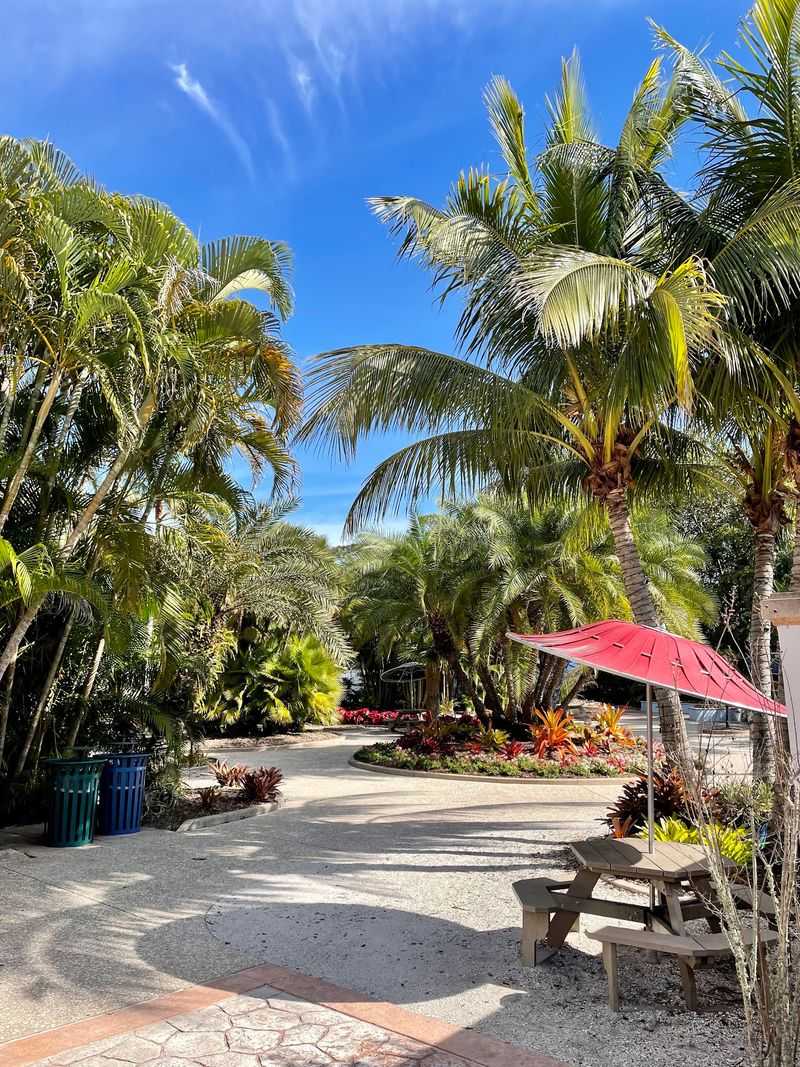
Stepping onto the Tropical Walk transports you into an entirely different climate zone without leaving Pinellas County. Towering palms create a canopy overhead while bromeliads cling to tree trunks at eye level, their colorful centers catching rainwater and providing tiny habitats for insects and frogs.
The air feels different here, slightly cooler beneath the shade and fragrant with exotic blooms.
This section showcases plants that thrive in Florida’s subtropical conditions but still feel distinctly tropical and almost jungle-like. Unusual specimens with dramatic foliage add visual interest even when flowers aren’t blooming.
Bird of paradise plants stretch their orange and blue flowers toward the sunlight filtering through palm fronds above.
Allow yourself to wander slowly through this area, pausing to read plant labels and discover species you’ve never encountered before. Many tropical plants here produce fruits or seeds that visitors might recognize from grocery stores, making connections between ornamental gardening and agricultural crops.
The dense plantings create excellent photography opportunities with layered backgrounds and interesting textures at every turn.
Wander Through the Native Garden
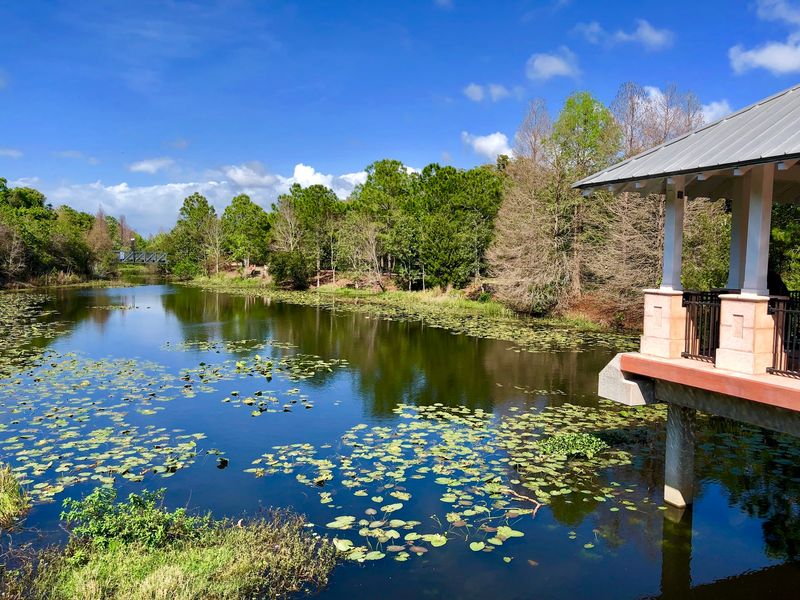
After experiencing the exotic tropical collections, the Native Garden offers a refreshing contrast by celebrating plants that evolved specifically for Florida’s unique environment. These species have adapted to sandy soils, intense summer heat, seasonal droughts, and occasional freezes.
Observing them in a cultivated garden setting helps visitors recognize what thrives naturally in local yards and wild spaces.
Native plants support more wildlife than non-native ornamentals because local insects, birds, and other creatures evolved alongside them. You might spot native bees visiting coreopsis flowers or hear rustling as lizards hunt among muhly grass clumps.
The garden demonstrates how beautiful and low-maintenance native landscaping can be when properly designed.
Educational signage throughout this section explains each plant’s role in local ecosystems and offers practical tips for home gardeners interested in reducing water consumption and chemical inputs. Many visitors find inspiration here for redesigning portions of their own yards with native species.
The aesthetic proves that sustainable landscaping doesn’t mean sacrificing beauty for ecological responsibility.
Follow the Wetlands Walkway
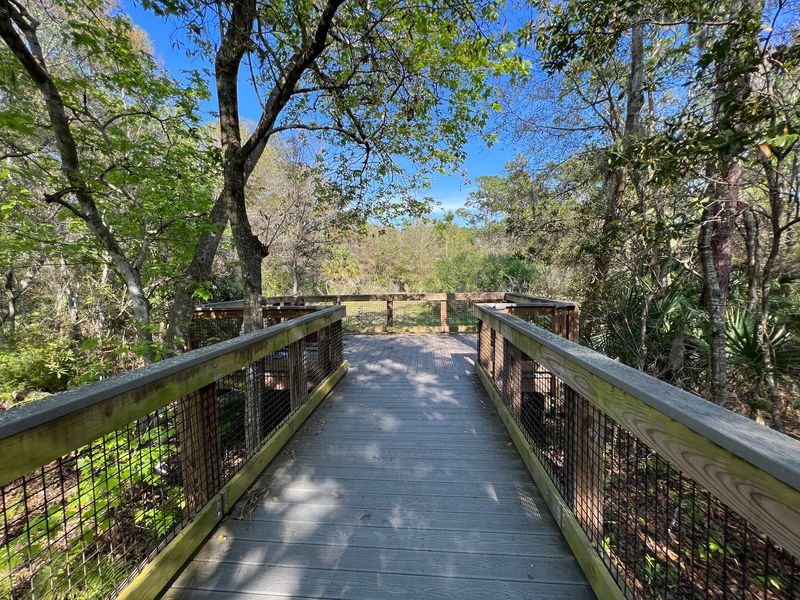
When the afternoon sun grows intense, the shaded Wetlands Walkway provides welcome relief along with fascinating ecological education. This boardwalk winds through preserved wetland habitat where water filters naturally through plant roots and soil, demonstrating nature’s own water treatment system.
Interpretive signs explain how wetlands prevent flooding, recharge aquifers, and support countless species.
Walking quietly increases your chances of spotting wildlife. Turtles sun themselves on partially submerged logs while wading birds stalk the shallow edges hunting for small fish and insects.
Dragonflies patrol the boardwalk, their iridescent bodies flashing in shafts of sunlight breaking through the tree canopy.
The walkway feels remarkably peaceful despite being surrounded by suburban development. Water sounds create a subtle background soundtrack, from gentle ripples when fish surface to raindrops hitting lily pads during afternoon showers.
This section helps visitors understand why preserving wetlands matters for both environmental health and community resilience against storms and sea level rise. Budget at least fifteen minutes for a relaxed walk through this contemplative space.
Visit the Majeed Discovery Garden
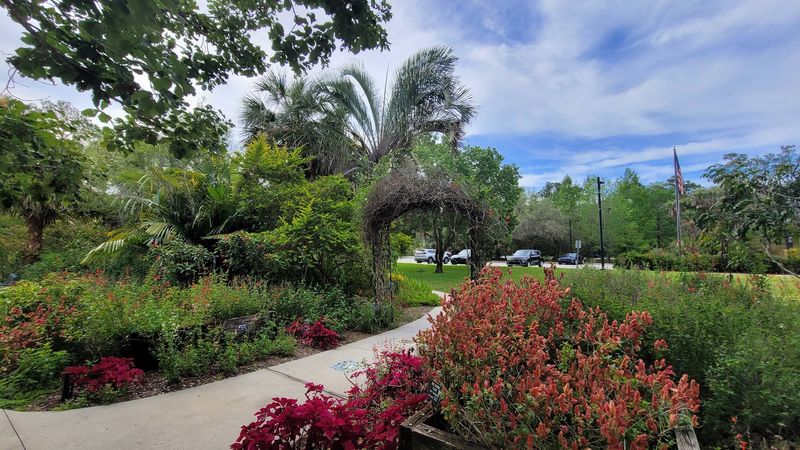
Families with children should definitely carve out extra time for the two-acre Majeed Discovery Garden, where learning happens through touching, playing, and exploring rather than just looking. Kids can pump water through a hand-operated system to understand irrigation, create music on outdoor instruments crafted from natural materials, and cross a bamboo bridge that sways slightly with each step.
The sensory garden includes plants chosen specifically for their textures, scents, and sounds. Fuzzy lamb’s ear leaves beg to be stroked, while pineapple sage releases its fruity aroma when leaves are gently rubbed.
Ornamental grasses whisper in the breeze, teaching children to use all their senses when experiencing nature.
Pollinator Landing offers close-up views of bees, butterflies, and other beneficial insects at work. Educational signage uses simple language and colorful graphics that engage young readers without overwhelming them with information.
This garden proves that botanical education works best when it feels like play rather than a classroom lesson, making it possibly the most popular section for visiting school groups and families.
Discover the Tropical Fruit and Herb Gardens
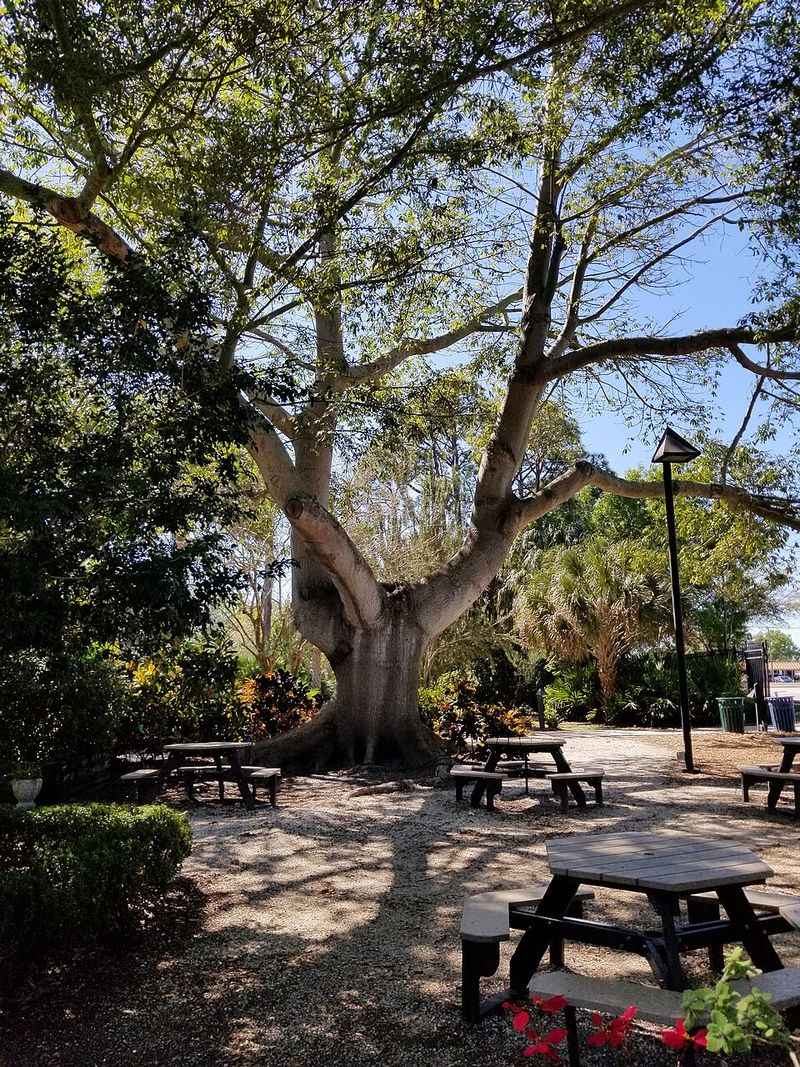
Adding an edible dimension to your botanical exploration, the Tropical Fruit Garden and Herb Garden demonstrate how productive plants can also serve ornamental purposes. Fruit trees display beautiful blossoms before developing crops like mangoes, avocados, or citrus fruits depending on the season.
Even when fruits aren’t ripening, the trees themselves provide attractive shapes and glossy foliage.
The Herb Garden delights visitors who enjoy cooking, with familiar culinary plants like basil, rosemary, and thyme growing alongside more unusual tropical herbs. Running your hands gently over herb foliage releases aromatic oils that help you understand why these plants add such distinctive flavors to food.
Many home gardeners discover new varieties they want to try growing themselves.
These collections fit naturally into the main garden route according to the official visitor map, making them easy to include without backtracking. Plant labels often include culinary uses and growing tips, turning a simple garden stroll into practical education.
The combination of beauty and usefulness appeals to visitors who appreciate gardens that serve multiple purposes beyond pure aesthetics.
Take the Natural Area Trail
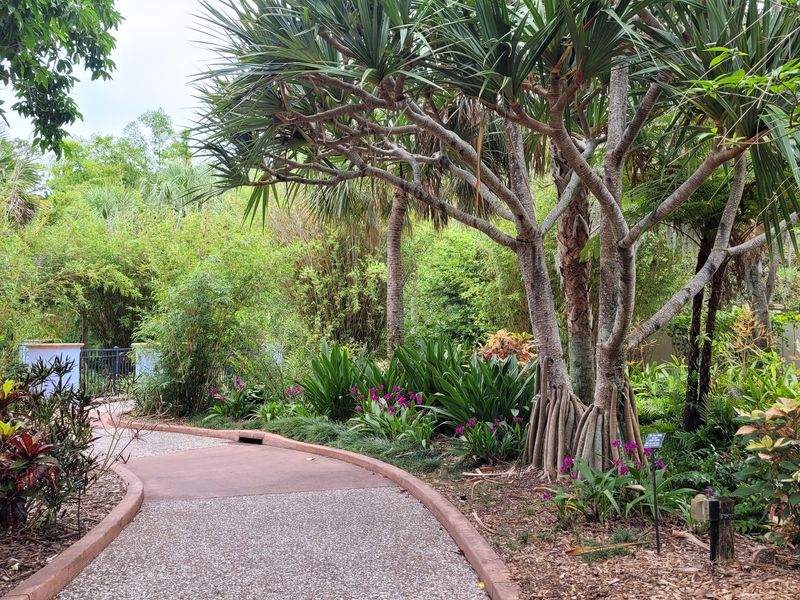
Visitors seeking something beyond perfectly manicured flower beds will appreciate the Natural Area Trail, which preserves a slice of what Florida looked like before extensive development. This section maintains native ecosystems with minimal human intervention, allowing plants to grow in natural patterns and wildlife to behave without disturbance.
The contrast with cultivated gardens makes the trail feel almost like a nature preserve.
Interpretive signage identifies tree species, explains ecological relationships, and describes wildlife that depends on these habitats. Oak hammocks provide homes for countless organisms from soil fungi to nesting birds.
Palmetto thickets shelter small mammals and reptiles. Understanding these natural communities helps visitors recognize similar habitats in other parts of Florida.
Walk this trail slowly, pausing to observe details most people miss when rushing past. Notice how sunlight creates patterns on the forest floor, how different plants layer themselves from ground covers to canopy trees, or how animal tracks mark soft soil near water sources.
This section rewards patient observation with genuine wilderness experiences, making it a worthwhile addition to your afternoon exploration despite requiring slightly more walking than other areas.
Leave Time for the Gift Shop and Garden Details
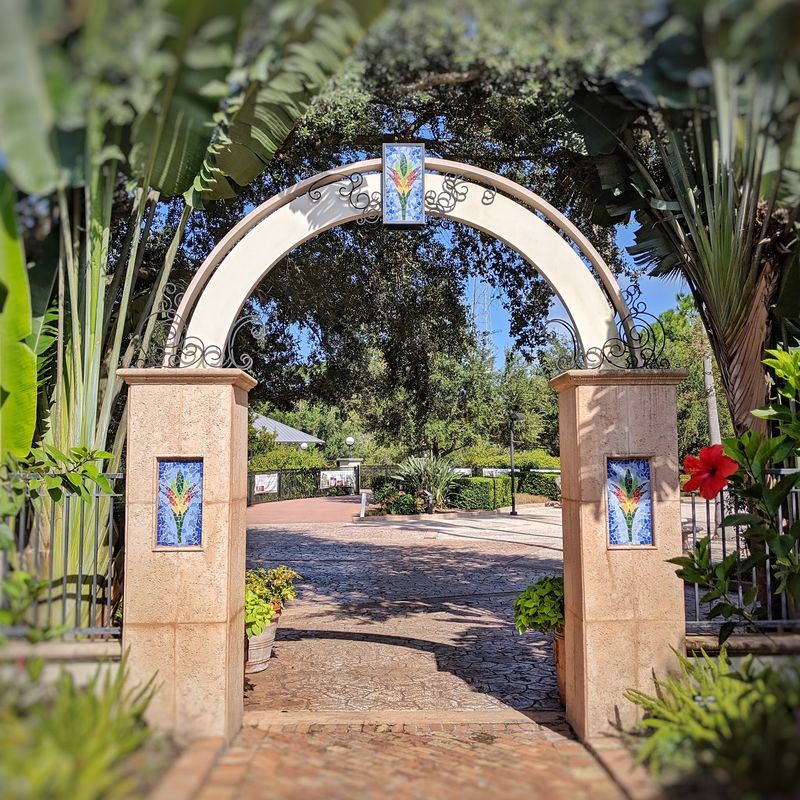
Before concluding your visit, budget fifteen minutes for browsing the Garden Gift Shop, which offers more than typical tourist merchandise. Botanical reference books help with plant identification and gardening techniques specific to Florida’s challenging climate.
Locally sourced honey from beekeepers who maintain hives in natural areas supports both small businesses and pollinator conservation.
Native plants available for purchase let you take home living souvenirs that will thrive in area landscapes. Pottery, garden tools, and decorative items make practical gifts for gardening enthusiasts.
Many products sold here connect directly to what you’ve seen throughout the gardens, reinforcing lessons learned during your exploration.
Free self-guided tour maps available through the gift shop help visitors navigate the larger grounds more efficiently. Staff members can answer questions about plants you’ve photographed but couldn’t identify, seasonal events, or volunteer opportunities for those interested in contributing to the garden’s maintenance and programs.
Purchasing items here directly supports the garden’s continued operation and improvement, making your shopping meaningful beyond simply acquiring souvenirs.
Plan Your Visit
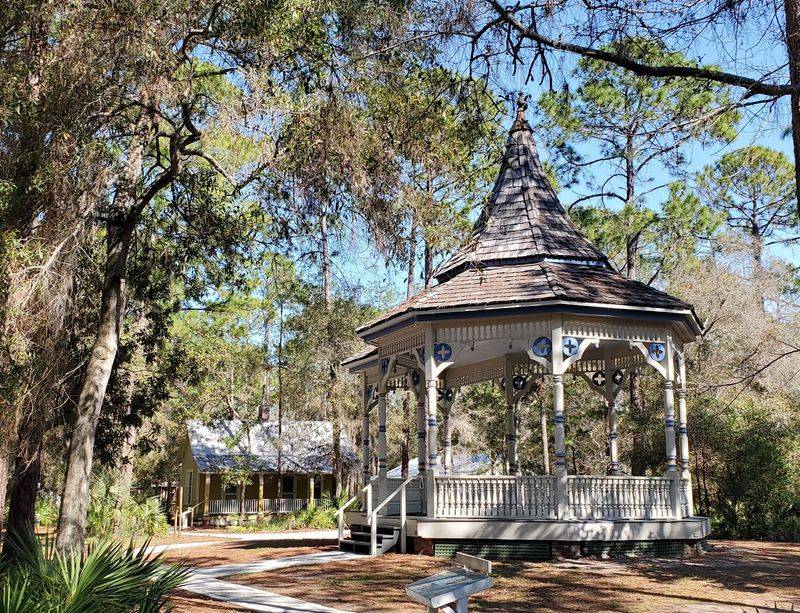
Before heading to Florida Botanical Gardens, gather these essential details for a smooth visit. The address is 12520 Ulmerton Road, Largo, FL 33774, and you can call (727) 753-7840 with questions.
Daily hours run from 7 a.m. to 5 p.m., giving early risers time to explore in cooler morning temperatures or allowing afternoon visitors to enjoy gardens as shadows lengthen.
Admission remains completely free, making this an exceptional value for families, budget-conscious travelers, or anyone wanting quality outdoor experiences without entrance fees. Two parking lots serve the gardens, providing convenient access to different sections of the grounds.
Arrive on weekday mornings for the most peaceful experience with fewer crowds.
The gardens welcome leashed pets, so well-behaved dogs can join your exploration. Personal photography is encouraged throughout the grounds, though commercial shoots require advance permission.
Accessible paths accommodate wheelchairs and strollers, ensuring everyone can enjoy the gardens regardless of mobility levels. Note that the gardens close the day after Thanksgiving and on Christmas Day, so verify hours on the official website before holiday visits to avoid disappointment.