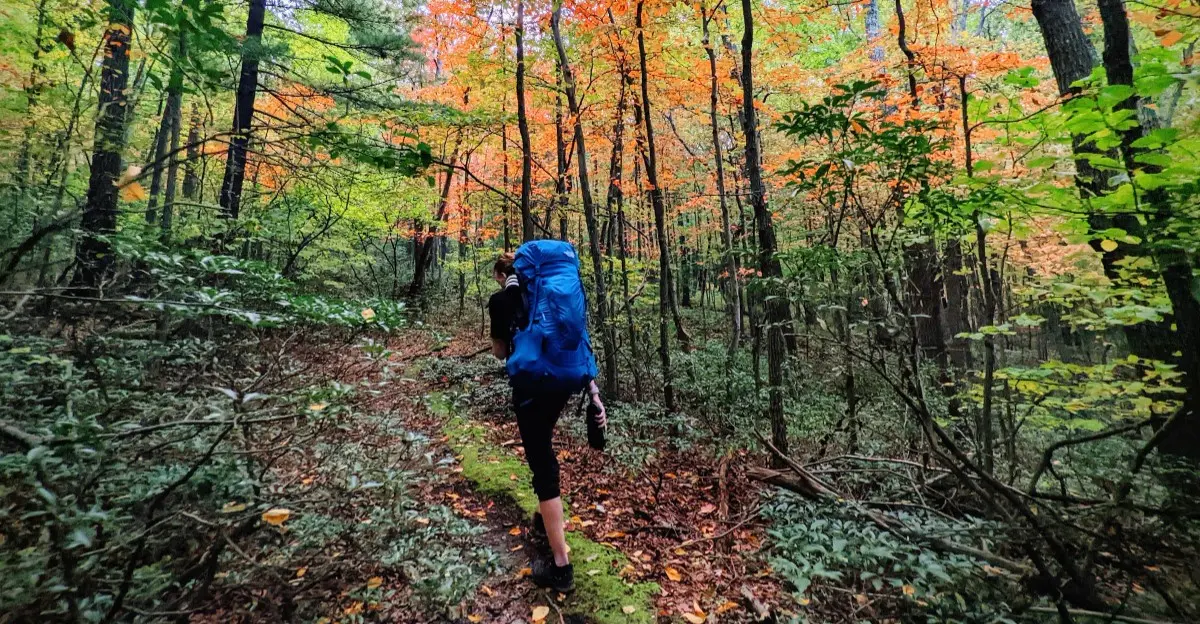
The trail seems to move at a different pace when dry leaves crackle beneath your boots and a stream slips quietly between the trees. In Pennsylvania, fall brings rich color to wooded hills, cool air to shaded paths, and a reason to linger a little longer outdoors.
These Pennsylvania forest trails offer more than a workout. Some follow gentle woodland stretches where golden leaves frame the path, while others climb rocky terrain or pass bubbling streams tucked beneath the canopy.
The changing scenery gives familiar landscapes a new character, and cooler temperatures can make a longer hike feel especially inviting.
Before heading out, check current trail conditions, bring sturdy footwear, and choose a route that suits your experience. From peaceful walks to more demanding climbs, these 10 forest trails in Pennsylvania offer plenty of ways to slow down and enjoy the season.
Find Big Views on Black Forest Trail
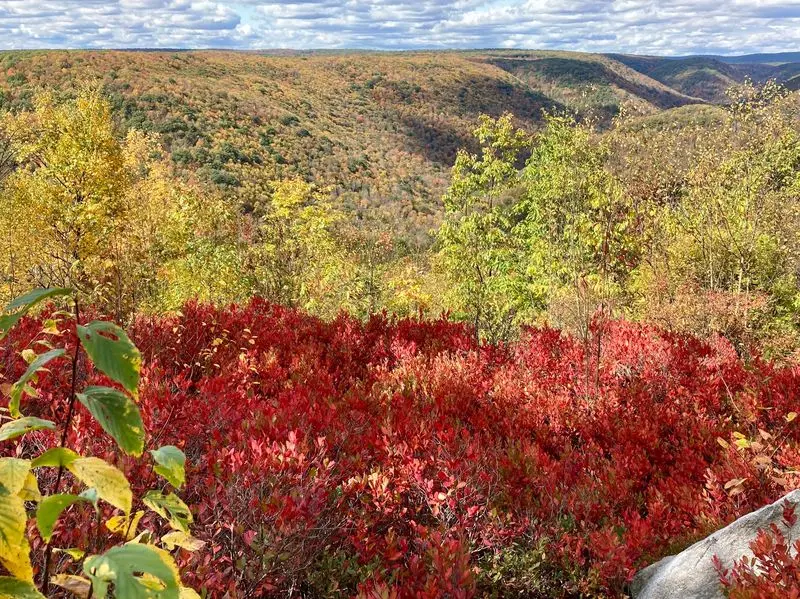
A few steps into the trees, the road begins to feel far away. Near Slate Run, the Black Forest Trail winds through Tiadaghton State Forest, where autumn color spreads across steep hills and deep valleys rather than gathering around one easy viewpoint.
The full route forms a roughly 42 mile loop, following old railroad grades, logging paths, and rugged foot trails. Openings in the woods reveal views toward Pine Creek and surrounding mountains, giving you good reasons to stop before your legs ask for a break.
You do not need to tackle the entire loop to enjoy its character. Use an official trail map to choose a manageable section, check the elevation changes, and remember that a short distance here can still mean a demanding climb.
Carry water, snacks, a warm layer, and navigation that works without cell service. Wet leaves can hide loose rocks, so keep your eyes on the ground between overlooks.
When you finally pause above the valley, let the view hold your attention longer than your camera does, especially as clouds move shadows across the distant slopes.
Listen for Water on Golden Eagle Trail
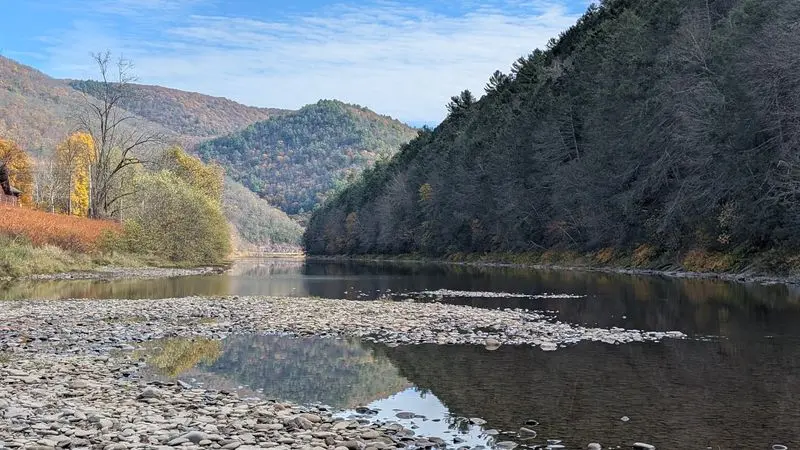
Running water can reach your ears before the stream comes into view. Along the Golden Eagle Trail near Cammal, that sound draws you through the Wolf Run Wild Area, where tall pines and changing hardwoods give the woods a layered autumn look.
This roughly nine mile loop follows routes once used for logging and quarrying. Waterfalls and traces of old logging camps add interest along the way, while Raven’s Horn offers the kind of mountain view that makes a packed lunch feel like an occasion.
Expect a challenging hike rather than a casual afternoon stroll. Give yourself a full day, study the route beforehand, and leave enough daylight for the final miles, especially when fall sunsets arrive earlier than you expect.
After rain, roots and rocks may be slick, and waterfall flow depends on recent weather. Wear shoes with reliable grip and stay back from exposed edges at the overlook.
The pleasure here comes from the contrast: close forest details one moment, a wide sweep of colorful hills the next, with plenty worth noticing in the quiet spaces between them too.
Follow the Quiet Along Bucktail Path
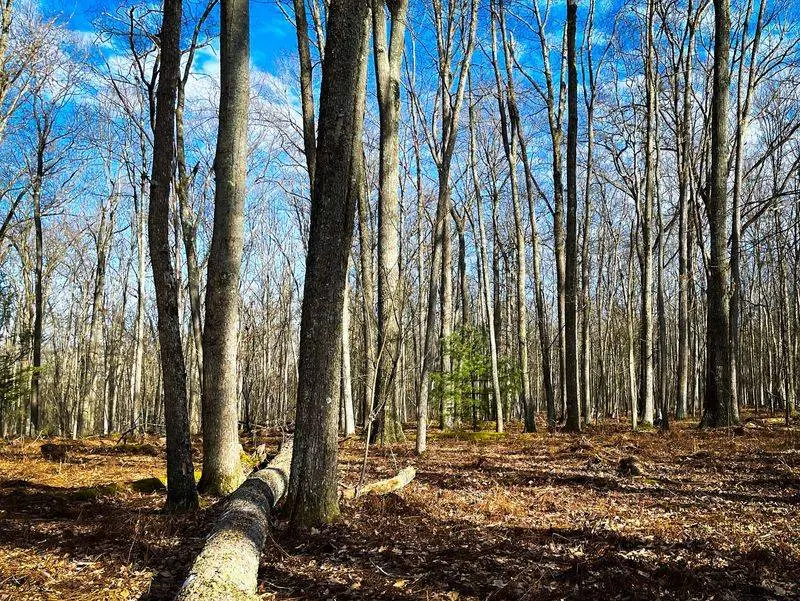
The smallest sounds become noticeable when the woods grow quiet: a leaf landing, a branch creaking, your jacket brushing a tree. Bucktail Path in Elk State Forest invites that kind of attention, especially when the hardwood canopy begins to thin in autumn.
Running about 34 miles from near Sizerville State Park toward Sinnemahoning, the route passes through northern hardwood and oak forests. Mountain views and the Johnson Run Natural Area give the journey variety without taking away its deep woodland character.
Because this is a point to point trail, walking the whole route requires transportation planning. For a day trip, choose an access point and an out and back distance that fits your pace, allowing extra time for hills and stops.
Bring a paper map or downloaded navigation, since remote country is not the place to depend on a phone signal. Check seasonal hunting rules and wear visible clothing where recommended.
Rather than chasing every viewpoint, try pausing beneath the trees; the changing light on bark and leaves can be just as memorable as the distant ridges on a clear afternoon.
Leave the Rush Behind on Donut Hole Trail
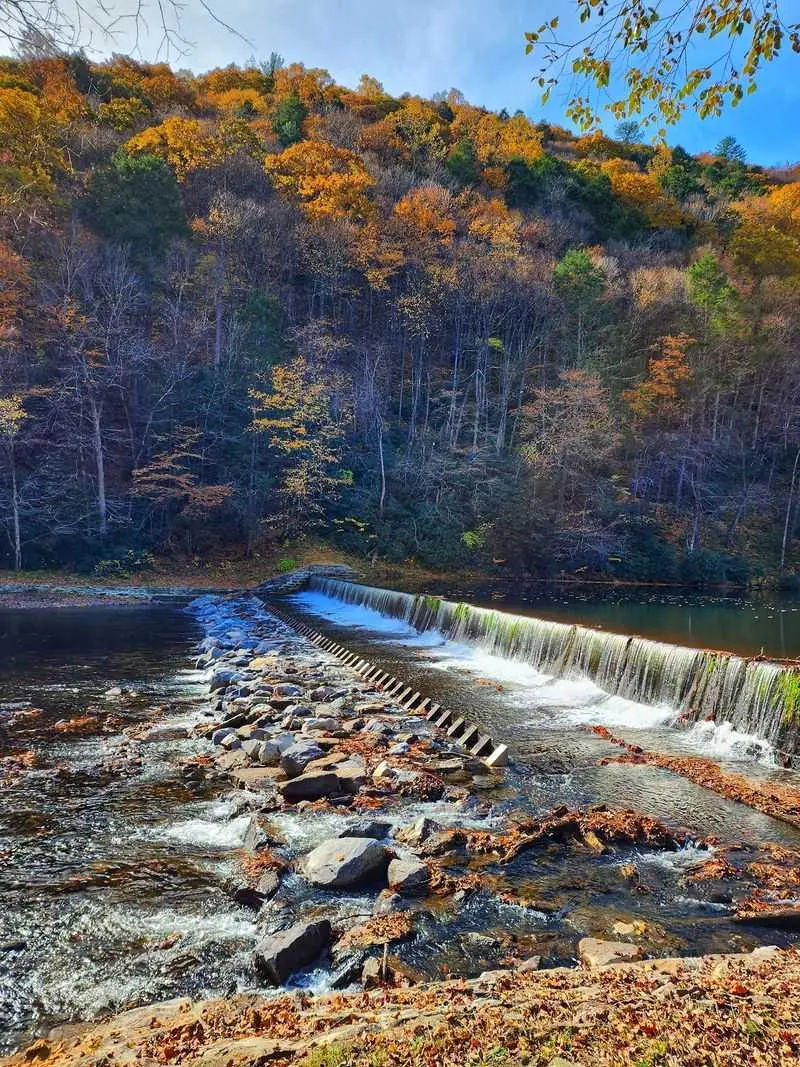
Despite its playful name, this trail asks for serious respect. The Donut Hole Trail crosses remote Pennsylvania forest country, including Sproul State Forest, where the autumn experience is less about a quick photo stop and more about settling into the miles.
Current DCNR information puts the route at approximately 90 miles. Its course includes the Kettle Creek and Hyner Run areas and connects with the Susquehannock Trail System, opening possibilities for longer trips through a broad stretch of wooded hills.
Some sections follow easier grades; others bring steep climbs and rocky footing. Pick your segment from a current official map instead of assuming the entire trail walks the same way, and check access roads before driving into unfamiliar forest country.
A short visit can still offer the route’s greatest pleasure: space to hear yourself think. Carry enough water, or plan reliable sources and treatment for a longer outing.
Leave your route and return time with someone, pack a headlamp, and give yourself permission to turn around early. Autumn solitude feels better when your plans leave a comfortable margin for changing conditions.
Notice the Changing Woods on Allegheny Front Trail
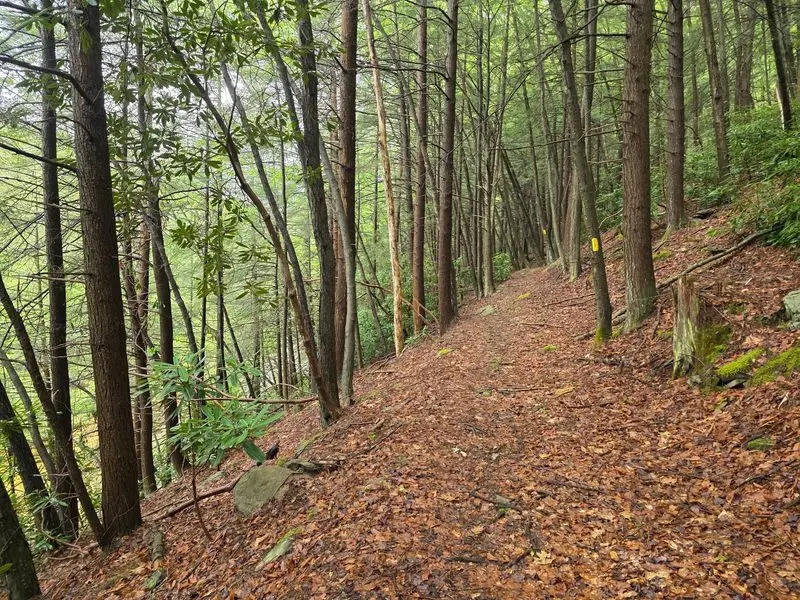
Not every autumn walk needs a dramatic destination. Sometimes the reward is watching the forest change around you, from dark evergreen shade to brighter hardwood stands, as it does along the Allegheny Front Trail in Moshannon State Forest.
This long distance loop explores the Allegheny Plateau, giving hikers room to experience different woodland settings. Instead of expecting one continuous view, look for smaller shifts: the texture of bark, the color of fallen leaves, or sunlight reaching a previously shaded stretch.
Choose a day hike using the forest’s official trail map, paying attention to access points and the return route. The complete loop is a backpacking undertaking, and shorter sections still deserve planning for uneven ground, wet areas, and limited daylight.
A light rain jacket and spare socks can make a cool weather outing more comfortable. Bring food you can eat during a brief stop, and avoid lingering so long that you become chilled.
There is a particular satisfaction in this quieter approach to fall hiking: you return remembering individual moments rather than trying to collect every overlook in a single busy afternoon.
Earn a Rocky View on Pole Steeple Trail
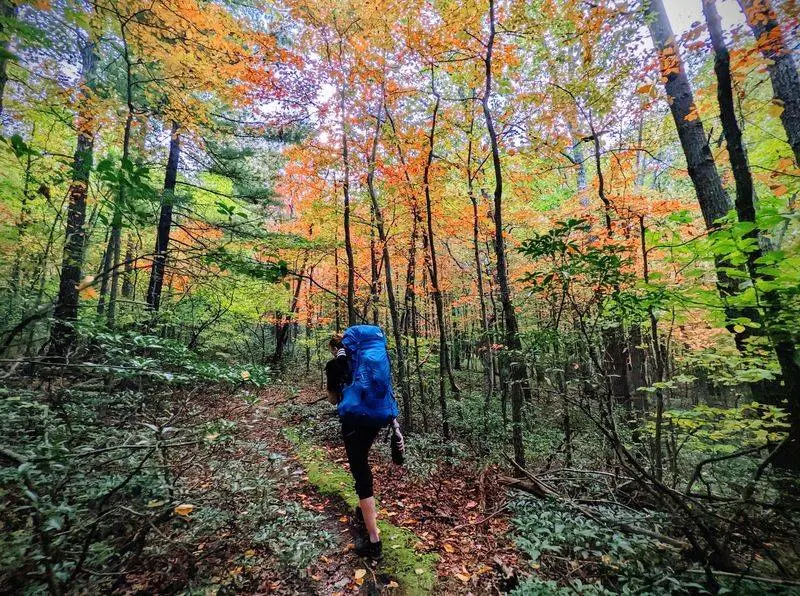
A short trail can still make you stop to catch your breath. The Pole Steeple Trail in Michaux State Forest climbs Piney Mountain, trading an easy distance on paper for a steep ascent through woods brightened by autumn leaves.
The designated trail is approximately three quarters of a mile to the overlook, not a complete round trip. DCNR rates the blue blazed route as most difficult, so plan for a demanding climb even if you have only a few hours available.
At the top, a quartzite outcrop opens the view across the surrounding landscape. The shift from enclosed forest to exposed rock is the memorable part: suddenly, the colors you have been walking beneath spread out below you.
Wear sturdy footwear and take particular care on the descent, when loose leaves can hide rocks. Keep children close and stay away from cliff edges; the view does not improve by stepping nearer them.
Bring a warm layer for your pause at the top, where wind may feel sharper. This is a good choice when you want a focused outing rather than an expedition.
Read the Forest’s Past on Susquehannock Trail System
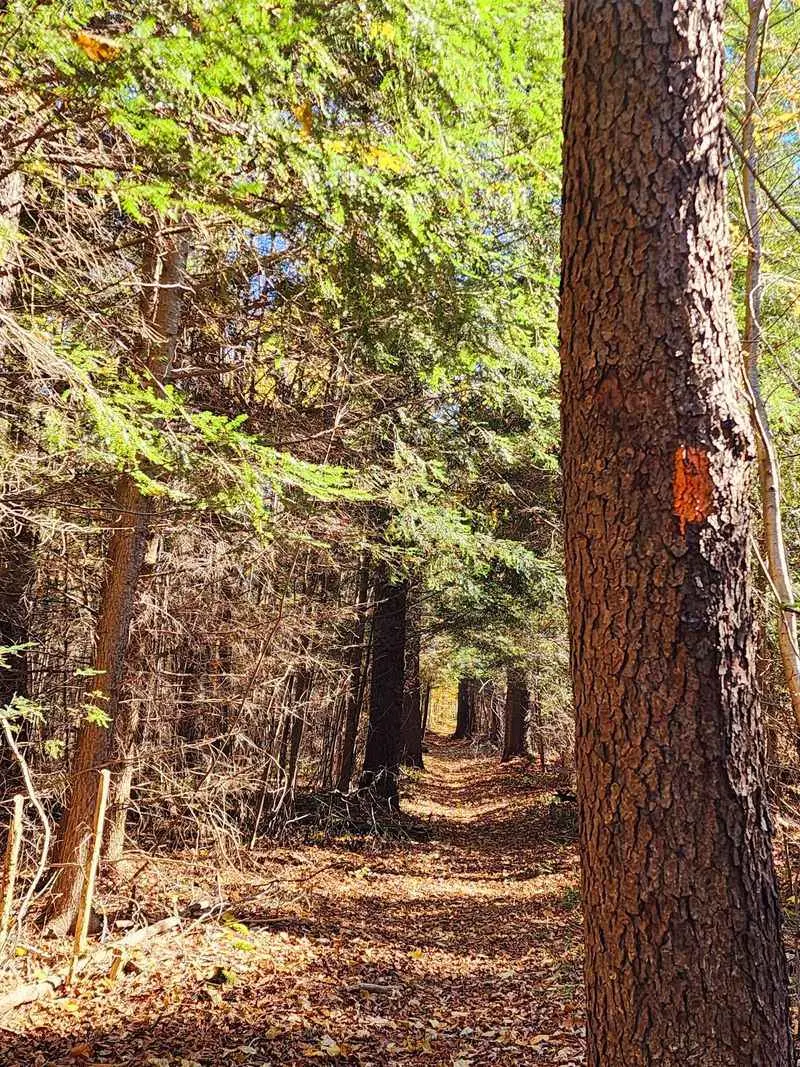
An old railroad grade can feel surprisingly peaceful once trains are gone and trees take over. Along the Susquehannock Trail System, pieces of Pennsylvania’s working past now lead hikers through forested hills and valleys dressed in the colors of fall.
The approximately 85 mile loop uses old footpaths, logging roads, and abandoned railroad grades. Orange blazes mark the way through Susquehannock State Forest, where maple, beech, black cherry, and hemlock help create a varied woodland scene.
Walking the entire system means a substantial backpacking trip, but selected sections can suit a shorter visit. Check the official map for access, distance, and elevation, and make sure your planned route returns to your vehicle or includes a shuttle.
Look up from the path occasionally to notice how evergreen branches frame the changing leaves. Keep following the blazes, however, since fallen foliage can make the tread harder to see.
Carry a headlamp even for a day hike, and check current camping requirements before an overnight trip. The history here is quiet, written into the shape of the path rather than displayed on every passing tree.
Explore Autumn’s Wetter Side on Thunder Swamp
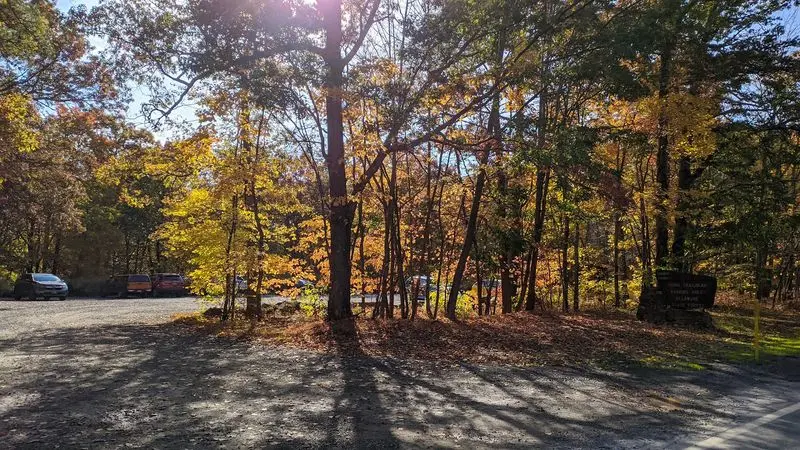
A patch of still water can hold the season upside down. Around the Thunder Swamp Trail System in Delaware State Forest, wetlands and mountain streams add reflections and open spaces to a hike that might otherwise seem all trees.
The roughly 26 mile network crosses southern Pike County and includes several forest types. Shorter loops and longer backpacking routes offer different ways to explore, though your exact distance depends on the connections you choose from the official map.
Expect the ground to be part of the story. Rocks, roots, and damp sections can slow your pace, especially after rain, so waterproof footwear may be useful and spare socks are sensible.
Step carefully rather than widening the trail to avoid mud.
Pause where the route gives you a safe view of water, and watch how leaf colors change in the reflection. Bring layers for cool, moist air and leave extra time for cautious footing.
This outing suits hikers who enjoy noticing habitats as much as reaching a destination. The contrast between wooded ridges and wetland pockets keeps the walk interesting without requiring constant panoramas.
Follow Ridges and Streams on Loyalsock Trail
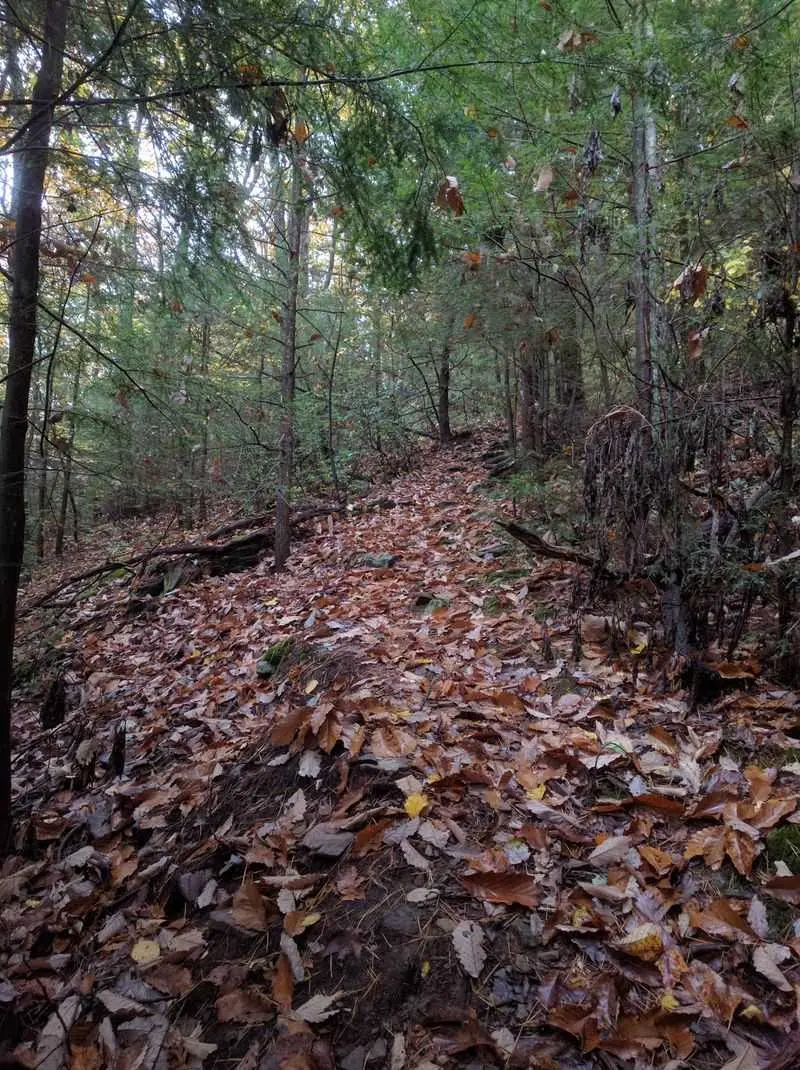
Cool air settles beside a stream, then gives way to warmer sunlight as you climb. Those changes make the Loyalsock Trail feel like several outings in one, with wooded valleys and mountain ridges each offering a different view of autumn.
The approximately 59 mile route travels through rugged country, following streams, ridgelines, and old logging roads. A carefully selected section lets you experience that variety without committing to the full trail, which requires much more planning and endurance.
Use current maps to choose your access points and account for climbs, not just mileage. High Knob Overlook is another popular fall stop in Loyalsock State Forest, often associated with early October color, but treat it as a separate visit unless your mapped itinerary includes it.
Pack a warm layer for breaks and enough water for the route you choose. Stream crossings and wet stones deserve extra caution, particularly after rainfall.
The best moments may arrive between landmarks: a gold leaf turning in an eddy, or sunlight touching a hillside across the valley. Give those small scenes time before heading toward the next bend ahead.
Pair Woodland Miles With Kennerdell’s River View
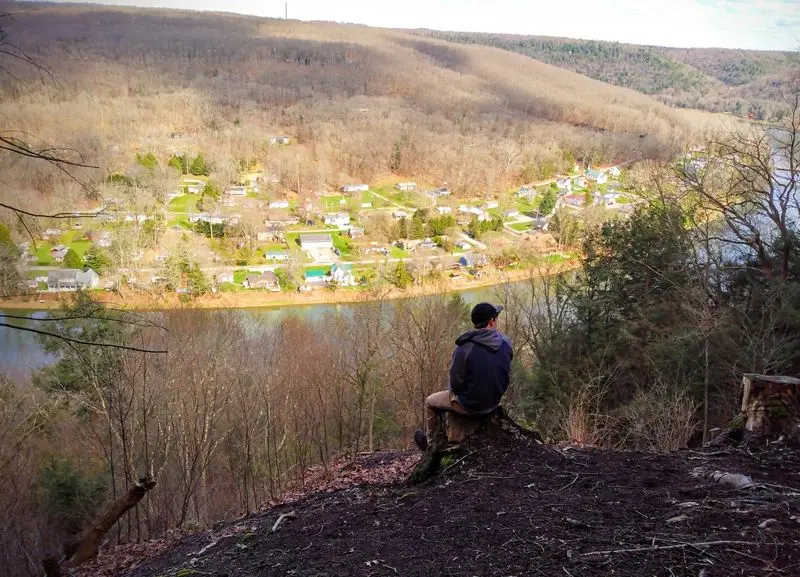
The river feels like a reveal after time beneath the trees. In Clear Creek State Forest’s Kennerdell Tract, wooded trails and an elevated view of the Allegheny River make a satisfying pairing for a fall outing of manageable length.
The Kennerdell Trail travels 2.3 miles to the Kennerdell Bridge. Combining it with the Overlook and Dennison Run trails creates a roughly 4.4 mile loop, with Dennison Point Overlook providing the river view that many visitors come to see.
Check the official map before starting so you understand the junctions and where the overlook falls within your route. A moderate distance does not guarantee flat walking, and leaves can conceal roots or make sloping ground slippery after rain.
Bring a small lunch and save time for a relaxed stop where conditions allow. From above, the water gives the autumn hills a clear shape, making the scene feel different from a forest only hike.
Keep back from edges and let other visitors share the viewpoint. The woods on the return deserve attention too, especially when afternoon light begins to reach between the thinning branches overhead.