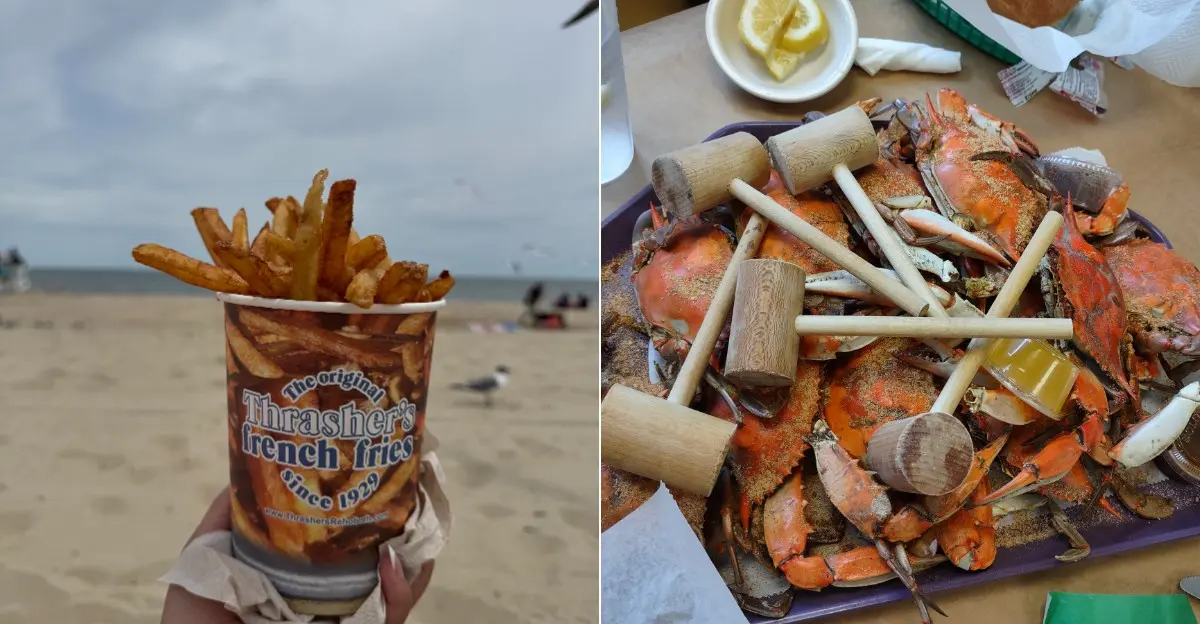
A slice of peach pie, a paper bucket of boardwalk fries, or a scoop of ice cream from a working farm can reveal more about a place than you might expect. In Delaware, familiar foods carry stories of farming families, coastal communities, and generations of local traditions.
These Delaware food traditions reflect the First State’s changing seasons and deep agricultural roots. Peach orchards helped shape its history, while blue crab feasts bring people together around crowded tables.
Along the coast, longtime candy shops and beachside eateries keep beloved flavors part of the vacation experience.
What makes these foods memorable is the connection behind each bite. You can visit a family-run creamery, watch beachgoers line up for fresh-cut fries, or discover how a regional favorite earned its place in local life.
Ready to taste Delaware’s history? These 10 food traditions reveal the surprising stories, local landmarks, and enduring flavors that make the state worth exploring.
Peach Pie Keeps Delaware’s Orchard Story Alive
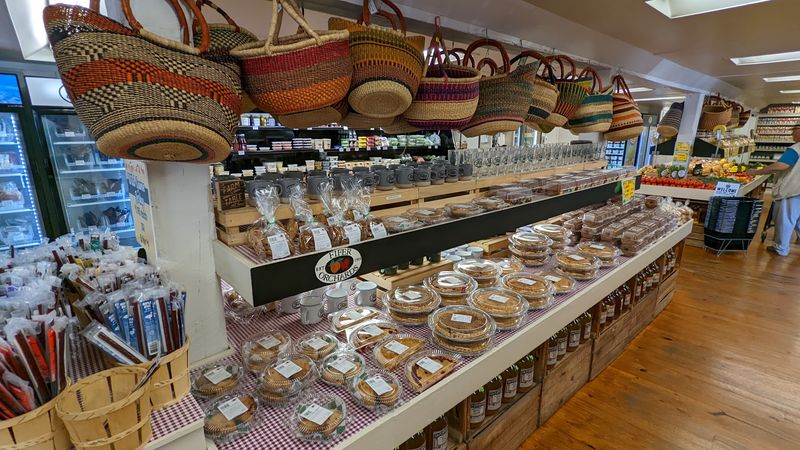
A flaky crust breaks under your fork, releasing the sweet smell of summer peaches. At Fifer’s Farm Store & Kitchen in Camden-Wyoming, that familiar dessert offers a way into Delaware’s farming history.
During the nineteenth century, peach orchards helped make Delaware an important fruit producer, with railroads carrying harvests to city markets. Peach pie became the official state dessert in 2009, giving that agricultural past a place at the table.
Fifer’s family farming story began in 1919, and its store still connects visitors with the changing harvest. Look for seasonal peaches and baked goods, but check current offerings before counting on a particular pie or picking activity.
Visit during peach season for the strongest connection between the fruit, the fields, and the finished dessert. Ask which varieties are available and whether they are better for baking or eating fresh.
Even a small purchase can turn into a useful kitchen lesson, and a pie shared later makes the farm visit feel less like a stop and more like part of the meal itself, with a story worth passing around.
Blue Crab Feasts Make Dinner a Group Effort
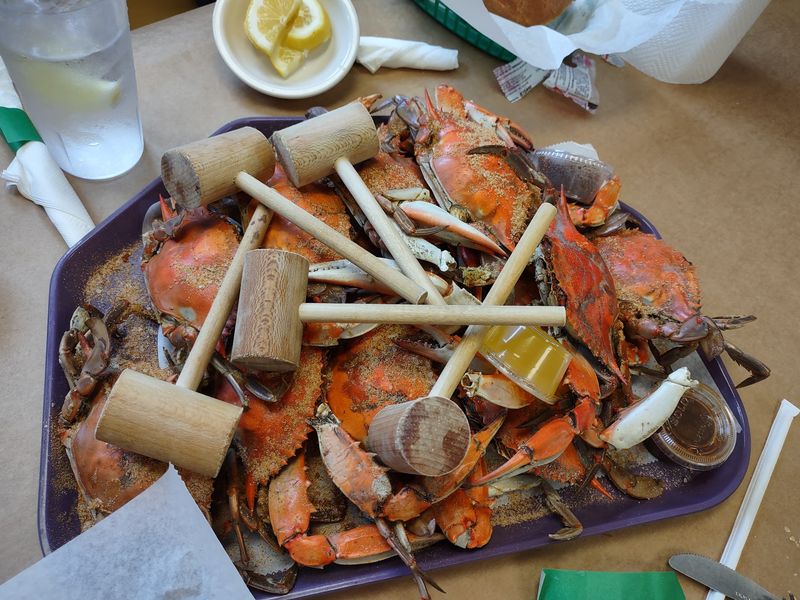
Conversation slows when everyone is working on a stubborn crab claw, then starts again with the next small victory. That patient rhythm is part of the appeal of a blue crab feast in Delaware City.
Kathy’s Crab House offers a place to explore a food custom shared across the Mid-Atlantic coast. Blue crabs connect Delaware’s seafood tables to nearby bays, tidal waters, and the people who have long made their living harvesting them.
The feast matters as much as the meat: cracking shells takes time, so nobody can rush through dinner easily. Seasoned shells, sweet crabmeat, and a growing pile of scraps turn the table into a shared project rather than a set of separate plates.
Before visiting, ask about crab availability, sizes, pricing, and whether reservations are useful for your group. First-timers should request a quick picking lesson and keep plenty of napkins nearby.
Avoid assuming every crab was caught locally, since supply changes with weather and season. The real tradition is gathering, learning the technique, and leaving enough time to enjoy the company around you.
Boardwalk Fries Carry a Story That Began Elsewhere
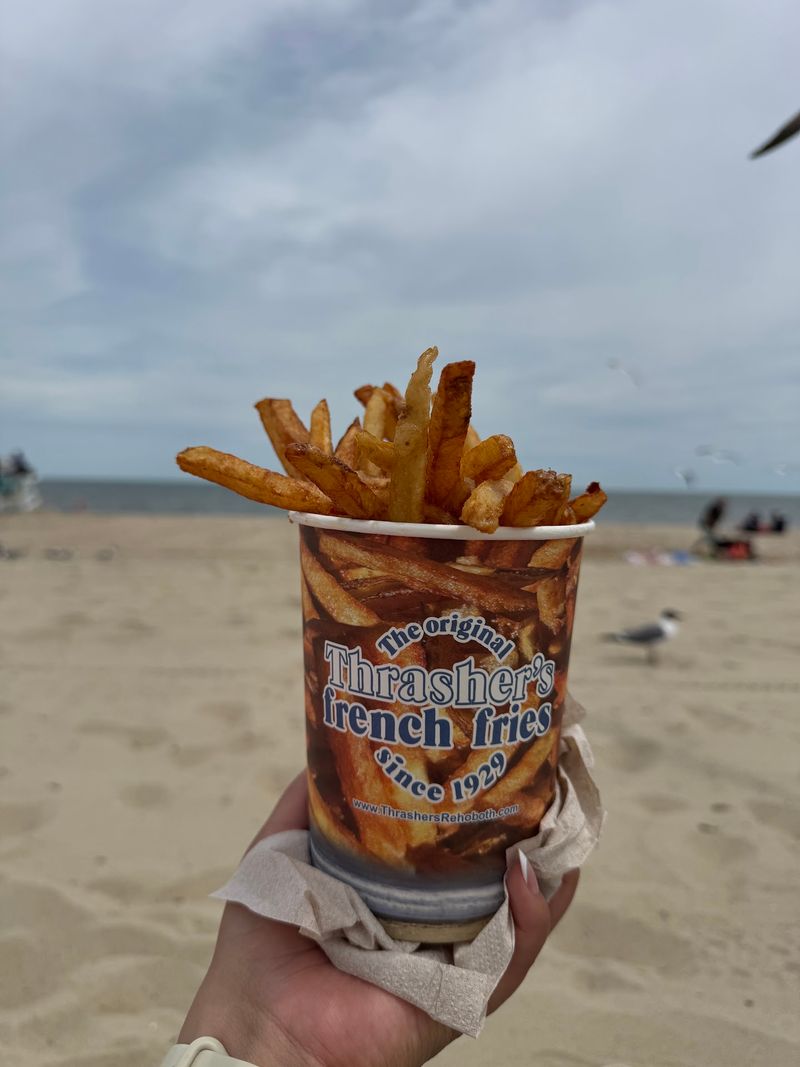
Warm potatoes, sharp vinegar, and ocean air make an unlikely but memorable combination. Along the Rehoboth Beach boardwalk, a bucket from Thrasher’s French Fries can become the center of an afternoon walk.
The date in the company’s story needs a little care: Thrasher’s began in Ocean City, Maryland, in 1929. Its Delaware locations later helped turn the same simple snack into a familiar part of vacations along this stretch of coast.
Fresh-cut potatoes cooked in peanut oil are the foundation, with vinegar offering a tangy finish that regular customers often prefer. The short ingredient story helps explain the appeal, because the pleasure comes from hot fries and the setting rather than a long topping list.
Order a size your group can finish while the fries are fresh, and keep the bucket away from watchful gulls. Anyone with a peanut allergy should discuss the cooking oil and kitchen practices before ordering.
Take a few steps away from the busiest counter area, find room along the boards, and notice how quickly an ordinary snack becomes part of your beach routine.
A Sauce Swirl Became a Delaware Calling Card
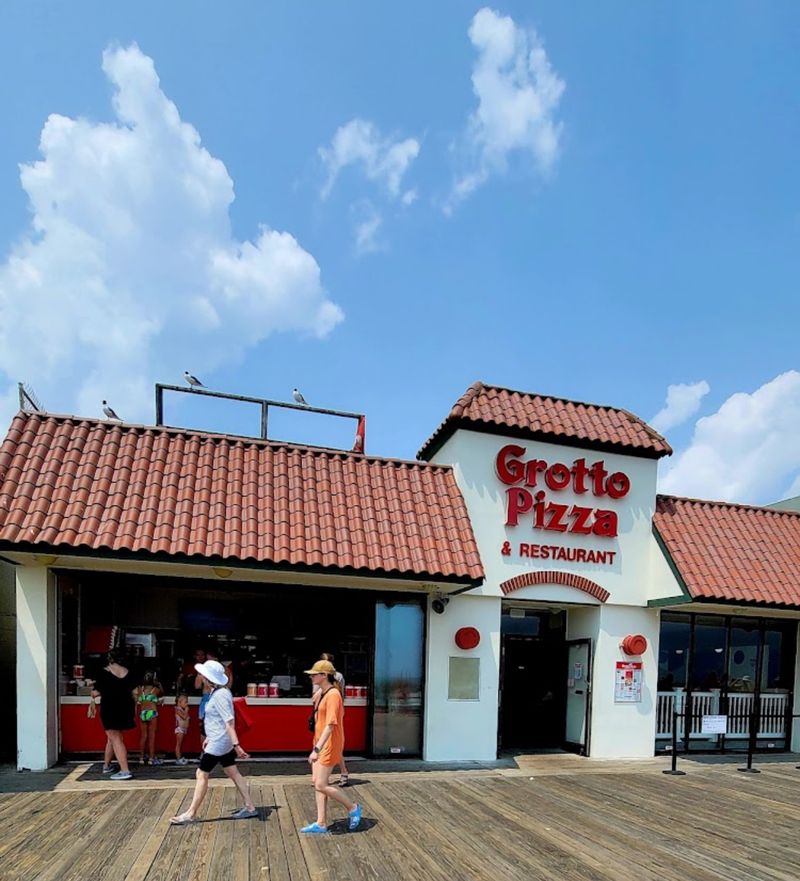
You can recognize the spiral before anyone brings plates to the table. At Grotto Pizza in Rehoboth Beach, that curl of red sauce has become a food memory for generations of Delaware beach visitors.
Founded in 1960, the business grew from a coastal pizza shop into a name known across the state. Its sauce-over-cheese pattern gives the pie a clear visual identity, showing how a small detail can become part of a place’s shared culture.
The tradition is less about formal dining than the moment surrounding the meal: sandy shoes, hungry children, and a table finally large enough for everyone. A plain cheese pizza makes it easy to notice the balance of crust, cheese, and sauce without extra toppings competing for attention.
Choose the Rehoboth Avenue location if you want to pair lunch with a walk toward the boardwalk. During busy beach hours, allow extra time and check current ordering options.
Sharing a pie also leaves room to compare opinions, because familiar local foods tend to inspire strong loyalties. That friendly debate is almost as much a tradition as the swirl itself.
Ice Cream Becomes a Classroom in Newark
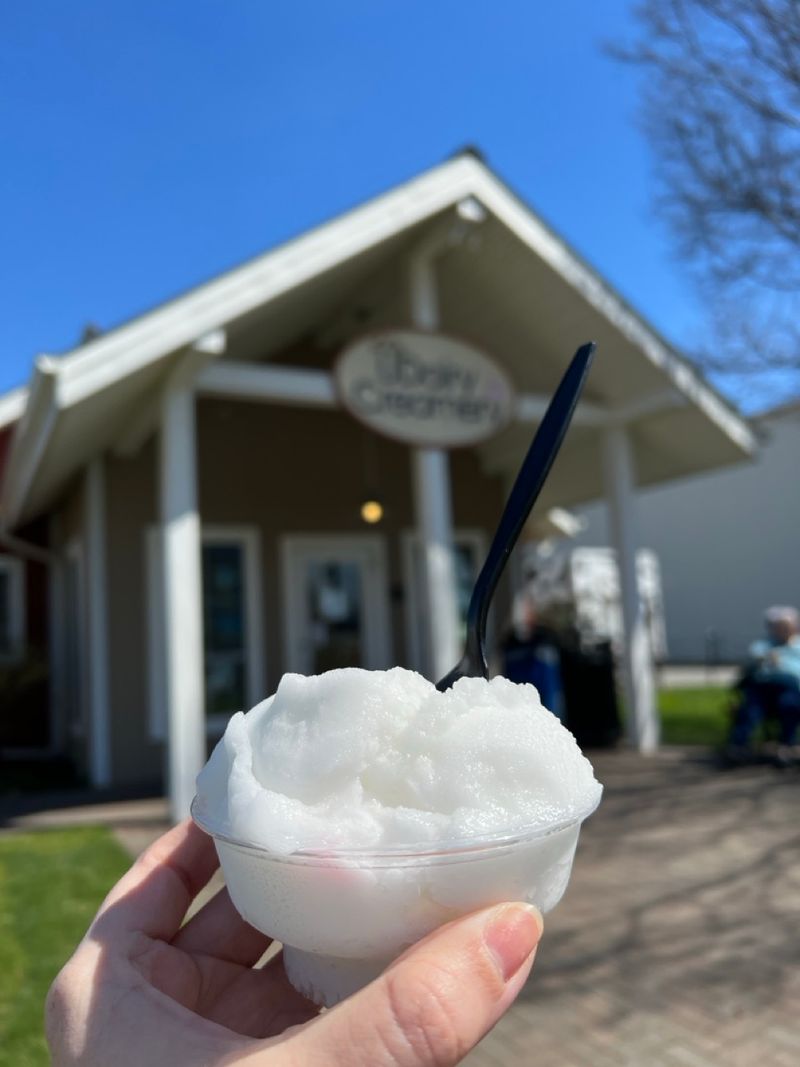
A scoop of ice cream can teach more than a page of homework, especially when the lesson ends with chocolate. In Newark, UDairy Creamery connects a familiar treat with the University of Delaware’s agricultural education.
The creamery opened in 2011, making it a newer chapter in the state’s dairy story rather than an old roadside institution. Its work links food production, student experience, and the practical business skills needed to bring a product to customers.
That background changes the way you look at the display case. Beyond choosing a flavor, you can think about the milk, careful processing, recipe testing, and service that make each scoop possible, all subjects connected to learning on a working agricultural campus.
Stop at the South College Avenue shop and ask what flavors are currently available before settling on your usual order. Check opening hours around university holidays, and confirm whether any public farm activities require separate arrangements.
A visit works well as a small family outing because the questions come naturally. Where does the milk begin, who develops the flavors, and what makes ice cream smooth?
An Old Family Farm Finds a Sweeter Future
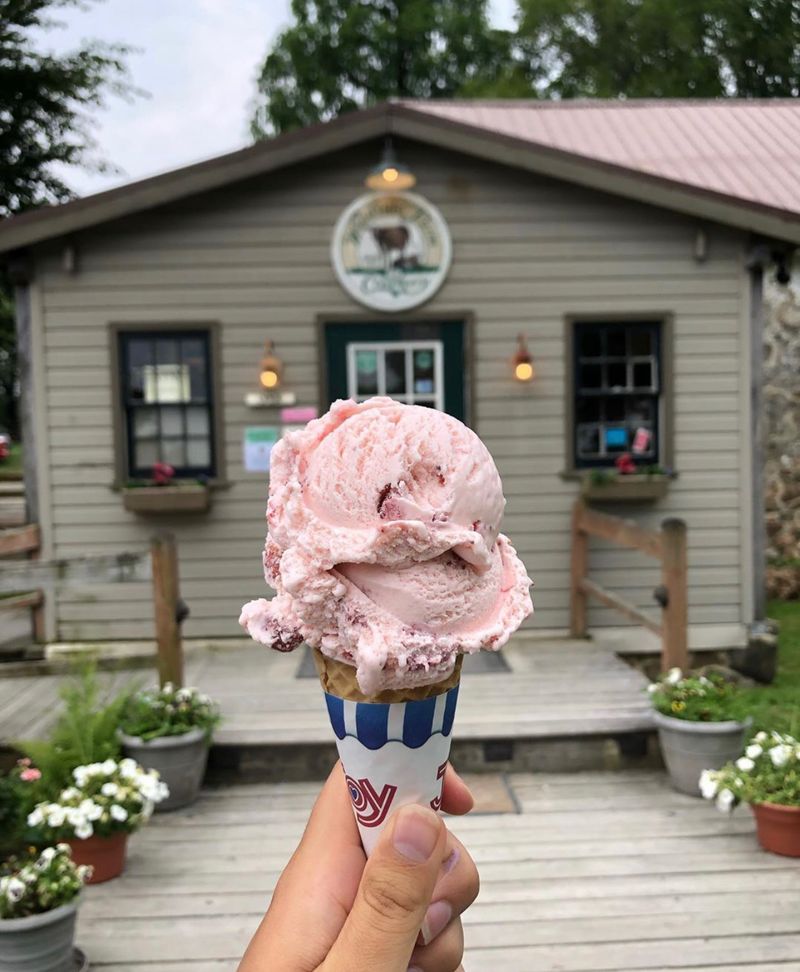
The cone may disappear in minutes, but the farm behind it has a much longer story. At Woodside Farm Creamery in Hockessin, a simple dessert connects visitors with land that has remained in one family since 1796.
The Mitchell family opened the creamery in 1998, adding a new purpose to an established dairy operation. That distinction matters: the farm’s roots are centuries old, while selling ice cream directly to visitors is a more recent way of keeping agriculture part of local life.
Jersey cows are part of Woodside’s identity, linking the frozen treat to the dairy herd rather than an anonymous supply chain. The setting also gives a familiar flavor a different backdrop, with farm surroundings replacing the usual shopping center parking lot.
Check seasonal hours before making the drive, especially outside the warmer months. Bring napkins, choose a manageable scoop size for young children, and respect fences and any posted farm rules.
There is no need to turn the stop into a packed itinerary. Let the ice cream soften a little while you notice how much history fits around one small cone.
Working-Farm Scoops Show Another Side of Lewes
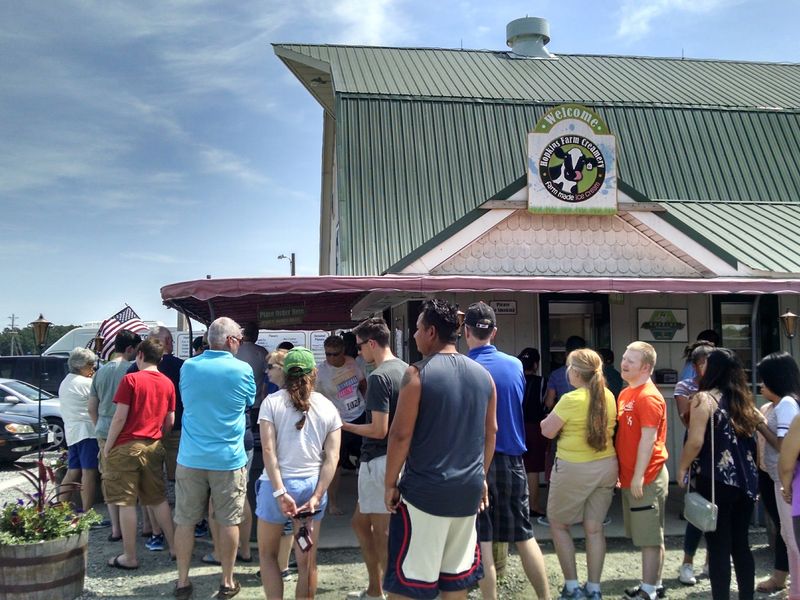
Not every memorable beach-area stop comes with a view of the ocean. A short trip inland from Lewes brings you to Hopkins Farm Creamery, where ice cream shares the setting with a working dairy farm.
The creamery opened in 2008, building on the Hopkins family’s longer farming history. Its place in Delaware food culture is a reminder that coastal counties have agricultural stories too, even when summer visitors mostly picture sand, seafood, and crowded streets.
A changing flavor board invites a different kind of decision from the one at a standard freezer case. Ask about seasonal options, but avoid planning around a flavor seen in an old photograph or review, since selections can change throughout the year.
Before heading over, confirm current hours and allow time for a line during busy periods. Farm smells are part of the setting, so arrive expecting a real agricultural stop rather than a polished resort courtyard.
Keep children close and follow signs about visitor areas. The reward is a clearer sense of the landscape behind the beach towns, served in a cup before it melts away.
Imperfect Fruit Gets a Fresh Start
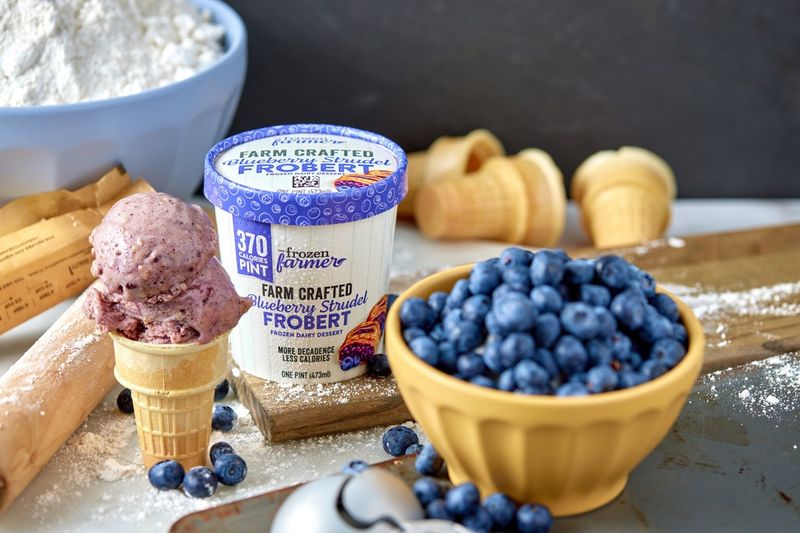
A crooked strawberry does not taste crooked, and a small peach can still be wonderfully sweet. That simple idea sits behind The Frozen Farmer, a Bridgeville business that gives Delaware’s fruit-growing traditions a modern turn.
The company built its identity around using produce that may fail supermarket appearance standards despite being good to eat. Turning that fruit into frozen desserts adds value to a harvest and shows how farm businesses can respond creatively to food waste.
Its products have included sorbet, ice cream, and Frobert, a blend of the two. Rather than treating these as the same thing, compare the labels and ask questions, especially if you are looking for a dairy-free choice or need information about food allergies.
Check current farm-store access, hours, and available products before planning a visit along Seashore Highway. A fruit-forward scoop is a useful starting point because it keeps attention on the harvest behind the brand.
The larger lesson travels home easily: produce does not need a perfect shape to deserve a place in your kitchen. Sometimes a different form simply gives it another chance.
Dairy Roots Turn a Highway Break Into Dessert
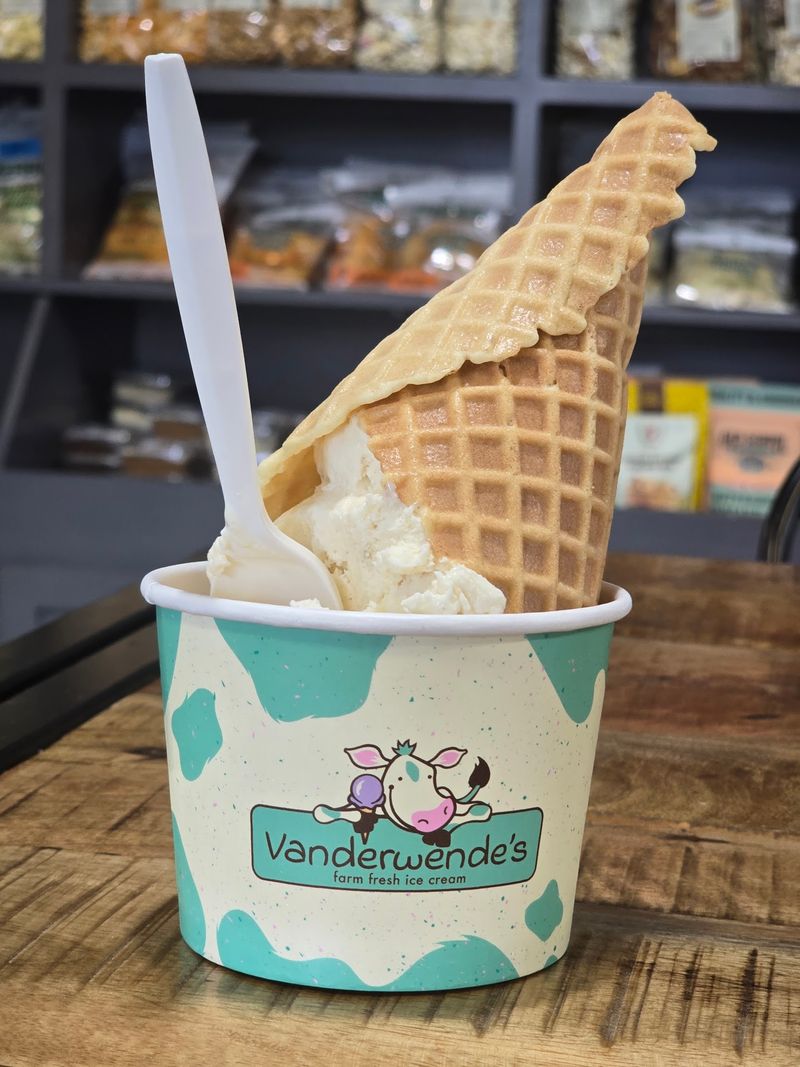
Brake lights, beach bags, and a craving for something cold can turn a highway break into the best part of the drive. Near Bridgeville, Vanderwende Farm Creamery gives that familiar travel pause a connection to family dairy farming.
The family’s agricultural roots run deeper than its ice cream business, which opened in 2012. Keeping those timelines separate helps explain the real story: an established farm found another way to share what it produced and welcome customers closer to its work.
Homemade ice cream is the attraction, with classic choices and changing selections giving regular visitors something to discuss. Ask what is available that day rather than expecting every flavor mentioned online, and consider a simple flavor if you want to focus on the creamy base.
Check hours for the Seashore Highway location before adding it to a beach route. If you are carrying frozen treats farther down the road, bring an insulated cooler rather than trusting the car’s air conditioning.
Otherwise, pause and eat there. A few unhurried minutes can reveal more about Delaware’s rural character than another stretch of traffic.
Wrapped Taffy Preserves Rehoboth’s Candy-Shop Memories
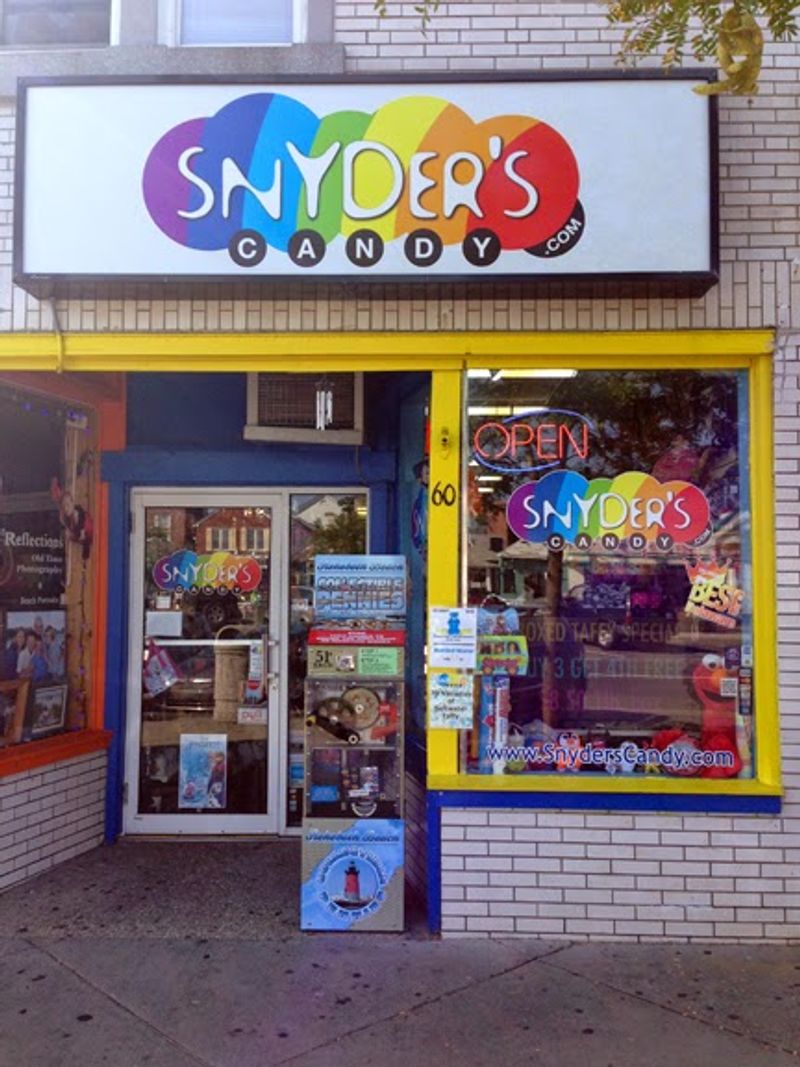
The crinkle of a candy wrapper can bring back an entire summer afternoon. On Rehoboth Avenue, Snyder’s Candy carries that feeling through a shop history that dates to 1940.
Saltwater taffy belongs to a wider American seaside tradition, not a Delaware invention. Its name is commonly linked to nineteenth-century Atlantic City stories, although the details are debated, and the candy is not simply made by pouring ocean water into a kettle.
At Snyder’s, taffy sits within a broader world of chocolates, fudge, and nostalgic sweets. That variety helps explain why beach candy shops last in people’s memories: different generations can choose different favorites while sharing the same small outing after dinner or a walk.
Build a modest mixed bag rather than guessing that everyone wants one flavor. Ask staff about ingredients and storage, especially when allergies or a hot car could complicate the trip home.
Let children choose a few pieces themselves if your budget allows. The pleasure comes partly from that tiny decision, made among bright wrappers, and partly from opening the bag again after the beach day ends.