Finding large-scale untouched wilderness is becoming increasingly difficult across the modern Midwest travel landscape, yet certain destinations continue to resist the pressures of development.
Located at 33303 Headquarters Road near Ontonagon in northern Michigan, Porcupine Mountains Wilderness State Park offers exactly that kind of isolated and ecologically rich environment.
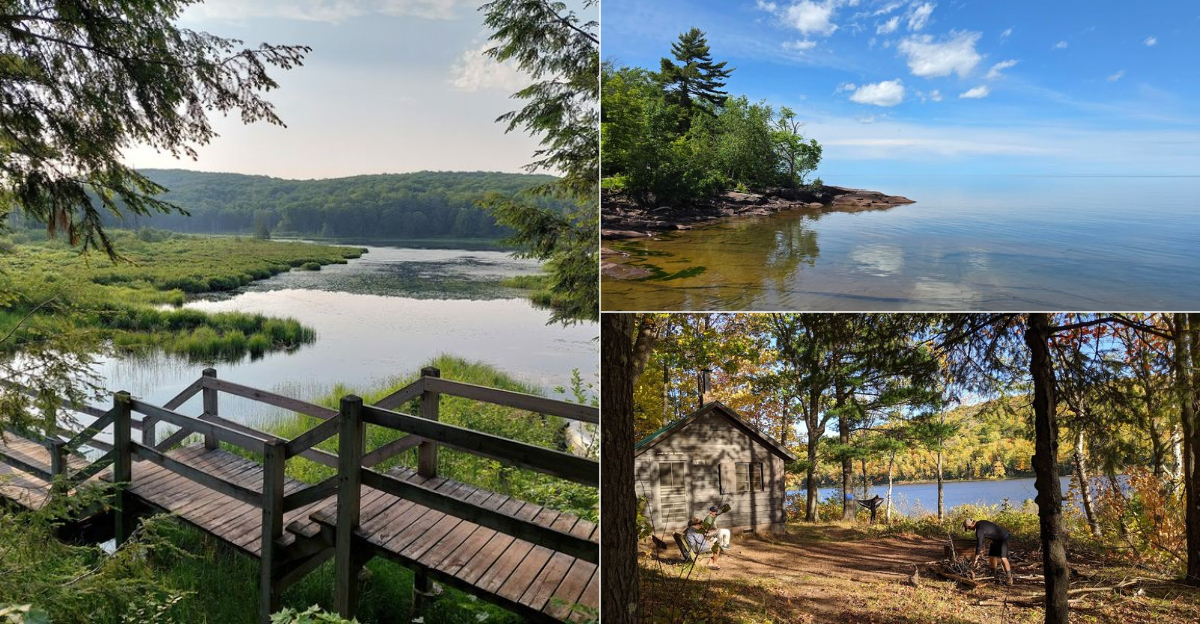
Vast old-growth forests, rocky ridges, hidden river corridors, and the cold shoreline of Lake Superior combine to create habitat where large wildlife species still live with relatively little human disturbance.
That sense of remoteness is one of the main reasons many outdoor enthusiasts visit the area hoping to spot a moose, although encounters with these animals are always a matter of patience and luck.
Pack the necessary gear and prepare for a closer look at secluded trails and scenic overlooks that provide some of the best opportunities to experience this remarkable wilderness landscape.
Why Moose Sightings Draw So Much Interest
Few animals shape expectations here more than the moose. It is large, elusive, and active in low light, which means many visitors spend hours scanning marsh edges, beaver ponds, and roadside openings without seeing one.
That uncertainty is part of the appeal, because a real sighting feels earned rather than staged.
Spring and early summer often bring the best chances, when fresh vegetation pulls animals toward wet areas and cooler mornings keep movement higher.
During warmer months, insects can push them into thicker cover, while autumn sometimes improves visibility as leaves thin and temperatures drop.
Patient observers usually do better by moving slowly, watching quietly, and stopping often instead of rushing between viewpoints.
Tracks, stripped browse, and droppings can hint that one has passed through recently even when the animal stays hidden.
Cameras with zoom lenses help, but binoculars matter more because they encourage careful scanning from a distance.
Anyone lucky enough to spot one should keep space, stay calm, and treat the moment as brief wildlife observation rather than an approach opportunity.
Old Growth Forests That Define The Interior
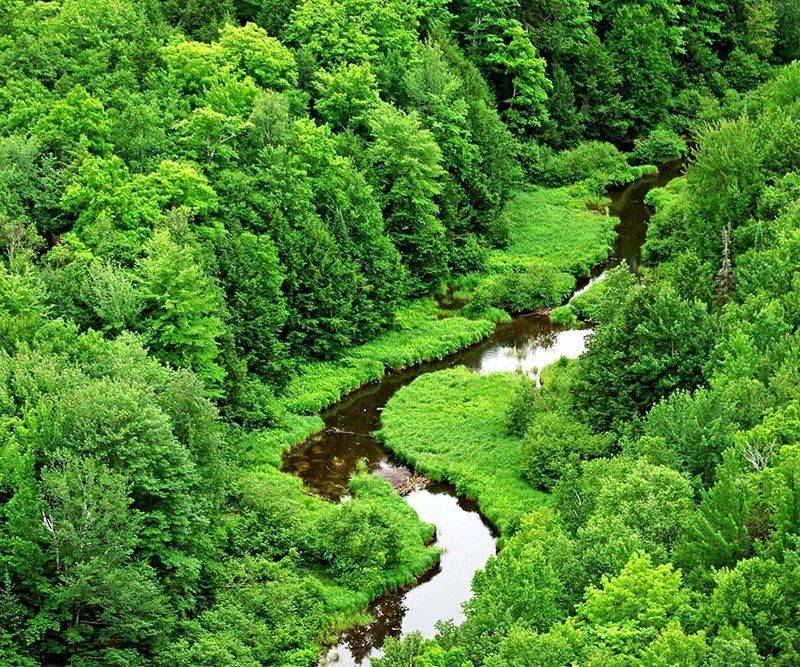
The interior is shaped by one of the most important forest systems in the region.
Ancient hemlock, maple, and yellow birch stands give parts of the park a darker, cooler feel than younger second-growth woods nearby.
Trunks rise high, fallen logs collect moss, and the canopy filters light in a way that changes both sound and temperature.
These forests matter for more than scenery.
Old trees create cavities, deep shade, and complex ground cover that support birds, small mammals, amphibians, fungi, and insects that depend on mature habitat.
Hikers notice the difference quickly, especially on longer routes where the sense of human development fades and the woods begin to feel more continuous.
Trail conditions also reflect that natural age.
Roots cross the path, damp soil lingers after rain, and windthrow can alter footing from one season to the next.
Good footwear makes a difference, but so does pacing, because the terrain rewards attention rather than speed.
Visitors looking for a classic Upper Peninsula forest experience usually find the most memorable miles under these older trees.
Wetlands And Rivers Create Prime Wildlife Habitat
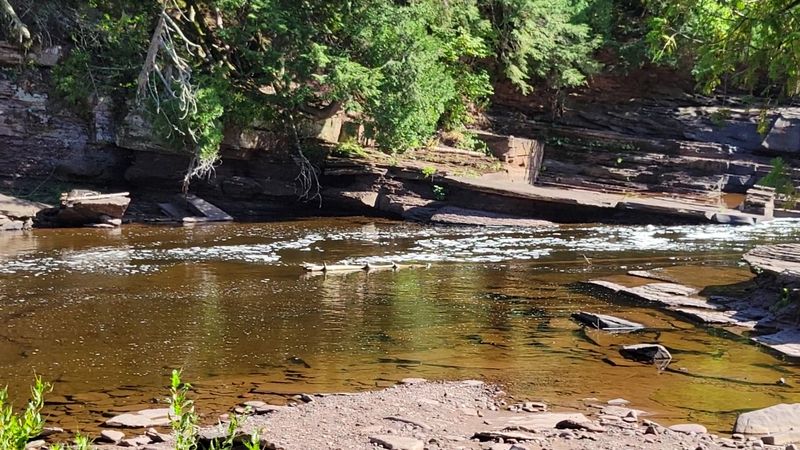
Wetlands and river corridors explain much of the area’s wildlife richness.
Saturated ground grows sedges, shrubs, and aquatic plants that feed large browsers while also sheltering waterfowl, amphibians, and insects.
Because these lowlands interrupt the forest with open space, they become some of the most practical places to watch for movement at dawn or dusk.
Several rivers cut through the backcountry and toward the lake, creating narrow valleys, floodplains, and muddy crossings that change with rainfall.
Fast water oxygenates streams for fish, while slower stretches attract beavers and produce the pooled habitat many animals use.
After storms, these waterways can rise quickly, which is why route planning matters more here than trail mileage alone suggests.
Visitors often focus on scenic overlooks, yet the quieter ecological story unfolds at water level.
Moose may browse near marsh vegetation, deer use the same edges, and otter tracks sometimes appear in softer mud.
Binoculars help along open banks, though silence helps more because splashing, talking, and hurried footsteps push wildlife away long before people notice anything at all.
Lake Superior Changes The Entire Experience
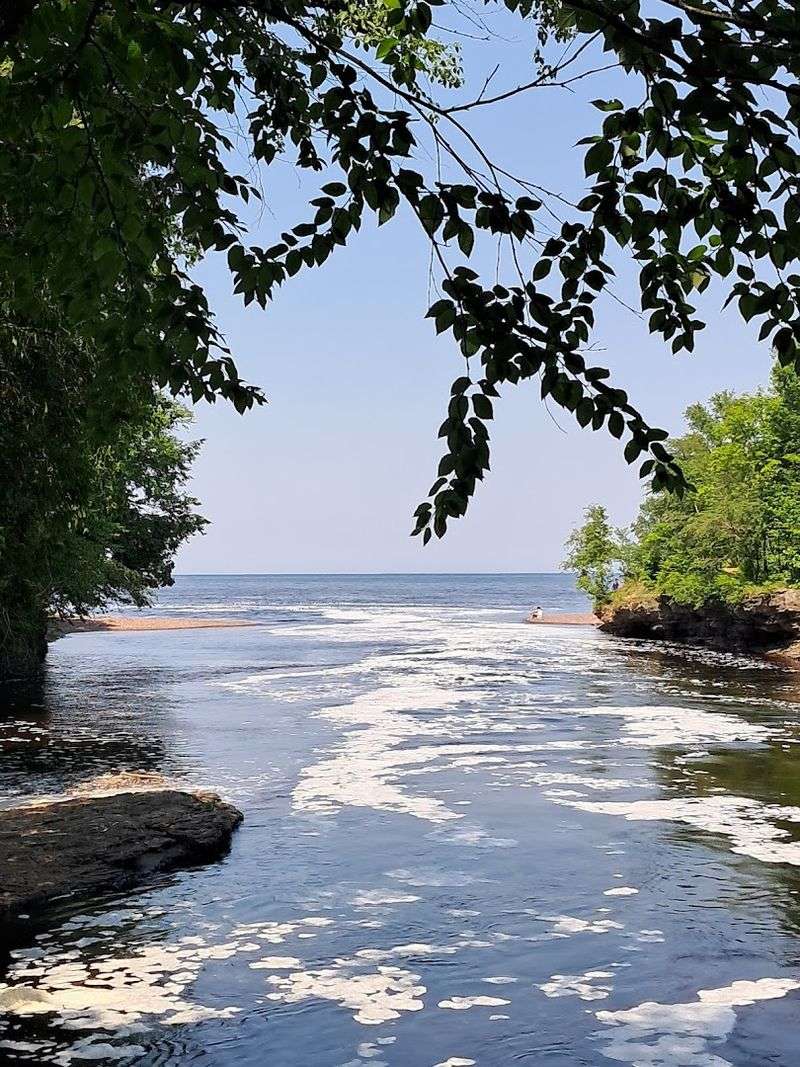
The shoreline influence is impossible to ignore once the lake comes into view.
Cold air, sudden fog, and changing wind can make one section of the park feel like summer while another feels much cooler.
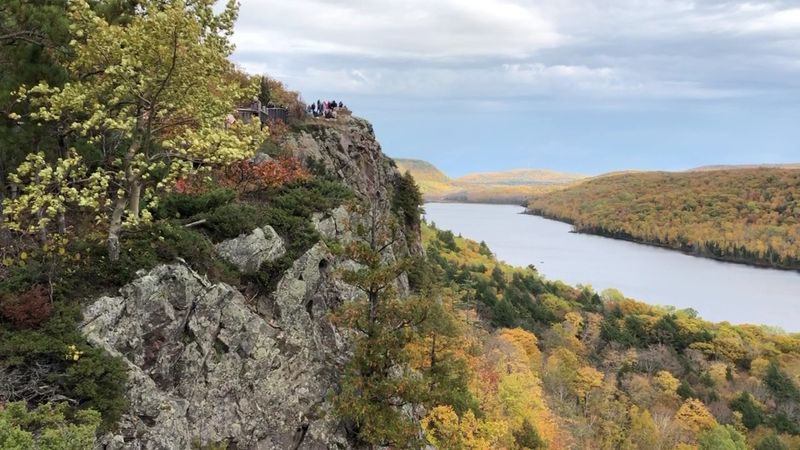
That large water body also expands the sense of scale, giving inland ridges and overlooks a broader horizon than most Midwestern parks can offer.
Several viewpoints show how forested slopes descend toward the coast in layered bands of green and blue.
On clear days, the water looks almost oceanic, while rough weather turns it steel gray and emphasizes the exposed character of the northern edge.
Visitors who expect a small inland mountain setting are often surprised by how strongly the shoreline shapes light, weather, and visibility.
Conditions near the lake can change fast enough to affect clothing choices and hiking comfort.
Morning calm may give way to wind, and a bright afternoon can fade into chill well before sunset.
Carrying a warmer layer, even in midsummer, is a practical decision.
Photographers usually benefit from that shifting atmosphere, since clouds and angled light often make the biggest views more textured.
Waterfalls Hidden Along Forested Routes
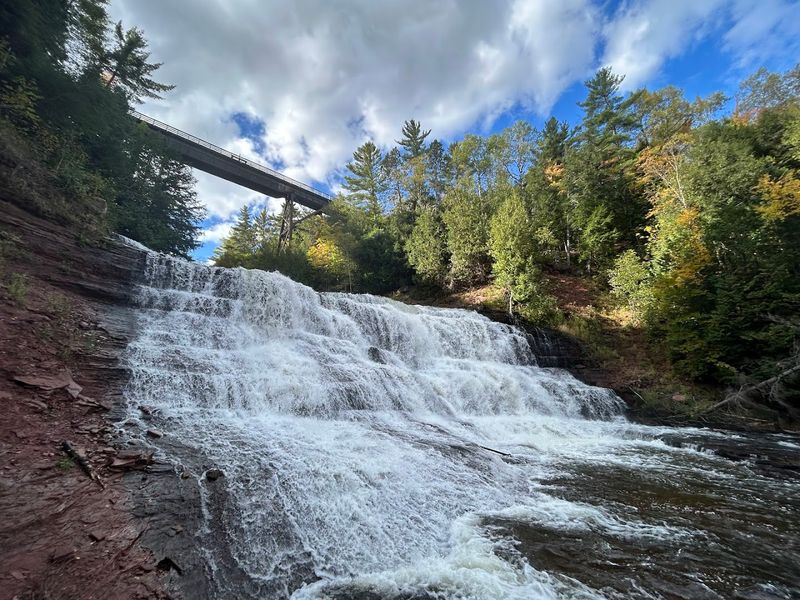
Waterfalls add variety to a landscape already known for ridges and forest.
They are not towering by western standards, but their setting makes them memorable, especially where dark rock, cedar, and fast water combine in narrow gorges.
Reaching them often involves short walks or moderate trail segments, which makes them useful stops between longer hikes.
Some cascades sit along accessible scenic loops, while others feel more secluded because the forest closes in and muffles outside noise.
River levels can alter the experience significantly.
After rain or snowmelt, the sound grows louder and the flow spreads wider across rock shelves.
During drier periods, more structure becomes visible, including polished stone, plunge pools, and smaller channels that split around boulders.
These areas deserve careful footing.
Roots, slick rock, and muddy edges make casual wandering riskier than it first appears, particularly for people focused on photos rather than the ground ahead.
Early light can reduce crowds at popular spots and improve visibility in shaded ravines.
Anyone exploring several falls in one day should budget extra time, because trail conditions often slow movement more than expected.
Trails Range From Easy Walks To Rugged Climbs
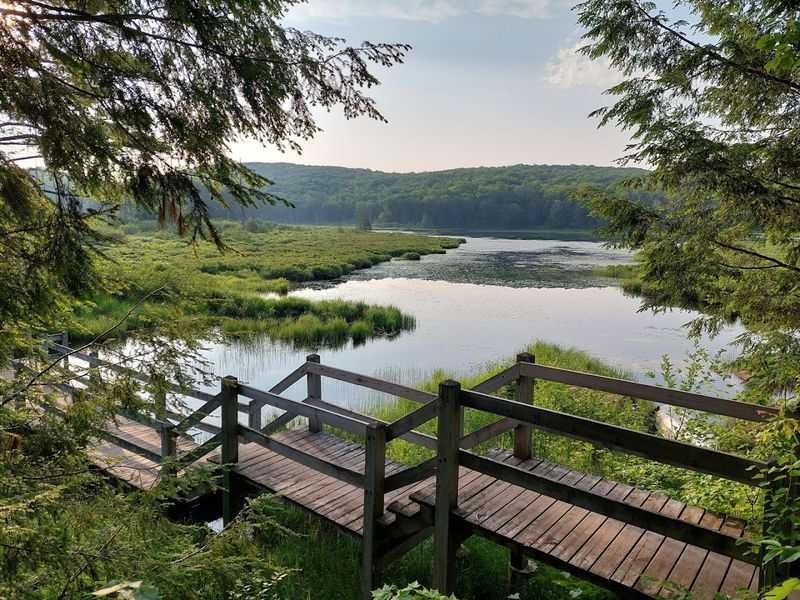
Trail variety is one reason the park appeals to both casual visitors and serious hikers.
Short paths lead to boardwalks, overlooks, and river scenes, while longer loops cross steep grades, rock, roots, and muddy sections that demand stronger preparation.
Mileage alone rarely tells the full story because elevation changes and rough footing can slow progress far more than expected.
Ridge routes are often the most rewarding for broad views, but they can also be the most physically demanding.
Descents into river valleys may feel manageable at first, then require a tougher climb out later in the day. Trekking poles help on uneven ground, especially after rain, and extra water matters on longer itineraries where refill options may not be convenient.
Navigation is generally straightforward on marked trails, yet the backcountry still feels remote enough to punish poor planning.
Cell service can be unreliable, daylight shifts quickly under heavy tree cover, and wet sections increase fatigue.
Hikers who study maps before setting out usually enjoy more freedom once on the trail.
Starting early also reduces pressure, allowing time for overlooks, wildlife watching, and slower terrain.
Camping Here Means Real Separation From Daily Noise
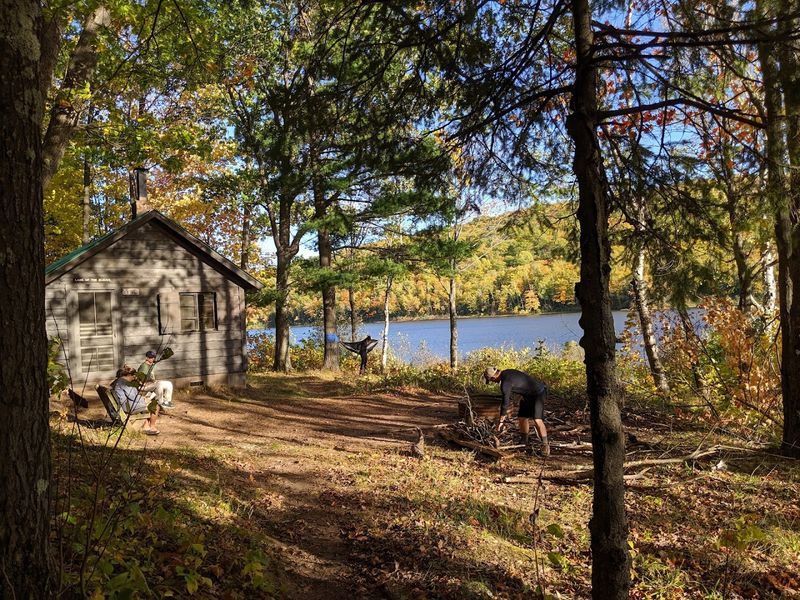
Camping changes the pace of a visit more than any short stop can.
Staying overnight allows time for early wildlife activity, calmer evenings, and the kind of silence that disappears near towns and highways.
Frontcountry campgrounds offer easier access, while backcountry sites draw people willing to trade convenience for greater isolation.
That separation comes with practical demands.
Food storage, water planning, weather awareness, and reservation details all matter because support is limited once camp is set.
In more remote sites, the walk to collect water or reach the next trail junction can be longer than newcomers expect.
Even in developed areas, temperatures can drop overnight enough to make lightweight summer gear feel inadequate.
The reward is a fuller experience of the landscape after day visitors leave.
Loons may carry across inland water, wind moves through tall trees, and dawn starts with birds rather than engines.
Campers also gain better access to early trailheads before parking areas fill at popular overlooks.
Seasonal Shifts And Remote Conditions Shape Every Trip
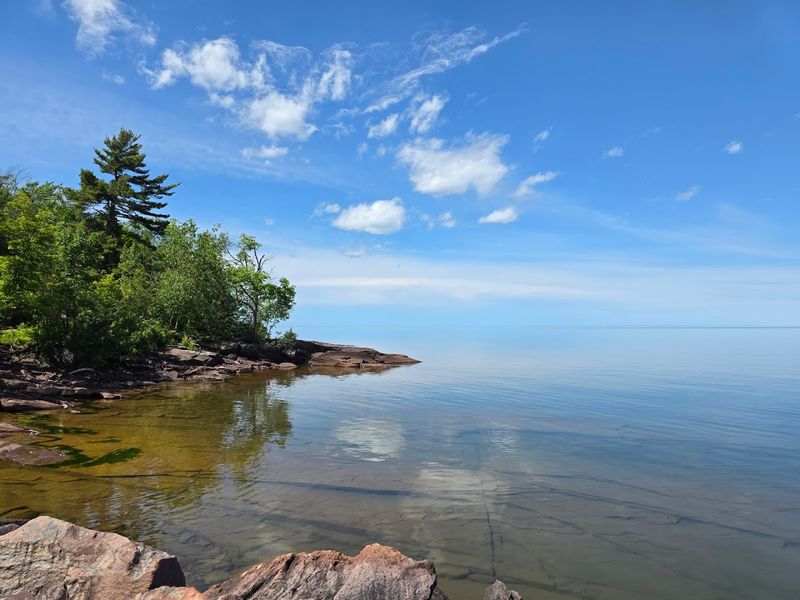
Season matters here more than many visitors assume.
Spring can bring mud, swollen streams, and blackflies, while summer offers longer days but also thicker vegetation, insects, and warmer conditions that reduce midday wildlife movement.
Fall is often the most visually striking period, with strong color in the hardwoods and cooler air that makes longer hikes more comfortable.
Winter transforms the terrain again, though snow and ice create a very different level of commitment. Access can become harder, daylight shorter, and navigation more serious for anyone leaving maintained areas.
Even shoulder seasons require caution because rain, cold wind, and slippery roots can combine quickly in exposed sections or shaded valleys.
Remote travel always demands a realistic mindset.
Fuel, food, dry layers, and offline maps should be handled before arrival rather than treated as minor details.
Visitors who prepare well usually experience the area at its best, because changing conditions become part of the appeal instead of a frustration.
The same remoteness that makes wildlife sightings possible also requires patience, flexibility, and respect for distance.