You spot an old lamp, stop for a closer look, and suddenly an hour is gone.
That is the kind of treasure hunt waiting at Springfield Antique Show and Flea Market.
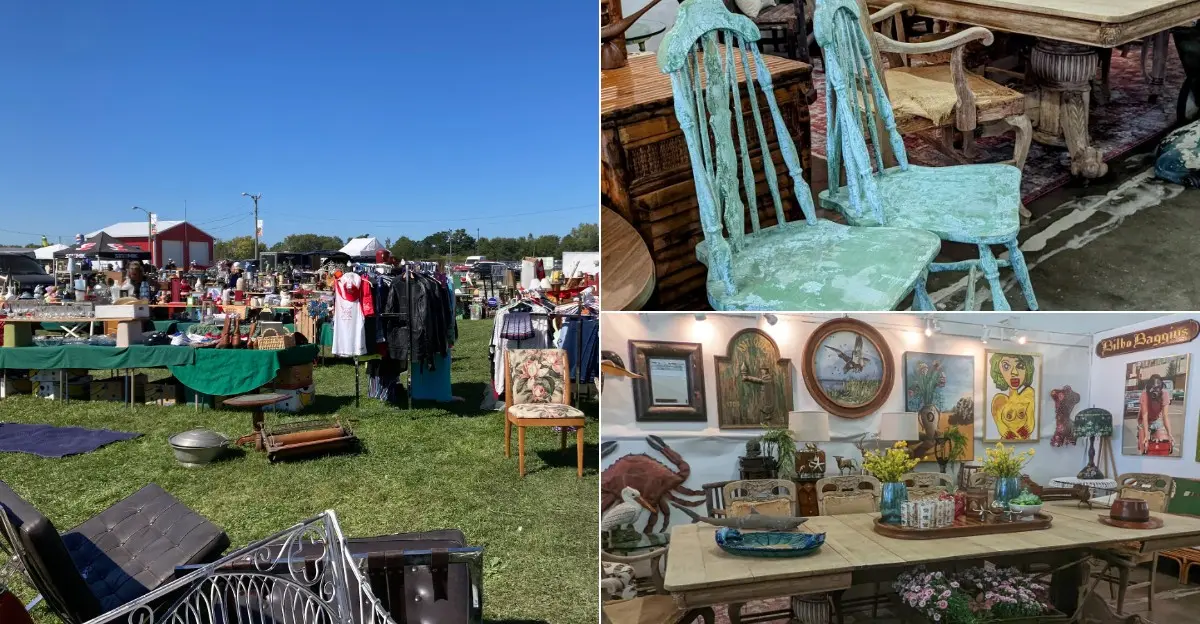
With indoor spaces, outdoor booths, and vendors selling everything from furniture to small collectibles, this Ohio market gives you plenty of reasons to slow down.
One visit may be enough to find something you love, but it may not be enough to see it all.
That makes a little planning helpful, especially if you are driving in, shopping with friends, or hoping to bring home a larger piece.
Comfortable shoes matter here, and so does knowing when the show is open.
The fun is not just in buying things, either.
You might recognize something from a grandparent’s house or discover an object you have never seen before.
Grab a friend, leave room in the car, and see how far your curiosity takes you.
Start With a Plan, Not a Sprint
A quick lap sounds easy until a booth full of old signs pulls you off course. Springfield Antique Show and Flea Market has enough to browse that a loose plan can save your feet and your patience. Before entering, decide whether you care most about furniture, small collectibles, home decor, or simply seeing what turns up.
You will find the show at 4401 S Charleston Pike in Springfield, Ohio. Check the event website before leaving home for the current show dates, hours, and admission details. Those can change by event, and a regular show may feel different from an Extravaganza.
Pick a meeting spot if your group likes to wander separately. Take a photo of a booth or note a nearby landmark when you find something you might buy later. A few visitors say the layout can be tricky to follow, so a simple record may spare you a long search.
Leave gaps in your schedule for surprise finds. If you try to cover every aisle at top speed, the little details become a blur. Give yourself permission to enjoy one area well, then save another for a return trip. A flea market is more fun when you can stop and look.
Give the Indoor Booths Their Own Visit
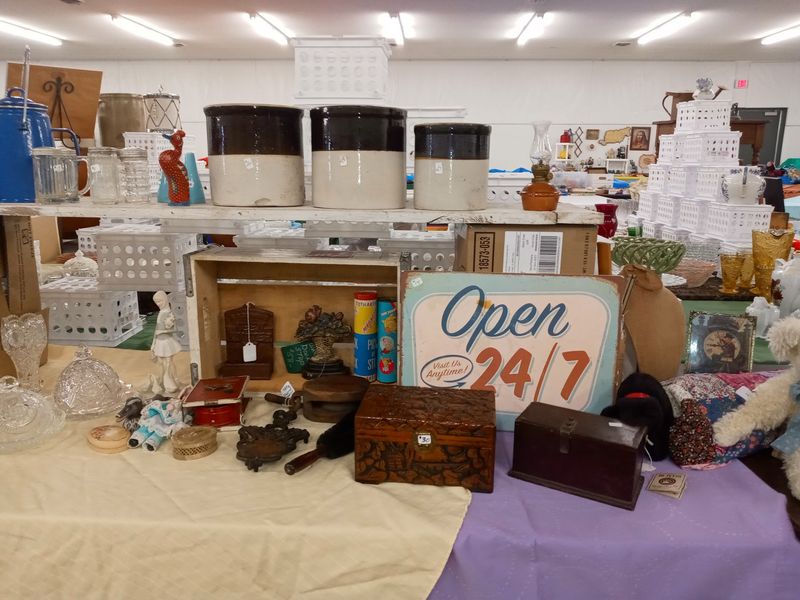
One shelf can hold a whole afternoon of stories. Inside the show buildings, small objects invite a slower search than the big pieces outside. Visitors have described indoor spaces filled with vendors, including during a quieter March show.
Look closely at glassware, prints, lamps, and other pieces that catch your eye. Check for chips, cracks, repairs, or missing parts before you ask about a price. If an item needs electricity, ask the seller whether it has been tested rather than guessing from its shiny cord.
Got a small room to decorate? Bring its measurements on your phone, along with a photo of the space. An object can look tiny on a crowded table and surprisingly large once it reaches your shelf. Keep a tape measure handy for anything that needs a precise fit.
Indoor browsing also offers a useful change of pace when the weather outside feels uncomfortable. Take your time with booths that match your interests, but do not feel you must inspect every plate. Ask a vendor what they know about an unusual find, and listen for details you can check yourself. Even if you leave empty handed, you may come out with a new idea for what to hunt next time.
Save Energy for the Outdoor Rows
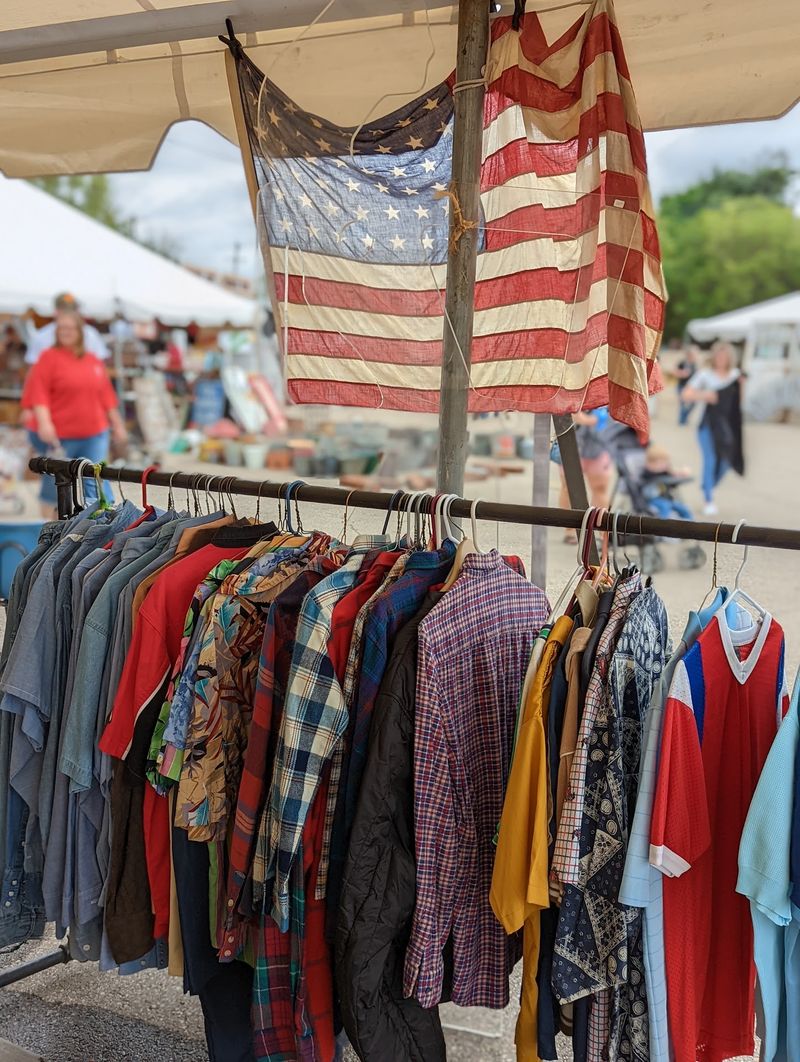
Outside, the hunt can stretch farther than you expect.
The outdoor booths add another set of tables and displays to explore, which is one reason visitors talk about doing a lot of walking.
Wear shoes you trust on a long day, not the pair that only looks good in photos.
Dress for the forecast and bring water if the day looks warm.
A hat or light layer can make browsing more comfortable, depending on the weather.
Keep your hands free when possible so you can lift an object safely and check it from every side.
One practical trick is to work through a row before moving to the next.
If the spacing between booths seems uneven, note where you started and glance back before changing direction.
That small habit helps you avoid walking the same stretch twice unless you want to.
Outdoor shopping rewards people who keep an open mind.
You might pass a yard piece, a crate of tools, and a table of vintage signs within minutes.
Do not rush to buy something heavy just because it looks good from across the aisle.
Ask how it comes apart, whether you can carry it, and where it will fit in your vehicle.
Your future self will appreciate the planning.
Take Your Time With Furniture
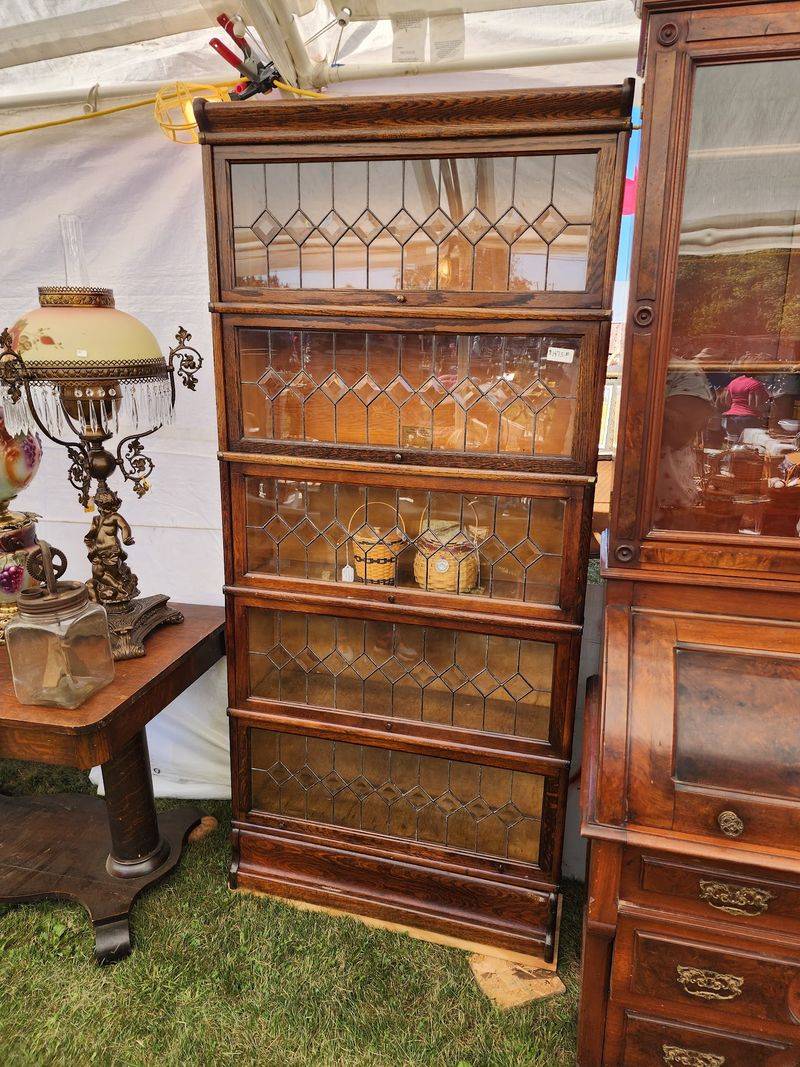
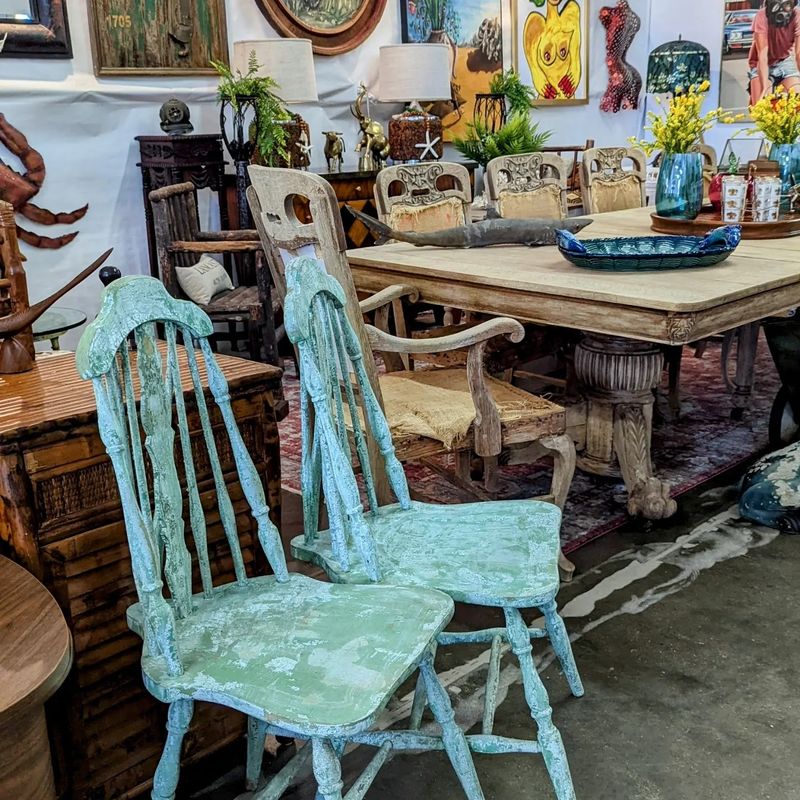
That old cabinet may look ready for your kitchen, but will it fit through the door? Furniture is one of the show’s big draws, with visitors reporting vintage pieces, rustic decor, and farmhouse finds. A little homework turns an exciting discovery into a purchase you can actually use.
Measure the space at home before you go, including doorways and the path to the room. Bring those numbers and a tape measure. Open drawers, test doors, and look beneath a piece for loose joints or damage. Normal wear may add character, but a wobbly leg deserves a closer look.
Ask the seller whether a finish is original or has been changed if that matters to you. For painted pieces, avoid making guesses about their age or materials by appearance alone. If you plan to repair or refinish something, think about the cost and effort before offering money.
Transport matters as much as the price tag. Find out whether a large item can be held while you bring your vehicle closer, and agree on the details with the vendor first. A blanket or tie down straps can protect your purchase on the ride home. If today is not the day for a giant dresser, take notes and return with a better plan.
Let Small Finds Surprise You
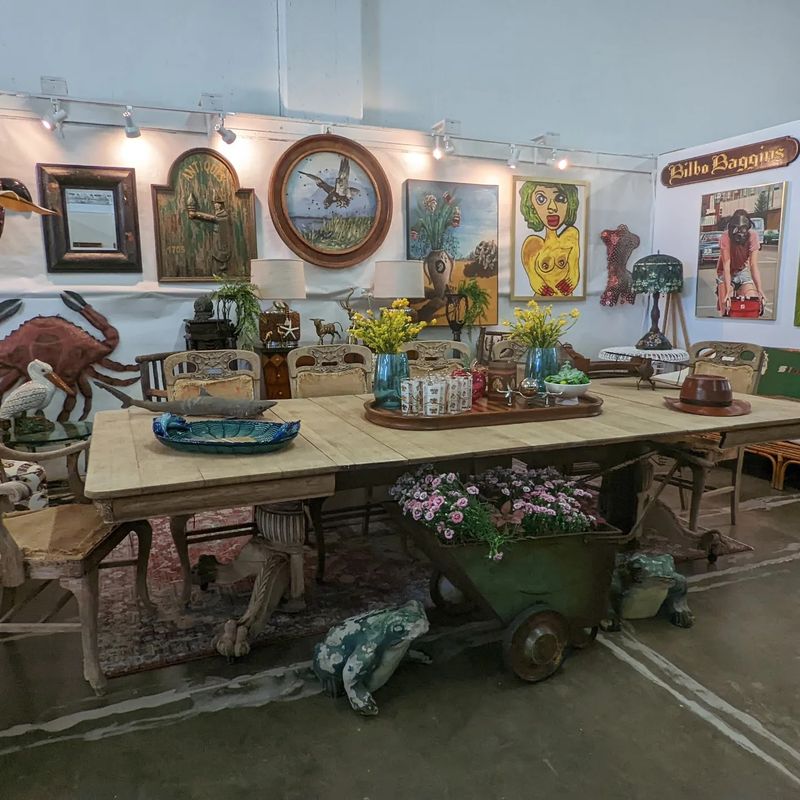
Sometimes the best find fits in your pocket. A table of small collectibles can bring back memories faster than a photo album. One visitor said the show was enjoyable even without a strong interest in antiques because familiar objects sparked nostalgia and unfamiliar ones raised questions.
Choose a small theme if the number of booths feels overwhelming. You could look for kitchen tools, postcards, old toys, or a color that suits your home. A theme gives you a reason to pause without making every table feel like a test you have to pass.
Condition still counts, even when the price seems low. Turn an item over, look for marks, and ask whether anything is missing. If you collect a certain kind of object, save a few reference photos on your phone so you can compare details while you shop.
Leave room for the oddball find, too. An unusual shape or funny label might make a better souvenir than the thing you planned to buy. Just keep your budget in mind; little purchases can add up while you are happily saying, yes, just one more. When you find a favorite, ask the vendor about it. A conversation may lead you to another booth worth seeing on your next visit.
Talk Prices Without Losing the Fun
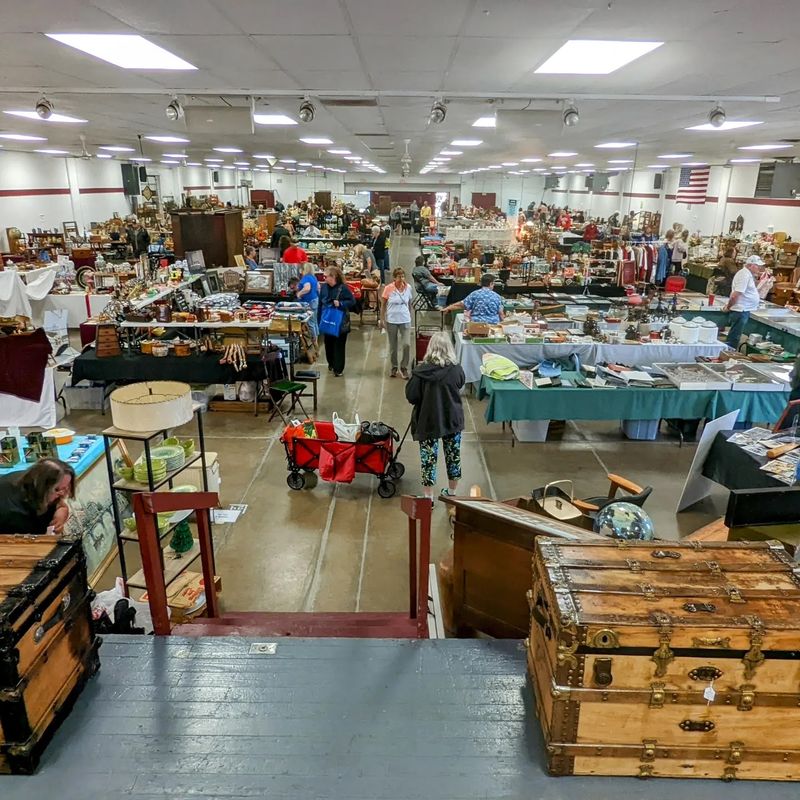
A price tag is the start of a conversation, not a dare. Visitors report a wide mix of prices at Springfield, and some say they have had room to bargain. Others feel certain antiques cost more than expected. Both experiences can happen when many independent sellers bring different goods.
Set a spending limit before the first tempting booth appears. If you are comparing similar items, jot down their prices and conditions rather than trusting your memory after hours of walking. For a piece you love, ask politely whether the seller has any flexibility on the price.
Keep the talk friendly and brief. A fair offer works better when you have checked the item carefully and understand what you are buying. Do not assume every vendor wants to negotiate, and do not pressure anyone who says no. You can always thank them and continue looking.
Bring a practical way to pay, and check the event’s current guidance before you travel. Some visitors recommend carrying cash, but payment choices can vary by seller. Know what you can comfortably spend, including admission and lunch, before you fall for a piece that needs its own seat in the car. If a deal feels uncertain, take a moment to think. Another visit gives you another chance to shop.
Pack for the Long Haul
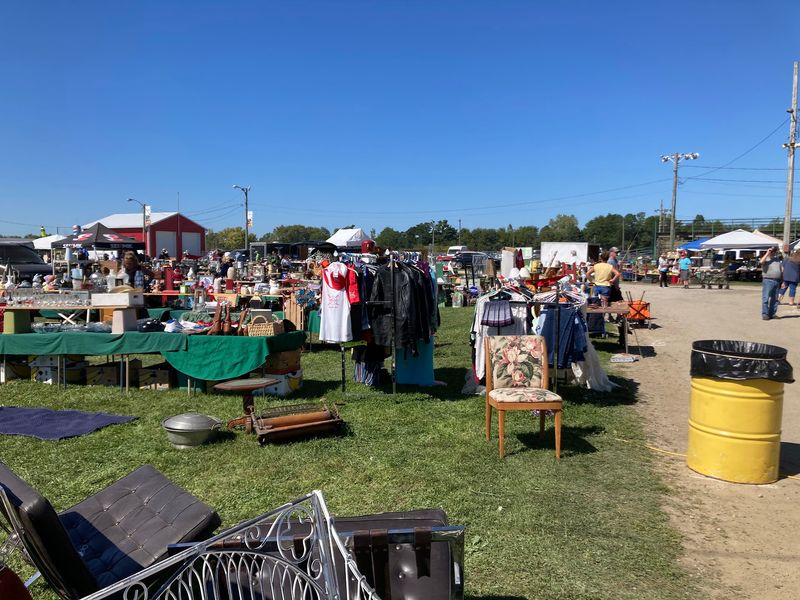
Your arms will notice every purchase long before your eyes get tired. Several visitors recommend bringing a wagon or cart, especially if you hope to buy more than a small bag can hold. Check the show’s current visitor rules before packing one, then make sure it is easy for you to steer.
A simple kit can make the day smoother. Think comfortable shoes, water, a charged phone, measurements for furniture, and a way to protect breakable finds. Keep your wallet and keys secure while you browse. If you bring someone along, agree on who will watch the cart when one of you steps away.
Food is part of the break, not an interruption. Reviewers mention food vendors, fair food, and restrooms, though choices can vary by event. Pause for lunch before you become too hungry to judge whether a chipped bowl is charming or just chipped.
Plan rests around your own needs. Some visitors have wished for more seating, so do not count on finding a bench whenever your feet ask for one. Take a break when you can and avoid loading a cart so heavily that it becomes hard to manage. If you still have energy after one section, enjoy it. If not, the remaining booths can wait for another trip.
Make the Next Trip Count
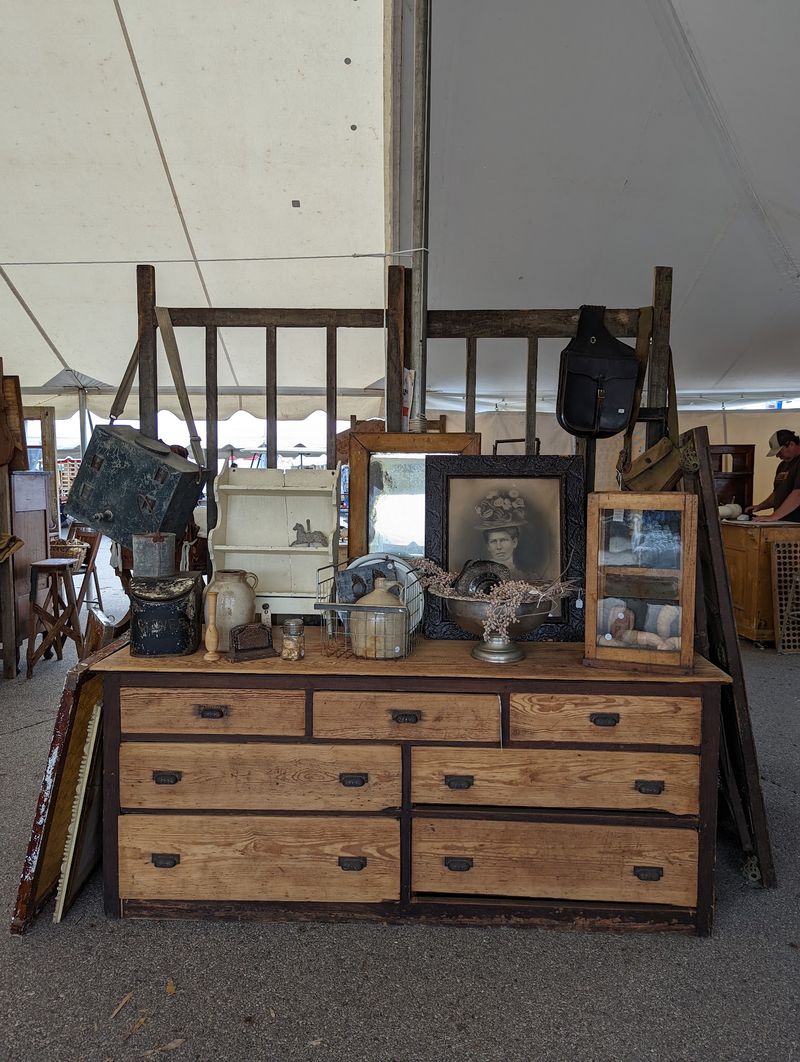
The best reason to return is simple: the show does not stand still. Sellers and goods can change from one event to another, so a second trip need not feel like a repeat. One visitor who shops and sells there says every show feels different.
Think about timing when you choose your day. Reviews suggest arriving early can help you see more active booths, especially on Sunday, when some shoppers have noticed vendors packing up before the posted closing time. Experiences vary, but an early start gives you more time to look around without rushing.
Check the official website before every visit for dates, hours, and admission prices. Special events and regular shows may have different costs, so read the details for the exact day you plan to attend. That is especially helpful if you are traveling far or hoping to avoid a busy period.
Keep a short list after you get home. Write down what you liked, what you bought, and which areas you missed. Next time, you can head toward the booths you skipped instead of starting your search from scratch. You may still get sidetracked by a strange lamp or a familiar toy. At Springfield, that is part of the fun.