A family day trip can get complicated before anyone leaves the house, especially when one person wants to walk, another wants to see animals, and someone else just wants a quiet place to sit.
The DuPont Environmental Education Center of Delaware Nature Society gives you a way to please the whole group without filling the day with plans: its marsh boardwalk, wildlife views, and indoor learning space offer plenty to explore at your own pace.
You can make the visit a quick stop or stay longer to watch the water and see what moves through the grasses, which is a relief when younger children set the schedule.
If you are looking for an outing that feels like an adventure but leaves room for snack breaks and changed minds, take a closer look at the reasons this Wilmington riverfront spot works so well for families.
A Marsh Walk Without a Long Hike
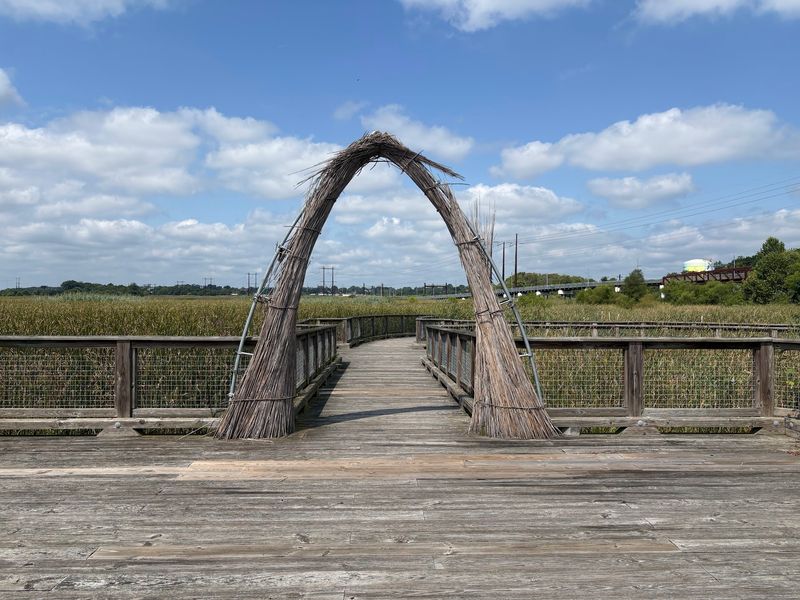
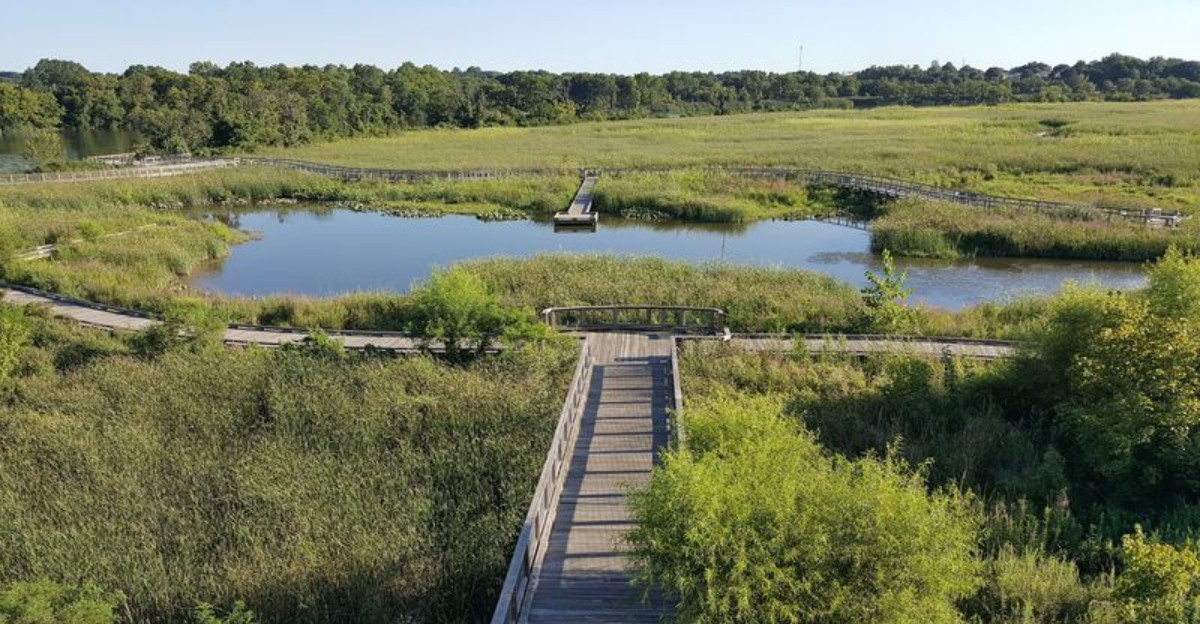
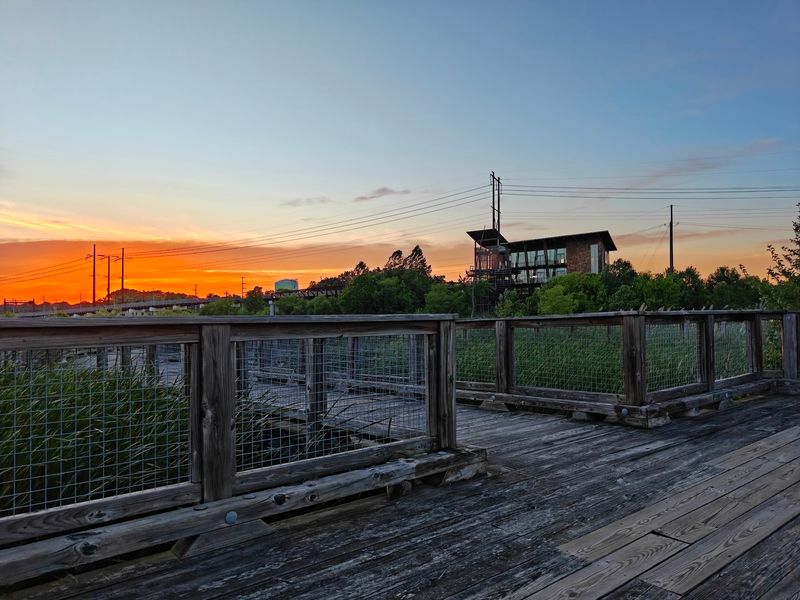
Wooden boards lead you over the marsh, and suddenly a simple walk feels like a small expedition. At the DuPont Environmental Education Center of Delaware Nature Society, the raised boardwalk brings families close to grasses, water, and wildlife without asking everyone to tackle a long hike. Children can look for movement below while adults enjoy the open view.
Start with a short stretch and turn back whenever your group is ready. That freedom helps when little legs run out of energy before big ones do. The center is at 1400 Delmarva Ln, Wilmington, DE 19801; check its current hours and any trail notices before you leave, since outdoor access and building access may differ. A quick call to 302-656-1490 can clear up questions about your visit.
Keep children beside you on the walkway and give other visitors room to pass. After rain, watch for slick spots and avoid any closed sections. Bring water and comfortable shoes, then let the walk unfold at your own speed. The best part is that you do not need a finish line to enjoy it. A few minutes spent watching the marsh can be a trip’s biggest memory.
Wildlife Turns Waiting Into a Game
A turtle breaking the water’s surface can stop a whole family in its tracks. Visitors have reported seeing turtles, many kinds of birds, and even ospreys around the center’s wetlands. No animal is promised, of course, and that is part of the fun. The group gets to watch, wait, and celebrate whatever appears.
Try giving each child a small job. One can scan the water for ripples, while another checks the sky or nearby grasses for birds. Keep voices low and movements calm so animals have space to act naturally. If you spot a nest, admire it from the path instead of moving closer. A phone camera can help record a sighting without disturbing its owner.
Some days, the marsh seems quiet at first. Look again for tracks in soft ground, shifting reeds, or birds crossing the far side of the water. Those tiny clues teach kids that wildlife watching takes patience, not special gear. Pack a small notebook if your family likes making lists or drawing quick pictures. By the end of the visit, even a brief glimpse can feel like a discovery everyone made together. Remember that feeding wild animals can harm them, so leave snacks for people only.
Inside, Curious Kids Get More to See
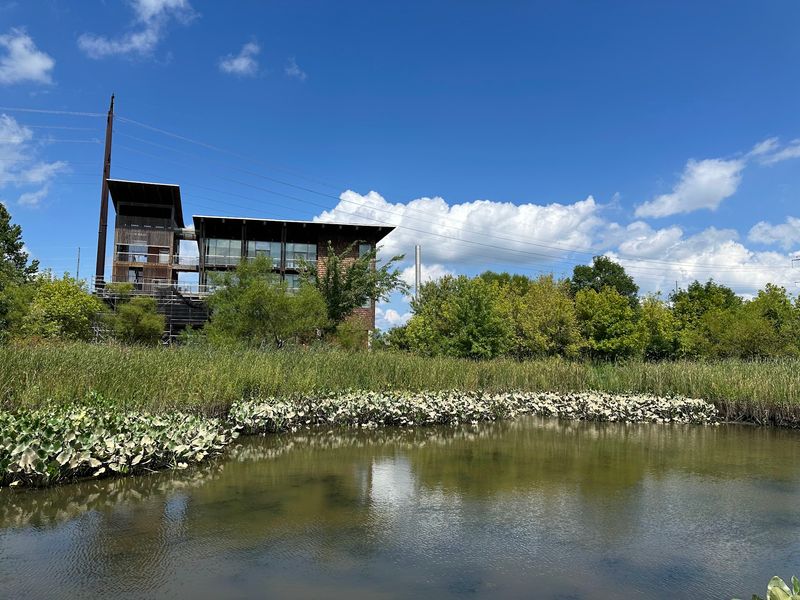
Outside, the marsh asks you to look closely; inside, the learning can keep going. Visitors describe animal displays and exhibits at the DuPont Environmental Education Center, including turtles, fish, and snakes. For a child who likes to ask what lives in the water, that change of scene can make the day more exciting. It also offers a useful pause after time in the sun.
Let kids choose one animal to study rather than racing past every display. Ask what they notice about its shape, color, or movement, then compare it with anything they saw outdoors. You do not need to know every answer. A thoughtful guess can lead to a good question for staff or a later library visit.
Indoor exhibits, rooms, and restrooms may change availability, so confirm what is open before promising a particular activity. The center is normally closed on Mondays, and its listed hours are shorter on Sundays than on other open days. Checking ahead saves a disappointed child from reaching a locked door. If the building is open, treat it as a chance to slow down, learn one new fact, and head back outside with sharper eyes.
A Short Loop Fits the Family Clock

Not every adventure needs to fill an afternoon. Visitors have described a short pond loop near the center, making it a handy choice when your family wants fresh air but has limited time. A smaller route gives young walkers a clear goal and leaves room to stop for every interesting bug, bird, or patch of waving grass.
Before setting out, point to the route you plan to take and agree on a turnaround spot. That simple plan helps children know what comes next. Walk slowly along the pond and look at the water from different angles. One side may show reflections, while another offers a better view into the plants. If your group still has energy, you can consider more walking afterward.
The key is to let the shortest outing count as a full outing. Bring a snack for after the walk, not for the boardwalk, and carry out any wrappers. Choose shoes that can handle damp ground near the paths. Parents can also use the loop to test whether a longer walk sounds fun that day. When someone gets tired, finishing without a struggle feels better than pushing on just because a trail continues.
Big Views Make Small Discoveries
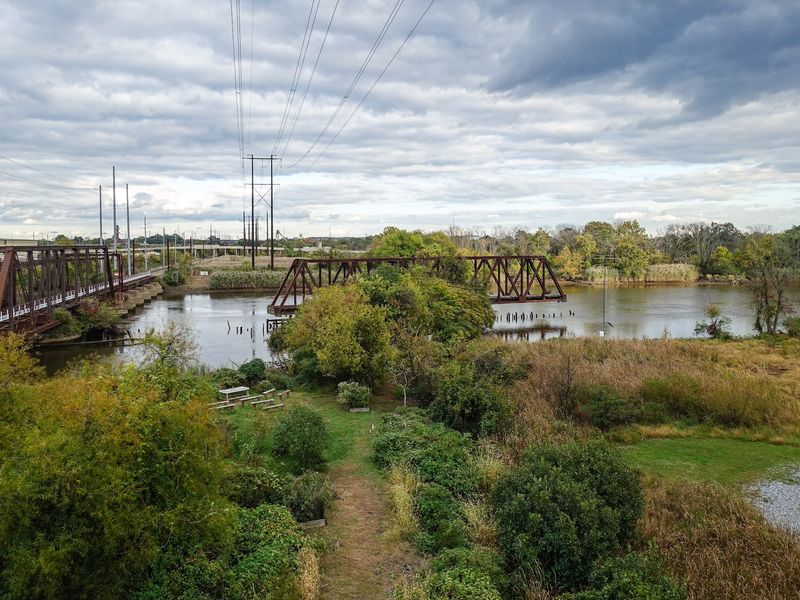
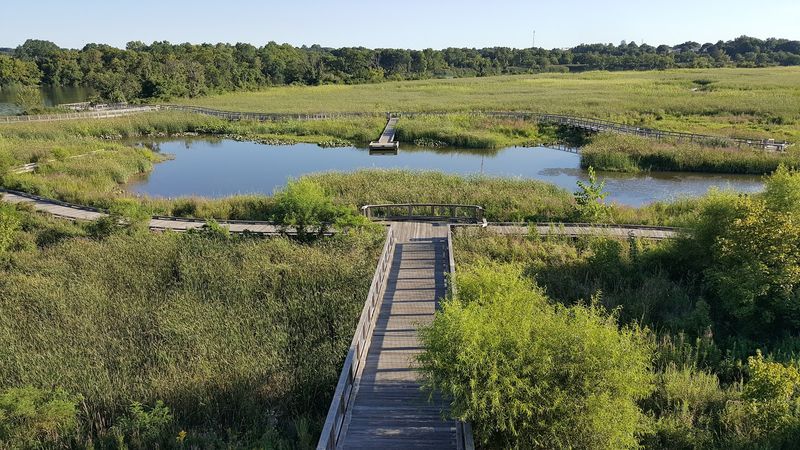
From a higher viewpoint, the marsh can look like a giant living map. Visitors mention broad views from the center and its outdoor areas, where water, grasses, and passing birds become easier to spot. A change in height can help children understand how the paths, pond, and river fit together. It also gives adults a moment to enjoy the scene without rushing ahead.
Invite your group to find three different textures in the view. They might notice smooth water, feathery plants, and the firm lines of a nearby rail bridge. Then look for signs of movement. A bird flying over the reeds or a breeze traveling through the grass can turn the same view into something new a minute later.
Access to particular levels or viewing areas can change, so follow posted signs and ask staff before heading upstairs. Keep little children close near railings, even if they are excited to see more. A pair of binoculars can add detail, but ordinary eyes work well too. Take one photo if you like, then spend a moment simply watching. That quiet pause may be the part of the visit your family talks about on the ride home.
The Scenery Changes With the Seasons
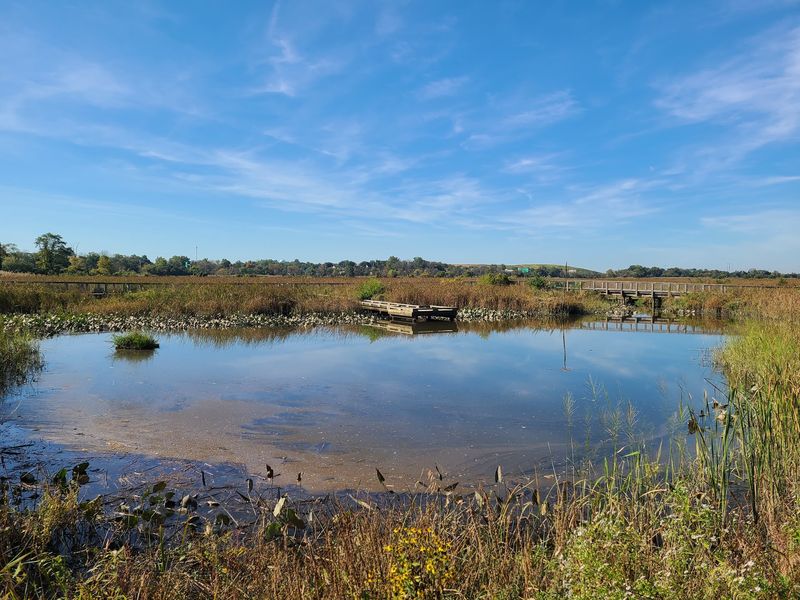
Come back another month, and the same marsh may tell a different story. Visitors describe colorful fall leaves, lively summer grasses, and birds moving through the wetlands at different times of year. That changing scenery gives families a reason to return without needing a new plan. Children may enjoy comparing what they remember with what they see now.
Summer can feel hot on the exposed walkways, where shade may be limited. Bring water, hats, and sunscreen, and consider a cooler part of the day. In colder weather, a jacket helps when wind crosses the open marsh. After a rainy spell, check conditions before you go, since a wet or temporarily closed walkway can change your route.
Make repeat visits into a simple family project. Take a picture from the same safe spot each time, or note the first flower, bird, or bright leaf you notice. There is no need to identify everything perfectly. The goal is to see that a familiar place keeps changing. A child who remembers tall green reeds on one visit may be surprised by their brown winter shapes on the next. That small surprise makes an easy outing feel new again.
A Bigger Trail Is There If You Want It

Some families finish a short walk and suddenly want another mile. The center connects with the Jack A.
Markell Trail, which gives energetic visitors an option to keep moving beyond the immediate marsh paths. Others can stop right where they are and call the day a success. Having both choices in one outing is useful when nobody knows how much walking the group will enjoy.
Before you extend the trip, check the route and decide how far you plan to go before turning around. Remember that the return takes energy too. Carry drinking water, watch for other trail users, and keep children beside you where walkers and cyclists share space. If anyone rides a bike, follow posted rules around the center and slow down near people enjoying the view.
There is no prize for covering the most ground. The longer trail works best as an option, not a promise made before breakfast. Try a short marsh visit first, then ask everyone how they feel. A family with plenty of energy can explore farther, while tired legs can head home without missing the center’s main sights. That flexibility keeps an ordinary day trip pleasant for all ages.
A Little Planning Keeps the Day Easy
The easiest outings often begin with a two minute check at home. Before visiting the DuPont Environmental Education Center, confirm the day’s building hours and look for any trail alerts. Its listed schedule has the center closed on Mondays, open Tuesday through Saturday from 10 a.m. to 4 p.m., and open Sunday from noon to 4 p.m. Hours can change, so use the center’s website or call before setting out.
Pack light, but think about the open marsh. Water, sun protection, comfortable shoes, and a small pair of binoculars cover most needs. If rain is possible, add a jacket and leave time to change plans. Ask about restroom access ahead of time if that matters for your family. A simple checklist beats finding out too late that the water bottles stayed on the kitchen counter.
Once you arrive, let curiosity set the pace. You might spend most of your time watching birds, take a quick pond walk, or visit the exhibits if they are open. None of those choices needs a packed schedule. Give children a say in what comes next, and allow an early finish when they have had enough. The day stays easy when everyone gets to enjoy it.