If you think museums are quiet rooms with glass cases, Durham’s Museum of Life and Science will happily prove you wrong. Here, you can step inside a real airplane, wander a forest of dinosaurs, and meet butterflies that might land on your sleeve.
The campus blends hands-on science with outdoor adventures, so kids run, adults exhale, and everyone learns without trying. Bring comfy shoes and curiosity, because this place packs a full day of surprises.
Magic Wings Butterfly House
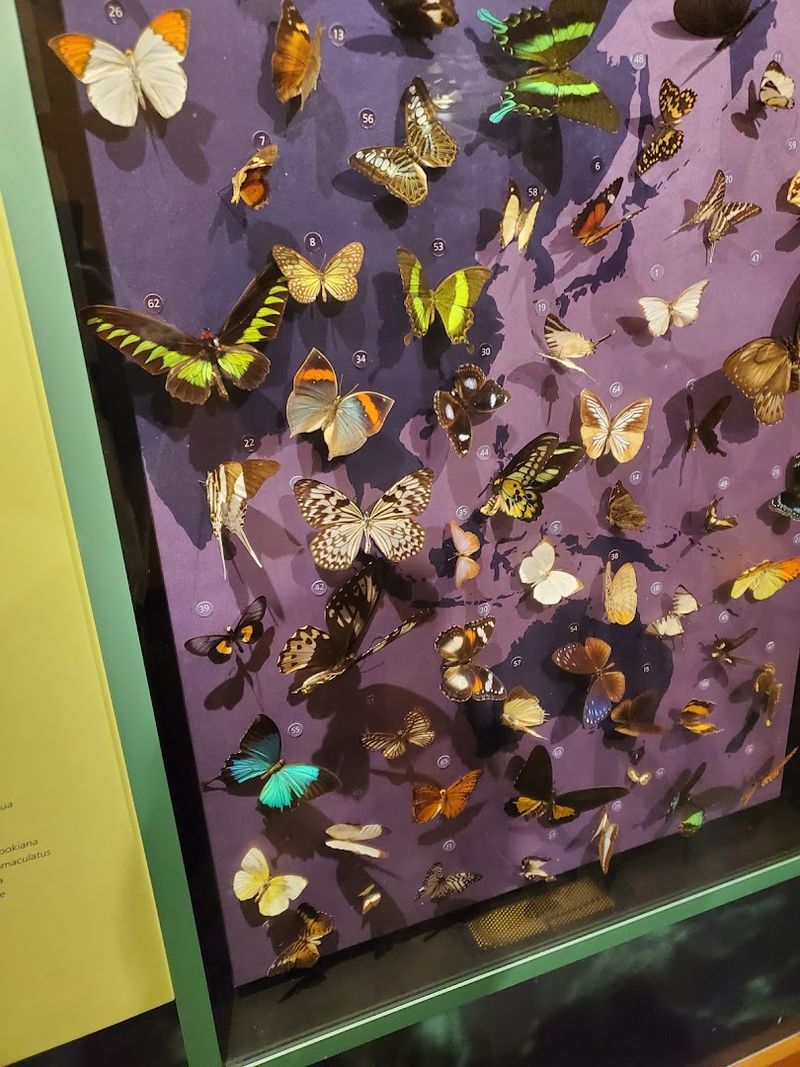
Warm, humid air greets you at the doors, then color floods your view as butterflies drift across tropical plants. The path bends around waterfalls and nectar trays, so there is always a new angle for photos.
Stand still for a moment and wings often choose your shoulder like a temporary jewel.
Volunteers are gems here, answering questions about chrysalis stages and subtle wing patterns. You can practice gentle observation with kids by counting spots, comparing antennae shapes, and spotting camouflaged moths.
Signs explain host plants, so it is easy to connect what you see to backyard choices that support pollinators back home.
Humidity can fog camera lenses, so pocket a microfiber cloth and give gear a minute to acclimate. Closed toed shoes are smart because the decking can get slick near misty corners.
Most of all, lower the pace and enjoy those quiet beats when a blue morpho flutters by like a living postcard.
Make time to visit the insectarium section just outside, where stick insects and leafcutter ants add context to the spectacle. A quick sketch in a small notebook helps kids remember details later.
On cooler days, step outside afterward and feel Durham air like a refreshing reset.
The Dinosaur Trail
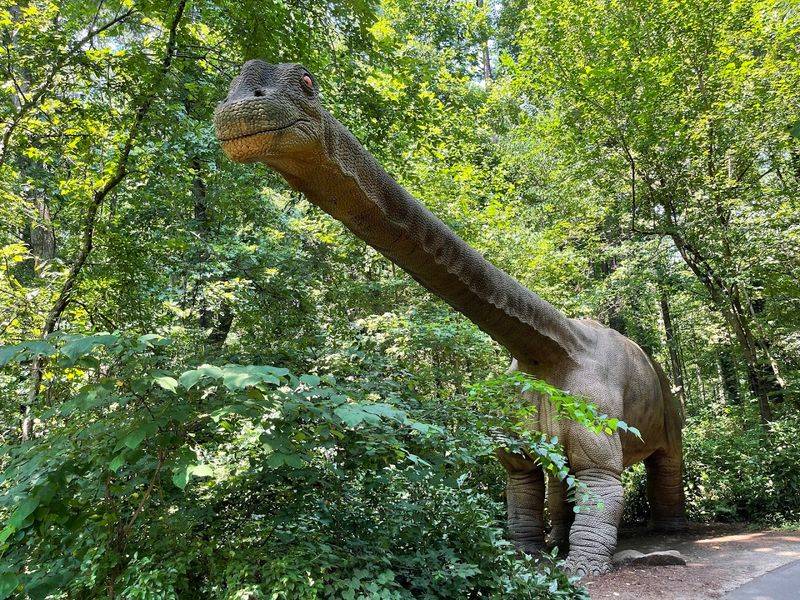
Shaded paths carry you into a forest where towering dinosaurs appear between pines and river birch. The roars catch you first, then you notice skin textures, teeth, and the way tails balance those heavy frames.
Kids test courage from a safe distance, then inch forward for a triumphant selfie.
Do not rush past the fossil dig stations, because patience pays off. With a brush and a little teamwork, your group can uncover casts of teeth and bones while trading dino facts.
Staff circulate with tips on sediment layers and how paleontologists map a site without disturbing what lies beneath.
Along the boardwalk, interpretive signs connect dinosaurs to modern birds and ecosystems you just walked through. That connection clicks when a hawk calls overhead, and suddenly the timeline feels shorter.
You can turn it into a mini quest by matching footprints, counting vertebrae, and naming plants that would have thrived in those ancient wetlands.
If stamina is limited, plan small pauses at benches sprinkled along the trail. A quick snack and water break keeps focus sharp for the final giants near the exit.
Bring a hat, pocket sunscreen, and curiosity, because this corner of the museum rewards slow looking and playful questions.
Hideaway Woods Treehouses and Stream
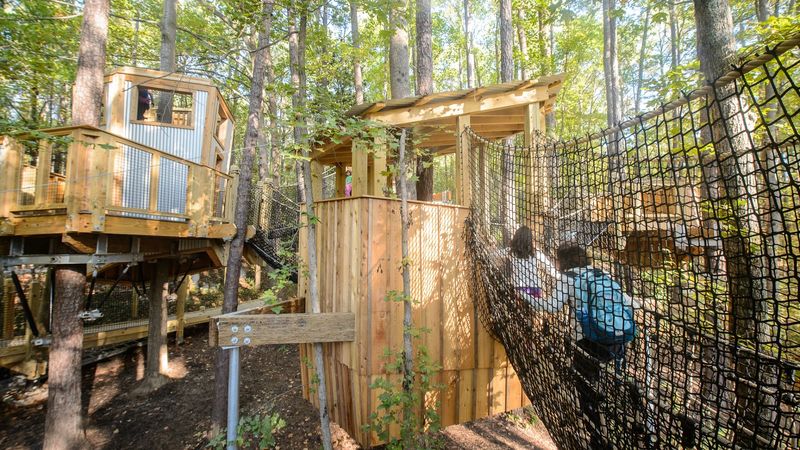
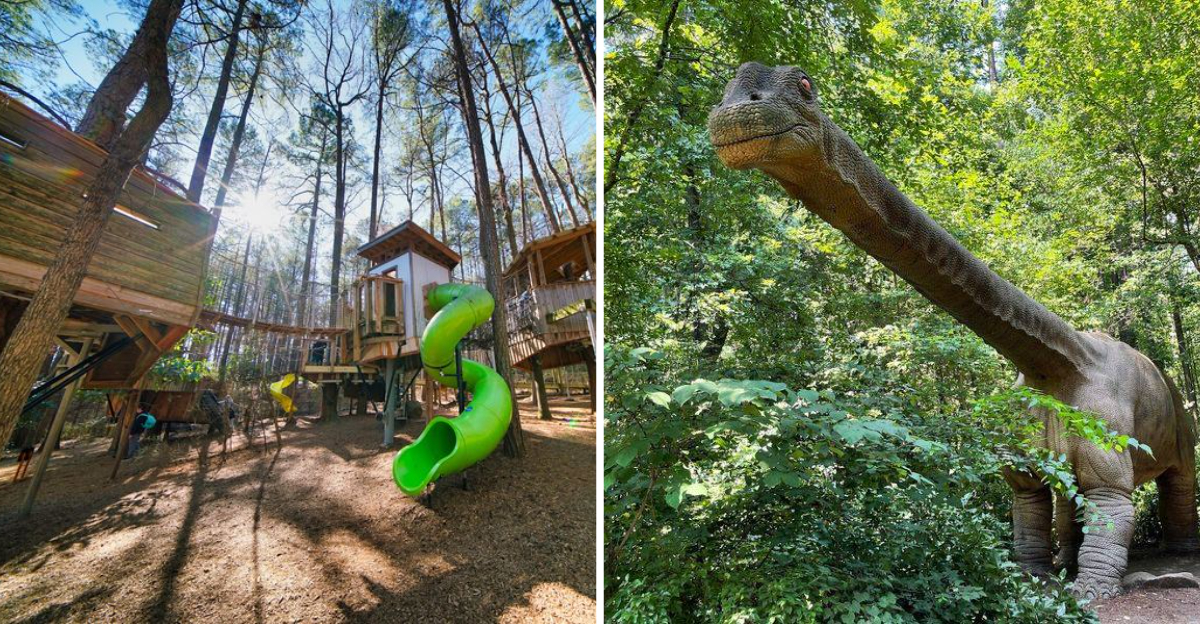
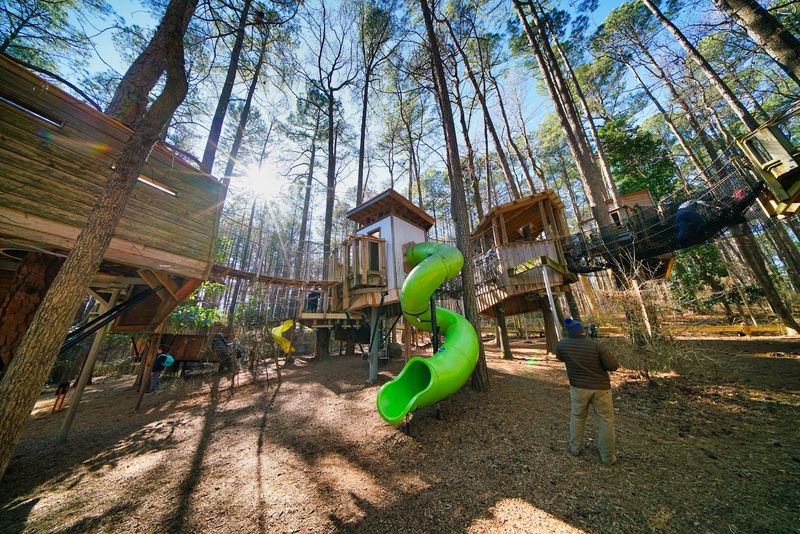
Tucked into the trees, a network of wooden treehouses and rope bridges turns the hillside into pure adventure. You can choose gentle ramps or steeper climbs, letting different ages find a challenge that feels just right.
Streams ribbon through the space, so shoes will probably end up wet and happy.
Guardians appreciate the clear sightlines and benches tucked between trunks. Set a base camp with water, sunscreen, and a snack, then let kids loop back after each victory lap.
Friendly staff remind visitors to move at a comfortable pace and to keep an eye on courteous sharing across platforms.
Bring quick dry clothes or a towel, because the creek calls on warm afternoons. A small bucket becomes laboratory gear for testing how pebbles redirect flow and how bridges handle pretend floods.
Conversations about erosion and design sneak in naturally while everyone builds dams and cheers when the water reroutes.
If crowds build, step to the upper pods for a quieter pocket with bird songs and shade. Cameras love the warm wood and green canopy, so candid family shots happen without fuss.
Set a meet up time, stash trash in packs, and leave the grove as tidy as you found it.
Explore the Wild Boardwalks and Wildlife
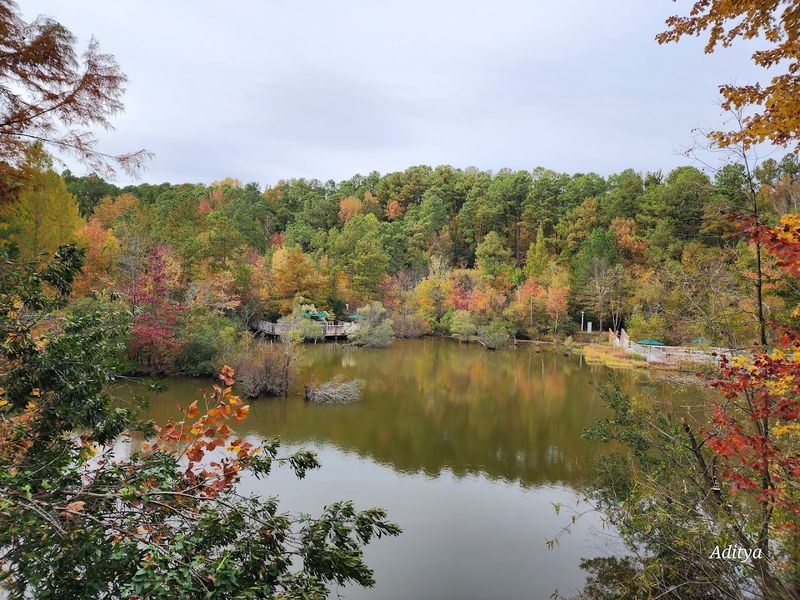
This stretch feels like a nature hike stitched into a science museum. Boardwalks lead past wetlands where turtles sun on logs and herons stalk minnows.
A few turns later, you can watch black bears lounge, scan for red wolf pups, and listen for otters splashing through their streamside playground.
Keep conversations soft and movements slow, because animal comfort always comes first. Kids can practice observation by timing how long a bear rests or by sketching paw prints from the signage.
Staff talks often touch on conservation, and those short chats make it easy to connect habitat health with everyday choices.
Bring binoculars for better views along the ponds, and give your group a job like finding five different textures. Sun hat, water, and patience turn this loop into a restorative hour.
On cooler days animals tend to be more active, so check the forecast and time your stroll accordingly.
If legs tire, there are benches with shade and fantastic angles for photos. Use the pause to read the species profiles together and pick a fun fact to share at dinner.
Before you leave, whisper a quiet thank you to the wolves and bears, then carry that respect home with you.
Ellerbe Creek Railway Train Ride
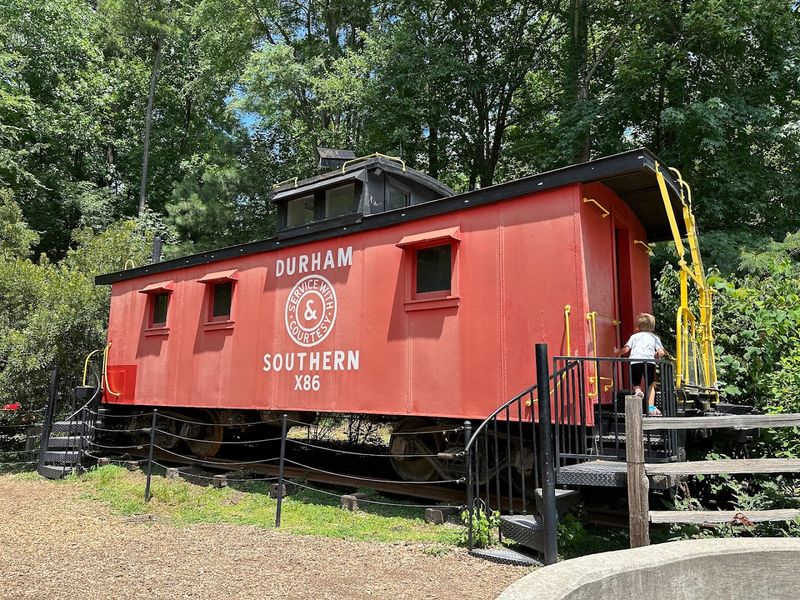
Little engineers perk up the moment the Ellerbe Creek Railway whistle sounds across the grounds. The train loops through woods and over small bridges, giving you backstage peeks at habitats you just walked by.
Seasonal rides like the Pumpkin Patch Express add themed stops that feel cozy without overwhelming younger travelers.
Tickets can sell out, so snag them early online or at the kiosk near boarding. A short wait turns pleasant with a snack and a guessing game about landmarks you will pass.
Keep cameras ready on the right side for water views and on the left for playful glimpses of dinos.
Train time becomes a reset button for overstimulated kids and adults alike. The gentle rhythm encourages conversation, and staff stories sprinkle in facts about local creeks and the museum landscape.
Use that momentum afterward to choose a calmer next stop, like the butterfly house or shaded picnic tables near the farmyard.
If someone in your group uses a stroller, staff will guide you to boarding and storage. Headphones help sound sensitive riders enjoy the whistle without stress.
A tradition to try is waving at walkers along the route and tallying smiles before you roll back into the station.
Hands On Earth and Space Labs
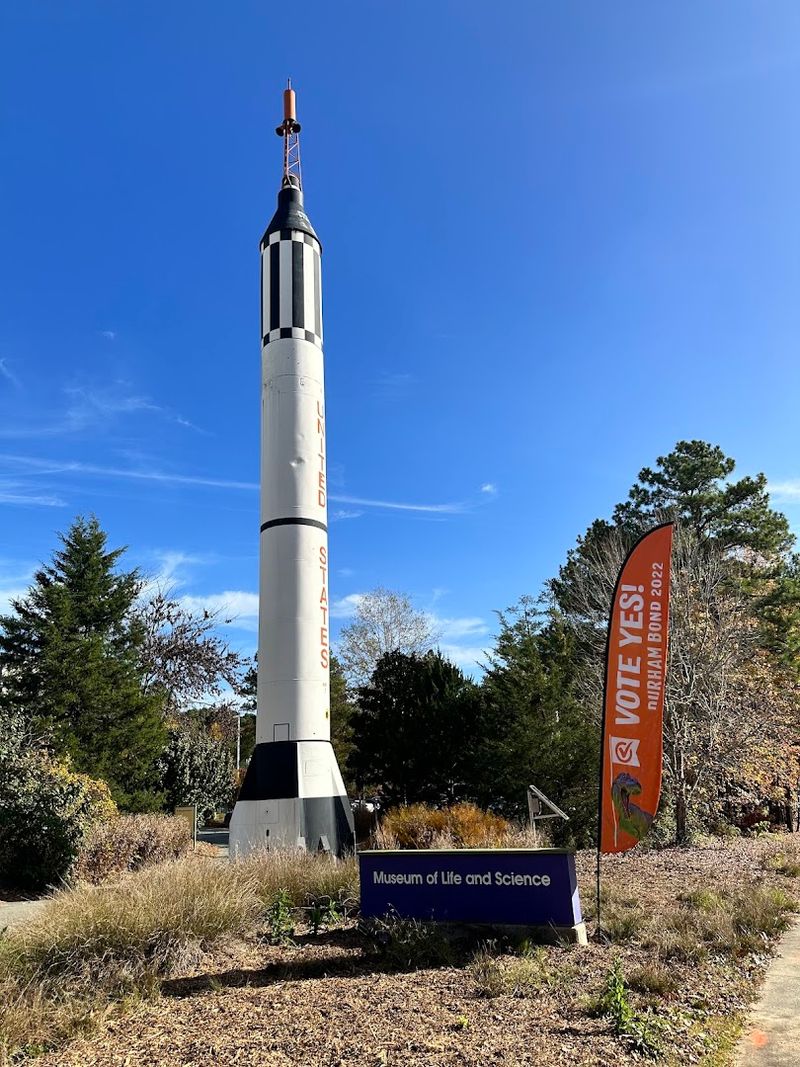
Inside the main building, hands on stations turn big ideas into friendly experiments. You can bend light with prisms, launch paper helicopters, and watch magnets tug objects across tracks.
Nearby, weather exhibits whip up breezes that turn hair wild while quietly teaching how air pressure and turbulence shape our daily forecasts.
Circuit boards beckon tinkerers with lights, resistors, and buttons that reward patient trial and error. Set a question before each table, then compare what changed and why as you move along.
Kids feel proud when predictions improve, and that feeling becomes fuel for bolder questions at the next stop.
If a station is crowded, mark it on a mental loop and come back after lunch. Short videos and signage provide just enough context without smothering the fun, so attention stays high.
For sensory sensitive visitors, start with the calmer corners, then add the breezier zones once confidence warms up.
A pocket notebook turns curiosity into a souvenir list of questions to Google later. Capture surprising terms like albedo, Bernoulli, or vector, then challenge the group to use each in a sentence.
Before leaving, rinse hands, reset energy with water, and decide which experiment you want to repeat next time.
Gateway Park Sound and Water Play
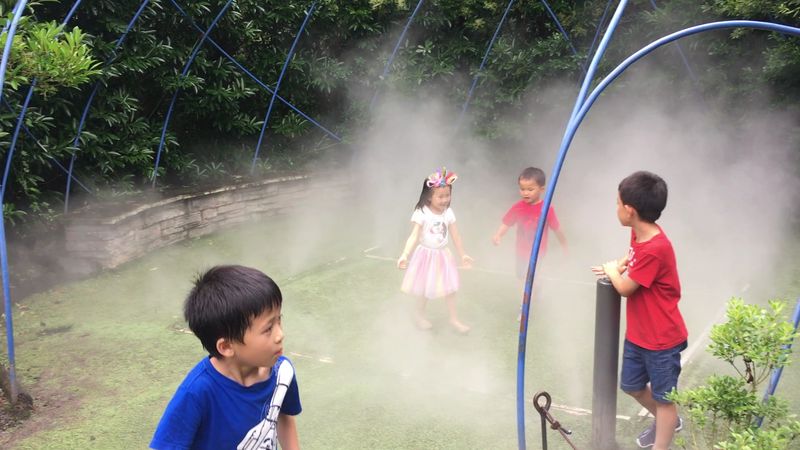
Outdoors near the entrance, Gateway Park hums with sound sculptures, giant sand zones, and simple machines that invite tinkering. You can strike chimes, pump water, and test how channels carry flow toward spinning wheels.
Kids collaborate fast, building rivers and rerouting streams with shovels while parents claim shady spots along the edges.
Pack swimsuits, crocs, and towels on warm days, because the splash features are irresistible. A change of clothes prevents the late afternoon chill that can hit after nonstop play.
If you want calmer vibes, arrive near opening or hold off until an hour before closing when energy dips naturally.
Use the space for quick STEM challenges like moving a set volume of water from point A to point B. Timers, teamwork, and silly prizes keep spirits light and learning sticky.
Leave room in your schedule for cleanup, because sandy shoes and happy puddle feet always take a few extra minutes.
When hunger hits, seating makes it easy to picnic without losing momentum. Please pack out trash and watch for yellow jackets during peak summer.
If storms threaten, head inside to the building play areas, then circle back once the sun returns and the water channels are flowing again.
The Farmyard
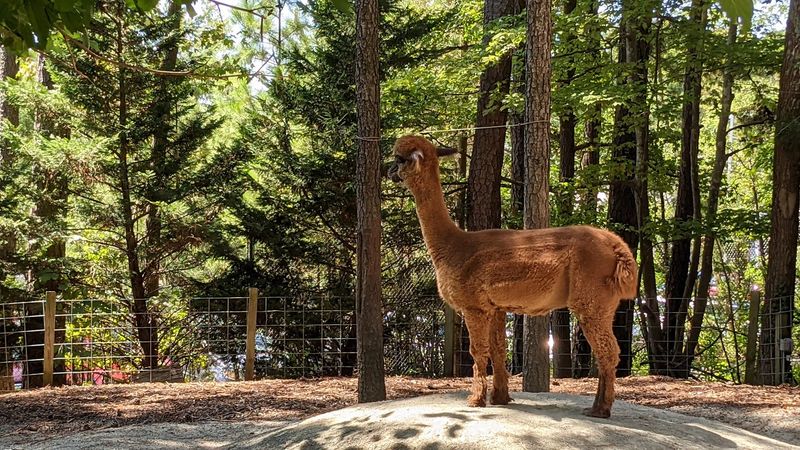
Around the bend, the Farmyard offers a calmer tempo with goats, alpacas, miniature cows, and chatty chickens. You can watch gentle grooming, observe feeding routines, and notice how handlers read body language.
Kids quickly learn the difference between polite petting and crowding, which makes every visit smoother for animals and people.
Stools near the fence give smaller visitors a better view without pressing against gates. Ask staff about each resident’s backstory, because rescue histories often reveal how care decisions are made.
Bring a little notebook to jot down questions about hoof trimming, shearing, and enrichment, then look up videos together later.
Hand washing stations are close by, so clean up before snacks and remind kids why it matters. Closed toe shoes and calm voices help everyone feel safe.
If a favorite animal is off view, use the moment to talk about rest breaks and how caretakers balance public access with wellbeing.
On hot days, the shaded edges become precious, so pace your stop and sip water. Photos work best from the sides to avoid blocking pathways.
Before leaving, thank the keepers, then ask your crew to pick one habit they can try at home to support humane, responsible animal care.
Plan Your Perfect Visit
A great day here starts with smart timing and a flexible plan. Check the calendar for after hours events, train schedules, and any temporary exhibit updates.
If you can arrive at opening, parking is easier, lines are shorter, and you will have more energy for the long outdoor loops.
Tickets currently run around typical science museum prices, with discounts for members and Durham residents. Buying online helps you skip queues and pivot faster once inside.
Bring water bottles, sunscreen, and snacks, because the campus is spread out and kids often burn through calories while climbing treehouses and testing experiments.
Cell service can fade in wooded areas, so screenshot maps and museum hours before you wander. Comfortable shoes beat cute shoes here, and a backup outfit helps if water play wins.
Choose a meet up spot, set gentle time checks, and let curiosity lead the route without overstuffing the agenda.
For lunch, plan a picnic under trees or use onsite options if open, then save a sweet treat for the car ride home. Schedule a final calm stop like the train or a bench near the pond.
That soft landing helps everyone end the day proud, tired, and smiling on departure.