Some of Pennsylvania’s most unforgettable restaurants weren’t built to serve dinner at all.
They once welcomed firefighters, bankers, train passengers, churchgoers, and factory workers before finding a whole new purpose.
Step inside today, and you’ll find incredible meals surrounded by stories that stretch back more than a century.
The buildings themselves are part of the experience. Original vaults, stained-glass windows, soaring station halls, and historic brick walls create settings you simply can’t recreate from scratch.
Every meal comes with a little time travel.
You might sip a craft beer where trains once arrived, enjoy dessert inside a former bank, or dine beneath the ceiling of a beautifully restored church.
These 11 Pennsylvania restaurants prove that great food tastes even better when it’s served with a remarkable past. Bring your appetite—and your curiosity—because these unforgettable transformations are just as impressive as what’s on the menu.
Church Brew Works (Pittsburgh)
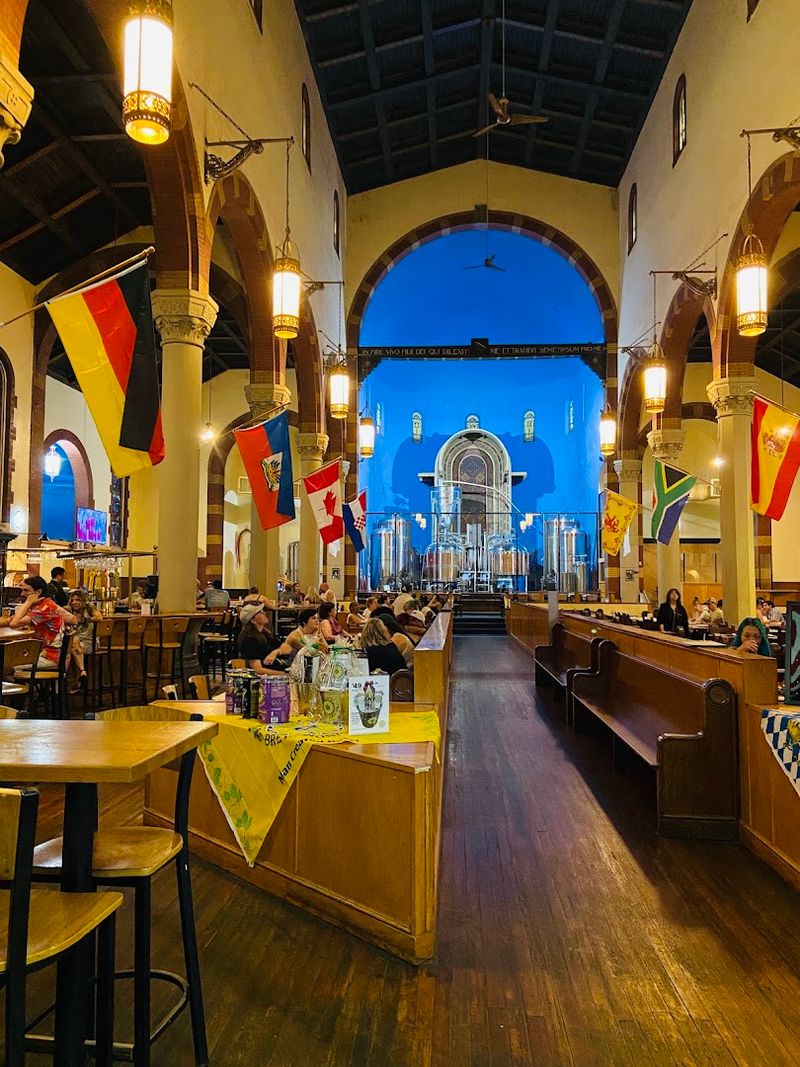
Picture yourself sipping craft beer where parishioners once prayed. Church Brew Works transformed St. John the Baptist Roman Catholic Church into one of America’s most stunning restaurant conversions.
Walking through those oversized doors feels like entering a sacred space, because you basically are.
The brewing tanks stand proudly where the altar once commanded attention. Soaring vaulted ceilings stretch overhead while colorful stained glass windows bathe everything in jewel-toned light.
Original pews became booths, and the pipe organ still towers in the background as a reminder of the building’s spiritual past.
Built in 1902, this Pittsburgh landmark served its congregation for nearly a century before closing in 1993. Rather than demolishing this architectural gem, entrepreneurs saw its potential as a brewpub.
Today, guests marvel at how perfectly the sacred and secular blend together.
The menu features pub favorites and wood-fired pizzas, but honestly, the building itself might be the main attraction. Whether you’re a history buff, architecture lover, or just someone who enjoys a good burger, this place delivers an unforgettable dining experience that honors its holy heritage.
Jack’s Firehouse (Philadelphia)
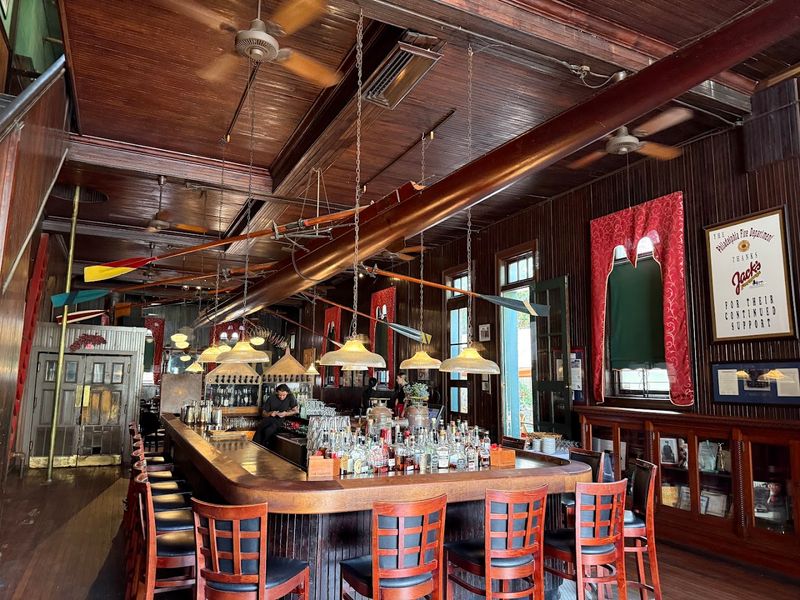
When firefighters answered emergency calls from Fairmount Engine Company No. 40, they probably never imagined people would someday eat brunch there. This 19th-century fire station has protected its original character while serving up modern American cuisine.
The oversized engine doors that once opened for horse-drawn fire wagons now welcome hungry diners.
Step inside and you’ll spot the brass fire pole that firefighters slid down during urgent calls. Beautiful original woodwork lines the walls, telling stories of Philadelphia’s firefighting heritage.
Antique firefighting equipment decorates the space, creating an atmosphere that’s both nostalgic and inviting.
The building’s bones remain remarkably intact despite its transformation. High ceilings and large windows that helped ventilate smoke now flood the dining room with natural light.
Exposed brick walls add warmth and authenticity to every meal.
Jack’s menu focuses on fresh, locally-sourced ingredients prepared with creativity and care. The restaurant honors its firefighting past while looking forward to culinary innovation.
Dining here means becoming part of Philadelphia history, one delicious bite at a time.
The Brewerie at Union Station (Erie)
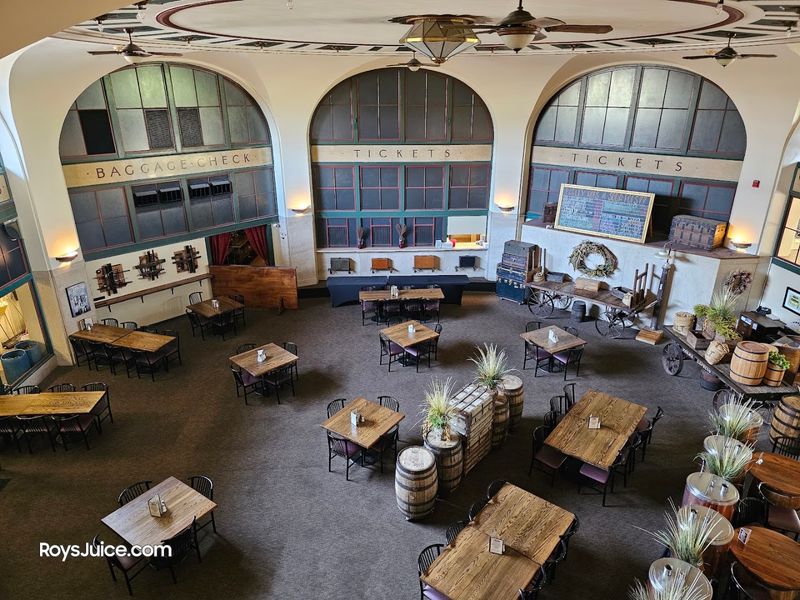
Art Deco elegance meets craft brewing in what travelers once knew as Erie Union Station. The echoes of steam whistles and conductor calls have been replaced by the clinking of glasses and lively conversation.
This architectural treasure from railroad’s golden age found new purpose as one of Erie’s favorite gathering spots.
The terminal’s grand waiting room, where passengers anxiously checked train schedules, now houses brewing equipment and dining tables. Original Art Deco features remain throughout, reminding visitors of the station’s glamorous past.
Those high ceilings that once helped dissipate steam engine smoke now create an airy, spacious dining atmosphere.
Built when railroads dominated American transportation, Union Station represented Erie’s connection to the wider world. After passenger rail service declined, the building faced an uncertain future.
Fortunately, visionary entrepreneurs recognized its potential as a brewpub rather than letting it crumble into history.
Today’s guests enjoy handcrafted beers and hearty meals surrounded by railroad nostalgia. The transformation preserved Erie’s architectural heritage while creating a vibrant community space.
It’s proof that historic buildings can thrive with creative reimagining.
Vault Brewing Company (Yardley)
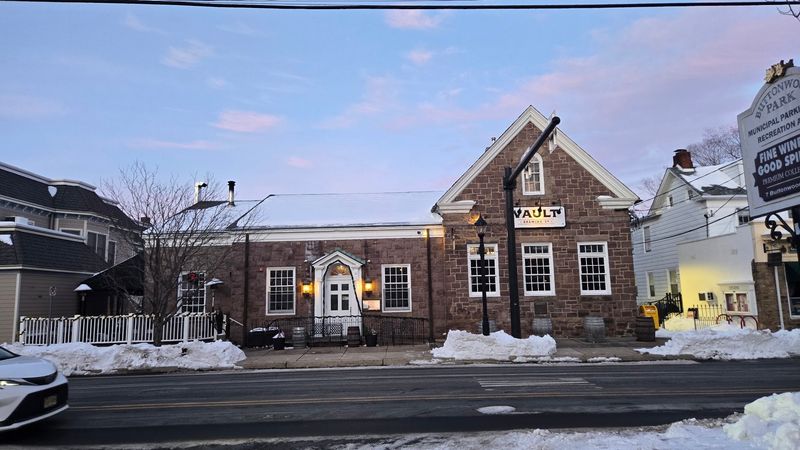
Ever wanted to eat dinner inside an actual bank vault? At Vault Brewing Company, that bizarre fantasy becomes reality.
The 1889 Yardley National Bank traded deposits and withdrawals for drafts and appetizers, keeping its financial personality intact.
Massive vault doors still swing on their original hinges, now opening to reveal brewing equipment instead of cash reserves. Safe deposit boxes line the walls like tiny time capsules of banking history.
The teller windows that once processed transactions now serve as unique architectural focal points.
Original banking fixtures weren’t removed during renovation—they became the restaurant’s greatest assets. Ornate woodwork, marble counters, and vintage signage transport diners to an era when bank buildings symbolized trust and permanence.
The owners understood that preserving these details created something special.
The brewing company produces small-batch craft beers that would make any banker proud of their return on investment. Food ranges from creative pub fare to sophisticated entrees, all served in an atmosphere where financial history meets culinary innovation.
It’s definitely worth more than a penny for your thoughts, though you might find those covering the floor too.
Bank + Vine (Wilkes-Barre)
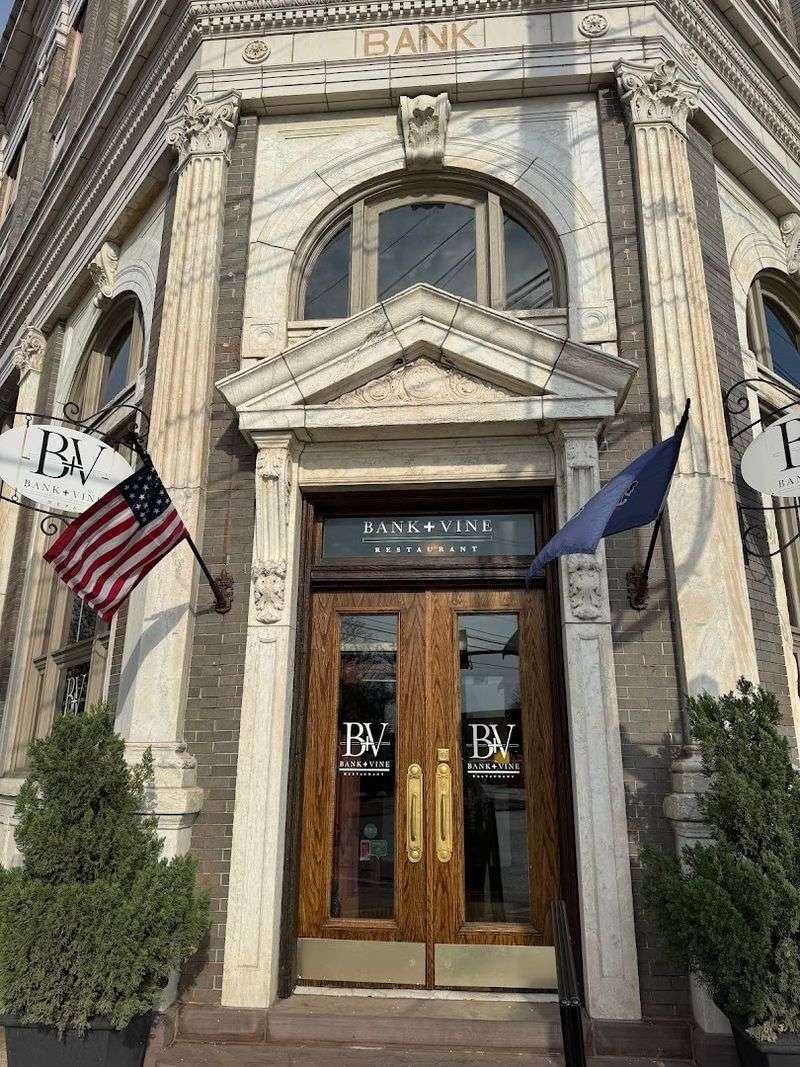
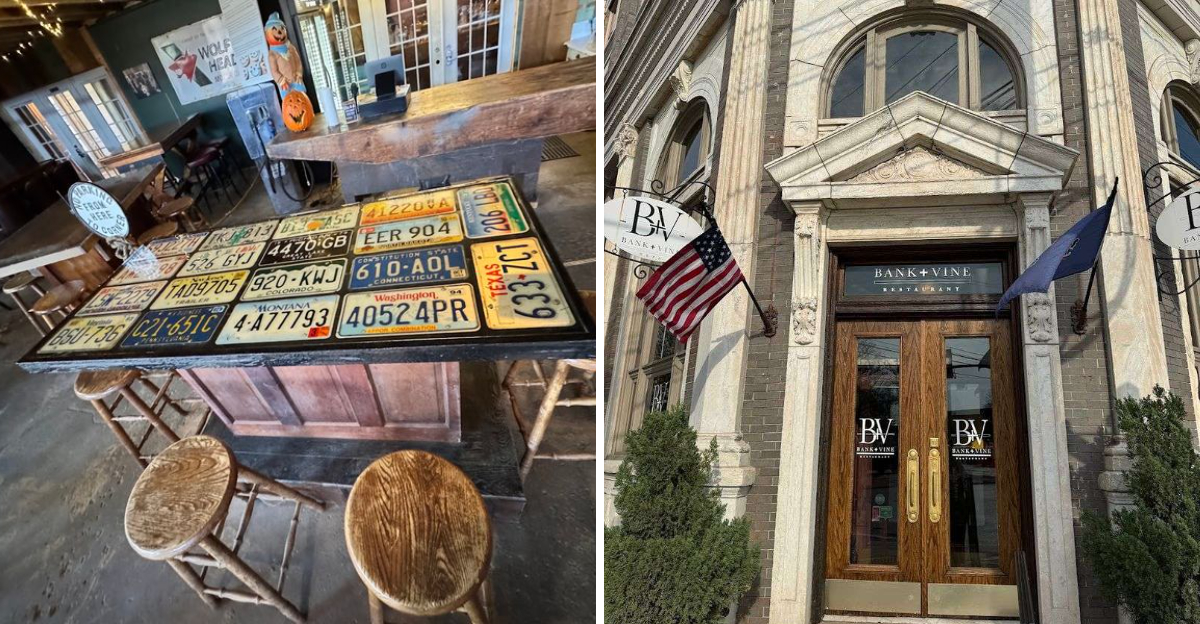
Wilkes-Barre’s South Side Bank once symbolized financial security and community prosperity. Today, that same building represents culinary excellence and social gathering.
The contrast between its serious banking past and vibrant restaurant present creates fascinating tension.
Soaring ceilings that once emphasized the bank’s importance now enhance the dining experience with dramatic vertical space. Original architectural details were carefully preserved during renovation, maintaining the building’s dignified character.
Walking through the entrance feels like stepping into both past and present simultaneously.
Modern American cuisine takes center stage in this historic setting. Chefs prepare seasonal dishes that showcase Pennsylvania’s agricultural bounty while honoring culinary traditions.
The menu changes regularly, ensuring frequent visitors always discover something new.
Bank + Vine proves that old buildings can embrace contemporary purposes without sacrificing their souls. The neighborhood bank that once safeguarded money now safeguards community connection and shared meals.
Marble and mahogany provide elegant backdrop to birthday celebrations, date nights, and casual dinners.
Guests often marvel at how naturally the space transitioned from finance to food. The building’s solid construction and beautiful details made it perfect for adaptive reuse rather than demolition.
The Brew Bank Brewing Company (Ridgway)
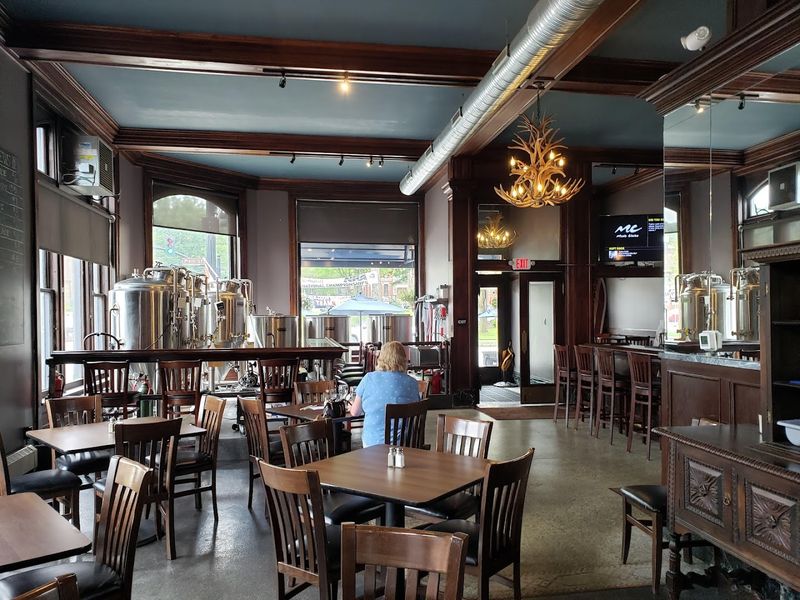
Gothic Revival architecture makes a dramatic statement in downtown Ridgway, where a 19th-century bank received beautiful restoration as a craft brewery. Pointed arches and decorative stonework hint at the building’s Victorian origins.
This isn’t your typical sports-bar-style brewpub—it’s got serious architectural credentials.
The restoration team treated the historic structure with respect, preserving elements that many developers might have demolished. Original banking features survived the transition, including ornate plasterwork and period-appropriate fixtures.
Every detail reflects commitment to honoring the past while creating something new.
Craft beer flows from taps where financial transactions once occurred. The brewing equipment somehow fits naturally into the Victorian interior, creating an unexpected but harmonious combination.
Locals and tourists alike appreciate the effort invested in maintaining the building’s character.
Gothic Revival banks weren’t common in small Pennsylvania towns, making this building particularly significant. Its survival through economic ups and downs mirrors Ridgway’s own resilience.
Now it serves as community gathering place where history and hospitality intersect.
The food menu complements the carefully crafted beers with elevated pub fare. Dining beneath Gothic arches while enjoying modern American cuisine creates memorable contrast that keeps people coming back.
Corner Vault (Reedsville)
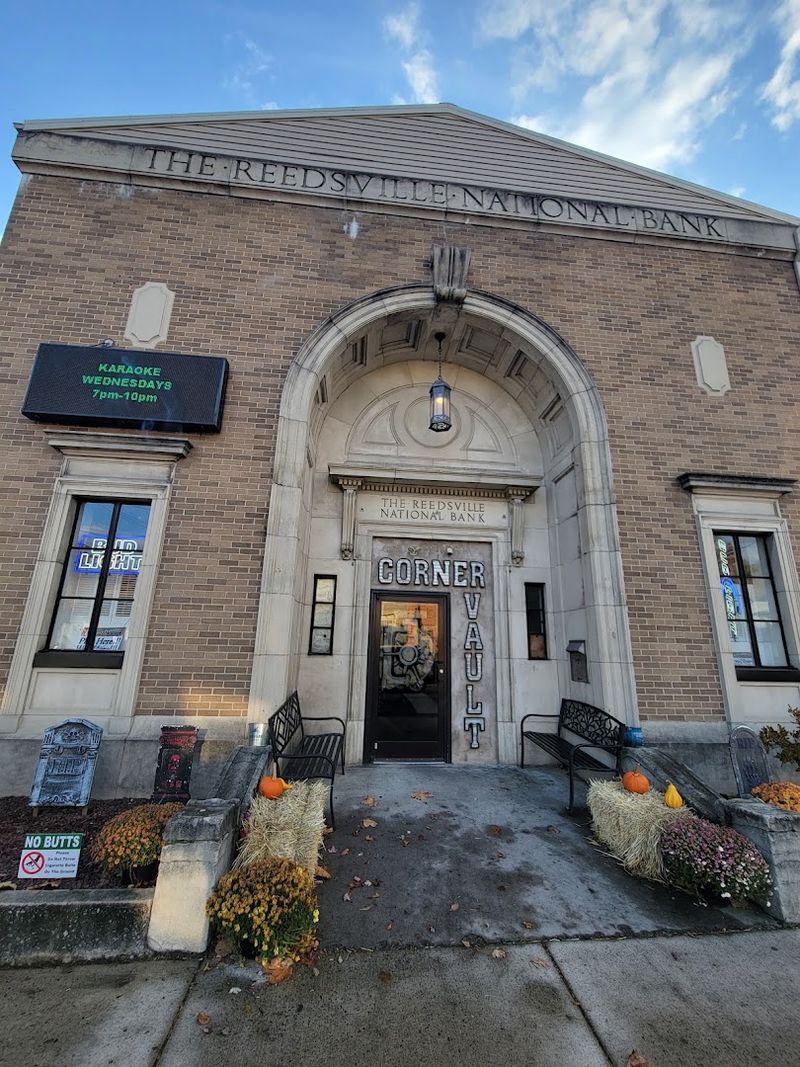
Someone had a brilliant idea and thousands of pennies to spare. Corner Vault’s floors shimmer with copper coins, creating one of Pennsylvania’s most Instagram-worthy restaurant features.
The Reedsville National Bank’s transformation included this quirky design choice that perfectly captures the building’s financial heritage.
The actual bank vault plays starring role in both the restaurant’s name and design. Rather than hiding or removing it, owners celebrated this massive secure room as the establishment’s centerpiece.
Bank-inspired décor throughout reinforces the theme without feeling gimmicky or forced.
Small-town banks once served as community hubs where neighbors caught up on local news while conducting business. Corner Vault reclaimed that social function, becoming Reedsville’s gathering spot for meals and conversation.
The building’s history as financial institution now supports its present as community restaurant.
Beyond the penny floors and vault door, the food deserves attention too. Comfort classics prepared with care satisfy both locals and visitors exploring rural Pennsylvania.
The casual atmosphere welcomes families, couples, and solo diners equally.
Banking fixtures that survived demolition now serve decorative purposes, reminding guests of the building’s past life. Each preserved element tells part of Reedsville’s story while supporting the town’s current vitality.
Bube’s Brewery (Mount Joy)
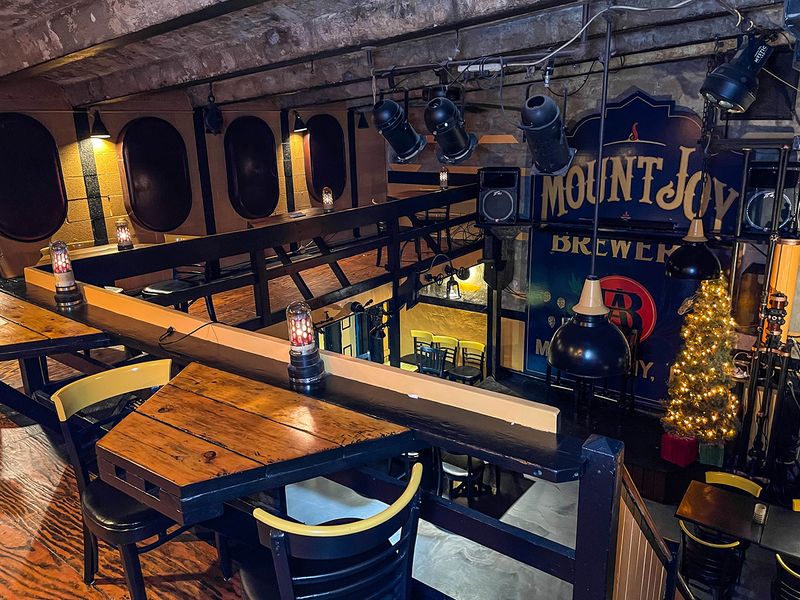
Descending into the Catacombs feels like entering another world entirely. Bube’s Brewery operates multiple restaurants within an 1870s brewing complex that was abandoned for decades before resurrection.
The Victorian-era buildings sat empty and neglected until entrepreneurs recognized their extraordinary potential.
Underground lager-aging cellars became the famous Catacombs dining room, where candlelight flickers against stone walls. This subterranean restaurant offers one of Pennsylvania’s most atmospheric dining experiences.
The cool, dark cellars that once stored fermenting beer now host romantic dinners and special occasions.
Above ground, additional dining spaces occupy the restored brewery buildings. Original brewing equipment remains on display, helping visitors understand 19th-century beer production.
The entire complex functions as living museum while serving contemporary guests.
Restoration required massive effort and investment to stabilize deteriorating structures. Workers preserved authentic details while adding modern amenities necessary for restaurant operations.
The result honors brewing heritage without getting trapped in the past.
Each dining space offers different ambiance, from casual to elegant. Guests can explore the property between courses, discovering hidden corners and historical artifacts.
Bube’s proves that abandoned industrial sites can become community treasures with vision and commitment.
Titusville Iron Works Tap House (Titusville)
Massive machinery once forged equipment for Pennsylvania’s booming oil industry inside these walls. Titusville Iron Works manufactured the tools that helped extract black gold from beneath northwestern Pennsylvania soil.
When manufacturing ceased, the building could have become just another abandoned industrial relic.
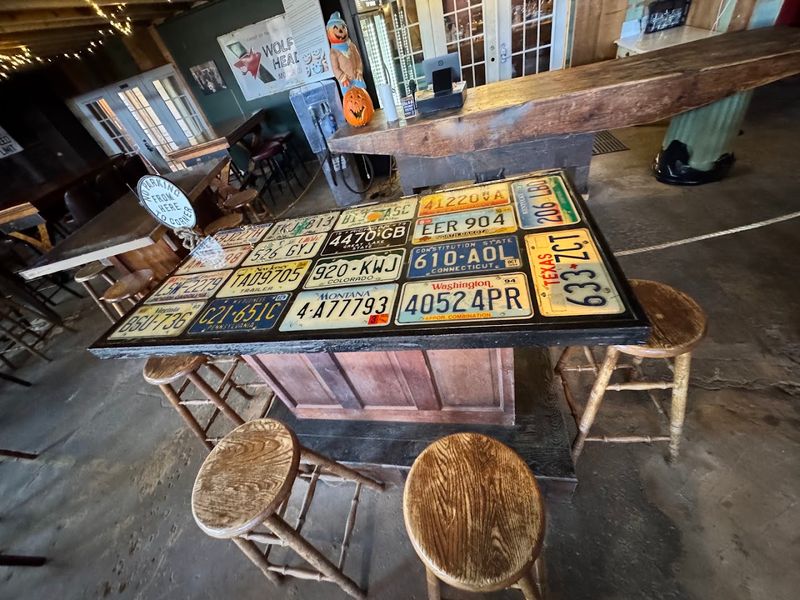
Instead, it transformed into a multi-purpose venue combining restaurant, taproom, museum, and live music space. Original industrial equipment wasn’t discarded—it became part of the décor and storytelling.
Gears, pulleys, and iron works machinery share space with dining tables and beer taps.
The museum component educates visitors about Titusville’s crucial role in early petroleum history. Few people realize how much this small Pennsylvania town contributed to America’s oil boom.
Preserved artifacts and interpretive displays bring that history to life.
Live music echoes through the space where hammers once rang against metal. The high ceilings and open floor plan that accommodated manufacturing equipment now create excellent acoustics.
Local and touring musicians perform regularly, adding vibrancy to the historic setting.
Food and drink honor local traditions while embracing modern tastes. The taproom features regional craft beers alongside comfort food that fuels both body and soul.
It’s industrial heritage made welcoming and accessible.
Carmen’s 2.0 at Radisson Lackawanna Station (Scranton)
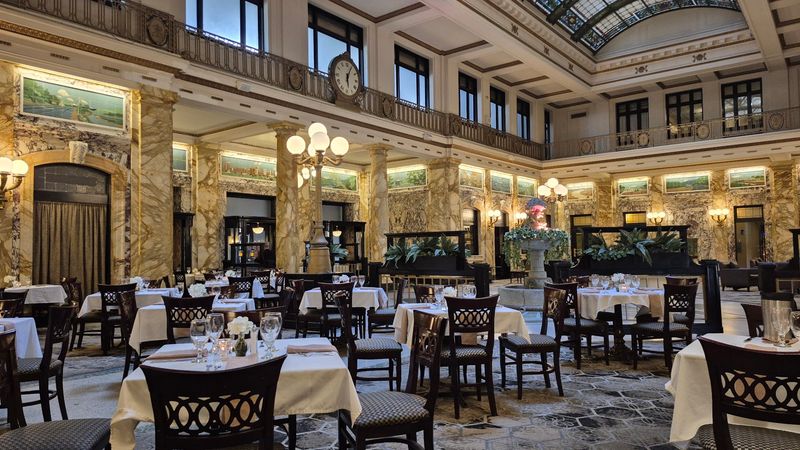
A Tiffany glass ceiling stretches overhead like a jeweled sky, one of Pennsylvania’s most stunning architectural features. Carmen’s 2.0 occupies space within the magnificent Delaware, Lackawanna & Western Railroad Station, a Beaux-Arts masterpiece.
Passengers who hurried through this terminal decades ago never imagined it would become a hotel and restaurant.
The grandeur of early 20th-century railroad stations reflected America’s confidence and prosperity. Lackawanna Station exemplified that optimism with marble columns, ornate plasterwork, and that incredible Tiffany ceiling.
These architectural elements survived decades of decline before careful restoration.
Dining beneath Tiffany glass creates magical atmosphere whether you’re celebrating special occasion or enjoying casual meal. Natural light filters through colored glass panels during daytime, while artificial lighting enhances the ceiling’s beauty after dark.
Every meal comes with complimentary art appreciation.
The restaurant balances elegance with approachability, welcoming both hotel guests and Scranton residents. Menus feature Italian-American specialties prepared with modern techniques and quality ingredients.
The food matches the surroundings’ sophistication without pretension.
Scranton’s railroad heritage shaped the city’s identity and economy for generations. Preserving Lackawanna Station honors that legacy while providing contemporary hospitality.
Trains no longer depart from here, but the building continues serving the community magnificently.
Battlefield Brew Works (Gettysburg)
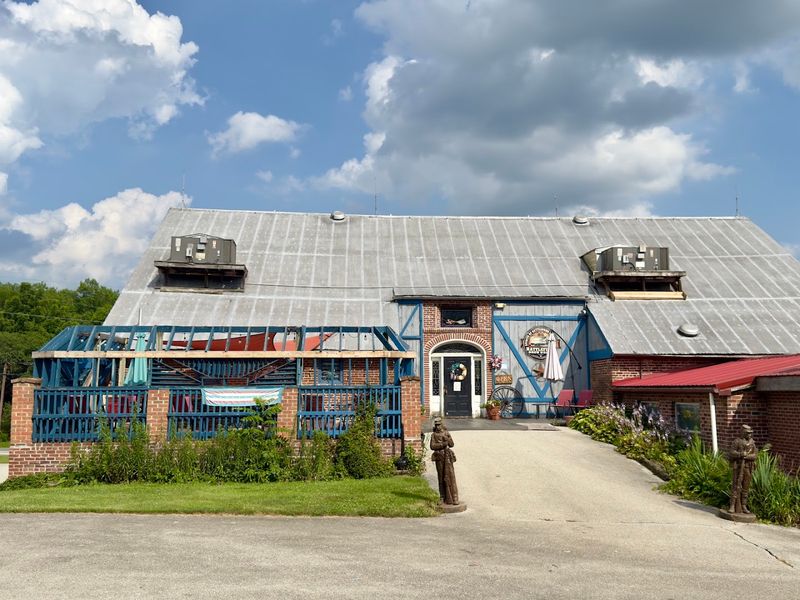
Few restaurants carry heavier historical weight than Battlefield Brew Works. This Pennsylvania Dutch bank barn witnessed the Battle of Gettysburg’s horrific aftermath when Confederate forces converted it into field hospital.
Wounded soldiers received desperate medical treatment within walls that now echo with dinner conversation and laughter.
The barn’s transformation from agricultural building to hospital to restaurant spans 150 years of American history. Original timber framing and stone foundation survived war, abandonment, and eventual restoration.
Walking through the entrance means stepping into a structure that played tiny but significant role in our nation’s bloodiest conflict.
Gettysburg’s tourism industry centers on battlefield preservation and Civil War education. Battlefield Brew Works contributes to that mission while serving practical purpose as gathering place.
Historical displays throughout the restaurant provide context without overwhelming the dining experience.
Craft beers and hearty food seem appropriate in this rustic setting. The menu doesn’t try competing with the building’s remarkable backstory—it complements it with honest, well-prepared fare.
Outdoor seating offers views across fields where history unfolded tragically.
Some guests feel emotional connection to the space, knowing its Civil War past. Others simply enjoy good beer in an authentic historic building.
Both responses honor the barn’s journey from battlefield trauma to community restaurant.