Virginia sits at an interesting crossroads where American history, mountain terrain, and Atlantic coastline all meet within a single state boundary.
Most people think of colonial Williamsburg or Washington D.C. suburbs and stop there, but the western highlands and the Shenandoah Valley open an entirely different version of the state.
Natural Bridge has been drawing visitors since before the United States existed, and it still manages to feel significant in person.
We visited all twelve of these spots and came away with a longer list of things to return for than we started with.
If you’ve driven through Virginia on the way somewhere else, this list is your reason to stop next time.
1. Shenandoah National Park – Luray, Page County
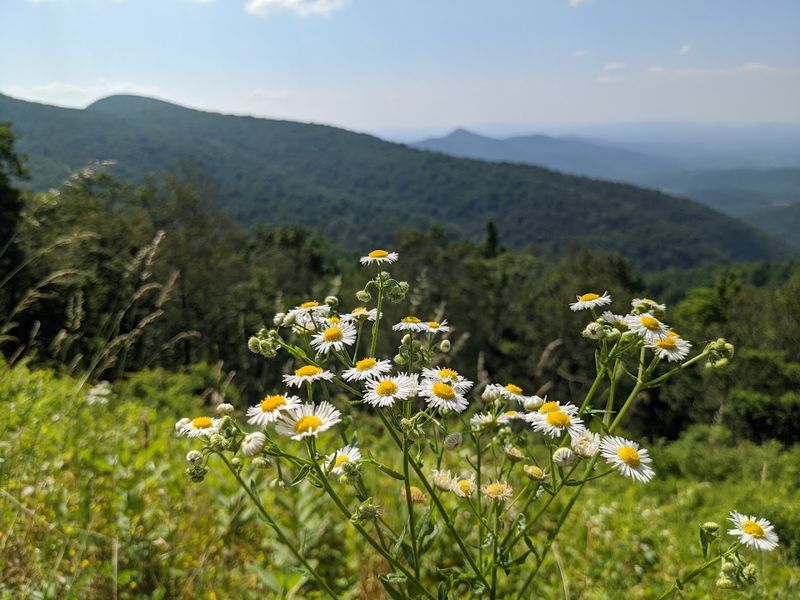
Mornings here begin with rolling mist, birdsong, and the kind of mountain silence that resets your thoughts.When you finally pull over at one of the sweeping overlooks, the vastness feels almost unreal.
That first impression is exactly why Shenandoah National Park keeps surprising travelers who thought Virginia was all history and coastline.
Stretching along the Blue Ridge, this park offers more than pretty views from the car.You can hike to waterfalls like Dark Hollow Falls, climb rocky viewpoints such as Stony Man, or spot deer and black bears along shaded trails.
In fall, the ridges burn with red and gold, but summer wildflowers and spring blooms are just as memorable.
Skyline Drive runs the length of the park, making it friendly for casual visitors and ambitious explorers alike.I love that you can ease into the experience with a scenic stop, then decide whether you want a picnic, a challenging hike, or a stargazing night.
Ranger programs also add context about geology, wildlife, and Appalachian culture without feeling overly formal.
If you want a place that feels cinematic yet accessible, this is the one to prioritize.Shenandoah rewards slow travel, open windows, and a willingness to pull over more often than planned.
By the time you leave, Virginia will look far bigger, wilder, and more layered than you expected.
2. Natural Bridge State Park – Natural Bridge, Rockbridge County
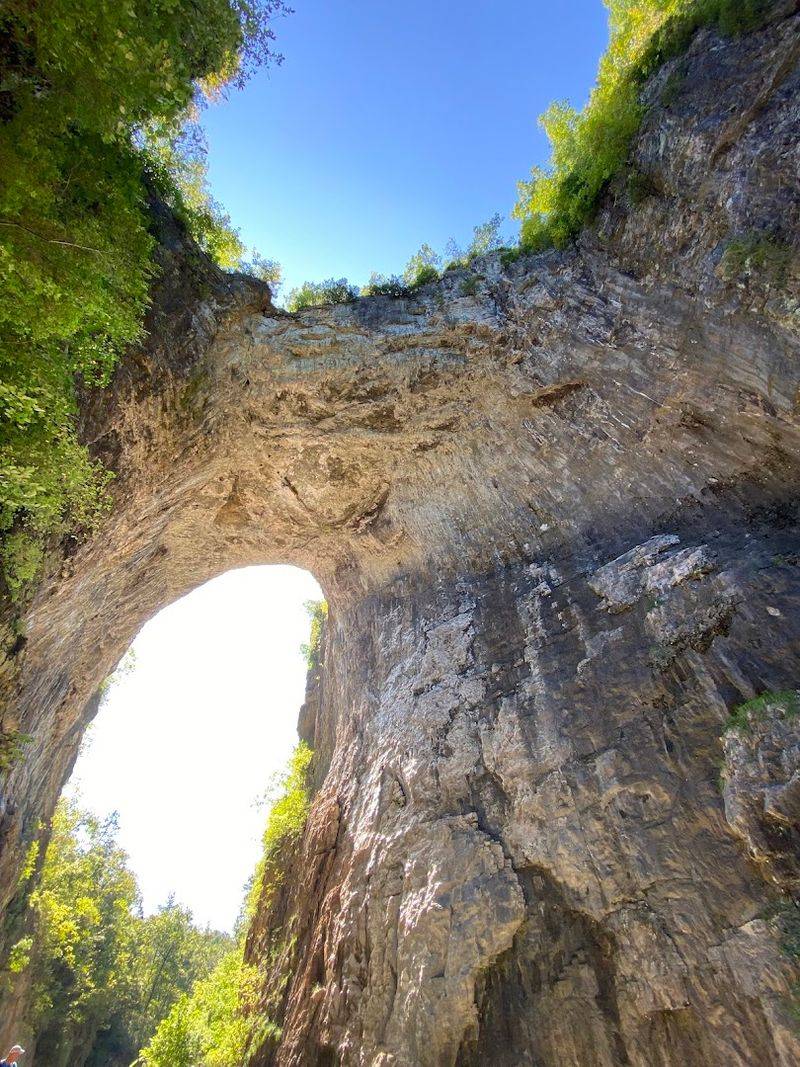
Some places feel legendary before you even arrive, and this one absolutely lives up to that build up.A quiet forest path, the sound of water, and then a massive stone arch suddenly fills your view.
That unforgettable reveal is what makes Natural Bridge State Park such a rewarding stop in western Virginia.
The centerpiece is a 215 foot limestone arch carved by Cedar Creek over countless centuries.Standing beneath it, you get a real sense of scale that photos rarely capture well.
The trail continues beyond the bridge to Lace Falls, giving the visit a little extra payoff if you keep walking.
What I appreciate most is how easy it is to enjoy without needing a full day or advanced hiking skills.Interpretive signs add geology and history, including the long fascination this landmark inspired among Indigenous communities and early American travelers.
There is also a calm, almost storybook atmosphere here that makes the experience feel bigger than a simple roadside attraction.
If you are building a Virginia itinerary, this park is a smart addition between mountain towns and scenic drives.Natural Bridge offers wonder, accessibility, and just enough trail time to make the visit feel active.
It is the kind of place you mention casually later, then realize it became one of your favorite memories.
3. Luray Caverns – Luray, Page County
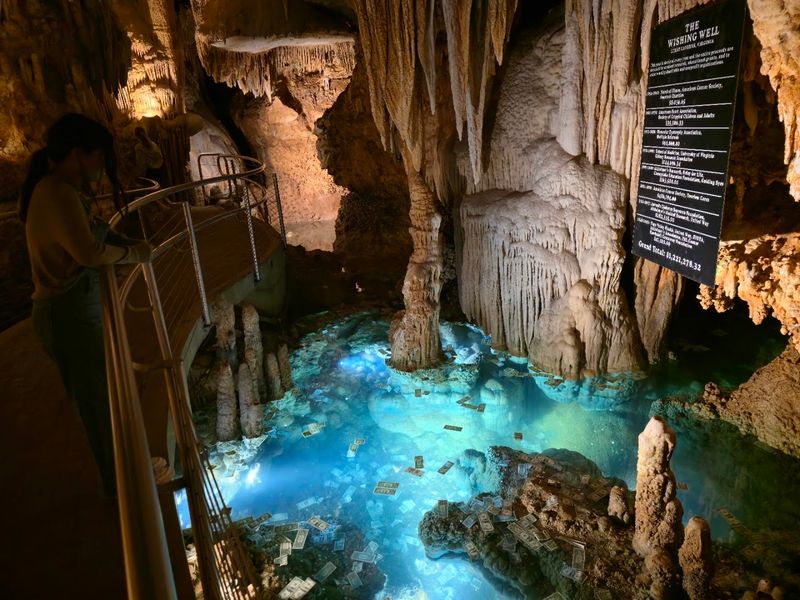
Down a set of steps, the world shifts from ordinary daylight to a cathedral of stone and silence.Cool air wraps around you, reflections shimmer in dark pools, and every chamber seems designed to impress.
That is the magic of Luray Caverns, one of Virginia’s most striking natural attractions.
The formations here are enormous, intricate, and beautifully lit without feeling overly theatrical.You will see stalactites, stalagmites, flowstone, and mirror-like pools that make the underground rooms feel even larger.
The famous Great Stalacpipe Organ adds a quirky, memorable detail that makes this cave experience stand apart.
I like recommending it because it works for almost any kind of traveler.Families, road trippers, geology fans, and people escaping summer heat can all enjoy the caverns without needing technical gear or serious fitness.
Guided pathways keep the visit simple, while the scale of the chambers still gives you that thrilling sense of discovery.
Because it sits near Shenandoah National Park and Skyline Drive, it fits naturally into a mountain weekend.Luray Caverns balances spectacle with accessibility, which is not always easy for major attractions to pull off.
If you think caves are all alike, this stop will completely challenge that assumption and likely become your favorite surprise.
4. Colonial Williamsburg – Williamsburg, James City County
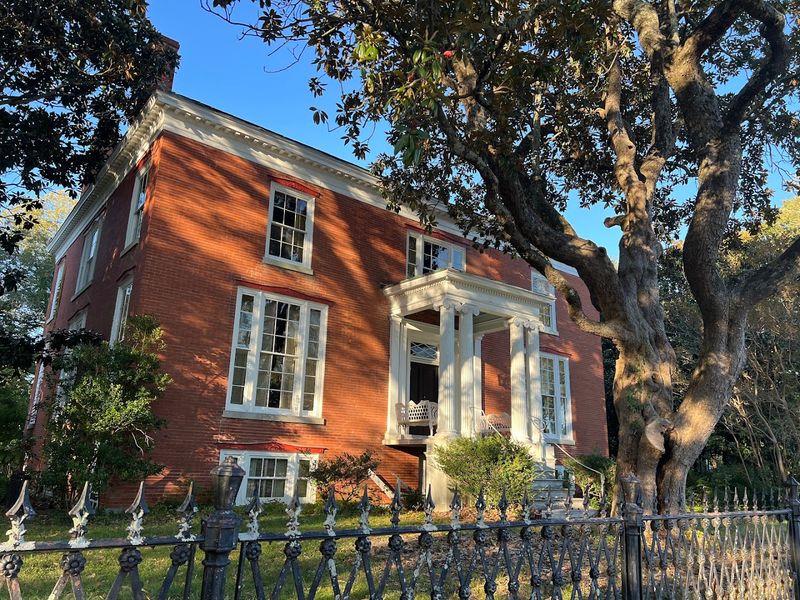
At first, it feels like a film set, with brick streets, period clothing, and carriage wheels echoing nearby.Then a blacksmith starts working, a fife plays in the distance, and the place begins to feel alive.
That immersive quality is what makes Colonial Williamsburg much more engaging than many people expect.
This restored eighteenth century capital lets you move through workshops, homes, taverns, gardens, and public buildings.Interpreters do more than recite facts, often inviting conversation about politics, trade, daily routines, and the contradictions of the era.
The result is a layered experience that makes revolutionary history easier to imagine and remember.
I especially like how flexible a visit can be.You can spend hours focused on museums and guided programs, or simply wander the streets soaking up architecture and atmosphere between meals.
Seasonal events, evening tours, and nearby sites like the Governor’s Palace add plenty of ways to tailor your day.
Because Williamsburg pairs so well with Jamestown and Yorktown, it can anchor a full history centered trip.Colonial Williamsburg rewards curiosity, but it never demands that you arrive as an expert.
If you want a place where the past feels textured, walkable, and unexpectedly entertaining, this Virginia classic still absolutely deserves your time.
5. George Washington’s Mount Vernon – Mount Vernon, Fairfax County
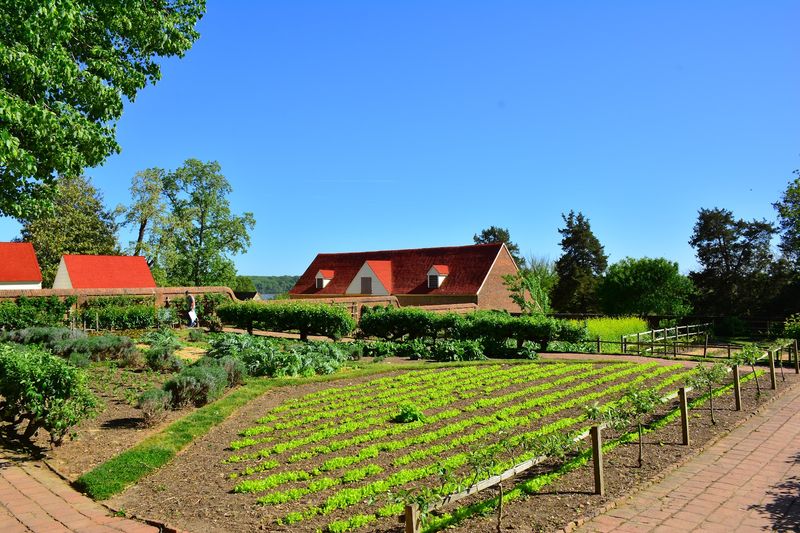
There is something especially compelling about a historic site that feels personal instead of distant.A breezy hilltop lawn, the Potomac glinting nearby, and a modestly elegant mansion create that immediate connection.
That atmosphere is why George Washington’s Mount Vernon often resonates even with visitors who usually skip house museums.
The estate reveals Washington as more than a textbook figure.You can tour the mansion, walk through outbuildings, visit the working farm, and explore exhibits that examine both leadership and daily life.
Importantly, the site also addresses the lives of the enslaved people who lived and labored here, adding necessary depth.
I find the grounds as memorable as the interiors.The gardens, river views, and walking paths make it easy to imagine the estate as a lived place rather than a preserved set piece.
Interpretation is thoughtful, and there is enough variety to keep both history lovers and casual visitors engaged for hours.
If you are near Washington, this is one of the smartest side trips you can make into Virginia.Mount Vernon blends scenery, biography, architecture, and difficult history in a way that feels balanced and human.
You leave with a clearer sense of the country’s beginnings, but also with images of the river and grounds lingering much longer.
6. Virginia Museum of Fine Arts – Richmond, Richmond City
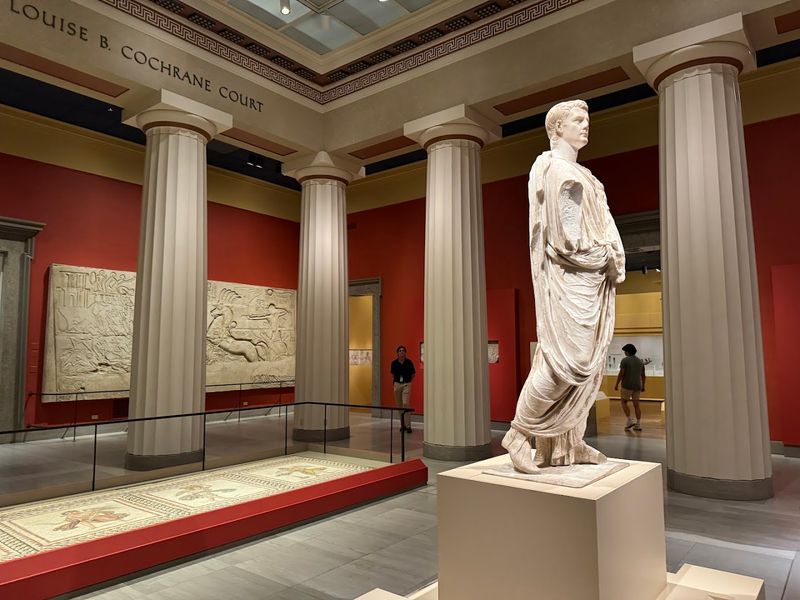
Sometimes the best travel surprise is not a mountain vista but a museum that instantly raises the bar.
Wide galleries, thoughtful lighting, and a calm sense of discovery greet you from the start.
That is exactly the experience waiting at the Virginia Museum of Fine Arts in Richmond.
This museum has an impressively broad collection, spanning ancient works, European painting, American art, African art, decorative arts, and contemporary pieces.
The Faberge collection often gets special attention, but there is enough range here to hold your interest across multiple visits.
Exhibitions are well curated, and the building itself feels open, inviting, and easy to navigate.
I recommend it even to people who do not usually plan museum centered trips.
Admission to the permanent collection is free, which removes pressure and makes it easy to linger where something genuinely grabs you.
The sculpture garden and on site dining also help turn a quick visit into a relaxing half day.
Richmond has no shortage of culture, but this is one place you should not underestimate.
The Virginia Museum of Fine Arts combines accessibility with serious artistic depth, a balance many larger institutions struggle to maintain.
7. Chincoteague National Wildlife Refuge – Chincoteague, Accomack County
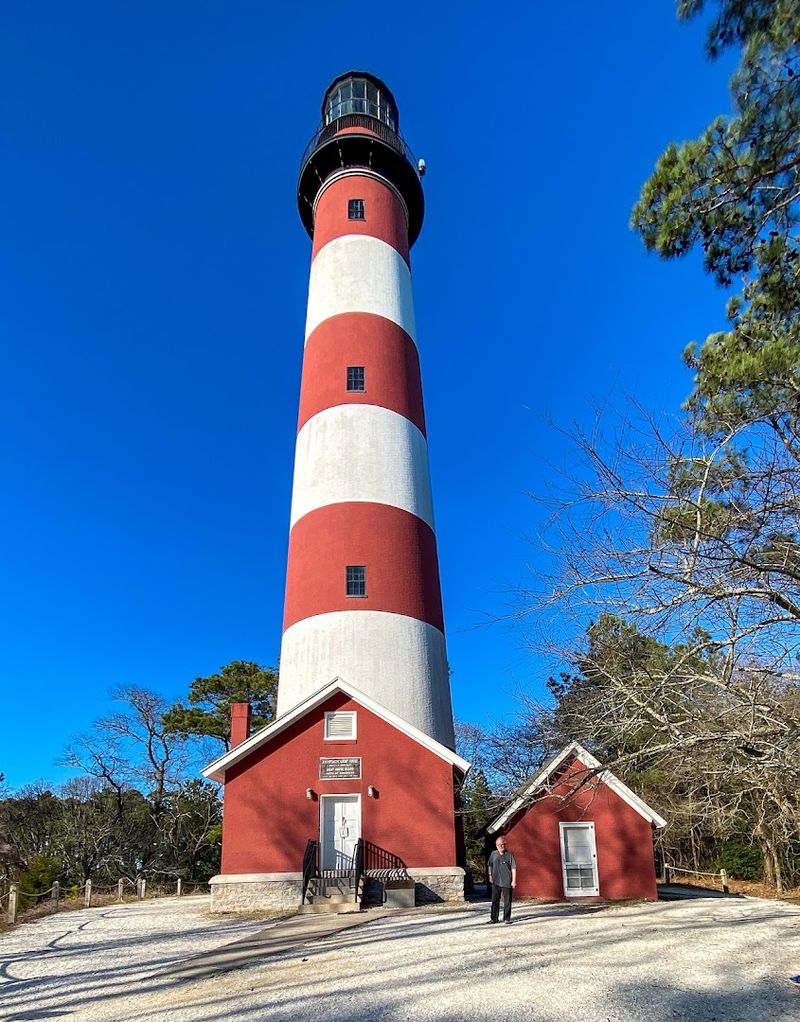
Salt air, marsh grass, and the distant movement of birds create the kind of coastal calm that feels instantly restorative.Then you spot a wild pony or hear waves beyond the dunes, and the whole scene becomes unforgettable.
That blend of serenity and wildlife is what makes Chincoteague National Wildlife Refuge so special.
Located on Virginia’s Eastern Shore, the refuge protects beaches, marshes, maritime forest, and habitat for countless migratory birds.Visitors come for the famous ponies, but the broader ecosystem is every bit as compelling.
Walking trails, scenic drives, kayaking routes, and beach access make it easy to experience the landscape from different angles.
I love how this place appeals equally to photographers, families, and anyone craving slower travel.You can spend the morning birdwatching, the afternoon on Assateague Beach, and sunset scanning wetlands that glow with reflected color.
It feels wild without being inaccessible, which is a rare and valuable combination on the East Coast.
If your Virginia plans need one destination that breaks away from mountains and colonial towns, choose this one.Chincoteague National Wildlife Refuge offers beauty, biodiversity, and an atmosphere that encourages you to breathe deeper and stay longer.
You may arrive for the ponies, but the quiet, windswept landscape is what really stays with you.
8. Great Falls Park – McLean, Fairfax County
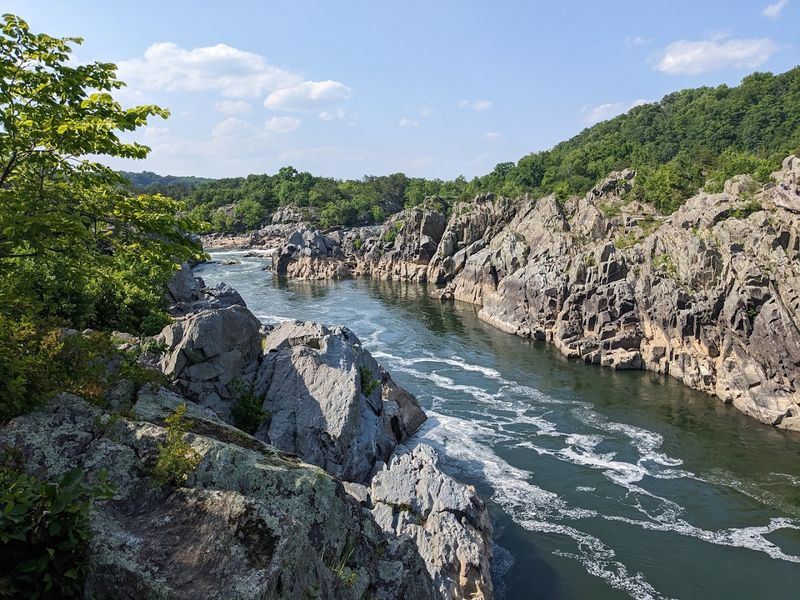
Few places this close to a major city feel so rugged, loud, and instantly energizing.
The Potomac crashes through jagged rock channels, sending mist into the air and drawing your eyes downstream.
That dramatic first impression is why Great Falls Park is such a satisfying Virginia escape.
The park’s main overlooks deliver spectacular views with minimal effort, making it ideal when you want maximum payoff quickly.
If you have more time, trails along the river add woodsy scenery, changing angles on the falls, and a little adventure.
The combination of raw water power and easy accessibility gives this place unusually broad appeal.
I often think of it as the perfect answer for travelers who say they only have half a day.
You can leave Washington, spend a few hours outdoors, and feel like you reached a much wilder landscape.
Interpretive information about the river, canal history, and geology adds context without distracting from the visual drama.
Bring comfortable shoes, patience for popular times, and a healthy respect for safety barriers near the water.
Great Falls Park is beautiful, but it is also a reminder of how forceful and unpredictable rivers can be.
9. Grayson Highlands State Park – Mouth of Wilson, Grayson County
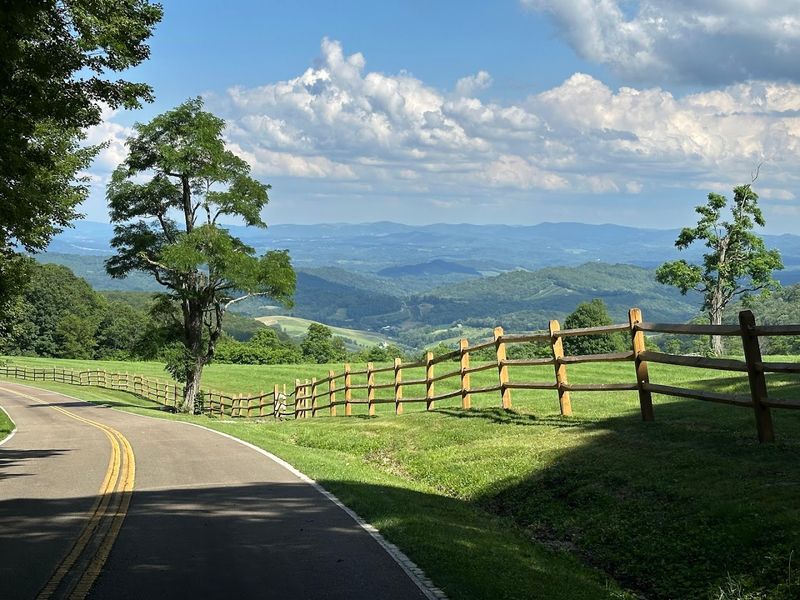
Wind moves through high meadows here in a way that makes the landscape feel more western than southern.
Rocky outcrops rise above open balds, and suddenly a small herd of ponies appears nearby.
That unusual mix is what makes Grayson Highlands State Park one of Virginia’s most magical outdoor destinations.
The park is known for panoramic views, rhododendron blooms, and access to excellent hiking.
Many visitors come specifically for the wild ponies, which roam the highlands and give the area its storybook appeal.
Trails connect with Mount Rogers and the Appalachian Trail, so you can choose anything from an easy walk to a serious outing.
I think this park feels especially rewarding if you enjoy places with personality, not just scenery.
The elevation creates cooler temperatures, expansive skies, and a sense of openness that is rare in the region.
Even when the trails are popular, the landscape still manages to feel untamed and refreshingly remote.
Plan for changing weather, good footwear, and more photo stops than you expect.
Grayson Highlands invites you to linger on overlooks, watch clouds move, and appreciate how varied Virginia’s geography really is.
10. Blue Ridge Parkway – Afton, Augusta County
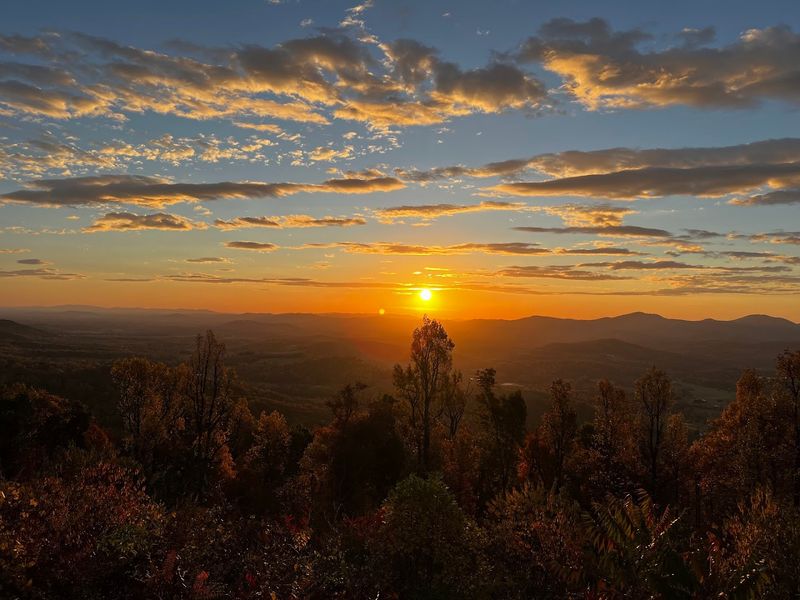
Some roads are just ways to get somewhere else, but this one is the destination itself.
Curving ridgelines, endless overlooks, and shifting mountain light make every mile feel intentionally beautiful.
That is the enduring appeal of the Blue Ridge Parkway, one of Virginia’s finest scenic experiences.
Although the route continues beyond the state, Virginia delivers many of its most inviting stretches.
You can stop for short walks, picnic areas, visitor centers, and trailheads leading to waterfalls or broad summit views.
The slower speed limit is part of the point, encouraging you to notice details that faster highways erase.
I always suggest leaving extra time, because the best moments often come from unplanned pullovers.
Morning fog can transform the ridges into layered watercolor, while autumn turns the drive into a rolling corridor of color.
Even in quieter seasons, the parkway offers a calm rhythm that makes the trip itself feel restorative.
Pair it with nearby towns, wineries, hikes, or another classic route like Skyline Drive for an unforgettable road trip.
The Blue Ridge Parkway rewards curiosity, patience, and people who understand that scenery is best savored rather than rushed.
11. Skyline Drive – Front Royal, Warren County
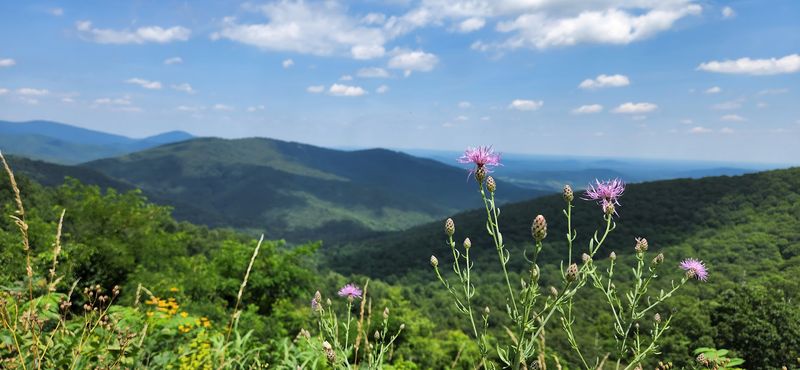
There is a special pleasure in a drive where every bend seems to reveal another reason to stop.
Mountain ridges unfold beside you, hawks circle overhead, and the overlooks keep pulling you out of the car.
That easy beauty is exactly why Skyline Drive remains one of Virginia’s most beloved experiences.
Running through Shenandoah National Park, this scenic road links access to trails, picnic grounds, camp areas, and extraordinary viewpoints.
You can treat it as a leisurely afternoon outing or use it as the backbone of a full park adventure.
Sunrise and sunset are especially memorable, when the valleys fill with light and the mountains seem to stretch forever.
I appreciate how approachable it feels for travelers who want nature without complicated logistics.
Even if you never tackle a long hike, you can still enjoy wildlife sightings, sweeping vistas, and that satisfying sense of elevation.
In autumn, the foliage is famous, but spring greens and summer haze are equally atmospheric in their own way.
Bring snacks, keep your camera ready, and expect to move slower than planned for all the right reasons.
Skyline Drive turns a simple route into a sequence of beautiful pauses that reward attention and patience.
12. Appalachian Trail – Damascus, Washington County
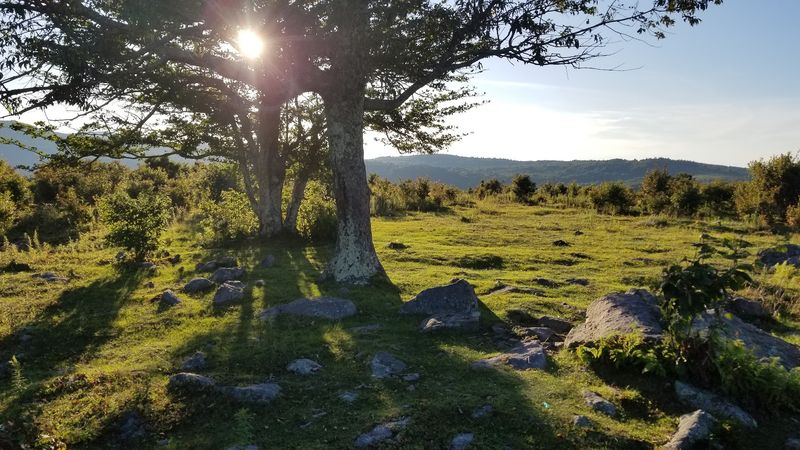
There is a certain romance to a footpath that has challenged and inspired people for generations.
Birdsong, leaf filtered light, and the steady rhythm of walking make the world feel simpler almost immediately.
That is the pull of the Appalachian Trail, and Virginia holds more of it than any other state.
You do not need to thru hike the entire route to appreciate what makes it iconic.
Day hikes and shorter backpacking sections near places like Damascus, McAfee Knob, and Grayson Highlands offer memorable introductions.
Along the way, shelters, ridgelines, forests, and trail towns reveal a culture built around resilience, generosity, and endurance.
I think the trail’s greatest gift is perspective.
Hours on foot create space to notice weather, terrain, and your own pace in a way modern travel rarely allows.
Whether you choose a gentle section or a more demanding climb, the experience feels earned without becoming inaccessible.
Virginia’s long relationship with the Appalachian Trail makes it more than just a line on a map.
It is a moving thread that ties together landscapes, communities, and countless personal stories across the state.