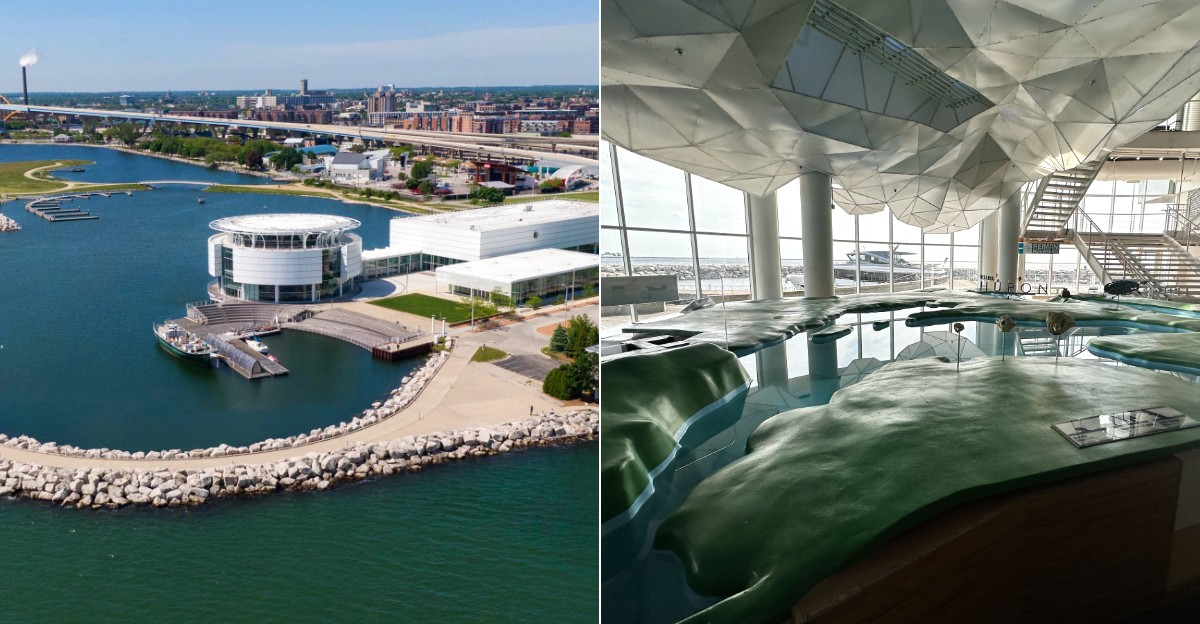
Your kids can pet a stingray and a sturgeon here, then go build something with their own hands before lunch. That combo alone sounds like a very good Saturday to me.
The aquarium is the largest in Wisconsin, with Caribbean sharks and native Lake Michigan fish swimming under one roof. Upstairs, there’s a pneumatic dinosaur, a flight simulator, and a whole exhibit about the man who helped invent the solid-body electric guitar.
I like how this place treats curiosity like a full-contact sport. Kids aren’t asked to look politely and move along.
They’re invited to touch, test, mix, race, and tinker.
And the whole building sits right on the shore of a Great Lake. I can’t imagine a better backdrop for a day of asking why.
So how many exhibits will your crew tackle before someone yells for one more round?
Start Downstairs, Where The Fish Steal The Show
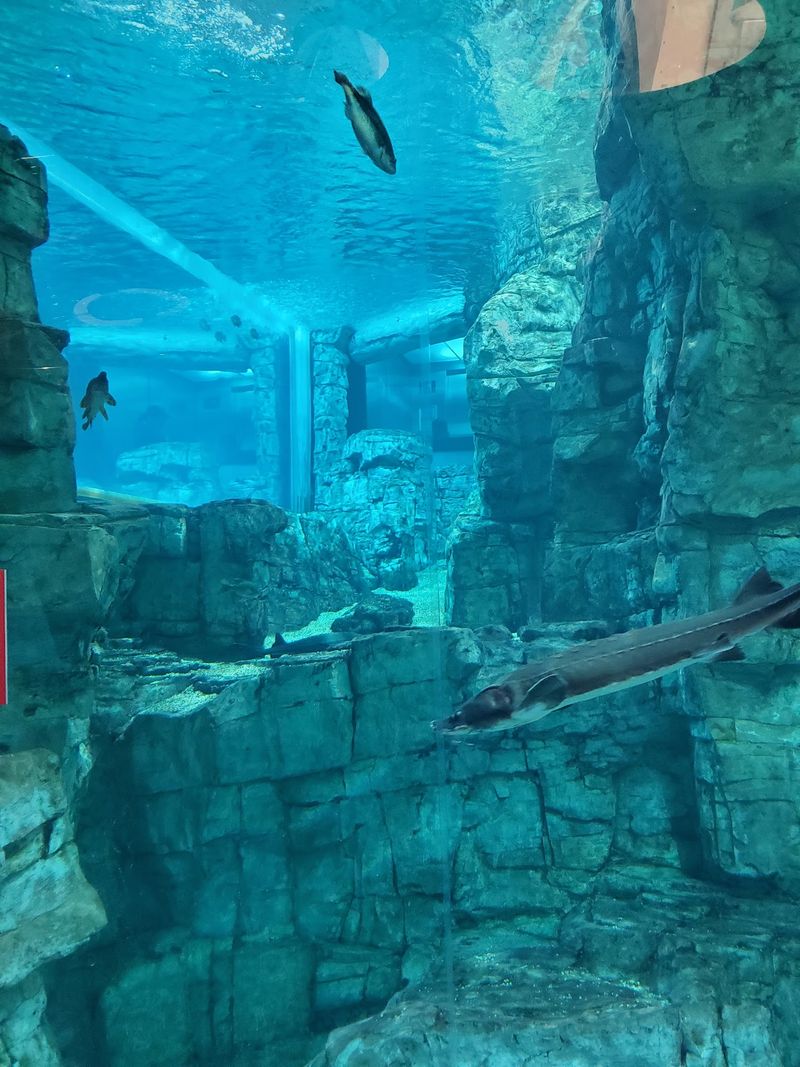
Petting a stingray is one of those things kids brag about for weeks. At Discovery World, the Reiman Aquarium makes that brag possible, and it’s the largest aquarium in Wisconsin.
Interactive touch tanks let visitors gently pet stingrays and sturgeon. Yes, sturgeon, the big prehistoric-looking fish that seem like they swam straight out of a dinosaur book.
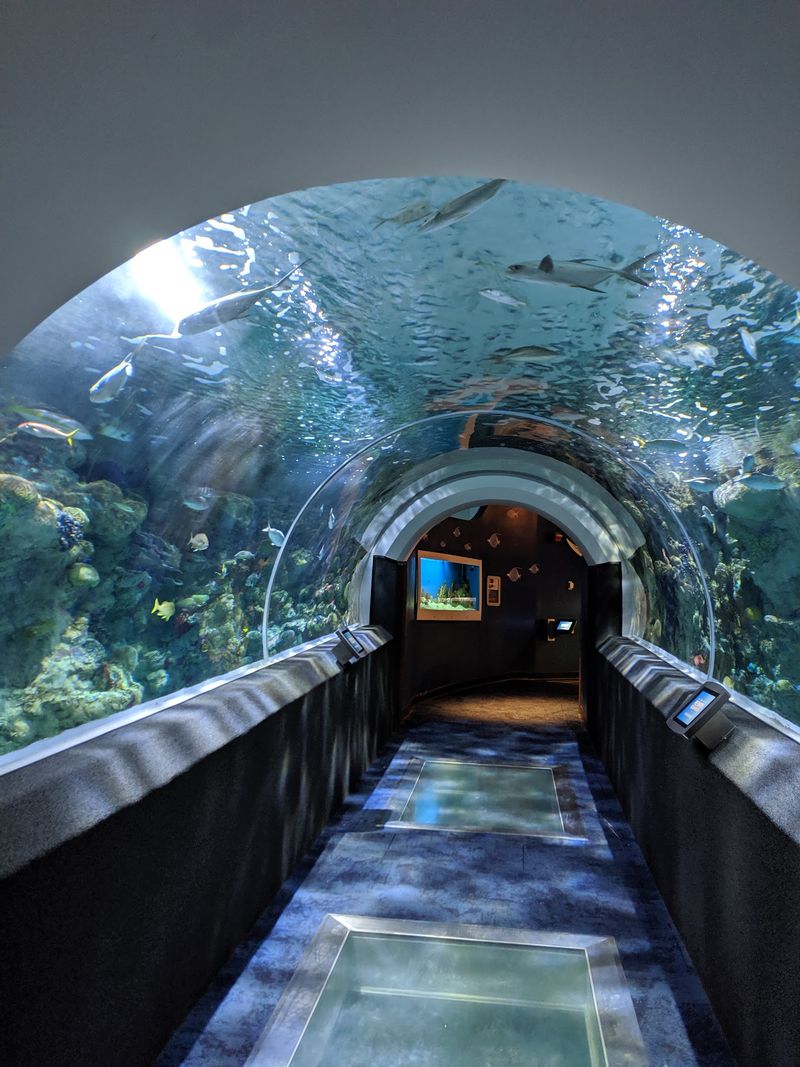
The aquarium mixes faraway waters with local ones. Caribbean sharks share the spotlight with fish native to Lake Michigan, like Lake Sturgeon, Bass, and Yellow Perch.
That local angle is what makes it click for kids. They learn that the lake outside the window holds fascinating creatures too, not just tropical oceans on TV.
The massive Lake Michigan tank holds 85,000 gallons of water. Every Wednesday at 10 AM, divers head underwater to feed the fish while visitors watch.
Plan your visit around that feeding if your schedule allows. It’s a free bonus show, and it gives younger kids a chance to see how animal care actually works.
One quick tip helps here. Clean hands and gentle fingers go a long way at the touch tanks, so a quick reminder before you reach the water is smart.
A Pneumatic Dinosaur Is Waiting For Its Biggest Fan
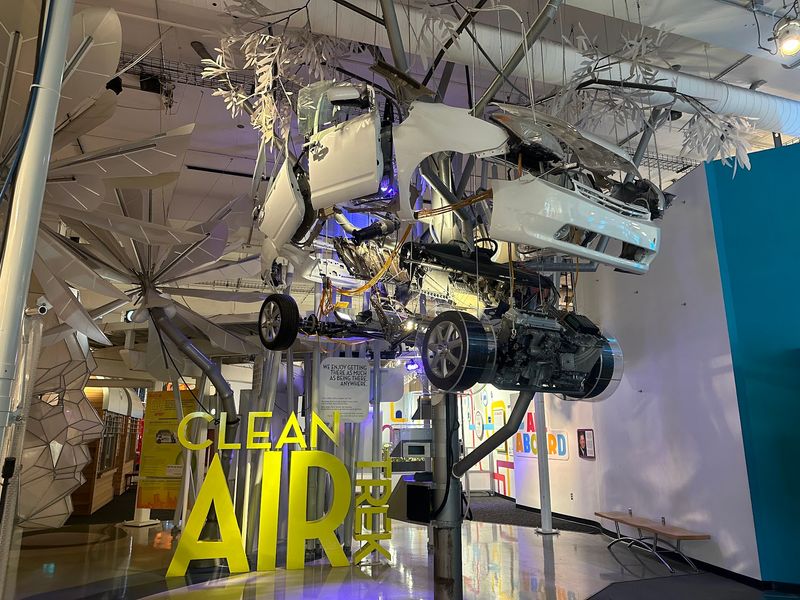
A dinosaur powered by air pressure sounds like something a kid would invent at bedtime. Somebody actually built it, and it lives in the technology area of Discovery World.
The Rockwell Automation Dream Machine area, also known as Automation Everywhere, packs in cutting-edge exhibits. Its innovation station features that pneumatic dinosaur, which shows how compressed air can make machines move.
Kids who love gadgets will want extra time here. There’s a flight simulator for future pilots and a road racing simulator for the ones already dreaming about driving.
Robotics workshops are also part of the fun. These give curious minds a chance to see how machines get programmed and why automation matters in everyday life.
What I appreciate most is the sneaky learning. Your child thinks they’re just playing with a cool machine, but they’re actually picking up engineering basics.
Older kids and teens often find this section especially exciting. It feels less like a museum and more like a peek inside a futuristic workshop.
Give this area a solid chunk of your day. Simulators tend to inspire repeat turns, and nobody wants to rush a young pilot mid-flight.
Rock Out Where A Guitar Legend Gets His Due
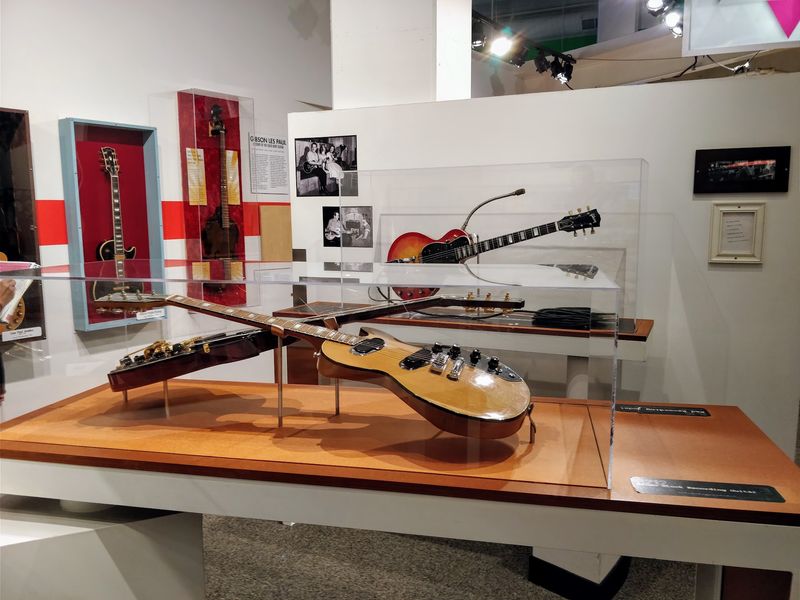
Les Paul was born in Wisconsin, and he changed music forever. His story gets the hands-on treatment at Les Paul’s House of Sound, an exhibit that opened in 2008.
Paul pioneered the solid-body electric guitar. He also developed sound-on-sound recording, a technique that let musicians layer tracks on top of each other.
That might sound like grown-up music history. But the exhibit turns it into play with interactive stations that explore the science of sound.
Visitors can mix music and share it. For a kid who taps on every table and hums nonstop, this is basically paradise with headphones.
I love how this section connects art and science. Kids discover that the songs they love depend on physics, inventions, and plenty of trial and error.
Parents might enjoy it just as much. Spotting a famous guitar shape and learning the man behind it makes for great car conversation later.
Here’s a fun angle to try. Ask your kids what they would invent if they could change music the way Les Paul did, then let their wild answers roll.
Little Explorers Get Their Very Own Curious Corner
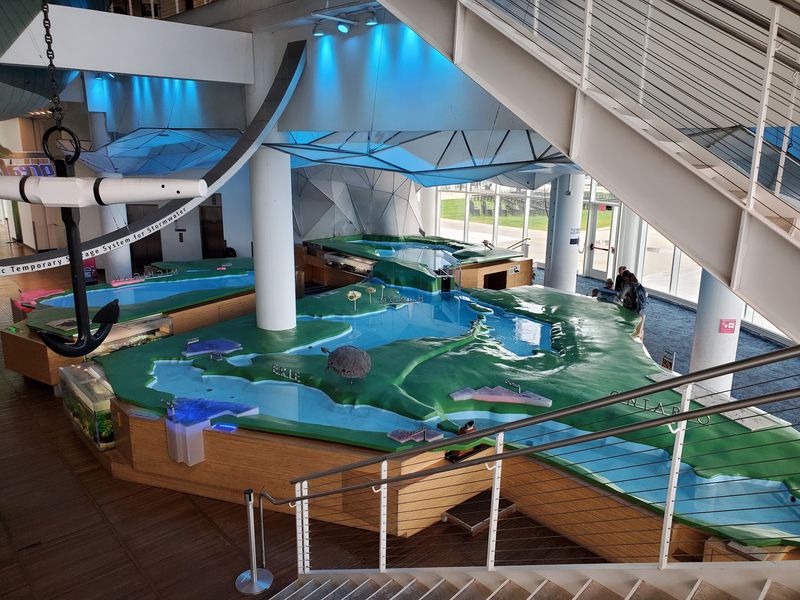
Toddlers and preschoolers have a famous monkey on their side. Curious George: Let’s Get Curious! gives the youngest visitors their own space to play and learn.
The activities fit small hands and big energy. Kids can slide, sort fruit at a pretend market, build, care for farm animals, and cast shadows.
Each activity quietly teaches something. Sorting fruit builds early math skills, while shadow play introduces light in a way that feels like magic to a four-year-old.
This exhibit is a smart move for families with kids of different ages. Older siblings can tackle the simulators while the little ones explore at their own pace.
Bring patience, because George is popular for good reason. Little ones often want to repeat the same activity again and again, and honestly, that’s how they learn.
A snack and a short break nearby can reset any wobbly moods. Then everyone heads back in, ready for round two at the slide.
It’s a sweet reminder that science doesn’t have an age minimum. Curiosity starts early, and this corner treats it with the excitement it deserves.
Build It, Break It, Then Build It Better
Some kids would happily trade a toy store trip for a pile of building materials. The Kohl’s Design It!
Lab at Discovery World speaks their language.
This lab is all about building and creative design. Kids get to test ideas, adjust them, and try again, which is exactly how real engineers work.
Failure is part of the fun here. If a design wobbles or falls apart, that’s simply the next clue on the way to something better.
The museum also runs eight distinct learning labs. Together they cover more than 10,000 square feet of space for educational programs.
That’s a lot of room for hands-on science experiments. Visitors can also explore the mechanics of renewable energy, which feels very fitting for a building beside Lake Michigan.
Encourage your kids to explain their creations out loud. You’ll be amazed at how much thinking goes into a tower made from simple supplies.
Keep your camera ready for proud faces. A finished design, however lopsided, deserves a photo and maybe a spot on the fridge back home.
The Whole Great Lakes Region Fits On One Table
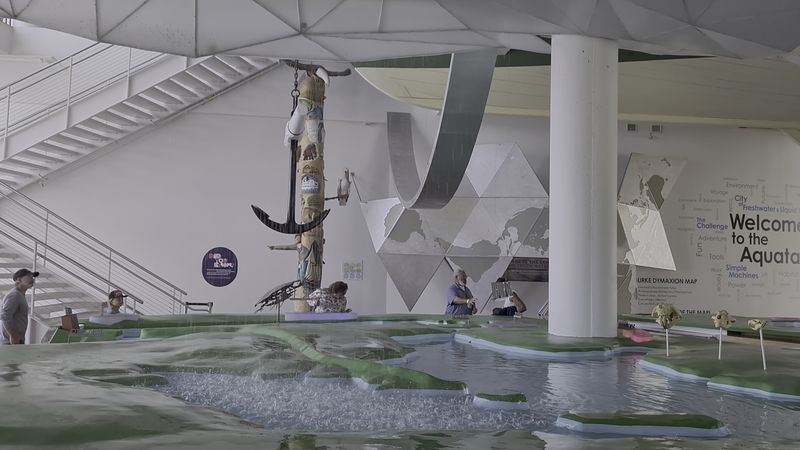
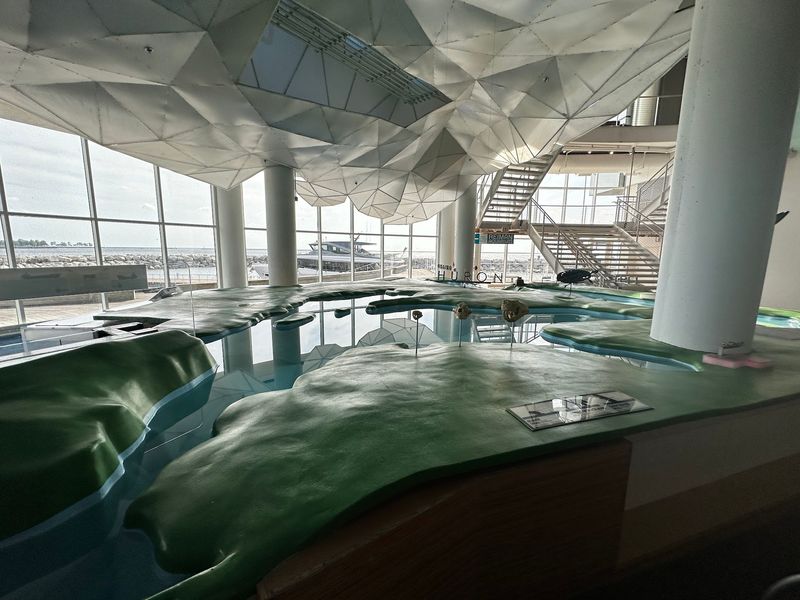
Five enormous lakes, shrunk down so kids can see them all at once. The Great Lakes Future exhibit uses an interactive model to explore the region’s geology and geography.
For Wisconsin families, this one hits close to home. The museum sits right on Lake Michigan, so kids can learn about the water and then look outside at the real thing.
The model helps big ideas make sense. Seeing how the lakes connect is much easier on a detailed map than in a textbook paragraph.
Nearby, a model railroad called All Aboard shows a replica of mid-20th century Milwaukee. Train fans of every age tend to slow down here and study the tiny details.
Grandparents might spot familiar sights in that old-time city scene. It’s a great chance for family stories that link the past with today.
Try a little scavenger hunt game. Ask kids to find Milwaukee on the lakes model, then look for the city again on the railroad display.
These exhibits blend history, nature, and place. Kids leave understanding their corner of the world a little better.
Mermaids, Divers, And Shows Worth Planning Around
Ever seen a mermaid teach a science lesson? Mermaid Echo performances at Discovery World connect children with aquatic ecology through spectacular shows.
Kids who adore fairy tales get a lesson about water life without even noticing. It’s storytelling and science swimming side by side.
Live science shows add even more excitement to the schedule. These moments turn a regular museum day into something that feels like an event.
The museum also offers summer camps and school field trips. Community partnership programs and educational outreach help bring science to even more families.
The Girls and STEM Initiative deserves a shout-out too. These sessions encourage young women to explore careers in science, technology, engineering, and math.
Check the schedule before you go, since special programs can vary. A quick look can help you catch a show or performance your kids would hate to miss.
Planning around one highlight also helps pace the day. You can explore freely, then gather the gang at showtime without the frantic scramble.
Fuel Up, Take A Break, And Snag A Souvenir

Hungry scientists are grumpy scientists. Luckily, the cafe inside Discovery World keeps everyone going with sandwiches, salads, pizza, and grab-and-go items.
One timing tip matters a lot. The cafe closes one hour before the museum does, so plan your snack break earlier rather than later.
A full belly also helps little legs keep walking. This building is big, and a midday recharge can stretch your visit by a happy hour or two.
Before heading out, kids will probably drift toward the gift shop. Discovery World members receive a 10% discount there, which adds up for frequent visitors.
Speaking of members, families who return often might find a membership worth considering. If your kids truly beg to come back, it could make repeat trips easier.
Accessibility is well covered too. The facility is ADA-compliant, with accessible bathrooms and parking, sensory-friendly accommodations, and support for deaf and hard of hearing guests.
Service animals are welcome as well. It’s a place designed so more families can share the fun together.
Lakefront Views Make The Trip Even Sweeter
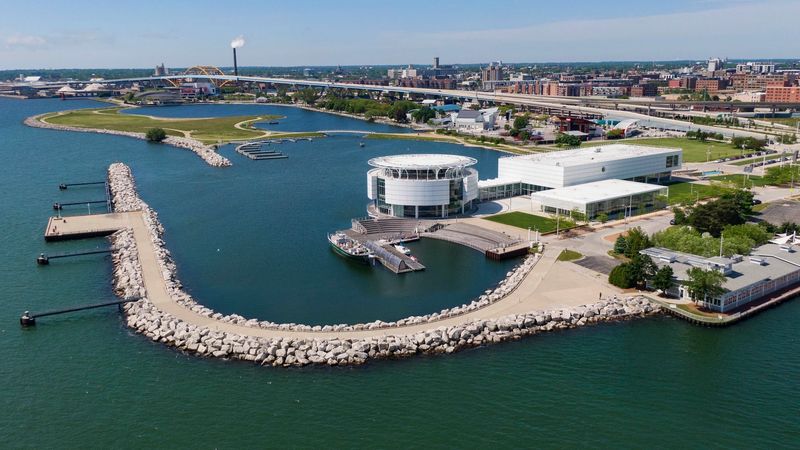
The lakefront location might be the museum’s quiet superpower. Discovery World sits at 500 N Harbor Dr, Milwaukee, WI 53202, right along Lake Michigan.
A publicly accessible boardwalk surrounds the complex. It’s a lovely spot to stretch your legs and let the kids burn off leftover energy.
An outdoor art installation called Wind Leaves adds a creative touch outside. It’s a nice reminder that science and art often share the same playground.
Getting there is fairly simple. An underground parking garage is available, though nearby construction may affect access routes, so leave a little extra time.
Other options keep things flexible. A Bublr Bikes station sits directly outside, and The Hop streetcar has a Lakefront Station stop nearby.
Hours are Wednesday through Sunday from 9 AM to 4 PM, with seasonal schedules that expand in spring and summer. Checking before you leave saves any surprise closed doors.
With so much packed into one Wisconsin landmark, one visit rarely feels like enough. Don’t be shocked when the backseat starts asking about the next trip.