


Think you know where your favorite movies were shot?
North Carolina has been quietly stealing scenes for decades, doubling as everything from eerie small towns to rugged frontiers and big city backdrops.
Once you notice the Tar Heel State’s fingerprints, you will start spotting its beaches, mills, and Main Streets everywhere.
Let’s revisit 15 films you probably did not realize rolled cameras right here in North Carolina.
Dirty Dancing (1987)
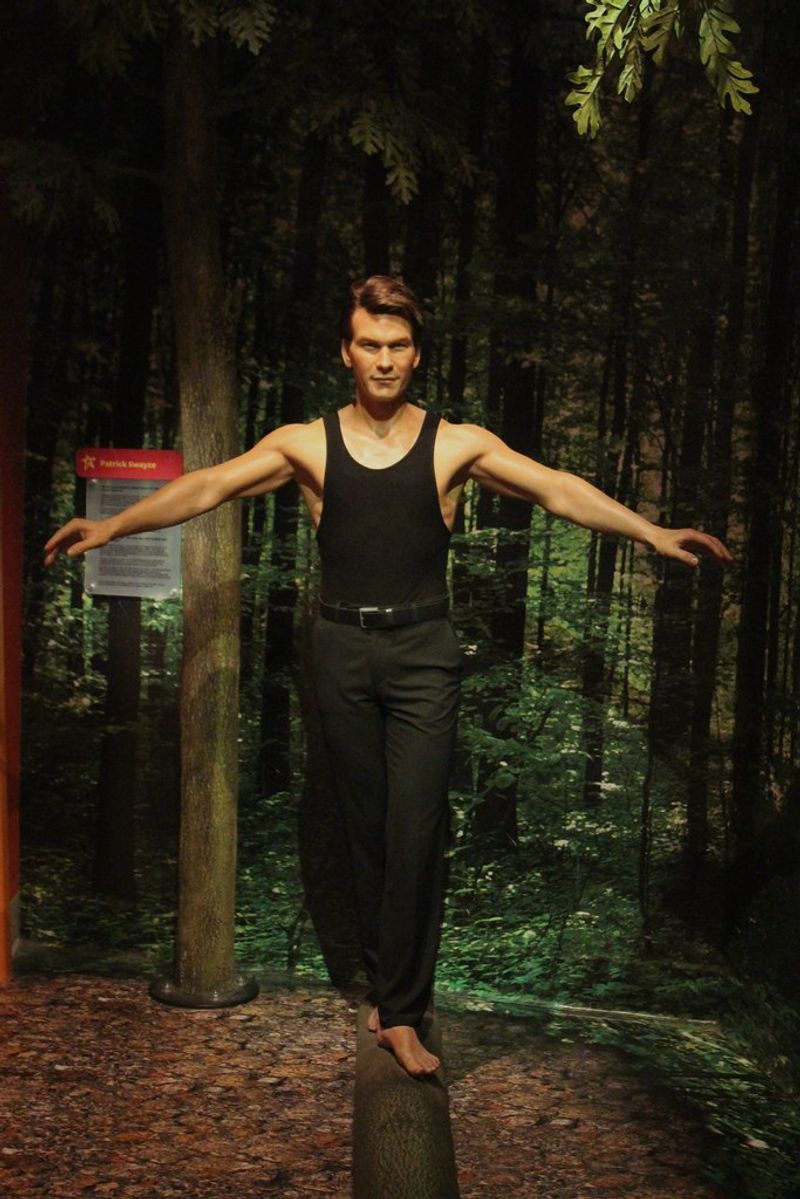
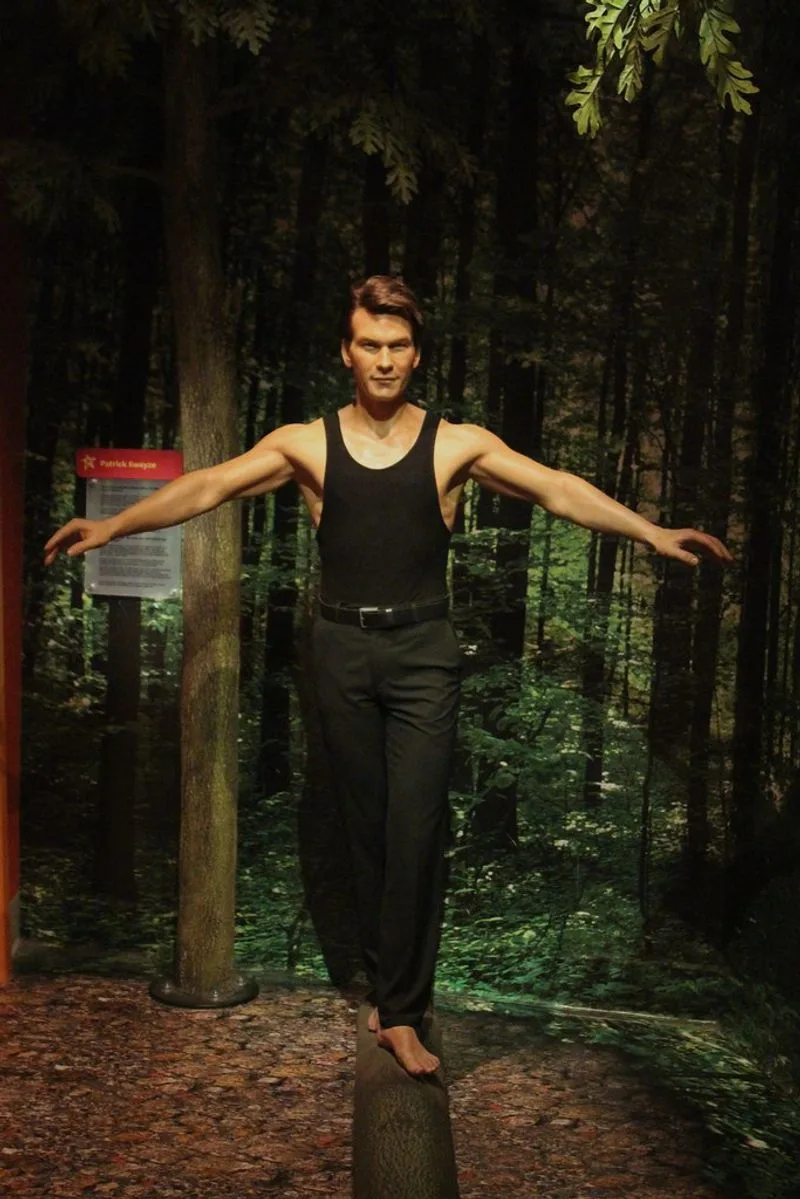
You remember the lift, the watermelon, and the final dance, but you might not realize how much North Carolina sets the mood. The lakeside scenes and dreamy evenings were filmed around Lake Lure, where mountain air and misty mornings make summer feel endless. Those cabins, stone steps, and wooded trails help the story feel intimate, like you could turn a corner and find the dance studio yourself.
When you watch the romance unfold, those winding roads and rustic lodges add texture to every rehearsal and late night conversation. North Carolina’s soft greenery and reflective water gave the film’s warm glow a believable, lived in backdrop. Even the light across the water feels like a character, nudging the lovers toward courage and rhythm.
Fans still travel to Lake Lure to retrace Baby’s steps, sit by the water, and picture the final crowd cheering. You can almost hear distant music echoing off the hills, like summer refusing to end. The setting lets you believe that practice, patience, and heart can transform an awkward stumble into a moment worth remembering.
It is the kind of place where shy smiles become invitations and dance floors feel like destiny. That emotional familiarity is why you return, humming the soundtrack while noticing the trees sway in the background. North Carolina anchors the film’s nostalgia so the romance never drifts too far into fantasy.
Next time you see the famous lift, look beyond the dancers to the shoreline and hills quietly framing the scene. You will catch the shimmer of a real place lending the movie its timeless warmth. And you will understand why summers here still feel cinematic, even when the credits roll.
Blue Velvet (1986)
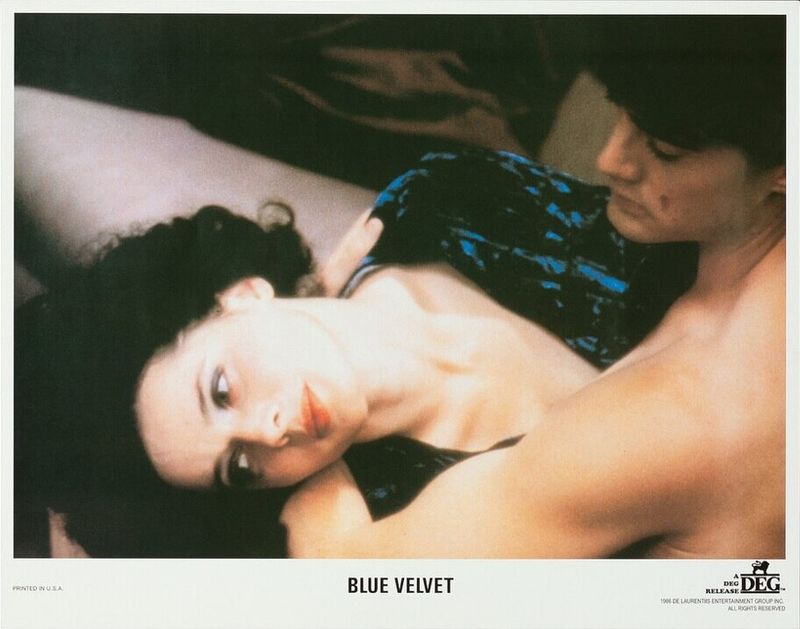
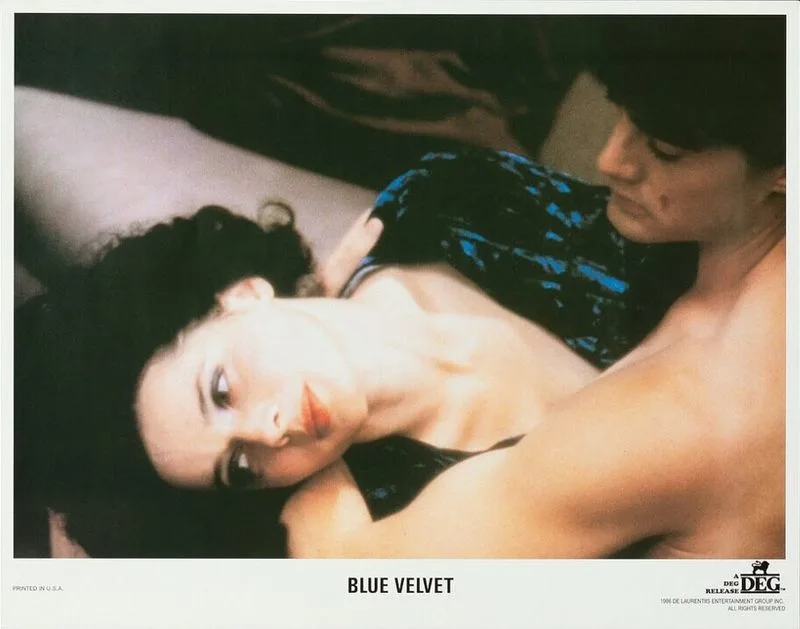
You might think Blue Velvet is set in a nameless suburban dream, but its unsettling beauty largely breathes Wilmington air. The manicured lawns, red fire trucks, and neat storefronts feel familiar until shadows stretch across them. North Carolina’s coastal light softens the town by day, then sharpens its edges by night.
Walk a few of those streets and you can picture Jeffrey peering into mysteries he is not ready to face. The film’s bright tulips and white picket fences contrast with industrial corners and quiet warehouses. That duality thrives in real neighborhoods where calm mornings hide after hours secrets.
The camera drinks in brick facades, narrow alleys, and the glint of neon bending around corners. You sense humidity under streetlamps, a heaviness that slows footsteps and lingers on whispers. North Carolina’s textures turn surreal moments into something you can almost touch.
What makes it stick with you is how ordinary everything looks until the story tilts. A diner booth, a apartment hallway, a windswept lot suddenly feel loaded with unstated danger. The town seems to breathe, exhaling innocence and inhaling menace.
Rewatch it and you will notice how often the mood hinges on small details, like the rattle of an air vent or the color of a curtain. Those details live in real places, not just sets. Wilmington gives the film its disarming calm, so the darkness feels even closer when it finally arrives.
Bull Durham (1988)
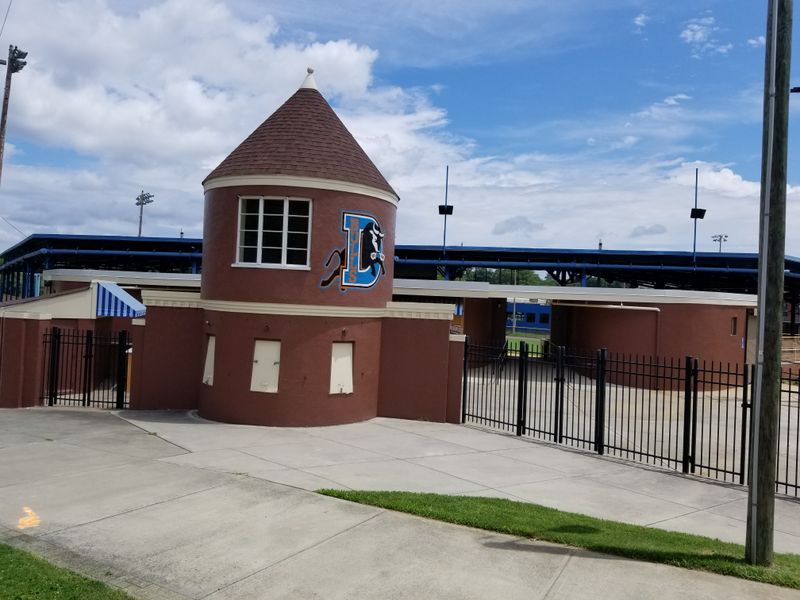
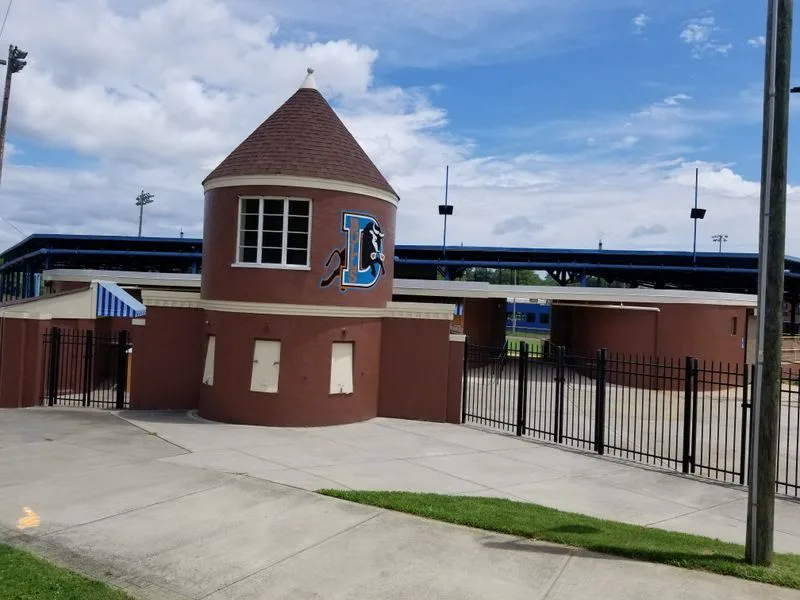
Minor league baseball is romantic because it is close enough to touch, and North Carolina lets you press your elbows to the rail. The film uses real diamonds and lived in bleachers around Durham to frame a love story about timing and second chances. You hear the crack of the bat and smell popcorn because the setting feels honest and a little scuffed.
Watch the players stretch under hazy lights and you will recognize Southern summer evenings that stick to your skin. Durham’s neighborhoods add grit and charm, letting locker room wisdom land with a wink. The ballpark’s old bones hold echoes of stories that did not make the highlight reel.
What you love is how the film captures the rhythm of the season, from long bus rides to perfectly timed visits to the mound. North Carolina turns background noise into a heartbeat, steady and occasionally wild. Even the concession stands feel like characters, offering comfort between curveballs.
You can feel the city leaning over the outfield fence, curious and opinionated. Those porch lights and brick mills ground every flirtation and superstition. It is not just about baseball, it is about people finding their batting stance in life.
When the credits roll, you might crave a slow walk past the third base line while the grounds crew smooths infield dirt. Durham makes the game personal, reminding you that failure is just another at bat. That is why the film still feels fresh, like rosin dust caught in a summer breeze.
Days of Thunder (1990)
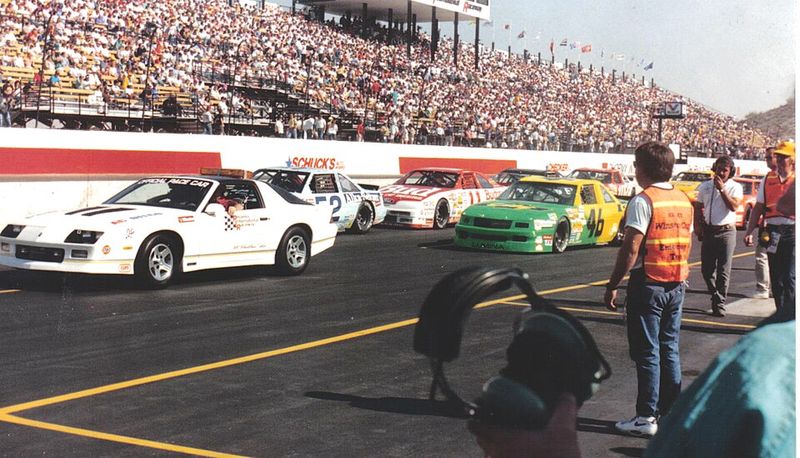

Engines rumble like thunder across North Carolina, and you can feel the vibration in your chest. The film’s NASCAR world uses local tracks to channel speed, heat, and stubborn ambition. You catch the shimmer of asphalt, the smell of rubber, and a horizon that wavers in the haze.
What sells it is how the pit lanes and grandstands feel specific, not generic. The crews move with choreographed urgency, wrenches flashing and radios crackling. North Carolina’s racing heritage is baked into every turn, so you believe in rookies chasing legends.
Watch the camera skim low along the wall, sparks scratching the night as cars slingshot past. The rhythm of caution flags and green lights becomes a Southern summer ritual. You lean forward, counting heartbeats with each downshift.
Between races, garages become confessionals where pride and fear trade places. The backdrop of local speedways, service roads, and diners sketches a real community of believers. That authenticity makes the victories sweeter and the wrecks feel personal.
By the time the final sprint arrives, you are holding your breath like the crowd under a blazing sun. North Carolina turns velocity into character, letting the track tell the truth. When silence finally returns, it sounds like possibility.
The Handmaid’s Tale (1990)
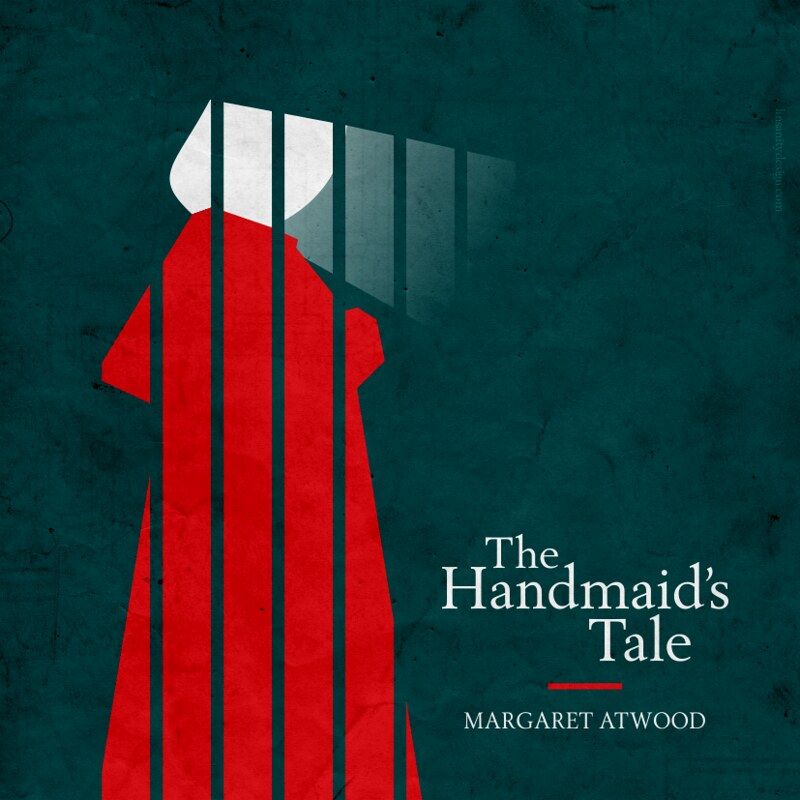
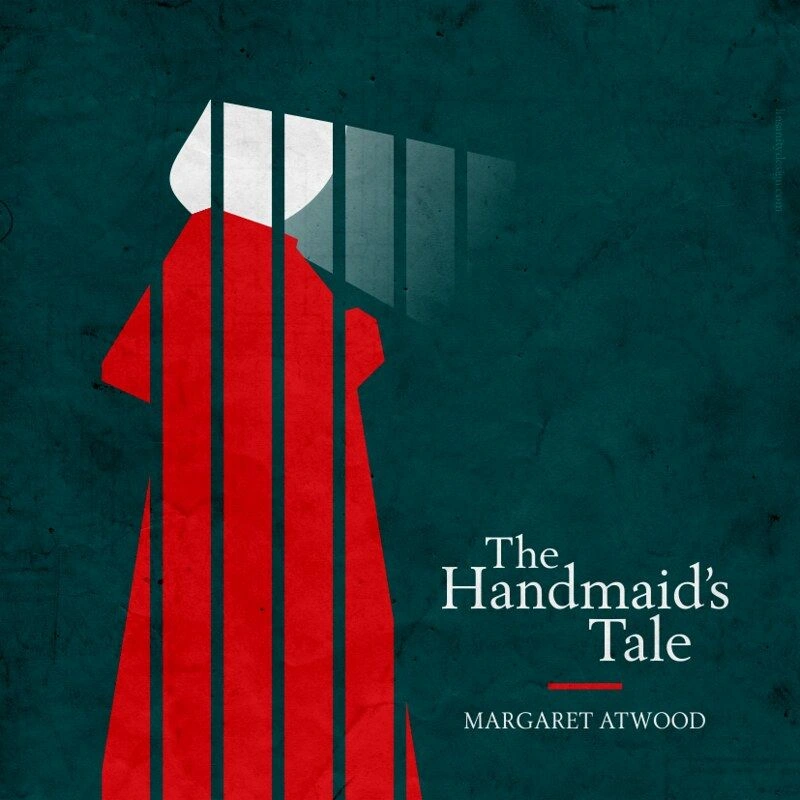
Before the series, this adaptation found its unsettling order in North Carolina’s restrained architecture. Brick facades, institutional corridors, and quiet chapels gave the dystopia a chilling normalcy. You see sunlight on tidy lawns while something harsher rules behind closed doors.
The contrast is what gets you. Familiar Southern buildings become sites of control, their beauty turned rigid. North Carolina’s civility frames the story’s cruelty, which makes it feel closer to home than you want.
Watch the way uniforms glide past windows, reflections slicing the frame into compartments. Hallways stretch like measured sentences, every footstep counted. The air looks clean, the choices do not.
It is that tension between gentleness and discipline that leaves a mark. The settings are not futuristic, they are present and plausible. You feel the weight of rules because the spaces look like ones you have visited.
Revisiting it now, you can trace how North Carolina’s calm surfaces let the moral storm gather. The film asks you to notice what appears harmless but is not. And the locations whisper that comfort without freedom is just another cage.
The Last of the Mohicans (1992)
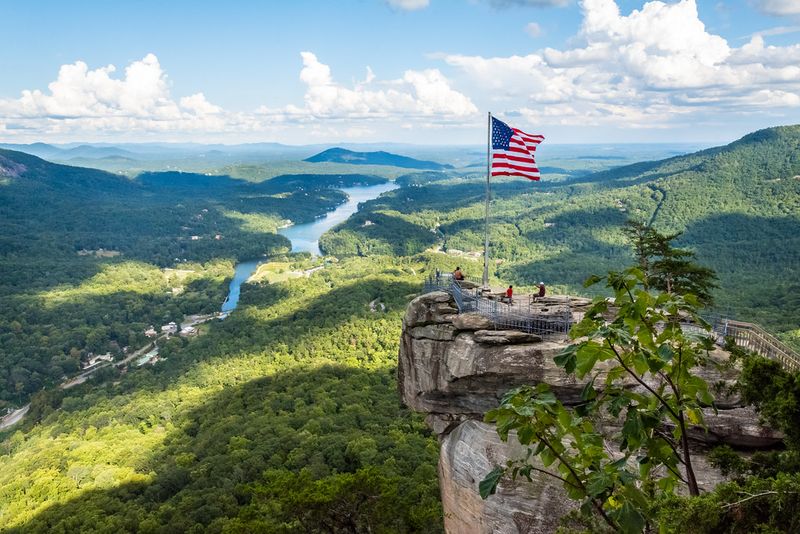
Forests and waterfalls in North Carolina helped forge this sweeping frontier adventure. The cliffs and churning water lend the battles real gravity, turning pursuit into pilgrimage. You feel the spray, hear the echoing calls, and sense history pressing in from the trees.
The green here is deep and patient, the kind that swallows footsteps. Trails twist along ridgelines before plunging toward ravines, where decisions cannot be postponed. North Carolina’s rugged beauty lets courage look inevitable, even when fear is louder.
Every chase across rock ledges feels earned because the terrain does not forgive missteps. Mist lifts at dawn, revealing valleys like held breaths. The camera loves these folds of land, reading them like a weathered map.
Between clashes, quiet scenes settle near rivers that move with relentless purpose. Love and loyalty look truer against granite and water. You believe promises when they are spoken over thunder.
By the finale, the landscape has become a witness, neither merciful nor cruel. It holds memory the way stone holds heat after sunfall. North Carolina gives the film its pulse, steady beneath the drums.
The Fugitive (1993)
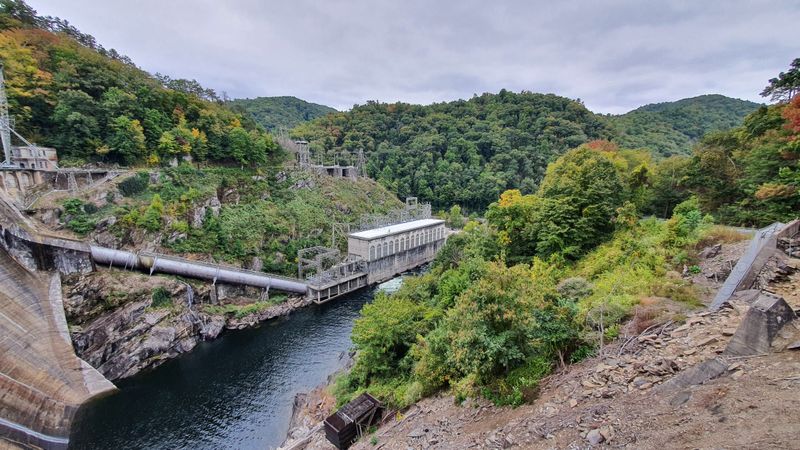
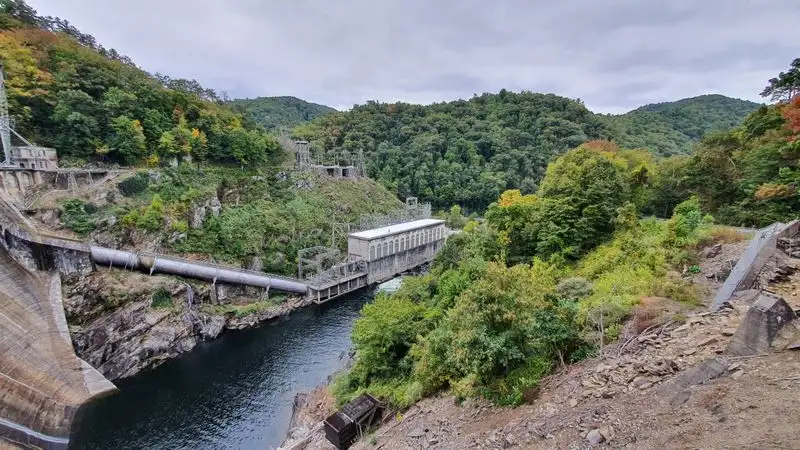
The chase that defines this thriller briefly cuts through North Carolina, and you can feel the terrain shift underfoot. Rail lines, industrial edges, and wooded corridors turn escape into improvisation. You sense how quickly open ground can become a maze.
What keeps you glued is how ordinary places fold into the pursuit. A road shoulder, a maintenance yard, a service tunnel become crossroads. North Carolina’s mix of urban fringe and green pockets sells the scramble for survival.
When the camera snaps to a wide shot, the landscape looks indifferent, which raises the stakes. You can almost hear insects in the brush while sirens fade and return. Every footfall sounds guilty in the wrong light.
That blend of grit and quiet makes close calls feel plausible. The routes look like ones you might take if you were not thinking, just moving. Paths alongside creeks and tracks carry both risk and cover.
Watch again and you will notice how the edit breathes with the terrain, quick when the ground opens, tight in the thickets. North Carolina adds texture, a subtle realism that keeps the story on the rails. Even a brief stop can change everything.
Forrest Gump (1994)
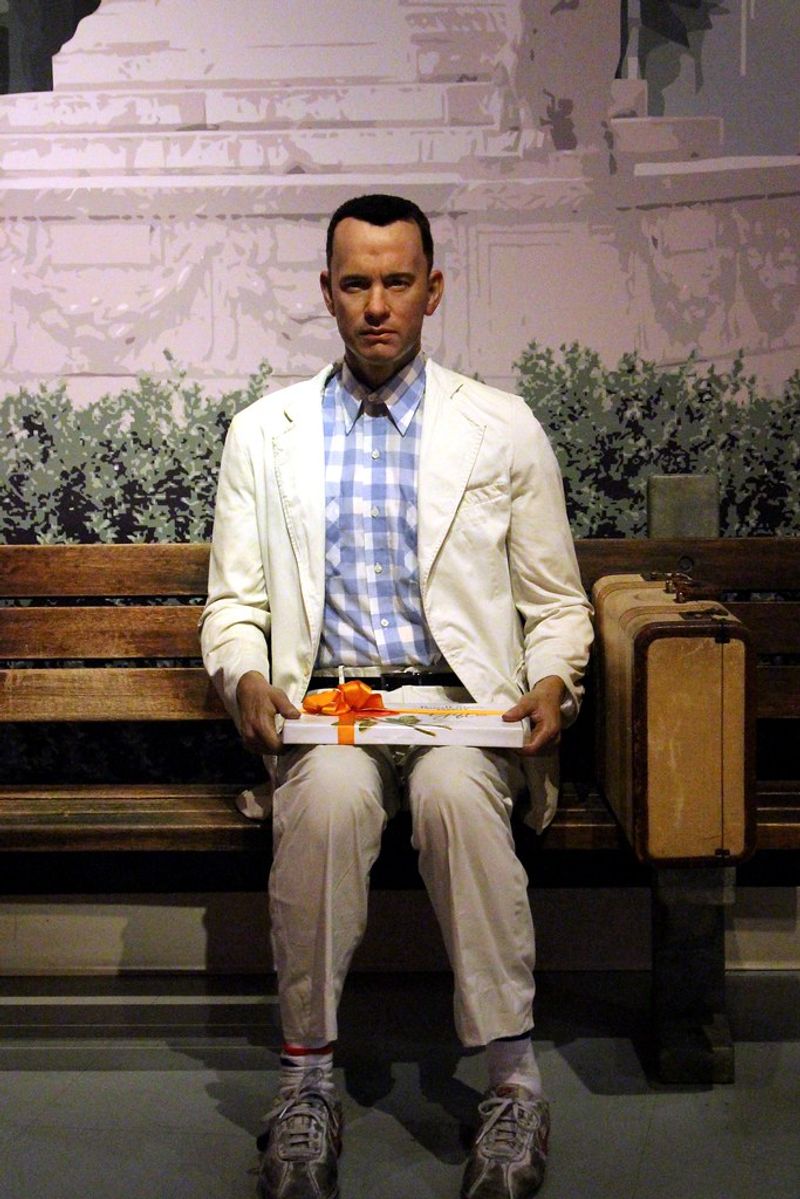
Between cross country runs and life’s detours, this story finds a Southern hush in North Carolina. Some campus greens and stately avenues lend gentle order to Forrest’s improbable path. You feel time stretch when the light filters through old trees.
There is a reassuring rhythm in brick walkways and white columns, a cadence that matches the film’s heart. Small moments breathe here, like a feather deciding where to land. North Carolina’s calm gives the big events somewhere honest to rest.
Look closely and you will catch familiar porches and shaded streets that suggest history without announcing it. The camera treats them kindly, letting stillness do the talking. You believe in long walks because the ground looks patient.
When nostalgia swells, the setting steadies it, like a hand on your shoulder. Even when life lurches, the scene remains composed. There is grace in that steadiness, a reminder that not everything needs hurrying.
By the end, the places feel like companions who simply listened. North Carolina holds the story without crowding it, which is harder than it seems. The feather keeps drifting, and the air here makes room.
Empire Records (1995)
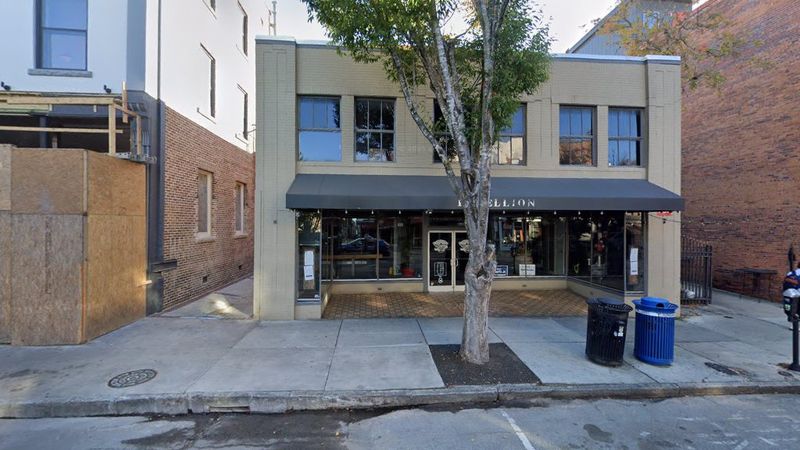
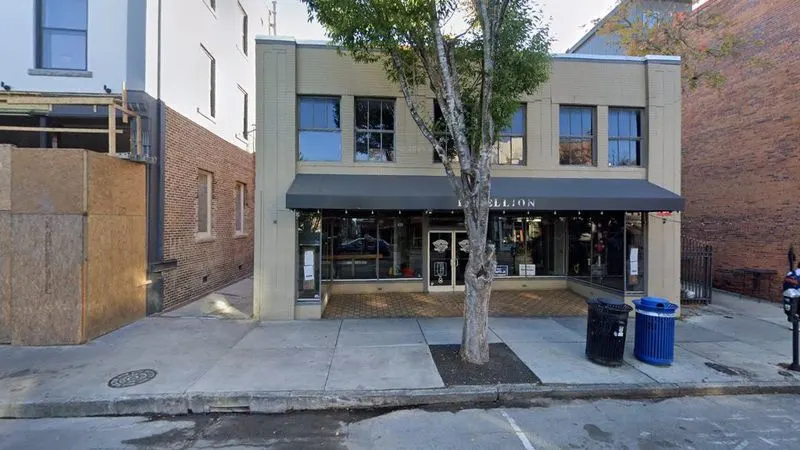
This cult favorite thrives on windows that rattle, sidewalks that crack, and a storefront that feels like a friend. North Carolina supplies the kind of downtown where you learn names fast and gossip faster. The record store hums because the street hums.
You can see band flyers fading on lampposts and hear a delivery truck brake around noon. Inside, mismatched shelves and ringing phones turn chaos into community. The film’s heart beats in the space between the door chime and the cash drawer clack.
What makes it stick is how every corner suggests a story that happened last week. North Carolina’s small city vibe keeps the stakes human and funny. You root for these kids because you recognize the backdrop.
Sunlight cuts across the counter, dust motes turning into glitter for a few minutes each afternoon. Arguments, crushes, and unlikely alliances pile up like records in the back room. The day feels long and good, with just enough bad ideas to keep things interesting.
By closing time, the storefront looks tired and proud, like a stage after the band leaves. The street settles, promising tomorrow will start loud again. That is the magic of place, and North Carolina nails the chorus.
I Know What You Did Last Summer (1997)


Fog rolls in off the water and suddenly the docks feel like a secret you should not keep. North Carolina’s coastal towns lend the film their weathered wood, gull cries, and creaking lines. You can taste salt in the air when the flashlight beam skips across the pier.
Daytime seems normal enough, with sun faded storefronts and festival banners snapping in the breeze. But shadows gather early between fish houses and narrow alleys. The ocean’s patience makes the threat feel inevitable, returning like the tide.
What sells the fear is how familiar the spaces are. Carnival lights, cannery walls, and rain slicked streets are regular life turned inside out. North Carolina’s harbors make hiding places feel just a step away from home.
When the chase is on, you track footsteps over planks that echo and boats that bob with each mistake. The soundtrack blends with foghorns and the slap of water. You move quicker because the night presses close.
By the end, the town carries the memory of what happened, even after summer ends. The docks still creak, and gulls still circle, pretending nothing changed. But you see it now, and the coastline does not forget.
Patch Adams (1998)
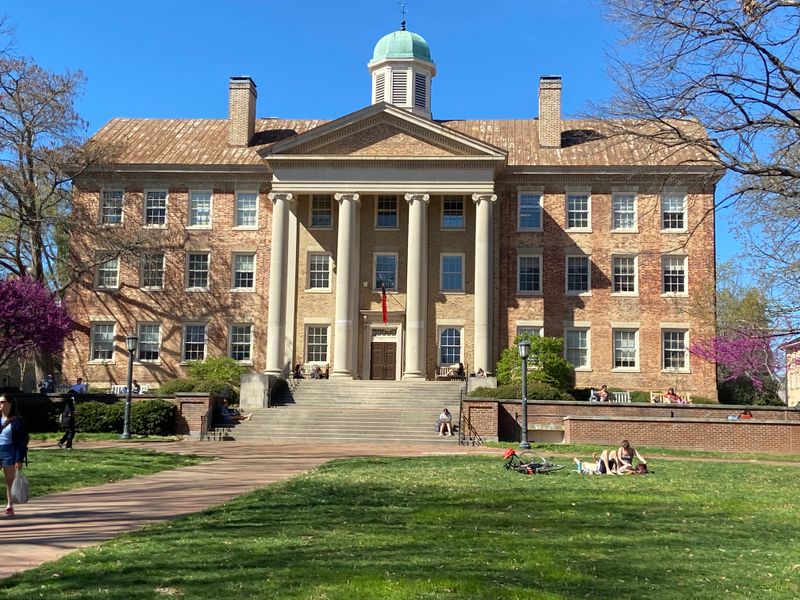
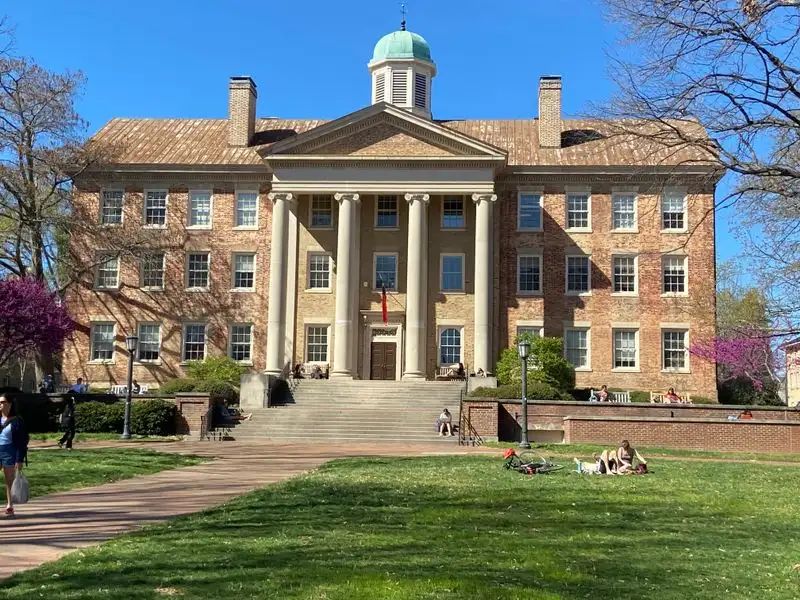
Hospitals can feel cold, but North Carolina lends this story sunlight, porches, and rooms that welcome laughter. You sense the shift when a hallway blooms with silly hats and bright colors. The spaces open up, and people follow.
What works is the balance between gentle landscapes and serious stakes. A field outside the clinic becomes a relief valve where jokes and worries share air. The camera finds faces in soft light, and humor lands without apology.
Inside, ordinary rooms gather warmth because the world beyond the windows looks kind. North Carolina’s calm shows how compassion changes the temperature of a place. You can almost hear the chuckle echo before the diagnosis arrives.
The film’s medicine is attention, and the setting makes attention easier to give. Benches under trees, steps beside brick walls, and open doorways invite conversation. Even a waiting room feels a little less heavy.
When the story turns, the land stands steady, refusing melodrama for simple grace. You leave believing kindness is practical, not naive. North Carolina helps you see it, right there in the light.
The Green Mile (1999)


Prison stories often feel claustrophobic, but this one lets quiet Southern evenings seep in around the edges. North Carolina’s period friendly locations help the corridors carry history like humidity. You hear the floorboards consider each step before they agree.
The color palette is worn, like paint that remembers past summers. Outside, crickets tune the night while the sky holds its breath. That hush makes acts of grace stand out, bright against the dim.
Watch how the light pools under doorways and along baseboards, turning routine into ritual. The setting does not shout, it listens. North Carolina’s steady presence lets the supernatural feel intimate rather than loud.
When hope flickers, the building seems to lean closer, as if it wants to help. Even the yard fences look thoughtful, not just unforgiving. Small mercies echo longer in spaces that understand patience.
By the last walk, you feel how place can witness without judgment. The air, the wood, and the night keep the story safe, even when hearts break. North Carolina holds the candle and the silence.
The Hunger Games (2012)
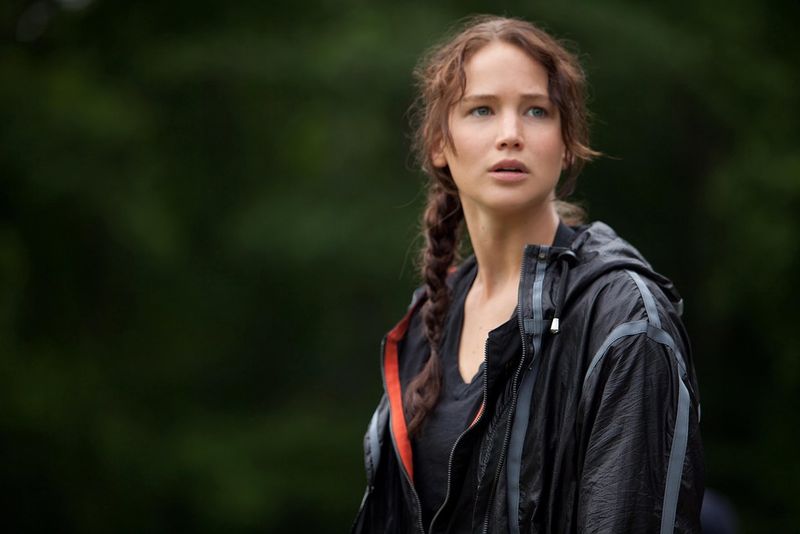
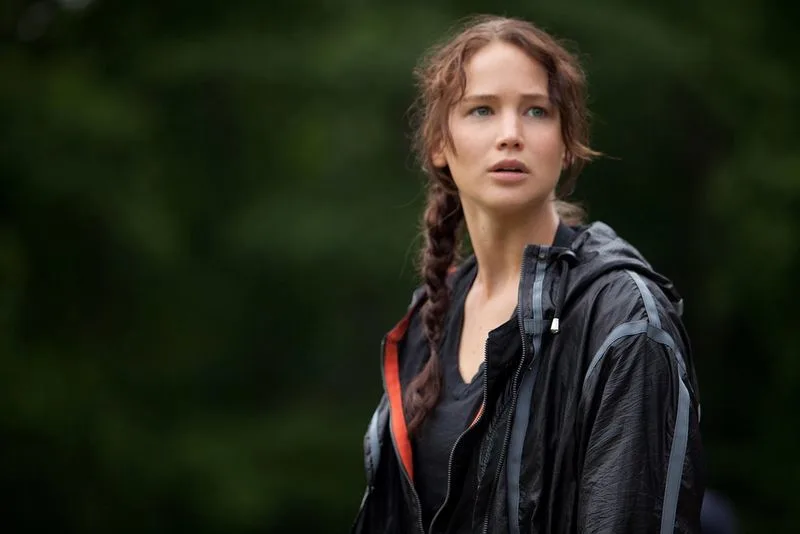
District 12’s stark beauty owes a lot to North Carolina’s old mill towns and surrounding woods. Weathered brick, coal dust textures, and narrow lanes make scarcity look real. The forest just beyond feels like both danger and salvation.
When the siren calls, you watch faces harden the way hills harden after a long winter. Those company houses and rail spurs tell their own story without dialogue. North Carolina’s craft in dressing the past becomes a future that feels possible.
In the woods, the air thins and every snap of a twig matters. Light filters through leaf canopies, sketching maps across skin and stone. You learn to move quietly because the land is listening.
What makes it land is how close hope feels to hunger in these spaces. A seam of green moss on a wall looks like permission to keep going. The setting offers both cover and consequence with the same straight face.
By the time the games loom, the district lingers like a promise you owe to remember. North Carolina gives the struggle a home worth fighting for. You carry that home with you into the arena.
The Conjuring (2013)


Haunted houses rely on quiet hallways and the courage to open one more door. North Carolina delivers creaking staircases, broad porches, and rooms where shadows linger a second too long. You feel the air cool as the camera turns a corner.
What sells the scares is the sense that families actually lived here. Scuffed baseboards, old wallpaper, and heavy doors give the haunting weight. The farmhouse is not a stage, it is a witness.
Listen for the pause between a clock tick and a breath. That is where the film hides its shivers. North Carolina’s rural night folds around the house like a heavy quilt.
The investigators bring equipment, but the house brings history. Each reveal feels earned by the patience of the rooms. You brace not for jump scares, but for recognition.
When morning finally arrives, the light looks hesitant, as if it is not sure it is welcome. The house exhale is small, but you hear it. North Carolina keeps the fear grounded, which makes it harder to shake.
The Longest Ride (2015)
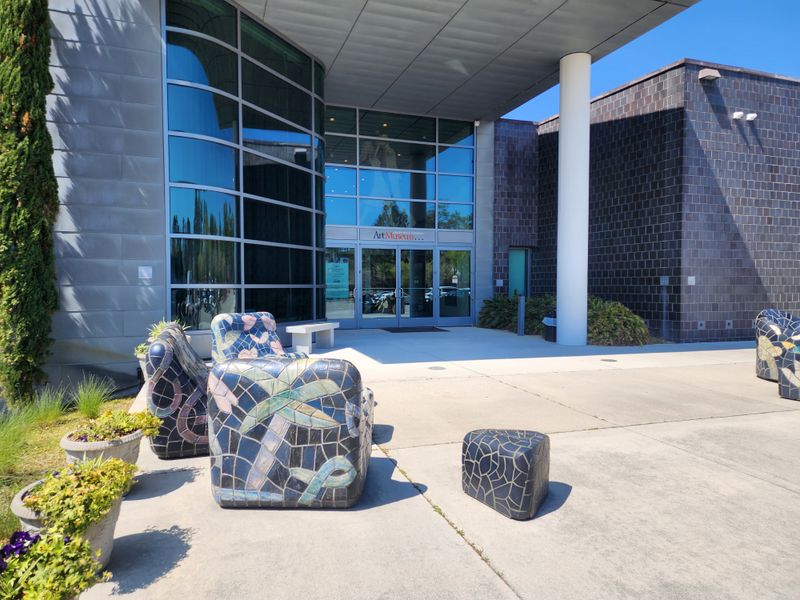
Romance leans on place, and North Carolina offers barns that glow at sunset and galleries that echo softly. The film weaves bull riding grit with art world hush, and the state bridges both. You can smell sawdust at the arena and coffee in the studio.
Country roads thread past fields that roll like slow waves. Downtown streets add brick textures, while blue ridges wait at the horizon. The story’s crossroads feel real because the map matches your memory.
On dates, neon signs hum and porch lights promise one more conversation. The camera lingers on hands, reins, and canvases until feelings find their shape. North Carolina gives the moments room to breathe without drifting apart.
When choices hurt, a late drive helps, tail lights small against a wide night. Barn doors open to dust and sunbeams, and truth follows. You understand why love here feels stubborn and kind.
By the finale, the land has stitched rodeo and gallery into one life. The state’s quiet confidence steadies the leap. North Carolina keeps the heart brave and the ride worth it.