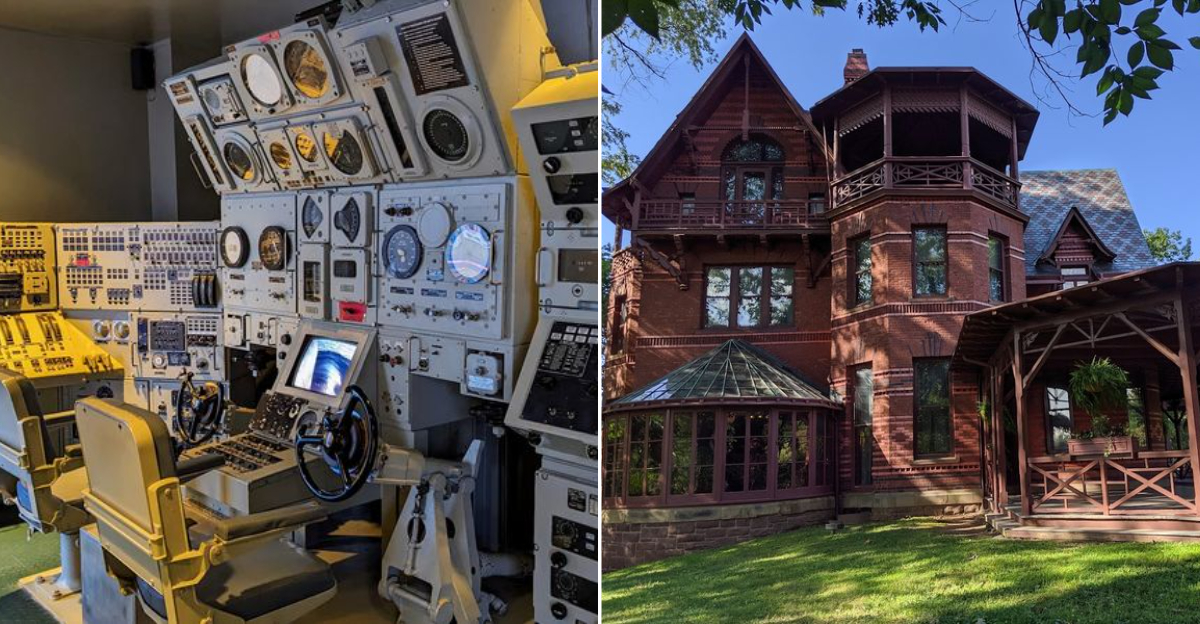
Connecticut may be compact, but its museum lineup punches far above its size, serving up tall ships, submarines, Impressionist paintings, dinosaur bones, and Mark Twain wit with the confidence of a state that knows exactly how interesting it is.
One minute you are wandering a colonial seaport in Mystic, and the next you are face to face with modern masterpieces in New Haven or peeking inside a real Cold War submarine in Groton, which is a serious plot twist.
This list rounds up ten Connecticut museums that earn bragging rights through beauty, brains, history, and pure curiosity, giving you easy ideas for day trips that feel smart without ever feeling homework-heavy, stuffy, or designed only for diehard specialists.
If your weekend could use more wonder and fewer doom-scrolls, start here, pick a favorite, and let these standout spots prove that Connecticut quietly delivers one unforgettable museum experience after another for curious travelers.
1. Mystic Seaport Museum
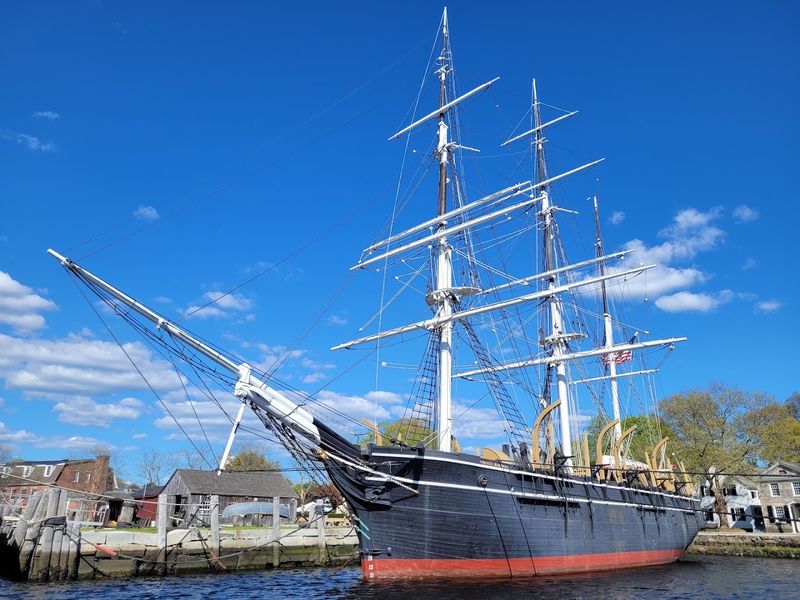
Salt air does half the storytelling before you even reach the exhibits at Mystic Seaport Museum in Mystic, Connecticut’s grand stage for maritime history.
Spread across a recreated nineteenth-century village, the campus lets you wander shipyards, trade shops, homes, and docks that feel alive rather than preserved under glass.
The star attractions are the historic vessels, especially the Charles W.
Morgan, the last wooden whaleship in the world, which instantly raises the goosebump quotient.
Costumed interpreters, working craftspeople, and demonstrations keep the experience hands-on, so you are not just reading labels but watching skills survive in real time.
I love how the museum balances romance and reality, explaining seafaring adventure while also tackling whaling, labor, immigration, and the rough economics behind coastal life.
Galleries on navigation, figureheads, and New England boatbuilding add depth, making this much more than a pretty harbor with photogenic masts.
Plan extra time for the planetarium, seasonal boat rides, and waterfront views, because rushing here feels like speed-reading a sea shanty.
Families get room to roam, history fans get substance, and anyone with a camera gets enough postcard angles to fill a weekend.
If Connecticut had a museum that practically winked and said climb aboard, this would be the one.
2. Connecticut Science Center
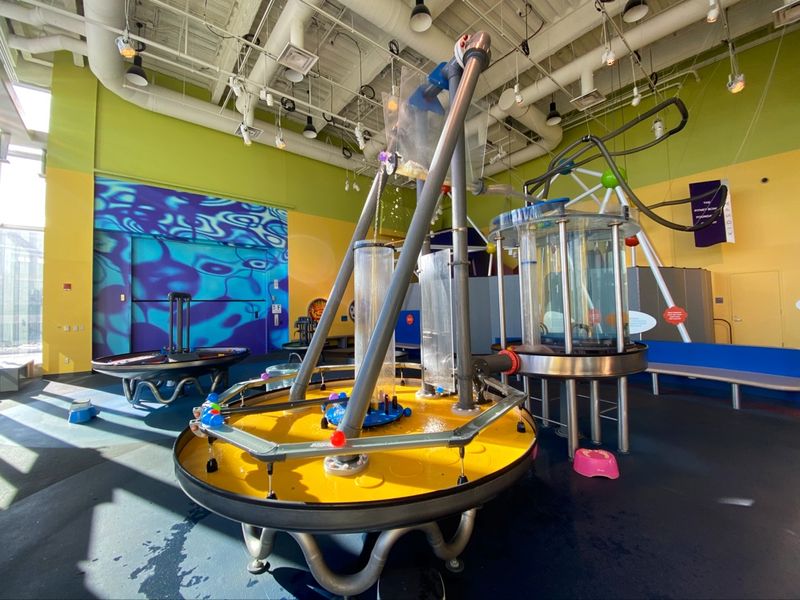
Buttons, lights, motion, and gleeful chaos set the tone at the Connecticut Science Center in downtown Hartford, where curiosity gets a full workout.
This sleek riverfront museum turns science into something you can touch, test, build, launch, and occasionally laugh at when your engineering masterpiece collapses.
With multiple floors of interactive exhibits, it covers physics, space, energy, health, ecosystems, and invention without ever feeling like a textbook in disguise.
Kids dive in fast, but adults are hardly bored, because the best exhibits reward experimentation rather than passive strolling.
One gallery asks you to think like a designer, another makes your senses the subject, and temporary shows often add fresh hooks.
The theater presentations and live demonstrations help explain tricky concepts clearly, which is useful when you want answers beyond wow, that was cool.
Located near the Connecticut River and Hartford’s downtown attractions, it is an easy pick for families, school breaks, or rainy-day rescue missions.
I especially like that the museum treats science as creative, practical, and surprisingly playful, not as a club with secret passwords.
When you want a place where brains and fun stop pretending to be rivals, this is your Hartford headquarters.
3. Wadsworth Atheneum Museum of Art

Grandeur arrives early at the Wadsworth Atheneum Museum of Art in Hartford, where the building itself feels ready for a standing ovation.
Founded in 1842, it is the oldest continuously operating public art museum in the United States, and that pedigree shows in all the right ways.
You move through striking Gothic-inspired spaces into galleries filled with European masters, Hudson River School landscapes, decorative arts, photography, and modern works.
What keeps it exciting is the range.
One moment you are studying an Old Master painting, and the next you are looking at surrealism, American treasures, or a contemporary piece that makes your eyebrows negotiate.
The museum’s collection includes artists such as Caravaggio, Dalí, and O’Keeffe, giving Hartford a cultural lineup that feels far bigger than many first-time visitors expect.
Thoughtful curation and manageable scale make it possible to see a lot without museum fatigue setting in by lunch.
Its downtown Hartford location also makes it easy to pair with nearby architecture, dining, or another museum stop if you are building a full art-and-history day.
For anyone who likes beauty with range and substance, the Wadsworth is the kind of classic that never gets dusty.
4. Yale University Art Gallery
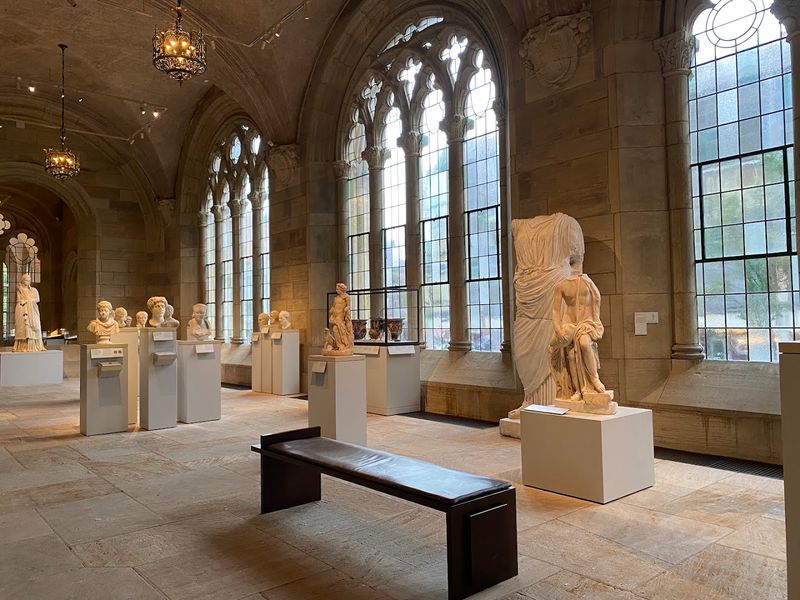
Free admission is only the opening surprise at Yale University Art Gallery in New Haven, a museum that delivers major depth without major fuss.
As the oldest university art museum in the Western Hemisphere, it houses an astonishingly broad collection spanning ancient artifacts, African art, Asian works, European painting, American art, and contemporary pieces.
The setting helps too, because the connected historic and modern buildings create a visual conversation before you even focus on the objects.
I appreciate how approachable it feels.
You can drop in for a quick visit and still leave impressed, or stay for hours tracing connections across centuries, cultures, and materials.
Highlights range from Roman sculpture and early American portraits to van Gogh, Rothko, and thoughtful rotating exhibitions that give repeat visits real value.
Located in the heart of downtown New Haven beside Yale’s campus, it pairs beautifully with bookstores, coffee stops, and the city’s famous pizza scene.
Labels are smart without sounding showy, which matters when you want insight rather than a lecture disguised as wall text.
If you like museums that quietly overdeliver, this one is a scholar in sensible shoes with a world-class collection tucked under its arm.
5. The Mark Twain House & Museum
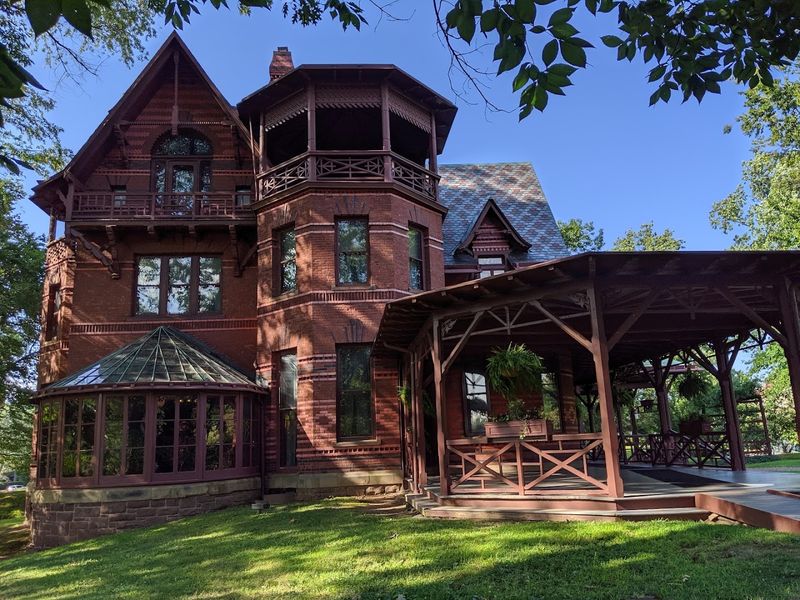
Few houses have this much personality before the tour even starts, and The Mark Twain House & Museum in Hartford absolutely knows it.
The dramatic Victorian mansion looks like it could deliver a punchline, then invites you inside to rooms where Samuel Clemens wrote some of America’s sharpest pages.
Guided tours reveal the family life, humor, ambition, and contradictions behind the legend, turning a famous author into someone startlingly human.
The interiors are a feast of carved wood, layered color, and playful design, with enough detail to keep architecture fans happily distracted.
You hear about the years Twain spent here, his success, his debts, his travels, and the writing of classics including Adventures of Huckleberry Finn.
That context matters, because the house is not just beautiful furniture and wallpaper; it is a place where ideas that still spark debate were shaped.
The adjacent museum adds manuscripts, interactive exhibits, and smart interpretation that keeps the experience lively rather than reverent.
Located in Hartford’s historic Nook Farm neighborhood, it pairs perfectly with a city day focused on literature, history, and old-school charm.
If any museum proves that genius can also be deeply funny, this one tips its white suit and takes the prize.
6. New England Air Museum

The first thing that hits you at the New England Air Museum in Windsor Locks is scale, because airplanes are not exactly shy roommates.
Spread across large hangars near Bradley International Airport, the museum showcases more than one hundred aircraft, from early flying machines to helicopters, military jets, and experimental designs.
That variety gives the place a thrilling sweep, letting you follow the story of flight from fragile ambition to roaring engineering confidence.
Cockpit exhibits, engines, and interpretive displays help decode the technology, while restoration work and volunteer knowledge add welcome authenticity.
You do not need to know ailerons from altitude to enjoy it, though aviation fans can happily nerd out here for hours.
The museum also highlights Connecticut’s deep ties to aerospace innovation, which gives local history a sharp, propeller-powered edge.
Families usually find plenty to keep younger visitors engaged, especially when they can get close to aircraft instead of staring from a distance.
I like that the experience feels both expansive and grounded, mixing wonder with practical explanation in a way that makes flight seem miraculous and understandable.
If your inner ten-year-old still looks up whenever a plane passes overhead, this museum in Windsor Locks is pure fuel.
7. Mashantucket Pequot Museum and Research Center

Powerful storytelling takes center stage at the Mashantucket Pequot Museum and Research Center in Mashantucket, where history is presented with depth, dignity, and unforgettable scale.
Owned and operated by the Mashantucket Pequot Tribal Nation, the museum explores Indigenous life in the region long before colonization and continues through conflict, survival, and cultural renewal.
The exhibits are immersive without being gimmicky, using film, artifacts, full-scale environments, and careful interpretation to create a genuinely moving experience.
A recreated sixteenth-century Pequot village is a standout, placing you inside daily life rather than leaving it abstract.
Elsewhere, galleries examine archaeology, the natural landscape, European contact, the Pequot War, and the long arc of tribal history with clarity and care.
I especially value how the museum refuses simplification, showing Native history as living, complex, and central to New England rather than a sidebar.
Located near Foxwoods Resort Casino in southeastern Connecticut, it is easy to reach but deserves far more than a quick add-on visit.
Plan time for reflection, because some sections land with emotional weight and deserve space.
When you want one museum that expands your understanding of Connecticut while challenging old narratives, this is the essential stop.
8. Bruce Museum
Small but mighty is not just a slogan at the Bruce Museum in Greenwich; it is the whole charming trick.
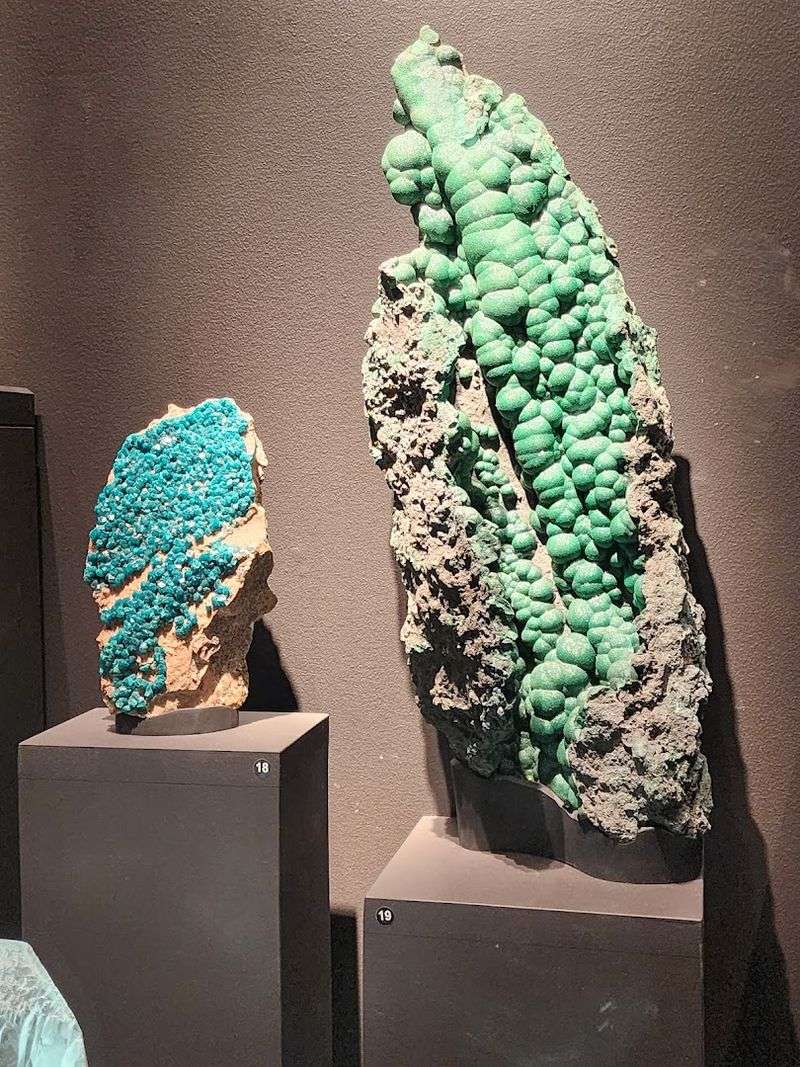
This thoughtfully curated museum blends art, science, and natural history in a way that feels nimble, polished, and refreshingly unpretentious.
Located near downtown Greenwich, it offers an elegant outing where you can shift from paintings and sculpture to minerals, fossils, and environmental topics without whiplash.
The rotating exhibitions are often the secret weapon.
Because the museum does not try to be everything at once, each show tends to feel focused and intentional, with enough interpretation to inform without overexplaining.
Families appreciate the natural science angle, while art lovers get smart installations and carefully chosen works that punch above the museum’s manageable footprint.
I also like the pace here.
You can see a lot in one visit and still have energy left for a walk in Greenwich, a coffee, or a longer look at a favorite gallery.
For visitors who want a museum experience that feels refined, accessible, and just a little bit surprising, the Bruce makes a strong case that size is wildly overrated.
9. The Children’s Museum of Connecticut

Giggles are basically part of the exhibit design at The Children’s Museum of Connecticut in West Hartford, where learning arrives disguised as play.
This family-focused museum is built for younger visitors who want to touch, test, build, climb, and ask approximately one million excellent questions.
Hands-on stations encourage exploration across science, creativity, and everyday problem-solving, making it ideal for curious kids who learn best by doing first and discussing later.
The scale feels manageable, which parents often appreciate more than they can say out loud.
Instead of overwhelming families with endless galleries, the museum keeps things accessible, interactive, and friendly, with spaces that invite repeat visits.
Children can move at their own pace, and that freedom turns simple activities into genuine discovery rather than a race to the gift shop.
Located in West Hartford, it works beautifully for local outings, rainy afternoons, birthday energy burn-offs, or introducing little ones to the museum habit early.
I like that the atmosphere feels encouraging rather than precious, which gives kids room to experiment, make noise, and stay engaged.
If your goal is to spark wonder before homework ever tries to steal the spotlight, this museum earns a gold star and a juice box.
10. Submarine Force Library & Museum
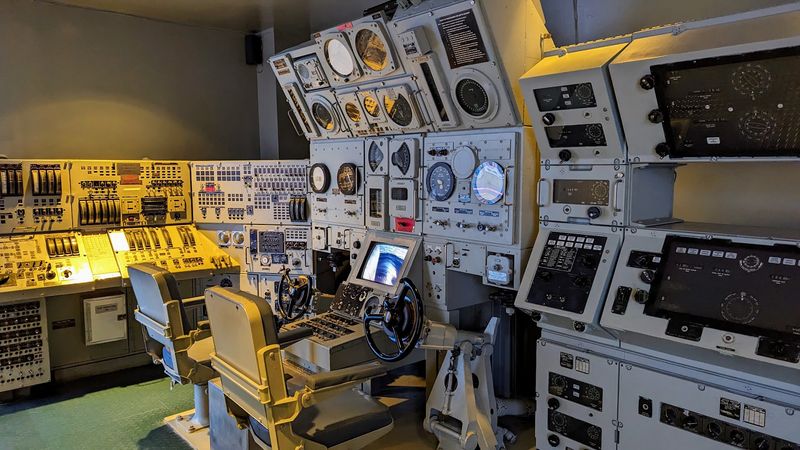
Steel nerves and tight quarters define the mood at the Submarine Force Library & Museum in Groton, one of Connecticut’s most memorable history stops.
Home to the USS Nautilus, the world’s first nuclear-powered submarine, the museum gives you a rare chance to step inside a vessel that changed naval history.
That onboard tour is the headliner, and yes, it is as fascinating and compact as you are hoping.
Inside the main museum, exhibits trace the story of undersea warfare, submarine technology, crew life, and the long evolution of these hidden machines.
Artifacts, models, photographs, and documents help explain how strategy, engineering, and human endurance intersect beneath the surface.
I was struck by how effectively the displays make the experience personal, reminding you that every technical achievement depended on people living and working in extraordinary conditions.
Located on the Thames River in Groton near Naval Submarine Base New London, the museum carries a strong sense of place.
Admission is free, which makes the quality of the experience even more impressive.
When you want a museum visit with history, innovation, and the occasional reminder that claustrophobia is a real design challenge, this one goes deep.