Georgia’s hidden wild side is waiting to surprise you at Harris Neck National Wildlife Refuge. Tucked along the coast near Townsend, this peaceful escape feels like a secret world where nature takes center stage.
Miles of marshes, wetlands, and wooded paths reveal incredible wildlife moments around every corner. Birdwatchers can spot rare species, while explorers may discover quiet trails and scenic drives that bring them closer to Georgia’s wild beauty.
Far from crowded attractions, Harris Neck invites visitors to slow down and experience the magic of untouched nature.
Every visit offers a chance to watch animals thrive and create unforgettable memories in a truly special place.
If you crave adventure with a peaceful twist, this hidden refuge delivers a breathtaking journey filled with discovery and unforgettable moments waiting for you.
A Coastal Hideaway Where Georgia’s Wild Side Still Feels Untouched
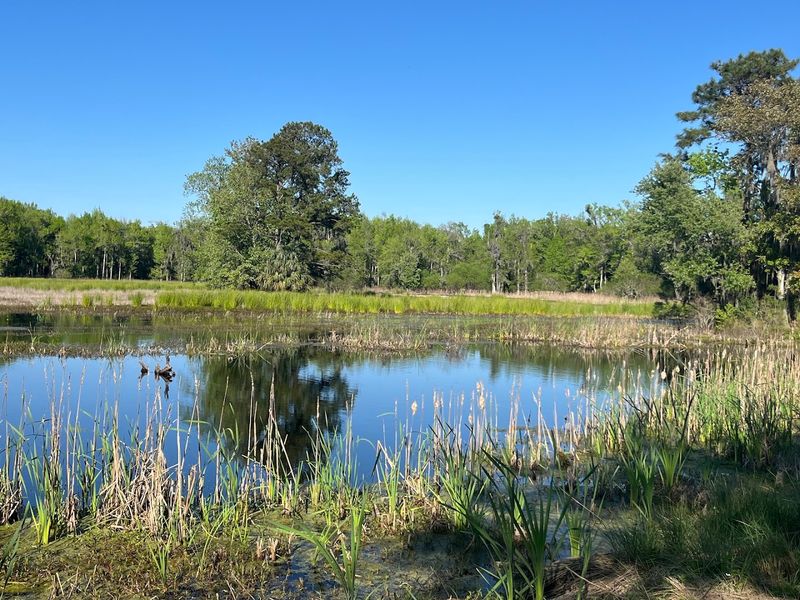
Harris Neck National Wildlife Refuge sits just minutes from Georgia’s busy coastline, yet it feels like stepping into another world entirely. The refuge protects thousands of acres where nature still runs the show, offering visitors a rare glimpse of what coastal Georgia looked like before development took over.
Marshes stretch toward the horizon while forests whisper with wildlife activity.
What makes this place truly special is how completely removed it feels from nearby tourist attractions. No boardwalks packed with selfie-takers or gift shops selling souvenirs here.
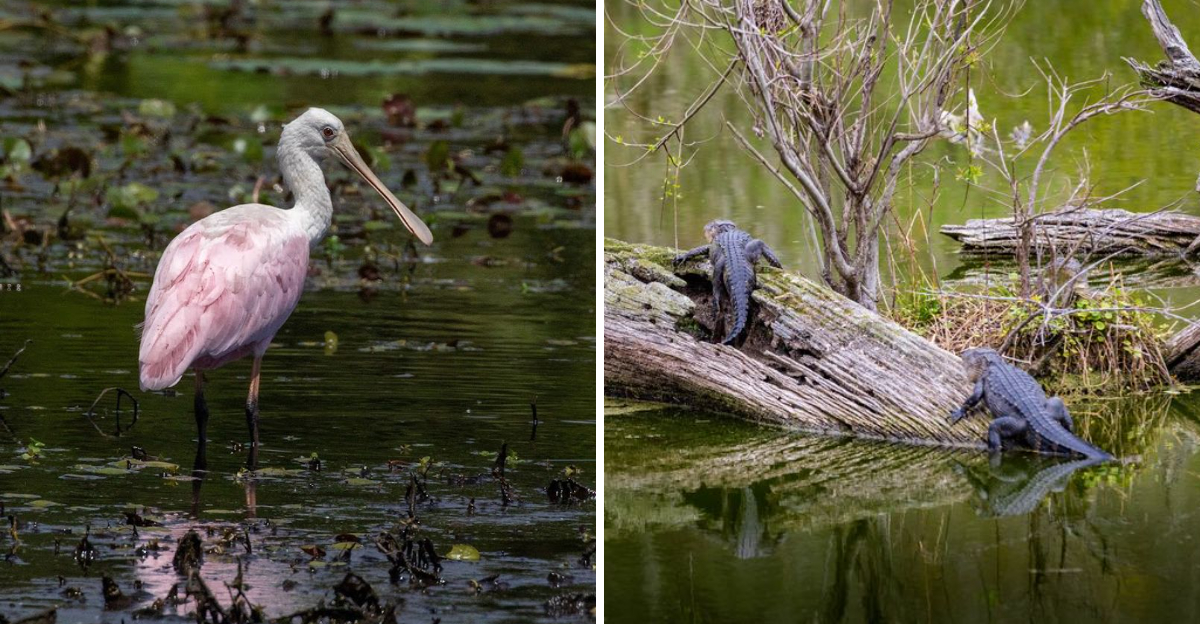
Instead, you’ll find peaceful landscapes where egrets wade through shallow waters and turtles sun themselves on logs without human interruption.
The refuge includes diverse habitats ranging from saltwater marshes to freshwater ponds and mixed hardwood forests. These different ecosystems work together, creating perfect conditions for hundreds of animal species to thrive.
Whether you arrive at sunrise or late afternoon, the sense of untouched wilderness wraps around you like a comfortable blanket, reminding you that wild Georgia still exists if you know where to look.
The Wildlife Drive That Takes You Deep Into Nature’s Backyard
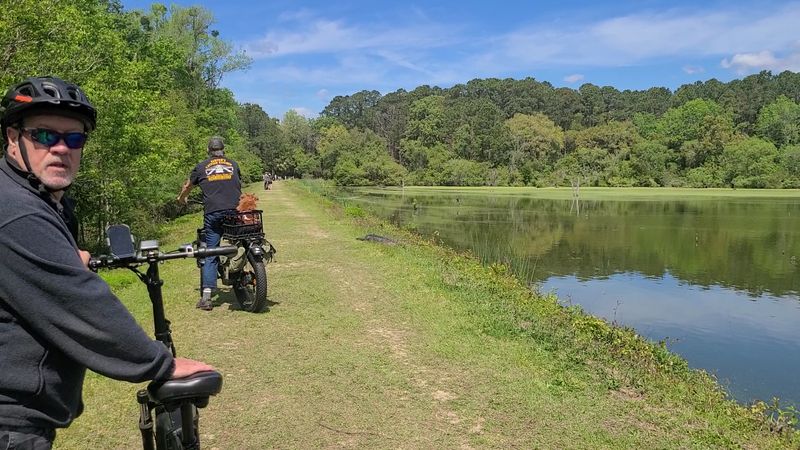
Grab your camera and roll down the windows because the four-mile Wildlife Drive offers one of the easiest wildlife adventures in Georgia. This scenic route winds through the heart of the refuge, passing ponds shimmering with bird activity, wetlands alive with croaking frogs, and wooded sections where deer occasionally peek through the trees.
You don’t even need to leave your vehicle to enjoy spectacular views.
The drive moves at whatever pace suits you best. Some visitors cruise through in thirty minutes while others spend hours stopping at every pull-off to watch wildlife through binoculars.
Each curve reveals something different, from open water dotted with ducks to dense vegetation hiding secretive marsh birds.
Early morning and late afternoon bring the most animal activity along the drive. Alligators bask near pond edges, herons stalk fish in shallow waters, and painted buntings flash their rainbow colors from roadside branches.
The slow speed limit keeps everyone safe while giving wildlife plenty of space to go about their daily routines undisturbed by passing cars.
A Birdwatcher’s Paradise Filled With Rare Coastal Species
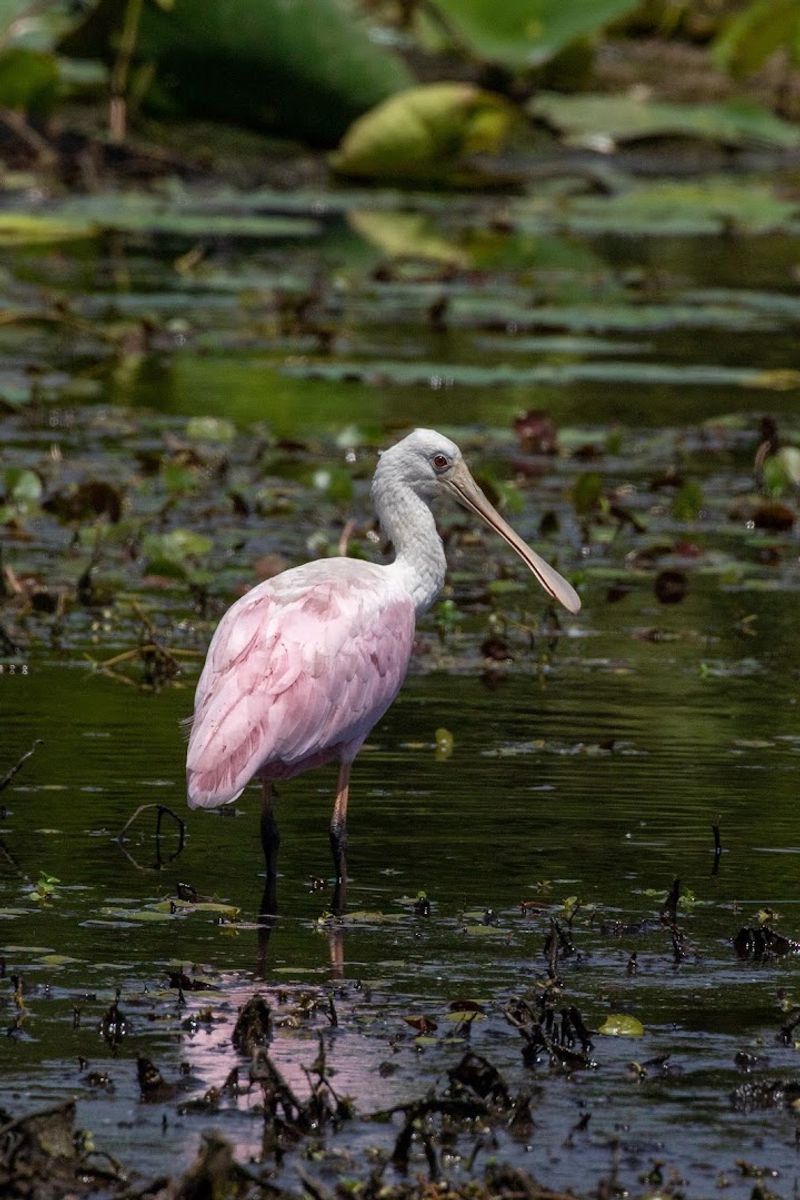
Bird lovers consider Harris Neck one of Georgia’s top birding destinations, and with good reason. Over 250 bird species have been recorded here, making almost every visit feel like opening a surprise package.
The refuge sits along the Atlantic Flyway, meaning countless migratory birds stop here to rest and refuel during their long journeys north or south.
Painted buntings steal the show during spring and summer with their impossibly bright colors. Males sport brilliant blue heads, red underparts, and green backs that look almost too vibrant to be real.
Patient observers also spot elegant great egrets, snowy egrets, tricolored herons, and various duck species depending on the season.
Serious birders arrive equipped with field guides, spotting scopes, and checklists hoping to add rare species to their life lists. But you don’t need fancy equipment or expert knowledge to appreciate the sheer number and variety of birds calling this refuge home.
Even casual observers find themselves mesmerized watching these feathered residents go about their fascinating lives against stunning coastal backdrops.
Woody Pond: The Place To Watch Majestic Wood Storks Gather
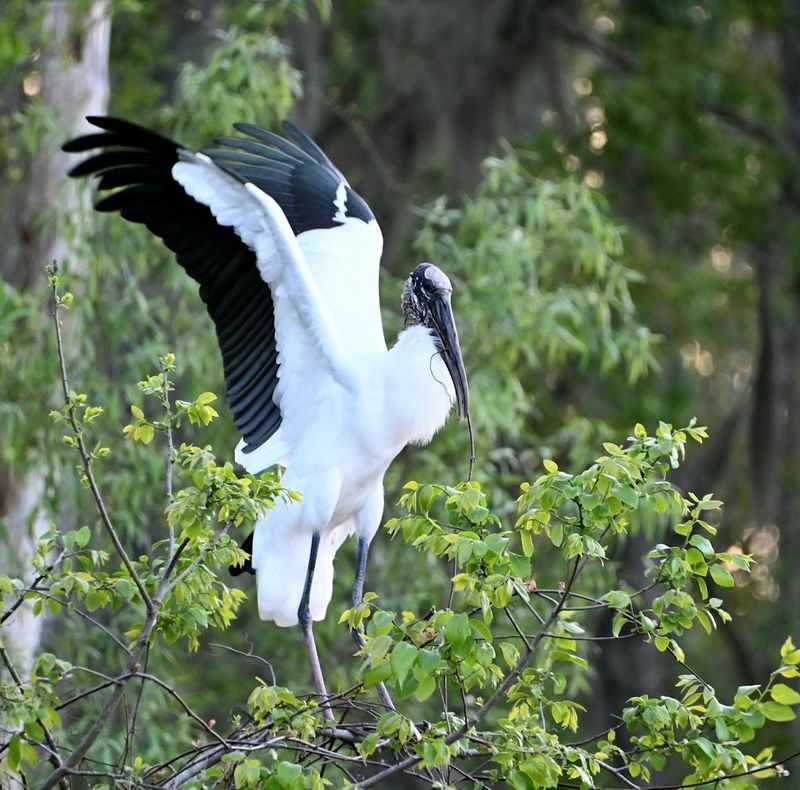
Few wildlife viewing experiences compare to watching wood storks gather at Woody Pond. These unusual birds stand nearly four feet tall with distinctive bald heads and massive wingspans that make them look almost prehistoric.
During nesting season, dozens or even hundreds congregate here, creating one of Georgia’s most impressive bird colonies.
Wood storks are federally protected and quite rare, making Harris Neck extra important for their survival. The pond provides perfect feeding conditions where these specialized birds use their unique hunting technique.
They wade through shallow water with their bills open, snapping them shut when fish swim between their mandibles.
Watching the colony from designated viewing areas feels almost magical. Parent storks bring food to demanding chicks in messy stick nests built high in dead trees.
The constant activity, unusual calls, and sheer number of these magnificent birds make Woody Pond the refuge’s star attraction. Bring binoculars and patience because you could easily spend hours observing these fascinating creatures without getting bored for even a moment.
Peaceful Trails That Reveal Forests, Marshes, and Hidden Views
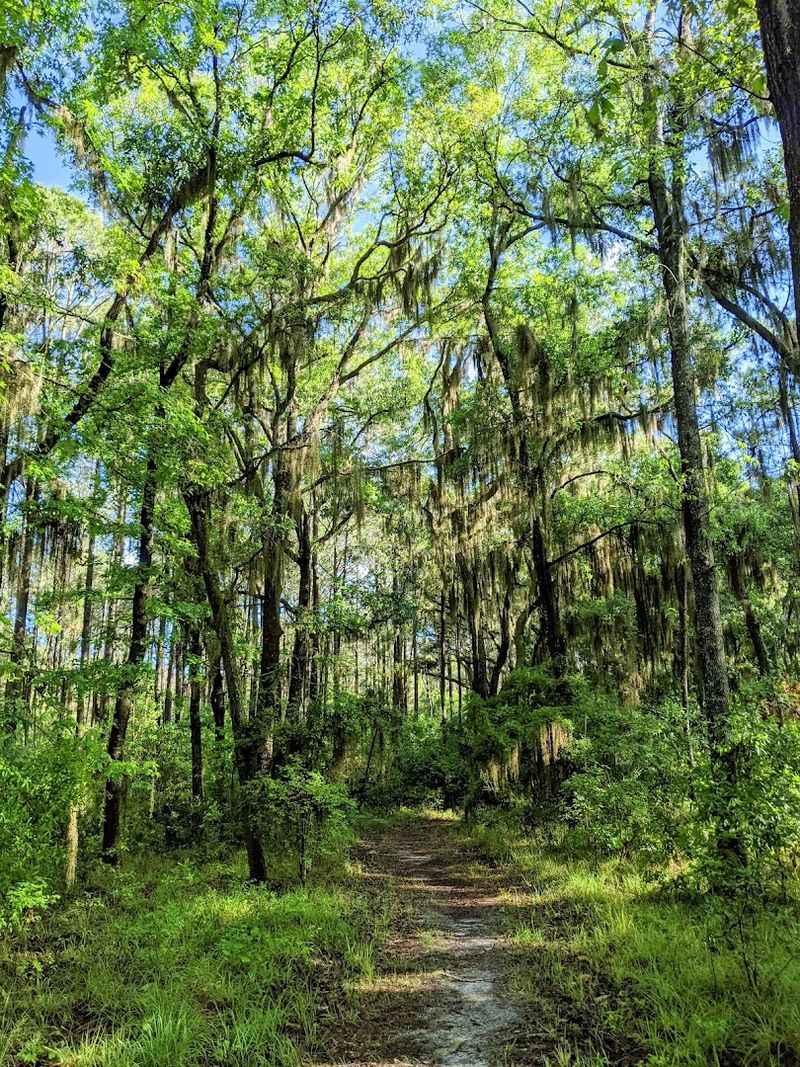
Beyond the driving route, several walking trails invite visitors to slow down and experience the refuge on foot. The Bluebill Pond Loop, West Woody Pond Trail, Bunting Loop, and Historical Trail each showcase different habitats and wildlife viewing opportunities.
These paths aren’t strenuous, making them perfect for families or anyone who prefers gentle outdoor exploration.
Walking reveals details you’d miss from a car. Butterflies dance across wildflower meadows while dragonflies hover above pond surfaces hunting mosquitoes.
Tree bark shows claw marks from climbing animals, and bird songs surround you from every direction creating nature’s symphony.
The trails wind through maritime scrub, hardwood hammocks, and marsh edges where land meets water in beautiful transitions. Each season brings different rewards, from spring wildflowers to fall foliage to winter’s crisp clarity.
Wooden boardwalks cross wetland sections keeping your feet dry while offering front-row views of turtles, water birds, and occasionally even alligators sunning themselves just feet away from the path.
A Secret Spot For Wildlife Photography And Nature Lovers
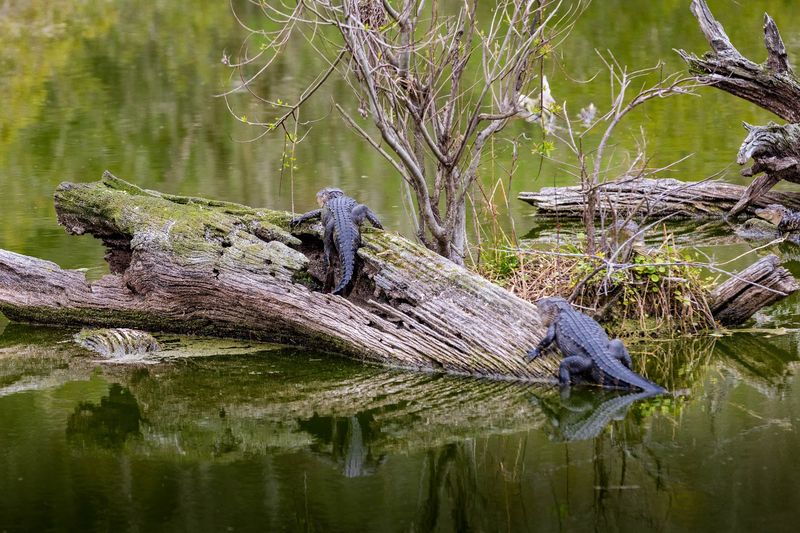
Photographers find endless inspiration at Harris Neck whether they’re professionals with expensive gear or hobbyists using smartphone cameras. The combination of accessible wildlife, beautiful landscapes, and good lighting conditions creates perfect shooting opportunities.
Colorful birds perch conveniently on branches while alligators pose motionlessly near pond edges looking absolutely prehistoric.
The refuge’s quiet atmosphere means wildlife acts naturally instead of fleeing from human activity. You can photograph herons stalking fish, wood storks feeding their young, or painted buntings singing from exposed perches.
The varied habitats provide diverse backdrops from golden marsh grasses to mirror-calm water reflections to dark forest shadows.
Early morning and golden hour before sunset offer the most flattering light for photography. Bring telephoto lenses for bird shots, wide angles for landscape scenes, and maybe a macro lens for butterflies and dragonflies.
The best photos often come from simply sitting quietly in one spot and letting wildlife approach naturally. Patience rewards photographers with authentic moments showing animals behaving exactly as nature intended without human interference.
More Than Wildlife: The Refuge’s Fascinating Human History
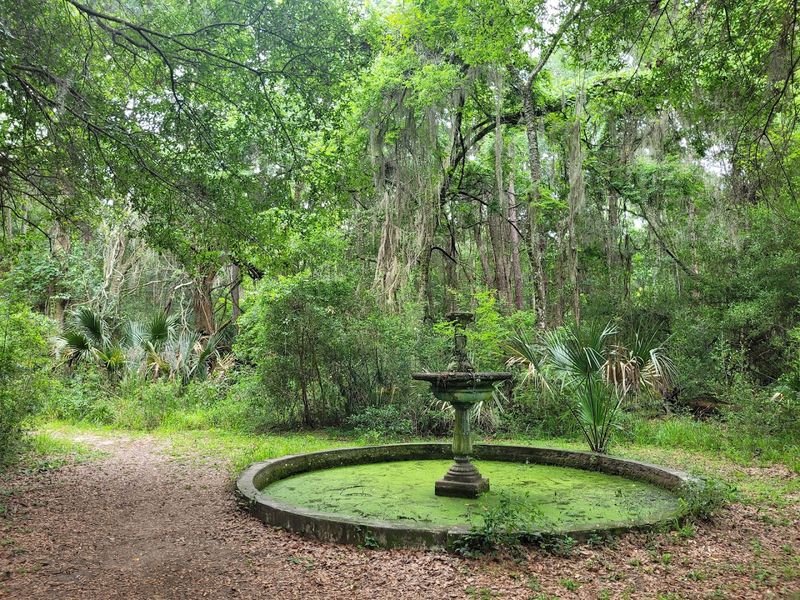
Harris Neck’s story includes far more than just wildlife conservation. Native Americans first inhabited this coastal area thousands of years ago, followed by agricultural development during plantation times.
The land’s most controversial chapter began during World War II when the government seized 2,687 acres from the Harris Neck community to build a military airfield.
Approximately seventy African American families lost their homes through eminent domain with promises they’d get their land back after the war. That promise was never kept.
Instead, the government transferred the property to the U.S. Fish and Wildlife Service in 1962, creating deep wounds that still affect descendants today.
The Historical Trail helps visitors understand this complicated past through interpretive signs marking significant locations. Walking this path reminds us that conservation sometimes carries complex human costs.
The former Harris Neck community continues advocating for land return or proper recognition, adding important social justice dimensions to what might otherwise seem like just another pretty nature preserve along Georgia’s coast.
A Coastal Landscape Where Marshes Meet Forests
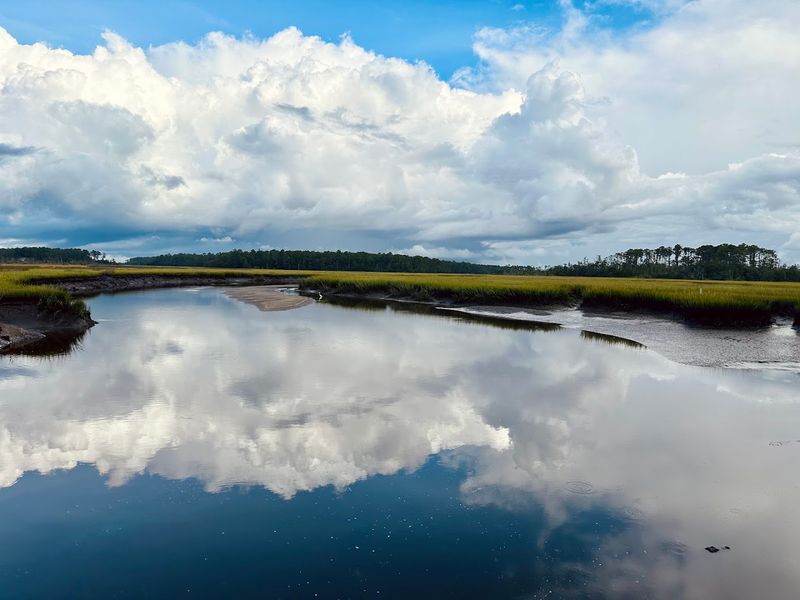
What makes Harris Neck so biologically rich is its incredible mix of ecosystems all packed into one relatively small area. Salt marshes influenced by coastal tides flow into freshwater ponds fed by rainfall.
Maritime scrub vegetation transitions into hardwood forests filled with oak and pine trees. Open fields provide edge habitat where different environments meet, creating particularly productive wildlife areas.
This habitat diversity explains why so many animal species thrive here. Saltwater creatures like fiddler crabs scuttle across marsh mud while freshwater turtles bask on pond logs just yards away.
Forest birds nest in tree canopies while marsh birds probe mudflats for invertebrates. Each ecosystem supports specialized plants and animals perfectly adapted to their particular conditions.
The refuge management team works hard maintaining this ecosystem variety through controlled burns, water level management, and invasive species removal. Their efforts ensure future generations will experience the same remarkable landscape diversity that makes Harris Neck feel like several different natural worlds merged into one extraordinary coastal sanctuary worth protecting forever.
Why Harris Neck Feels Like Georgia’s Best-Kept Nature Secret
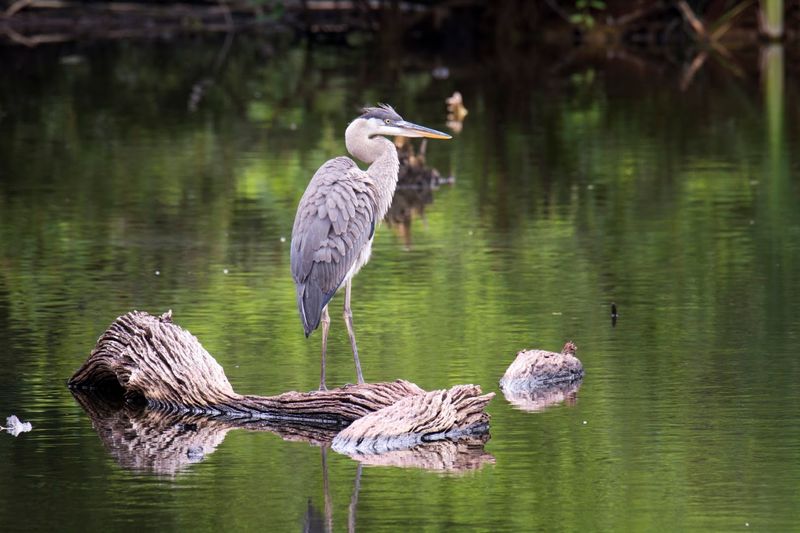
Unlike Georgia’s famous coastal destinations that overflow with tourists during peak seasons, Harris Neck remains blissfully uncrowded most days. You might encounter a handful of other nature lovers, but you’ll never fight crowds for parking or wait in lines for anything.
This peaceful solitude lets you connect with nature on a deeper level impossible at busier attractions.
The refuge offers genuine wilderness experiences just minutes from civilization. No restaurants, no souvenir shops, no tour buses, just you and nature spending quality time together.
This simplicity appeals to visitors tired of commercialized outdoor attractions where gift shops seem more important than actual wildlife.
Many Georgians don’t even know Harris Neck exists, which helps maintain its secret status. Those who discover it often become repeat visitors who return seasonally to watch wood storks nest or catch spring migration.
The lack of crowds means wildlife behaves naturally, photographers get unobstructed shots, and contemplative souls find the quiet reflection modern life rarely provides anywhere else along this increasingly developed coastline.
Visitor Info and Tips for Exploring Harris Neck National Wildlife Refuge
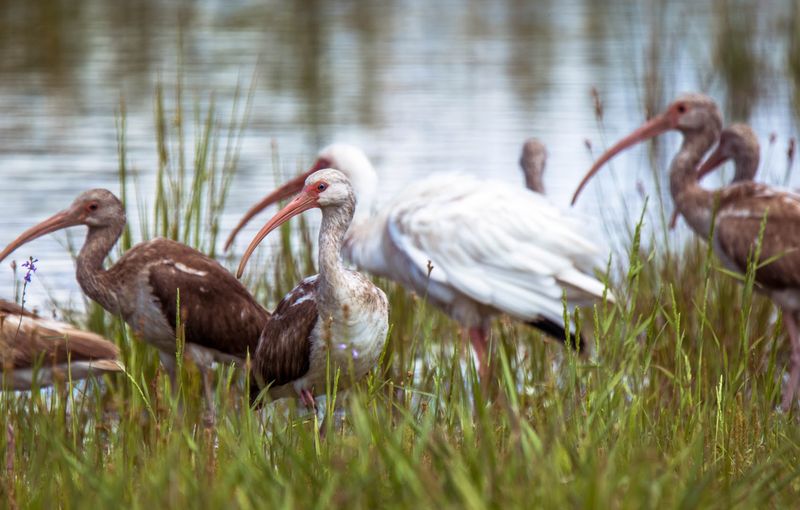
Harris Neck welcomes visitors daily from sunrise to sunset at 5000 Wildlife Drive, Townsend, GA 31331. Spring and early summer bring nesting season when wood storks and other wading birds put on their best shows.
Cooler months attract different migratory species making fall and winter equally rewarding for bird enthusiasts. Contact the refuge at 843-784-9911 with specific questions.
Parking is available at multiple locations throughout the refuge including trailheads and Wildlife Drive pull-offs. Pack binoculars for wildlife watching, cameras for capturing memories, insect repellent because mosquitoes love marshes, sunscreen for protection, plenty of water, and comfortable walking shoes.
The visitor contact station currently remains closed, so research before arriving.
Follow important etiquette rules to protect wildlife and your own safety. Stay on marked trails and inside designated driving areas.
Never approach, feed, or disturb animals no matter how tame they appear. Patience is your secret weapon because wildlife reveals itself when you slow down, watch quietly, and let nature unfold at its own pace rather than rushing through expecting instant Instagram moments.