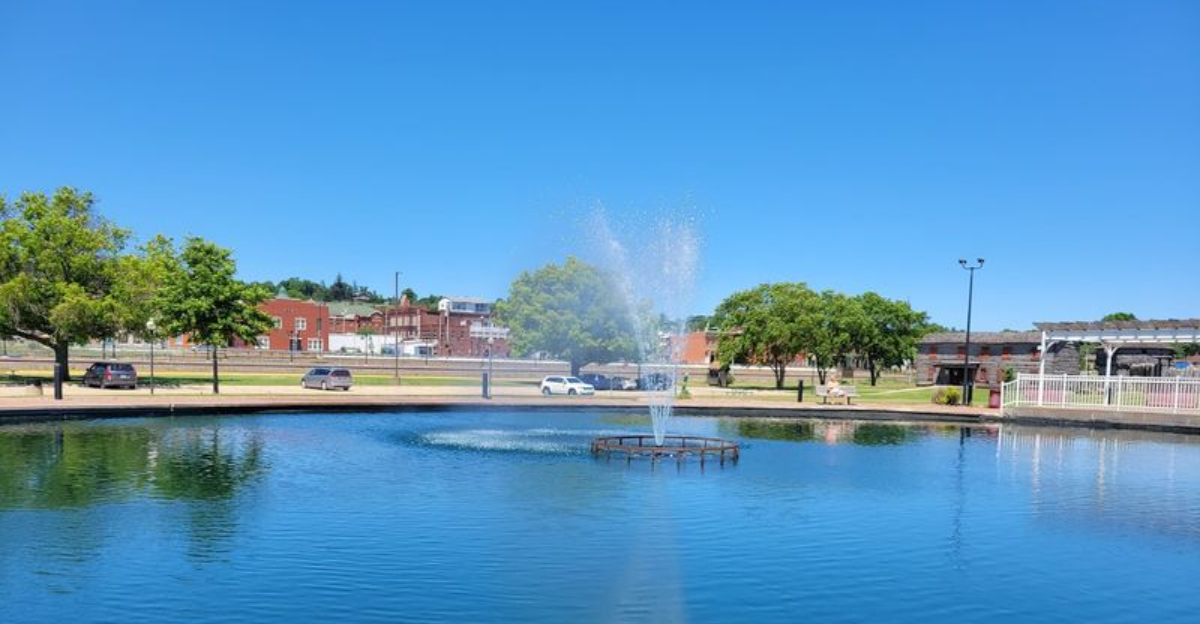
A road that follows a river doesn’t just take you somewhere—it pulls you into another time entirely.
That’s exactly what happens along the Great River Road through Illinois and Iowa, where the Mississippi River shapes everything in its path.
One stretch winds past towering bluffs and quiet farmland, the next drops you into small towns where brick streets, old mills, and riverfront docks still carry the memory of steamboats and trading days gone by.
Galena’s hills feel frozen in history, while places like Savanna, Fulton, and Bellevue sit quietly against the water, watching barges glide past like slow-moving giants.
There’s no rush here. Just antique shops, bluff-top views, and river air that seems to slow everything down on purpose.
Each stop feels like a different chapter of the same long story—one written by the Mississippi itself, and still unfolding with every bend in the road.
Galena, Illinois
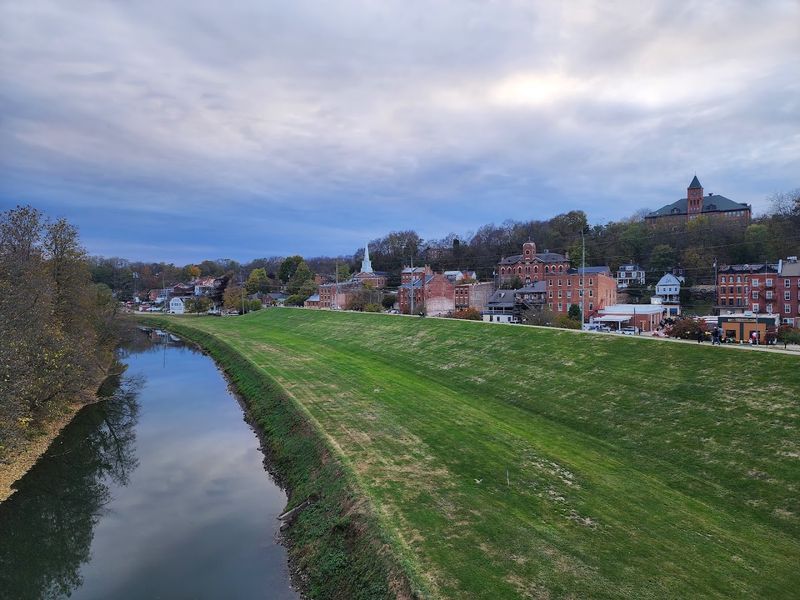
Step back in time on brick-lined streets where Civil War generals once walked and fortune-seekers struck it rich. Galena’s perfectly preserved Main Street looks much like it did in the 1850s, when lead mining made this northwestern Illinois town one of America’s wealthiest communities.
President Ulysses S. Grant’s home still stands here, drawing history enthusiasts from across the country.
The town sits nestled among rolling hills just minutes from the Mississippi River corridor, offering postcard-worthy views at every turn. Antique shops, art galleries, and cozy restaurants fill restored storefronts that have witnessed over 150 years of American history.
Boutique hotels occupy former mansions where wealthy merchants raised their families.
Beyond downtown charm, visitors explore nearby river bluffs and scenic overlooks that showcase why this area became such a strategic settlement. Local wineries dot the surrounding countryside, while seasonal festivals celebrate everything from vintage cars to holiday traditions.
The combination of natural beauty and architectural preservation makes Galena the crown jewel of Illinois’s Great River Road experience.
Savanna, Illinois
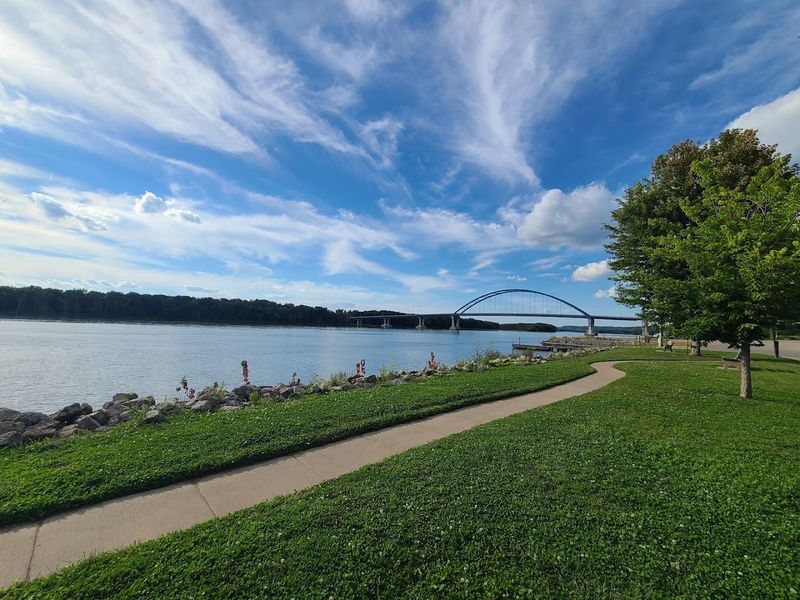
Railroad whistles once echoed constantly through this quiet riverside community where freight trains met Mississippi River barges. Savanna earned its place in transportation history as a crucial junction point, and that heritage remains visible in vintage depot architecture and railway memorabilia scattered throughout town.
Today, the pace has slowed, creating perfect conditions for those seeking peaceful river retreats.
Antique hunters treasure this stop, wandering through shops filled with discoveries from bygone eras. Main Street invites leisurely strolls past buildings that tell stories of riverboat captains and rail workers who built this community.
Local cafes serve homestyle meals where conversation flows as easily as the mighty Mississippi just blocks away.
Nature lovers find paradise nearby at the Upper Mississippi River National Wildlife and Fish Refuge, where eagles soar above pristine wetlands. The riverfront park offers front-row seats to spectacular sunsets painting the water in gold and crimson.
Fishing enthusiasts cast lines from scenic spots where the river’s timeless rhythm continues unchanged, making Savanna feel like a secret hideaway where modern stress simply melts away.
Fulton, Illinois
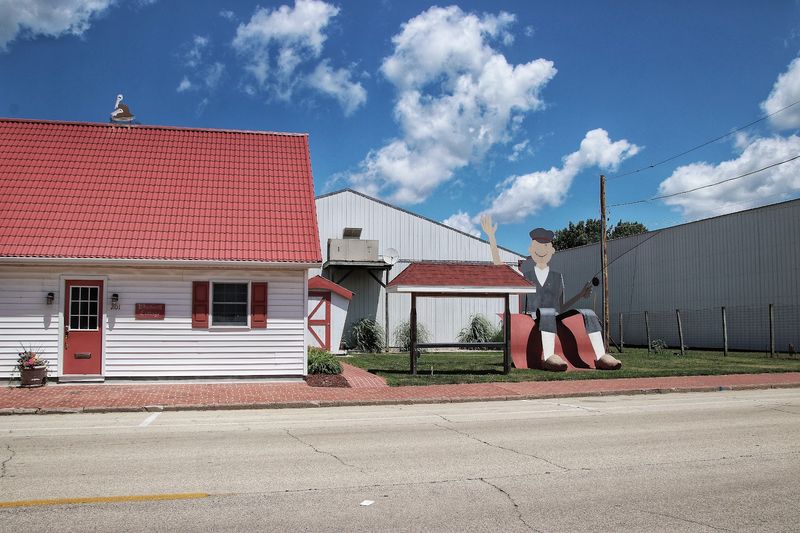
An authentic windmill rises unexpectedly from the Illinois prairie, greeting travelers with a taste of the Netherlands along the Mississippi. The De Immigrant Windmill stands as America’s only working Dutch windmill crafted by authentic Dutch artisans using traditional methods.
This remarkable landmark tells the story of Dutch immigrants who brought their heritage to the Heartland, creating a unique cultural blend.
The levee park stretches along the riverfront, providing peaceful spots for picnics while watching barges navigate the powerful current. Tulip festivals transform the town each spring into a riot of color that would make Amsterdam proud.
Dutch architectural details peek from building facades, reminding visitors that some communities maintain strong connections to their founding cultures.
Small-town hospitality shines through at local eateries serving both Midwestern comfort food and Dutch-inspired treats. The calm riverfront atmosphere invites leisurely afternoons watching the Mississippi flow past on its ancient journey.
History museums preserve stories of river commerce and immigrant determination.
Fulton proves that even tiny towns can offer big surprises, blending European traditions with American river life in ways found nowhere else along this legendary route.
Clinton, Iowa
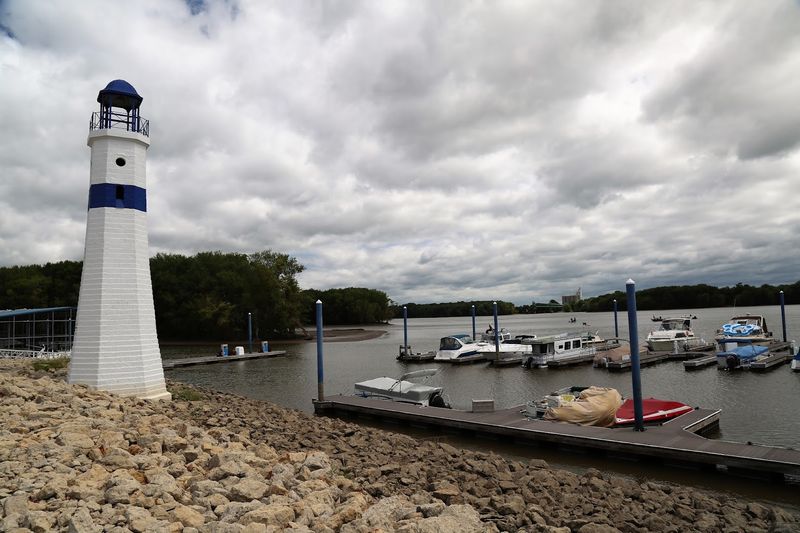
Bridges tell stories, and the steel span connecting Clinton to Illinois speaks volumes about Midwestern determination and river commerce. This classic Mississippi River city built its reputation on lumber mills that turned forests into fortunes during America’s expansion era.
Downtown streets showcase architectural gems from that prosperous period, when riverboat traffic kept warehouses bustling and businesses thriving.
Baseball fans still reminisce about the Clinton LumberKings, whose legacy lives on in local pride and vintage memorabilia. The team’s colorful history adds character to a community that embraces its sporting heritage.
Riverfront developments have transformed old industrial zones into modern gathering spaces where families enjoy evening walks and seasonal events.
The Mississippi stretches wide here, creating dramatic views from multiple vantage points throughout town. Historic districts reveal how river commerce shaped community growth, with buildings that once housed ship chandlers and freight offices now serving new purposes.
Parks along the water provide peaceful respites where the river’s endless motion reminds visitors why these towns developed along its banks.
Clinton balances preservation with progress, honoring its past while building a future that keeps residents rooted in this riverside community.
LeClaire, Iowa
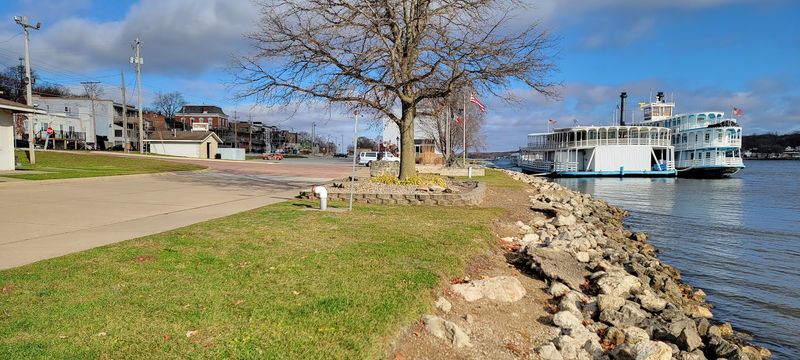
Buffalo Bill Cody was born here when the Mississippi still roamed wild and steamboats ruled American commerce. LeClaire honors its famous son while celebrating the river culture that made frontier legends possible.
The antique district draws collectors like a magnet, with shop after shop offering treasures salvaged from America’s attic.
Walking the riverwalk becomes a journey through maritime history, where interpretive signs explain how river navigation evolved from dangerous guesswork to scientific precision. Museums showcase artifacts from the golden age of steamboats, when captains navigated treacherous waters guided by skill and courage.
The town embraces its colorful past without becoming a theme park, maintaining authentic small-town character that feels genuine.
Restaurants with river views serve fresh catches and regional specialties while diners watch modern towboats push massive barge trains upstream. Festivals throughout the year celebrate everything from river heritage to local crafts.
Visitors discover that LeClaire isn’t just preserving history but living it, as river commerce continues shaping daily life.
The combination of accessible waterfront, vibrant shopping, and fascinating historical connections makes this stop essential for anyone truly exploring Great River Road culture and the Mississippi’s enduring influence on American communities.
Princeton, Iowa
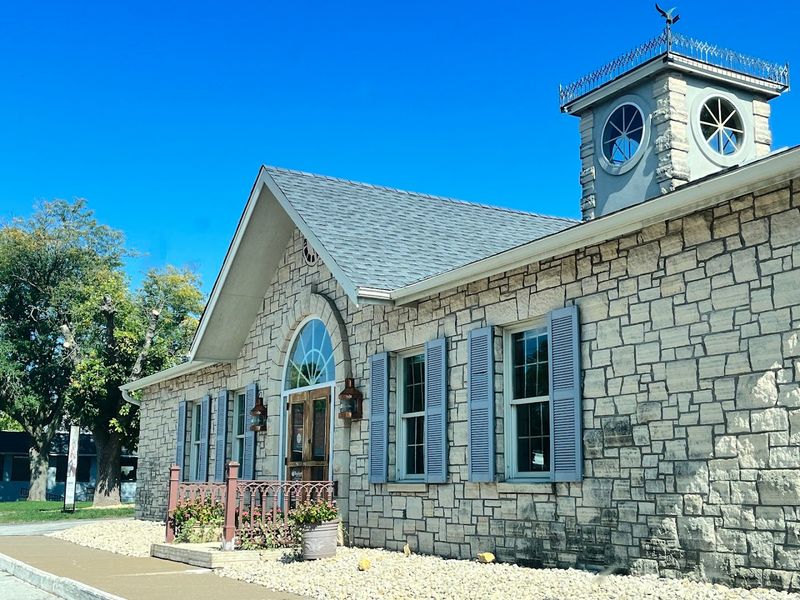
Sometimes the best discoveries hide in the smallest packages. Princeton might barely register on most maps, but travelers seeking tranquility find something precious here—authentic peace.
River bluffs rise dramatically from the floodplain, creating natural amphitheaters where eagles nest and wildflowers carpet spring hillsides.
No commercial distractions interrupt the scenery. No chain restaurants or tourist traps compete for attention.
Instead, this tiny community offers pure river road experience where nature takes center stage. Hiking trails wind through wooded bluffs, revealing Mississippi overlooks that photographers dream about.
Farmland stretches between town and river, maintaining the agricultural character that defines much of Iowa’s identity.
Local residents wave from porches, embodying small-town friendliness that restores faith in neighborly values. The Great River Road passes through quietly, giving travelers brief glimpses into communities that urbanization forgot.
Princeton serves as a reminder that not every destination needs attractions or amenities—sometimes the attraction is simply escaping everything else. Bird watchers bring binoculars.
Artists bring sketchbooks. Everyone leaves feeling refreshed by landscapes unmarred by development, where the Mississippi flows through scenery that hasn’t changed in generations.
That timeless quality makes Princeton unexpectedly memorable despite its diminutive size.
Muscatine, Iowa
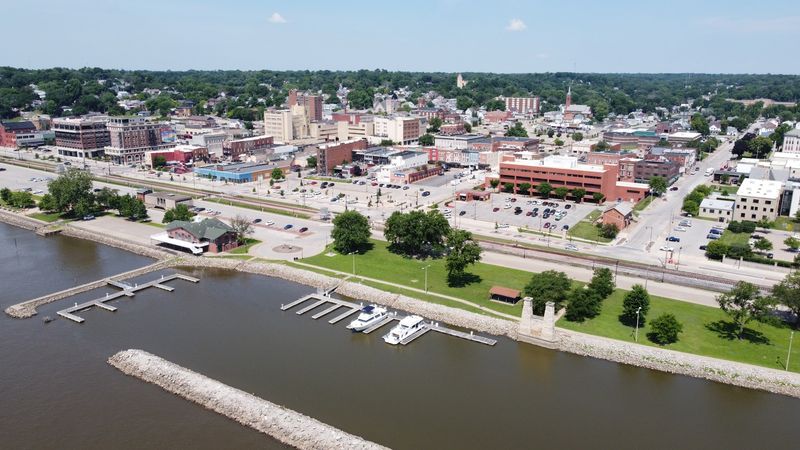
Pearl buttons once made this town famous worldwide, transforming river mussels into fashion essentials that fastened millions of garments. Muscatine dominated the pearl button industry for decades, creating unexpected wealth from Mississippi’s muddy bottom.
That quirky history gives the town bragging rights few communities can match—they literally shaped how America dressed.
Artist Grant Wood found inspiration here, capturing river landscapes in works that defined American regionalism. The same scenic beauty that moved him still captivates visitors exploring the charming downtown and rolling riverfront.
Historic buildings reflect prosperity from button-making days, when factories hummed and fortunes grew from unlikely sources.
The Mississippi curves gracefully past town, creating beautiful vistas that change with seasons and light. Parks along the water invite contemplation of how geography shapes destiny—without the river’s mussel beds, Muscatine’s story would have unfolded differently.
Local museums preserve button-making equipment and stories of immigrant workers who found opportunity in unlikely industries. Today’s Muscatine balances that unique heritage with modern life, maintaining small-town warmth while remembering when their product fastened shirts from New York to San Francisco.
The Pearl Button Capital proves that even specialized industries leave lasting legacies worth celebrating and preserving.
Burlington, Iowa
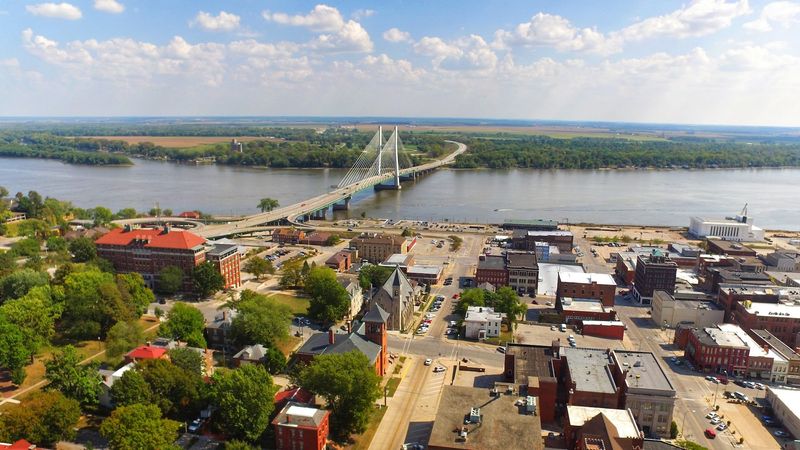
Snake Alley zigzags impossibly up the bluff, earning recognition as one of America’s most crooked streets. This remarkable brick-paved wonder curves through five half-circles and two quarter-circles over just 275 feet, challenging both drivers and cyclists.
Built in 1894, it represents creative engineering solutions to challenging terrain—and provides endless photo opportunities for delighted visitors.
Beyond quirky streets, Burlington impresses with genuine river town character. The downtown historic district showcases magnificent 19th-century architecture climbing hillsides that offer commanding Mississippi views.
Preservation efforts have maintained the community’s visual heritage without creating artificial museum-town atmosphere. Real businesses serve real residents, though tourism increasingly recognizes Burlington’s appeal.
The riverfront has transformed from industrial zone to recreational destination, with parks, trails, and event spaces replacing warehouses and docks. Festivals draw crowds throughout warmer months, celebrating everything from steamboat history to contemporary arts.
Bluff-top neighborhoods provide stunning overlooks where the river’s power and beauty become visceral. Burlington successfully balances preservation with progress, maintaining historic character while building modern amenities.
Snake Alley might draw initial attention, but the town’s overall charm, architectural richness, and dramatic setting keep visitors exploring longer than planned, discovering why this river community thrived for generations.
Fort Madison, Iowa
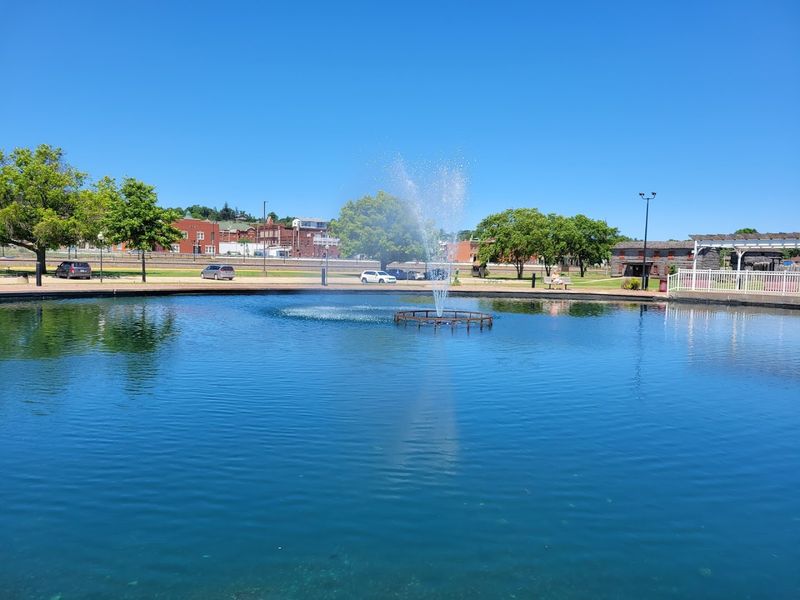
Military history echoes through streets where soldiers once guarded America’s western frontier. The reconstructed fort stands sentinel over the Mississippi, reminding visitors that these peaceful riverside towns once marked the edge of known territory.
During the War of 1812, Fort Madison represented United States presence in contested lands where Native American, British, and American interests collided. That dramatic past adds depth to what might otherwise seem just another river town.
Railroads became Fort Madison’s second defining industry, with tracks and trains still prominent in daily life. The town embraces that dual heritage—military and railroad—creating museums and monuments that educate visitors about both chapters.
The riverfront blends industrial reality with recreational spaces, acknowledging that working rivers serve multiple purposes beyond scenic backdrops.
Historic architecture reflects periods of growth and prosperity, particularly buildings from railroad boom times. The Mississippi flows broad and powerful here, reminding observers why strategic military positions mattered along its banks.
Modern Fort Madison balances heritage preservation with contemporary needs, maintaining character without becoming trapped in nostalgia.
Visitors gain appreciation for how frontier communities evolved, adapting to changing times while honoring founding purposes and the generations who built enduring settlements along this legendary river.
Keokuk, Iowa
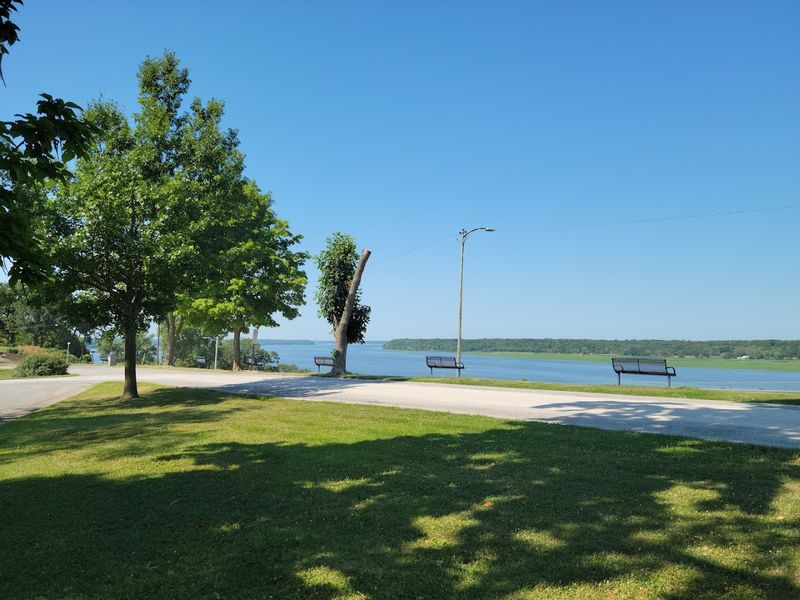
Two mighty rivers converge here in a dramatic meeting of waters that shaped regional history. Keokuk occupies Iowa’s southeastern tip where the Des Moines River surrenders to the Mississippi, creating a strategic location that attracted settlement, commerce, and eventually impressive engineering.
The hydroelectric dam across the Mississippi stands as testament to human ambition taming natural power for productive purposes.
Civil War history runs deep through Keokuk’s streets and cemeteries, where thousands of Union soldiers received medical care in hospitals that filled homes and public buildings. The National Cemetery preserves memories of those who never returned home, making Keokuk an important Civil War heritage site often overlooked by casual tourists.
Museums document both military history and river commerce that defined the community.
Watching the dam’s controlled release of Mississippi waters demonstrates engineering mastery over nature’s force. The river’s power becomes tangible, as does human ingenuity that harnessed that power for electricity generation.
Parks and overlooks provide viewing platforms where the confluence creates mesmerizing water patterns.
Keokuk rewards those who stop to explore rather than merely passing through, revealing layers of history and geographic significance that make this southern Iowa community far more interesting than its modest size suggests.
Nauvoo, Illinois
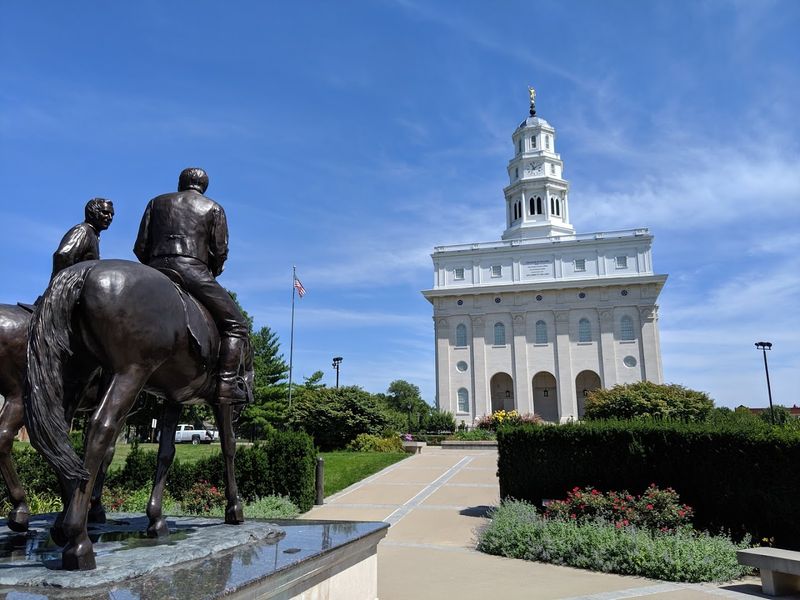
History lives and breathes along this broad bend of the Mississippi where an entire community rose, flourished, and transformed. Nauvoo’s 1840s restoration village recreates life when Mormon settlers built a thriving city that briefly rivaled Chicago in population.
The preserved buildings, costumed interpreters, and working craft shops transport visitors to frontier Illinois with remarkable authenticity. This isn’t Disney-fied history but serious preservation of a significant American story.
The town’s setting amplifies its appeal—sweeping river views frame historic buildings against natural beauty that inspired settlers to choose this location. Cultural heritage sites document not just Mormon history but also later German immigrants who rebuilt after earlier residents departed.
That layered history creates fascinating complexity, showing how communities evolve through different populations maintaining shared spaces.
Walking unpaved streets past historic homes and workshops feels like time travel without gimmicks. Gardens grow heritage plants.
Craftspeople demonstrate period trades. The Mississippi flows past much as it did when Nauvoo represented western civilization’s edge.
Modern Nauvoo respects its dual heritage, honoring both Mormon pioneers and German settlers who each left indelible marks.
This Illinois gem concludes Great River Road exploration with profound reminders that small towns contain outsized stories worth preserving and sharing.
Bellevue, Iowa
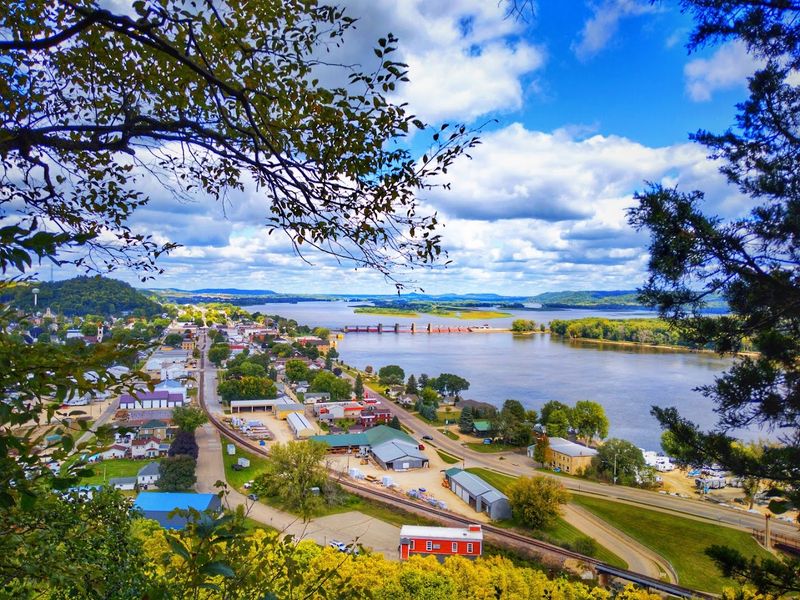
Tucked between steep limestone bluffs and the wide flow of the Mississippi River, Bellevue, Iowa is one of the most scenic small-town stops along the Great River Road. This quiet river community in Jackson County feels shaped entirely by its setting—where forested hills rise sharply behind a historic downtown and the river stretches out just beyond the main street.
Bellevue’s charm lies in its balance of natural beauty and understated history. The town’s riverfront area offers peaceful views of barges passing by, while nearby Bellevue State Park provides some of the best overlooks in eastern Iowa.
From the park’s trails and butterfly gardens, visitors can see sweeping panoramas of the Mississippi Valley that change dramatically with the seasons.
Downtown Bellevue is small but welcoming, with local shops, cafes, and historic buildings that reflect its 19th-century river town roots. It’s the kind of place where the pace slows down naturally—making it a favorite for travelers seeking a quieter, more authentic stretch of the Great River Road.