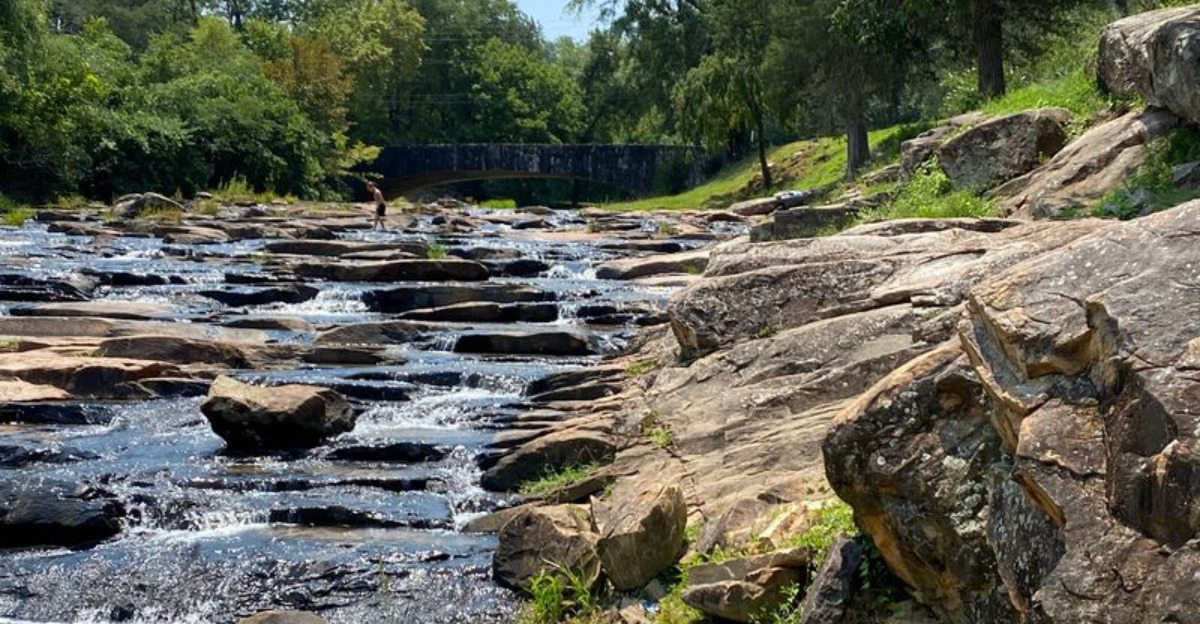
Ordinary weekends are overrated when Georgia is packed with places that feel like a whole new world.
One road trip can lead you to towering waterfalls, ancient forests, colorful canyons, or quiet beaches where time seems to slow down. You never have to cross state lines to find a story worth telling when the weekend is over.
Some adventures come with mountain views and scenic trails.
Others hide behind winding backroads, waiting with wildlife, historic treasures, or unforgettable views that make you stop in your tracks.
Every destination brings its own reason to stay a little longer.
If you’re ready to trade familiar plans for something fresh, these 14 Georgia attractions deliver the perfect excuse to hit the road.
Pack the snacks, charge your camera, and get ready to turn an ordinary weekend into one you’ll be talking about long after you get home.
Cloudland Canyon State Park – Rising Fawn
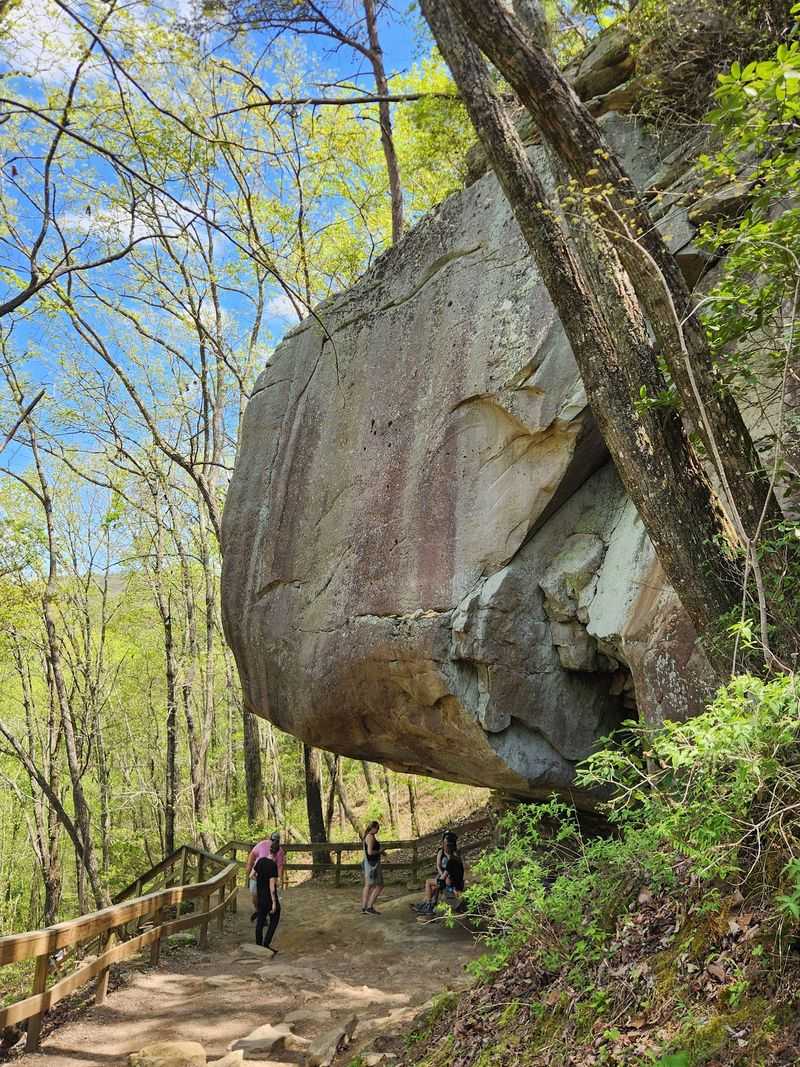
Perched on the edge of Lookout Mountain, this canyon delivers scenery that rivals destinations out west. Visitors find themselves surrounded by towering cliffs, rushing waterfalls, and trails that wind through ancient rock formations.
The experience feels much bigger than a simple day trip.
Two stunning waterfalls await hikers willing to tackle the steep staircase descent into the gorge. Cherokee and Hemlock Falls reward the effort with misty spray and photo opportunities that fill up memory cards quickly.
Backcountry campsites and cozy cabins provide options for extending the adventure overnight.
Photographers love the dramatic overlooks, especially during sunrise when fog fills the canyon floor. Rock climbers test their skills on permitted routes, while families stick to well-marked rim trails offering breathtaking views without technical challenges.
The park transforms each season, with wildflowers in spring, lush greenery in summer, and brilliant fall colors painting the landscape in October.
Tallulah Gorge State Park – Tallulah Falls
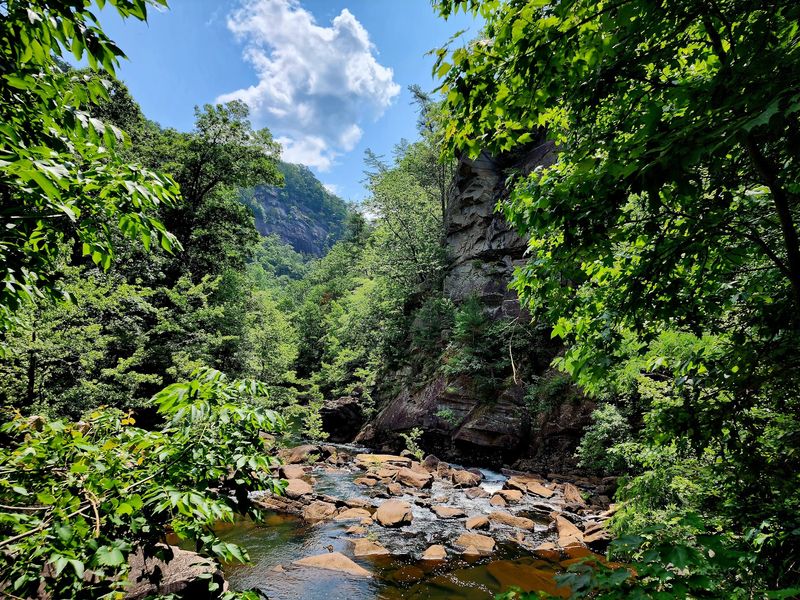
Standing at the rim lookout, you realize this gorge plunges nearly 1,000 feet below your feet. The sheer scale surprises first-time visitors who expected something less dramatic from a Georgia state park.
Six major waterfalls tumble through the two-mile canyon, creating constant white noise that drowns out everyday worries.
A swaying suspension bridge offers the park’s most thrilling experience. Crossing high above the rocky river gives even confident hikers a flutter of excitement.
Limited permits allow adventurous souls to descend to the gorge floor, where boulder-hopping and wading through pools creates an expedition-style experience.
Rim trails provide gentler options with overlook after overlook revealing different perspectives of this natural wonder. Local legend speaks of tightrope walker Karl Wallenda crossing the gorge in 1970, adding human drama to geological grandeur.
Spring runoff swells the waterfalls to maximum power, while summer reveals swimming holes below.
Amicalola Falls State Park – Dawsonville
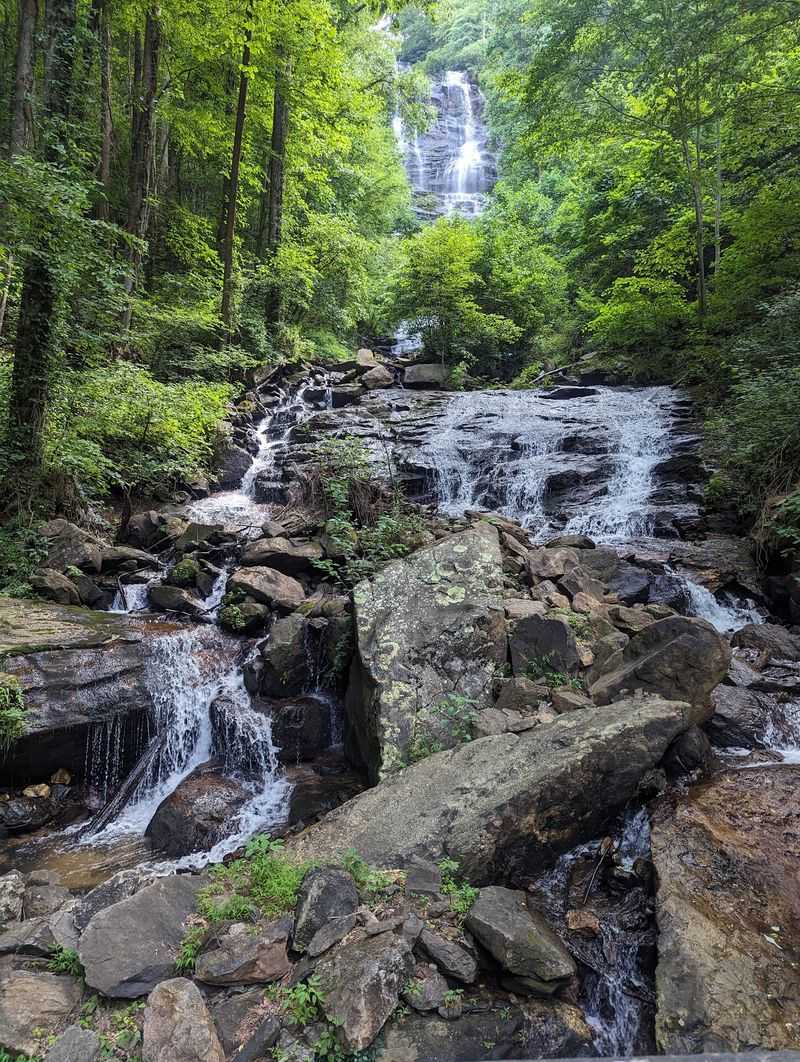
Georgia’s tallest waterfall commands attention from the moment it comes into view. Water drops 729 feet in dramatic cascades, creating a thunderous sound that echoes through the mountain hollow.
The Cherokee name means “tumbling waters,” and watching the falls makes the translation feel perfectly chosen.
Reaching the top requires climbing over 600 stairs, but multiple viewing platforms let visitors catch their breath while absorbing the scenery. A paved approach trail offers wheelchair access to lower viewpoints.
The park lodge sits high on the ridge, serving meals with panoramic mountain views that stretch for miles.
Serious hikers use Amicalola as the southern terminus approach to the Appalachian Trail. Weekend warriors prefer shorter loop trails through rhododendron tunnels and hardwood forests.
Cabins scattered through the property give families base camps for multi-day exploration. Fall brings leaf-peepers by the hundreds, while winter occasionally decorates the falls with ice formations that glisten in afternoon sunlight.
Providence Canyon State Park – Lumpkin
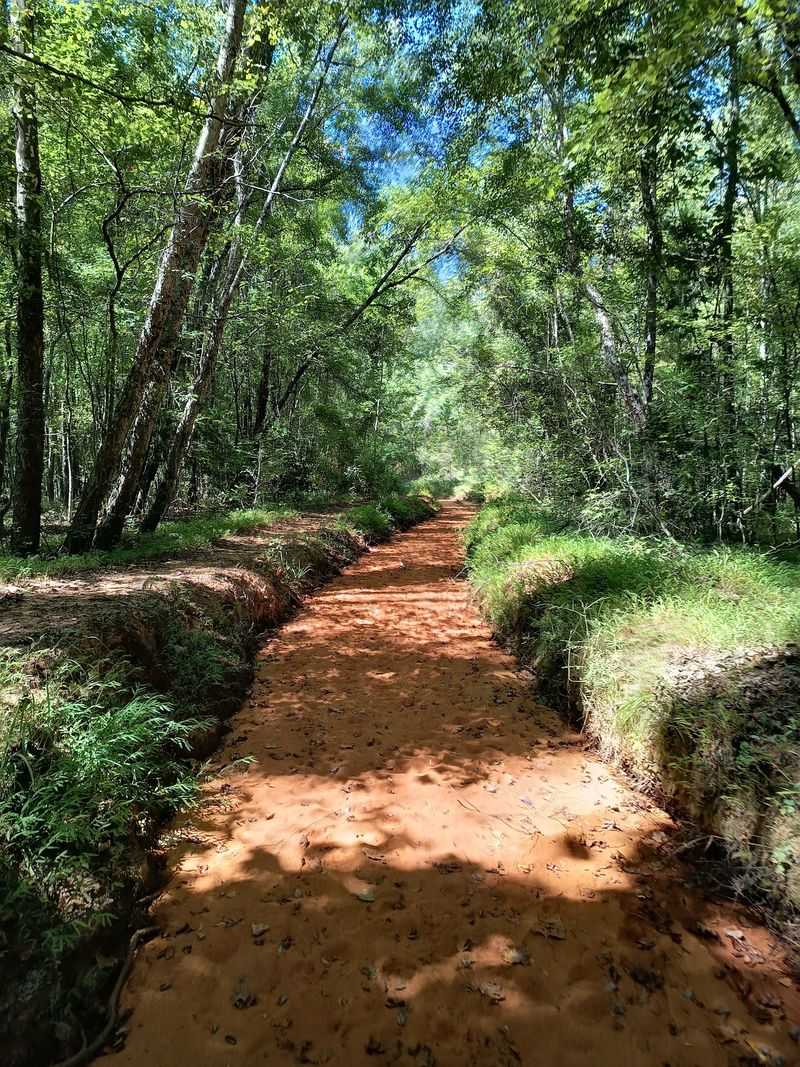
Mother Nature got help from poor farming practices creating this geological wonder. Erosion carved deep gullies into soft soil, exposing brilliant layers of pink, orange, purple, and white sediment.
The result looks transplanted from Arizona rather than southwest Georgia.
Sixteen canyons cut through the landscape, some reaching depths of 150 feet. Walking the canyon floor feels like exploring an alien planet, with towering walls casting cool shadows even on hot afternoons.
The colors shift throughout the day as sunlight angles change, giving photographers reason to visit multiple times.
A rim trail circles the main canyons, offering bird’s-eye views perfect for first-timers. Adventurous visitors descend into the ravines themselves, discovering tiny waterfalls, fossils, and unique plant species thriving in the microclimate.
Summer storms can quickly flood the canyon floor, so checking weather becomes essential. The seven-mile backcountry trail leads to even more remote formations where solitude comes easily.
Rare plumleaf azaleas bloom here in summer, found in only a few locations worldwide.
Okefenokee National Wildlife Refuge – Folkston
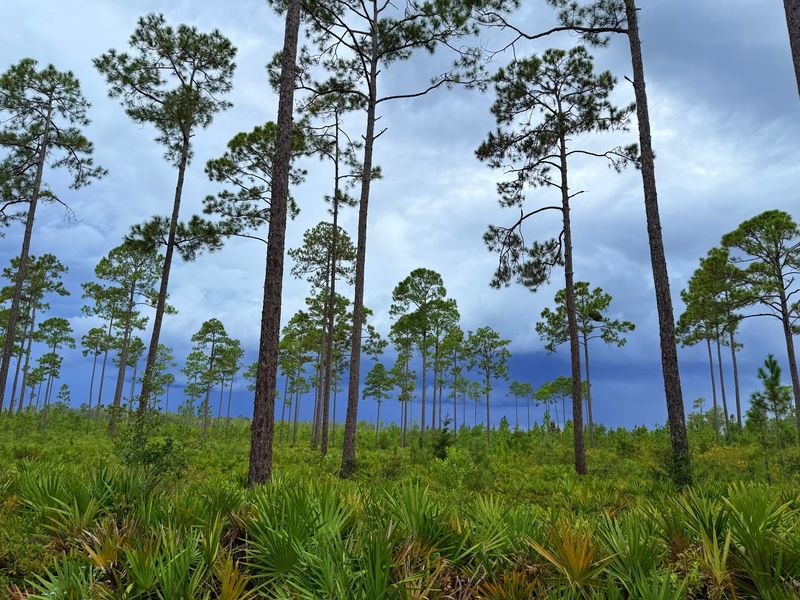
Few places in Georgia feel as otherworldly as this vast swamp wilderness. Blackwater channels wind through cypress forests where Spanish moss hangs like ghostly curtains.
Alligators sun themselves on logs while herons stalk fish in shallow water, creating scenes straight from prehistoric times.
Boardwalk trails let visitors explore safely above the water, passing carnivorous pitcher plants and massive cypress knees. Boat tours and kayak rentals provide access deeper into the 438,000-acre refuge.
Paddlers navigate marked water trails, camping on wooden platforms suspended above the swamp.
Wildlife viewing reaches peak conditions during cooler months when mosquitoes retreat and animals become more active. Sunrise reveals the swamp at its most magical, with mist rising from dark waters and bird calls echoing through the forest.
The Suwannee River begins its journey here, eventually reaching the Gulf of Mexico. Guides share Seminole history and swamp ecology, explaining how fire maintains this unique ecosystem.
Photography opportunities abound, though waterproof protection becomes necessary for equipment.
Cumberland Island National Seashore – St. Marys
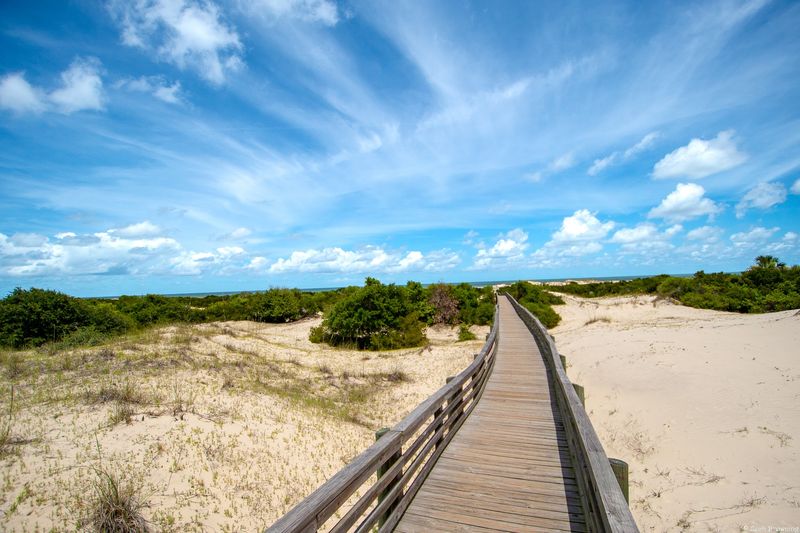
Reaching this barrier island requires a ferry ride, immediately signaling you’re leaving the ordinary world behind. Wild horses roam freely across beaches and through maritime forests, descendants of animals left centuries ago.
Their presence adds romance to an already stunning landscape.
Eighteen miles of undeveloped beach stretch along the Atlantic coast. Shells accumulate in impressive drifts, and dolphin sightings happen regularly just offshore.
The ruins of Dungeness, a Carnegie family mansion, stand as mysterious evidence of the island’s gilded age past.
Only 300 visitors can access the island daily, preserving its wild character. No cars exist here, so exploration happens on foot or bicycle.
Backcountry camping puts adventurers to sleep under star-filled skies with ocean waves as soundtrack. Day-trippers pack picnics and spend hours wandering beaches collecting shells and watching for loggerhead turtle nests.
Spring and fall offer ideal weather, while summer brings heat and biting insects. The island’s isolation makes every visit feel like discovering a secret.
Jekyll Island – Golden Isles
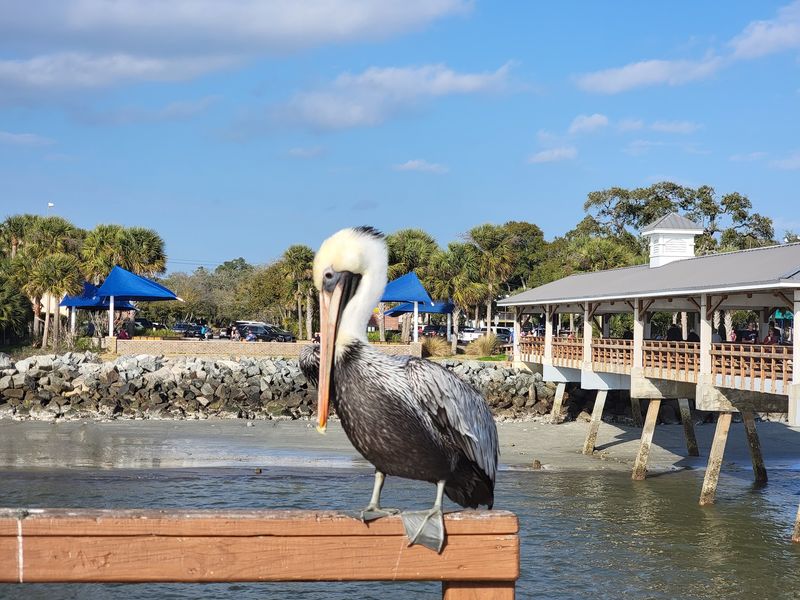
This barrier island somehow balances development with preservation, creating a relaxed coastal retreat. Bike paths crisscross the entire island, making car-free exploration easy and enjoyable.
Families pedal from beach to historic district to wildlife areas, stopping wherever interest strikes.
Driftwood Beach presents one of Georgia’s most photogenic landscapes. Bleached tree skeletons create natural sculptures against sand and sea, especially stunning during golden hour.
The historic district preserves massive cottages where America’s wealthiest families once vacationed, offering glimpses into Gilded Age excess.
Beach access remains abundant and uncrowded compared to more developed coastal destinations. The Georgia Sea Turtle Center rehabilitates injured turtles, providing educational programs that fascinate kids and adults alike.
Nature trails wind through maritime forest and salt marshes teeming with birds and small wildlife. Restaurants range from casual seafood shacks to upscale dining rooms.
Summer obviously draws biggest crowds, but shoulder seasons deliver pleasant weather without the masses. The island maintains a refreshingly unhurried pace that encourages genuine relaxation.
Helen & Unicoi State Park – Helen
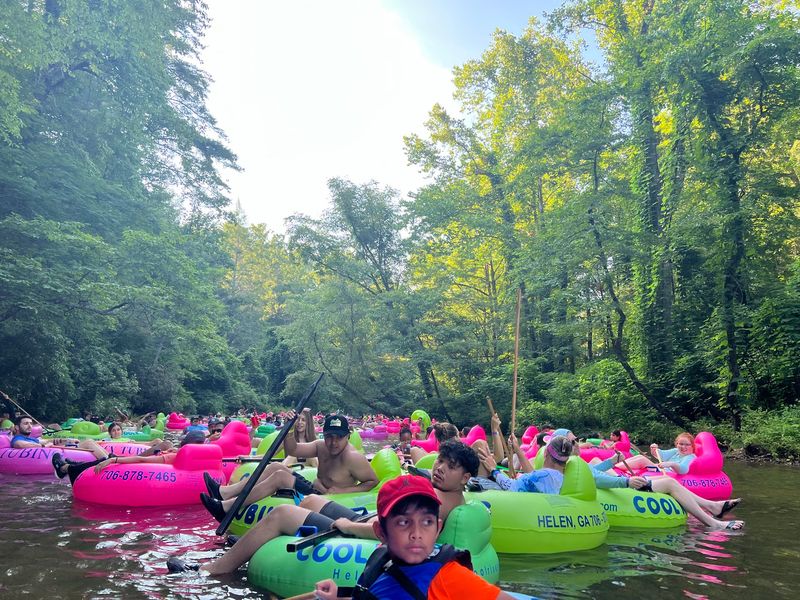
Alpine architecture in the north Georgia mountains creates a surreal but charming experience. Helen transformed itself into a Bavarian village decades ago, complete with cobblestone alleys, beer gardens, and shops selling cuckoo clocks.
The gimmick works surprisingly well, attracting visitors year-round to this mountain town.
Just minutes away, Unicoi State Park offers genuine outdoor adventure. Anna Ruby Falls tumbles down in twin cascades, reached via a paved trail perfect for all fitness levels.
The park lake invites paddling and fishing, while mountain trails challenge hikers seeking elevation and views.
Tubing down the Chattahoochee River through town provides summer fun, with outfitters handling all logistics. October brings Oktoberfest celebrations that rival anything outside Munich, filling hotels for miles around.
Winter sometimes dusts the Bavarian buildings with snow, creating postcard scenes. Local wineries dot the surrounding countryside, offering tastings with mountain backdrops.
The combination of quirky theme and legitimate natural beauty gives Helen unusual appeal. Weekends get crowded, so midweek visits promise easier exploration and parking.
Arabia Mountain National Heritage Area – Stonecrest
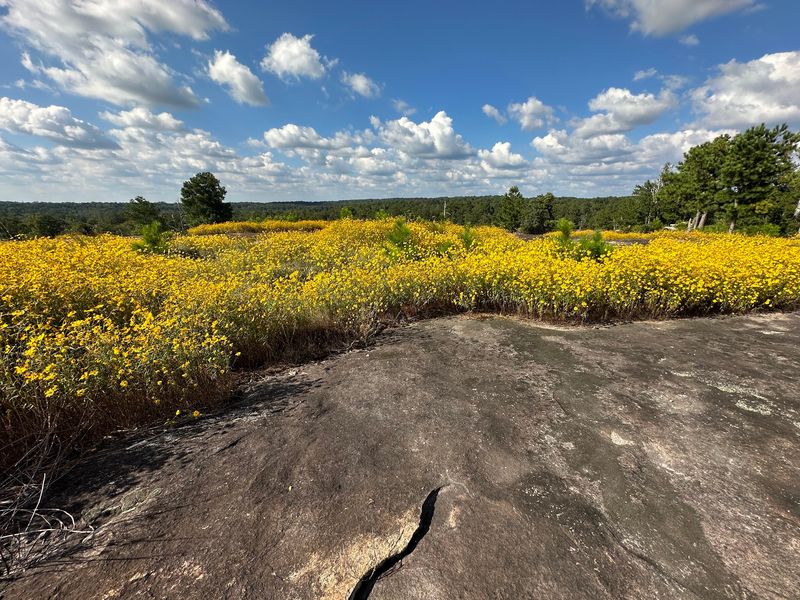
Who knew metro Atlanta hid such unusual wilderness? Massive granite outcrops rise from the landscape, their surfaces painted with colorful lichens and dotted with shallow pools.
The ecosystem differs completely from typical Georgia forests, supporting rare plants found nowhere else in the state.
Miles of trails connect the granite monadnocks, passing through pine forests, wetlands, and historic sites. Mountain bikers love the variety, while runners appreciate the relatively flat terrain with occasional rocky challenges.
The PATH Foundation trail system makes access easy from surrounding suburbs.
Spring transforms the granite into gardens when tiny flowers bloom in shallow depressions. These vernal pools support fairy shrimp and other creatures adapted to ephemeral water sources.
Historic ruins of old quarries and farmsteads add human history to natural wonders. Bird watchers tally impressive species lists, especially during migration seasons.
The proximity to Atlanta means you can explore genuine wilderness before lunch and still catch an afternoon Braves game. Davidson-Arabia Mountain Nature Preserve anchors the area, protecting this geological oddity for future generations.
Fort Mountain State Park – Chatsworth
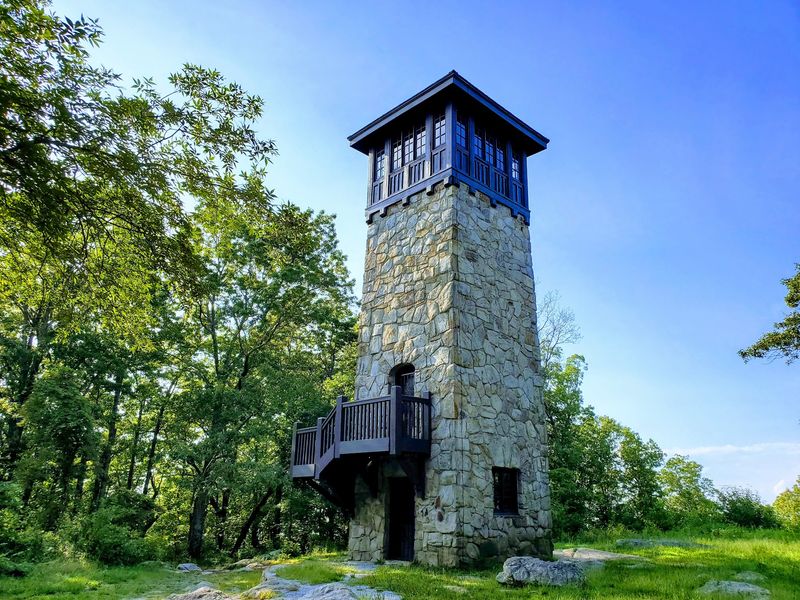
Mystery cloaks this mountain park, centered on an ancient stone wall snaking along the ridgeline. Nobody knows for certain who built it or why, with theories ranging from Native American fortifications to moon-worshiping cults.
Walking beside the 855-foot structure sparks imagination about Georgia’s distant past.
Beyond the archaeological puzzle, Fort Mountain delivers solid recreational opportunities. A 17-mile trail system ranges from easy lakeside strolls to challenging ridge hikes with sweeping views.
The fire tower climb rewards those willing to tackle the stairs with 360-degree panoramas stretching to three states.
A peaceful mountain lake offers swimming, fishing, and paddle boat rentals during warmer months. Cabins scattered through the woods provide cozy bases for extended stays.
Fall color peaks in mid-October, painting the mountainsides in brilliant reds and golds. The park’s elevation keeps temperatures cooler than lower Georgia, making summer visits especially pleasant.
Evening programs at the amphitheater share park history and natural science. Mountain bikers tackle designated trails, while equestrians explore separate horse paths through the backcountry.
Indian Springs State Park – Flovilla
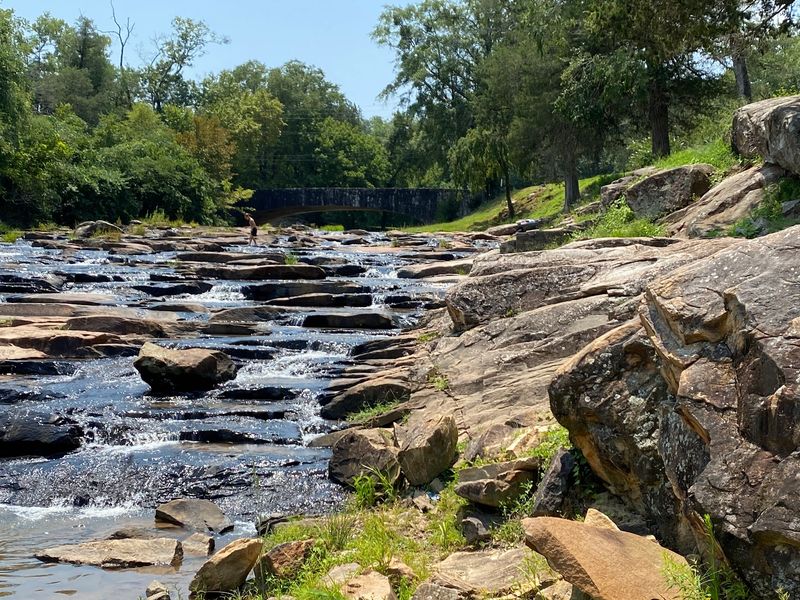
America’s oldest state park holds stories stretching back millennia. Creek Indians considered the spring sacred, believing its mineral waters held healing powers.
Visitors still taste the sulfur-tinged water flowing from the same source that drew people for thousands of years.
The park maintains a quieter, more contemplative atmosphere than busier Georgia destinations. Walking trails circle the lake and wind through hardwood forests where songbirds provide the soundtrack.
Fishing from the pier or shoreline produces bass and bream for patient anglers.
Stone and timber structures built by the Civilian Conservation Corps in the 1930s add architectural interest and historical significance. Picnic areas scattered throughout offer shaded spots for family gatherings.
The park museum explains both natural and cultural history, from geological formation to Native American heritage to resort-era tourism. Swimming isn’t allowed in the spring itself, but the lake beach opens seasonally.
Cabins and campsites accommodate overnight guests seeking an unhurried weekend away from metropolitan chaos. The peaceful setting attracts visitors wanting relaxation over adrenaline, though trails provide moderate exercise for those seeking it.
Macon’s Ocmulgee Mounds National Historical Park – Macon
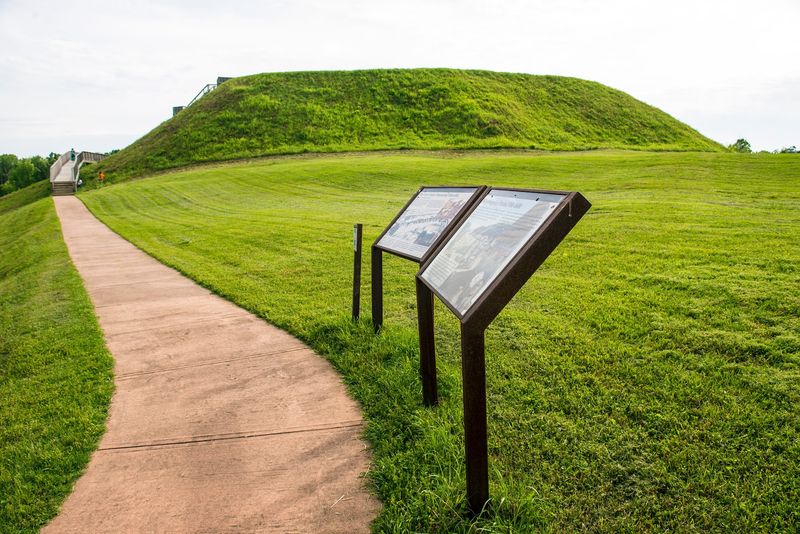
Massive earthworks rise from the Macon landscape, built by Indigenous peoples over a thousand years ago. The Great Temple Mound towers 55 feet high, its flat top once supporting important ceremonial structures.
Standing atop it connects visitors to cultures that thrived here long before European contact.
The Earth Lodge represents archaeology at its finest. Visitors enter an excavated and reconstructed ceremonial chamber, sitting where council members gathered centuries ago.
Clay eagle effigies still guard the space, creating a powerful sense of stepping backward through time.
Seven miles of trails wind through the 702-acre park, passing burial mounds, village sites, and a defensive ditch system. The visitor center museum displays artifacts and explains 17,000 years of human habitation in the area.
Rangers lead programs exploring both archaeology and natural history. The Ocmulgee River forms the park’s eastern boundary, supporting wildlife and providing scenic walking routes.
Plans exist to expand the park significantly, adding Civil War battlefield sites and more Native American locations. It’s free to visit, making it an accessible cultural adventure for any budget.
Blue Ridge & the North Georgia Mountains – Blue Ridge
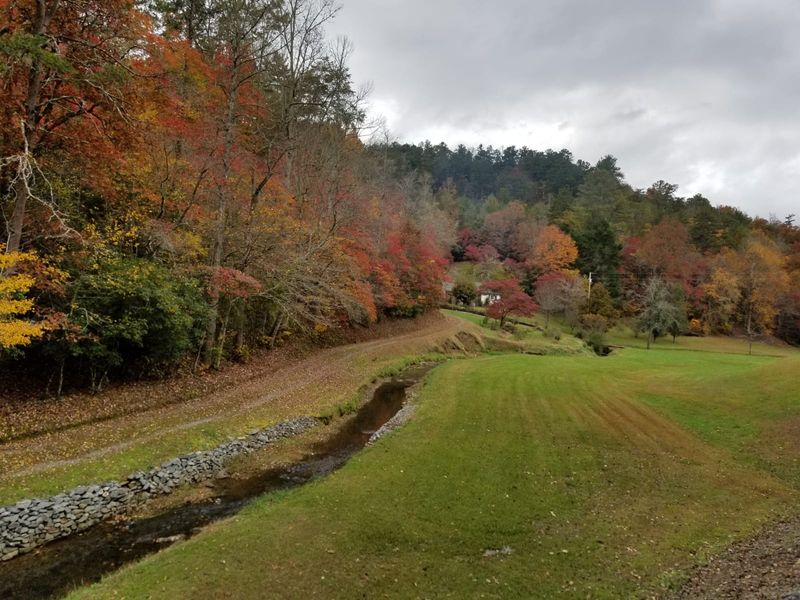
This mountain town checks every box for a perfect weekend escape. Main Street invites browsing through antique shops, art galleries, and locally-owned restaurants.
The pace slows automatically as mountain air and small-town charm work their magic on stressed-out visitors.
The Blue Ridge Scenic Railway provides the area’s signature experience. Vintage railcars carry passengers along the Toccoa River, winding through tunnels and over bridges while mountains rise on all sides.
The four-hour round trip to McCaysville and back creates lasting memories without requiring any hiking boots.
Lake Blue Ridge attracts anglers chasing bass and trout, while paddlers explore quiet coves and islands. Nearby waterfalls like Long Creek Falls reward short hikes with swimming holes and photo opportunities.
Local wineries and cideries offer tastings with mountain views, perfect for lazy afternoons. Autumn transforms the landscape into an artist’s palette, drawing leaf-peepers from across the Southeast.
The area supports several state parks and national forest land, providing endless trail options. Cabin rentals range from rustic to luxurious, accommodating every camping style and budget preference.
Stone Mountain Park – Stone Mountain
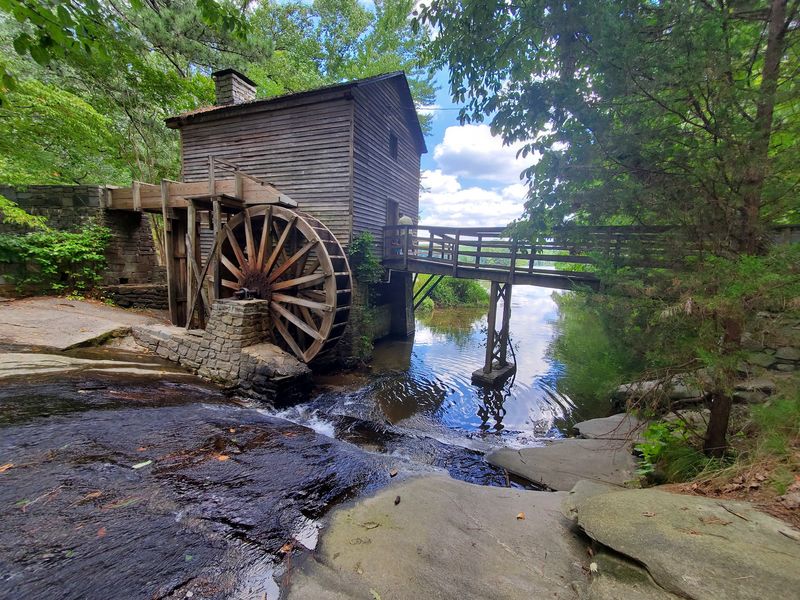
Georgia’s most-visited attraction packs remarkable variety into one location. The massive granite dome rises 825 feet above the surrounding plain, visible for miles across metro Atlanta.
Hiking to the summit via the steep walk-up trail builds an appetite that the mountain-top views satisfy completely.
For less strenuous ascents, the skylift cable car whisks visitors to the top in comfort. Once there, the 360-degree panorama reveals Atlanta’s skyline in one direction and seemingly endless forest in others.
The carved relief on the north face creates controversy but undeniably represents an impressive feat of engineering.
Beyond the mountain itself, the 3,200-acre park functions as a recreation wonderland. A scenic railroad circles the base, paddlewheel boats cruise the lake, and attractions range from ropes courses to 4-D theaters.
Seasonal events like the laser show and Snow Mountain draw huge crowds. Miles of hiking and biking trails explore the park’s less-developed areas.
Camping, golfing, and special events mean families can easily fill an entire weekend without leaving the property. The park’s proximity to Atlanta makes it an easy escape when time or budget limits longer trips.