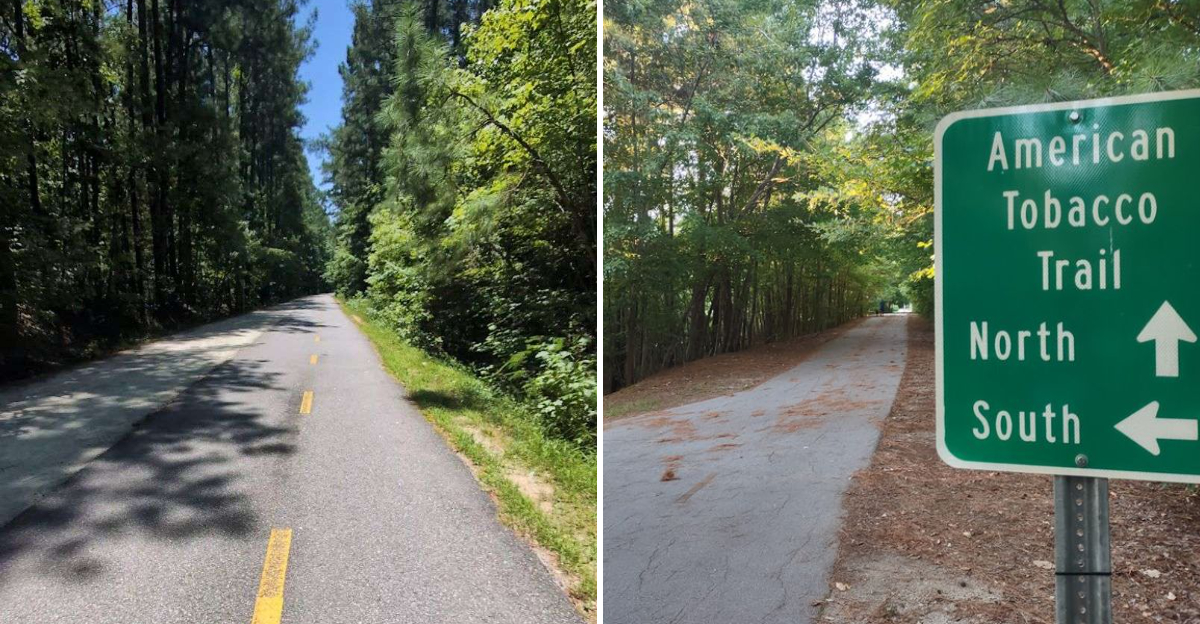
Stretching 22 miles through Durham, Wake, and Chatham counties, the American Tobacco Trail is one of North Carolina’s most beloved outdoor destinations. Built on a former railroad corridor once used to transport tobacco, this wide, well-maintained path welcomes hikers, cyclists, and even horseback riders year-round.
Whether you’re looking for a peaceful morning walk through the woods or an all-day cycling adventure past open farmland and quiet small towns, this trail has something for everyone. Pack your water bottle, lace up your shoes, and get ready to explore one of the South’s most scenic rail trails.
The Trail’s Railroad History and Tobacco Legacy
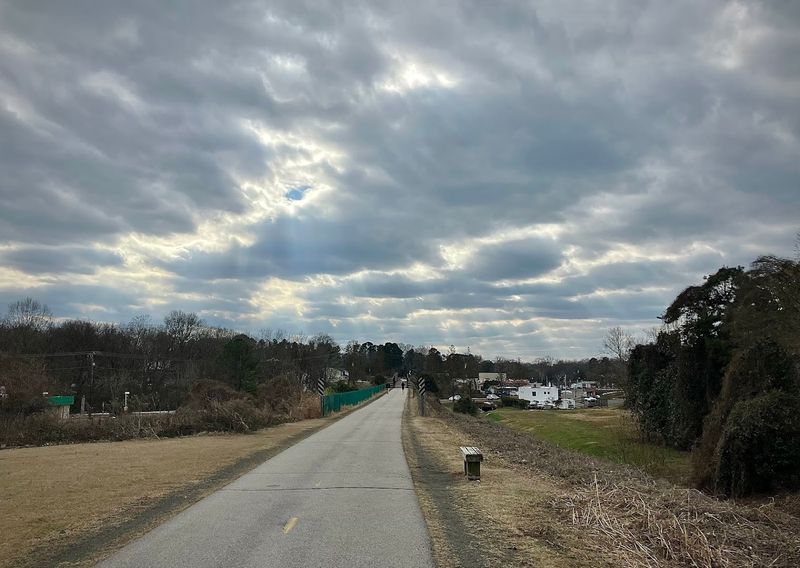
Long before cyclists and dog walkers claimed this path, the American Tobacco Trail was the backbone of a bustling agricultural economy. The corridor was originally built as a rail line to haul tobacco from farms across the Piedmont region to processing facilities and markets.
For decades, trains loaded with cured tobacco leaves rolled through what is now a peaceful greenway connecting three North Carolina counties.
When the railroad was decommissioned in the late 20th century, local advocates and trail organizations saw a unique opportunity. Instead of letting the corridor go to waste, they worked with county governments and nonprofits to transform it into a multi-use recreational path.
The Rails-to-Trails Conservancy played a key role in pushing the project forward.
Today, the trail’s name keeps that agricultural heritage alive. Interpretive signs along certain segments remind visitors of the region’s deep tobacco farming roots.
The transformation from working railroad to beloved greenway is a great example of how communities can reimagine old infrastructure for modern public benefit. Understanding this history makes every mile feel more meaningful.
Starting Point at the Northern Trailhead in Durham
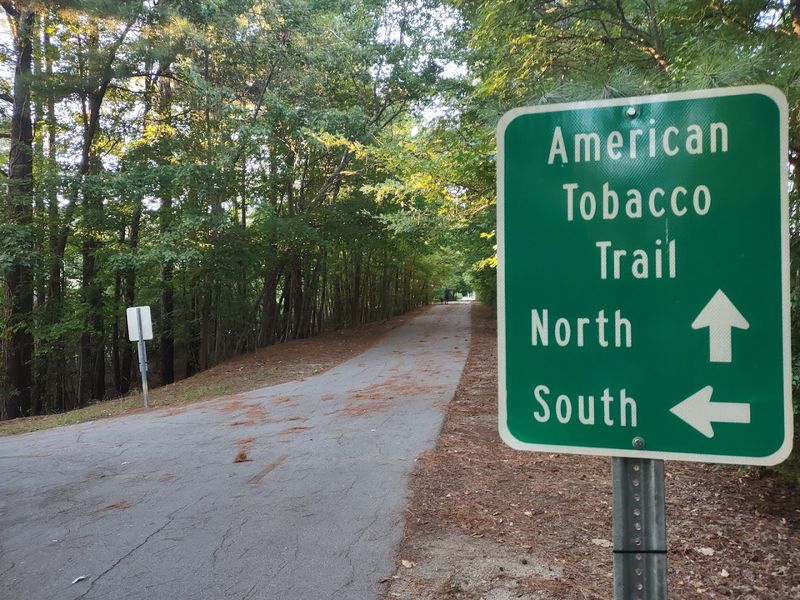
Most first-time visitors kick off their adventure at the northern trailhead, located near the intersection of Alston Avenue and NC Highway 54 in Durham. There’s a parking lot here, making it easy for day-trippers to leave their cars and hop on the trail without stress.
A clear trailhead sign marks the beginning, and the path quickly transitions into a shaded canopy of hardwood trees that feels like stepping into a different world.
Durham’s section of the trail passes through a mix of suburban neighborhoods and quiet natural areas. You’ll cross several road intersections, but most are well-marked and designed with pedestrian safety in mind.
The surface here is paved, making it smooth and accessible for road bikes, strollers, and wheelchairs.
Starting in Durham also gives you easy access to nearby amenities. Several coffee shops and restaurants are just a short drive from the trailhead, so you can grab a pre-ride breakfast or celebrate your finish with a good meal.
Weekend mornings are especially lively here, with local running clubs and cycling groups using the trail. Arriving early helps you snag a good parking spot before the crowds show up.
Crossing Into Wake County: A Change of Scenery
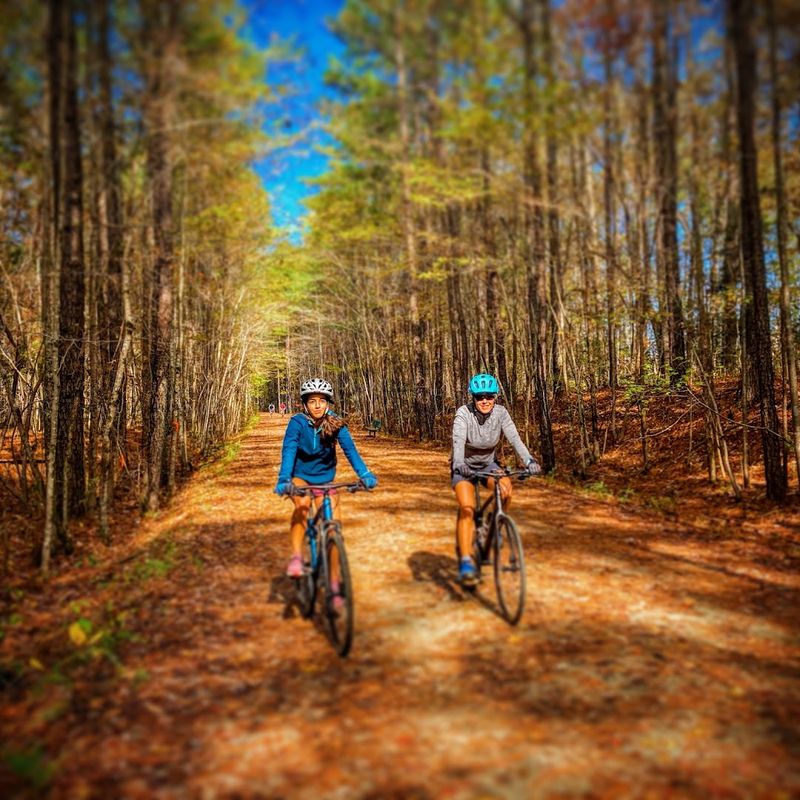
Something shifts when the trail crosses from Durham into Wake County. The dense tree cover thins out a bit, giving way to broader views of rolling farmland, open meadows, and the kind of wide-open sky that makes you want to stop and just breathe.
This section feels less urban and more rural, offering a refreshing contrast to the wooded northern portion of the trail.
The Wake County segment is particularly popular with cyclists looking for longer, faster stretches of trail. The relatively flat terrain and open surroundings make it ideal for picking up speed and covering more ground.
You might spot red-tailed hawks circling overhead or deer grazing at the edge of nearby fields, especially in the early morning hours.
Small farms and historic properties dot the landscape along this part of the route. Some riders stop to photograph old tobacco barns still standing in nearby fields, quiet reminders of the region’s agricultural past.
The trail surface remains well-maintained through this section, though some stretches are crushed gravel rather than pavement. Bringing a hybrid or gravel bike instead of a road bike makes navigating these areas much more comfortable and enjoyable.
The Wooded Southern Stretch Through Chatham County
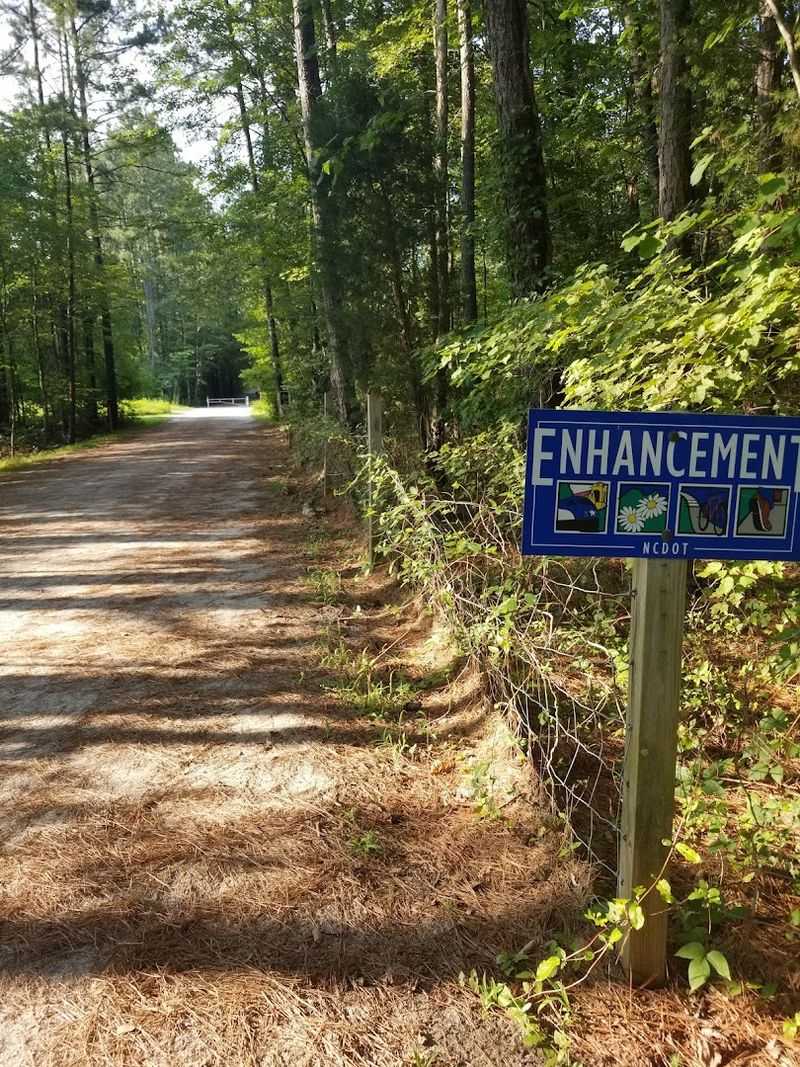
Head far enough south and the American Tobacco Trail takes on a completely different personality. The Chatham County section is the most rugged and remote stretch of the entire trail, passing through thick stands of pine and oak forest where the tree canopy closes overhead and the outside world feels very far away.
Horseback riders especially love this end of the trail for its natural, unpaved character.
The surface here transitions from packed gravel to natural dirt in places, so trail conditions can vary depending on recent rainfall. Muddy patches after a rainstorm are common, and some sections may require mountain bikes or trail runners rather than road gear.
That said, the wildness of this stretch is a big part of its appeal for outdoor enthusiasts seeking something more adventurous.
Wildlife sightings are more frequent here than anywhere else on the trail. White-tailed deer, wild turkeys, and even foxes have been spotted by regular visitors.
The quieter atmosphere and natural surroundings make this section a favorite for birdwatchers too. Bringing binoculars and a field guide turns a simple hike into a full nature experience that you’ll want to repeat with every changing season throughout the year.
Biking the Full 22-Mile Route: What to Expect
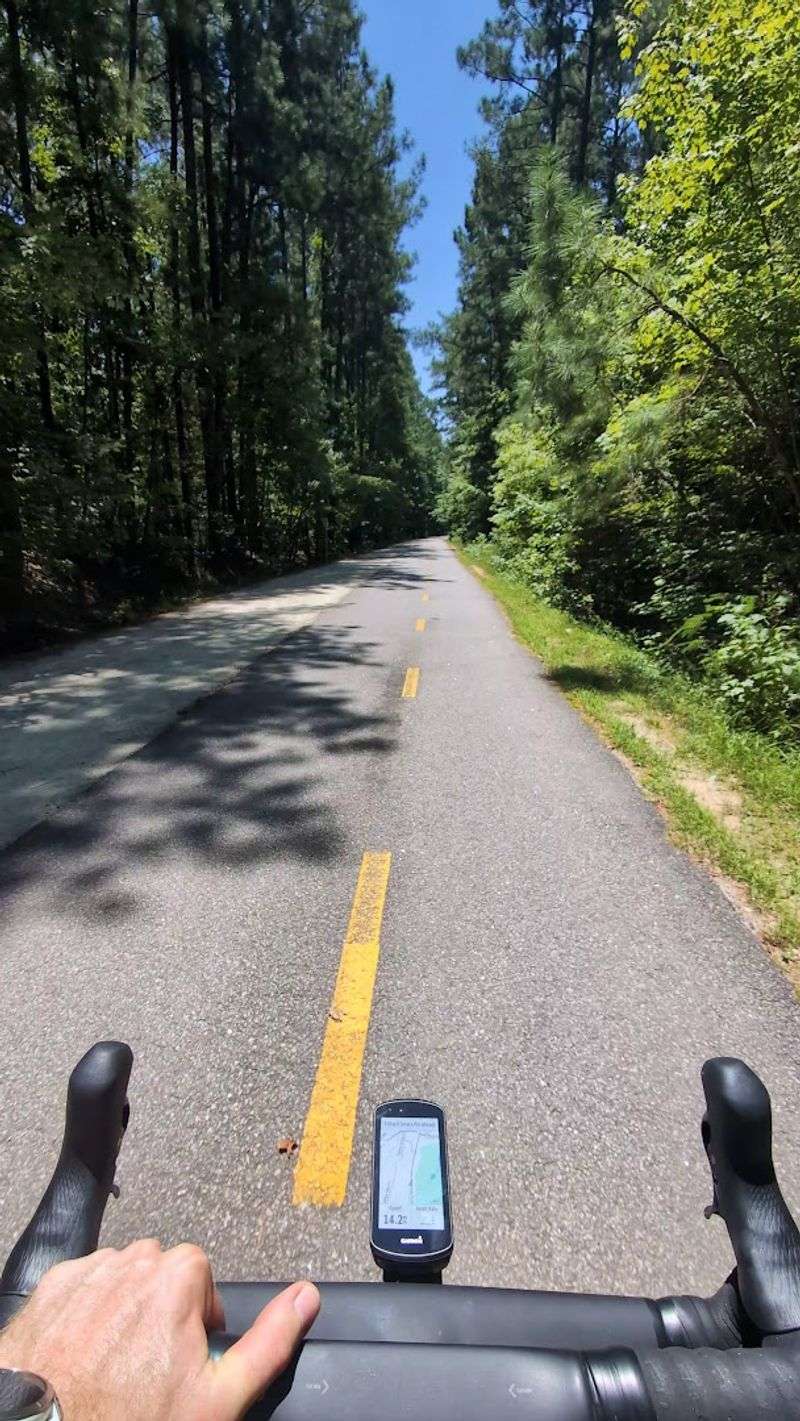
Tackling all 22 miles in one go is a serious but very achievable challenge for most recreational cyclists. The trail runs roughly north to south, and while the terrain is mostly flat, a few gentle grades keep things interesting.
Plan on spending three to five hours for the full out-and-back route, depending on your pace and how many stops you make along the way.
Smart riders pack light but thorough. A water bottle alone won’t cut it on a warm North Carolina afternoon, so bringing a hydration pack with at least two liters of water is a smart move.
Energy snacks, sunscreen, and a basic bike repair kit with a spare tube and tire levers are also worth tossing in your bag before you head out.
One thing many first-timers don’t expect is how quickly the scenery shifts. You can go from a shaded suburban neighborhood to open farmland to deep forest within just a few miles.
That variety keeps the ride feeling fresh and engaging from start to finish. The trail is well-signed, so navigation is easy even without a GPS device.
Taking photos along the way turns the ride into a great memory worth sharing.
Family-Friendly Sections Perfect for Kids and Beginners
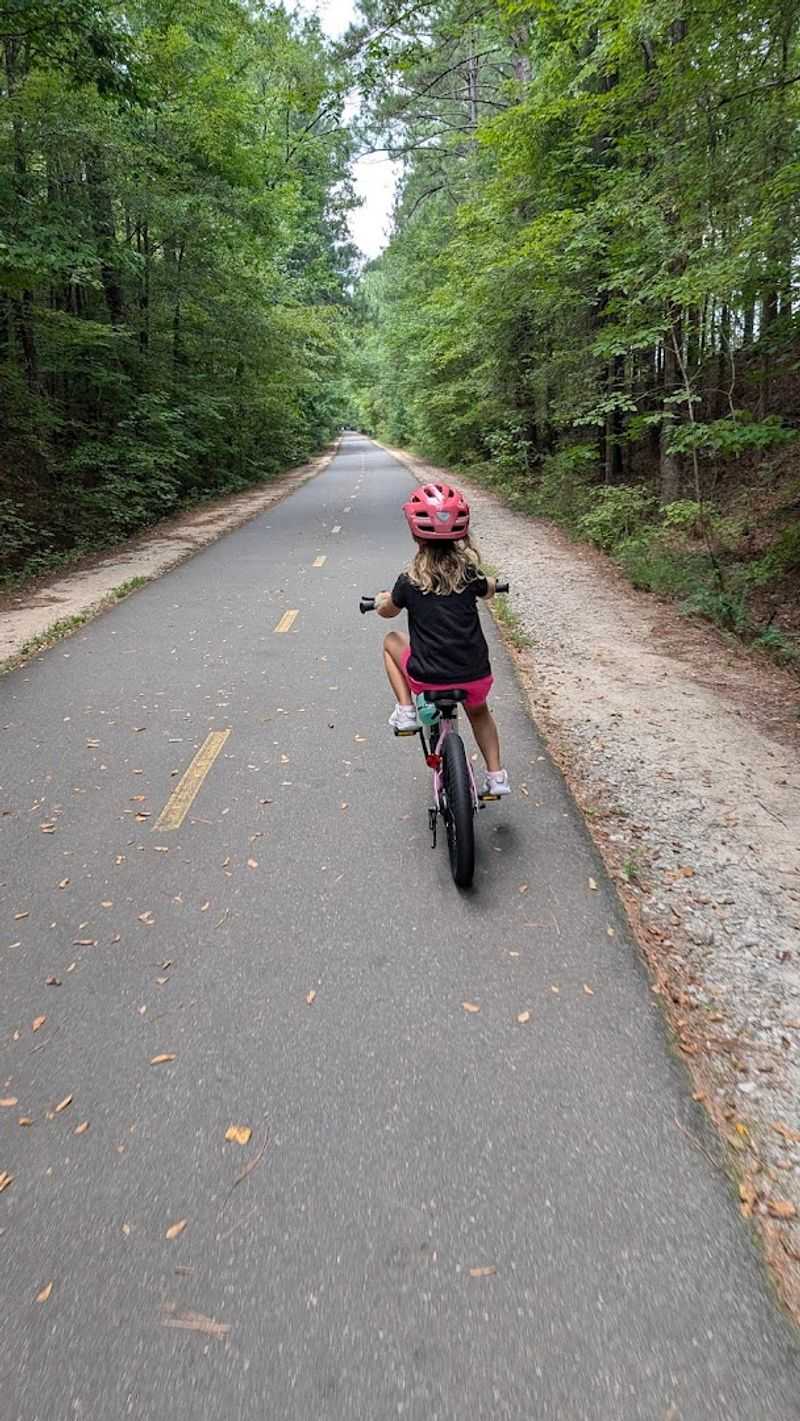
Not every visitor is looking for a hardcore endurance challenge. Plenty of families with young children, casual walkers, and beginner cyclists use the American Tobacco Trail regularly, and the northern paved sections in Durham are particularly well-suited for those just getting started.
Wide, smooth surfaces make it easy for little legs on training wheels to keep rolling without too much trouble.
The relatively flat profile of most of the trail means kids don’t have to battle steep hills, which keeps the experience fun rather than frustrating. Several access points along the route let families hop on and off without committing to a long journey.
Parking areas at mid-trail access points in both Durham and Wake counties make it simple to customize the distance to match your group’s energy level.
Bringing a picnic is a fantastic way to turn a short ride into a full afternoon outing. Several grassy spots near the trail offer shade and room to spread out a blanket.
Local families often make the trail a regular weekend routine, especially during spring and fall when the weather is mild and the foliage is stunning. A short two- to four-mile stretch is plenty for most younger children making their first trail visit.
Trail Conditions, Surfaces, and Seasonal Tips
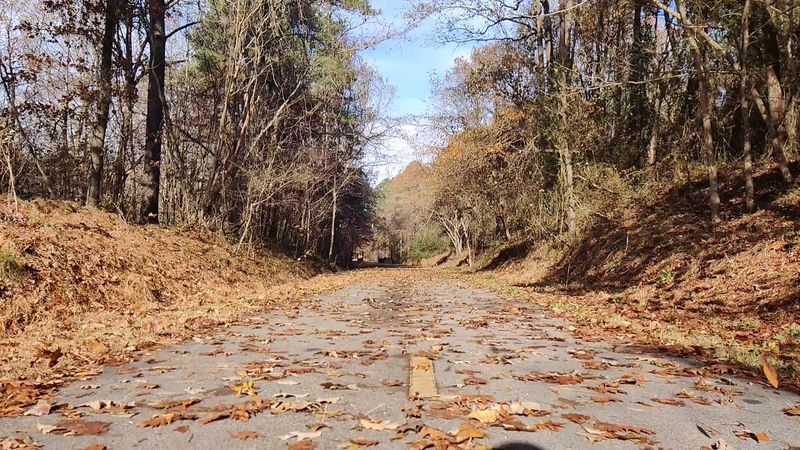
Knowing what to expect underfoot before you head out makes a big difference in how much you enjoy your visit. The American Tobacco Trail features multiple surface types depending on which section you’re exploring.
The northern Durham segment is fully paved and smooth, while the middle and southern sections shift to compacted gravel and natural dirt. Planning your gear around the surface type prevents unnecessary frustration.
Spring is one of the most popular seasons on the trail, but it also brings the most unpredictable conditions. Heavy rains can make the unpaved southern sections muddy and difficult to navigate.
Summer offers lush green scenery but also brings heat and humidity, so starting your outing before 9 a.m. is strongly recommended. Carrying extra water during summer months is not optional but essential for staying safe.
Fall is widely considered the best season for trail visits, when cooler temperatures and brilliant foliage turn the corridor into a genuinely beautiful experience. Winter visits are possible and often peaceful, with fewer crowds and clear sightlines through bare trees.
The paved sections drain quickly after rain, but unpaved sections may stay wet for a day or two. Checking recent trail conditions through local trail apps or county parks websites before heading out saves a lot of guesswork.
Community Events, Trail Access, and Nearby Amenities
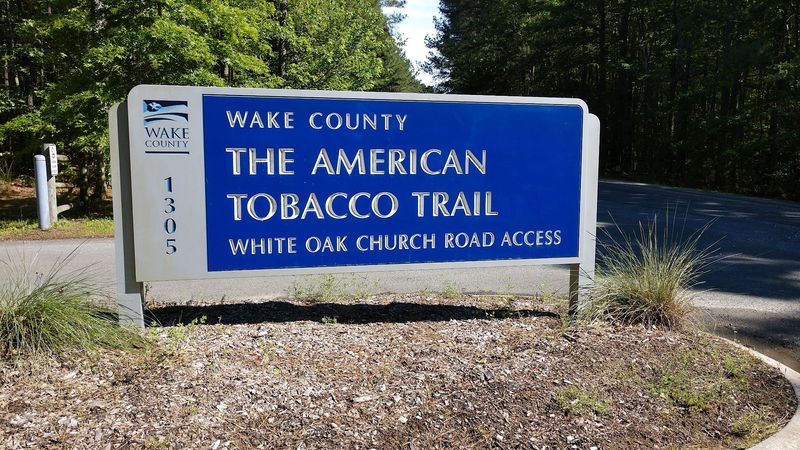
The American Tobacco Trail isn’t just a path through the woods. It’s a living part of the communities it connects.
Throughout the year, local organizations host group rides, trail cleanup days, and community walks that bring neighbors together around a shared love of the outdoors. Checking in with Durham County Parks and Recreation or the Triangle Land Conservancy is a great way to stay informed about upcoming events.
Multiple access points with parking areas are spread along the full length of the trail, making it easy to join from different neighborhoods in Durham, Wake, and Chatham counties. Several spots have portable restrooms or permanent facilities nearby, and a few access areas connect directly to other local greenways and bike lanes.
That connectivity makes the trail feel like part of a larger regional network rather than an isolated path.
Nearby towns like Apex and Holly Springs in Wake County offer restaurants, bike shops, and convenience stores within a short drive of trail access points. Some cyclists combine a trail ride with a visit to a local brewery or cafe as a post-ride reward.
The trail’s growing popularity has also encouraged local businesses to cater to outdoor enthusiasts, making the whole experience more enjoyable from start to finish.