Tucked away on a narrow strip of land jutting into the Gulf of Mexico, Cape San Blas is one of Florida’s best-kept secrets. This quiet peninsula in the Panhandle offers miles of sugar-white sand, crystal-clear water, and almost no crowds.
Unlike the busy resort towns nearby, Cape San Blas feels like a place where time slows down and nature takes over. If you are looking for a true escape, this hidden gem might just be exactly what you have been searching for.
The Unspoiled Shoreline That Stretches for Miles
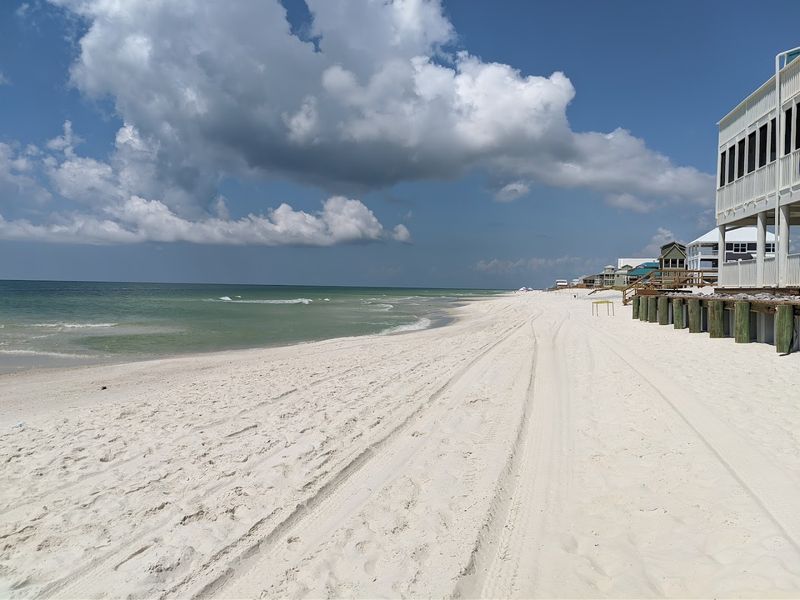
Standing at the water’s edge at Cape San Blas, it is easy to forget that crowded beach resorts even exist. The shoreline here runs for roughly 20 miles, and for long stretches, you might not see another person at all.
That kind of quiet is rare in Florida, especially during the summer months when beaches elsewhere are packed.
The sand itself is famously soft and white, made from quartz crystals carried down from the Appalachian Mountains over thousands of years. It stays cool even on hot days, which makes walking barefoot a real pleasure.
The water shifts between shades of emerald green and deep blue depending on the light and time of day.
Because much of the shoreline falls within St. Joseph Peninsula State Park and protected federal land, development has been kept to a minimum. There are no towering condos blocking the horizon, no souvenir shops crowding the dunes.
Just open sky, warm water, and sand that seems to go on forever. For anyone who loves the beach but hates the chaos that often comes with it, this stretch of coastline is genuinely hard to beat.
St. Joseph Peninsula State Park: A Wildlife Paradise
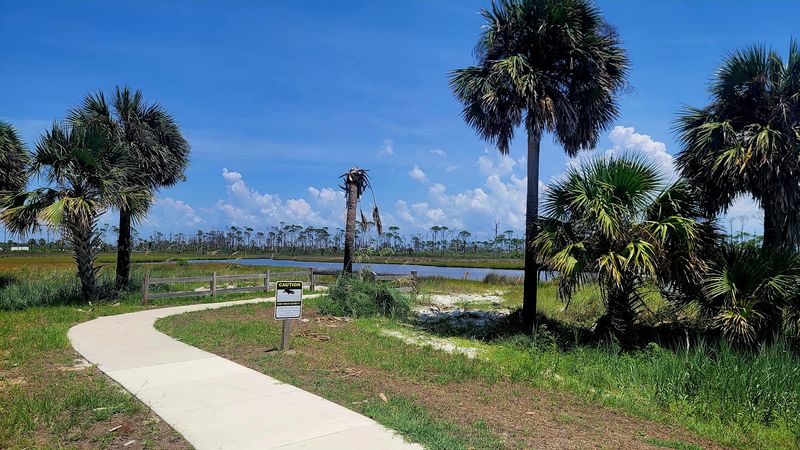
St. Joseph Peninsula State Park has been ranked among the top state parks in the entire United States, and once you visit, it is not hard to understand why. The park covers more than 2,500 acres and protects one of the most ecologically rich stretches of coastline in the Gulf South.
Birders, hikers, kayakers, and shell collectors all find something here worth coming back for.
The park is home to an impressive variety of wildlife. Loggerhead sea turtles nest on the beaches during summer, and rangers monitor the nests carefully to give the hatchlings the best chance of survival.
Bald eagles, osprey, and dozens of migratory bird species pass through during spring and fall, making this one of Florida’s premier birding destinations.
Camping is available both in developed sites with electric hookups and in primitive backcountry sites accessible only by foot or kayak. Spending a night at the far end of the peninsula, miles from the nearest road, is an experience that feels genuinely wild.
The park also rents cabins for those who prefer a roof overhead but still want to wake up surrounded by unspoiled nature. Reservations fill up fast, so planning ahead is strongly recommended.
The Road That Literally Runs Out of Land
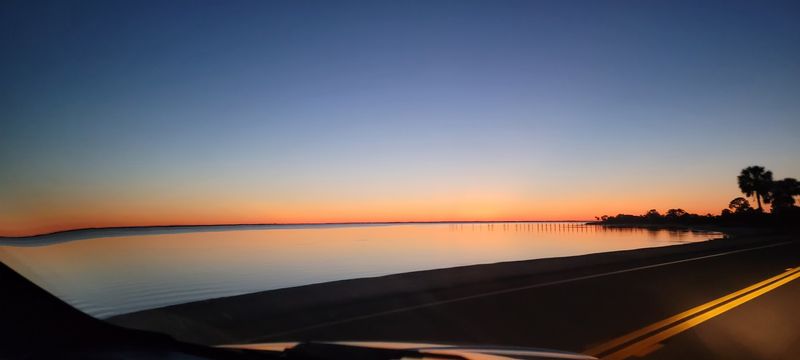
There is something almost cinematic about driving down Cape San Blas Road and watching the peninsula get narrower and narrower on either side. At certain points, you can see water on both your left and your right at the same time.
The road eventually gives way to park trails, and beyond that, there is nothing but sand, wind, and open water.
This geographic quirk is part of what makes Cape San Blas so special. The peninsula is essentially a long, skinny finger of land pointing southwest into the Gulf of Mexico.
It is only a few hundred yards wide in some places, which creates a feeling of being completely surrounded by the sea without actually being on a boat.
The drive itself is worth taking slowly. Pull over at any of the small access points along the way and you will find quiet stretches of beach that feel entirely private.
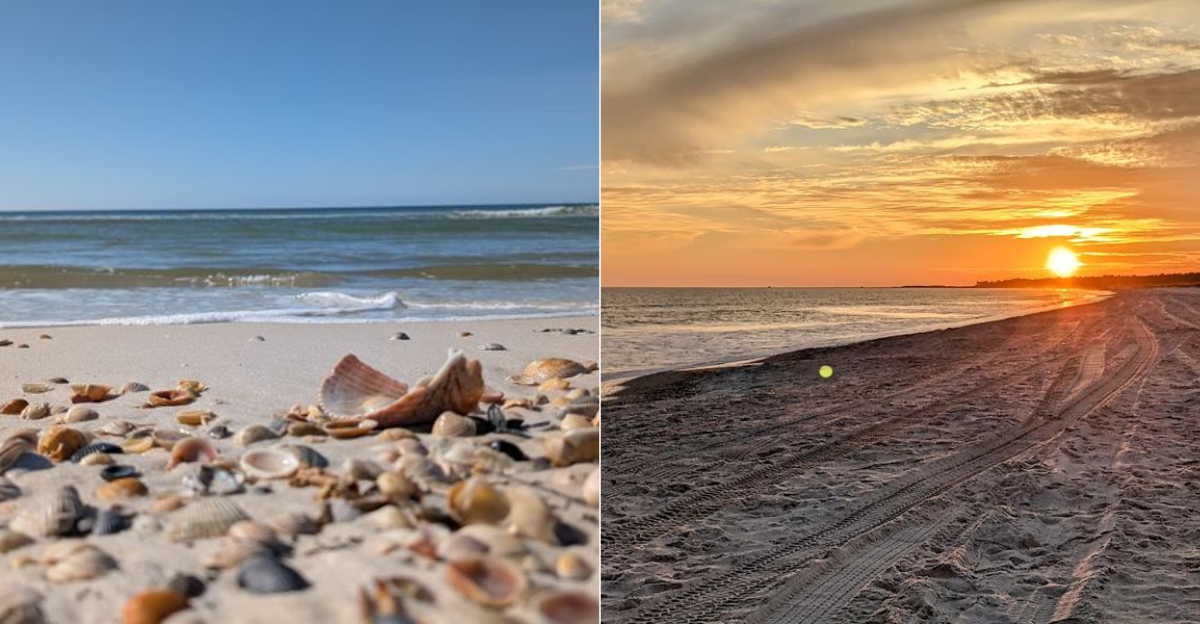
Sunsets viewed from the western side of the peninsula are absolutely spectacular, with the sun dropping straight into the Gulf with nothing in the way. Locals say the light here has a golden quality in the late afternoon that photographers travel from across the country to capture.
Bring a camera and give yourself extra time.
World-Class Scalloping in St. Joseph Bay
St. Joseph Bay, which sits on the eastern side of the Cape San Blas peninsula, is one of the best places in Florida to go scalloping. From July through September, families wade into the shallow, crystal-clear water with snorkels and mesh bags to collect the small, colorful bay scallops that live among the seagrass beds.
It is one of those activities that is fun for all ages and requires almost no experience to enjoy.
The bay is exceptionally clear because it has no freshwater rivers flowing into it, which keeps the salinity high and the visibility excellent. You can often see the bottom in eight to ten feet of water without any trouble at all.
The scallops themselves are easy to spot once you know what you are looking for, with their bright blue eyes lining the edges of their shells.
Each licensed person is allowed to harvest up to two gallons of whole scallops per day during the open season. Many visitors bring a cooler and turn the catch into a fresh seafood dinner that same evening.
Local outfitters in nearby Port St. Joe rent all the gear you need, including wetsuits, snorkels, and mesh collection bags. Going out on a calm morning when the water is glass-smooth makes the whole experience even better.
Kayaking and Paddleboarding Through Untouched Coastal Waters
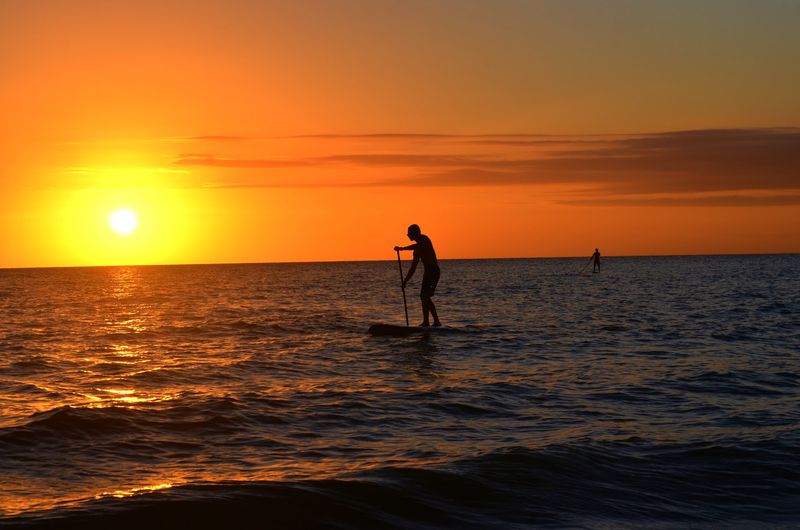
Getting out on the water at Cape San Blas is one of the most rewarding things you can do here. The calm, shallow waters of St. Joseph Bay are practically made for kayaking and paddleboarding, with excellent visibility, minimal boat traffic, and miles of undeveloped shoreline to explore at your own pace.
It feels nothing like paddling through a crowded marina.
Dolphins are a common sight in the bay, and it is not unusual to have a small pod swim alongside your kayak for a few minutes before moving on. Manatees also visit the bay seasonally, drawn by the warm water and abundant seagrass.
Spotting one of these enormous, slow-moving animals from a kayak is a humbling experience that reminds you how wild this place still is.
Kayak rentals and guided tours are available through several outfitters in the area, making it easy for beginners to get started without bringing their own gear. Guided sunset paddles are particularly popular and offer a completely different perspective on the peninsula as the light fades.
For more adventurous paddlers, the backcountry waterways on the bay side of the state park offer overnight routes that require advance permits and solid navigation skills. Either way, the water here is something special.
Vacation Rentals and the Low-Key Lodging Scene
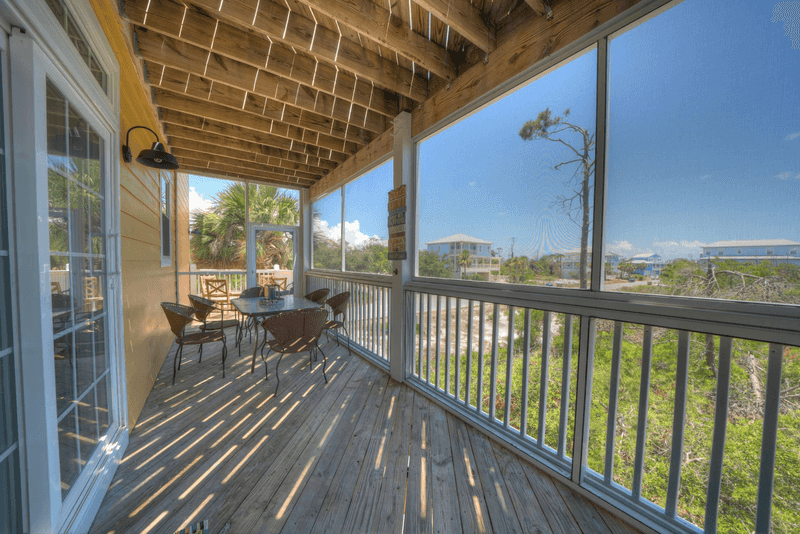
Forget the mega-resorts and chain hotels. Lodging at Cape San Blas is almost entirely made up of privately owned vacation rentals, and that is a big part of the charm.
Most of the homes are built on stilts to meet coastal building codes, giving them that classic Florida Panhandle beach house look. Many have direct beach access, screened porches, and enough room for the whole extended family.
Prices vary quite a bit depending on the size of the home and how close it sits to the water, but compared to similar Gulf-front properties in Destin or Panama City Beach, Cape San Blas rentals are often a genuine bargain. The lack of commercial development means you are not paying a premium for the convenience of nearby restaurants and shops, so it helps to stock up on groceries before you arrive.
Booking well in advance is essential, especially for summer weeks and holiday weekends. The most desirable properties get snapped up months ahead of time by repeat visitors who come back year after year.
Platforms like VRBO and Vacasa list many of the available homes, and some owners manage their own rentals directly. Reading recent reviews carefully is always smart, since property quality can vary quite a bit from one rental to the next.
Fishing: From Surf Casting to Deep-Sea Adventures
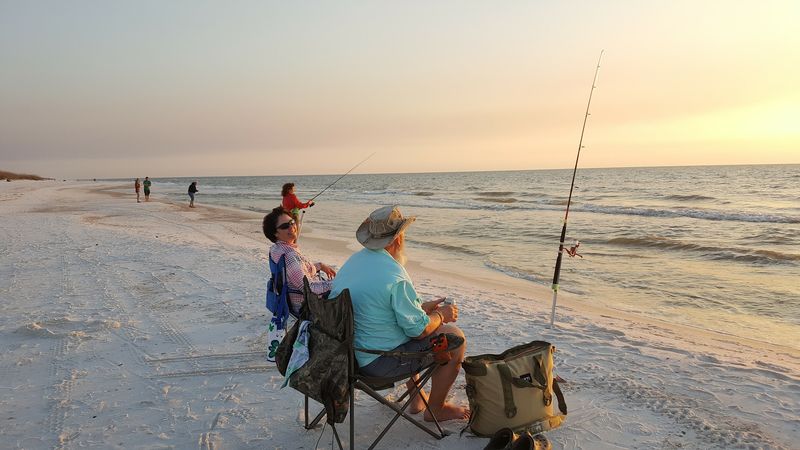
Fishing at Cape San Blas is serious business, and the options range from kicking off your shoes and surf casting right from the beach to heading offshore in search of grouper, amberjack, and king mackerel. The waters here are remarkably productive, partly because the area has avoided the kind of heavy recreational pressure that has worn down fishing in more developed parts of the coast.
Surf fishing for pompano, redfish, and whiting is popular all along the Gulf-side beach, and you do not need much equipment to get started. A simple spinning rod, some fresh shrimp or sand fleas, and a little patience can result in a cooler full of fish by afternoon.
The pier at St. Joseph Peninsula State Park is another solid option, offering a dedicated spot to fish without needing a boat.
For those who want to go bigger, charter boats operate out of nearby Port St. Joe and offer half-day and full-day trips targeting everything from flounder in the bay to red snapper and tuna offshore. The Apalachicola National Estuarine Research Reserve, which borders the area, contributes to exceptional water quality and a healthy fish population throughout the region.
A Florida saltwater fishing license is required for anyone 16 and older fishing from the shore or a boat.
Getting There and Making the Most of Your Visit
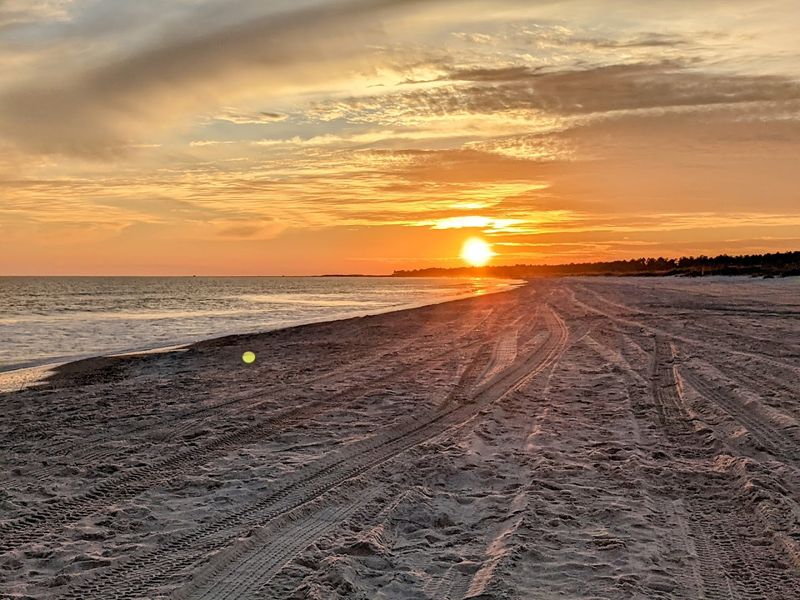
Cape San Blas is not the kind of place you stumble upon by accident. Getting there requires a deliberate decision to leave the main highways behind and head down a two-lane road toward the Gulf.
The nearest commercial airport is Northwest Florida Beaches International Airport in Panama City, about an hour and a half away. Tallahassee Regional Airport is a similar distance in the opposite direction.
The closest town with significant services is Port St. Joe, which sits about 15 minutes from the base of the peninsula. Port St. Joe has grocery stores, gas stations, a handful of restaurants, and a charming small-town downtown worth exploring for an evening.
Stocking up there before heading out to the cape makes good practical sense, since options on the peninsula itself are very limited.
Cell service can be spotty in parts of Cape San Blas, especially deeper into the state park. Downloading offline maps before you go is a smart move.
The best time to visit is late spring or early fall, when temperatures are warm, crowds are smaller, and the water is still inviting. Summer is busiest but also when scalloping season opens, which draws a lot of families.
Whatever time of year you choose, arriving with flexible expectations and a willingness to slow down will make the trip genuinely memorable.
Shelling Along the Shore: A Collector’s Hidden Treasure
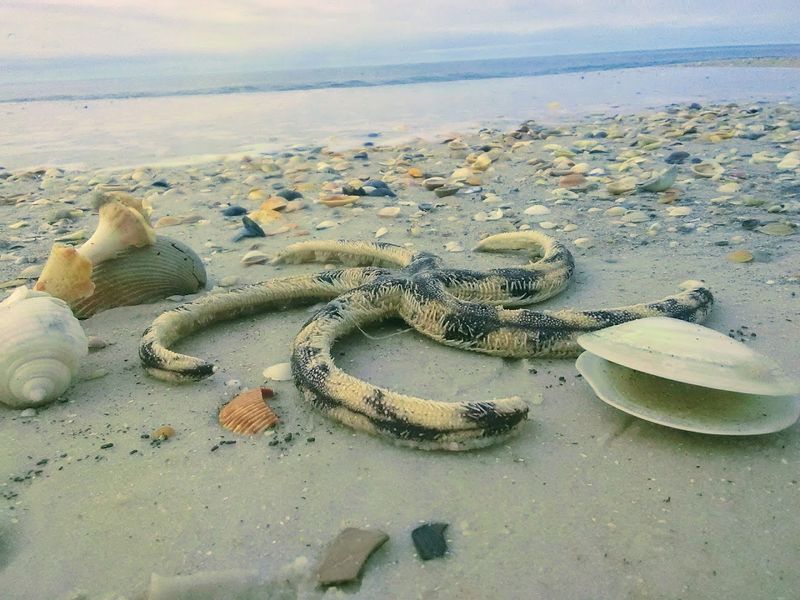
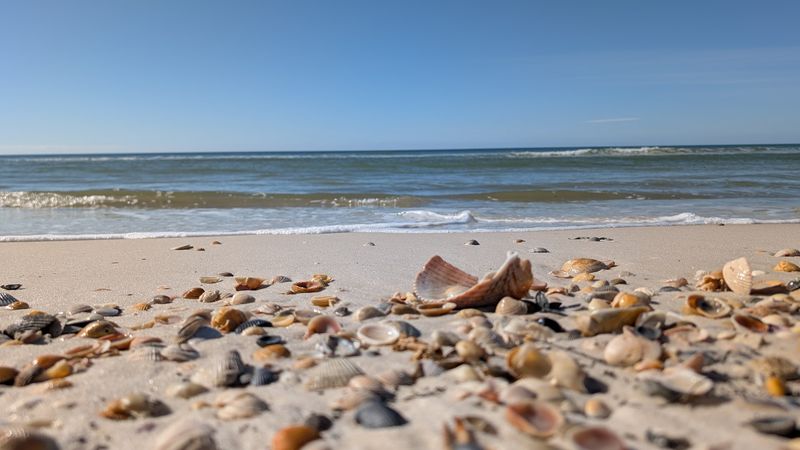
Few things beat the simple joy of walking a quiet beach with your eyes on the sand, and Cape San Blas is one of Florida’s best-kept shelling secrets. Because the shoreline sees so little foot traffic, shells arrive and stay undisturbed for hours.
You can find whelks, sand dollars, olives, and even the occasional alphabet cone just by walking slowly and looking down.
The best shelling happens right after high tide or following a storm, when the water pushes fresh finds onto the beach. Early mornings are especially rewarding before other visitors arrive.
Bring a small mesh bag and a sense of patience.
The Local Food Scene: Seafood Fresh Off the Boat
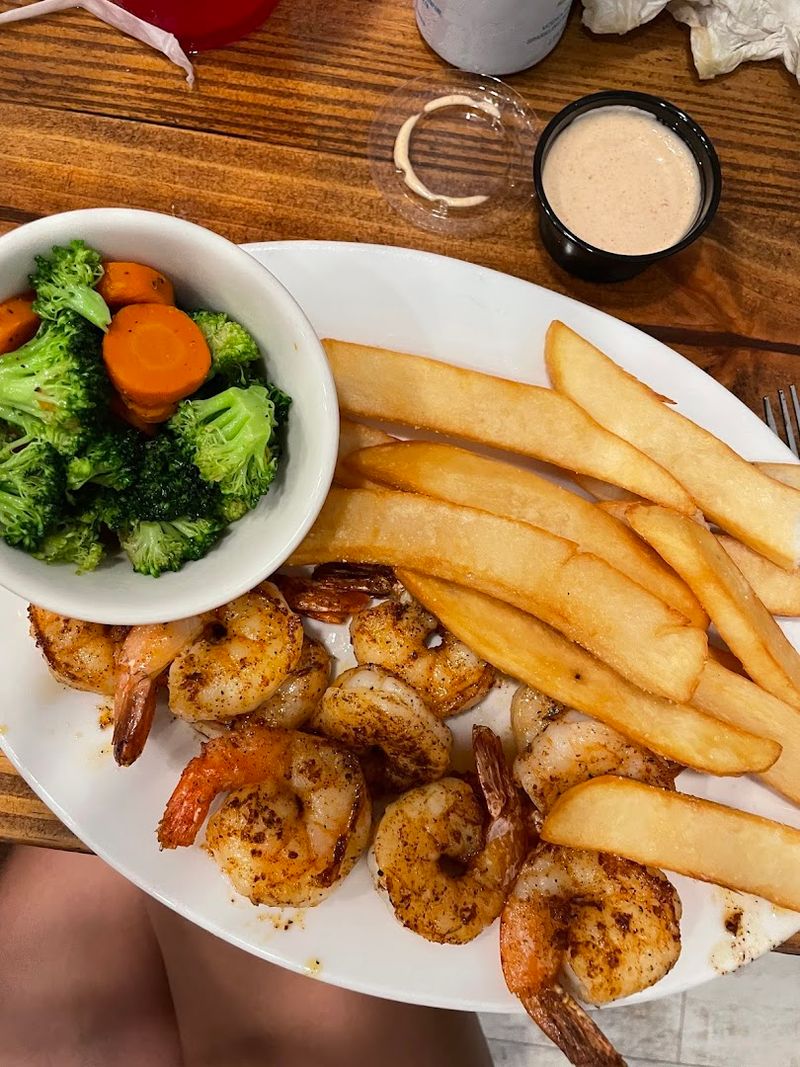
Eating near Cape San Blas means eating seafood the way it was meant to be eaten: caught that morning and served the same afternoon. The small towns nearby, including Port St. Joe and Apalachicola, are known across the South for their oysters, shrimp, and grouper.
Apalachicola in particular has a long-standing reputation as one of the finest oyster towns in the entire country.
Casual waterfront spots outnumber fancy restaurants here, and that is a good thing. Expect paper plates, cold drinks, and fish so fresh it barely needs seasoning.
Asking locals where they eat is always the smartest move you can make.