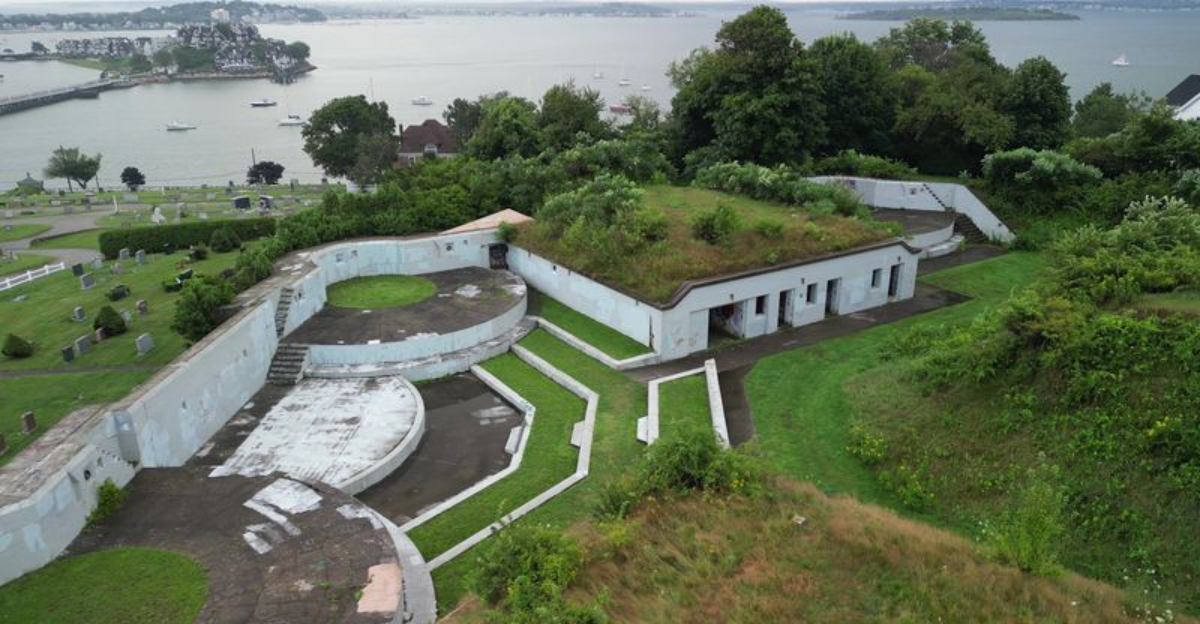
Tucked away on the tip of Hull, Massachusetts, Fort Revere Park is one of those hidden gems that rewards anyone willing to make the trip.
Perched high above Boston Harbor, this historic site blends centuries of military history with jaw-dropping coastal scenery.
Whether you are a history buff, a nature lover, or simply someone looking for a peaceful escape, this park has something special to offer.
From crumbling gun batteries to sweeping ocean views, Fort Revere Park is truly unlike anything else on the Massachusetts coast.
A Coastal Defense Site With Centuries of History
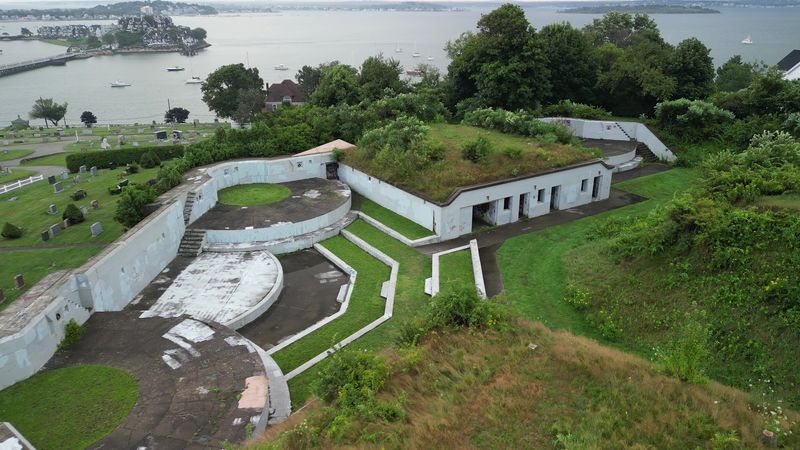
Few places in New England carry as many layers of history as Fort Revere Park. Long before the modern concrete bunkers were built, this hilltop in Hull, Massachusetts, was already being used as a strategic military outpost.
The site was first fortified during the American Revolution, when colonists recognized its commanding position above the harbor.
Over the following two centuries, the fort was upgraded and expanded to meet the demands of each new military era. From the Revolutionary War through World War II, soldiers stationed here kept watch over one of the most important waterways on the East Coast.
Each phase of construction left behind its own architectural fingerprint, making the site a layered timeline of American coastal defense.
Walking through the park today feels like flipping through a history textbook, except the pages are made of crumbling concrete and rusted iron. Interpretive signs help visitors connect the physical remains to the stories behind them.
For anyone who loves American military history, this park offers a rare and tangible connection to the past that few museums can match.
Named After a Revolutionary War Hero
There is something deeply satisfying about visiting a place that carries the name of a genuine American legend. Fort Revere was named after Paul Revere, the patriot silversmith best known for his midnight ride in April 1775.
That famous ride warned colonial militias that British troops were on the move, helping spark the battles of Lexington and Concord.
Naming the fort after Revere was a fitting tribute, since Hull sits right along the same coastal corridor that played such a critical role in the early days of the Revolution. The connection between the man and the location feels natural and historically grounded.
Paul Revere was not just a midnight messenger — he was also a skilled artilleryman who served with the Massachusetts militia during the war.
Standing at the fort that bears his name, visitors can feel a genuine link to that turbulent and courageous period in American history. Kids especially tend to get excited when they realize the fort is connected to someone they likely learned about in school.
It adds a human element to the ruins that makes the whole experience more memorable and meaningful.
Strategic Location Overlooking Boston Harbor
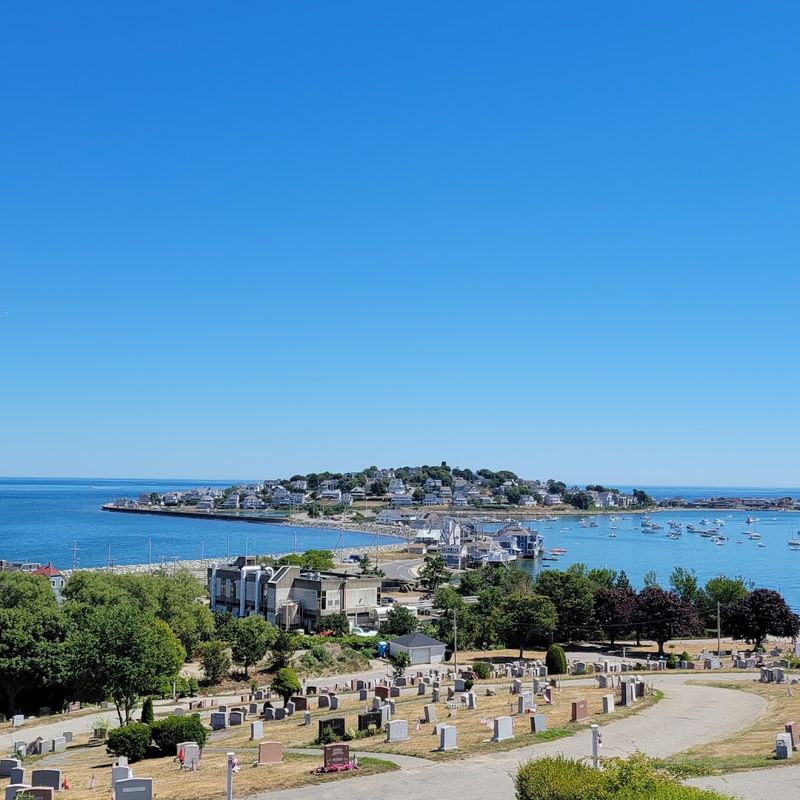
Geography is everything when it comes to coastal defense, and the people who chose this hilltop knew exactly what they were doing. Sitting at the southern entrance to Boston Harbor, Fort Revere commands a sweeping view of one of the most historically significant waterways in the entire country.
Ships entering or leaving Boston had no choice but to pass within sight of this elevated position.
Boston Harbor was the lifeblood of colonial New England. It served as a trading hub, a military supply route, and later, the scene of the famous Boston Tea Party in 1773.
Controlling the harbor meant controlling the flow of goods and troops, which is why fortifying its entrance was considered absolutely essential.
Today, the strategic value of the location translates into something purely enjoyable — stunning views. On a clear day, visitors can spot the Boston skyline, the Harbor Islands, and countless boats moving through the water below.
The same sight lines that once gave military commanders a tactical advantage now give sightseers one of the most scenic vantage points in all of Massachusetts. It is the kind of view that makes you stop and simply breathe it all in.
Remnants of Endicott-Era Fortifications
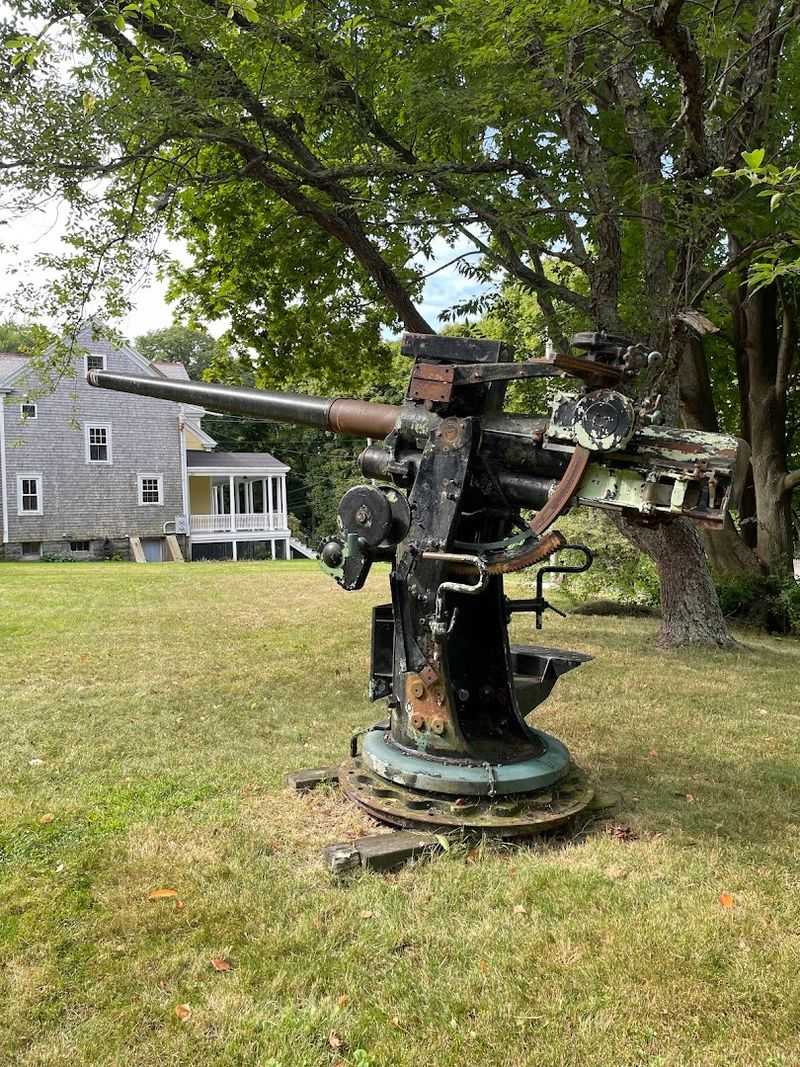
History nerds, this one is for you. During the 1880s and 1890s, the U.S. government launched a major overhaul of its coastal defenses under what became known as the Endicott Program, named after Secretary of War William Endicott.
The idea was simple but ambitious — replace outdated brick forts with modern concrete batteries designed to hold large-caliber artillery capable of stopping enemy warships.
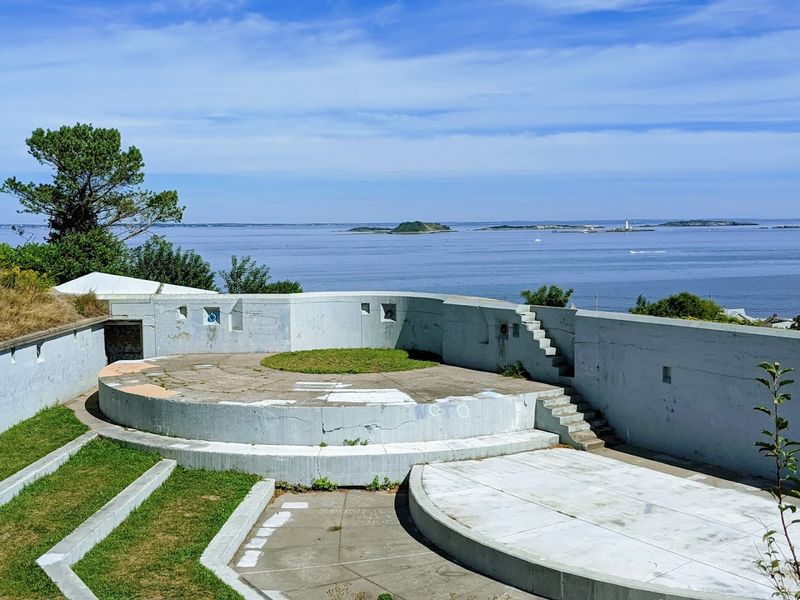
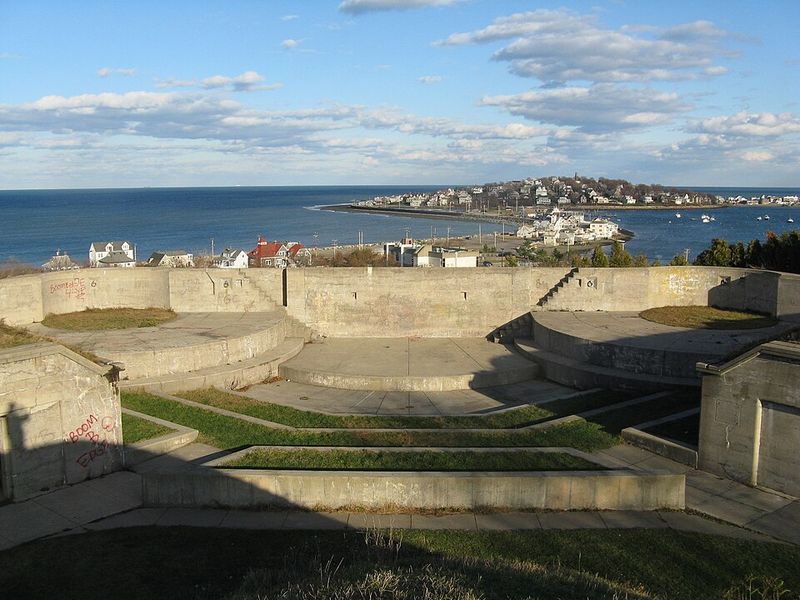
Fort Revere received its share of these upgrades, and the results are still visible today. Thick concrete walls, sunken gun platforms, and underground storage rooms are scattered across the hilltop, giving visitors a real sense of how serious the military was about protecting Boston Harbor.
The structures were engineered to withstand bombardment while keeping gun crews hidden from enemy fire.
What makes exploring these batteries so fascinating is how solid they still are after more than a century of exposure to harsh New England weather. Some sections have crumbled or been reclaimed by vegetation, but the core structures remain impressively intact.
Running your hand along those rough concrete walls, it is easy to imagine the weight of the cannons that once sat here, pointed out toward the open sea, ready for a battle that never came.
Graffiti-Covered Bunkers With Urban Appeal
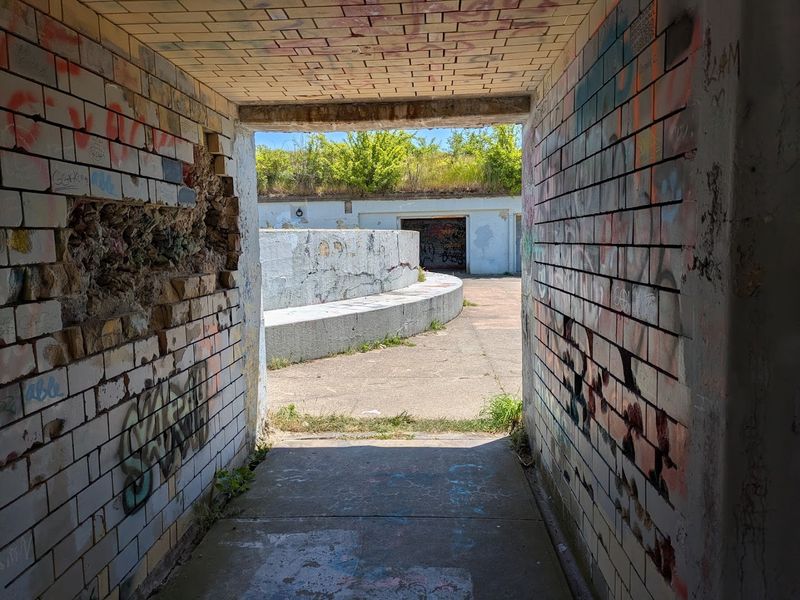
Not every part of Fort Revere looks like a museum exhibit — and honestly, that is part of the charm. The old concrete bunkers scattered across the park have become unofficial canvases for local street artists over the years.
Bright murals, bold lettering, and layered paint cover surfaces that were once bare military concrete, creating a striking visual contrast between past and present.
Some visitors come specifically for the graffiti, treating the bunkers like an outdoor gallery of urban art. The mix of military architecture and creative expression gives the park a gritty, authentic feel that you simply cannot find at manicured historic sites.
It feels alive in a way that polished tourist attractions rarely do.
Photographers absolutely love this spot. The combination of textured concrete, colorful artwork, and natural light creates endlessly interesting compositions.
Whether you shoot on a phone or a professional camera, you will leave with images that look genuinely unique. For younger visitors especially, the graffiti art makes the bunkers feel approachable and cool rather than just dusty old ruins.
It is a reminder that history and creativity can share the same space in surprisingly beautiful ways.
Sweeping Ocean Views That Steal the Show
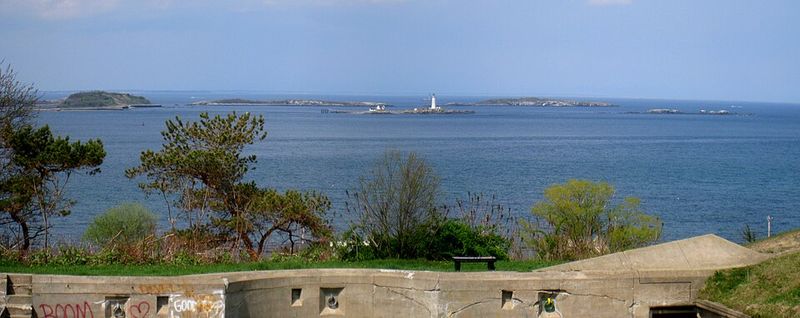
Honestly, the views alone are worth the drive. Fort Revere Park sits on one of the highest points in Hull, and from its crest, the Atlantic Ocean stretches out in every direction like a painting that refuses to stay inside a frame.
On a clear day, the visibility is so good that you can pick out individual Harbor Islands floating in the distance.
Sunrise and sunset at this location are genuinely spectacular. The eastern exposure means early risers get treated to a full sunrise show over the water, with colors shifting from deep purple to blazing orange before settling into the soft gold of morning.
Sunset visits offer their own magic, as the western sky lights up behind the distant Boston skyline.
Bring a blanket, a thermos of coffee, and your camera — you are going to want to stay longer than planned. Birders also find the elevated position useful, since migrating seabirds and raptors frequently pass through the area during spring and fall.
Whether you come for the history or just the scenery, the views at Fort Revere have a way of quietly becoming the highlight of your entire visit. Few spots on the Massachusetts coast can compete.
A Quiet Alternative to Boston’s Busier Attractions
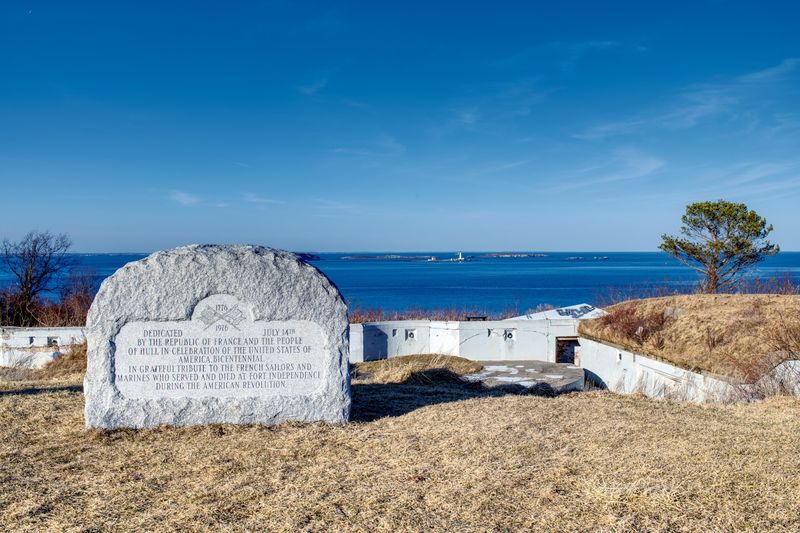
Boston is a fantastic city, but parking is a nightmare, crowds can be overwhelming, and admission fees add up fast. Fort Revere Park offers a refreshing change of pace.
Located just about 20 miles south of downtown Boston, it is close enough to visit on a day trip but far enough to feel like a genuine escape from the urban hustle.
On most days, the park is wonderfully uncrowded. You might share the hilltop with a handful of dog walkers, a photographer or two, and maybe a family having a picnic — but nothing close to the shoulder-to-shoulder crowds you find at places like the Freedom Trail or Faneuil Hall.
That open, unhurried atmosphere makes it easier to slow down and actually absorb what you are seeing.
The lack of admission fees is another big plus. Families on a budget can spend a full afternoon exploring without spending a single dollar.
There are no ticket lines, no gift shop pressure, and no tour groups moving in tight clusters. Just wide open space, fresh ocean air, and centuries of history waiting quietly for you to discover it at your own pace.
Sometimes the best attractions are the ones that do not try too hard.
Easy Access to Nantasket Beach
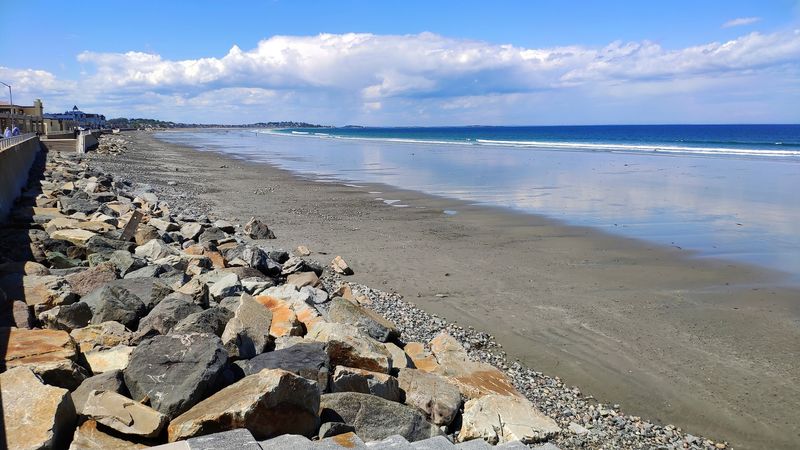
One of the best things about visiting Fort Revere Park is what comes after — Nantasket Beach is just minutes away, and it is one of the finest stretches of sand in the entire state. After exploring crumbling bunkers and soaking in harbor views, a walk along a wide, breezy beach feels like the perfect way to round out the day.
Nantasket Beach runs for about three miles along the Hull shoreline and features all the classic New England beach amenities. There are restrooms, food vendors, a seasonal amusement park called Paragon Carousel, and plenty of room to spread out a towel.
The water tends to be calmer than open-ocean beaches, making it popular with families and young swimmers.
Pairing the two destinations makes for an incredibly satisfying full-day outing. You get history, views, and beach time all in one trip without needing to drive more than five minutes between stops.
During summer weekends, the beach fills up, so arriving early is smart. Off-season visits have their own appeal — the beach is nearly empty, the light is extraordinary, and the whole coastline takes on a moody, dramatic beauty that summer crowds never get to experience.
Popular Spot for Picnics and Scenic Walks
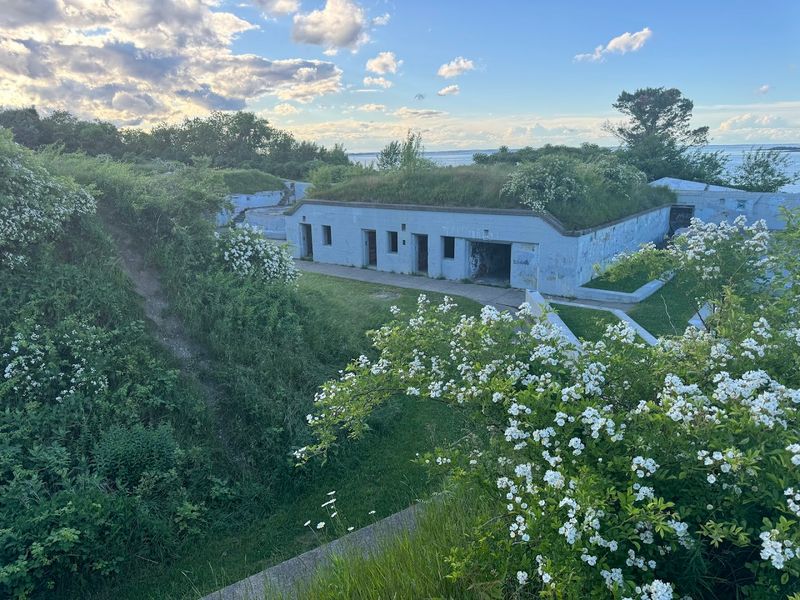
Ask any Hull local where they go to unwind on a nice afternoon, and Fort Revere Park will come up quickly. The combination of wide grassy areas, coastal breezes, and unobstructed views makes it one of the most pleasant outdoor spaces anywhere on the South Shore.
Bring a blanket and a basket, and the park basically does the rest.
The walking paths through the park are easy enough for kids and older visitors, though some sections near the old fortifications involve uneven ground. Kite flying is popular here thanks to the steady winds that roll in off the harbor — watching a kite climb above the old gun batteries is one of those simple pleasures that feels surprisingly joyful.
Dogs are welcome too, and they tend to love the open space.
What makes picnicking here especially memorable is the backdrop. Instead of staring at a parking lot or a busy street, you are looking out over Boston Harbor with the Atlantic stretching beyond it.
The ambient sound of wind and distant waves replaces traffic noise entirely. It is the kind of setting that makes a simple lunch feel like a small celebration.
Pack something good to eat and plan to linger longer than you originally intended.
Visitor Information and Tips
Planning a visit to Fort Revere Park is refreshingly simple. The park is free to enter and open year-round, which means there is no bad time to go — though spring through fall offers the most comfortable conditions for exploring.
Parking is available on nearby streets and in a small lot close to the park entrance, so getting there by car is straightforward.
Comfortable, sturdy footwear is strongly recommended. The terrain around the old fort structures includes cracked concrete, uneven ground, and occasional debris, especially inside and around the bunkers.
Sneakers or hiking shoes will serve you much better than sandals or flip-flops. Bringing water is also a smart move since there are no vending machines or concession stands on site.
The park has no formal guided tours, but interpretive signs throughout the grounds provide helpful historical context. Visiting on a weekday tends to mean fewer people and better photo opportunities.
Cell service is generally good, so pulling up historical information on your phone while exploring is easy. For families with kids, the combination of open space, interesting ruins, and ocean views keeps everyone engaged without needing screens or structured activities.
Fort Revere Park is genuinely one of Massachusetts’ most underrated outdoor destinations.