Imagine watching a raw cacao bean slowly transform into a glossy, hand-finished truffle — all while standing just a few feet away from the machines doing the work.
That is exactly what happens at French Broad Chocolate Factory & Cafe in Asheville, North Carolina.
This one-of-a-kind spot is a fully working chocolate production facility and a cozy cafe rolled into one delicious experience.
Whether you are a chocolate lover, a curious foodie, or just someone looking for something truly memorable to do in Asheville, this place delivers something you will not forget.
A Working Bean-to-Bar Chocolate Factory You Can Actually Walk Into
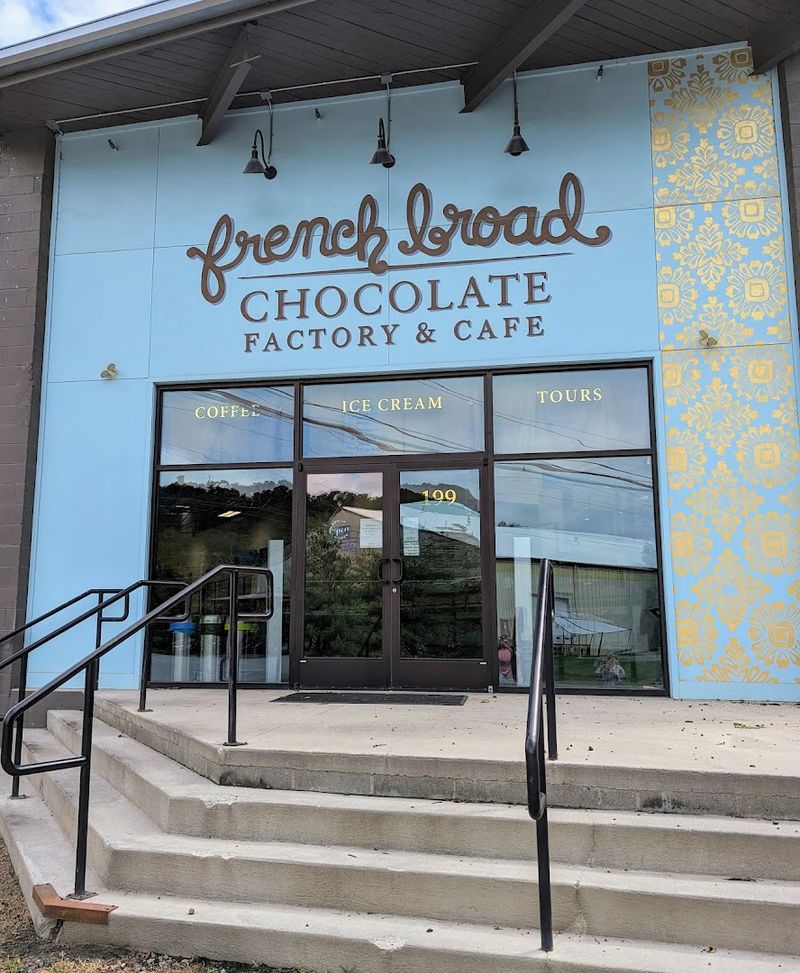
Most chocolate shops hide their kitchens behind closed doors, but French Broad Chocolate Factory throws them wide open — or at least gives you a clear view through massive production windows. Located at 821 Riverside Dr in Asheville, NC, this facility is a real, fully operational bean-to-bar production floor where cacao beans are roasted, ground, refined, and turned into finished chocolate products every single day.
Walking through the space feels like stepping inside a working science experiment, except everything smells absolutely incredible. The hum of grinding machines, the warmth of the roasters, and the rich cocoa aroma create a sensory environment unlike anything you have experienced in a typical candy store.
Bean-to-bar simply means the makers control every step of production — from the raw bean all the way to the finished bar. That level of control matters because it affects flavor, quality, and ethics.
French Broad takes all three seriously, and visitors can see that commitment firsthand. This is not a theme park version of chocolate-making — it is the real deal, happening right in front of you in a small American city that has become a hub for artisan food culture.
The Journey Starts with Carefully Sourced Cacao Beans
Long before anything gets melted or molded, French Broad Chocolate makes a critical decision — where to buy its cacao. The company works directly with small farms, mostly in Central and South America, through a direct-trade model that cuts out middlemen and pays farmers a fairer price.
That choice shapes everything about the chocolate you eventually taste.
Direct-trade sourcing is not just a marketing buzzword here. It means the team at French Broad has actually visited these farms, tasted the cacao at origin, and built real relationships with the growers.
The flavor of a finished truffle is deeply connected to the soil, climate, and care that went into growing those beans thousands of miles away.
Visitors who take the factory tour often learn about the specific origins of the cacao being used that week. You might hear about beans from Peru, Ecuador, or Madagascar — each with distinctly different flavor profiles.
Knowing where your chocolate comes from adds a whole new layer of appreciation to every bite. It turns a simple snack into a story about geography, farming, and human connection across continents.
That backstory is part of what makes French Broad so special.
Roasting the Beans to Unlock Deep Chocolate Flavor
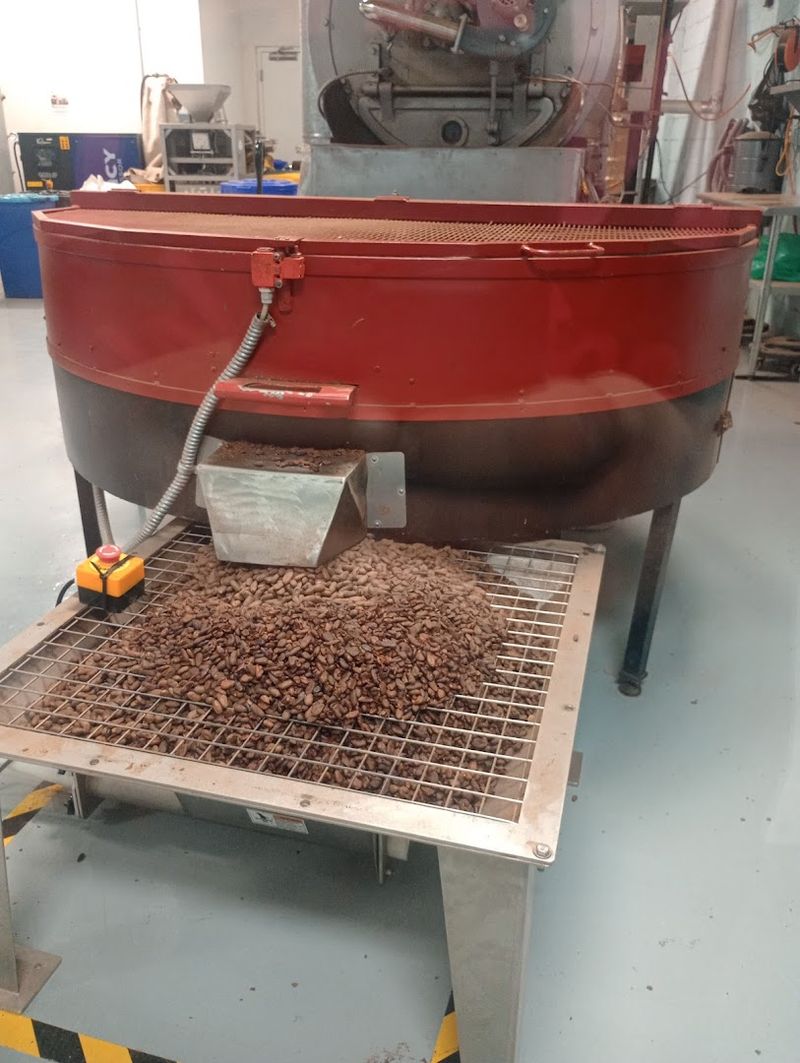
There is a moment inside the French Broad factory when the smell hits you — a deep, toasty, almost coffee-like warmth that wraps around you before you even see the roaster. Cacao roasting is one of the most critical steps in chocolate-making, and it requires skill, timing, and a really good nose.
Roast too little and the flavor stays flat and raw. Roast too long and you lose the delicate fruity notes that make single-origin chocolate so interesting.
Unlike coffee, where dark roasts are common and popular, craft chocolate makers often prefer lighter roasts that preserve the natural complexity of the bean. French Broad adjusts roasting profiles depending on the origin of the cacao, treating each batch almost like a unique ingredient rather than a commodity.
During production hours, lucky visitors get to experience this aroma flooding through the building — and honestly, it might be the best smell in all of Asheville. The roasting step also kills any surface bacteria on the beans and loosens the outer shell, preparing them for the next stage of production.
If you have ever wondered why high-quality chocolate tastes so different from a generic candy bar, the answer often starts right here, inside the roaster.
Cracking and Winnowing: Turning Beans Into Nibs
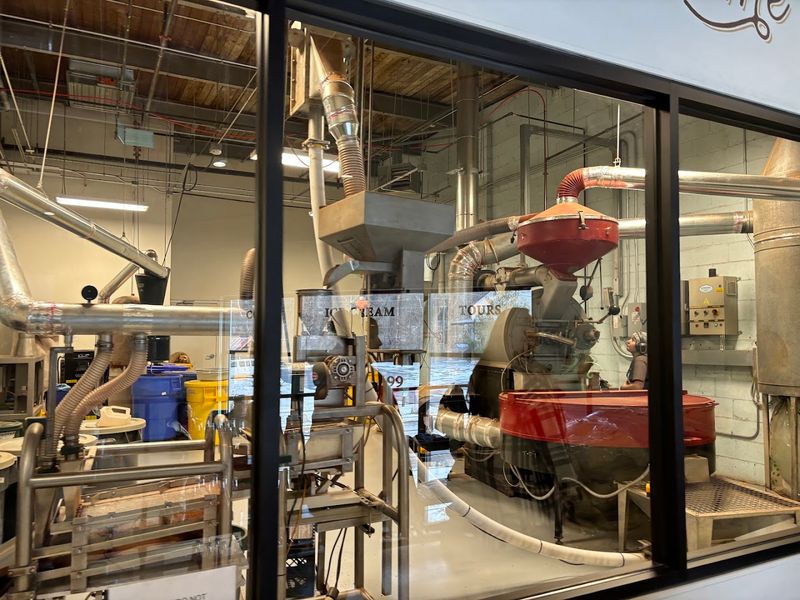
After roasting, the cacao beans have a papery outer shell that needs to go. Cracking breaks the beans into small pieces, and winnowing uses airflow to blow away the lighter shells while the heavier cacao nibs fall into a collection bin.
It sounds simple, but getting it right takes calibrated equipment and careful attention — too much force and you lose precious nib material along with the husks.
Cacao nibs are basically pure chocolate in its most raw, edible form. They have a crunchy texture, a slightly bitter taste, and an intense chocolatey aroma.
Some people snack on them directly, toss them into smoothies, or use them as a granola topping. But at French Broad, they are just the beginning of a much longer transformation.
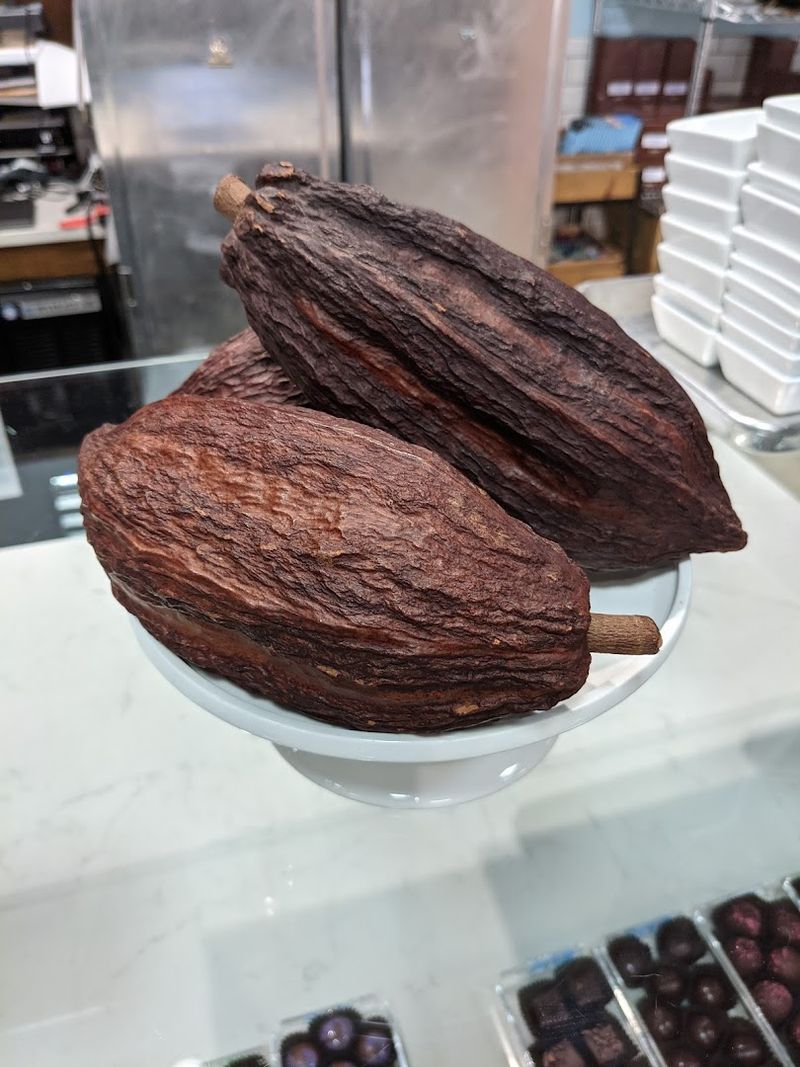
Visitors watching this step during a tour often have a lightbulb moment — suddenly the connection between a tropical fruit pod and a glossy truffle starts to make sense. The winnowing machine itself looks almost comically industrial for something that produces such a refined end product.
Seeing the shells drift away while the nibs collect is genuinely satisfying, like watching a puzzle piece snap into place. It is one of those factory moments that sticks with you long after you have left Asheville.
Grinding Into Liquid Chocolate Called Chocolate Liquor
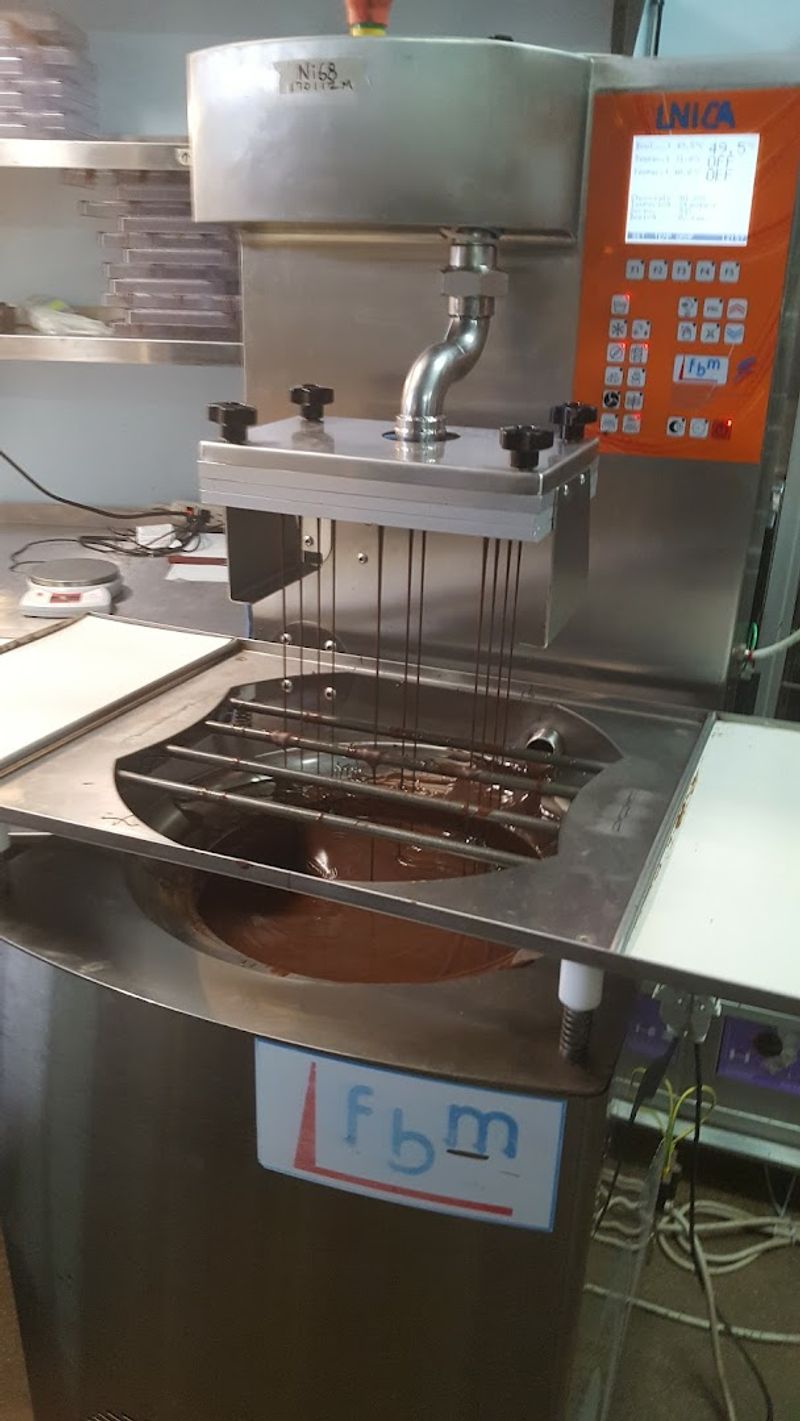
Once the nibs are clean and shell-free, they head into stone grinders — and this is where the real magic starts. The grinding process crushes the nibs so thoroughly that the natural fat inside the cacao, called cocoa butter, begins to melt from the friction and heat.
What comes out is a thick, dark, intensely flavored paste called chocolate liquor. Despite the name, there is absolutely no alcohol in it.
Chocolate liquor is the foundation of every single product made at French Broad. Whether it eventually becomes a dark truffle, a milk chocolate bar, or a cup of drinking chocolate, it all starts from this smooth, flowing paste.
The stone grinders run for hours — sometimes days — to achieve the right consistency and particle size.
Watching this process is oddly mesmerizing. The deep brown paste moves slowly, almost like lava, as the heavy stones work through batch after batch of nibs.
The smell at this stage is powerfully chocolatey — raw and rich in a way that finished chocolate bars simply cannot replicate. For anyone who has ever been curious about what chocolate actually is before all the sugar and cream get added, this is the most honest, revealing moment of the entire factory tour.
Pure cacao, nothing else.
Conching and Refining for Signature Smoothness
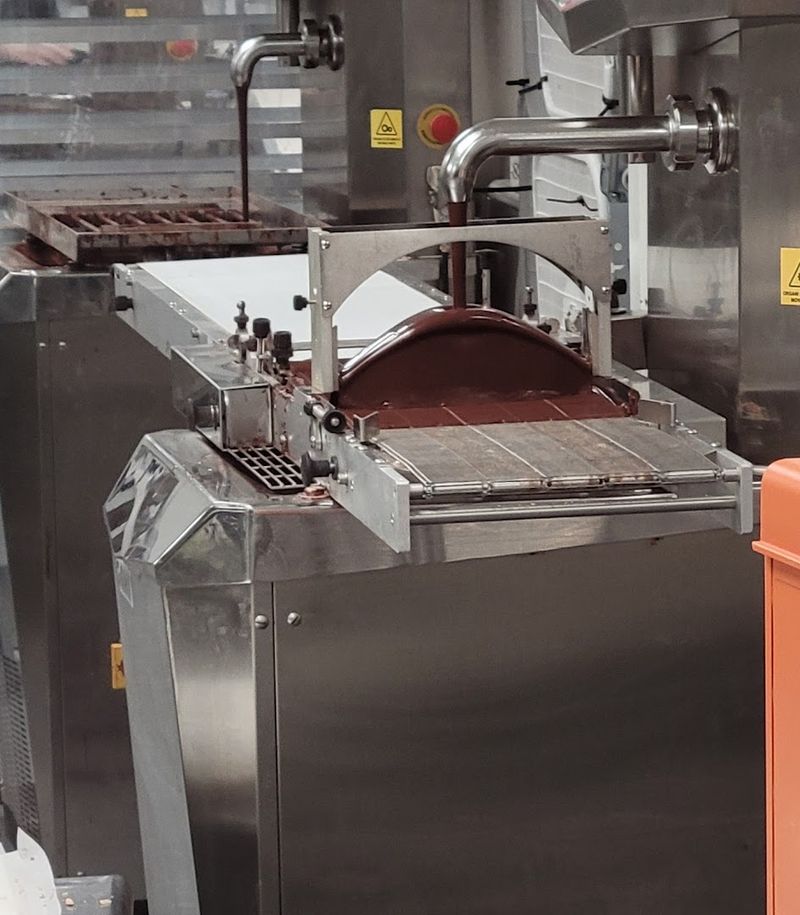
Here is a fun fact: the word “conching” comes from the Spanish word for shell, because early conching machines were shaped like conch shells. Invented by Rodolphe Lindt in 1879, conching completely changed the texture of chocolate — and French Broad uses this same core technique, refined with modern equipment, to develop its signature smoothness.
During conching, the chocolate liquor is mixed, folded, and aerated continuously over many hours. This process does several things at once — it smooths out the texture by reducing particle size, drives off bitter volatile acids, and develops a more balanced, rounded flavor.
The longer the conch, the smoother and more complex the chocolate becomes. It is the difference between gritty and silky, between sharp and mellow.
French Broad takes this stage seriously, adjusting conching times based on the specific cacao origin and the intended product. A truffle filling needs a different texture than a snappable bar, and conching is where those distinctions are dialed in.
Visitors watching through the factory windows might see large tanks slowly churning deep brown chocolate for what seems like forever — and that patience is exactly what makes the final product worth savoring. Good chocolate cannot be rushed, and French Broad knows it.
Watching Truffles and Bonbons Being Finished by Hand
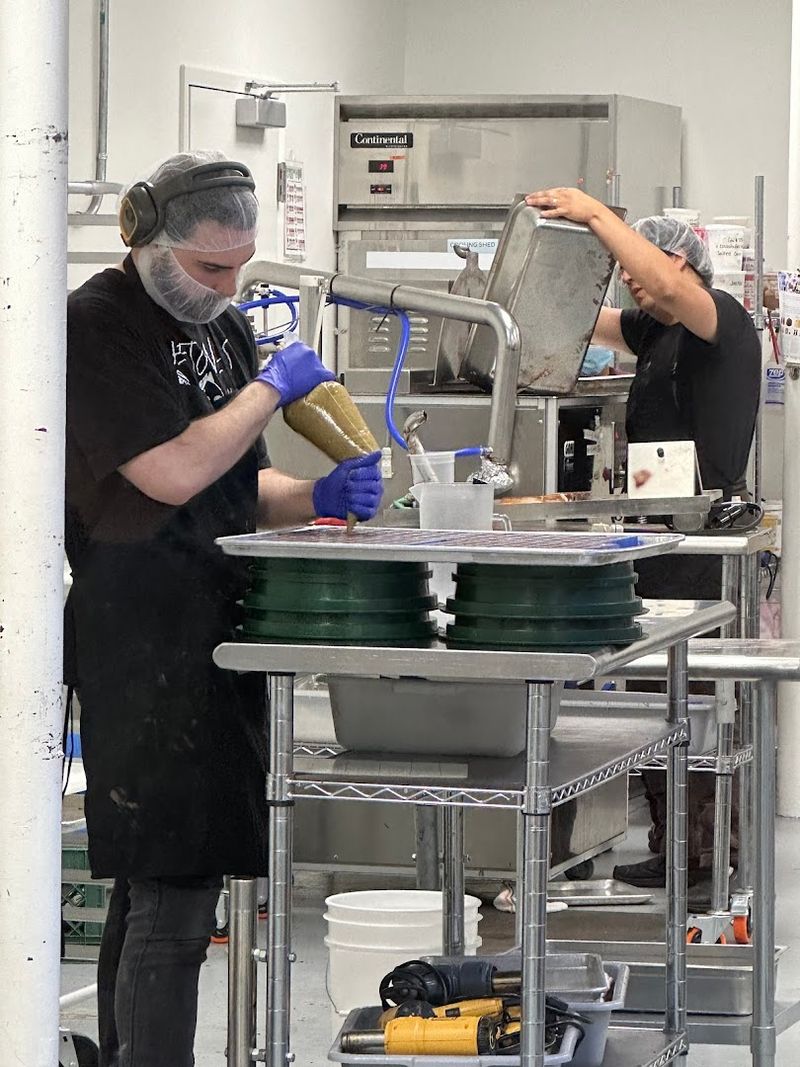
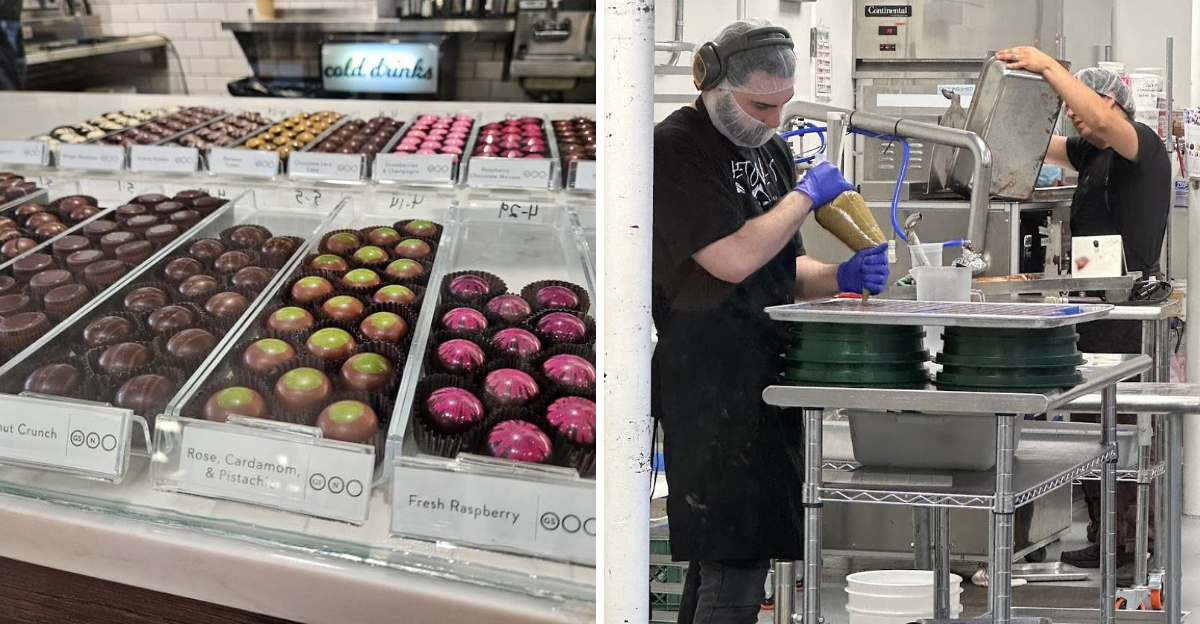
All that roasting, grinding, conching, and tempering eventually leads to this — the moment when finished chocolates take their final shape. At French Broad, truffles and bonbons are filled with ganache, enrobed in tempered chocolate, and decorated by hand with careful, deliberate detail.
Each piece gets individual attention, which is why no two look exactly the same and why they taste so much better than mass-produced alternatives.
Ganache — the creamy, rich filling inside truffles — is made from the factory’s own chocolate blended with cream and other ingredients like local honey, herbs, or seasonal flavors. The flavors rotate throughout the year, reflecting what is fresh and available in the Asheville area.
That connection to local ingredients gives the truffles a sense of place that you can actually taste.
Visitors lucky enough to watch the finishing process see something that feels almost like watching jewelry being made. The precision, the tiny decorative touches, the careful enrobing — it is all surprisingly delicate for a product made in an industrial setting.
This is where French Broad’s identity as an artisan maker really shines through. Every truffle on the cafe counter started as a raw cacao pod on a farm somewhere far away, and the hands-on finishing work is the final act of that long, remarkable journey.
Tasting Experience: From Drinking Chocolate to Fresh Truffles
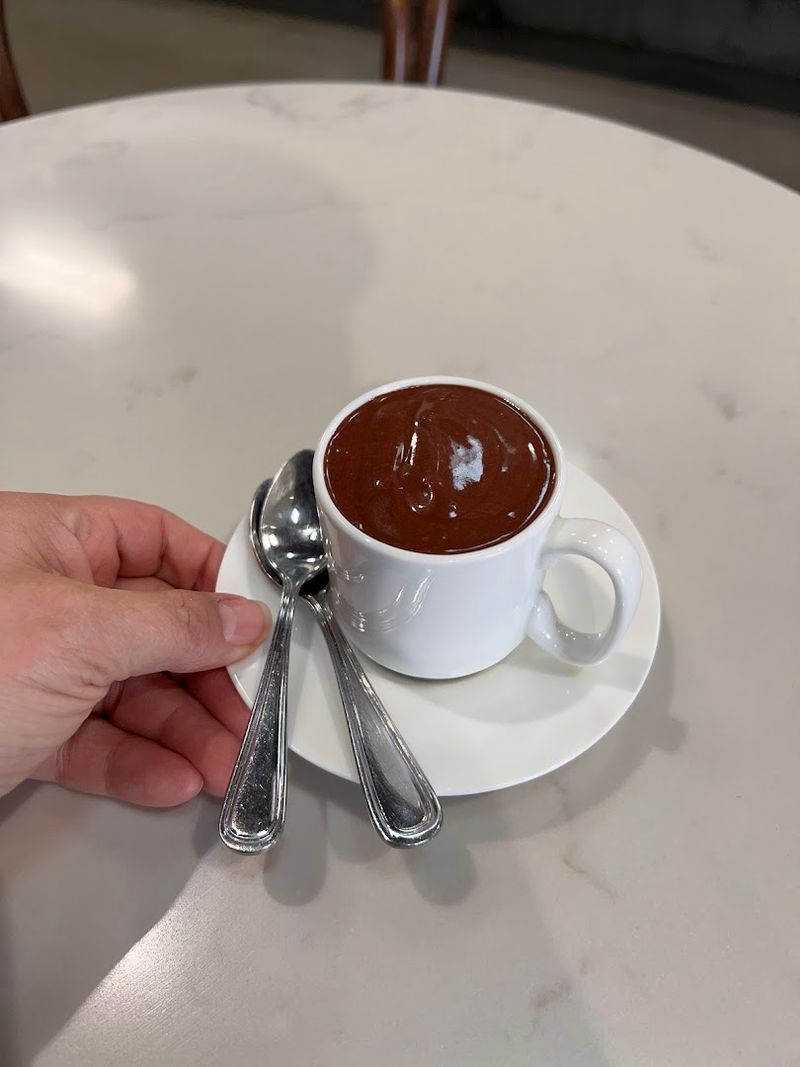
After walking through the production experience, the best possible reward is sitting down at the French Broad cafe and tasting what the factory actually makes. The menu includes thick, velvety drinking chocolate that feels more like melted truffle than a typical hot cocoa.
It is rich, warming, and deeply satisfying — especially on a cool Asheville evening when the mountains outside are misty and quiet.
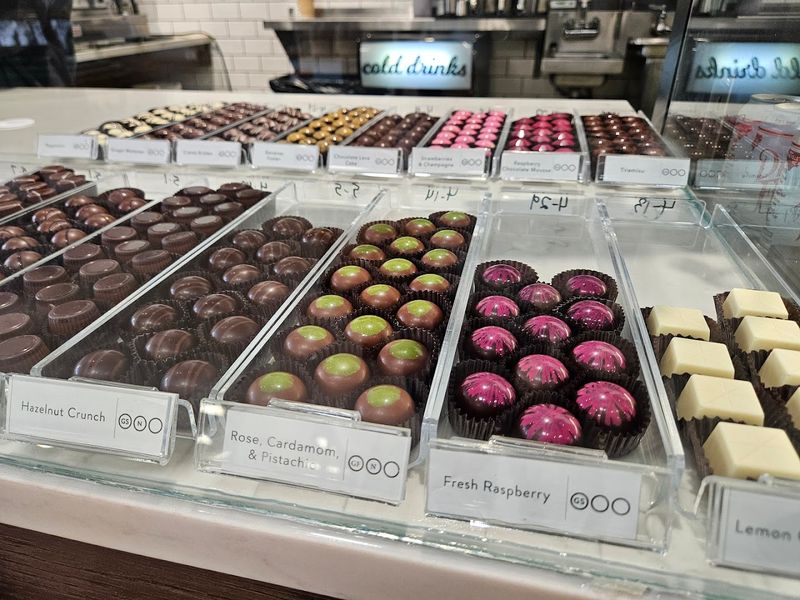
Beyond the drinking chocolate, the cafe offers brownies, ice cream made with house chocolate, seasonal pastries, and of course, a rotating selection of freshly made truffles. The flavor notes change depending on the cacao origin — some bars taste fruity and bright, others taste earthy and deep, and some have a pleasant nuttiness that lingers long after the chocolate has melted.
Tasting a flight of single-origin chocolates here is a genuinely educational experience.
First-time visitors are often surprised by how different high-quality craft chocolate tastes compared to what they grew up eating. The complexity is real, not marketing fluff.
Pairing a dark truffle with a sip of black coffee or a cup of the house drinking chocolate unlocks flavor combinations that feel almost wine-like in their depth. Come hungry, come curious, and plan to linger — this is not a grab-and-go kind of place.
Visitor Info and Tips for the Best Experience
Planning a visit to French Broad Chocolate Factory is worth a little preparation. The factory and cafe are located at 821 Riverside Dr #199, Asheville, NC 28801 — right along the French Broad River in a vibrant arts and food district.
You can reach them at +1 828-348-5187. Parking is available nearby, but the area gets busy on weekends, so arriving early is always a smart move.
Tours fill up fast, especially during peak travel seasons in spring and fall. Booking your spot online in advance is strongly recommended — walk-in availability is not guaranteed.
If you plan to visit the cafe without a tour, mornings tend to be less crowded and the pastry selection is freshest right when doors open. Bring a light jacket because the production areas can run cool from the climate-controlled equipment.
Make time for the on-site shop, where you can pick up bars, truffles, and gift sets to bring home. The chocolate makes an excellent souvenir because it is genuinely unique to this place — you cannot find it at airport gift shops or big-box stores.
Combining the factory tour with a meal in the nearby River Arts District turns the whole outing into a full Asheville food adventure worth every minute.