Florida is packed with stunning state parks where you can sleep steps away from the water without spending a fortune.
From the Gulf Coast to the St. Johns River, these parks offer cozy cabins and yurts that put nature right at your doorstep.
Whether you love snorkeling, kayaking, fishing, or simply watching the sun rise over calm water, there is a spot here for you.
Pack your bags and get ready to discover some of the best affordable waterfront stays Florida has to offer.
Grayton Beach State Park
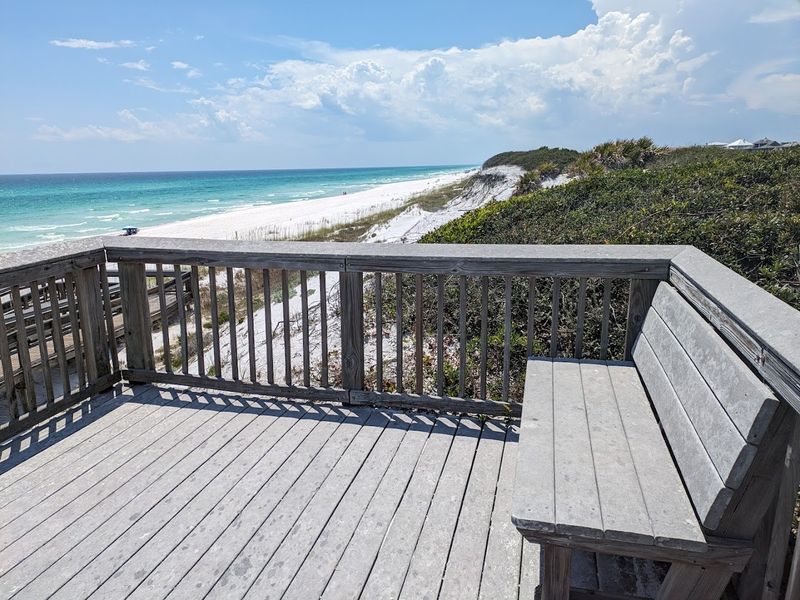
Sugar-white sand, coastal dune lakes, and a cabin that feels almost too good to be true — that is the Grayton Beach State Park experience. Tucked behind towering dunes along Florida’s Gulf Coast, the duplex cabins here offer a surprisingly upscale feel for a state park stay.
You are close enough to the water to hear the waves, but sheltered enough to feel like you have your own private retreat.
The coastal dune lakes at Grayton Beach are genuinely rare. Only a handful of these unique freshwater lakes separated from the Gulf by a thin strip of sand exist anywhere in the world.
Guests can paddle or swim in both the lake and the Gulf within the same afternoon.
Sunsets here are legendary among Florida campers. The park’s relatively low crowds compared to nearby beach towns make evenings especially peaceful.
Cabins book up fast, especially during summer and fall, so reserving several months in advance is strongly recommended. Amenities inside the cabins include air conditioning, full kitchens, and comfortable beds, making this feel more like a beach cottage than a campsite.
Bahia Honda State Park
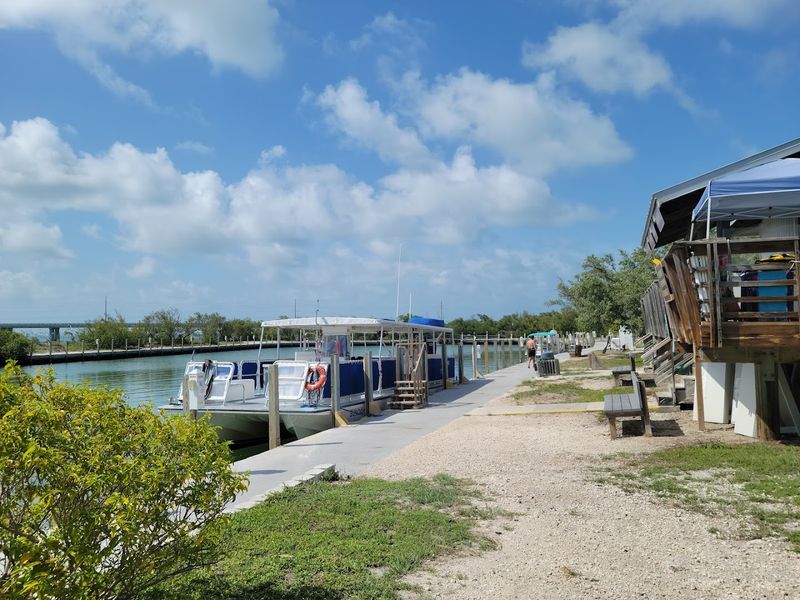
Waking up in the Florida Keys with turquoise water visible right outside your cabin window is the kind of morning most people only dream about. At Bahia Honda State Park, that dream is surprisingly affordable.
The cabins here sit perched on stilts near the shoreline, offering sweeping views of the Atlantic Ocean and Florida Bay at the same time.
The snorkeling around Bahia Honda is exceptional. Looe Key Reef is just a short boat ride away, and the shallow waters near the beach are teeming with colorful fish even for beginners.
Guests often spot sea turtles, rays, and nurse sharks cruising through the crystal-clear shallows without ever leaving the park’s beach area.
Fun fact: Bahia Honda is consistently ranked among the top beaches in the entire United States, which makes it even more impressive that you can stay right here for a fraction of hotel prices. The park also has a boat ramp, kayak rentals, and a small camp store.
Reservations open up to eleven months in advance and fill almost immediately, so early planning is absolutely essential for anyone hoping to land one of these coveted waterfront cabins.
Blue Spring State Park
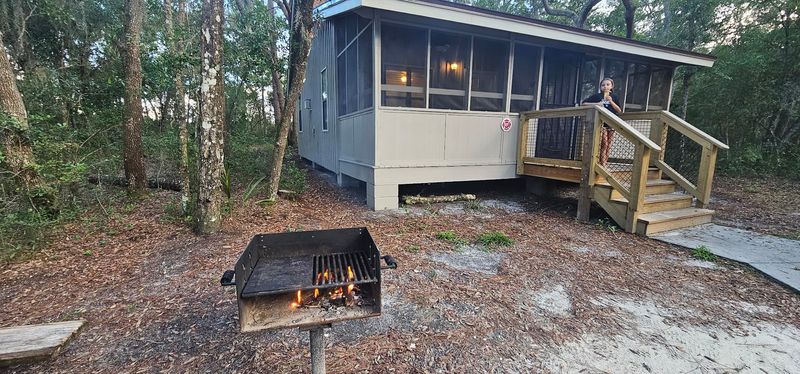
Every winter, hundreds of West Indian manatees migrate into the warm, crystal-clear waters of Blue Spring, turning this Orange City park into one of Florida’s most magical wildlife destinations. The spring maintains a constant 68-degree temperature year-round, drawing manatees from November through March.
Staying in one of the park’s cabins during this season means front-row access to one of nature’s most peaceful spectacles.
Beyond manatee season, Blue Spring still delivers. The spring run connects to the St. Johns River, offering excellent kayaking through cypress-lined waterways draped in Spanish moss.
Swimmers love the clear, cool water on hot Florida afternoons, and the visibility underwater is remarkable compared to most natural swimming spots in the state.
The cabins at Blue Spring are well-maintained and fully equipped, sleeping up to six people comfortably. Each one comes with a screened porch that catches the breeze off the water beautifully.
The park also features a boardwalk along the spring run where you can watch manatees, turtles, and fish from above. Families especially enjoy how easy the trail system is to navigate, making this one of the most accessible waterfront state park stays in all of Florida.
Myakka River State Park
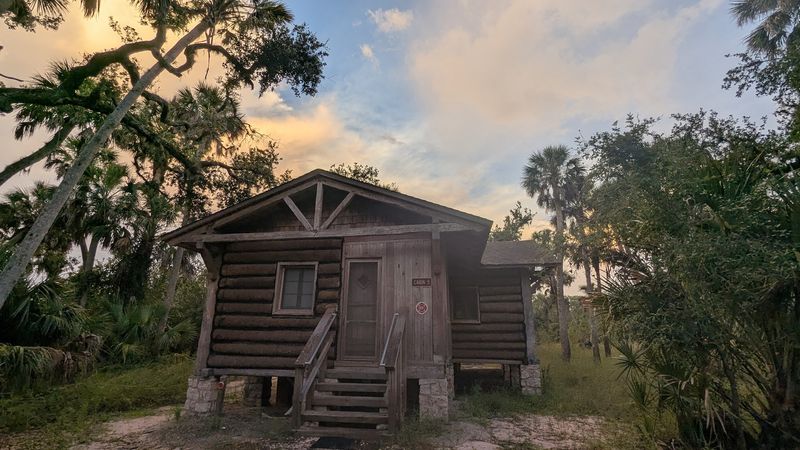
Myakka River State Park has a wild, untamed character that sets it apart from most Florida parks. Established in the 1930s, it is one of the state’s oldest and largest parks, covering over 37,000 acres of prairies, wetlands, and hammocks.
The cabins here sit close to the Myakka River and surrounding waterways, putting guests right in the middle of some seriously impressive wildlife territory.
Alligators are basically guaranteed sightings here. The river and adjacent lakes host some of the densest alligator populations in Florida, and it is not unusual to spot them from your porch or while walking the short trail to the water.
Herons, sandhill cranes, roseate spoonbills, and bald eagles also frequent the area regularly.
The park’s airboat and tram tours are popular add-ons that give guests an even closer look at the ecosystem. Kayaking the Myakka River offers a slower, quieter way to experience the waterways.
The original CCC-built cabins have a charming, historic feel with stone fireplaces and dark wood interiors. They sleep up to six people and include basic cooking equipment, making them perfect for families or groups wanting a genuine Old Florida adventure at a very reasonable nightly rate.
Lake Louisa State Park
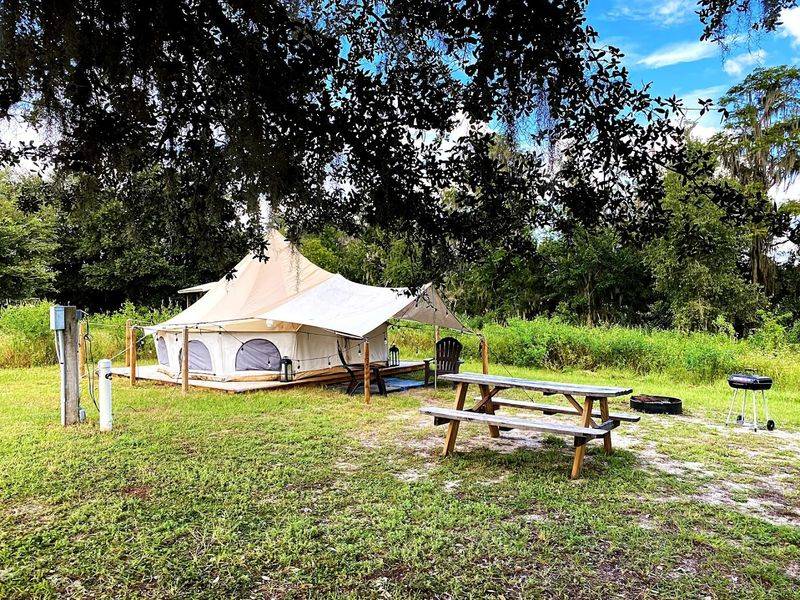
Not every state park cabin feels like roughing it, and Lake Louisa State Park is proof of that. The modern lakeside cabins here are some of the most comfortable in Florida’s state park system, featuring full kitchens, air conditioning, and private decks that look directly out over the water.
Located in Clermont, just west of Orlando, this park is a surprisingly peaceful escape from the theme park crowds nearby.
Lake Louisa is part of a chain of thirteen lakes connected by canals, giving kayakers and anglers plenty of room to explore. Bass fishing on the lake is popular year-round, and the calm water makes paddleboarding easy even for beginners.
Watching the mist rise off the lake at sunrise from your cabin deck is genuinely one of those moments that sticks with you.
The park also has hiking and equestrian trails winding through rolling hills and citrus groves, which is an unusual landscape for Central Florida. Wildlife sightings including deer, sandhill cranes, and gopher tortoises are common along the trails.
Cabin availability here is competitive but slightly easier to secure than some of the coastal parks, making Lake Louisa a smart choice for last-minute planners looking for a quality waterfront experience.
Silver Springs State Park
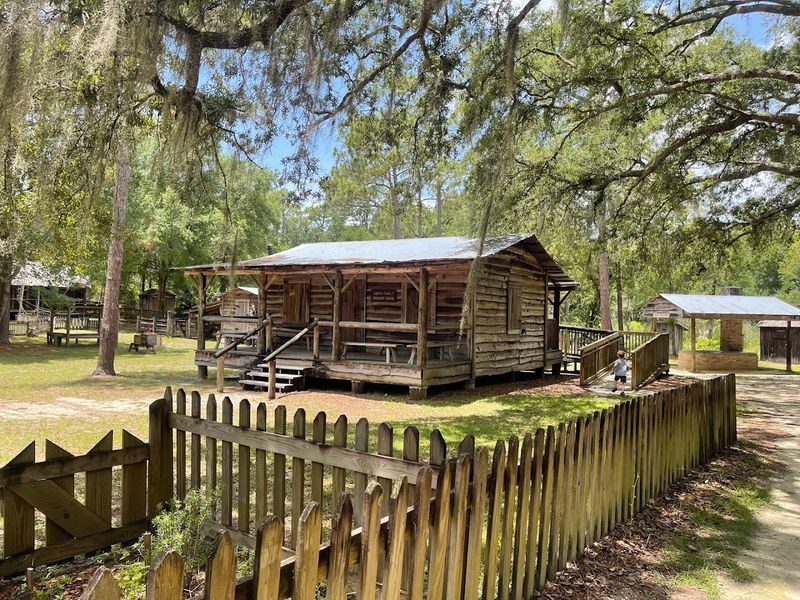
Silver Springs has been captivating visitors since the 1870s, making it one of Florida’s oldest tourist destinations. The spring produces over 500 million gallons of crystal-clear water daily, creating some of the most transparent freshwater in the entire world.
Staying in a cabin near these legendary springs puts you within easy reach of glass-bottom boat tours, kayak trails, and snorkeling spots that feel almost surreal in their clarity.
The springs and Silver River are also a wildlife paradise. Rhesus monkeys — descendants of animals brought here for a Tarzan movie shoot in the 1930s — still roam the riverbanks and occasionally show up near the water’s edge.
Manatees, river otters, turtles, and hundreds of fish species share the spring run, making every paddle or swim feel like an aquarium visit.
The park’s cabins are nestled in a forested area a short walk from the main spring area. They offer a quiet, shaded retreat after a full day on the water.
Air conditioning, full kitchens, and comfortable sleeping arrangements make them well-suited for families. The park also hosts regular ranger-led programs that teach visitors about the spring ecosystem, adding an educational layer to what is already a deeply memorable Florida waterfront stay.
Cayo Costa State Park
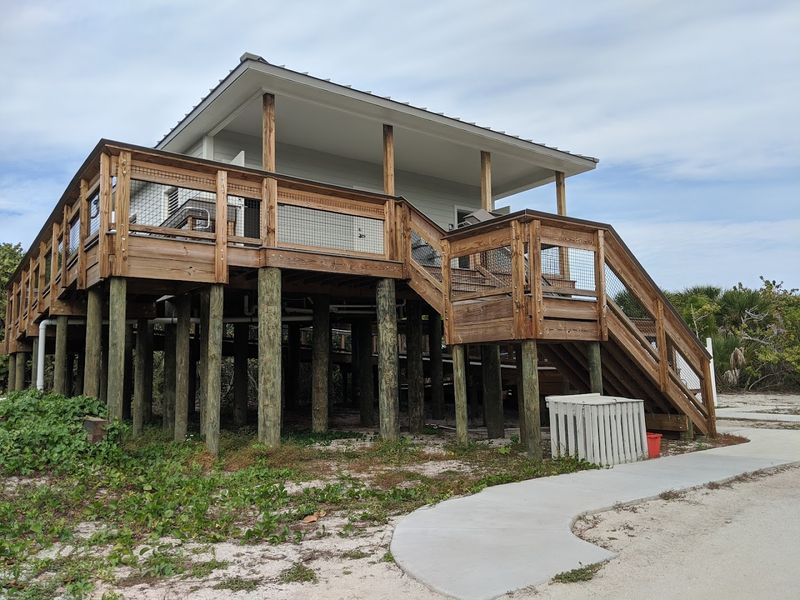
Getting to Cayo Costa requires a boat, and that is exactly what makes it so special. No roads, no cars, no convenience stores — just nine miles of untouched Gulf beach, dense mangrove forests, and rustic cabins that feel like a genuine escape from modern life.
The ferry from Pine Island drops you off on an island that most Florida visitors never even know exists.
The beaches at Cayo Costa are consistently rated among the most pristine in the state. Shelling is outstanding here because the island sees far fewer visitors than nearby Sanibel or Captiva.
Dolphins are spotted regularly just offshore, and the snorkeling around the island’s edges reveals healthy seagrass beds and colorful fish.
The cabins are rustic by design — no air conditioning, no television, and limited electricity. Ceiling fans, screened porches, and basic cooking equipment are what you get, and honestly, that is all you need.
The simplicity is part of the appeal. Nights here are extraordinarily dark and quiet, making stargazing from the beach an unforgettable experience.
If you are looking for the most off-grid, water-immersed cabin experience Florida’s state park system has to offer, Cayo Costa stands alone at the top of that very short list.
Jonathan Dickinson State Park
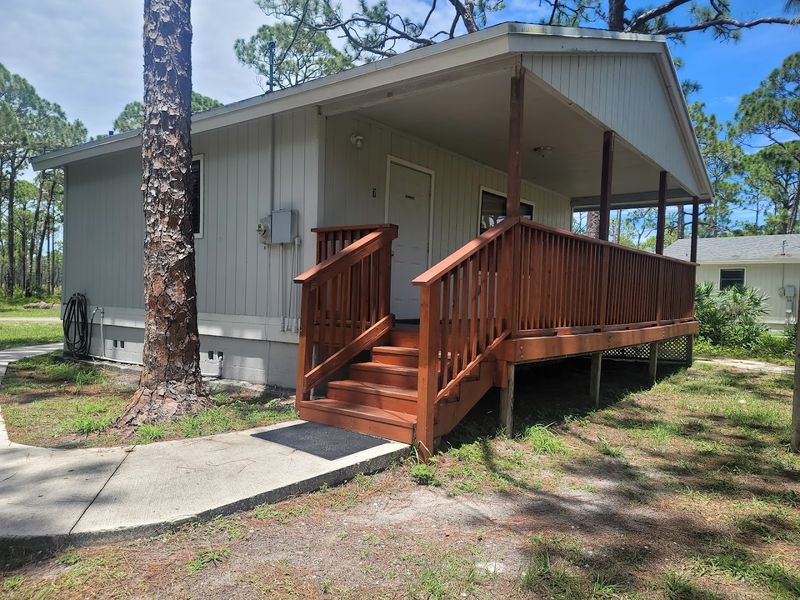
The Loxahatchee River earned its federal Wild and Scenic River designation for good reason. Paddling its dark, tannin-stained waters through ancient cypress forests feels like traveling back in time to a Florida that existed long before theme parks and beach condos.
Jonathan Dickinson State Park in Hobe Sound preserves this landscape beautifully, and the cabins here put guests right next to it.
River tours depart from within the park, offering guided boat trips through the cypress-lined waterways where manatees, alligators, and ospreys are regularly spotted. Kayak and canoe rentals are available on-site, making it easy to explore at your own pace.
The river’s calm stretches are manageable for paddlers of all skill levels, including kids.
The park’s cabins are comfortable and well-maintained, with air conditioning and full kitchens making multi-night stays easy. Jonathan Dickinson also offers one of Florida’s most diverse ecosystems — scrub, flatwoods, mangroves, and river habitats all exist within the park’s boundaries.
Fishing in the river and nearby Hobe Grove Ditch is consistently productive for bass and panfish. The park is conveniently located between Palm Beach and Stuart, making it accessible from South Florida without requiring a long drive into the state’s interior.
Hontoon Island State Park
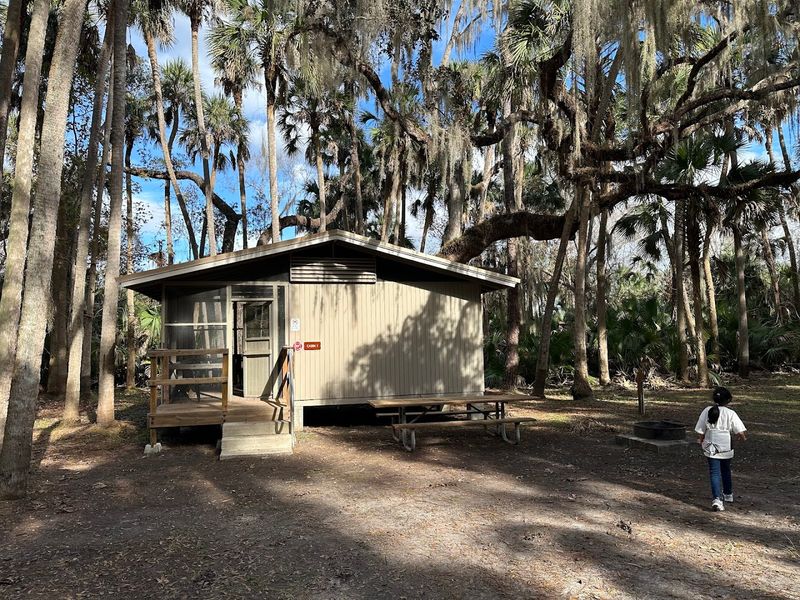
There is something deeply satisfying about arriving somewhere by ferry. Hontoon Island State Park, located near DeLand on the St. Johns River, is only reachable by a small free ferry or private boat, which immediately signals that you are somewhere worth the effort.
The island has been inhabited for thousands of years — ancient Native American mounds still exist within the park, adding a layer of history to every walk through the trees.
The cabins here are rustic but comfortable enough for a relaxing multi-night stay. Surrounded entirely by the St. Johns River and its backwater channels, the island creates a natural moat that keeps the noise and pace of everyday life at a distance.
Fishing from the island’s banks is excellent, and kayaking the surrounding channels reveals herons, anhingas, and the occasional river otter.
Hontoon Island also has a campground and a network of hiking trails that loop through the island’s interior hammock and wetland areas. Deer and armadillos are frequently spotted in the early morning hours.
The park’s small size and limited visitor capacity mean it never feels crowded, which is increasingly rare in Florida. For anyone craving genuine seclusion paired with waterfront access, Hontoon Island delivers a quietly extraordinary experience.
Three Rivers State Park
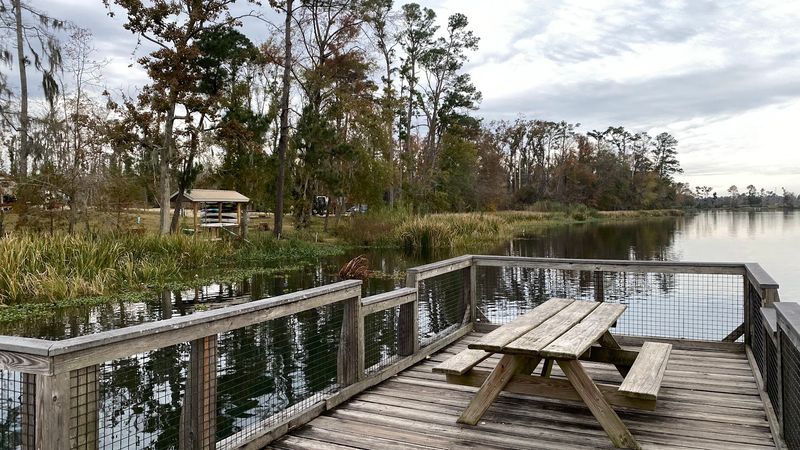
Lake Seminole spreads out like a vast inland sea along the Florida-Georgia border, and Three Rivers State Park sits right on its edge with some of the most sweeping waterfront views in the entire state park system. The cabins here face the water directly, making sunrise and sunset views an automatic part of every stay.
Few places in Florida offer this kind of wide-open lake scenery from a cabin porch.
Boating and fishing are the main draws at Lake Seminole. The lake is famous for largemouth bass, crappie, and bream, attracting serious anglers from across the Southeast.
A boat ramp within the park makes launching easy, and the park’s location at the convergence of the Flint and Chattahoochee Rivers adds additional fishing and paddling territory to explore.
The park is located near Sneads in the Florida Panhandle, making it a natural stop for anyone traveling through the region. Wildlife sightings around the lake include bald eagles, osprey, white-tailed deer, and wild turkey.
The cabins are well-maintained and include basic amenities for a comfortable stay. Three Rivers tends to be less crowded than Florida’s more famous parks, which means cabin availability is often better and the overall atmosphere is quieter and more relaxed.
Rainbow Springs State Park
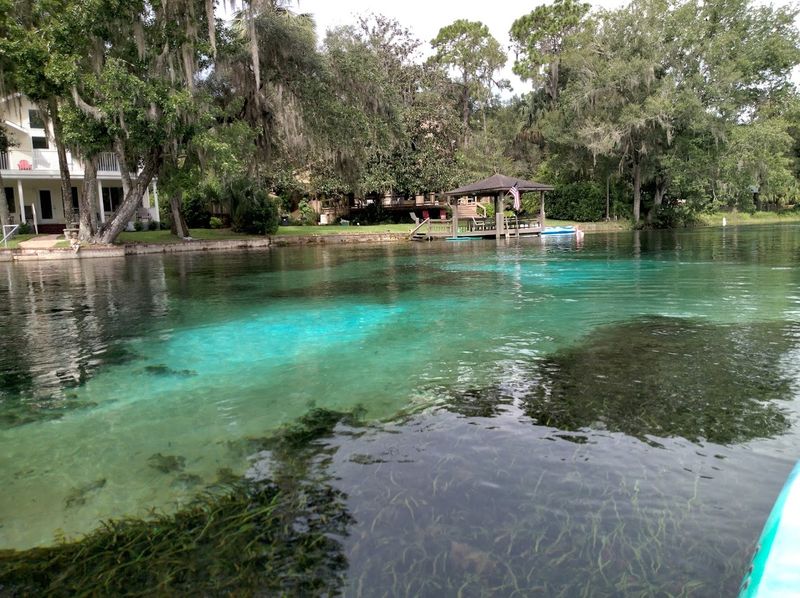
Rainbow Springs pumps out an average of 490 million gallons of water per day, creating a river so vividly blue and green that first-time visitors often stop and stare before they even think about getting in. Located near Dunnellon in Marion County, this spring was once a major commercial attraction in the mid-20th century, complete with submarine rides and performing mermaids.
Today it operates as a state park, and the water is just as stunning as ever.
Swimming in the spring run is one of the top activities here. The water stays around 68 degrees year-round, making it a refreshing escape during Florida’s long, hot summers.
Tubing and kayaking the Rainbow River are enormously popular, with the gentle current carrying floaters through crystal-clear water above vivid aquatic plant beds.
Cabin accommodations near Rainbow Springs are situated in the adjacent campground area, offering comfortable access to the park without being directly on the spring itself. The surrounding gardens, which date back to the park’s commercial attraction days, are beautifully maintained and add a lush, almost tropical feel to the landscape.
Snorkeling the spring run is outstanding for anyone comfortable in the water, with visibility often exceeding 100 feet on calm days.
Highlands Hammock State Park
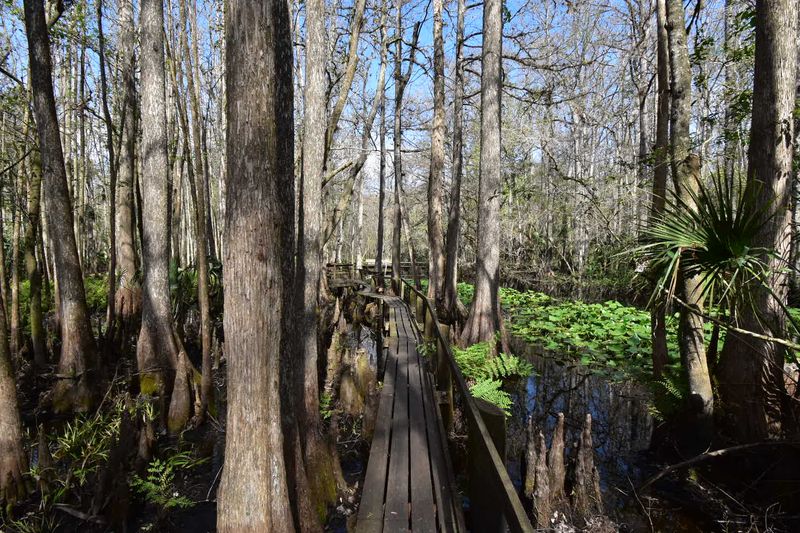
Highlands Hammock State Park in Sebring carries the kind of quiet dignity that comes with age. Established in 1931, it is one of Florida’s original four state parks, and the old-growth cypress and oak hammocks here have been standing for centuries.
The cabins sit within this ancient landscape, surrounded by wetlands, swamps, and some of the most atmospheric forest scenery in the entire state.
Boardwalks wind through the cypress swamp, hovering just above the dark, mirror-still water where turtles sun themselves on logs and alligators drift silently beneath the surface. The park’s trail system is well-maintained and mostly flat, making it accessible for all ages and fitness levels.
Early morning walks here, when mist hangs over the swamp and birds begin calling from the canopy, are genuinely unforgettable.
The CCC-era architecture throughout the park gives it a historic charm that newer parks simply cannot replicate. The cabins reflect this character, with solid construction and shaded porches that feel perfectly suited to their surroundings.
Fishing is available in the park’s creek and surrounding wetland areas. Highlands Hammock also offers a small natural history museum and tram tours for visitors who want a guided introduction to the ecosystem before setting out on their own explorations.
Torreya State Park
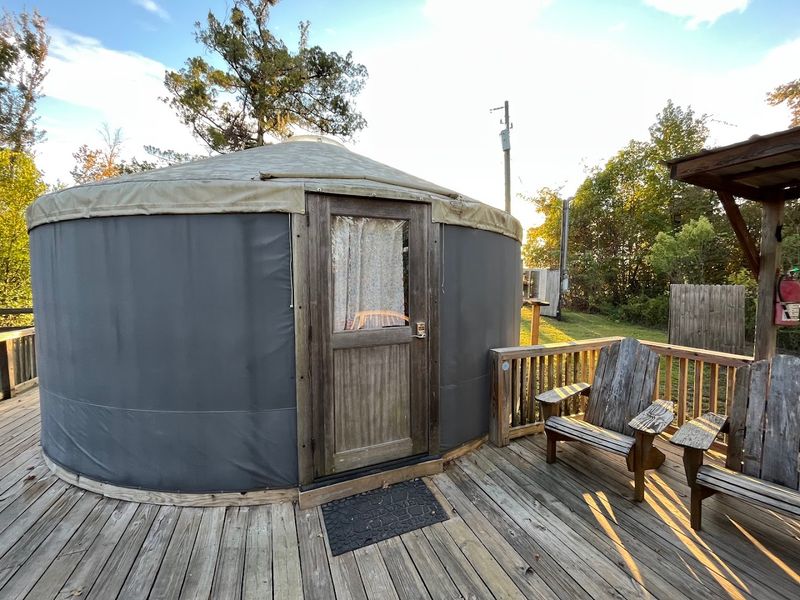
Torreya State Park occupies one of the most geologically unusual landscapes in Florida. Perched on steep bluffs above the Apalachicola River in the Panhandle, the park looks nothing like the flat, sandy terrain most people associate with the state.
Towering hardwood forests, deep ravines, and river views create a setting that feels more like the Appalachian foothills than Florida, and the yurts here lean right into that cozy, elevated character.
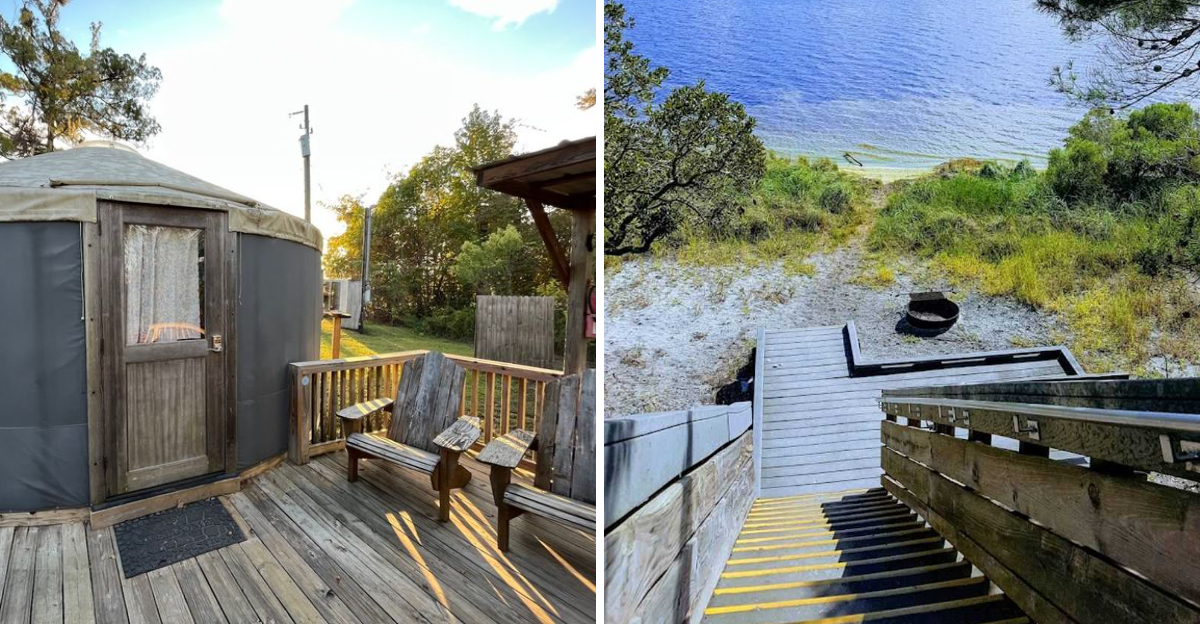
The yurts at Torreya are a genuinely fun alternative to traditional cabins. Circular, insulated, and equipped with basic furnishings, they offer a semi-rustic experience that feels adventurous without being uncomfortable.
The bluff location means river views are available from nearby overlooks just a short walk from your stay.
Torreya is also home to the critically endangered Torreya taxifolia tree, one of the rarest trees in North America, which grows naturally only in this small region. Guided tours of the historic Gregory House, a restored plantation home within the park, add a fascinating historical dimension to any visit.
Hiking the park’s challenging ridge trails rewards visitors with dramatic views of the Apalachicola River valley below. For anyone wanting a yurt experience paired with serious natural beauty, Torreya is an outstanding and often overlooked choice.
St. Joseph Peninsula State Park
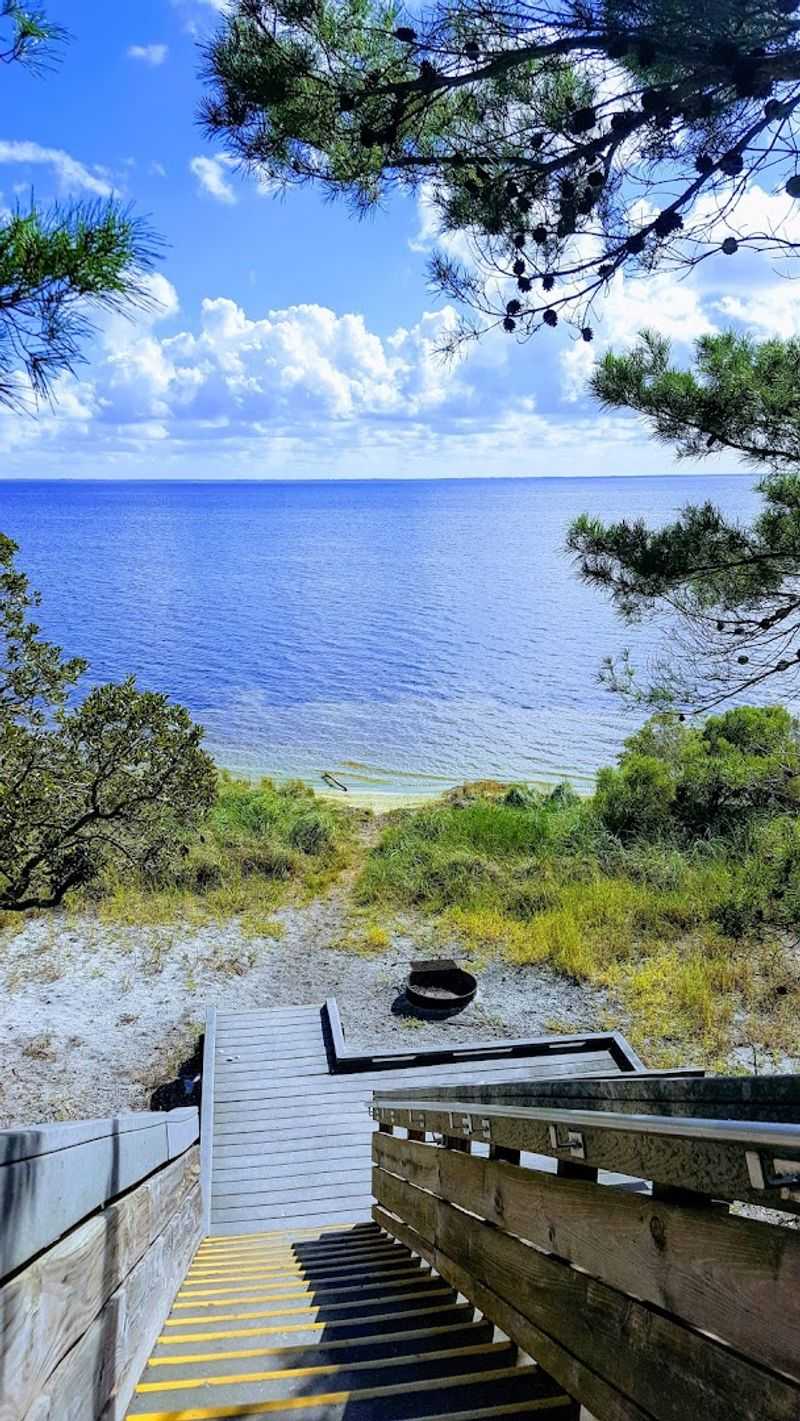
St. Joseph Peninsula juts out into the Gulf of Mexico like a long, narrow finger of sand, with St. Joseph Bay on one side and the open Gulf on the other. The cabins here sit facing the bay, where calm, shallow water makes swimming, kayaking, and stand-up paddleboarding easy and enjoyable for all ages.
Boardwalks lead directly from the cabin area down to the shoreline, so the water is never more than a short stroll away.
The bay side of the peninsula is especially popular with snorkelers and scallop hunters during summer months. The seagrass beds in St. Joseph Bay support one of the healthiest bay scallop populations in Florida, and the annual scalloping season draws visitors from across the state.
Clear, calm water and shallow depths make it a family-friendly activity that requires almost no experience.
The Gulf side of the park offers a completely different experience — wide, white-sand beaches facing open water with consistent waves and excellent shelling conditions. The park is also a major stopover point for migratory birds each fall, making it a favorite among birdwatchers.
Cabins here are well-equipped and comfortable, sleeping up to eight people in some configurations, which makes St. Joseph Peninsula one of Florida’s best values for a waterfront group getaway.