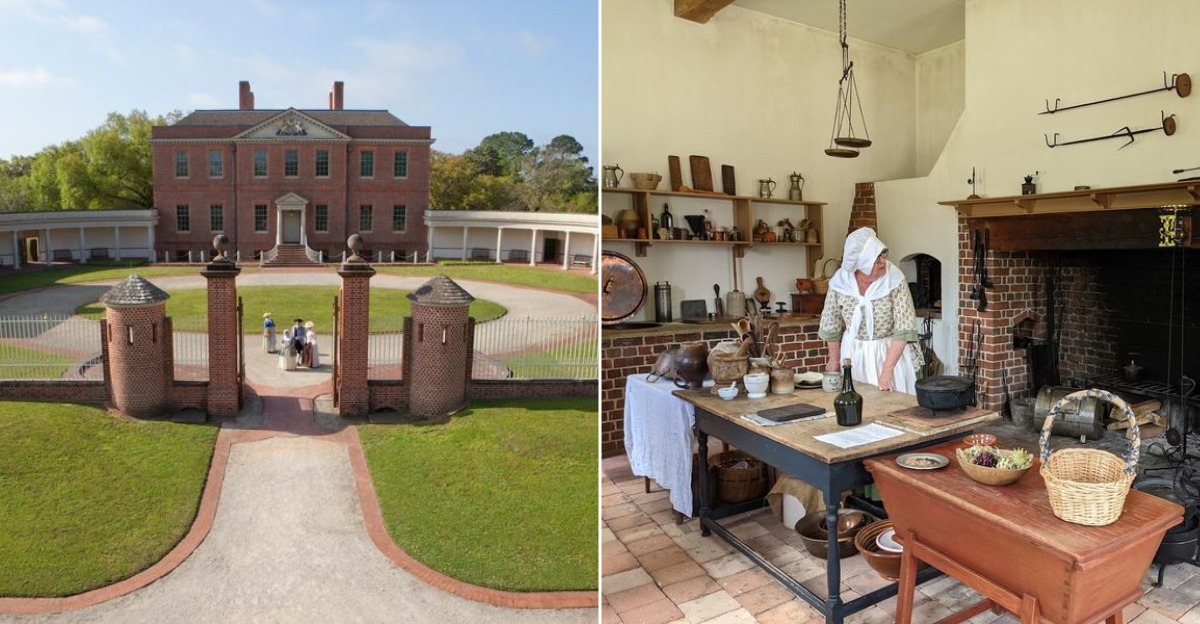
Imagine stepping through the front doors of a grand 18th-century mansion and being greeted by someone dressed exactly as they would have been in 1770. That is exactly what happens at Tryon Palace in New Bern, North Carolina, a stunning reconstruction of the original Royal Governor’s mansion that once stood as the most impressive building in colonial America.
Built from the original architectural plans and filled with period-authentic furnishings, this living history site brings the past to life in a way that textbooks simply cannot match. Whether you love history, architecture, or just a good story, Tryon Palace has something that will genuinely surprise you.
The Grand Reconstruction: How a Lost Palace Was Rebuilt from Original Plans
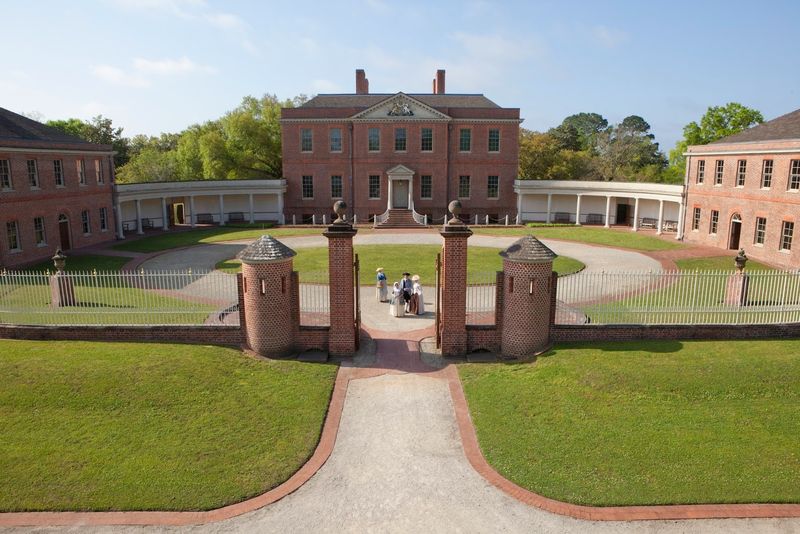
Most historic sites show you what survived. Tryon Palace shows you what was brought back.
The original palace, completed in 1770, burned to the ground in 1798, leaving only the west wing standing. What you see today is the result of a remarkable 1950s reconstruction effort, built using the original architectural drawings by English architect John Hawks.
Those blueprints had been preserved in England for nearly 200 years, and when historians finally tracked them down, it opened the door to one of the most ambitious restoration projects in American history. Every brick, every window placement, and every roofline detail was guided by those original documents.
The result is a building that looks almost exactly as it did when Royal Governor William Tryon first moved in.
Visiting today, it is easy to forget the building is not original. The craftsmanship is that convincing.
Furnishings inside are authentic 18th-century pieces, some even traced back to the original household. For history enthusiasts, knowing that what you are walking through reflects genuine historical accuracy rather than creative guesswork makes the entire experience feel remarkably meaningful and worth every step.
Costumed Interpreters: The Living, Breathing Heartbeat of Every Room
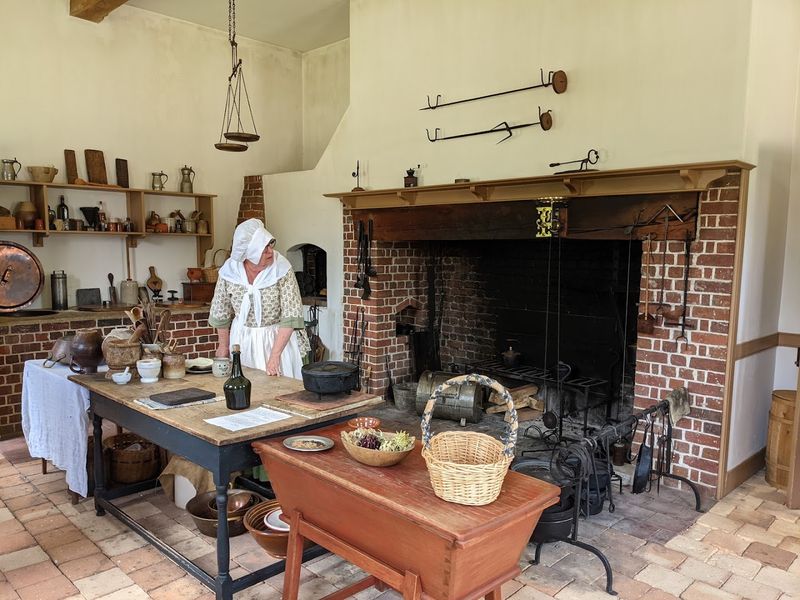
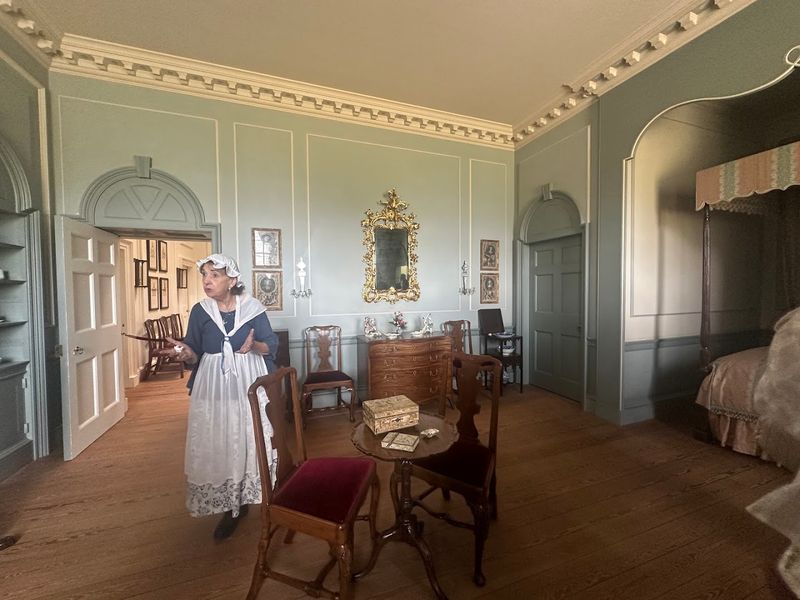
Walking into a beautifully restored room is one thing. Walking into one where a knowledgeable person in full 18th-century costume greets you and starts talking about daily life in 1770 is something else entirely.
The costumed interpreters at Tryon Palace are the feature visitors mention most in their reviews, and for very good reason.
These guides are not just wearing fancy clothes. They are trained historians and storytellers who know the palace inside and out.
Ask about the furniture, the politics, the food, or even the gossip of colonial New Bern, and they will give you a detailed, engaging answer. Several reviewers specifically named their guides by name, calling them exceptional, vibrant, and phenomenal.
The guides also do something important that many history sites skip: they are honest about what is not known. One visitor praised their guide Anna for being upfront about gaps in the historical record, which actually made the experience feel more trustworthy and real.
When you combine authentic period clothing with genuine historical knowledge and a warm, welcoming personality, you get a tour experience that sticks with you long after you leave New Bern behind.
The Council Chamber and Ballroom: Where Colonial Power Was On Full Display
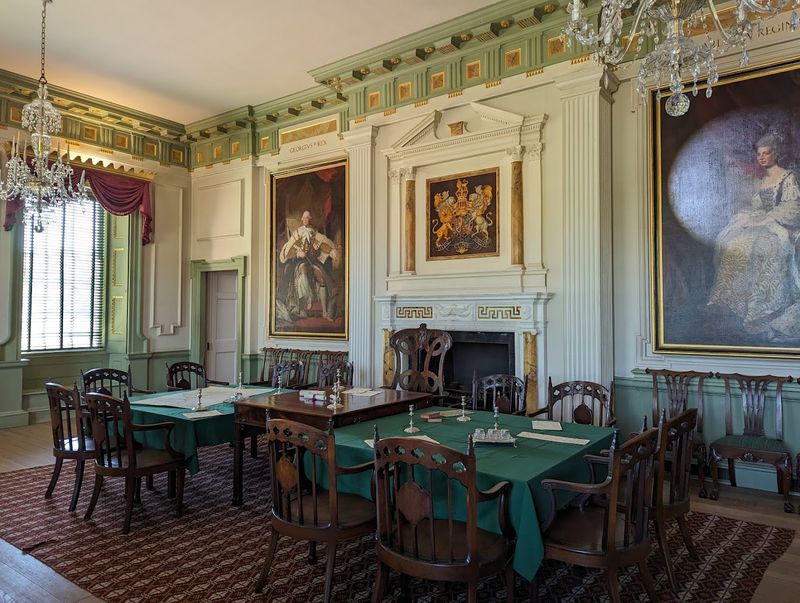
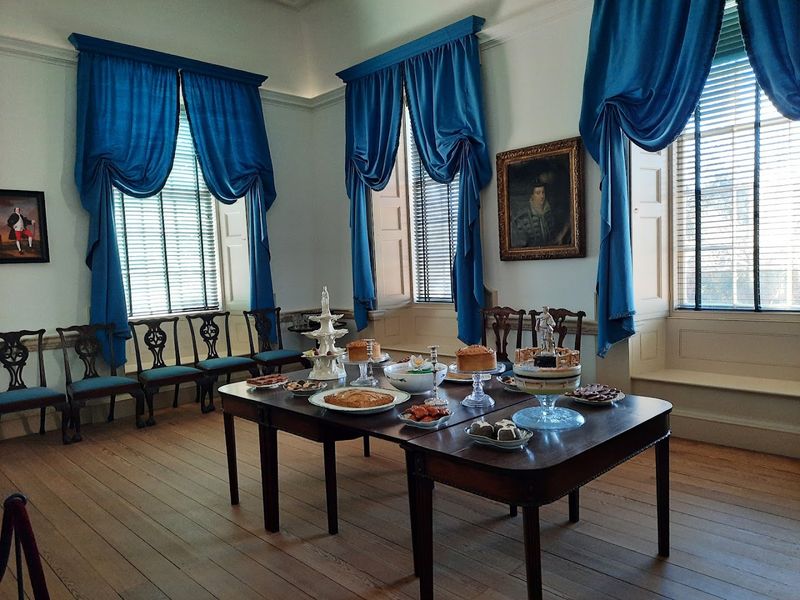
Few rooms in American colonial history carry as much drama as the council chamber and ballroom at Tryon Palace. This is where the business of governing colonial North Carolina was conducted, where laws were debated, and where the social elite of the 18th century gathered to see and be seen.
Standing in this room today, you can almost hear the rustle of silk and the murmur of political negotiation.
One of the most memorable stories connected to this space involves none other than George Washington himself. According to historical accounts, Washington reportedly danced with 70 ladies in this very room during his 1791 Southern Tour.
Whether you believe the number or not, the story perfectly captures the grand social purpose this space was designed to serve.
The room is furnished with period-appropriate pieces that reflect both the wealth and the power Governor Tryon wanted to project. Tryon Palace was deliberately built to impress, and this chamber delivers on that ambition completely.
Visitors often describe lingering here longer than anywhere else in the palace, drawn in by the combination of architectural grandeur and genuinely fascinating stories that the interpreters bring to life with obvious enthusiasm.
The Kitchen Building: Demonstrations, Aromas, and the Real Story of Colonial Cooking
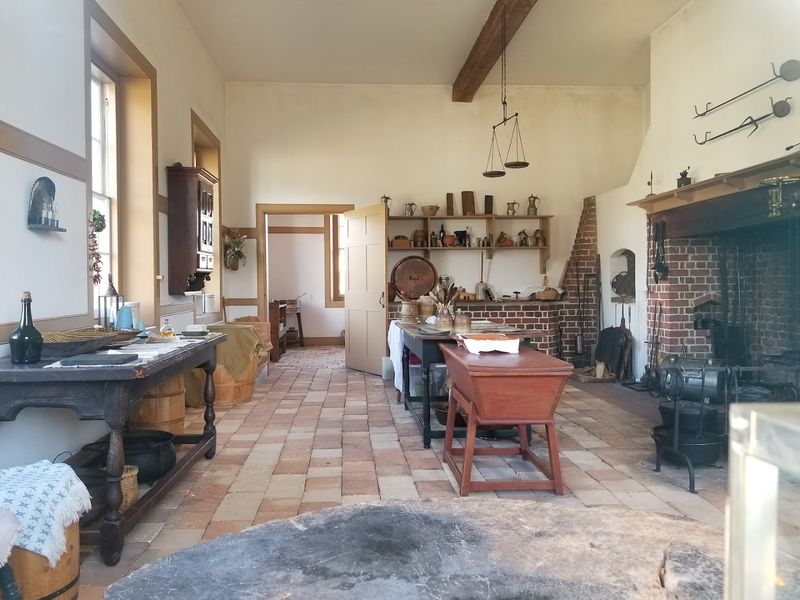
Colonial cooking was nothing like pulling something out of a modern oven. At Tryon Palace, the separate kitchen building gives visitors a front-row seat to what food preparation actually looked like in the 1770s, complete with live demonstrations that engage all your senses at once.
The smell of something cooking over an open hearth makes the whole experience feel wonderfully immediate.
The kitchen was deliberately built as a separate structure from the main palace, a common practice in colonial times meant to reduce the risk of fire spreading to the main house. That detail alone tells you a lot about how differently people thought about daily life back then.
The interpreters stationed here explain not just how food was prepared, but who prepared it, what ingredients were available, and what a typical meal might look like for both the governor and the servants.
Reviewers have noted that the kitchen stop adds real depth to the overall tour. One visitor described the kitchen staff as less interactive than the main house guides, which is worth keeping in mind.
However, the demonstrations themselves are consistently praised as a highlight, especially for younger visitors who find hands-on history far more engaging than simply reading a plaque on a wall.
The Formal Gardens: 16 Acres of 18th-Century Landscape Design
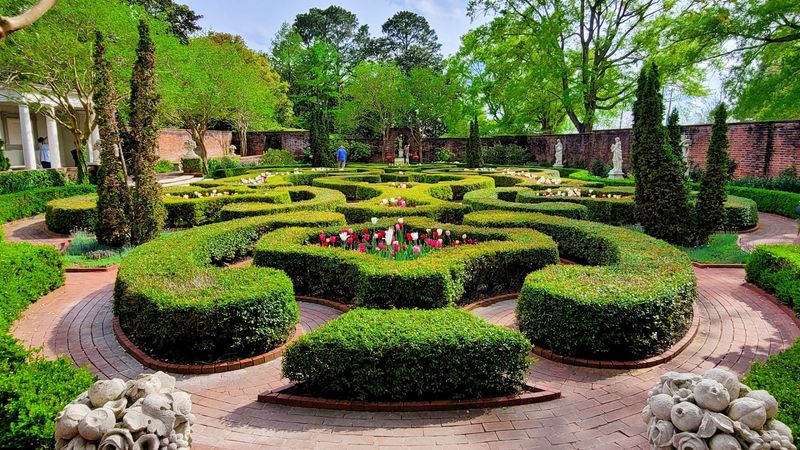
Even in October, when fewer flowers are blooming, visitors consistently describe the gardens at Tryon Palace as absolutely beautiful. That is a testament to the quality of the landscaping, which covers 16 acres and follows formal 18th-century design principles that were all about symmetry, order, and showing off the wealth of the estate’s owner.
The gardens stretch right down to the waterfront, giving the entire property a sense of openness and grandeur that photographs struggle to capture. Walking the paths between carefully maintained hedgerows and seasonal plantings, you get a strong sense of why Governor Tryon was so proud of this estate.
He built it partly as a statement, and the grounds make that statement as loudly as the building itself.
One garden feature that surprises many visitors is the working vegetable and fruit garden. Reviewers have raved about the quality of the produce, with one visitor noting they spotted figs the size of apples.
This productive garden adds a practical, everyday dimension to the otherwise ornamental grounds. Whether you are a gardening enthusiast or simply someone who appreciates a beautiful outdoor space, the gardens at Tryon Palace reward a slow, unhurried walk on any day of the year.
The Working Vegetable and Fruit Garden: Colonial Agriculture Up Close
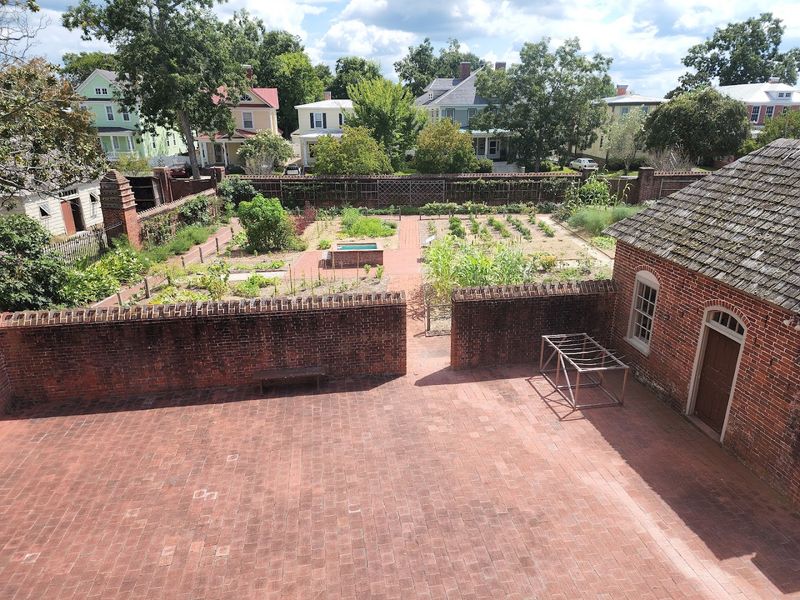
There is something unexpectedly charming about finding a thriving vegetable and fruit garden tucked within the grounds of a grand colonial palace. At Tryon Palace, this working garden is not just decorative window dressing.
It is a genuinely productive growing space that reflects how self-sufficient a large 18th-century estate needed to be to function smoothly day after day.
Visitors who take the time to explore this section of the grounds are often genuinely impressed by what they find. One reviewer described spotting figs the size of apples, and that kind of discovery captures exactly what makes this garden special.
It is alive, seasonal, and unpredictable in the best possible way, offering something different depending on when you visit throughout the year.
The garden also opens up interesting conversations about colonial food systems, labor, and the relationship between the palace household and the land it depended on. Interpreters in this area can speak to how produce was grown, harvested, preserved, and eventually prepared in that separate kitchen building nearby.
For visitors traveling with kids, this section of the grounds tends to spark real curiosity and plenty of questions, which makes it one of the most quietly educational stops on the entire Tryon Palace property.
The Stable Complex: Horses, Carriages, and the Transportation of the 1770s
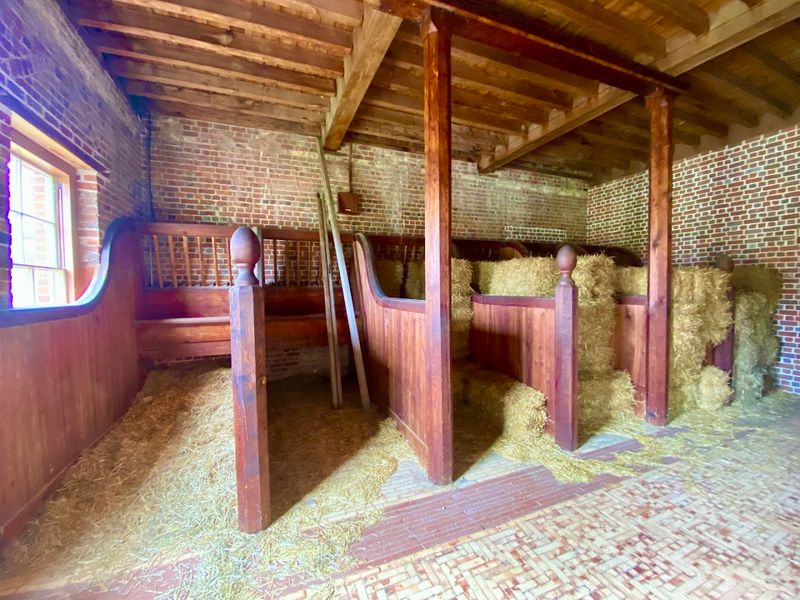
Before cars, trains, or even decent roads, horses were everything. At Tryon Palace, the stable complex gives visitors a surprisingly engaging look at how transportation, agriculture, and daily life all intersected in the 1770s around the care and use of horses.
Reviewers consistently single out the stables as a neat and worthwhile stop during the broader grounds tour.
The stable is set up to reflect how a working colonial estate would have maintained its animals and equipment. Period-authentic details throughout the space help paint a picture of just how labor-intensive horse ownership was.
Someone had to feed, groom, and exercise the animals daily, mend harnesses, and keep carriages in working order. None of that was glamorous work, but all of it was essential to keeping a household like the governor’s running properly.
What makes the stable visit especially rewarding is how it shifts the focus away from the grandeur of the main palace and toward the practical, working side of colonial life. Not every aspect of 1770s living involved candlelit ballrooms and formal dinners.
The stable is a reminder that behind every elegant facade, there was a complex web of daily labor that made that elegance possible. It is a grounding and genuinely interesting part of the overall Tryon Palace experience.
The North Carolina History Center: Exhibits, Cafe, and Context for the Whole Visit
Right across from the main palace grounds sits the North Carolina History Center, a modern museum facility that adds essential historical context to everything you have just seen on your tour. Think of it as the before-and-after companion to the palace itself.
The exhibits cover not just Tryon Palace but the broader sweep of North Carolina history from its earliest Indigenous inhabitants through the colonial period and beyond.
The History Center also houses a gift shop and a cafe, both of which have earned solid praise from visitors. The Reuben sandwiches at the cafe have been specifically called out as excellent in multiple reviews, which is the kind of detail that makes trip planning genuinely easier.
After spending a few hours walking the palace grounds, a good lunch is exactly what most visitors are ready for.
The gift shop carries the usual mix of history-themed souvenirs and books, but sharp-eyed shoppers have noted that a few local artists are represented among the merchandise. If you look carefully, you can find genuinely unique items alongside the mass-produced keepsakes.
The History Center is included with your palace admission, making it a natural and rewarding way to round out a full day spent exploring one of North Carolina’s most significant historic sites.
Ticket Tips and Tour Timing: Getting the Most Out of Your Visit
A little planning goes a long way at Tryon Palace, and visitors who arrive prepared consistently have the best experiences. Tickets are purchased at the visitor center across the street from the main gate, not at the gate itself.
That detail catches a few first-time visitors off guard, so knowing it in advance saves you a scramble when you arrive and spot a tour about to start.
Reviewers strongly recommend buying tickets early in the day. The guided palace tour runs about an hour, and you will want plenty of time afterward to explore the gardens, stable, kitchen building, and History Center at your own pace.
Plan for a full day if you want to experience everything without feeling rushed. One visitor noted that arriving just nine minutes before a tour still allowed them to join after purchasing tickets quickly.
Comfortable walking shoes are genuinely essential here. The grounds cover 16 acres, and between the palace tour, the gardens, and the History Center, you will cover a meaningful distance.
The palace interior involves some stairs, though guides are accommodating if mobility is a concern. Parking is available nearby, reducing the walking before and after the main tour.
Admission runs around $20 per person, which most visitors describe as excellent value for the depth of the experience.
Special Events and Holiday Programs: When the Palace Truly Comes Alive
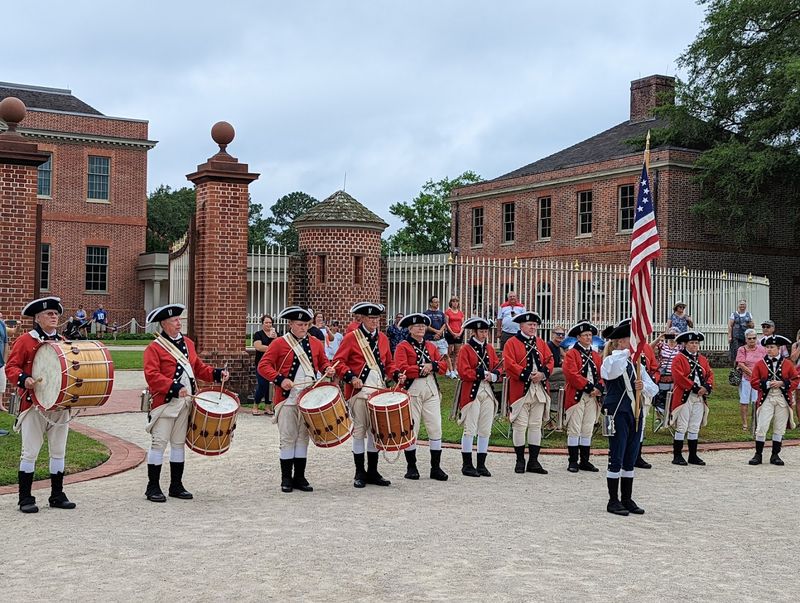
If a regular tour of Tryon Palace already feels like stepping into another century, visiting during a special event takes that feeling to an entirely new level. The palace hosts a rotating calendar of programs throughout the year, ranging from colonial band reenactments on the Fourth of July to seasonal garden tours and holiday celebrations that transform the grounds into something genuinely magical.
One reviewer who visited on Independence Day described it as a real treat, with a live colonial band reenactment adding an extraordinary layer of atmosphere to an already impressive site. Events like these are not just entertainment.
They are carefully researched programs designed to reflect how people in the 1770s actually marked significant occasions, complete with period-appropriate music, costumes, and activities.
Checking the Tryon Palace events calendar before you visit is one of the smartest things you can do as a first-time guest. The website at tryonpalace.org lists upcoming programs, and timing your visit to coincide with a special event can elevate the entire experience significantly.
Whether you are a solo history lover, a family with curious kids, or a group looking for something genuinely memorable, the special programming at Tryon Palace offers a connection to the past that goes well beyond what any standard museum visit can provide.