Tucked inside the Little League International Complex in South Williamsport, Pennsylvania, the World of Little League Museum is the only museum of its kind on the planet.
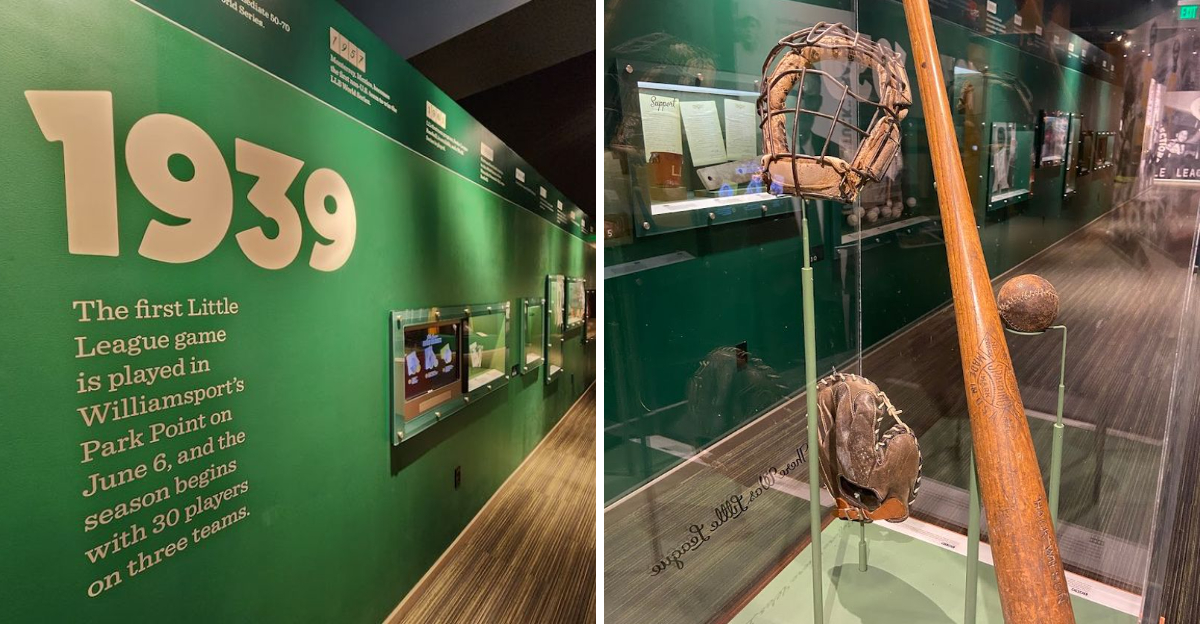
It celebrates the sport that started with just a handful of kids in 1939 and grew into a global movement touching millions of young athletes every year.
Whether you played Little League as a kid or simply love baseball, this place will spark something special in you.
From rare artifacts to hands-on exhibits, every corner of this museum tells a story worth knowing.
Welcome to the Birthplace of Little League Baseball
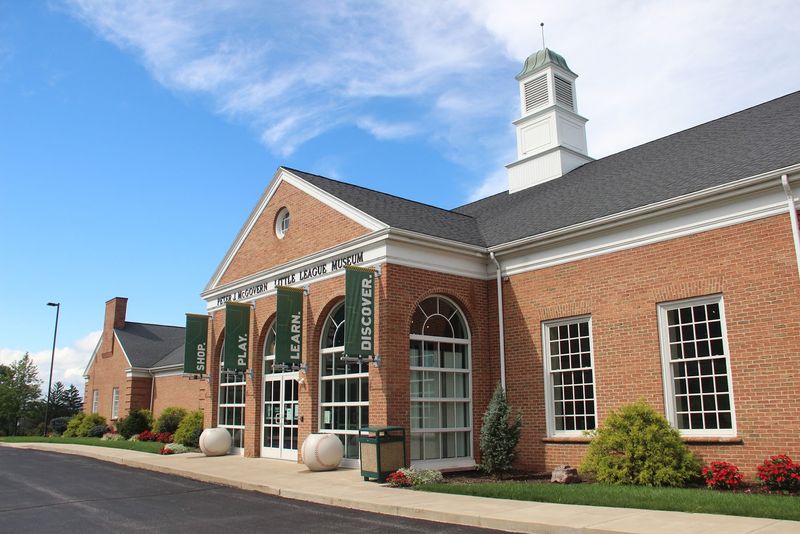
Before you even walk through the front doors, you can feel the history all around you. The World of Little League Museum sits on the very ground where Carl Stotz founded Little League Baseball in 1939, right here in South Williamsport, Pennsylvania.
That is not just a fun fact — that is the entire heartbeat of this place.
The Little League International Complex is still an active headquarters, meaning the organization that oversees millions of players worldwide operates from the same campus you are standing on. Walking around, you will spot championship fields, training areas, and administrative buildings all woven together.
It feels like a living monument rather than a dusty archive.
Families who visit often say they did not expect to feel so moved just arriving. There is something about knowing a simple idea — giving kids a structured, joyful way to play baseball — turned into a worldwide phenomenon that started right here.
First-time visitors are encouraged to take a slow walk around the grounds before heading inside. Soaking in the surroundings sets the tone for everything you are about to experience inside the museum, making the whole trip feel more meaningful and connected to something bigger than the game itself.
A Museum Built Around the Game’s Story
Not every museum knows exactly what story it wants to tell, but this one absolutely does. Every square foot of the World of Little League Museum is designed with a single mission: to show how a small-town idea became the world’s largest youth sports organization.
That focus makes the whole experience feel tight, purposeful, and genuinely moving.
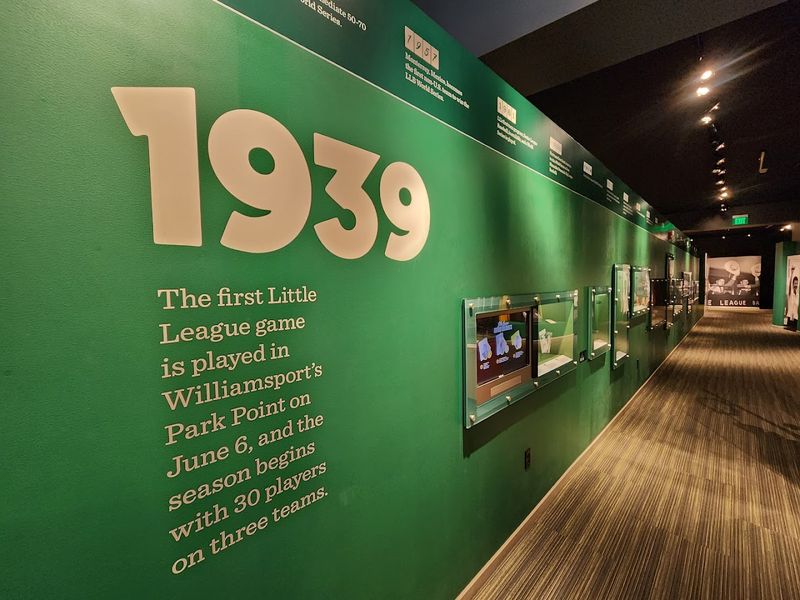
Exhibits trace the journey from Carl Stotz organizing the first teams in 1939 to the modern era, where over two million kids across more than 80 countries now play each season. The storytelling never feels like a history lecture.
Instead, it pulls you along naturally, connecting milestones to real people and real moments that shaped the sport.
What makes this museum stand apart from a typical sports hall of fame is its emphasis on youth. The stories here are not just about professional athletes who once played Little League — they are about the coaches, the parents, the volunteers, and especially the kids who gave everything on a small diamond in front of a handful of bleachers.
That human element keeps the exhibits from feeling like trophy cases and turns them into something far more relatable and genuinely inspiring for visitors of all ages.
Immersive Six-Inning Layout
Forget the typical room-by-room museum format. The World of Little League Museum organizes its entire exhibit space like a real baseball game, broken into six innings.
Each inning covers a distinct chapter of the sport’s history and growth, so moving through the museum actually feels like progressing through a match. It is one of those design choices that sounds simple but completely changes how you experience the space.
The structure keeps visitors engaged because there is always a sense of forward momentum. You are not wandering aimlessly from display to display — you are advancing through a narrative with a beginning, a middle, and a payoff.
Kids especially respond well to this format because it mirrors something they already understand: a game has innings, and innings have action.
Each inning brings a shift in tone and content, so the experience never feels repetitive. Early innings cover origins and founding stories, while later innings address expansion, iconic moments, and the museum’s look at where Little League is headed.
Plan to spend at least 60 to 90 minutes moving through all six innings comfortably. Rushing through would mean missing the smaller details tucked into each section, and those details are often the most surprising and memorable parts of the whole visit.
Interactive Exhibits That Put You in the Game
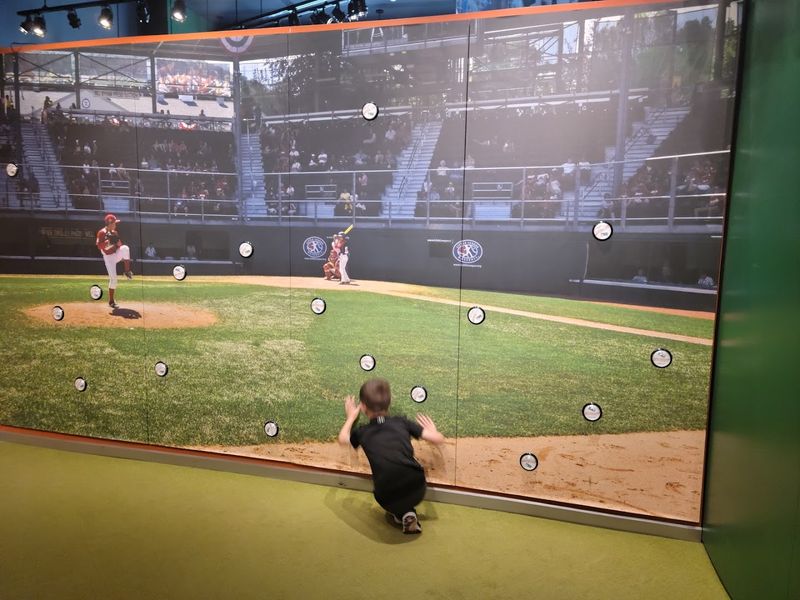
Some museums ask you to look but not touch. This is not one of them.
The interactive exhibits at the World of Little League Museum are specifically designed to make you feel like a player, not just a spectator. Reaction time stations, catching challenges, and timing activities give visitors a taste of what young athletes experience on the field every single game day.
Kids absolutely love these sections, but adults tend to get surprisingly competitive too. Testing your reaction time against a simulated pitch or seeing how quickly you can track a fly ball taps into something instinctive.
It is playful, but it also builds genuine respect for what young players are actually doing when they step onto a diamond.
Beyond being fun, these installations serve a real educational purpose. They help visitors understand the athletic demands of the sport in a way that reading a panel never could.
Families with younger children will find these areas particularly useful for keeping energy levels up and attention focused throughout the visit. If you are planning a trip with kids under ten, map out the interactive zones early so you can work them into your route naturally.
Ending at an interactive station tends to leave younger visitors with the most positive lasting impression of the entire museum experience.
Rare Artifacts From Baseball History
There is a Babe Ruth uniform inside this museum. Let that sink in for a moment.
Not a replica, not a print — an authentic, game-used Babe Ruth uniform, one of only a small number known to still exist anywhere in the world. Standing in front of it feels like touching a piece of baseball mythology.
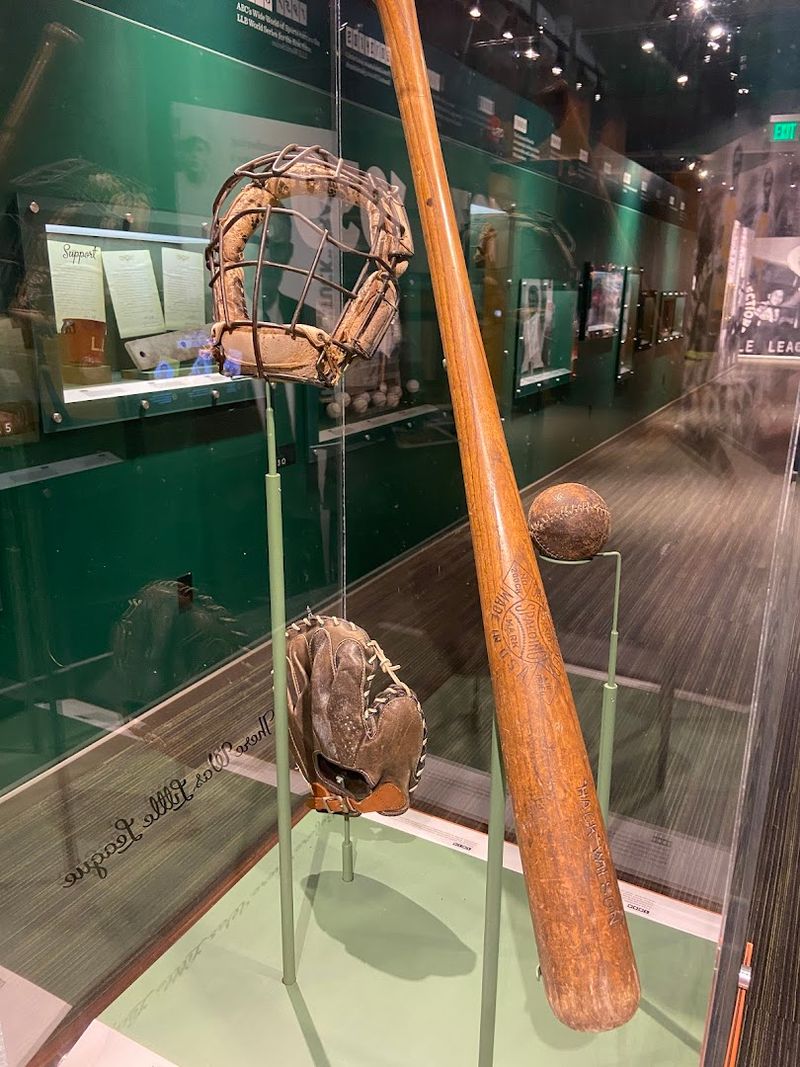
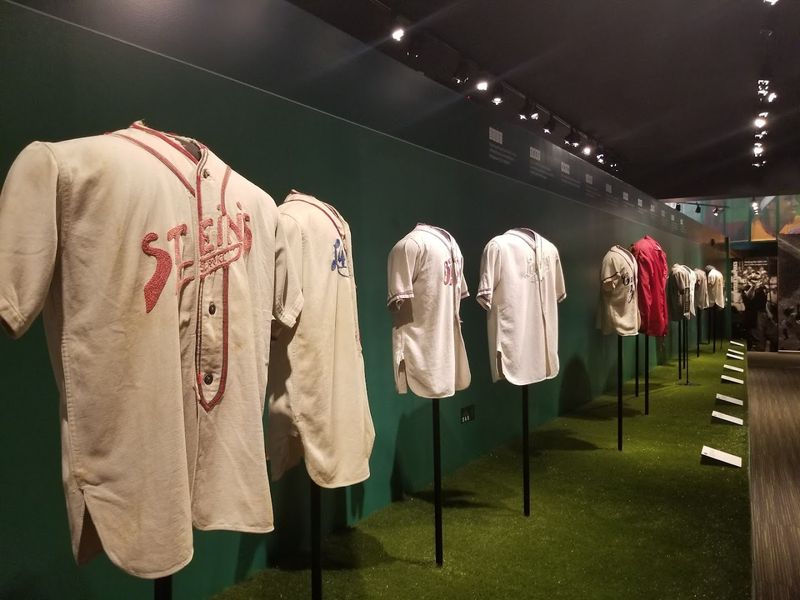
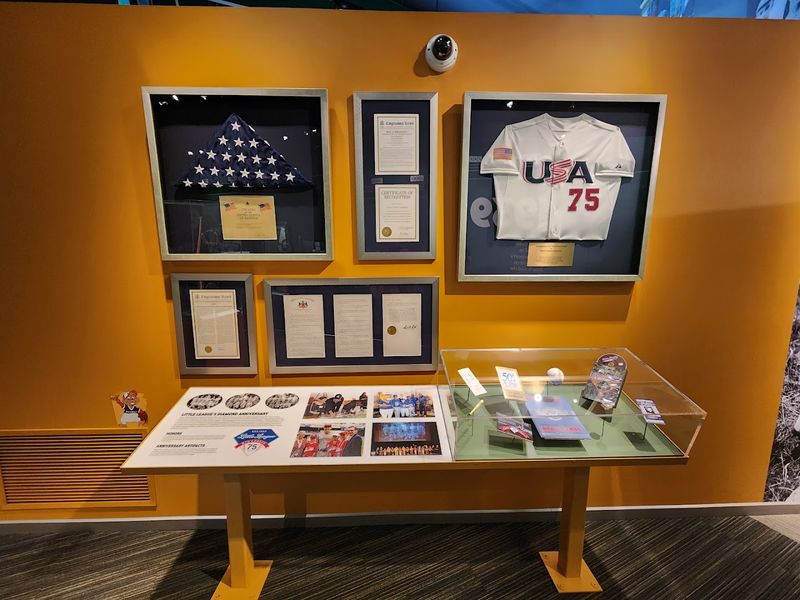
Beyond the Ruth uniform, the collection includes hundreds of genuine artifacts spanning decades of Little League and broader baseball history. Game-worn jerseys from championship teams, original scorecards, historic photographs, and tournament memorabilia fill the display cases with stories attached to every single item.
Each artifact was donated or carefully acquired to represent a specific moment or milestone in the sport’s development.
What is especially thoughtful about how these items are displayed is the context surrounding them. Artifacts are never just labeled and left alone — they are connected to the broader story being told in each exhibit section.
That approach helps visitors understand why a specific glove or photograph matters, rather than simply admiring it as an old object. History enthusiasts and casual fans alike tend to slow down noticeably in these sections.
If you are someone who appreciates original objects over digital recreations, the artifacts alone make the trip to South Williamsport completely worthwhile and genuinely unforgettable.
The Global Connections Exhibit
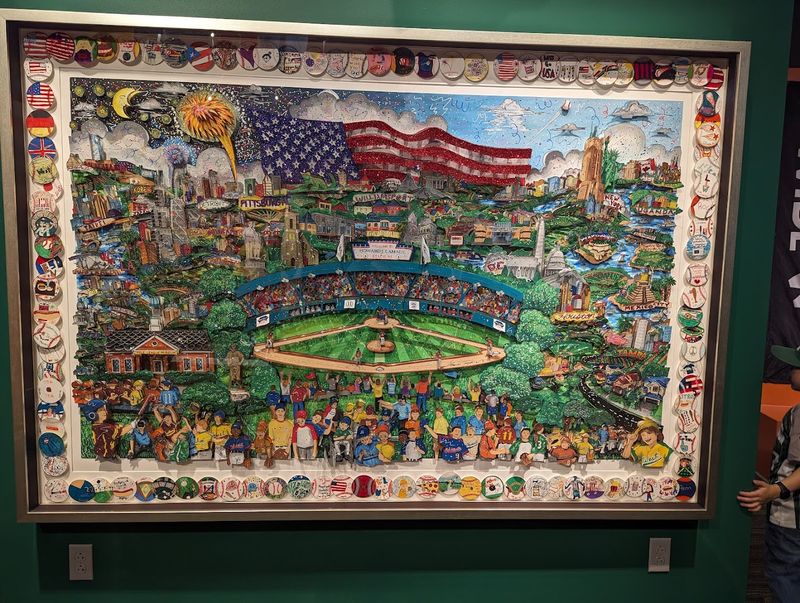
Little League started with three teams in a small Pennsylvania city. Today, it operates in more than 80 countries across six continents.
The Global Connections exhibit inside the museum makes that staggering growth feel personal rather than statistical, using interactive maps, player profiles, and regional stories to show how the sport crossed borders and language barriers alike.
One of the most striking parts of this exhibit is how it highlights the Little League World Series as a unifying event. Kids from Japan, Mexico, Venezuela, Taiwan, Australia, and dozens of other nations compete on the same fields in Williamsport every August.
The exhibit traces how that tradition began and why it continues to draw global audiences, both in person and on television.
Visitors often report that the Global Connections section reshapes how they think about Little League entirely. Many people assume it is primarily an American institution, but the data and stories here make clear that it belongs to the world now.
Interactive elements let you explore specific countries, learn about regional tournaments, and even discover when certain nations first joined the program. For families with international backgrounds, finding your home country represented on the map is a surprisingly emotional moment that turns a museum visit into something personally meaningful and worth sharing with others.
Hall of Excellence and Player Legacies
The Hall of Excellence is where the museum gets personal in the best possible way. Rather than simply listing names on a wall, this section tells the stories behind the people being honored — players, coaches, volunteers, and community contributors whose connection to Little League shaped their lives and the lives of others around them.
Some of the names recognized here went on to major league careers. Others never played professionally but devoted decades to coaching, organizing, and building programs in communities that needed them most.
Both types of stories receive equal respect, which says a lot about what Little League values as an organization. The sport, this exhibit argues quietly, is about far more than who makes it to the top.
Personal photographs, quotes, and career timelines give each honoree a full identity rather than just a plaque. Visitors who played Little League themselves often find this section particularly moving, because the faces and stories reflect something familiar — the coach who stayed late, the volunteer who painted the dugout, the player who inspired a whole neighborhood.
Spending time here is a good reminder that sports programs are built by people who rarely get headlines. Budget extra time for this section if you enjoy reading individual stories, because each one rewards your attention with something genuinely worth knowing.
Media, Films, and Historic Game Moments
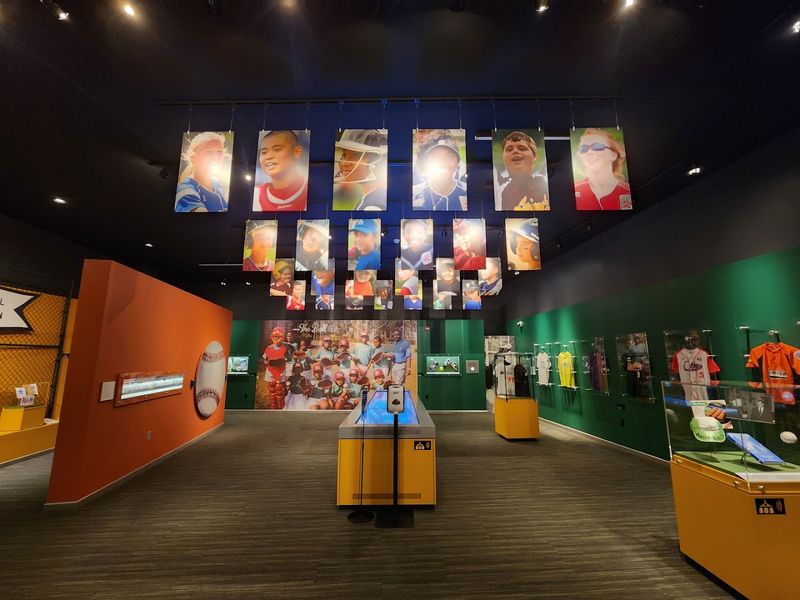
If you have ever watched a Little League World Series game and felt your heart racing during a close play at the plate, the museum’s theater spaces were made for you. Two dedicated screening areas inside the World of Little League Museum show highlight reels, documentaries, and curated footage of the most memorable moments in tournament history.
Watching these clips surrounded by the museum’s context hits differently than catching a replay at home.
The films cover legendary games, unforgettable pitching performances, and the kind of walk-off moments that make grown adults tear up without warning. Archival footage from earlier decades gives older visitors a nostalgic jolt, while younger guests get to see how the event looked before high-definition cameras and broadcast graphics changed everything.
The contrast between old and new footage alone tells a story about how far the Little League World Series has come.
Theater showings are generally included with museum admission, so there is no extra cost to settle in and watch. Check with staff when you arrive about the current screening schedule, since films rotate and special presentations are sometimes offered during peak season.
Families are encouraged to visit the theaters at least once during their time in the museum. The emotional weight of seeing real kids in real championship moments is something that no static exhibit can fully replicate on its own.
Official Store and Campus Experience
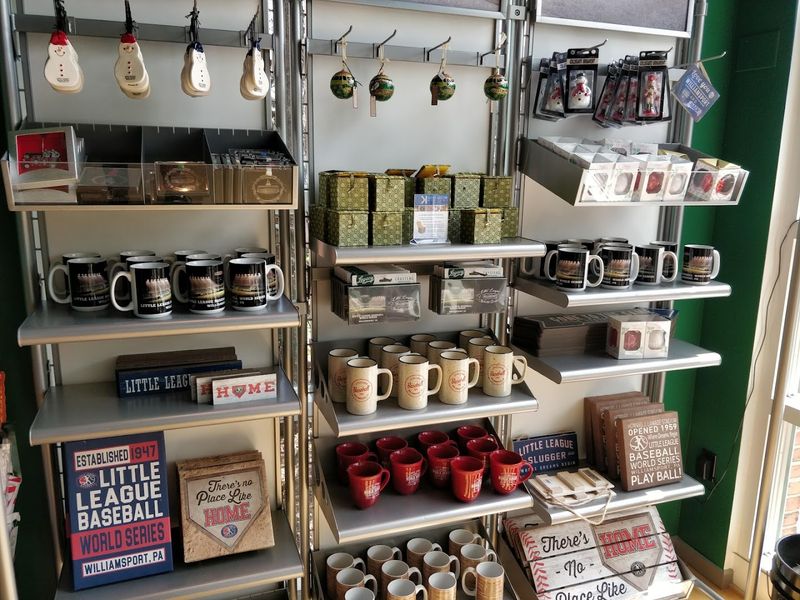
No good museum visit ends without a stop at the gift shop, and the one inside the World of Little League Museum delivers. The official store carries a solid range of Little League branded merchandise, including apparel, hats, pins, collectible items, and keepsakes that you genuinely cannot find anywhere else.
For fans of the sport, it is the kind of shop where budgets tend to stretch a little further than planned.
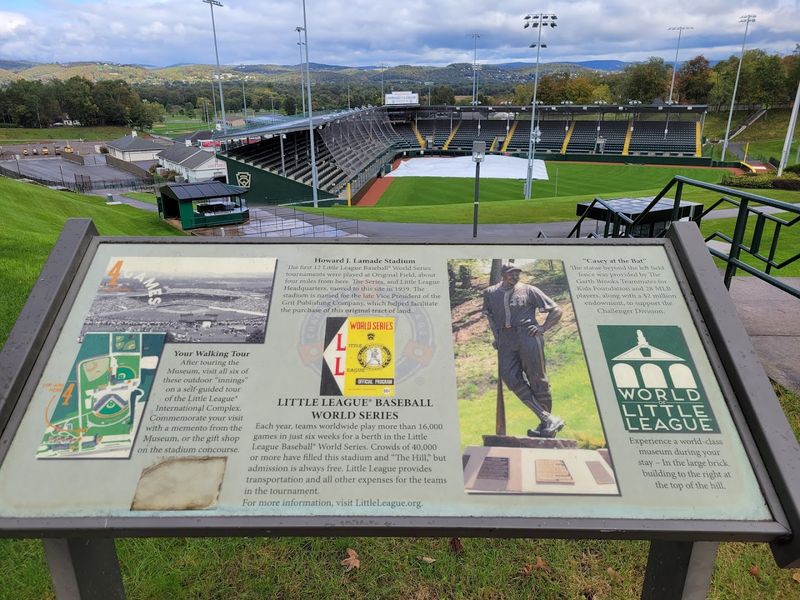
Beyond the store, the real bonus of visiting this location is the surrounding campus. Lamade Stadium and Volunteer Stadium — the two venues that host the Little League World Series each August — are just a short walk from the museum entrance.
Even when no games are being played, standing in those stadiums or looking out at the outfield grass gives the museum experience a tangible, real-world anchor that photographs simply cannot capture.
Walking the campus after your museum visit is strongly recommended, especially for first-timers. The combination of indoor exhibits and outdoor exploration creates a complete picture of what Little League is and where it lives.
Bring comfortable shoes and allow an extra 30 to 45 minutes for the outdoor portion of your visit. Families with younger kids will especially appreciate the open space after spending time inside, and the stadiums make for excellent photos to bring home as lasting souvenirs.
Visitor Info and Tips for Planning Your Trip
Planning ahead makes a real difference when visiting the World of Little League Museum. The museum is located at 525 US-15, South Williamsport, PA 17702, and can be reached by phone at +1 570-326-3607.
Hours are typically Thursday through Monday, 9 a.m. to 4 p.m. Eastern Time, though it is always smart to confirm current hours before making the drive, especially around holidays or the Little League World Series in August.
Admission is priced affordably, with separate rates for adults, seniors, and children. Young children often receive free entry, and certain community programs offer complimentary access as well.
The museum is genuinely family-friendly, with enough variety in exhibits to hold attention across a wide age range without feeling overwhelming or overly academic for younger visitors.
Most visits run between 60 and 90 minutes inside the museum, but factoring in the campus walk, gift shop browsing, and possible theater screenings, a full visit can comfortably fill a half-day outing. Parking is free and plentiful on site.
If you are visiting during Little League World Series week in August, expect larger crowds and a buzzing atmosphere unlike any other time of year. Arriving early on those days is highly recommended.
The museum website and phone line are both reliable resources for the most up-to-date scheduling and event information before your visit.