Florida is famous for its beaches and theme parks, but hidden across the state are wild places where you can walk for hours and never cross paths with another person.
These lesser-known state parks and preserves offer something rare in a crowded state: true silence, open skies, and wildlife that outnumbers visitors by a wide margin.
From vast prairies to ancient swamp forests, these spots reward anyone willing to venture off the beaten path.
If you are ready to trade the tourist crowds for sandhill cranes, Florida panthers, and the sound of wind through longleaf pines, this list was made for you.
Kissimmee Prairie Preserve State Park (Okeechobee)
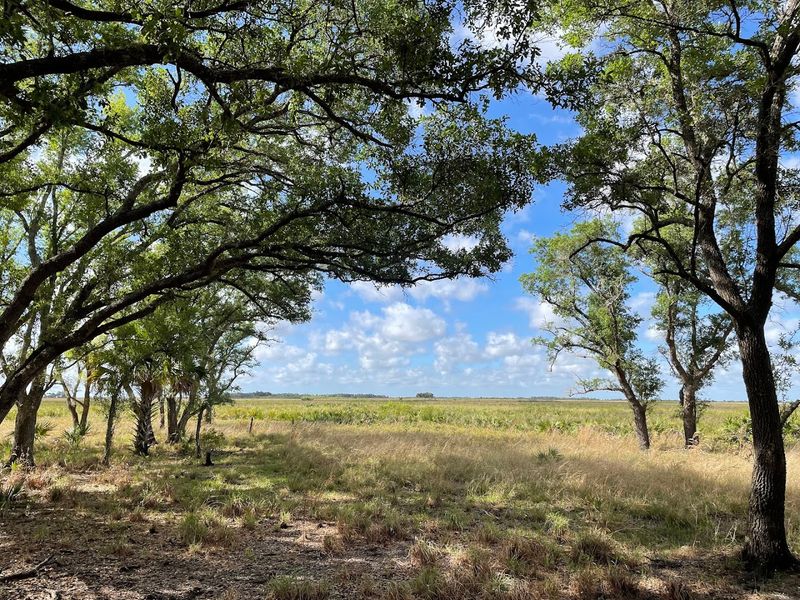
Standing in the middle of Kissimmee Prairie Preserve feels like standing at the edge of the world. The horizon stretches so far in every direction that the sky seems twice as large as normal.
This is one of Florida’s most remote state parks, and it earns that title honestly.
Covering over 54,000 acres, the park protects one of the last remaining dry prairie ecosystems in North America. Sandhill cranes, grasshopper sparrows, and Florida burrowing owls are regular sights along the trails.
The wildlife population here easily outnumbers the small trickle of visitors who make the effort to visit.
Light pollution is nearly nonexistent at Kissimmee Prairie, making it one of the best stargazing spots in the entire southeastern United States. The park even hosts designated dark sky programs.
Hiking the trails during the day, you might walk for two or three hours without spotting another person. The wind through the dry grasses and the occasional cry of a crane are your only companions.
Bring plenty of water, solid footwear, and a sense of adventure, because this park rewards those who come prepared and leave the crowds far behind.
Fakahatchee Strand Preserve State Park (Collier County)
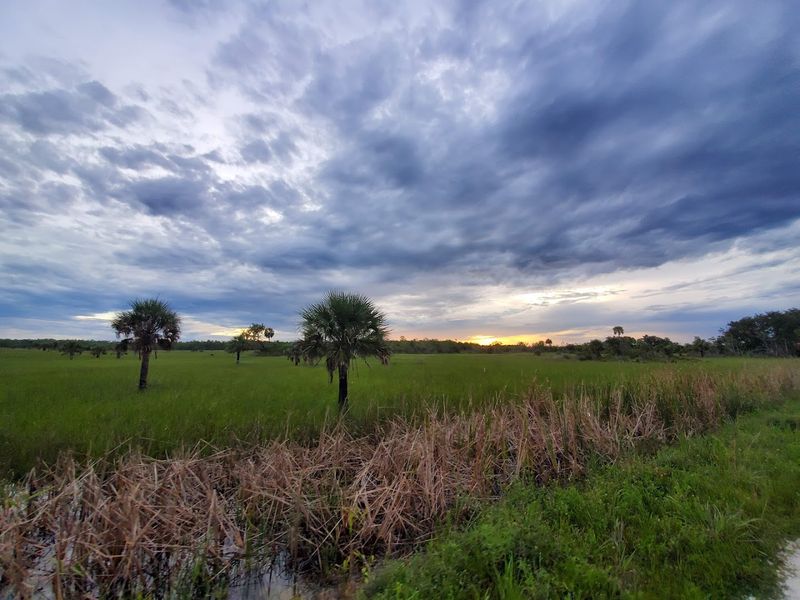
Sometimes called the Amazon of North America, Fakahatchee Strand Preserve is the kind of place that makes you feel like you have stepped into a nature documentary. Ancient bald cypress trees tower overhead, their roots twisting into dark, tannic water while rare ghost orchids cling silently to their bark.
This is the largest Florida state park by total area, yet visitor numbers remain remarkably low.
Florida panthers, black bears, and American alligators all share this deep swamp wilderness. Boardwalks and primitive trails wind through the interior, but the farther you go, the more completely alone you feel.
Even a short walk off the main boardwalk creates an immediate sense of total isolation from the outside world.
The park gained wider attention after the book and film “The Orchid Thief” highlighted its extraordinary plant diversity. Over 44 native orchid species have been documented here, more than anywhere else in North America.
Visiting in early morning gives the best chance of hearing the swamp fully awake, with barred owls, limpkins, and woodpeckers calling through the mist. Pack insect repellent generously, wear long sleeves, and move slowly.
Fakahatchee rewards patience far more than speed ever could.
Big Shoals State Park (White Springs)
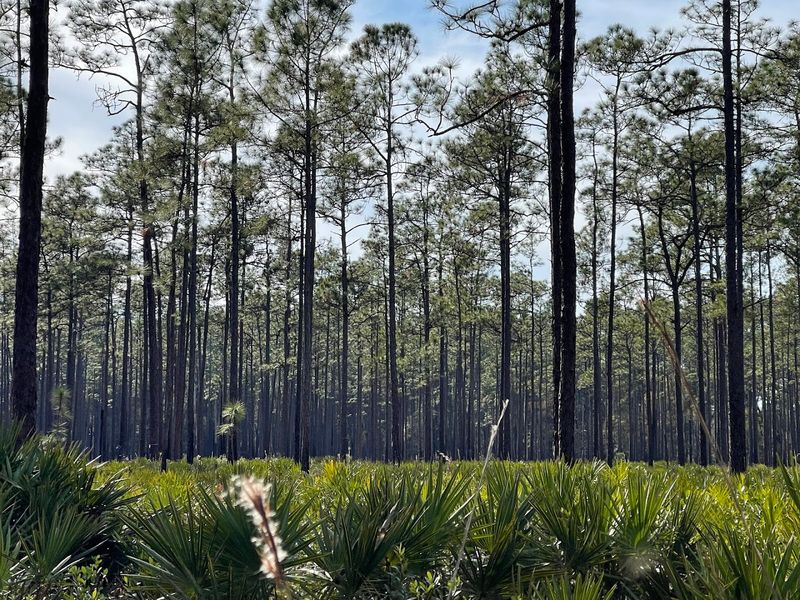
Most people do not associate Florida with whitewater rapids, but Big Shoals State Park near White Springs changes that assumption immediately. The Suwannee River narrows here and drops over a rocky limestone shelf, creating the only Class III rapids in the entire state.
It is a genuinely dramatic sight in a place most tourists never know exists.
The trails at Big Shoals run for miles through rugged North Florida forest, crossing terrain that feels more like Georgia than the flat peninsula most people picture. Long leaf pines, hardwood hammocks, and river bluffs create a landscape that surprises first-time visitors.
You can easily spend an entire morning on the trails without encountering a single other hiker.
Wildlife here includes white-tailed deer, river otters, and a wide variety of migratory songbirds during spring and fall. The park has limited facilities and minimal development, which is precisely what keeps the crowd count low and the atmosphere genuinely wild.
Paddlers sometimes float the river section, but even on weekends the park feels uncrowded by any reasonable standard. Visiting during weekdays practically guarantees solitude.
The combination of unique geology, river scenery, and dense forest makes Big Shoals one of North Florida’s most underrated outdoor destinations.
Ochlockonee River State Park (Sopchoppy)
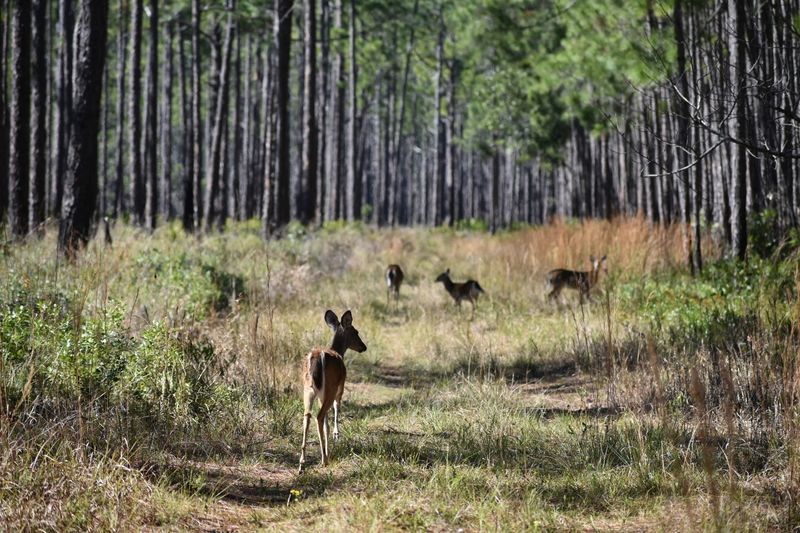
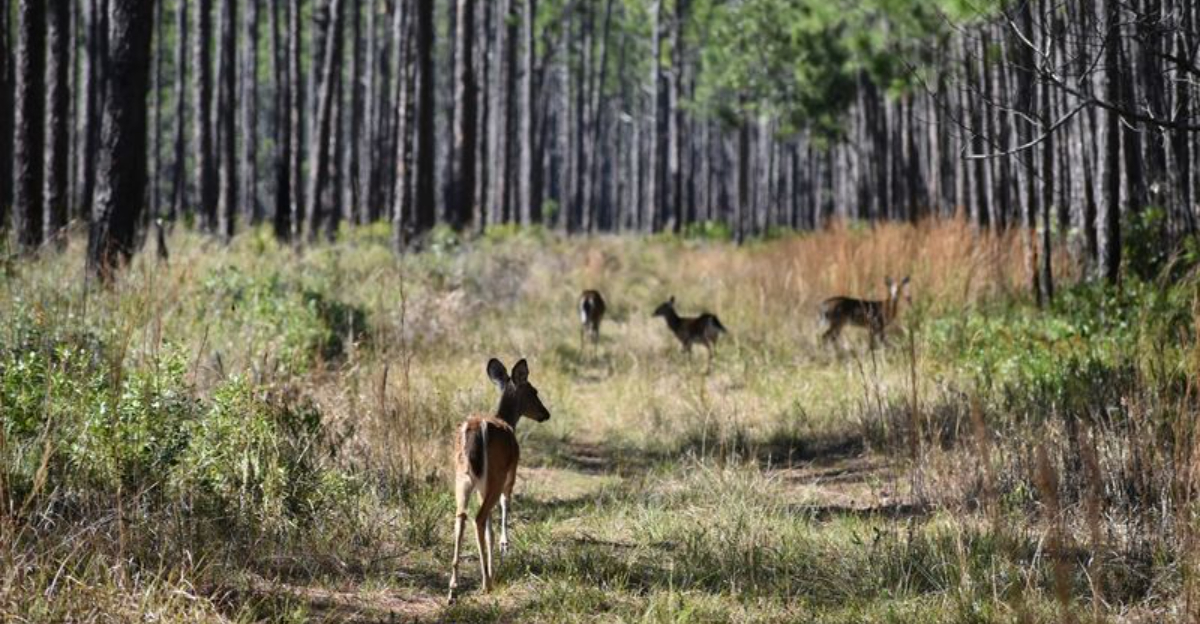
There is a certain kind of quiet that belongs specifically to longleaf pine forests, and Ochlockonee River State Park near Sopchoppy has it in abundance. The tall, straight pines create an open, cathedral-like atmosphere where sound travels differently, and every bird call seems amplified.
This Panhandle park sits at the edge of the Apalachicola National Forest, surrounded by one of the most biodiverse ecosystems in the entire country.
Deer move freely through the understory here, and the park is one of the more reliable spots in Florida to spot a Sherman’s fox squirrel, a large and striking animal that has disappeared from much of its former range. Red-headed woodpeckers and brown-headed nuthatches are common sights along the forest trails.
Visitor numbers stay consistently low compared to the flashier coastal parks just an hour away.
Camping at Ochlockonee feels genuinely peaceful, especially on weeknights when the campground may be nearly empty. Kayakers enjoy paddling the dark, tannin-stained river at a relaxed pace, often spotting turtles and herons along the banks.
The park is small enough to feel personal but wild enough to feel like a real escape. For anyone exploring the Florida Panhandle without beach crowds, Ochlockonee delivers exactly what they are looking for.
Three Rivers State Park (Sneads)
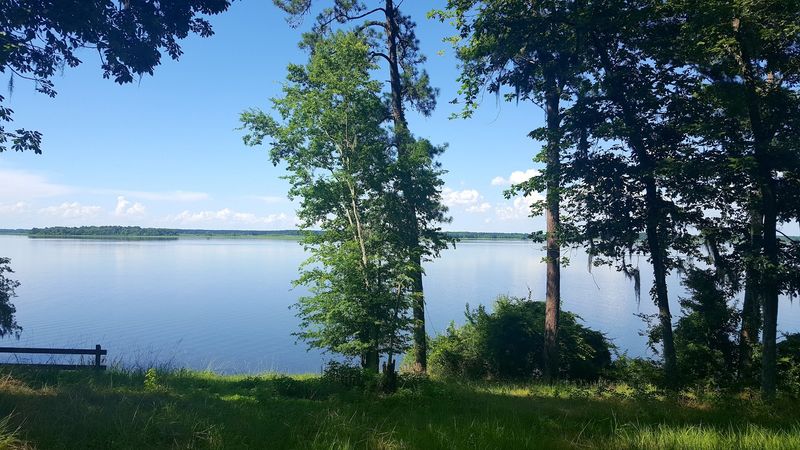
Tucked into Florida’s northwestern corner near the town of Sneads, Three Rivers State Park occupies a geography that feels almost accidental, as if the park got lost on its way to somewhere more famous. Positioned at the confluence of the Chattahoochee and Flint Rivers where they form Lake Seminole, the park offers rolling wooded hills and water views that look nothing like what most people imagine when they think of Florida.
The hilly terrain is genuinely unusual for the state, and the hardwood forest provides spectacular fall color in October and November, a rare treat in a state not known for seasonal foliage. White-tailed deer, wild turkey, and great blue herons are regular visitors to the trails and shoreline.
Human visitors, however, are far less frequent, largely because the park’s remote northern border location keeps casual tourism low.
Fishing on Lake Seminole is a major draw for those who do visit, with largemouth bass and crappie pulling anglers out early on misty mornings. The campground is small and rarely full, making overnight stays feel genuinely restorative.
Hiking the wooded trails above the lake on a weekday morning, you might reasonably wonder whether you have the entire park to yourself. In most cases, you probably do.
St. George Island State Park – Backcountry Sections (Franklin County)
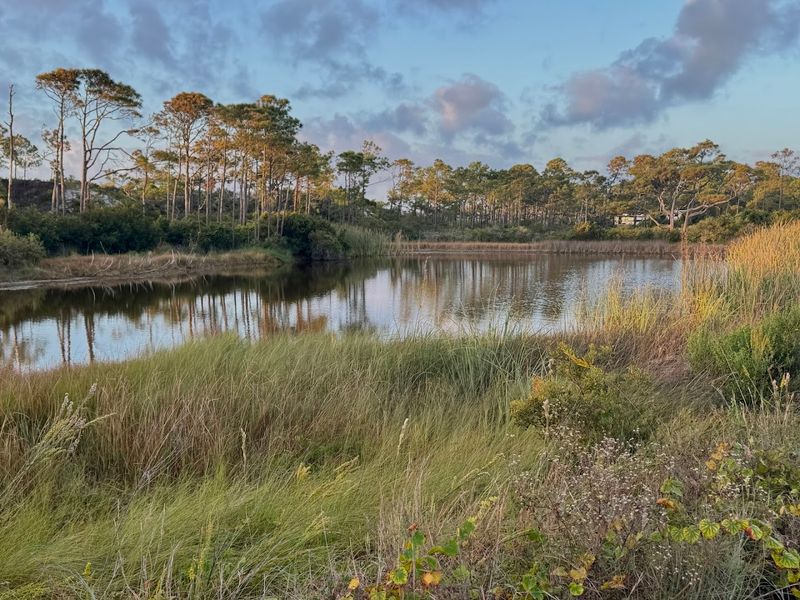
St. George Island State Park gets a fair amount of attention for its main beach access area, and honestly, that beach deserves the praise. But walk far enough east or west from the parking lots, and the crowds dissolve almost instantly.
The backcountry sections of the island operate on an entirely different frequency from the popular day-use areas.
Shorebirds dominate these stretches of shoreline. Wilson’s plovers, black skimmers, and least terns nest on the undisturbed sand, and dolphins frequently work the shallow nearshore waters just beyond the breaking waves.
On a weekday visit to the far eastern tip of the island, it is entirely normal to walk for an hour without seeing another human being. The contrast with the main beach area is striking.
Backcountry camping permits allow overnight stays in primitive sites, putting you on the island after the day visitors have gone and before they arrive the next morning. Those quiet hours belong entirely to the birds, the wind, and the surf.
The Gulf Coast light at sunrise over empty white sand is the kind of thing that stays with you long after the trip ends. Bringing a kayak opens up even more isolated stretches of bay shoreline on the island’s northern side.
Torreya State Park (Bristol)
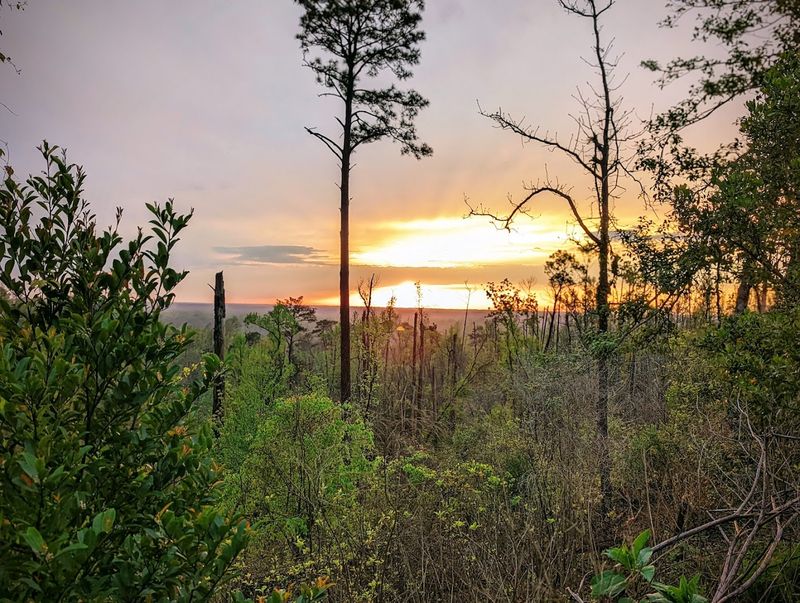
Torreya State Park near Bristol is the kind of place that makes Floridians do a double take. The land here rises into steep, forested bluffs above the Apalachicola River, creating a landscape so unlike the rest of the state that visitors sometimes joke they must have taken a wrong turn into Tennessee.
The park protects one of Florida’s most geologically unusual environments, and the terrain alone is worth the trip.
Named for the critically endangered Florida torreya tree, which grows naturally almost nowhere else on earth, the park carries a weight of botanical history that adds depth to every hike. The trails are legitimately challenging by Florida standards, with significant elevation changes that keep casual visitors on the easier paths and reward those who push deeper into the forest.
Deer, wild turkey, and a rich variety of woodland birds populate the interior.
The Gregory House, a restored antebellum plantation home relocated to the park, adds a layer of historical interest to the natural experience. Guided tours are available, though the hiking trails remain the main attraction for most visitors.
Weekend mornings can bring a handful of hikers to the trailheads, but the longer backcountry loops stay quiet throughout the week. Torreya consistently ranks among the most undervisited parks in the entire Florida state park system.
Lafayette Blue Springs State Park (Mayo)
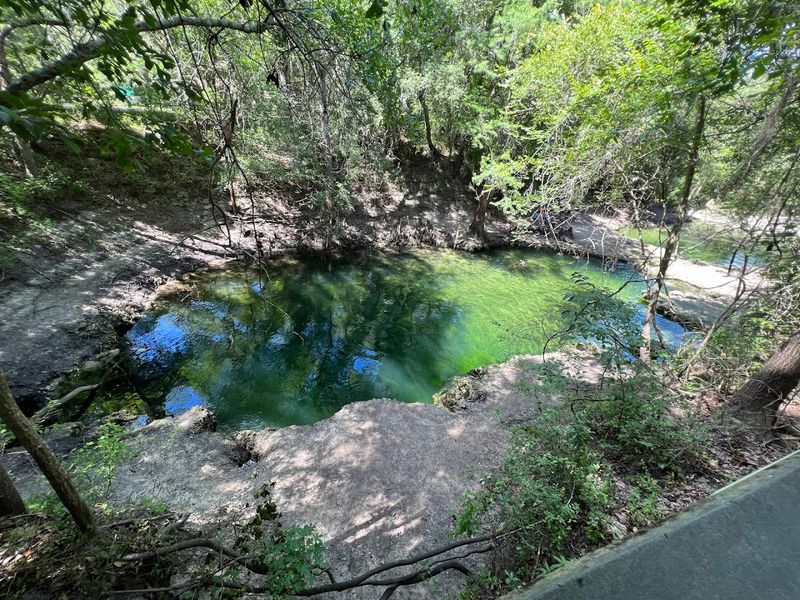
Lafayette Blue Springs sits quietly along the Suwannee River near the small town of Mayo, and most days it feels like a well-kept secret shared between locals and a handful of lucky travelers. The spring itself is a stunning shade of aqua blue, pouring crystal-clear water into the dark, tea-colored Suwannee at a rate that keeps the spring run cool year-round.
Manatees seek refuge in the warm spring water during winter months, creating magical wildlife encounters for those patient enough to wait.
Outside of peak summer weekends, the park operates at a pace that can only be described as unhurried. The facilities are limited by design, which naturally filters out visitors looking for amenities and attractions.
What remains is a quiet river park with a beautiful spring, shaded picnic areas, and a genuine sense of removal from everyday life.
Swimming in the spring on a hot afternoon, surrounded by nothing but forest and birdsong, is one of those experiences that reminds you why Florida’s natural springs are so special. The park connects to the broader Suwannee River system, meaning kayakers can paddle upstream or downstream and encounter even more solitude.
Visit on a Tuesday morning in October, and you may have the entire spring to yourself. That kind of access to natural beauty is increasingly rare anywhere in the state.
Lake June-in-Winter Scrub Preserve State Park (Lake Placid)
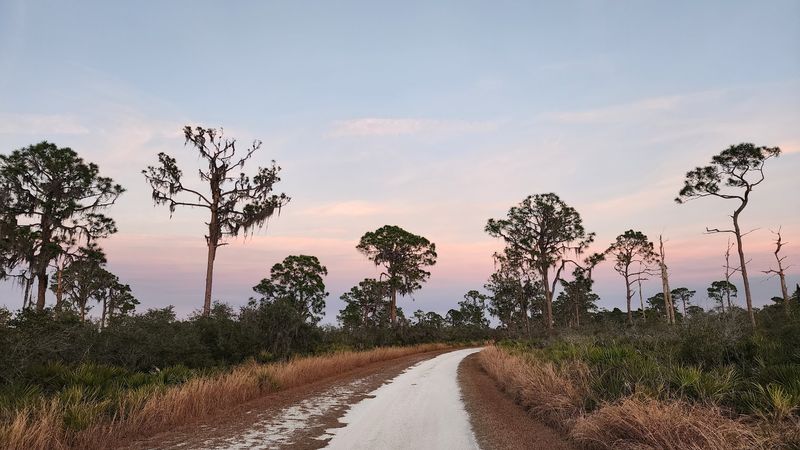
The name alone is enough to make you curious. Lake June-in-Winter Scrub Preserve State Park near Lake Placid protects one of Florida’s rarest and most fragile ecosystems: the ancient sand scrub.
This dry, sun-baked landscape of white sand, scrub oaks, and sand pines looks harsh at first glance, but it shelters a remarkable collection of species found almost nowhere else on the planet.
Florida scrub-jays, one of the few bird species found exclusively in Florida, are practically ambassadors here. Bold and curious by nature, they sometimes approach visitors closely enough to study.
Gopher tortoises trundle across the sandy paths with unhurried purpose, and Florida scrub lizards dart between clumps of rosemary. The terrain is not particularly inviting for casual tourists, which is precisely why this park sees so few of them.
No swimming, no boat ramps, no concession stands. Just pure, ancient scrub habitat doing what it has done for thousands of years.
The trails are sandy and sometimes slow going underfoot, which filters out anyone not genuinely interested in the ecosystem itself. Birders and naturalists who do make the effort are rewarded with sightings that simply cannot be replicated at more popular parks.
Visiting at dawn, when the scrub-jays are most active, turns an already memorable trip into something truly extraordinary.
Big Cypress Bend / Fakahatchee Region (Collier County)
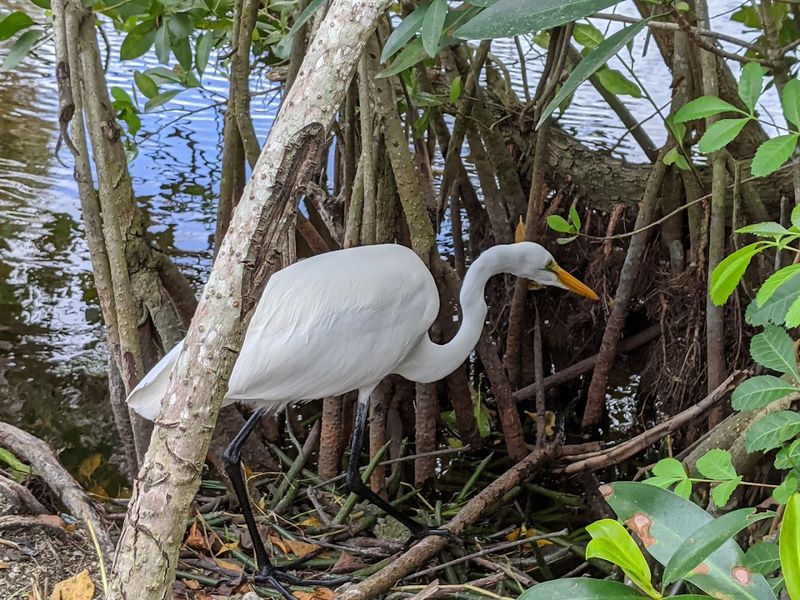
Stepping onto the Big Cypress Bend boardwalk feels like entering a world that has been operating without human involvement for centuries. The old-growth bald cypress trees here are among the largest and oldest in Florida, their enormous trunks draped in resurrection fern and tillandsia air plants.
Dark, still water stretches in every direction beneath the elevated boardwalk, and alligators rest on submerged logs just a few feet below the wooden planks.
Even though the boardwalk itself is relatively short, the experience of standing inside that swamp feels profoundly isolating in the best possible way. The canopy overhead blocks out most of the sky, and the sounds of the outside world disappear almost immediately.
This area shares its ecology with the broader Everglades wilderness system, meaning the wildlife density here is genuinely extraordinary.
Wading birds, including wood storks and great egrets, work the shallow water along the boardwalk edges. River otters occasionally surface nearby, and barred owls call from the cypress crowns even during daylight hours.
Early morning visits before nine o’clock offer the highest chance of having the boardwalk entirely to yourself. The combination of ancient trees, abundant wildlife, and near-total quiet makes this one of the most memorable short walks available anywhere in South Florida’s remarkable network of wild places.
Paynes Creek Historic State Park (Bowling Green)
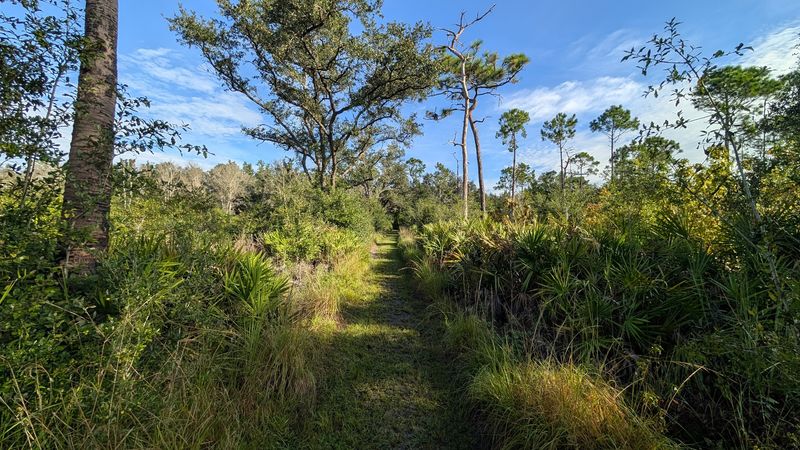
Paynes Creek Historic State Park near Bowling Green carries two distinct identities, and both of them tend to keep visitor numbers modest. Historically, the site marks the location of a 19th-century trading post and a significant conflict during the Seminole Wars.
Naturally, it protects a quiet stretch of the Peace River corridor where fossil hunters wade the shallow creek searching for ancient shark teeth and prehistoric bones.
Most days, the park operates at a pace that could generously be called unhurried. The picnic areas are tidy and shaded, the trails are well-maintained, and the creek is genuinely beautiful in a low-key, understated way.
It is not dramatic scenery. It is the kind of place where you sit on a riverbank and lose track of time without realizing it has happened.
White ibis, limpkins, and great blue herons work the shallows throughout the day. Otters are spotted occasionally, and the surrounding hammock forest shelters a healthy population of white-tailed deer.
The fossil hunting alone draws a small but dedicated group of regular visitors, though even on busy weekends the park rarely feels crowded. For families looking for a genuine nature experience without fighting for parking or sharing trails with dozens of other hikers, Paynes Creek delivers a quiet, rewarding afternoon with very little competition for space.
Withlacoochee State Forest – Remote Trail Sections
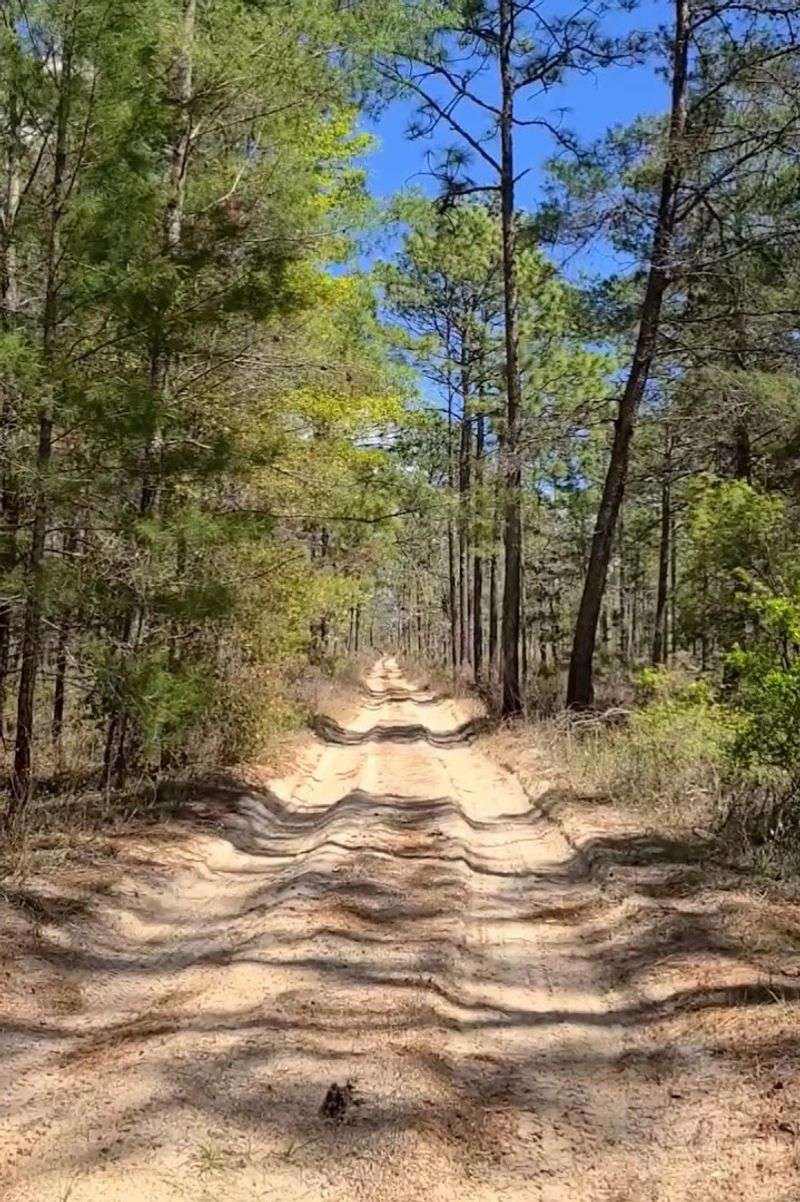
Withlacoochee State Forest is not a single park with a single entrance and a tidy parking lot. It is a vast, sprawling forest system covering nearly 160,000 acres across multiple counties in Central Florida, and that scale is both its greatest strength and the key to understanding how to use it properly.
Some trailheads near developed areas see regular foot traffic, but push into the forest’s interior sections and the experience shifts dramatically.
The Citrus Hiking Trail, which loops through one of the forest’s more remote districts, can go hours between encounters with other hikers on weekday mornings. Longleaf pine flatwoods, cypress swamps, and sandhill communities alternate along the route, providing a constantly changing backdrop.
Red-cockaded woodpeckers, an endangered species, maintain active colonies in several sections of the forest.
Wild hogs, white-tailed deer, and black bears all move through the forest, and patient hikers willing to sit quietly near a water source at dawn or dusk are frequently rewarded with close wildlife sightings. The key to finding genuine solitude here is choosing entry points far from the main recreation areas and campgrounds.
A good trail map and a willingness to walk more than two miles from any parking area are essentially all that separates you from one of Central Florida’s most genuinely wild experiences.
Big Cypress National Preserve Edge Zones (Bordering Florida State Parks)
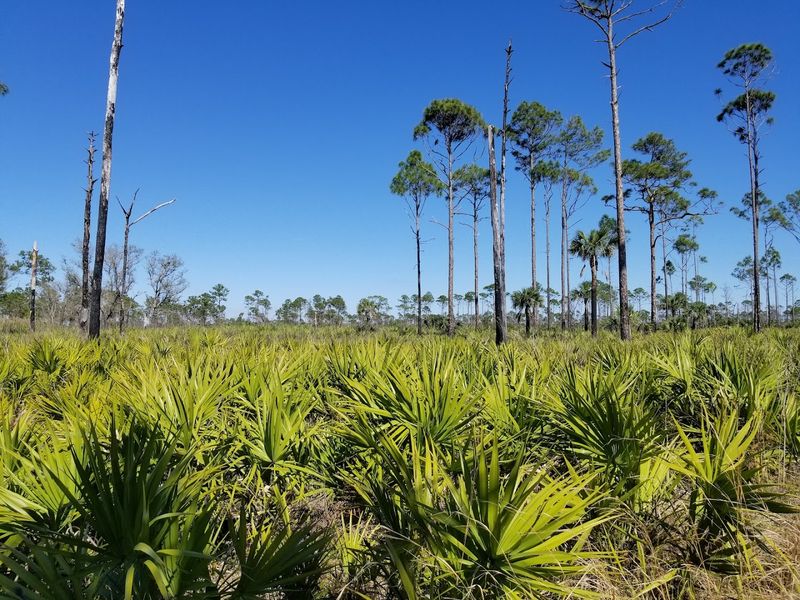
Technically speaking, Big Cypress National Preserve is a federal preserve rather than a Florida state park, but the distinction matters very little once you are standing waist-deep in sawgrass with nothing but cypress domes visible in every direction. The preserve’s edge zones, particularly where they border Fakahatchee Strand and other nearby state lands, create a connected wilderness corridor that is among the most wildlife-rich environments in the entire country.
Florida panthers, black bears, American alligators, and dozens of wading bird species all move freely across this landscape without much concern for administrative boundaries. Backcountry routes through the preserve’s edge zones allow multi-hour or even multi-day experiences of near-total isolation.
Some hikers and paddlers report going entire days without seeing another person during weekday visits to the more remote sections.
The experience here is not casual. Water levels fluctuate seasonally, trails can disappear underwater during wet season, and navigation requires genuine preparation and solid map-reading skills.
But for those who come equipped and respect the environment, the reward is access to a wilderness that operates entirely on its own terms. Few places in the eastern United States offer this level of raw, unfiltered wildness within a reasonable drive of major population centers.
Big Cypress earns its reputation as one of America’s last true wilderness frontiers.