North Carolina is home to some of the most beloved craft schools in the entire country, where age-old skills like blacksmithing, weaving, and woodworking are kept alive and passed on to new generations.
Tucked into misty mountain hollows and charming small towns, these schools offer weekend workshops that let you step away from screens and work with your hands.
Whether you are a total beginner or someone who has always wanted to try forging iron or weaving on a loom, there is a place here for you.
Pack a bag, grab your curiosity, and get ready to make something real.
John C. Campbell Folk School (Brasstown)
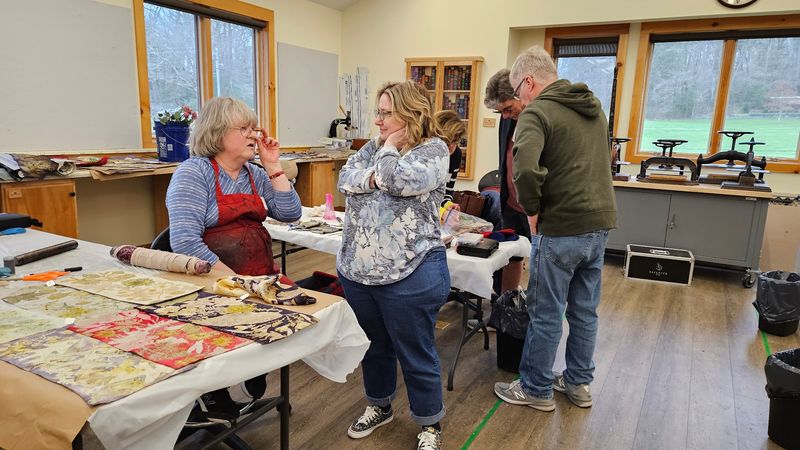
Founded back in 1925, the John C. Campbell Folk School is one of the oldest and most beloved folk schools in the entire United States.
Nestled in the Blue Ridge Mountains of Brasstown, this campus feels like stepping into a living history book. The stone paths, old wooden studios, and community garden all work together to create an atmosphere that is both inspiring and deeply calming.
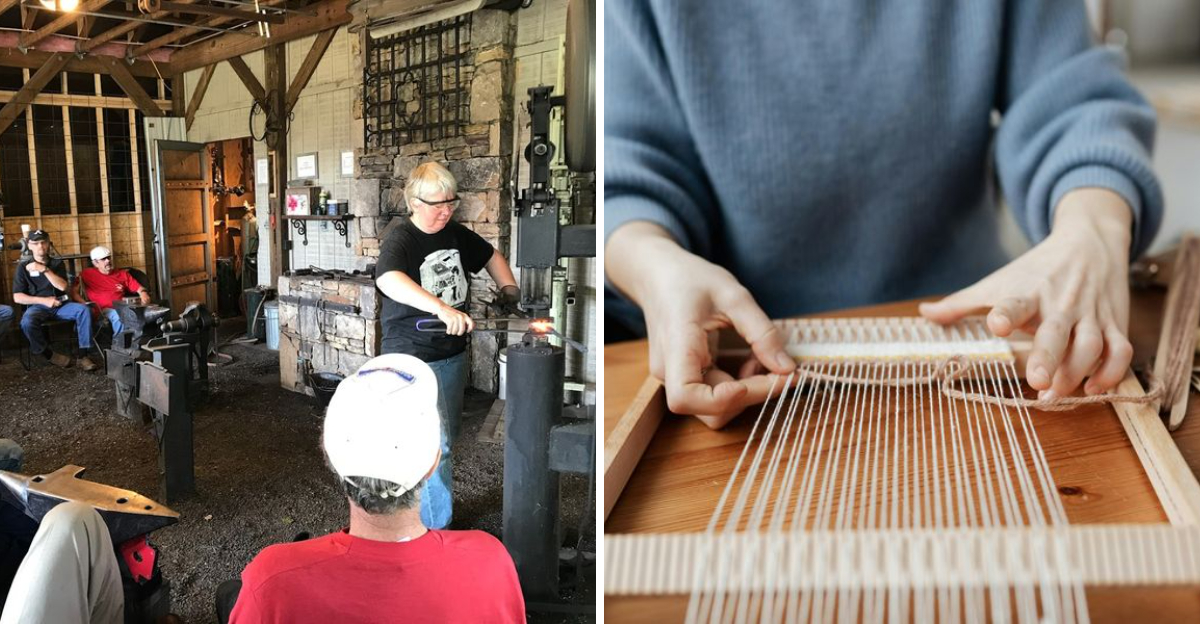
Weekend and weeklong classes here cover an impressive range of traditional crafts, from blacksmithing and woodturning to hand weaving and natural dyeing. Beginners are warmly welcomed, and instructors bring real passion and decades of experience to every session.
You do not need any prior skills to sign up — just a willingness to learn and get your hands dirty.
What truly sets this school apart is its strong sense of community. Meals are shared in a common dining hall, evening music sessions are open to everyone, and the learning never really stops between classes.
If you have ever dreamed of forging your first piece of iron or weaving a scarf on a floor loom, this mountain campus might just be the most magical place to start.
Penland School of Craft (Bakersville)
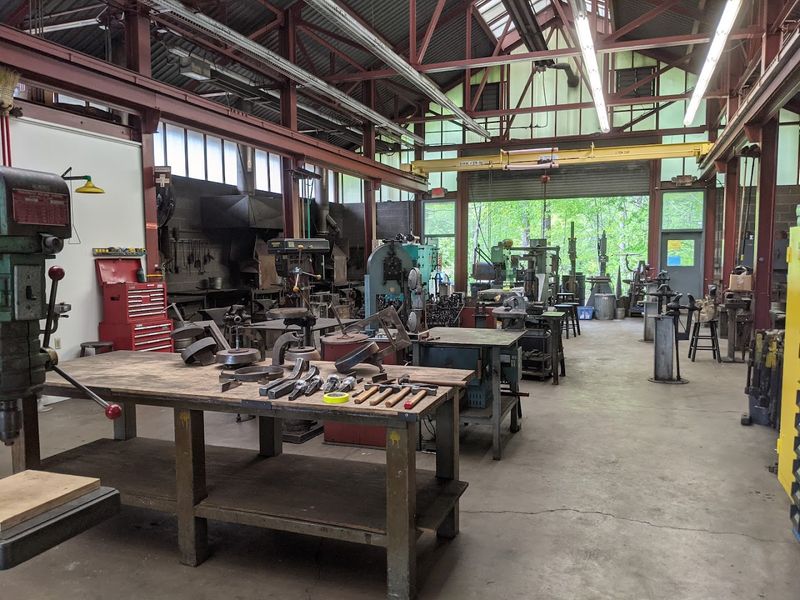
There is a certain electricity in the air at Penland School of Craft that is hard to put into words. Perched in the mountains near Bakersville, this school has been shaping serious craft makers since 1929, and its reputation stretches far beyond North Carolina.
Artists from across the country — and even internationally — come here to teach and to learn.
Short immersive workshops in metalworking, textiles, wood, and glass run throughout the year, and the instructors are often working professional artists who bring fresh, real-world perspectives to each class. Even a single weekend here can completely change the way you think about materials and making.
The studios are well-equipped, light-filled, and designed to spark creativity at every turn.
One fun detail many visitors do not expect: the school sits on over 400 acres of mountain land, giving the whole experience a sense of wide-open possibility. Students often describe the atmosphere as intensely focused but also joyful.
If you are looking for a workshop experience that feels genuinely transformative rather than just instructional, Penland delivers something rare — a weekend where you leave not just with a finished object, but with a whole new way of seeing.
Haywood Community College Professional Crafts Program (Clyde)
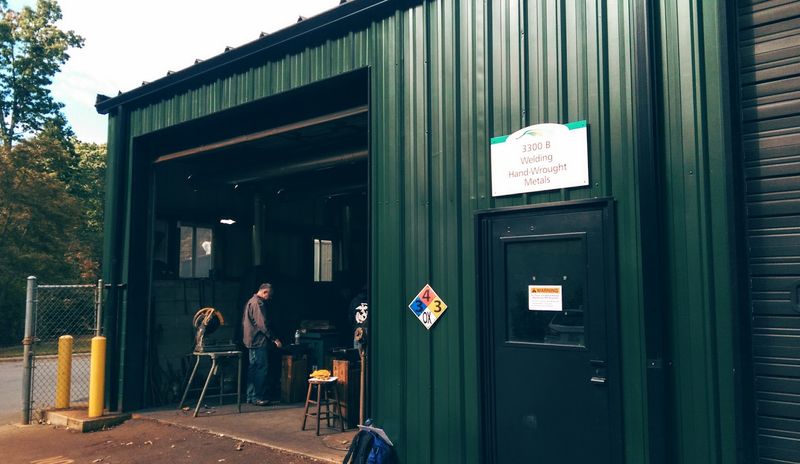
Most people think of community colleges as places for academic courses, but Haywood Community College in Clyde flips that assumption on its head. The Professional Crafts Program here is genuinely one of the most respected in the Southeast, blending rigorous craft training with the kind of hands-on learning that no textbook can replace.
Students and community members alike come here to develop real, marketable skills.
Beyond its full degree programs, the school offers continuing education workshops and short-format classes that are perfect for weekend learners. Woodworking, fiber arts, and traditional Appalachian skills are all part of the curriculum, taught by experienced craftspeople who know these trades inside and out.
The equipment is professional-grade, and the instruction is surprisingly accessible even for complete beginners.
Located in the heart of the Smoky Mountains, the campus itself feels like an extension of the natural world around it — which makes sense, given that so many of the crafts taught here draw directly from the Appalachian landscape and heritage. Spending a weekend here is a bit like borrowing from a long tradition of mountain makers.
You walk away with new skills, but also with a quiet appreciation for how much knowledge has been carefully preserved in this corner of North Carolina.
The Bascom Center for the Visual Arts (Highlands)
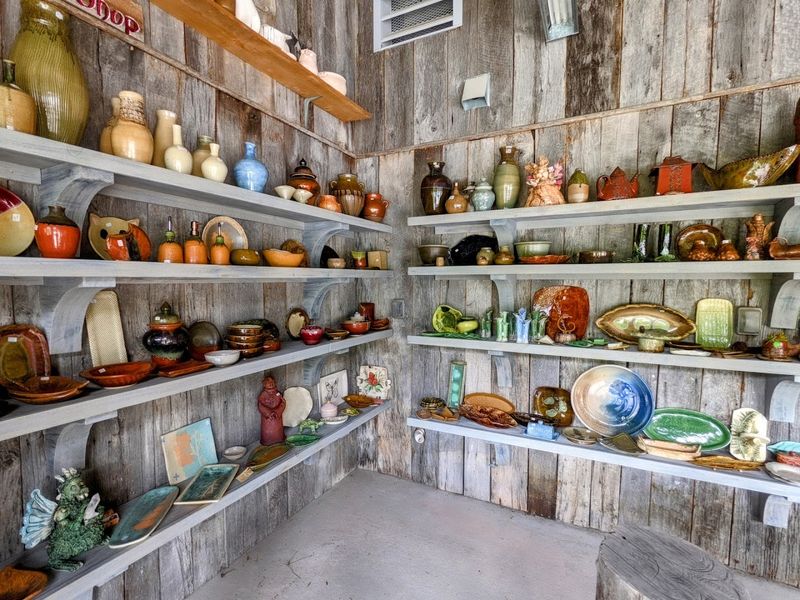
Highlands, North Carolina sits at over 4,000 feet in elevation, and The Bascom Center for the Visual Arts matches its surroundings with an equally elevated approach to craft education. This is not your average community art center — the facilities are modern, the programming is thoughtful, and the instructors bring serious credentials to every workshop they lead.
Seasonal offerings keep the schedule fresh and exciting throughout the year.
Workshops here cover ceramics, fiber arts, printmaking, and woodworking, with class sizes kept intentionally small so every participant gets real attention and guidance. Beginners often find the pace welcoming, while more experienced crafters appreciate the depth of instruction available.
The combination of a beautiful mountain setting and high-quality teaching makes a weekend here feel genuinely restorative.
The Bascom also functions as a working gallery, so you can wander through rotating exhibitions between sessions and see what skilled artists are creating right now. That connection between learning and viewing is something special — it reminds you that the skills you are practicing in the workshop are the same ones producing gallery-worthy work.
For anyone visiting the Highlands area, adding a craft workshop at The Bascom to your itinerary is one of the best decisions you can make.
Yadkin Valley Fiber Center (Elkin)
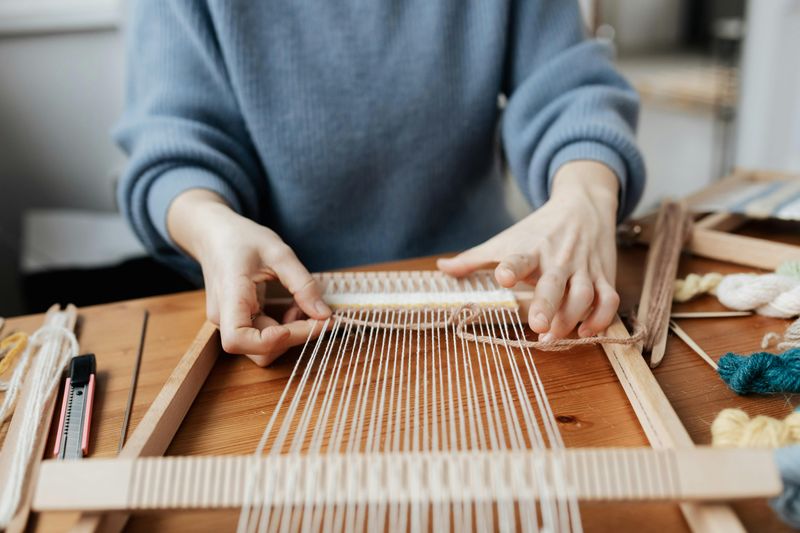
Walk into the Yadkin Valley Fiber Center in Elkin and you will immediately understand why people fall so hard for textile traditions. The walls are draped in rich, colorful yarns, looms hum quietly in the background, and the whole place smells like wool and possibility.
This welcoming hub has made it its mission to keep weaving, spinning, and natural dyeing accessible to everyone — not just seasoned fiber artists.
Weekend workshops here are designed with beginners firmly in mind, so there is no intimidating learning curve to push through before the fun starts. Instructors are patient, knowledgeable, and genuinely excited to share what they know.
Classes in natural dyeing are especially popular, teaching students how to coax beautiful colors from plants, berries, and other organic materials found right in the North Carolina landscape.
What makes the Yadkin Valley Fiber Center particularly charming is its community spirit. Regular attendees often become close friends, and the center regularly hosts events that celebrate the broader textile heritage of the region.
If you have always been curious about how cloth is made — or how people colored fabric before synthetic dyes existed — a weekend here will answer every question you never knew you had, and then some.
Southern Highland Craft Guild Folk Art Center (Asheville)
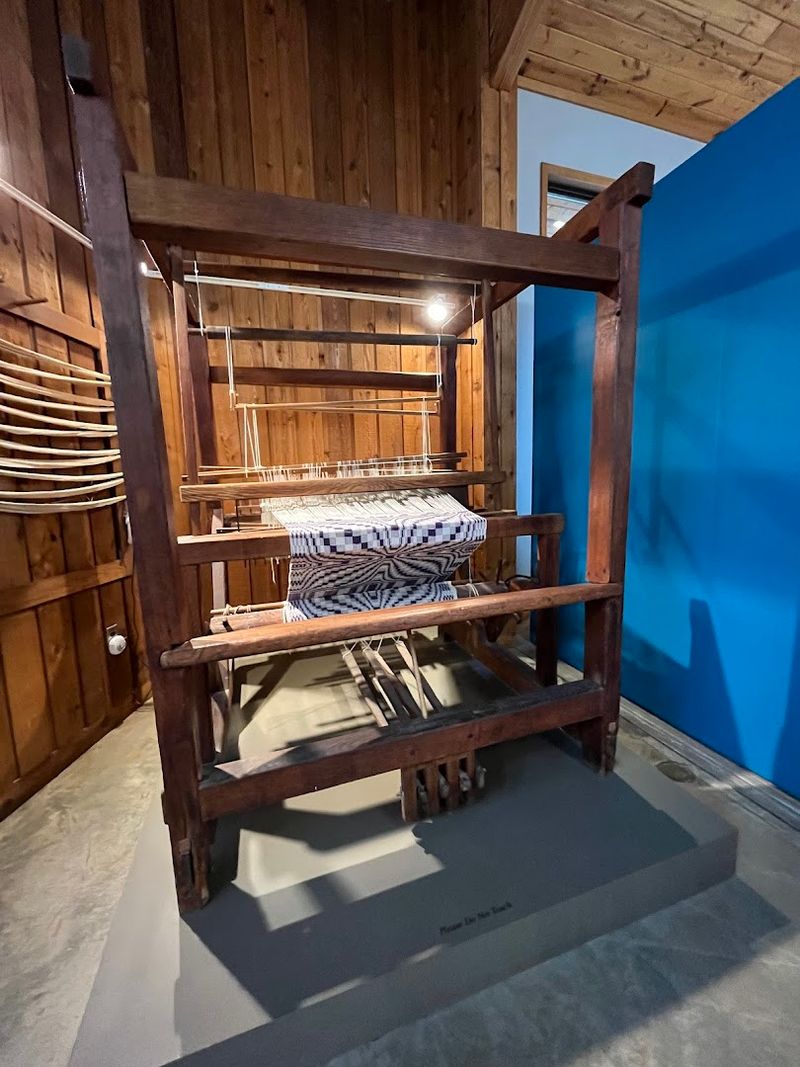
Perched right along the Blue Ridge Parkway just outside Asheville, the Southern Highland Craft Guild Folk Art Center is one of the most visited craft destinations in the entire Appalachian region. Most people know it as a stunning gallery showcasing the finest traditional and contemporary crafts from across the Southern Highlands — but there is more going on here than beautiful objects behind glass.
Live craft demonstrations happen regularly, giving visitors a front-row seat to watch skilled makers work with wood, fiber, clay, and metal in real time. These demonstrations are not passive experiences — many demonstrators love to answer questions and explain their techniques in detail.
Occasional workshops also give participants a chance to try their hand at traditional Appalachian crafts under expert guidance.
Even if you visit on a day without a scheduled workshop, the Folk Art Center is worth every minute of your time. The collection spans hundreds of years of craft tradition, and the juried member work on display represents the very best of what Southern Appalachian craftspeople are creating today.
Think of it as both a school and a museum, wrapped in mountain air and genuine Southern hospitality. A visit here has a way of making you want to pick up a tool and start making something yourself.
Stecoah Valley Cultural Arts Center (Robbinsville)
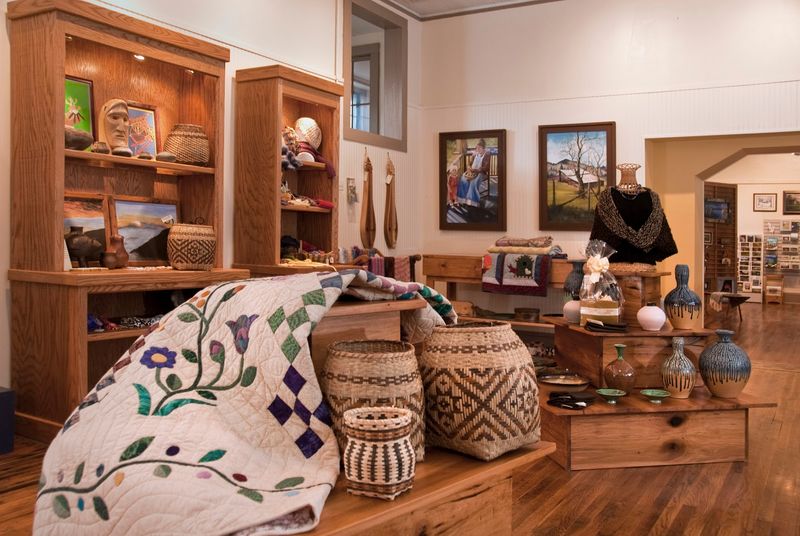
Tucked deep in the Graham County mountains near Robbinsville, the Stecoah Valley Cultural Arts Center is the kind of place that feels like a well-kept secret — until you visit and wonder how you ever missed it. This community-rooted center has been quietly preserving the craft heritage of the surrounding mountains for years, offering workshops that stay true to the traditions of the Cherokee and Appalachian peoples who have called this region home for generations.
Seasonal workshops in basketry, weaving, and woodcraft are offered throughout the year, with class sizes kept small and intimate. The instructors often have deep personal connections to the crafts they teach, which gives every session an authenticity that is genuinely hard to find elsewhere.
Beginners are treated not as outsiders but as new members of a living tradition.
The center also hosts music events, storytelling evenings, and cultural programs that give visitors a fuller picture of the region’s rich heritage. Spending a weekend here is less like taking a class and more like being welcomed into a community.
If you want a craft experience that feels rooted in real place and real history rather than just trendy DIY culture, Stecoah Valley is exactly the destination you have been looking for.
Tryon Arts and Crafts School (Tryon)
Do not let the modest size of Tryon Arts and Crafts School fool you — this little gem in the foothills of the Blue Ridge has been quietly producing skilled craftspeople since 1959. The school has an easygoing, unpretentious personality that makes first-time visitors feel at home almost immediately.
There is no pressure to be perfect here, just an open invitation to try something new and see what happens.
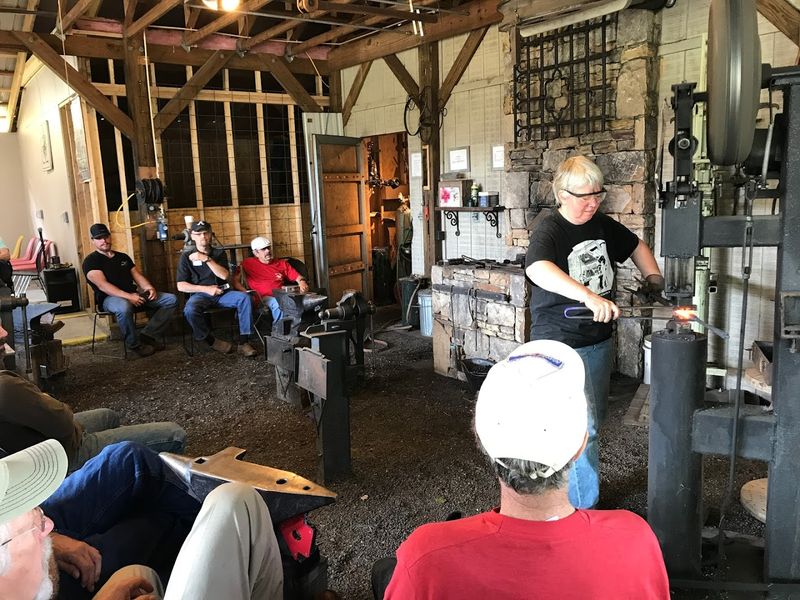
Short-format classes in woodworking, blacksmithing, and fiber arts run on weekends throughout the year, making it easy to fit a creative escape into a busy schedule. Class sizes are deliberately kept small, which means you get real one-on-one time with instructors who genuinely care about your progress.
Whether you want to forge a simple hook from iron or learn the basics of hand-built furniture, the school has a class that fits.
Tryon itself is a wonderfully charming town — known for its equestrian culture, art galleries, and laid-back Southern charm — so a weekend at the craft school pairs naturally with exploring everything else the area has to offer. Stay an extra night, stroll the main street, and you will quickly understand why so many people who visit Tryon end up coming back again and again.
Olive’s Porch (Murphy)
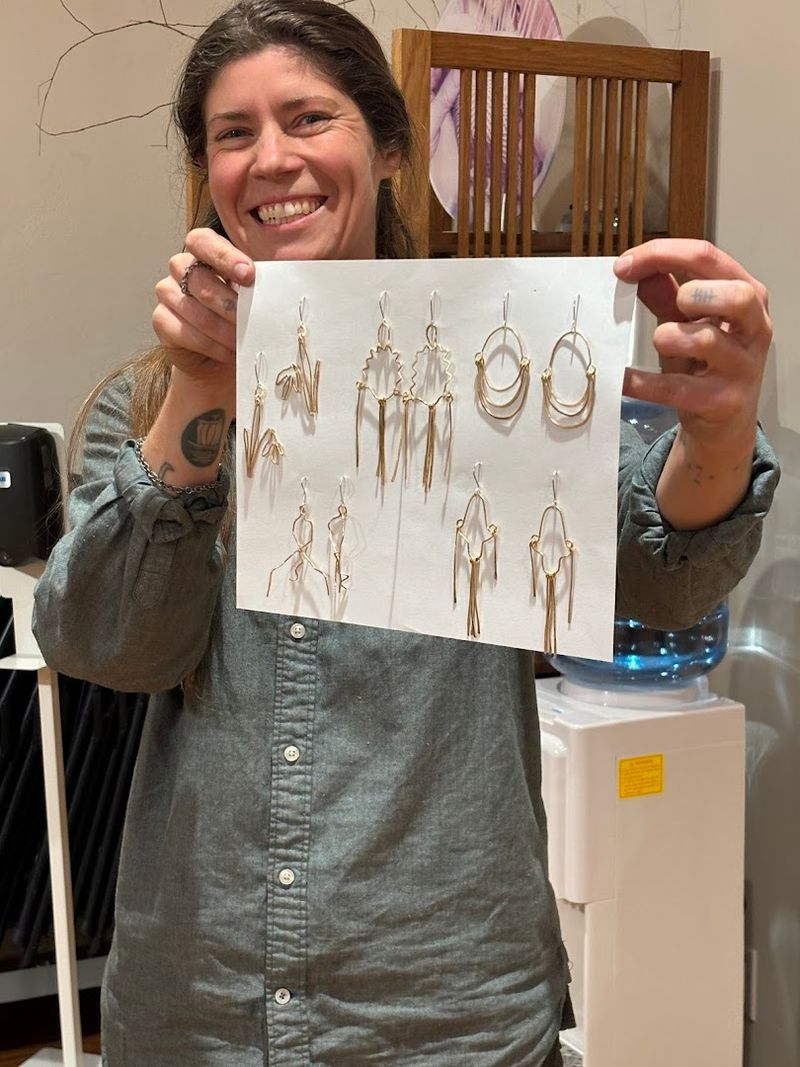
Named with a warmth that perfectly matches its spirit, Olive’s Porch in Murphy is the kind of place that feels like your most creative friend’s farmhouse — welcoming, a little quirky, and full of things to learn. Inspired by the folk school tradition, this intimate learning space keeps class sizes deliberately tiny, so every student gets personalized attention and plenty of time to ask questions without feeling rushed.
Classes here cover a charming mix of heritage crafts, cooking, and homesteading skills that reflect the self-sufficient traditions of the surrounding mountains. Think hand-stitching, natural fiber work, fermentation, and old-fashioned kitchen arts alongside more traditional craft offerings.
Each class feels less like a formal lesson and more like an afternoon spent learning from someone who genuinely loves what they do.
Murphy itself sits at the far western tip of North Carolina, where the state meets Georgia and Tennessee — a remote and beautiful corner of the Appalachians that rewards those willing to make the drive. Visiting Olive’s Porch is as much about slowing down and reconnecting with older, slower ways of doing things as it is about any specific skill.
You might arrive planning to learn one craft and leave inspired to completely rethink how you spend your free time.
The Crafts Center at North Carolina State University (Raleigh)
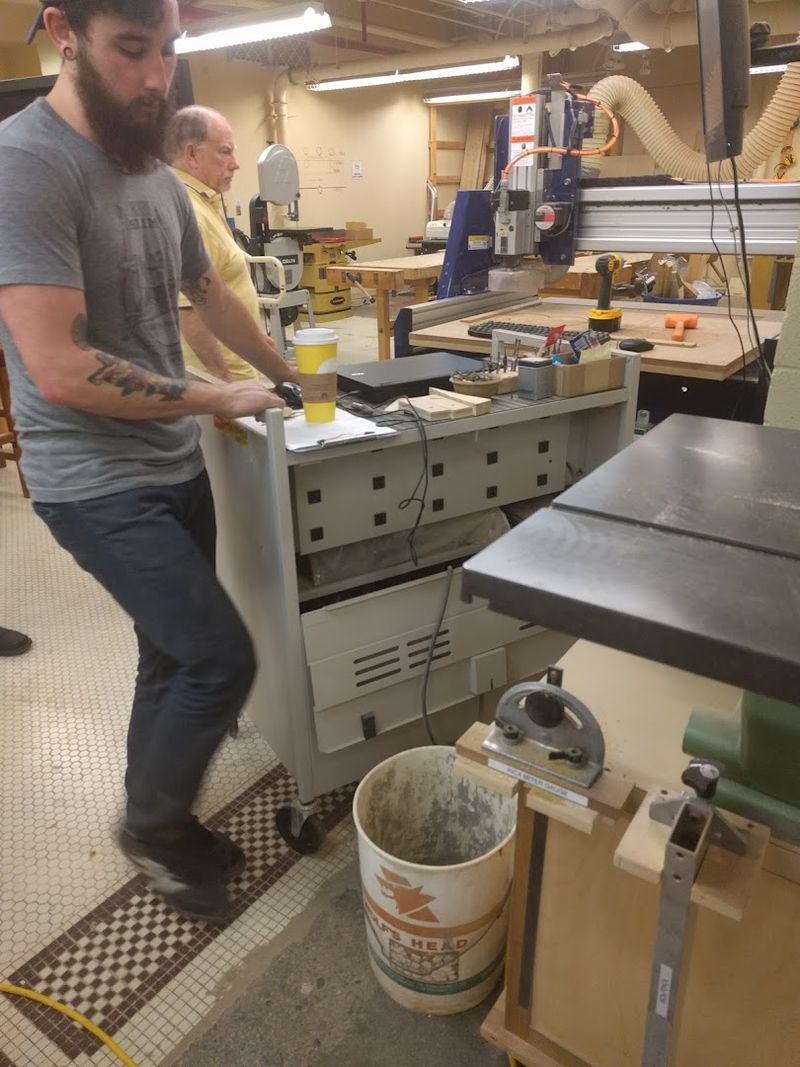
Not every great craft school is hidden in the mountains — and the Crafts Center at NC State University in Raleigh proves that point with style. Operating since 1949, this university-affiliated studio has been making craft education available to the broader public long before DIY culture became fashionable.
The fact that it sits on a major research university campus means the facilities are consistently well-maintained and thoughtfully updated.
Public workshops in woodworking, blacksmithing, ceramics, and textiles run throughout the academic year, with weekend sessions specifically designed for working adults who cannot commit to a weekday schedule. The instructors bring a blend of academic rigor and practical skill-building that produces surprisingly fast results even in short workshop formats.
Students often walk away from a single weekend session with a finished piece they are genuinely proud of.
For anyone living in or visiting the Research Triangle area, the Crafts Center is an incredibly convenient option that requires zero travel to the mountains. The urban setting also means you can easily combine a Saturday workshop with dinner in downtown Raleigh or a Sunday morning at one of the city’s excellent farmers markets.
Craft learning and city life turn out to be a more natural pairing than most people expect.