Some places reward slow walking more than fast sightseeing, and Pennsylvania is full of them. In these historic districts, brick patterns, church spires, alleyways, and porch lines reveal stories most visitors pass without noticing.
If you know where to look, each block becomes a timeline of industry, faith, wealth, conflict, and reinvention. This outline highlights the Pennsylvania districts where architecture speaks most clearly to anyone willing to wander.
Old City Historic District, Philadelphia
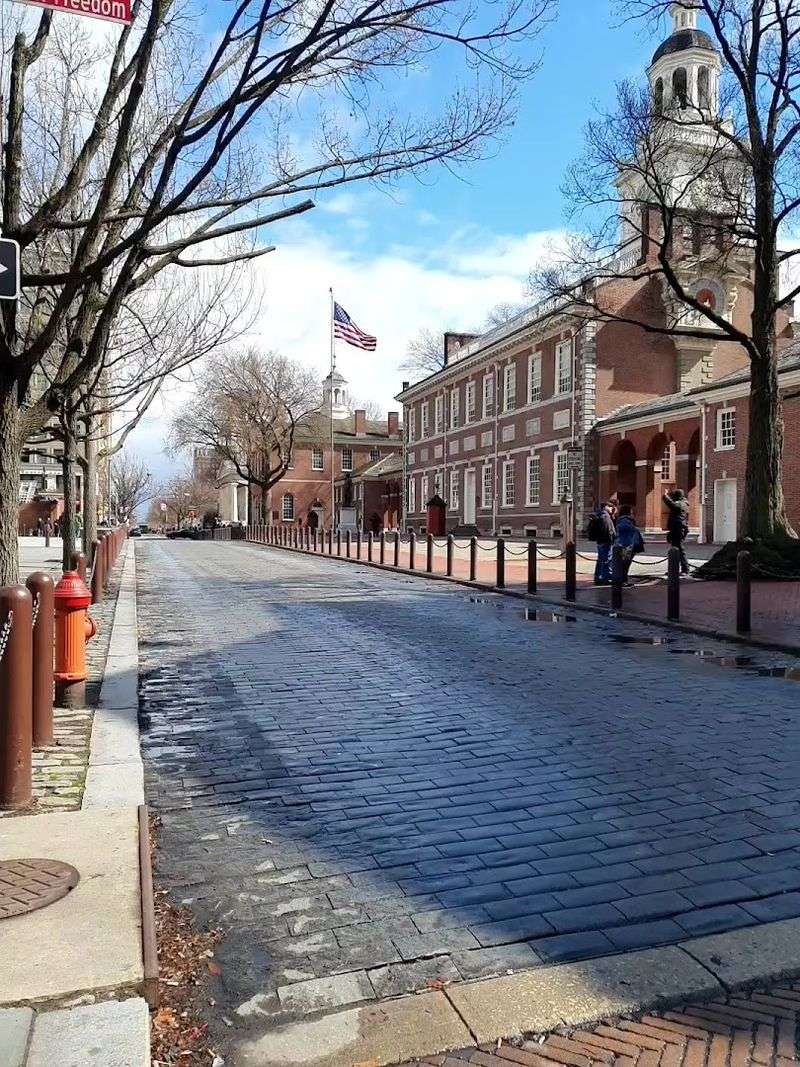
Old City makes sense on foot because the scale is human and the details reward patience. You notice Flemish bond brickwork, narrow carriage alleys, and Georgian proportions that connect commercial ambition to colonial planning.
The streets still feel arranged for walking before speed changed cities.
Look closely at surviving eighteenth and early nineteenth century facades near Elfreth’s Alley, Christ Church, and Second Street. Fanlights, dormers, and stoops reveal how merchants balanced domestic life with trade.
Even updated storefronts often preserve cornices or masonry clues that hint at older building campaigns.
This district also tells a civic story. Banks, meeting halls, and print shops grew beside houses, creating a neighborhood where politics, religion, and business overlapped daily.
When you move slowly, the city stops feeling monumental and starts feeling personal.
Come early or near dusk for the best reading light on brick and stone. You will catch shadows under lintels and subtle changes in lot width.
Those shifts explain how Philadelphia evolved parcel by parcel rather than all at once.
Germantown Historic District, Philadelphia
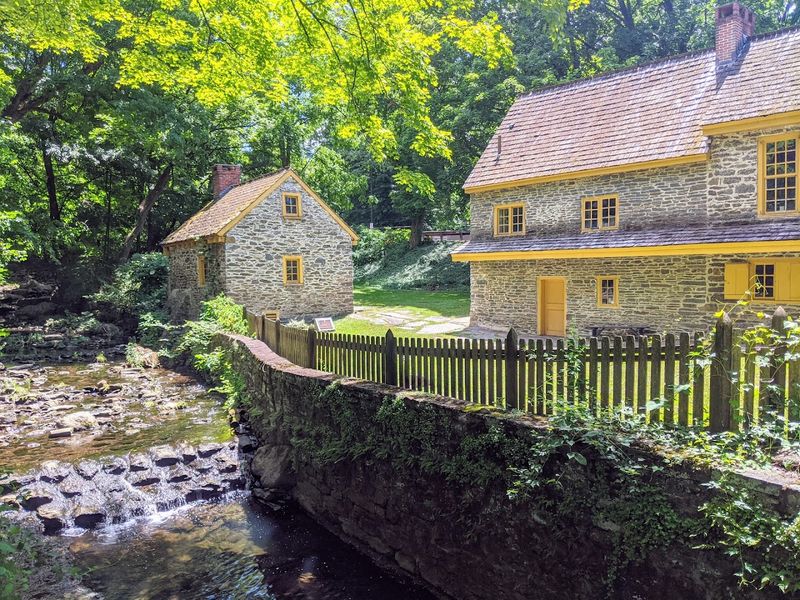
Germantown rewards walkers because its architecture stretches across centuries without losing its neighborhood feel. Colonial stone houses, rowhomes, churches, and Victorian institutions stand close enough together to show how one community kept reinventing itself.
Few places in Pennsylvania present that timeline so directly.
Materials tell much of the story. Wissahickon schist, brick, wood porches, and later institutional masonry create a layered streetscape that feels grounded rather than staged.
As you move along Germantown Avenue, scale shifts from village to streetcar suburb without a clean break.
Look for houses linked to abolition, worship, and early industry, but pay equal attention to ordinary buildings. Their additions, setbacks, and storefront alterations reveal practical adaptation.
Architecture here is less about purity and more about endurance through conflict, growth, and disinvestment.
Walking is essential because the district unfolds as a sequence of episodes. One block feels almost rural, the next distinctly urban.
That unevenness is the lesson: Germantown was shaped by overlapping communities whose buildings still hold evidence of ambition, faith, and resilience.
Historic Bethlehem Moravian District, Bethlehem
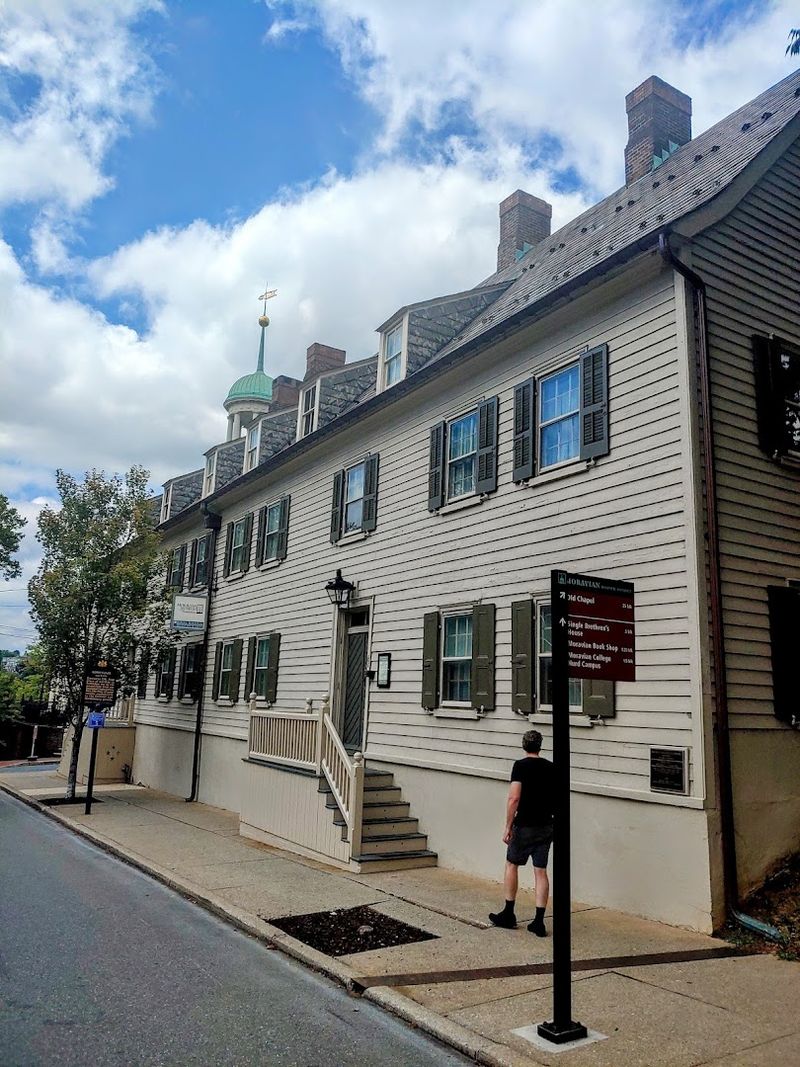
Historic Bethlehem is best read as a planned community where faith shaped form. The Moravians organized worship, work, housing, and education with unusual clarity, and the district still shows that order.
Walking lets you see how spiritual ideals became physical space.
The Gemeinhaus, Single Sisters’ House, church structures, and carefully aligned streets reveal discipline without feeling cold. Limestone walls, steep roofs, and restrained detailing reflect communal values more than personal display.
Even the open spaces feel intentional, creating breathing room between civic and religious functions.
What makes Bethlehem especially rewarding is the connection between sacred planning and early industry. Nearby mills and workshops demonstrate that devotion and production were not separate worlds.
You can trace that relationship on foot far better than from a car window.
Pay attention to proportion and repetition. Similar window placement, wall textures, and rooflines create a sense of collective identity across the district.
If you look closely, the architecture explains how the Moravians imagined daily life: ordered, useful, communal, and deeply tied to place.
Lancaster Historic District, Lancaster
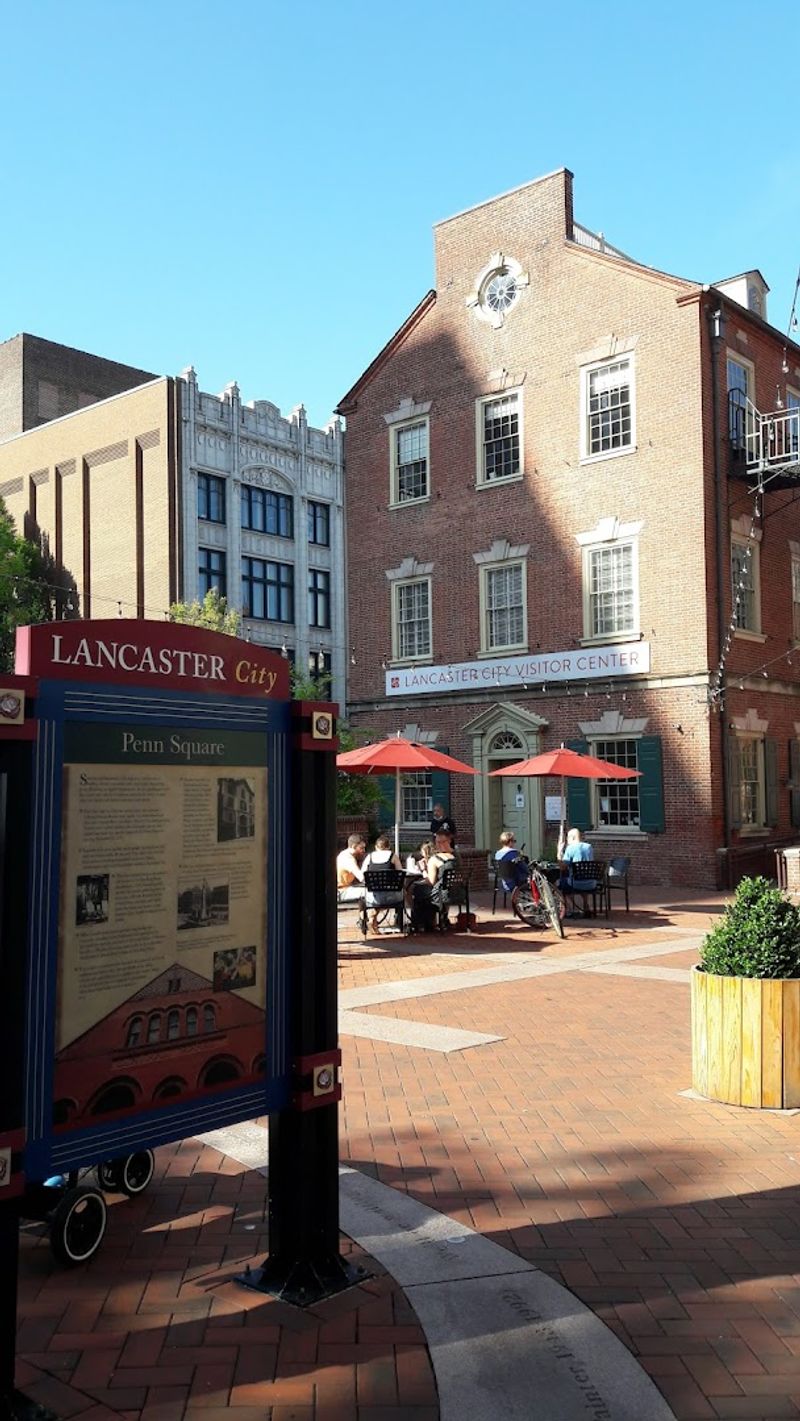
Lancaster is one of those cities where walking reveals how prosperity accumulated in layers. You move from eighteenth century houses to robust nineteenth century commercial blocks, then past churches and markets that kept the center anchored.
The district reads like a ledger written in brick.
Near Penn Square and the surrounding streets, look for Federal facades, Italianate cornices, and later Victorian storefront treatments. Together they show how a county seat adapted to regional trade and manufacturing.
Buildings here rarely shout, but they consistently reward close visual attention.
The city also preserves an unusually strong sense of everyday urbanism. Alley houses, markets, and mixed use blocks make the district feel lived in rather than curated.
That matters, because architecture tells fuller stories when commerce, residence, and public life remain visibly intertwined.
Watch how churches punctuate the skyline while rowhouses maintain a steady street wall below. Those vertical and horizontal cues organize your walk.
They also reveal Lancaster’s long balance between community stability and economic ambition, a tension that shaped nearly every corner of the historic core.
Jim Thorpe Historic District, Jim Thorpe
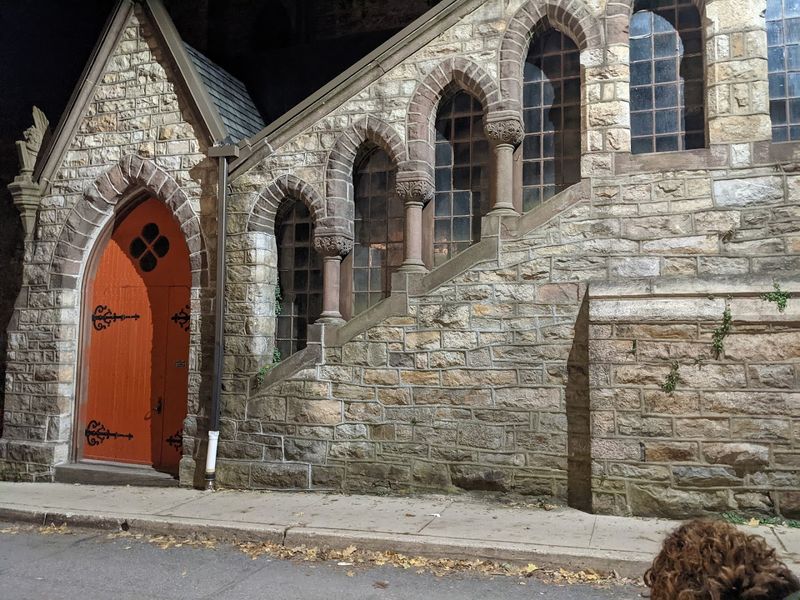
Jim Thorpe is dramatic before you study a single facade, but walking helps you move past the scenery and into the town’s architectural logic. Wedged into a narrow valley, the district stacks commerce, industry, and display against steep terrain.
The topography is half the story.
Italianate storefronts, opera house flourishes, churches, and high style residences speak to coal era wealth and ambition. Streets rise abruptly, giving you unusual sightlines into rooflines, towers, and retaining walls.
That vertical experience makes architectural details feel theatrical without becoming fake.
You can also read class and labor here more sharply than in flatter towns. Grand houses sit within reach of denser blocks tied to work and transportation.
Rail infrastructure and industrial remnants explain why ornament appeared where it did and who financed it.
Take your time between Broadway and the hillier residential streets. The transitions are revealing.
Jim Thorpe shows how nineteenth century prosperity used architecture to project confidence, while the valley itself kept reminding everyone that this beautiful town was built on extraction, movement, and hard physical limits.
Easton Historic District, Easton
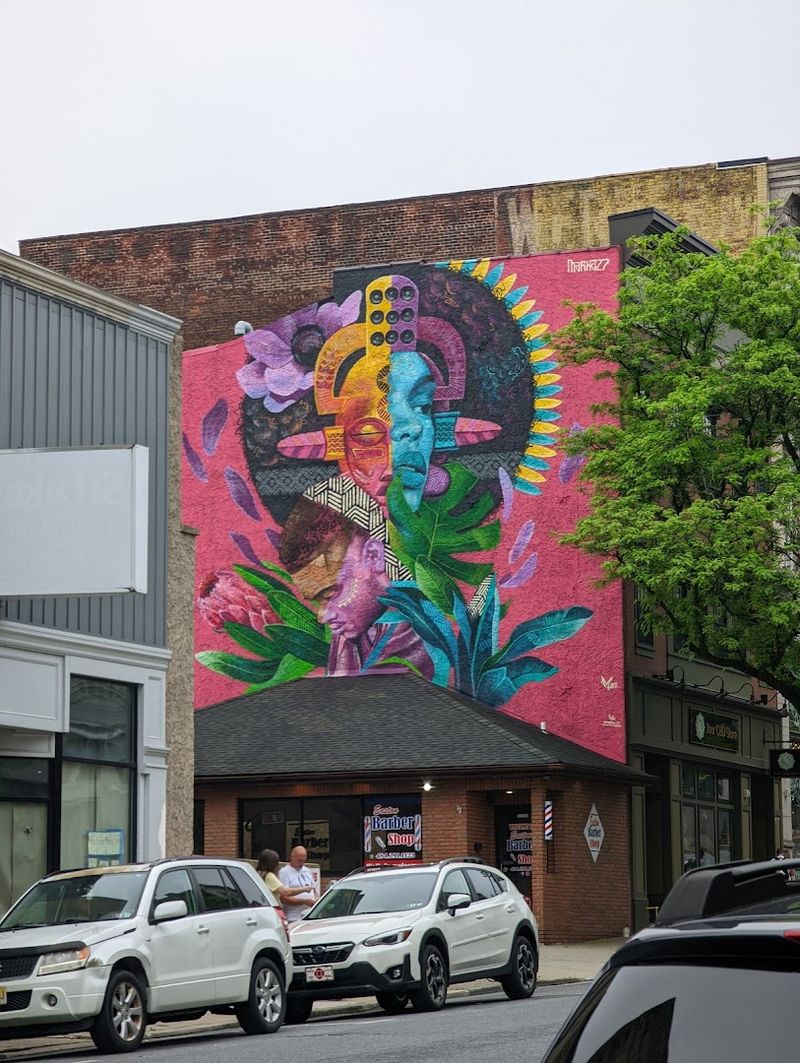
Easton is shaped by confluence, and walking the historic district makes that obvious. The meeting of rivers encouraged trade, administration, and dense development, which left behind an urban core full of architectural variety.
It feels like a working city that learned to keep its memory visible.
Center Square and the surrounding streets combine civic buildings, banks, churches, and commercial blocks from several periods. Federal forms sit beside later Italianate and Victorian facades, showing how prosperity was updated rather than replaced.
The district’s strongest quality is its layered confidence.
You can also read transportation history in the street patterns and surviving building types. Warehousing, hotel culture, and retail all left marks on scale and frontage.
As you walk, the town’s role as a gateway becomes clear without needing much imagination.
Do not stay only on the most polished blocks. The edges of the district often reveal the best clues, especially where modest structures meet larger civic statements.
Easton tells a persuasive story about adaptation, because its architecture shows a place repeatedly reshaped by commerce, movement, and regional importance.
Wellsboro Historic District, Wellsboro
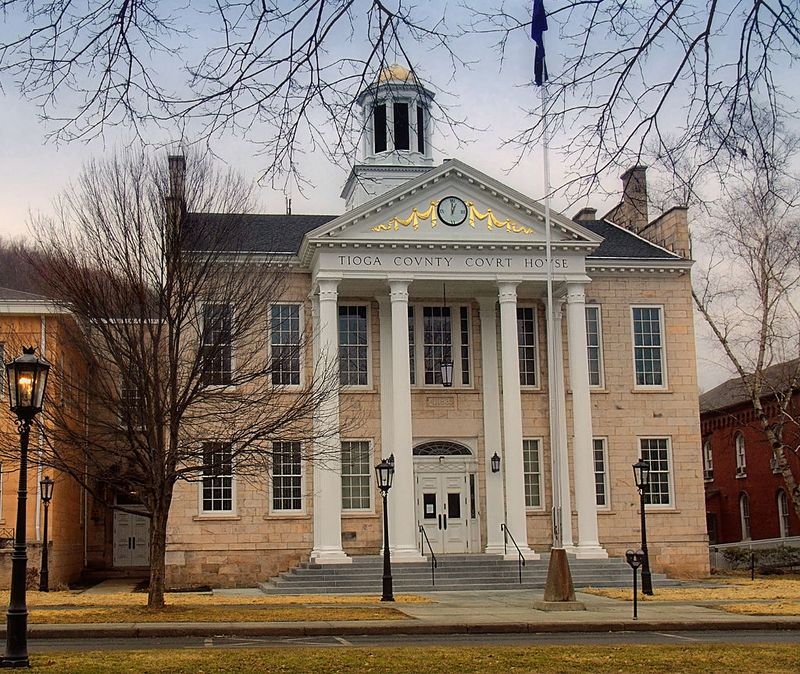
Wellsboro has an instantly memorable Main Street, but its appeal goes beyond the famous gas lamps. On foot, the district reveals a disciplined small town composition of courthouse, commercial blocks, hotels, and houses that reflects regional prosperity tied to timber and transportation.
The scale stays wonderfully readable.
Architecturally, Wellsboro mixes late nineteenth and early twentieth century commercial forms with comfortable residential streets nearby. Brick facades, cornices, and upper story windows create an unbroken street wall that feels welcoming rather than imposing.
The courthouse and civic buildings provide dignified focal points without overwhelming the ensemble.
What I find most persuasive here is the continuity. Modern businesses occupy historic shells in ways that still respect original proportions and materials.
That makes the district feel used, not embalmed, which is exactly what you want in a walkable historic center.
Stroll a few blocks off Main Street to see how porches, setbacks, and house types support the downtown core. The relationship is strong.
Wellsboro shows how architecture can express civic pride through restraint, consistency, and a streetscape designed for everyday life.
Milford Historic District, Milford
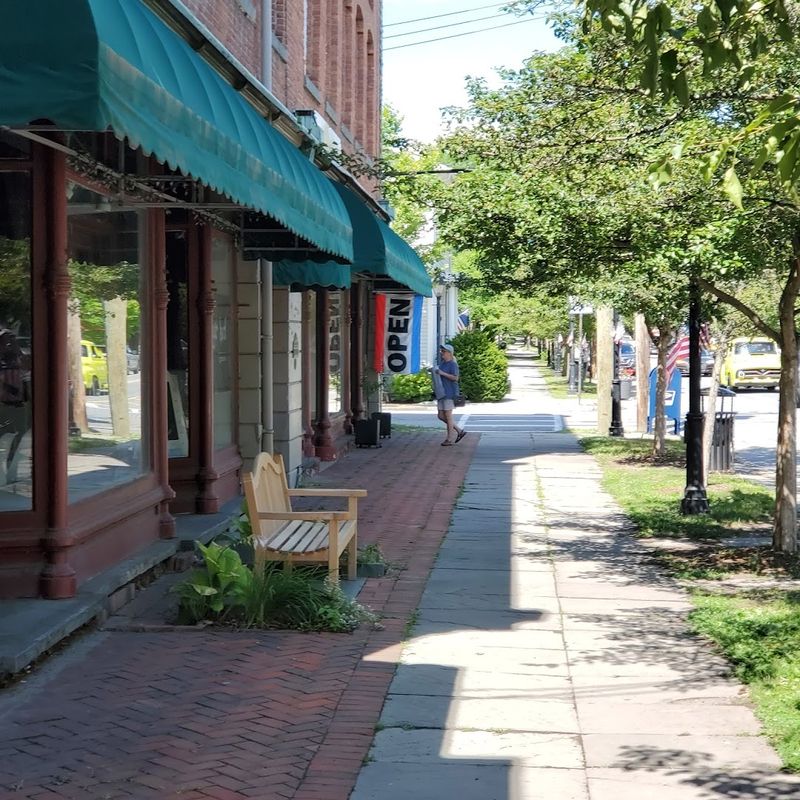
Milford invites a slower pace, and that gentleness helps its architecture speak clearly. The district blends village scale with surprisingly refined buildings, reflecting its role as a county seat and later as a destination for affluent visitors.
You can feel both functions in the streetscape.
Look for stone houses, frame dwellings, inns, churches, and civic structures arranged with generous trees and open space. The result is less dense than many Pennsylvania districts, but no less legible.
Milford’s story is told through balance, proportion, and the interplay between domestic comfort and public importance.
The town also preserves a strong sense of picturesque planning. Views terminate in church spires or mature landscaping, and buildings often seem placed to support those compositions.
Walking helps you notice that design intelligence, which can disappear when you only drive through.
Pay attention to details like porch columns, window trim, and masonry texture. They reveal how local builders interpreted wider nineteenth century tastes in distinctly regional ways.
Milford ultimately feels elegant without being formal, a place where architecture reflects status, landscape awareness, and an enduring preference for human scale.
Strasburg Historic District, Strasburg
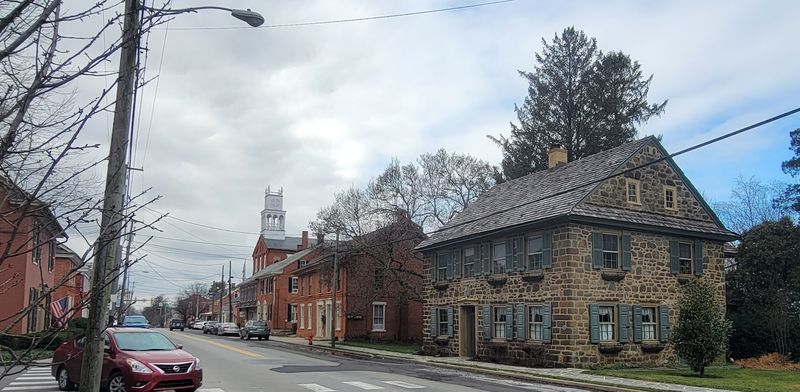
Strasburg works beautifully on foot because its broad main street and tightly grouped historic buildings make the town easy to decode. As one of Pennsylvania’s oldest boroughs, it carries traces of colonial settlement, turnpike travel, and later rail related tourism.
Those layers still sit close together.
Inns, houses, churches, and commercial structures line the central corridor with a steadiness that feels earned over time. Brick and stone dominate, giving the district visual weight.
You can see how architecture supported movement, hospitality, and local trade long before the area became a heritage destination.
What stands out most is the survival of ordinary forms. Not every building is monumental, and that modesty is important.
Strasburg’s historic character comes from accumulation, where everyday construction created a coherent place that larger showpieces now depend on.
Walk the side streets as well as the main route to understand how domestic life connected to public business. Setbacks, garden space, and outbuildings matter here.
Strasburg tells a story about persistence, where architecture quietly records centuries of travel, work, worship, and community continuity.
Doylestown Historic District, Doylestown
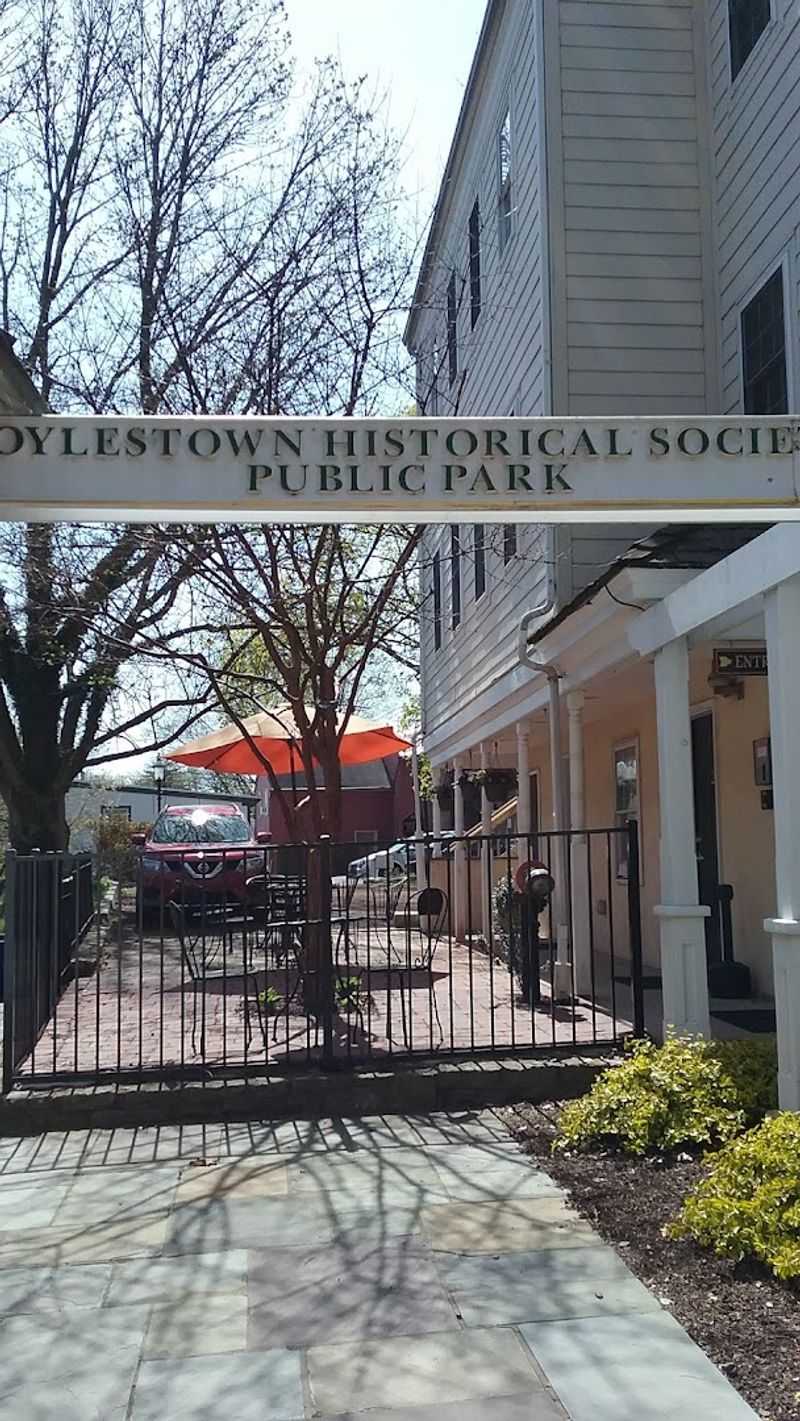
Doylestown is ideal for walkers because its historic core mixes county seat formality with artistic eccentricity just beyond the main streets. You can read conventional civic order in one block, then encounter more imaginative architectural expression nearby.
That contrast gives the district unusual energy.
The downtown itself features solid commercial rows, banks, churches, and government buildings that establish the town’s administrative identity. Materials and proportions remain comfortably human, encouraging you to notice cornices, lintels, and storefront rhythms.
Side streets open into residential areas that soften the civic center.
What deepens the walk is the broader architectural culture associated with Henry Chapman Mercer and his circle. Even when you are not inside the major landmarks, their influence changes how you see local craftsmanship and material choice.
Doylestown values making as much as display.
Explore slowly enough to notice how institutions, shops, and houses fit together without harsh transitions. That continuity matters.
Doylestown tells a story about governance, culture, and regional identity expressed through buildings that feel purposeful, local, and consistently scaled to pedestrians.
Harmony Historic District, Harmony
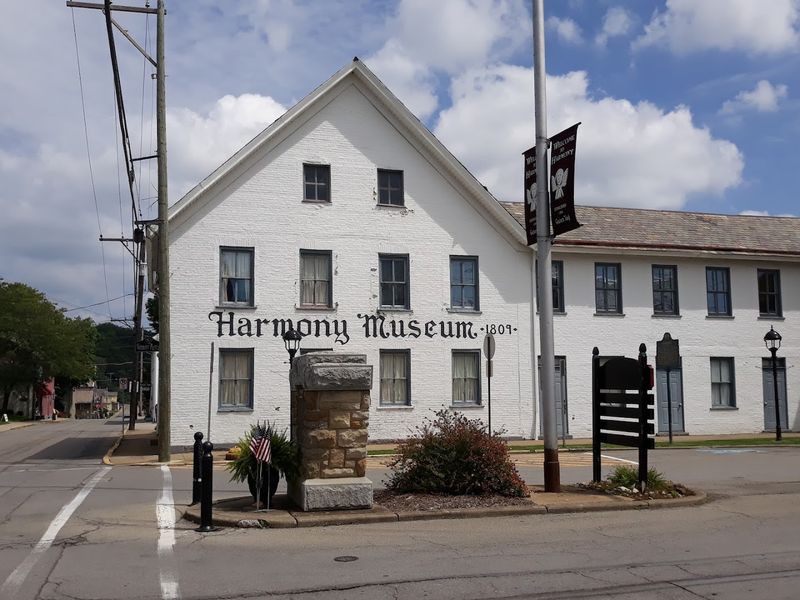
Harmony offers one of Pennsylvania’s most distinctive village plans, and that makes it especially rewarding to explore on foot. Founded by the Harmonists, the district still reflects communal ideals through broad streets, orderly lots, and buildings that favor utility over display.
The layout itself is historical evidence.
Stone and brick houses, church related structures, and later village buildings show how a religious settlement adapted after its founders moved on. You can trace that change through subtle differences in style and use.
The architecture never becomes chaotic, but it does become more individual over time.
What you notice walking here is spaciousness. Unlike denser urban districts, Harmony uses open ground and simple massing to create meaning.
That restraint helps small details stand out, from masonry techniques to door surrounds that suggest shifting ownership and local aspiration.
Take time to consider how unusual this place remains in the American landscape. Harmony is not just pretty or old.
Its buildings and plan preserve a social experiment, then show how later residents absorbed that framework into an ordinary town without fully erasing its communal origins.