Florida is not the first place most people think of for sea glass, and that is exactly what makes these beaches so exciting to search. Along stretches better known for shark teeth, shells, and drift, small frosted pieces sometimes appear after storms, strong tides, and patient early walks.
If you love the thrill of finding something quiet and beautiful that others miss, these shorelines deserve a place on your beachcombing list. Here are Florida beaches where luck, timing, and a careful eye can reward you with sea glass.
Venice Beach – Venice
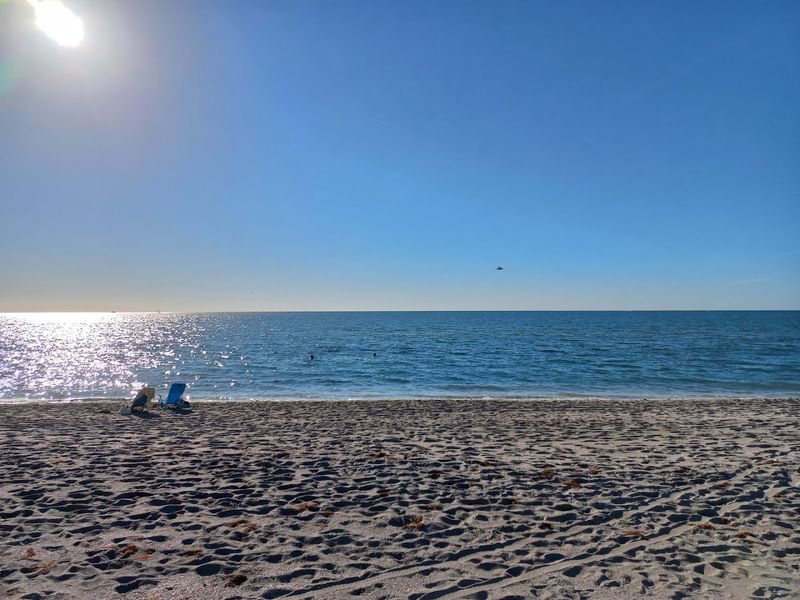
Venice Beach is famous for shark teeth, so most people arrive with sifters and sharp eyes aimed at dark fossil shapes. That focus can work in your favor, because tiny frosted sea glass pieces are easy to overlook among shell grit and shell fragments.
I would search slowly near the wrack line after a strong tide change or the morning after a storm.
The best finds here are usually small, rounded, and well worn rather than bright collector sized pieces. Look where shell beds gather in low pockets, especially where waves have recently rearranged the shoreline.
Subtle green, brown, and clear pieces seem most realistic to expect.
Venice Beach is groomed at times, so timing matters more than pure location. Going early helps you beat both crowds and the flattening effect of many footsteps.
A cloudy morning can also make frosted glass stand out better against damp sand.
Even if you leave with only shark teeth and shells, the hunt still feels rewarding. When a soft, ocean polished glass piece appears here, it feels like a quiet bonus prize.
Caspersen Beach – Venice
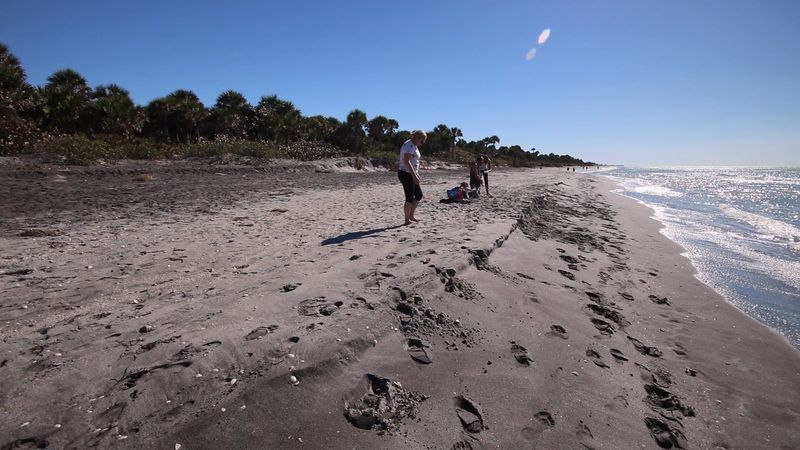
Caspersen Beach feels wilder than nearby Venice Beach, and that less manicured character is exactly why many beachcombers love it. Shells, fossil material, drift, and rougher natural deposits can collect here in ways that sometimes hide sea glass in plain sight.
You will want to scan slowly instead of assuming every small pale piece is just broken shell.
The beach is especially known for shark teeth, but sea glass can appear after energetic surf reshapes the shell lines. I would pay attention to uneven patches where darker sand, shells, and pebbly material settle together.
Those mixed deposits often hold the most interesting surprises.
Because Caspersen is less groomed, your odds improve when natural accumulation stays in place for a while. Early morning and lower light can help frosted edges catch your eye without harsh glare.
Water shoes also make longer searches more comfortable on this rugged stretch.
This is the kind of beach where patience matters more than speed. A tiny mint or amber piece here can feel wonderfully earned.
Blind Pass Beach – Sanibel Island
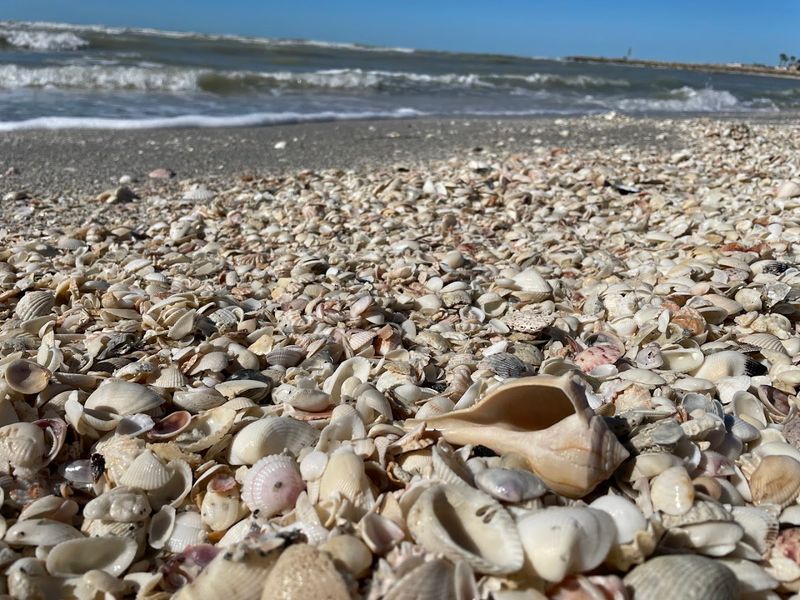
Blind Pass Beach is one of those places where moving water does much of the sorting for you. Strong currents around the pass push shells, seaweed, and all kinds of small debris into concentrated lines that reward careful searching.
If you already love shelling on Sanibel, this beach adds an extra layer of possibility.
Sea glass is never guaranteed here, but shifting currents can occasionally uncover worn pieces among shell piles. I would focus on the edges of fresh shell deposits rather than the middle of the biggest crowd.
Glass often hides where wave action starts to thin the heaviest concentration.
Mornings after wind or weather are worth watching, especially when the shoreline looks newly rearranged. The most likely pieces are small and frosted, often in subdued white, green, or brown.
Polarized sunglasses can help reduce glare while you scan wet sand and shell ridges.
Blind Pass feels active, textured, and always a little different from one day to the next. That unpredictability is exactly what makes the hunt so satisfying.
Bowman’s Beach – Sanibel Island
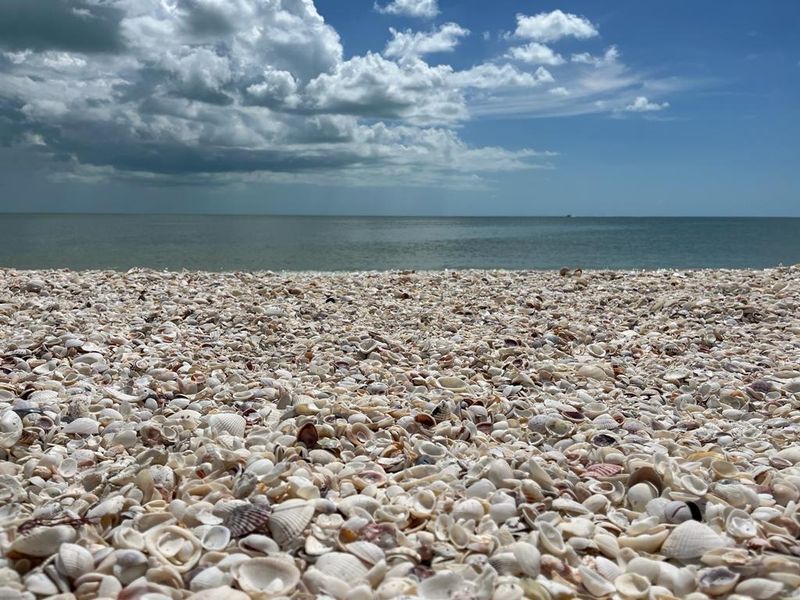
Bowman’s Beach has a quieter, more spacious feel than some of Florida’s more heavily visited shelling spots. That relaxed atmosphere makes it ideal if you like to wander slowly, watch the tide, and let small details reveal themselves.
Sea glass is not common here, but patient searchers do sometimes get lucky.
The beach’s broad shoreline and natural shell scatter create good conditions for careful beachcombing after a tide shift. I would scan the damp zone between the water’s edge and the freshest shell line, where rounded glass can blend with pale shell chips.
Frosted surfaces tend to show up best when the sand is still moist.
Because Bowman’s invites long walks, it helps to cover distance and revisit sections that waves continue to change. Calm days can be beautiful, but days after stronger surf may expose more interesting material.
The key is moving slowly enough to notice shape and texture, not just color.
This beach rewards a patient eye and an unhurried pace. Finding even one smooth sea glass piece here feels personal and surprisingly memorable.
Lighthouse Beach Park – Sanibel Island
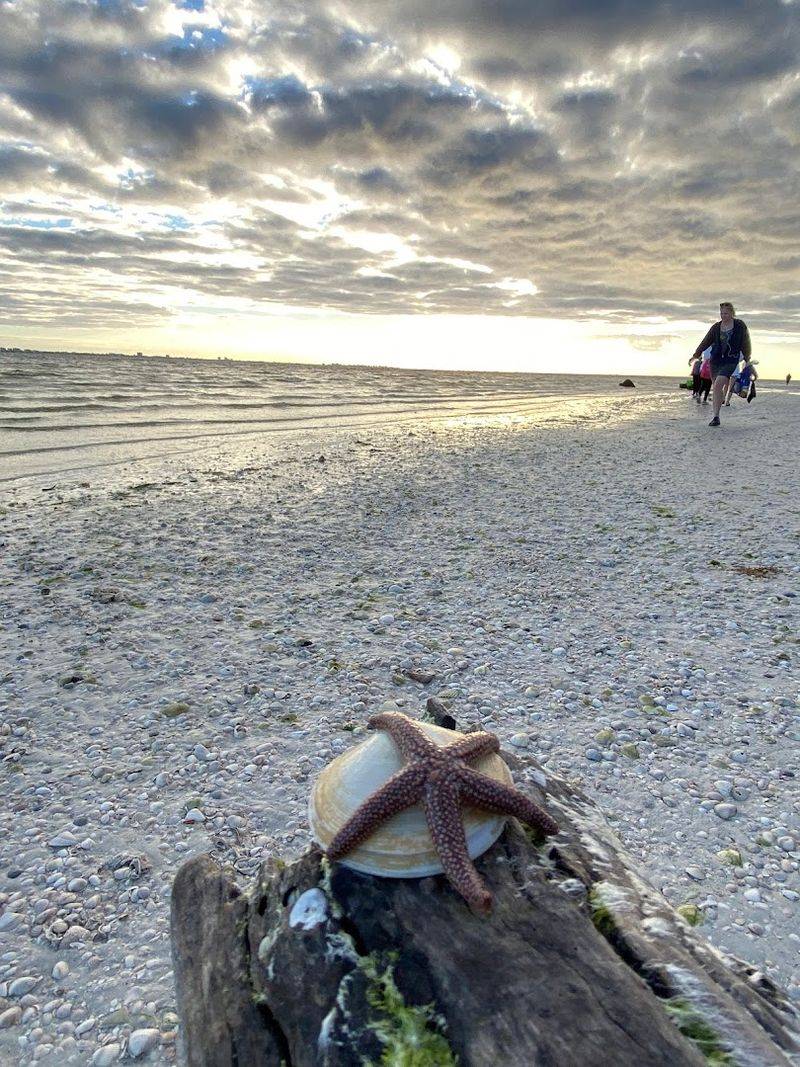
Lighthouse Beach Park combines history, changing currents, and classic Sanibel shelling appeal in one easy to love spot. Near the lighthouse, the shoreline can shift enough to reveal all kinds of small beach finds, especially after wind and tide work together.
Sea glass remains an occasional find, but the setting makes the search feel especially atmospheric.
I would look where shell lines curve or break, since those transition areas often trap overlooked material. Small frosted glass pieces can sit beside coquina, shell fragments, and bits of coral, blending in until light catches an edge.
Lower crowds earlier in the day make that slow scanning much easier.
The beach can change quickly, so one visit may look completely different from the next. Stormy weather offshore, stronger currents, or a recent tide swing can all improve your odds.
Like many Florida beaches, the best pieces are usually modest, weathered, and satisfying because they are easy to miss.
If you enjoy a treasure hunt with a scenic backdrop, this is a wonderful stop. The possibility of finding sea glass here feels subtle, but very real.
Pass-a-Grille Beach – St. Pete Beach
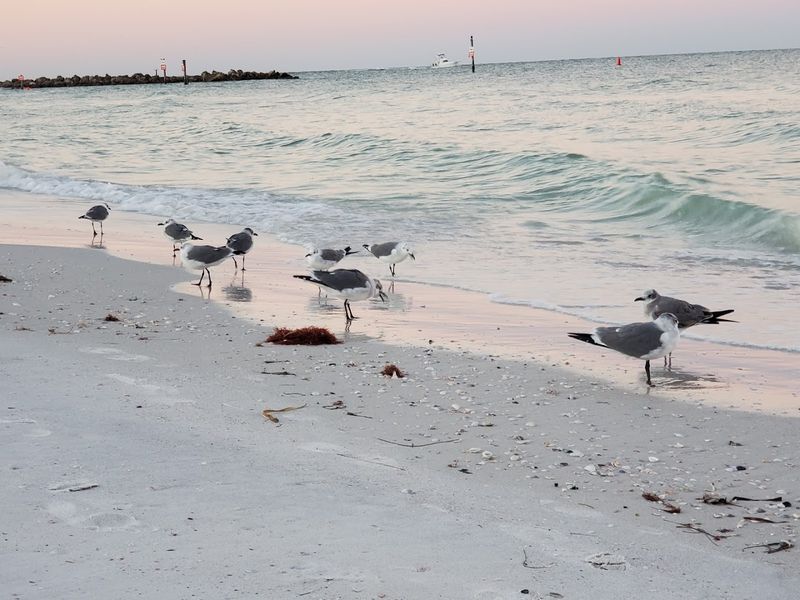
Pass-a-Grille Beach has the kind of old Florida character that makes you wonder what the tide might return. Its long coastal history and settled shoreline suggest why an occasional worn glass piece can appear after currents shift and sandbars change.
You may not come here expecting sea glass, which makes any find feel even sweeter.
I would search after a breezy night or a stronger than usual tide cycle, especially along fresh shell lines. Areas with mixed shell, drift, and darker damp sand often deserve a second pass.
Sea glass here is likely to be modest in size, with soft edges and a cloudy finish.
Because the beach is popular, early mornings are your best friend. Fewer footprints mean better odds of spotting something before it disappears into the general scatter.
Watching how the shoreline bends can also help you identify places where light material collects naturally.
Pass-a-Grille rewards people who appreciate subtle finds rather than dramatic hauls. If a little green or amber fragment surfaces here, it feels tied to the beach’s layered past.
Caladesi Island State Park – Dunedin
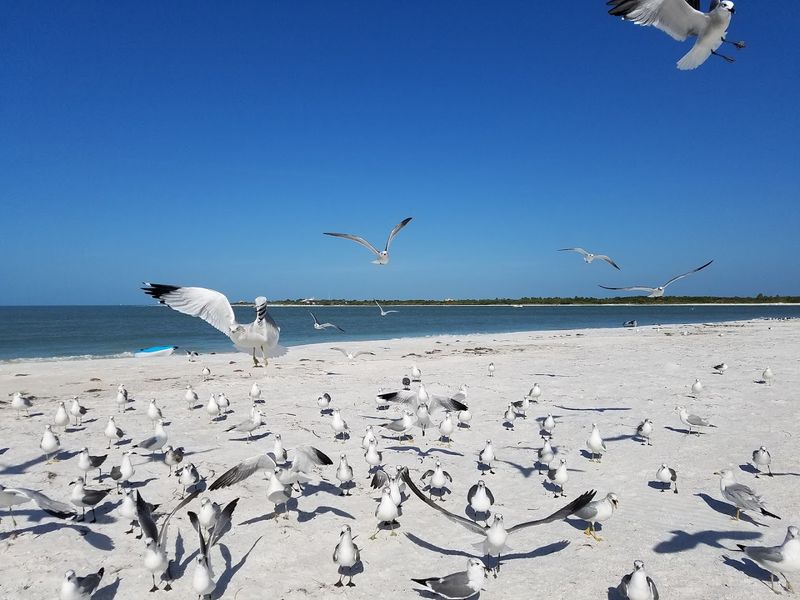
Caladesi Island State Park feels wonderfully removed from the busier rhythm of everyday beachgoing. Its more natural shoreline, quieter stretches, and less disturbed areas create the kind of setting where beachcombing feels thoughtful instead of rushed.
Sea glass is still a lucky find, but this is exactly the sort of place where patience can pay off.
I would focus on sections where shells and drift gather undisturbed, especially after tides have shifted overnight. Because the island feels less picked over, small details stand out if you slow down and scan carefully.
Frosted glass pieces can hide among shell chips, dried seaweed, and bits of pale coral.
Long walks are part of the appeal here, and they give you more chances to notice subtle changes in what the water leaves behind. Lower traffic means natural deposits may remain intact a little longer than on heavily visited beaches.
Morning light and damp sand usually offer the best contrast.
Caladesi is ideal if you enjoy the search as much as the find. A single polished fragment here can feel like a private little reward.
Honeymoon Island State Park – Dunedin
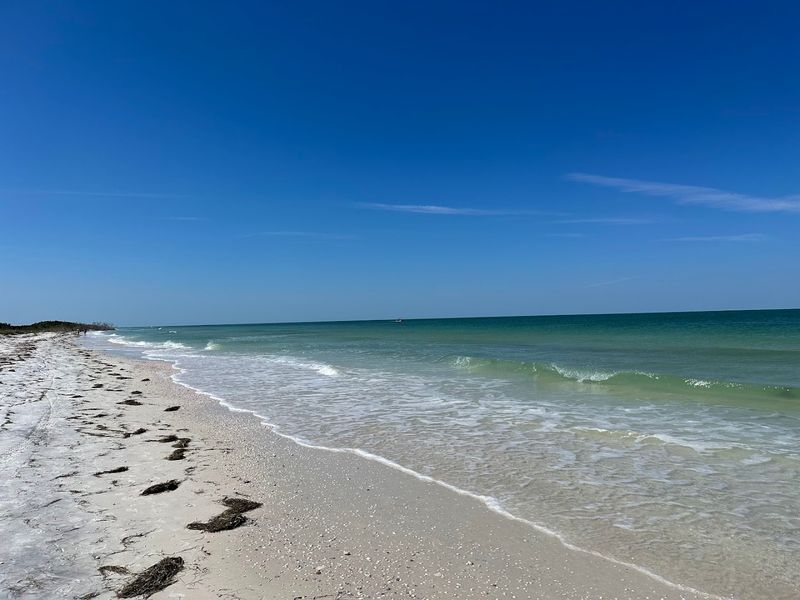
Honeymoon Island State Park offers a beachcombing experience that feels varied, open, and slightly more rugged in places. Rocky patches, shell scatter, and less cleaned areas can create little pockets where small sea glass fragments blend into the shoreline.
You need a patient eye here, but the search never feels dull.
I would check around shell accumulations near rougher sections and anywhere the tide leaves mixed material behind. Glass is often easiest to spot when damp sand darkens the background and the frosted surface stays matte.
Small white, green, or brown pieces are the most realistic possibilities.
The beach can attract plenty of visitors, so timing makes a real difference. Going early lets you search before footprints disturb the freshest lines and before bright midday glare washes everything out.
If there has been wind or surf action, your odds improve a bit.
What I like about Honeymoon Island is that it rewards attention more than luck alone. The moment a rounded glass edge appears among shells, the whole beach seems to sharpen into focus.
Manasota Key Beach – Englewood
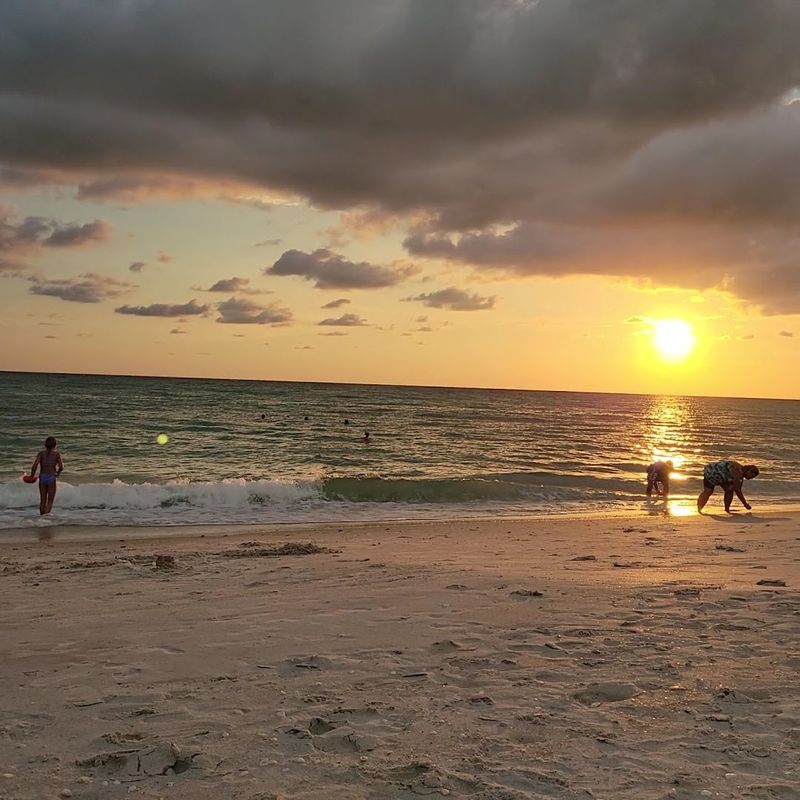
Manasota Key Beach has the same treasure-hunting energy you feel farther north in Venice, but it often feels less picked over. Shark teeth draw most of the attention here, which means muted sea glass can hide in plain sight among shell hash.
I would focus on the damp slope below the high tide line, where small green and brown pieces flash between broken shells.
Early morning gives you cooler sand, gentler light, and fewer competing eyes. If the Gulf has been choppy for a day or two, your odds improve noticeably.
It is the kind of beach where patience pays off.
Stump Pass Beach State Park – Englewood
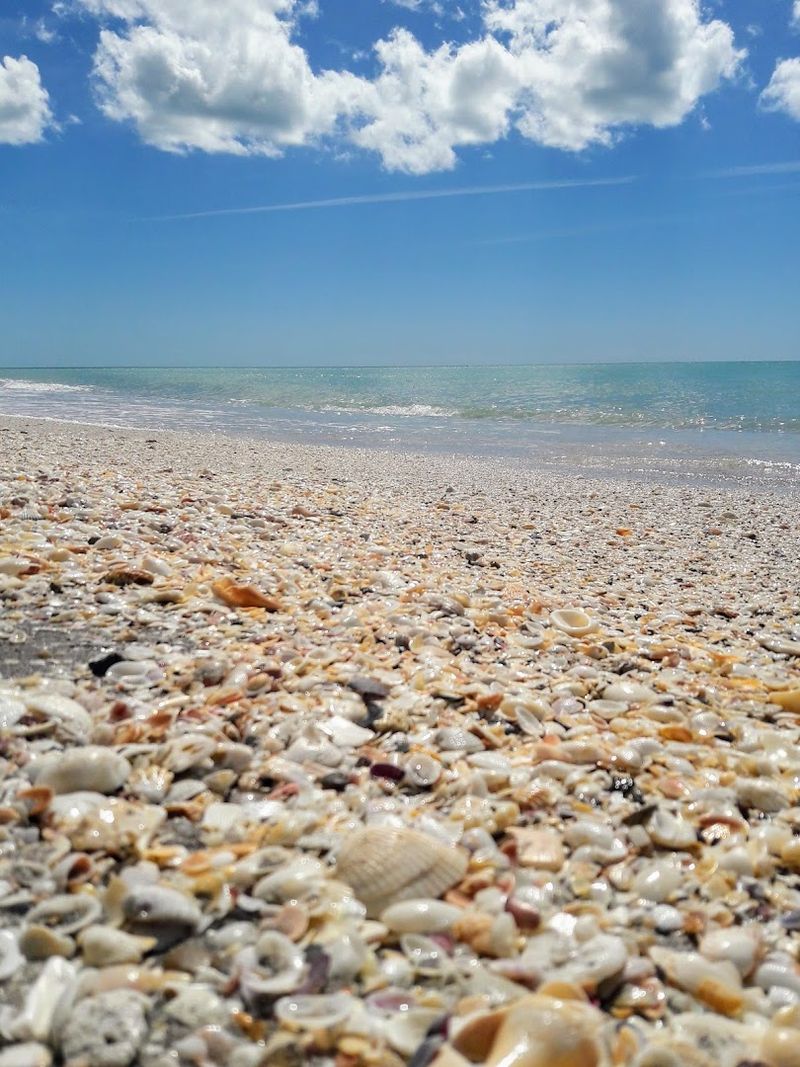
Stump Pass Beach State Park feels wilder than many easy-access Gulf spots, and that slightly untamed shoreline can be excellent for slow, careful combing. Shellers come for the variety, and shark tooth hunters work the cuts, but frosted sea glass still turns up if you watch the wrack line after higher tides.
I would check areas where seaweed, coquina, and broken shells collect in narrow bands.
The walk in helps keep the beach from feeling overworked, which is a good sign for beachcombing. Go after a breezy night or weather change, then scan methodically.
Olive, white, and amber pieces are easy to miss here.
Nokomis Beach – Nokomis
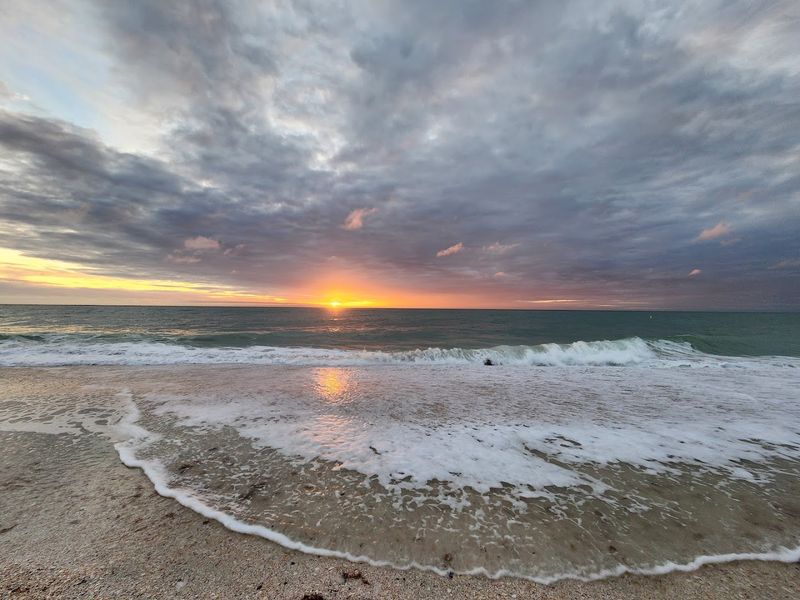
Nokomis Beach does not get talked about as often in sea glass conversations, which is part of its appeal. People tend to come for an easy Gulf day, a sunset, or the chance of finding shark teeth nearby, so the smaller frosted pieces often stay overlooked.
I would search near shell piles left by receding water, especially when the beach has been stirred up by wind.
The finds here are usually modest rather than dramatic, but that is true of the best sea glass beaches anyway. You are looking for texture, color, and patience more than instant reward.
On a morning, Nokomis can surprise you.