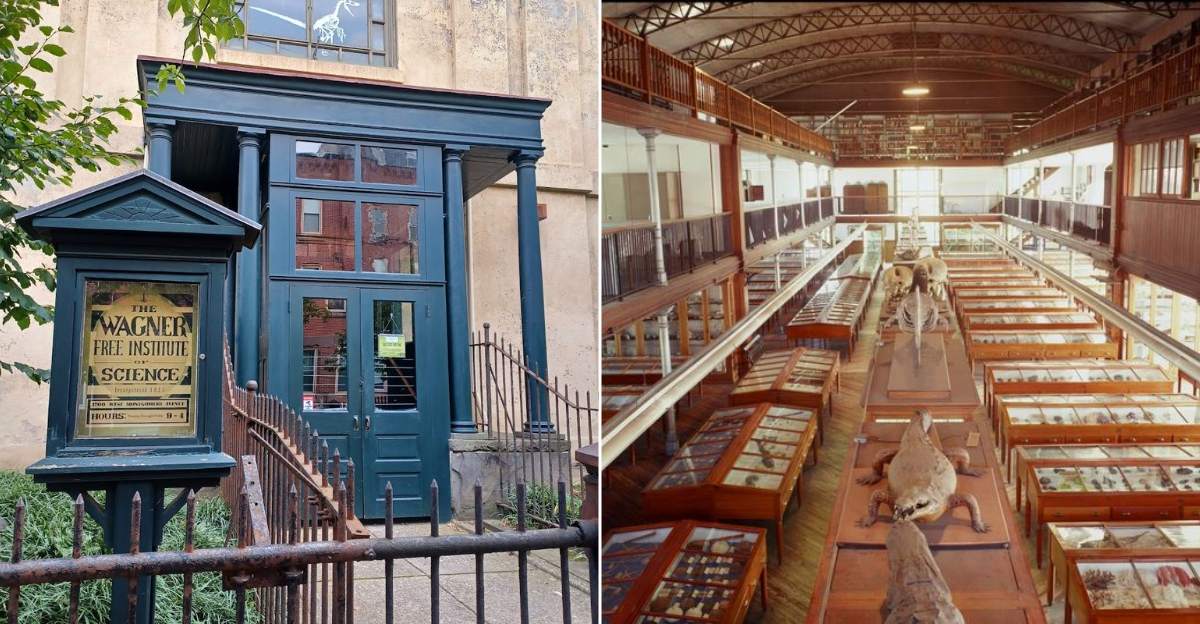
Tucked away on West Montgomery Avenue in North Philadelphia, the Wagner Free Institute of Science has been preserving a slice of Victorian-era natural history since the 1850s. While flashy modern museums keep reinventing themselves, this remarkable institution has stayed almost completely unchanged for over 130 years.
Its second-floor exhibit hall still looks the way it did when scientists in top hats and long coats first arranged those glass cases. Whether you are a history lover, a science fan, or just curious about Philadelphia’s hidden gems, the Wagner Free Institute is one of those places that genuinely stops you in your tracks.
The Victorian Exhibit Hall Frozen in Time
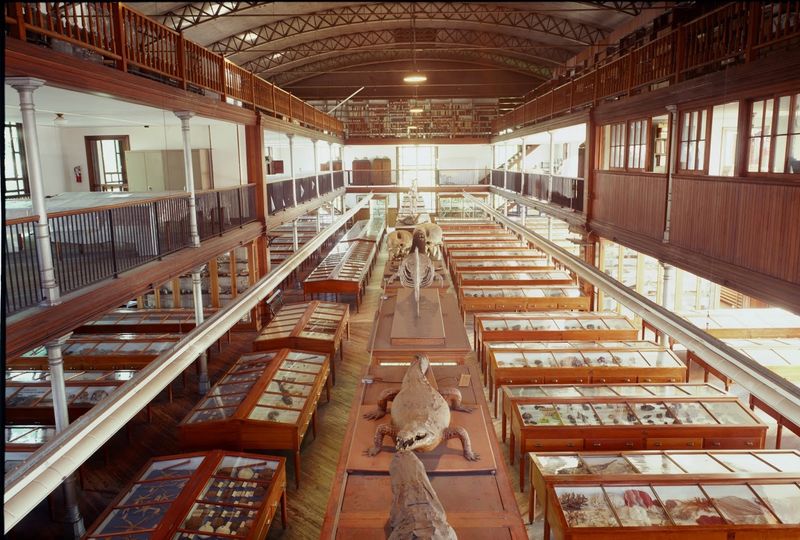
Walking into the second floor of the Wagner Free Institute feels less like visiting a museum and more like stepping through a time portal. The exhibit hall looks almost exactly as it did in the 1880s, with towering rows of wooden and glass display cases stretching from wall to wall.
Antique hand-lettered labels, many written more than a century ago, still sit beneath the specimens they describe.
The layout follows the Victorian tradition of “cabinet of curiosities” style display, where natural objects were arranged by type rather than by story. You will find shells next to minerals, fossils beside animal skeletons, and insects pinned in careful rows.
There are no flashy screens, no interactive kiosks, and no background music — just the quiet hum of history.
What makes this space so special is that it was never “restored” to look old. It simply stayed old, cared for by generations of dedicated staff and volunteers.
Visitors often describe the feeling as peaceful, even magical. The hall earned a National Historic Landmark designation, recognizing its extraordinary preservation.
For anyone curious about how scientists once shared knowledge with the public, this room is a living classroom unlike anything else in Pennsylvania.
William Wagner and His Vision for Free Education
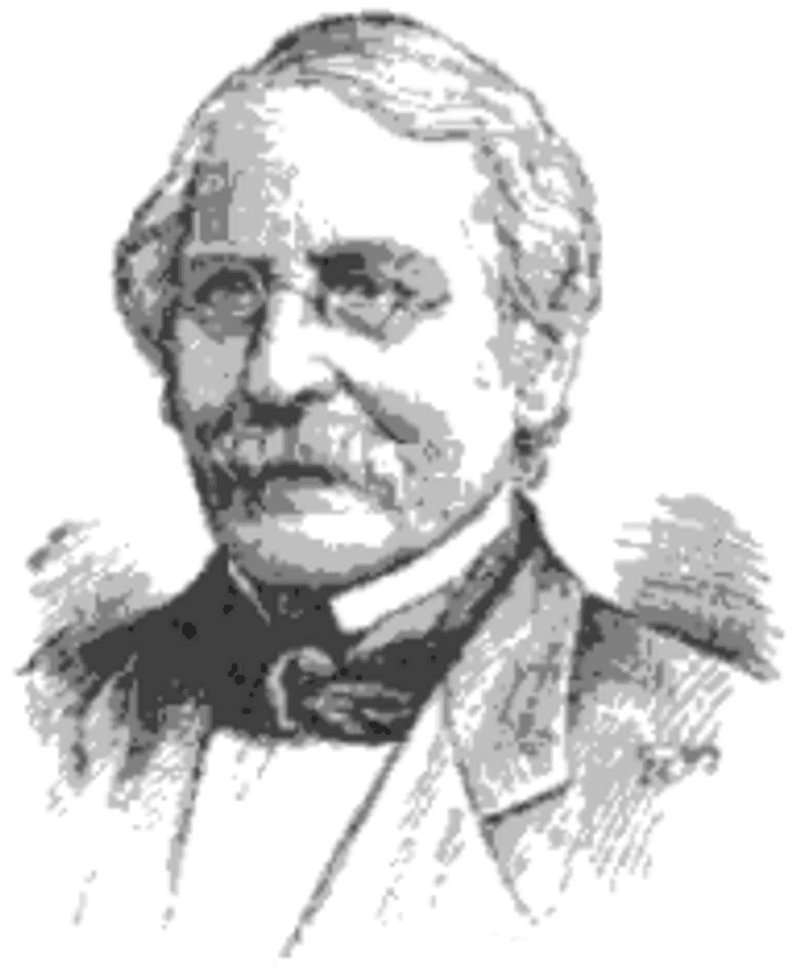
Not many people know that William Wagner was once a young merchant who sailed with John James Audubon and caught the science bug somewhere out on the open water. Born in 1796, Wagner went on to become a successful Philadelphia businessman, but his real passion was always learning.
He believed that science education should belong to everyone, not just the wealthy elite.
In 1855, Wagner opened the doors of his institute and began offering free lectures to working-class adults at a time when that idea was genuinely radical. He donated his personal natural history collection, his library, and eventually his home and grounds to make it all happen.
His motto was simple: knowledge should be free and accessible to all people, regardless of income or background.
That founding vision has never faded. The institute still operates today on the same principles Wagner set down over 170 years ago.
Free admission, free public programs, and a genuine commitment to community science education remain at the heart of everything the institution does. Wagner pioneered free adult education in Philadelphia long before it became common, and his legacy lives on in every specimen, every handwritten label, and every curious visitor who walks through the door.
The Jaw-Dropping Natural History Collection
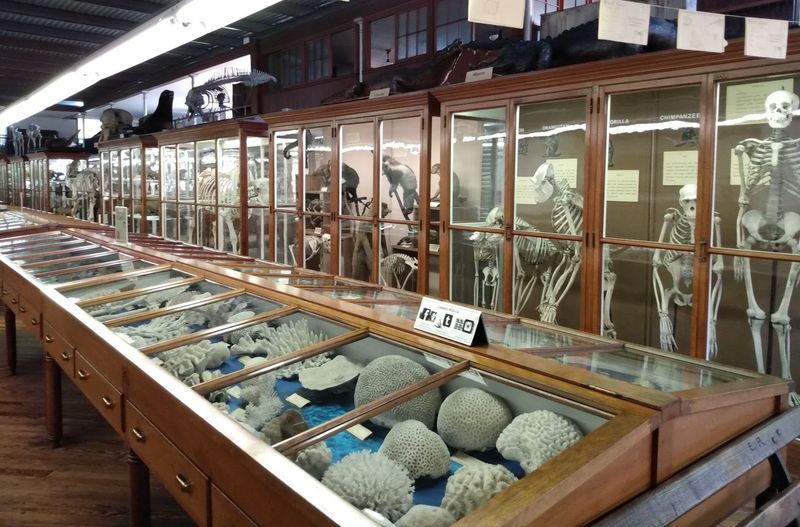
Visitors who expect a small neighborhood museum are often completely unprepared for what waits upstairs. Despite occupying a single large room, the Wagner’s collection is genuinely enormous.
Thousands of specimens pack the display cases, covering nearly every branch of natural history you can imagine.
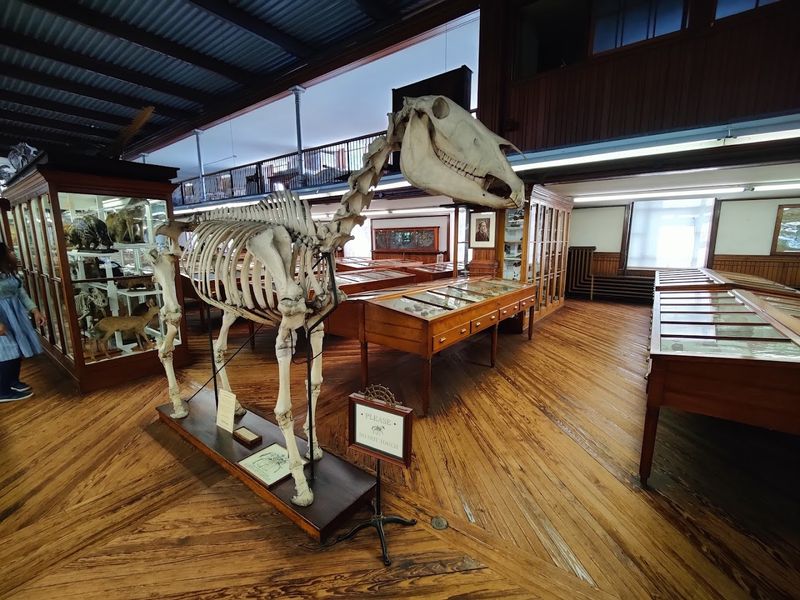
Animal skeletons hang from ceilings and stand in glass cases, including a striking horse skeleton that stops visitors mid-step. Taxidermied birds, mammals, and reptiles sit alongside trays of polished minerals and glittering crystal formations.
One reviewer called it “the most beautiful crystal collection I have ever seen,” and that kind of breathless reaction is pretty common among first-time visitors. Fossils, mollusk shells, insect collections, bird eggs, and plant specimens round out the incredible variety on display.
What gives the collection its extra layer of wonder is its age. Many specimens were collected and prepared in the 1800s, using techniques that no longer exist.
The taxidermy has a slightly eerie, wonderfully old-fashioned quality that feels completely different from modern natural history displays. Every case rewards slow, careful looking.
There is always one more strange creature or unexpected mineral hiding behind the obvious centerpieces. Scavenger hunt sheets available at the entrance help younger visitors find specific treasures throughout the room.
The Historic Lecture Hall Still in Active Use
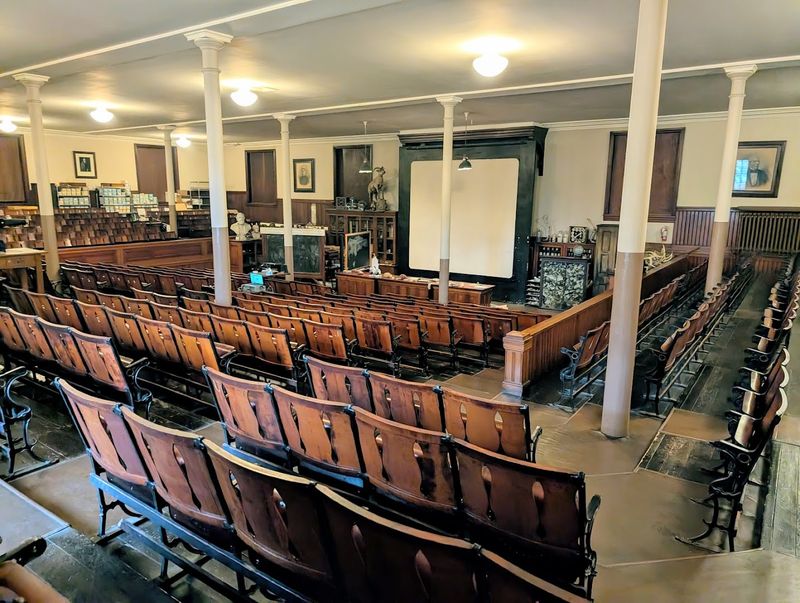
Downstairs from the exhibit hall sits one of Philadelphia’s most quietly extraordinary rooms: the original lecture hall, still used for public programs today. The wooden chairs look like they belong in an 1880s photograph, and in a sense, they do.
The hall has hosted science lectures continuously for more than 160 years, making it one of the longest-running free public education spaces in the entire country.
The original projector still sits at the back of the room, and staff claim it remains functional for select programs. Sitting in one of those creaky old chairs and looking toward the stage, it is genuinely easy to imagine the generations of curious Philadelphians who filled those same seats to hear talks on geology, zoology, and astronomy.
One visitor wrote about feeling the weight of all those great minds in the room, and that sense of accumulated history is hard to shake.
Today, the lecture hall hosts mushroom events, natural history talks, family programs, and community science nights. Many events are free or very low cost, continuing Wagner’s original mission.
The first Saturday of each month often features special programming open to all ages. Checking the institute’s Eventbrite page before visiting is a smart move, since popular events fill up faster than you might expect.
Free Admission and the Donation-Based Model
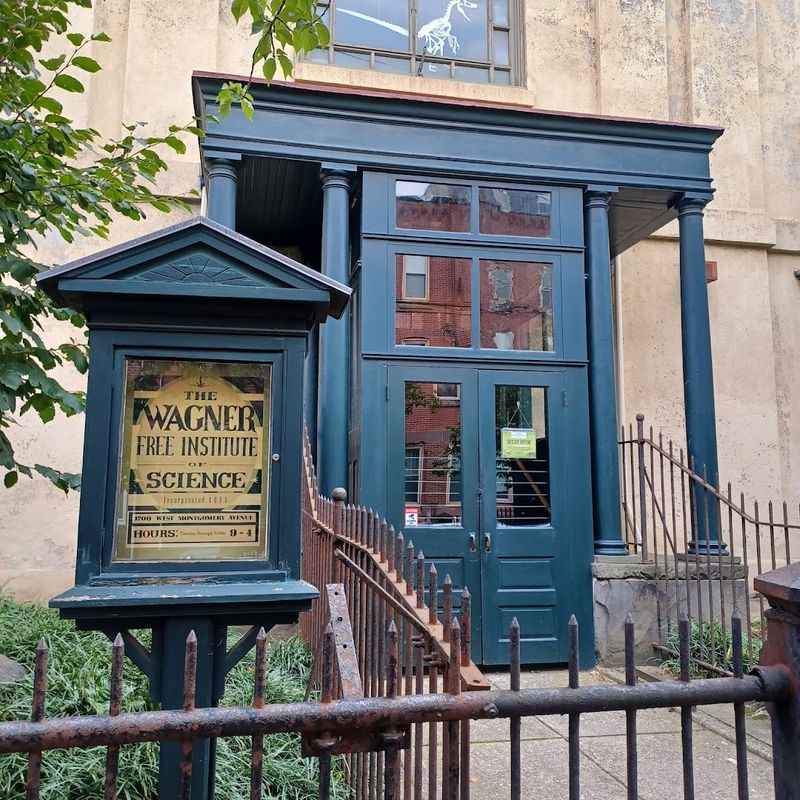
Here is something that feels almost impossible in today’s museum world: the Wagner Free Institute charges nothing to walk through the door. Admission has been free since William Wagner first opened his collection to the public in the 1850s, and that policy has never changed.
In a city where many cultural institutions cost $20 or more per person, this place is a genuine gift to Philadelphia.
The institute runs on a combination of grants, membership fees, and voluntary donations. Small QR codes posted on the walls around the museum let visitors contribute easily with a phone.
Staff members are warm and never pushy about it, but the message is clear: if you love what you see, helping out keeps the lights on and the cases dusted. Every dollar donated goes directly toward preserving the collection and funding free community programs.
Registering for free tickets through the institute’s Eventbrite page is the recommended way to plan a visit, especially for popular events or guided tour days. Walk-ins are generally welcome during regular open hours, which run Tuesday through Friday from 9:30 AM to 4:30 PM.
The museum is closed on weekends except for special monthly events. Calling ahead at +1 215-763-6529 or checking wagnerfreeinstitute.org ensures you never make a wasted trip across town.
The National Historic Landmark Designation
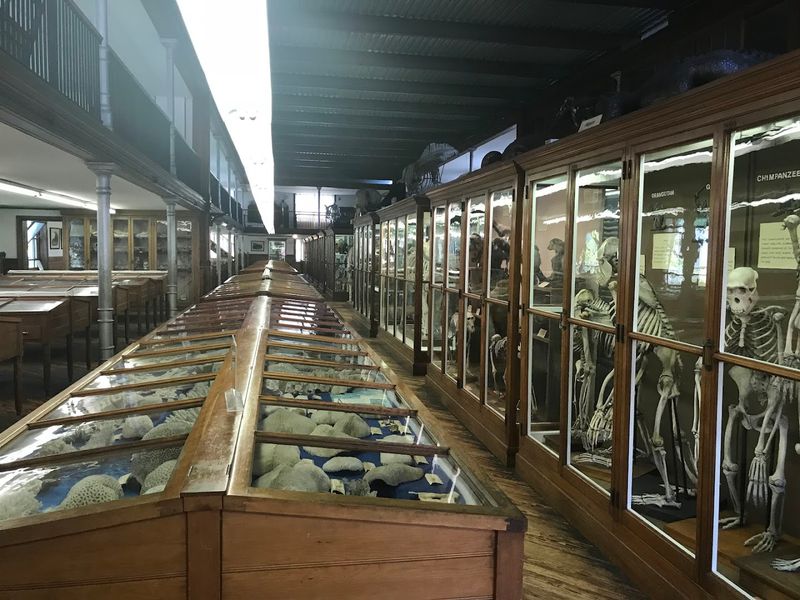
Not every old building earns the title of National Historic Landmark, but the Wagner Free Institute has carried that distinction with quiet pride. The designation recognizes both the building and its contents as having extraordinary national significance — a rare double honor that very few institutions anywhere in America can claim.
The landmark status covers the Victorian-era exhibit hall and its original furnishings, meaning the display cases, specimen arrangements, and even the handwritten labels are considered historically protected elements. This is part of why the museum cannot simply modernize the upstairs gallery the way a typical institution might.
The preservation is not just a stylistic choice; it is a legal and historical responsibility taken very seriously by everyone involved.
Getting the landmark designation also helped bring in funding and attention that might otherwise have passed this unassuming North Philadelphia building by. It placed the Wagner alongside sites like Independence Hall and the Liberty Bell in terms of national cultural importance, even if far fewer tourists know to look for it.
For history buffs, architecture lovers, and science fans alike, standing inside a fully intact National Historic Landmark that most people have never heard of carries its own particular thrill. This is Philadelphia history hiding in plain sight, just waiting to be discovered.
Guided Tours and Staff Expertise
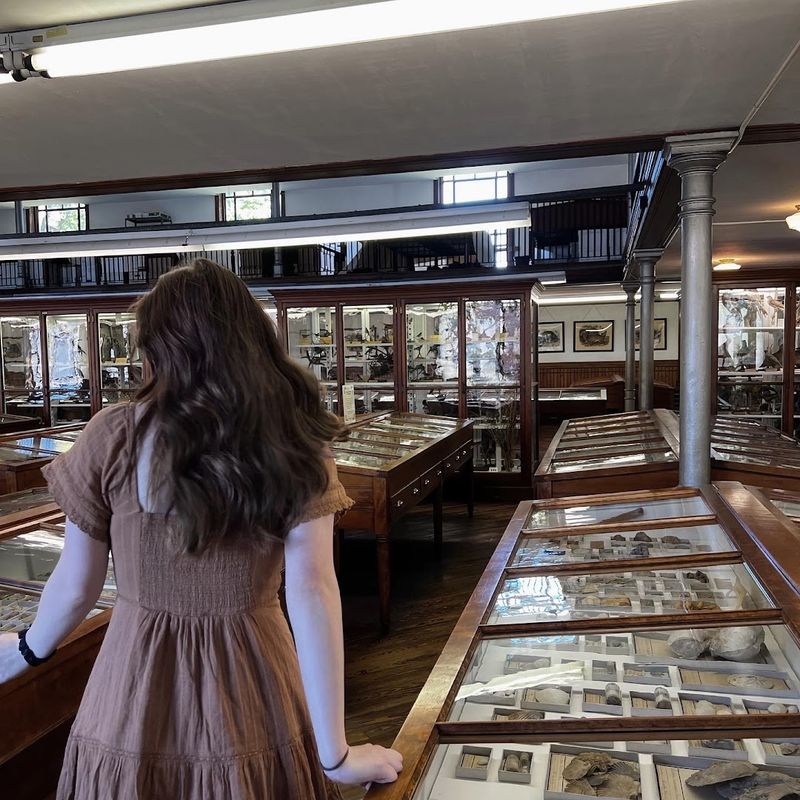
One of the smartest things a first-time visitor can do at the Wagner is sign up for a guided tour. The staff here are not just ticket-takers; they are passionate, deeply knowledgeable people who can transform a walk through old glass cases into something genuinely thrilling.
Multiple reviewers have described their guide experiences as essentially private tutorials in natural history and Victorian science culture.
Staff members like Kat, mentioned warmly in visitor reviews, bring specimens to life with demonstrations and stories that go far beyond what any label could communicate. Because many of the handwritten cards are faded or provide minimal context by modern standards, having a human guide bridge that gap makes an enormous difference.
You leave understanding not just what you saw, but why it mattered to the scientists who collected it.
Even without a formal guided tour, staff at the front desk are consistently praised for being welcoming, patient, and happy to answer questions. They offer recommendations for getting more involved with programs, point out collection highlights, and make solo visitors feel genuinely at home.
For school groups and families, the institute offers structured educational visits tailored to different age levels. The combination of expert knowledge and genuine hospitality gives the Wagner a warmth that bigger, more famous museums sometimes struggle to match.
Kid-Friendly Scavenger Hunts and Family Programs
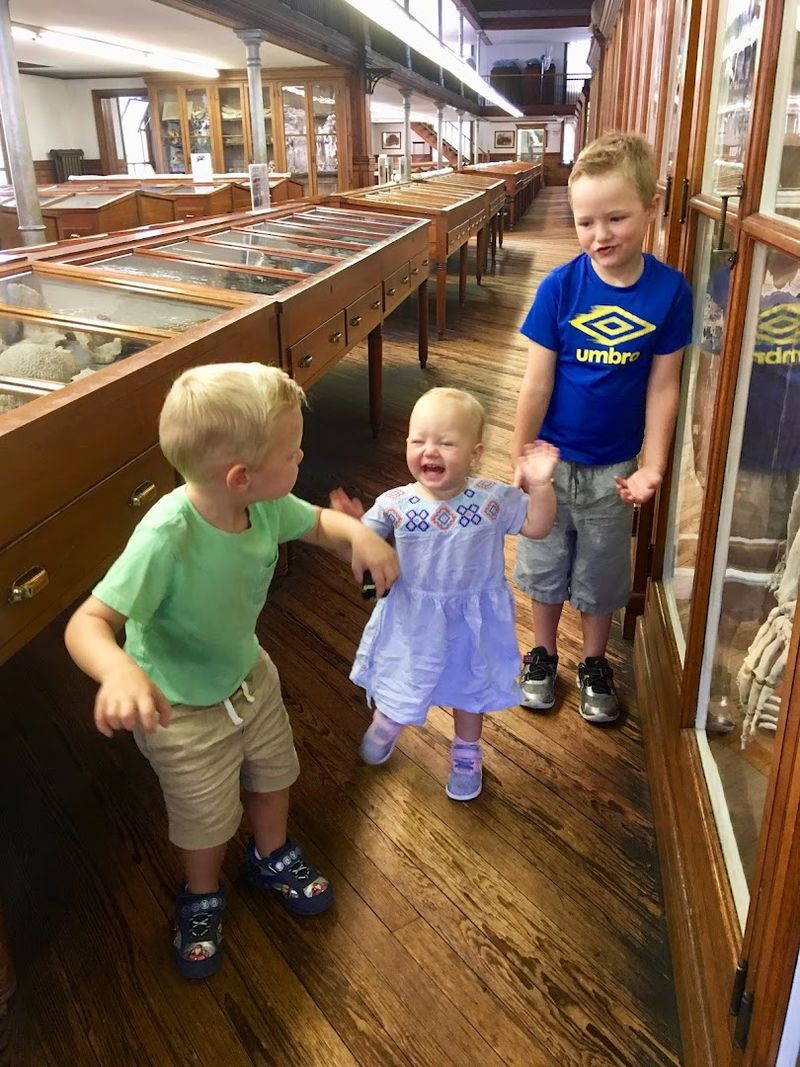
The Wagner Free Institute might look like a serious, hushed place for adults, but families with children are genuinely welcomed here. The museum has developed scavenger hunt sheets and activity pages specifically designed to pull younger visitors into the collection in a playful, hands-on way.
Kids can hunt for specific animals, minerals, and fossils hidden throughout the exhibit hall, turning a museum visit into a mini-adventure.
Monthly special events, often held on the first Saturday of each month, are specifically designed to be family-friendly and free. Past programs have covered topics like mushrooms, local wildlife, geology, and the science of everyday objects.
These events blend short lectures with hands-on activities, making them accessible even for children who might normally find museums a little dry. School field trips are also a regular part of the institute’s schedule, and teachers can coordinate curriculum-connected visits for their classes.
Parents sometimes worry that a Victorian museum with no screens or interactive technology will lose their kids quickly. In practice, the opposite often happens.
The sheer strangeness and variety of the collection — horse skeletons, pinned insects, colorful minerals, taxidermied creatures — tends to spark exactly the kind of wild curiosity that no app can replicate. The Wagner has a way of reminding children, and adults, that the natural world is endlessly fascinating all on its own.
Location, Accessibility, and Getting There
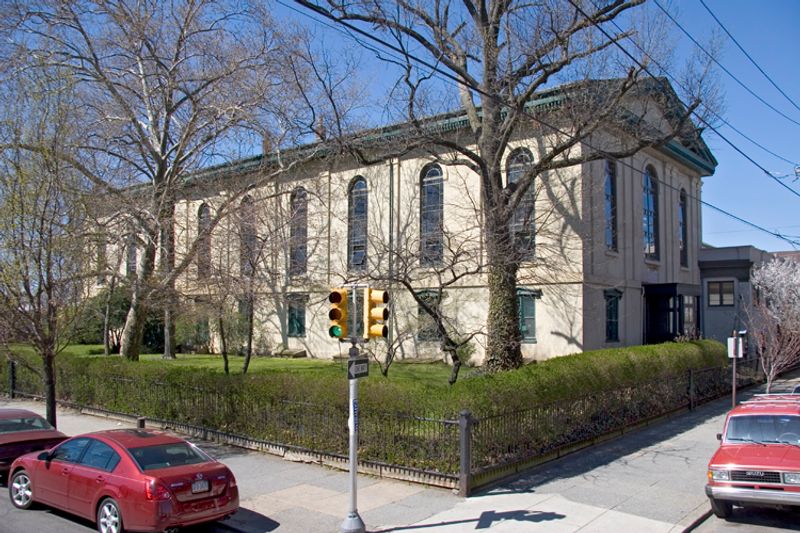
Finding the Wagner Free Institute is part of the adventure. Located at 1700 W Montgomery Avenue in North Philadelphia, the museum sits just a few blocks from Temple University’s main campus.
That proximity makes it surprisingly easy to reach by public transit, with the Broad Street Line subway and multiple bus routes running close by. Several reviewers specifically mention the ease of getting there without a car.
Street parking is available in the surrounding neighborhood, and some visitors suggest parking near Temple and walking up Montgomery Avenue to enjoy the neighborhood along the way. The walk is short and pleasant on a nice day.
One thing to know before arriving: the building dates to the 19th century, and wheelchair accessibility is limited due to the age of the structure. Visitors with mobility concerns should call ahead at +1 215-763-6529 to discuss options.
The museum is open Tuesday through Friday from 9:30 AM to 4:30 PM and is closed on Saturdays and Sundays except during special monthly events. There is no air conditioning in the building, so summer visits are best planned for cooler morning hours.
No food, drinks, or photography are permitted inside, which keeps the atmosphere calm and focused. Arriving on a quiet weekday afternoon often means having the exhibit hall almost entirely to yourself — a rare luxury in any museum.
Why the Wagner Deserves More Attention Than It Gets
There is something quietly remarkable about a place that has resisted the pull of modernization for over 130 years and somehow become more valuable because of it. The Wagner Free Institute is not trying to compete with the Franklin Institute or the Academy of Natural Sciences.
It occupies a completely different space — one where history, science, and community education overlap in a way that no other Philadelphia institution replicates.
Visitor reviews consistently circle back to the same feeling: surprise. People expect a tiny, dusty curiosity shop and find instead a sprawling, carefully preserved treasure house of natural history with a collection that rivals paid museums many times its size.
The quality of the minerals alone has left multiple visitors speechless. Add the intact Victorian architecture, the still-functioning lecture hall, and the genuinely passionate staff, and the Wagner becomes something close to unmissable for anyone with even a passing interest in science or history.
Spreading the word about places like this matters. The institute runs entirely on donations, grants, and the goodwill of its community.
Every new visitor who falls in love with the collection and drops a few dollars in the donation box, or signs up for a membership, helps ensure that another generation gets to experience that same magic. The Wagner has survived for 170 years.
With enough support, it can survive 170 more.