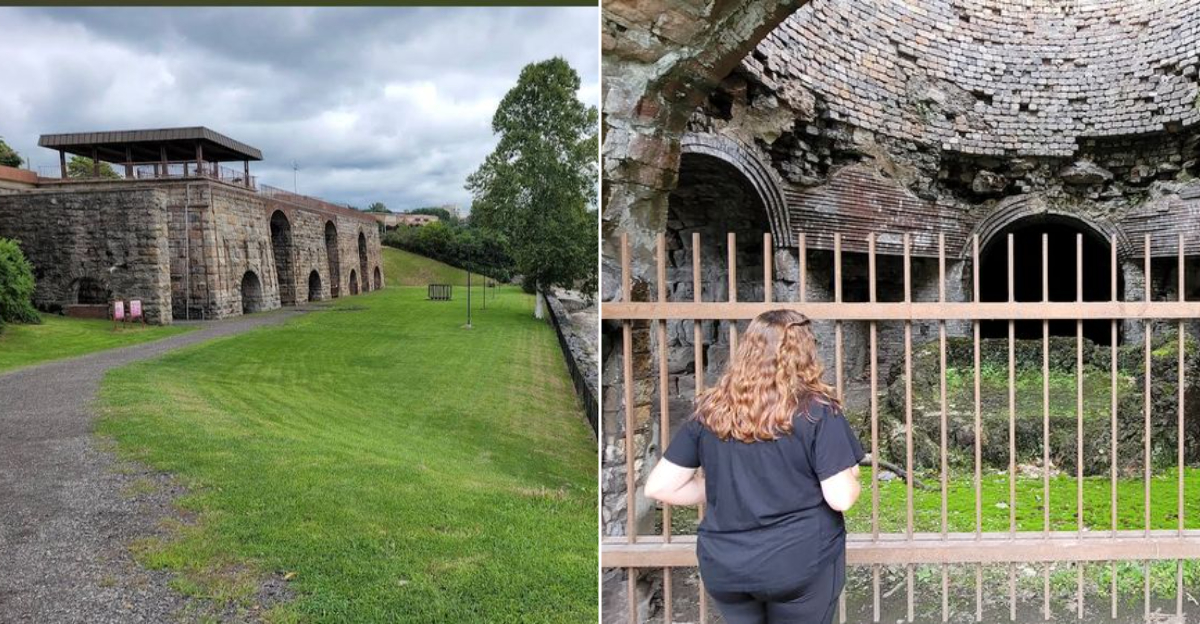
Hidden along Cedar Avenue in Scranton, Pennsylvania, a set of massive stone blast furnaces stands as a powerful reminder of the state’s industrial past. Built around 1840, the Scranton Iron Furnaces helped shape a city, an industry, and the lives of thousands of working-class families.
Walking through this site feels less like a history lesson and more like stepping back in time to when iron ruled the American economy. Whether you are a history buff, a casual explorer, or just looking for a free and fascinating stop in northeastern Pennsylvania, this place is worth every minute.
The Four Blast Furnaces That Still Stand Tall
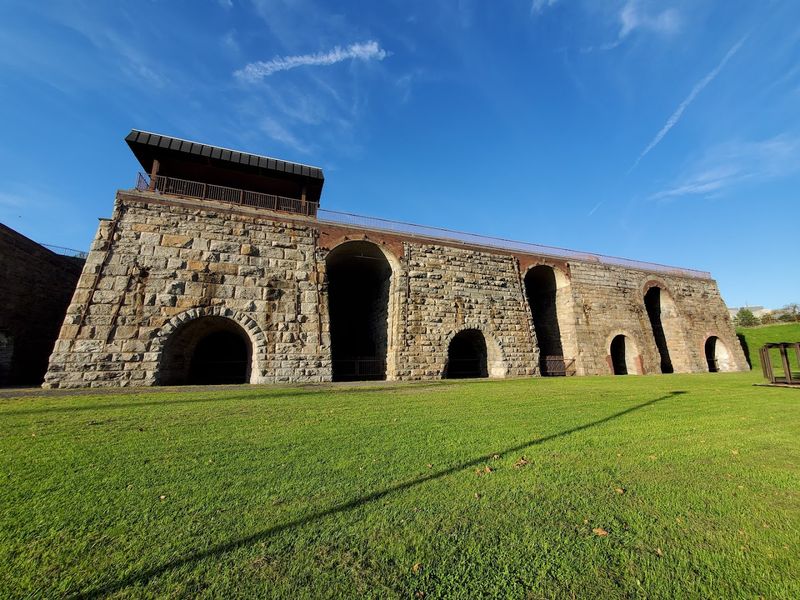
Standing nearly 60 feet tall, the four blast furnaces at this Scranton site are hard to miss and even harder to forget. These towering cylindrical structures were built around 1840, and they have been quietly watching the city grow up around them ever since.
Seeing them in person gives you a real sense of how enormous industrial operations once were.
Each furnace was designed to melt iron ore using intense heat generated by burning anthracite coal. Workers would load raw materials from the top while molten iron poured out from the bottom.
The sheer scale of the engineering involved is impressive even by today’s standards.
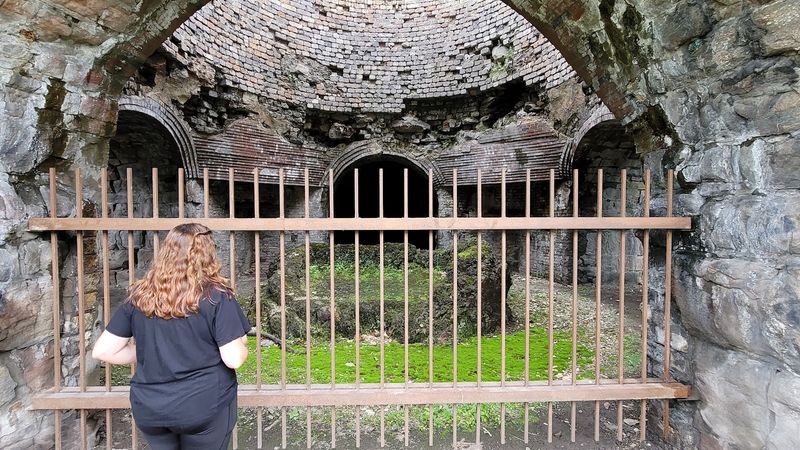
Visitors consistently mention being struck by how well-preserved these structures are. The stonework is sturdy, detailed, and surprisingly elegant for something built purely for industrial use.
You can view them from both upper and lower vantage points on the grounds.
For families, school groups, or anyone curious about American manufacturing history, these furnaces offer a tangible connection to the past. No textbook photo does justice to standing at the base of one of these giants and looking straight up.
Plan to spend at least 30 minutes here to really take it all in.
Free Admission That Makes History Accessible to Everyone
One of the best things about visiting the Scranton Iron Furnaces is that it costs absolutely nothing to enter. In a world where historical attractions often come with steep ticket prices, free admission makes this site a rare and welcoming find.
Families on a budget, students, and spontaneous travelers can all enjoy the experience without spending a dime.
The site is managed under the Pennsylvania Anthracite Heritage Museum and is open daily from 9 AM to 5 PM. That consistent schedule makes it easy to plan a quick stop or build a longer outing around the visit.
The nearby parking is also free, which adds to the overall accessibility of the place.
Several reviewers have noted that the free entry makes it feel like a hidden gem. You get informative signage, well-maintained grounds, and a genuinely educational experience without opening your wallet.
That kind of value is hard to beat anywhere, let alone at a historically significant landmark.
Accessibility goes beyond just price, too. The site is relatively flat and easy to navigate, making it manageable for visitors of different ages and mobility levels.
Bringing a picnic lunch turns this into a full afternoon outing without any additional cost.
Informational Signage That Tells the Whole Story
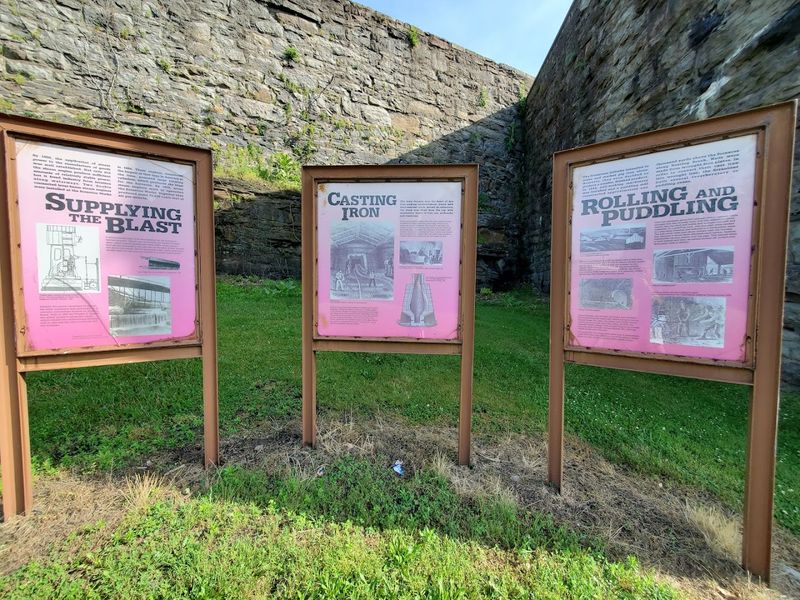
History only comes alive when the story is told well, and the Scranton Iron Furnaces delivers on that front with a series of well-placed, detailed informational boards throughout the grounds. These panels cover everything from the construction of the furnaces to the daily lives of the workers who kept them running.
Reading through them feels like flipping through a well-written history book, except you are standing right where it all happened.
Topics covered include the pig iron production process, the role of anthracite coal, and how the Scranton family helped build an industrial empire in northeastern Pennsylvania. Each sign is written clearly enough for younger visitors to follow along, making this a solid educational stop for school-age kids.
Multiple visitors have specifically called out the signage as one of the highlights of the site. One reviewer noted that there were about a dozen signs detailing the history of the iron forge, which gave the visit real depth and substance.
That kind of curatorial effort shows respect for the subject matter.
Even if you only have 15 or 20 minutes to spare, working through the signs gives you a solid understanding of why this site matters to Pennsylvania’s industrial heritage. Knowledge gained here tends to stick because it is grounded in a real, physical place.
Anthracite Coal’s Role in Powering the Furnaces
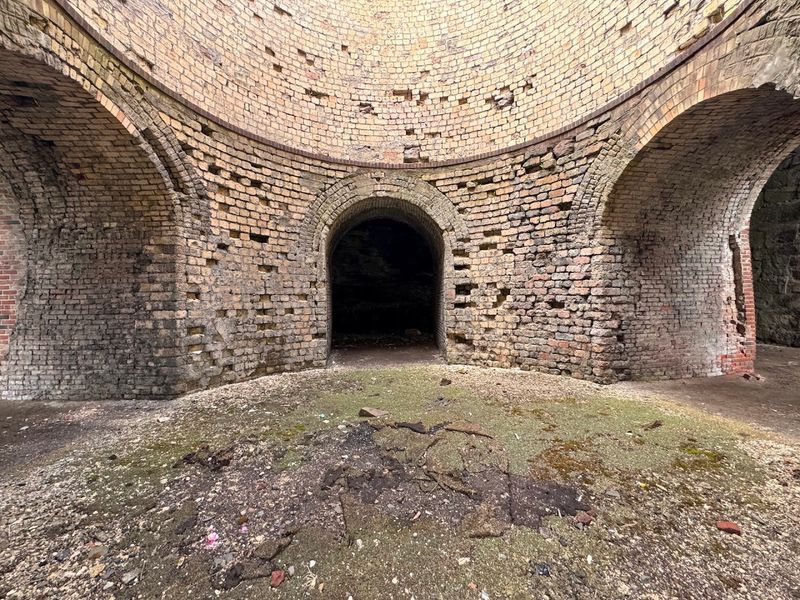
Anthracite coal was the fuel that made the Scranton Iron Furnaces possible, and the region’s rich coal deposits were no accident of history. Northeastern Pennsylvania sat on one of the largest anthracite coal reserves in the world, which made Scranton a natural home for iron production.
The combination of local coal and imported iron ore created a powerful industrial formula that drove regional growth for decades.
Unlike softer bituminous coal, anthracite burns hotter and cleaner, which made it ideal for iron smelting. The blast furnaces at this site were specifically engineered to take advantage of those properties.
Workers known as furnace keepers had to carefully manage the heat levels to ensure consistent, high-quality iron output.
Understanding the coal connection adds a whole new layer to the Scranton story. The same coal fields that powered these furnaces also drew waves of immigrant workers to the region, shaping the cultural identity of the entire area.
Welsh, Irish, and Eastern European miners all came seeking work in the mines and factories.
The site’s signage does a commendable job of explaining this fuel-and-furnace relationship in accessible terms. Visitors leave with a clearer picture of how geology, industry, and immigration all intersected right here in the Lackawanna Valley to create something truly unique in American history.
Upper and Lower Viewing Areas for Different Perspectives
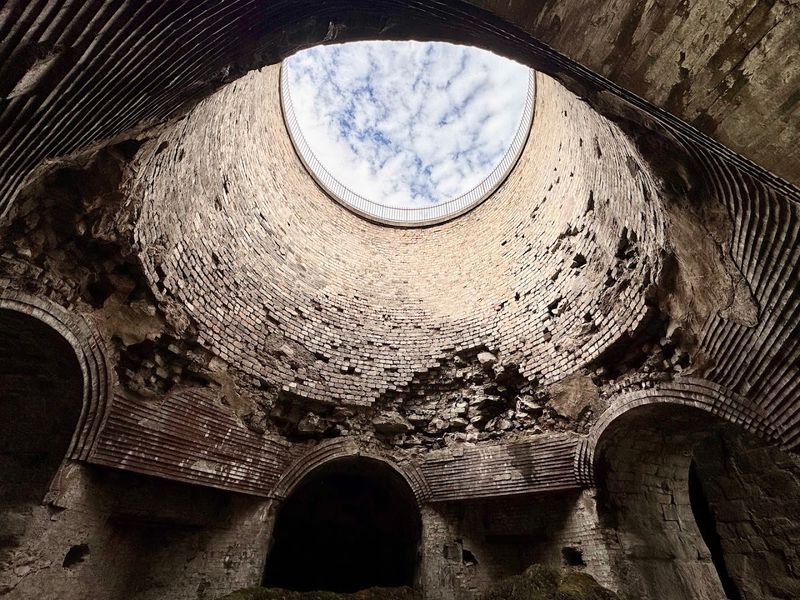
One of the more thoughtful design choices at the Scranton Iron Furnaces site is the availability of both upper and lower viewing areas. From the upper level, you can look directly down into the open tops of the furnaces, which gives you a bird’s-eye view of just how deep and wide these structures really are.
It is a perspective that genuinely surprises first-time visitors.
The lower level lets you stand at the base of the furnaces and look straight up, which is equally dramatic. From down there, the sheer height and mass of the structures becomes fully apparent.
Both views together give a complete physical understanding of the scale of 19th-century iron production.
Surrounding both areas are well-maintained grassy spaces with bench seating scattered throughout. The manicured grounds make the site feel like a park as much as a historical monument, which encourages visitors to slow down and spend more time absorbing the surroundings.
A nearby river adds a peaceful natural backdrop to the whole experience.
Photography enthusiasts will find both levels offer excellent framing opportunities. Whether you are shooting wide-angle shots of the full furnace row or close-up details of the stonework and brickwork, the site rewards careful exploration.
Bring a camera and take your time moving between the two levels for the best results.
The Scranton Family’s Legacy Behind the Iron Empire
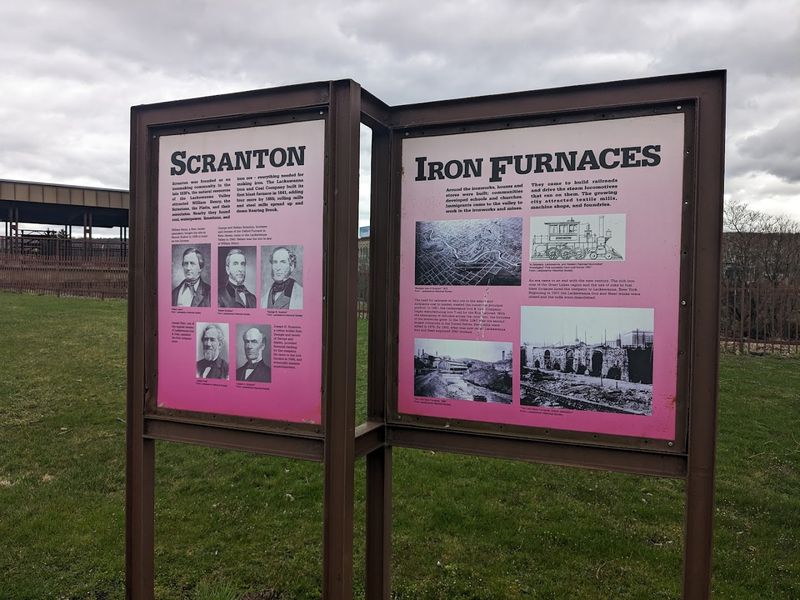
The city of Scranton did not get its name by accident. George Whitfield Scranton and his associates were the driving force behind establishing iron production in the Lackawanna Valley in the 1840s, and the furnaces that bear the family’s legacy are a direct result of their entrepreneurial ambition.
Few American cities can trace their very name back to a single industrial venture as directly as Scranton, Pennsylvania can.
The Scranton family’s ironworks eventually evolved into the Lackawanna Iron and Coal Company, which became one of the most significant industrial operations in the northeastern United States. Their decision to build blast furnaces in this location was partly driven by access to local anthracite coal and the growing demand for iron railroad rails across a rapidly expanding nation.
Visiting the site with this backstory in mind transforms the experience. You are not just looking at old stone structures but at the physical origin point of an entire city’s identity.
The furnaces represent a founding moment for Scranton in the same way a courthouse square might represent the founding of a more traditional American town.
The informational panels on the grounds do a solid job of connecting the Scranton family’s story to the broader arc of American industrial history. Their ambition helped fuel an era of national growth that most people today take entirely for granted.
A Surprisingly Scenic Setting Along the Lackawanna River
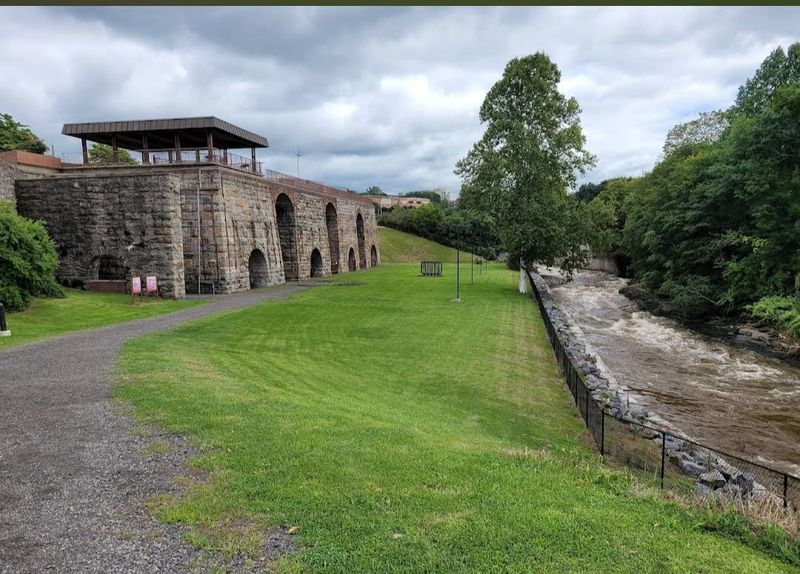
History and natural beauty do not always go hand in hand, but at the Scranton Iron Furnaces, they genuinely complement each other. The site sits in close proximity to the Lackawanna River, and visitors frequently mention how pleasant the surroundings feel during a walk through the grounds.
The combination of towering stone structures and flowing water creates an atmosphere that is both atmospheric and surprisingly calming.
Green, manicured grass covers much of the site, and mature trees provide shade during warmer months. On a nice day, the setting is genuinely picturesque, which is part of why multiple reviewers have suggested it as a spot for a picnic.
Packing a lunch and eating near the river after exploring the furnaces makes for a well-rounded afternoon outing.
The natural setting also softens the industrial weight of the site in a meaningful way. Standing near the river, it is easy to imagine the workers who once labored here finding moments of rest in the same landscape.
That human connection to place is something that photographs rarely capture fully.
Birdwatchers and casual nature lovers will also find something to appreciate here. The river corridor attracts local wildlife, and the quiet atmosphere makes it easy to observe your surroundings without distraction.
It is a genuinely pleasant place to spend time, independent of the historical value.
Community Events and Festivals Hosted on the Grounds
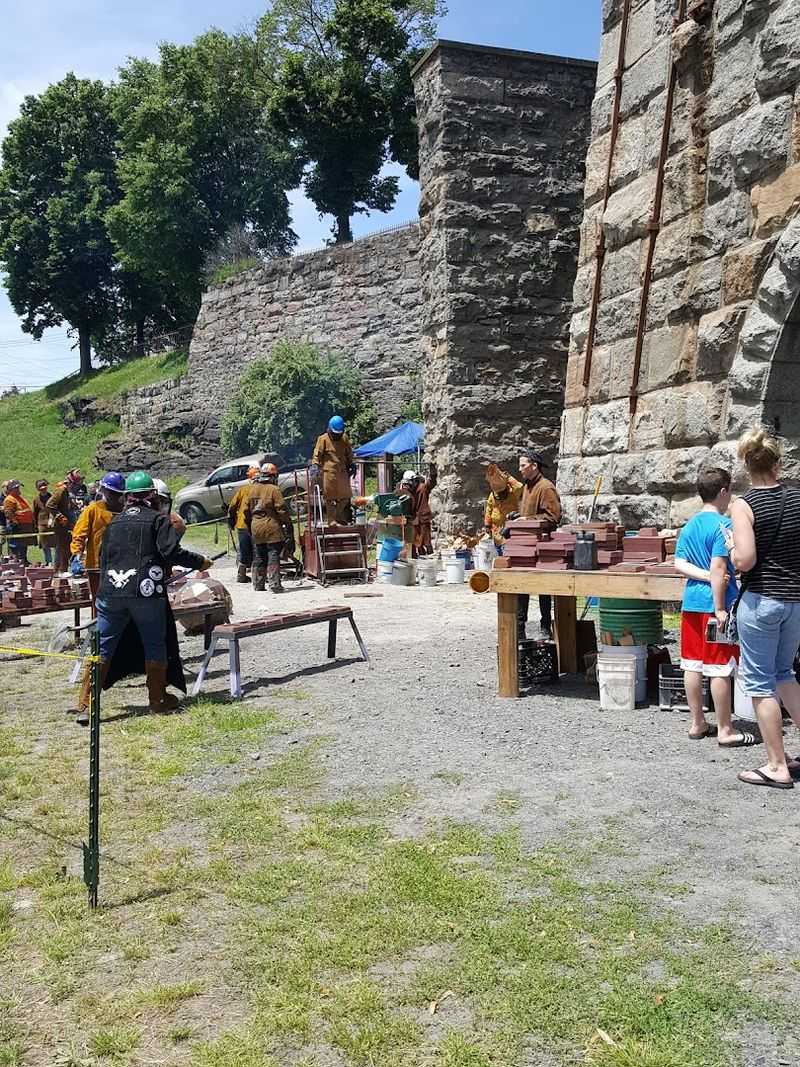
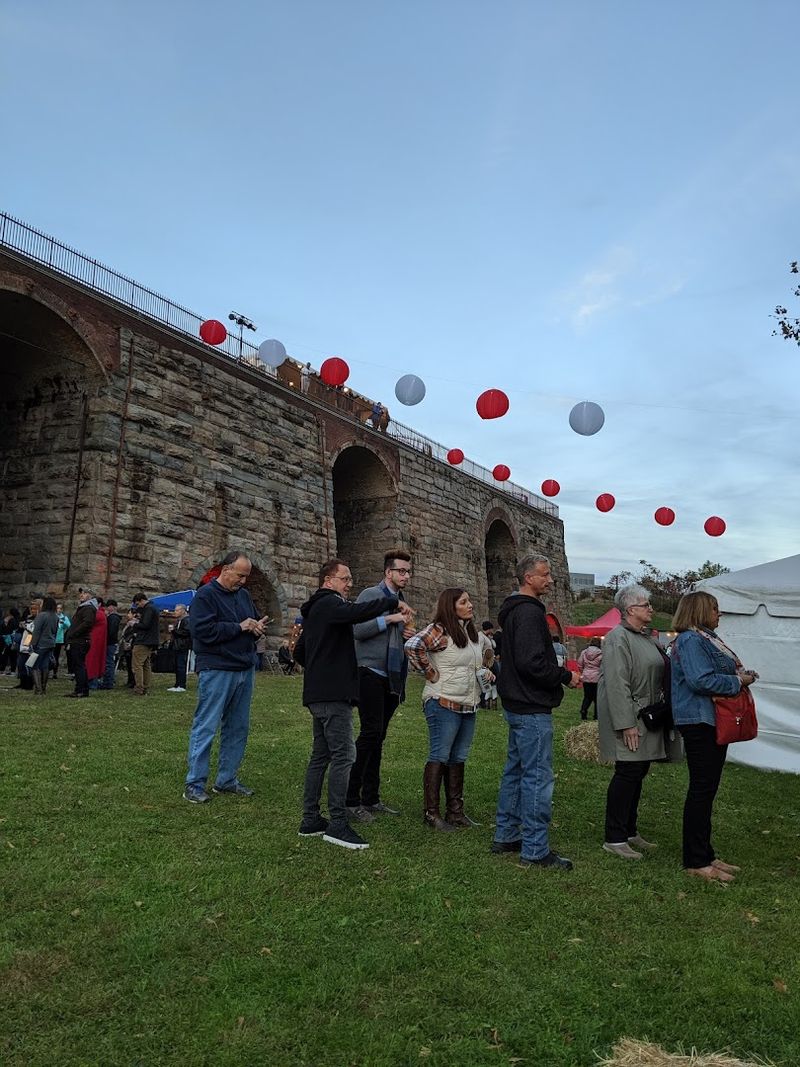
Beyond its role as a historical site, the Scranton Iron Furnaces grounds have become a gathering place for the local community. Events like The Good Things Festival have called this location home, drawing crowds who may not have otherwise visited the site.
That kind of community activation breathes new life into a place that could easily be overlooked.
The open, flat grounds lend themselves well to outdoor events, and the dramatic backdrop of the stone furnaces creates a one-of-a-kind visual setting for festivals, concerts, and cultural gatherings. Several reviewers have mentioned noticing event setups during their visits, which speaks to the site’s growing role as a community venue.
Hosting events here also serves a preservation purpose. When people form personal memories and emotional connections to a place, they are more likely to support its upkeep and advocate for its protection.
Turning a historical landmark into a living community space is one of the smartest things a city can do with its heritage assets.
If you are planning a visit and want to catch an event, checking the Pennsylvania Anthracite Heritage Museum’s website ahead of time is a smart move. The site’s calendar tends to fill up during warmer months, and attending an event there offers a completely different but equally rewarding way to experience this remarkable piece of Scranton history.
Why This Site Matters for Pennsylvania’s Working-Class Heritage
Places like the Scranton Iron Furnaces matter because they tell the stories that polished history books often leave out. The workers who kept these furnaces burning around the clock were immigrants, laborers, and everyday people whose contributions shaped American industry.
Their names are rarely remembered, but the structures they built and operated still stand as quiet monuments to their effort.
Pennsylvania’s working-class identity is deeply tied to industries like iron, coal, and steel, and the Scranton site sits at the intersection of all three. Preserving it is not just about maintaining old buildings but about honoring the human experience behind them.
Every brick in those furnaces represents labor, sacrifice, and ambition from people who had very little but gave everything they had.
The site earns its 4.5-star rating not just because it is visually impressive but because it resonates emotionally with visitors who connect with that working-class legacy. Reviewers consistently describe feeling something meaningful here, a sense of respect and reflection that is hard to manufacture artificially.
Bringing younger generations to places like this helps ensure that the stories of ordinary workers are not forgotten. A 30-minute visit to the Scranton Iron Furnaces can spark curiosity, inspire questions, and plant seeds of historical empathy that last a lifetime.
That kind of impact is exactly what heritage preservation is meant to achieve.