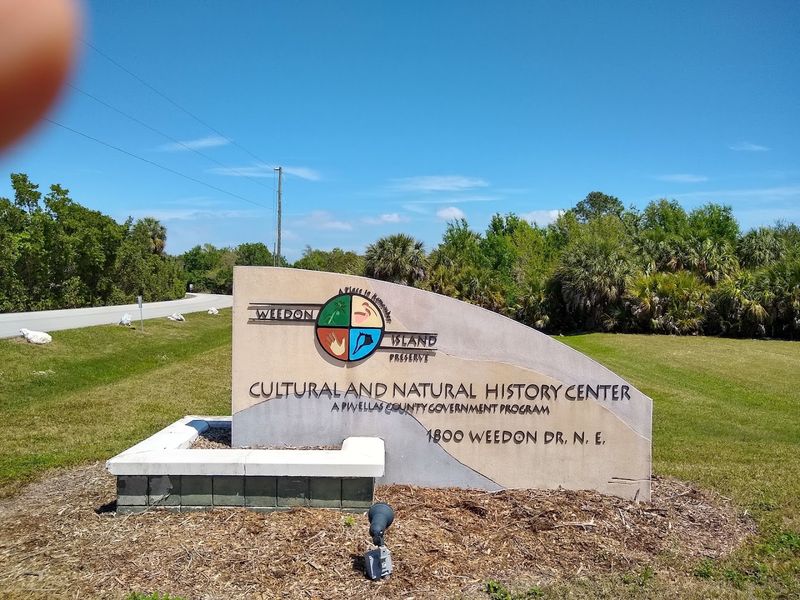
Tucked along the edge of Tampa Bay in St. Petersburg, Florida, Weedon Island Preserve is one of those places that most people zoom past without a second glance.
But behind that unremarkable roadside entrance lies over 3,000 acres of coastal wilderness, ancient history, and some of the most breathtaking natural scenery in all of Pinellas County.
From mangrove tunnels and paddling trails to a 45-foot observation tower and artifacts dating back thousands of years, this preserve is a hidden gem worth every minute of your time.
Whether you love hiking, kayaking, wildlife watching, or just finding a quiet escape from city life, Weedon Island has something genuinely special waiting for you.
A 3,000+ Acre Coastal Wilderness Hidden in Plain Sight
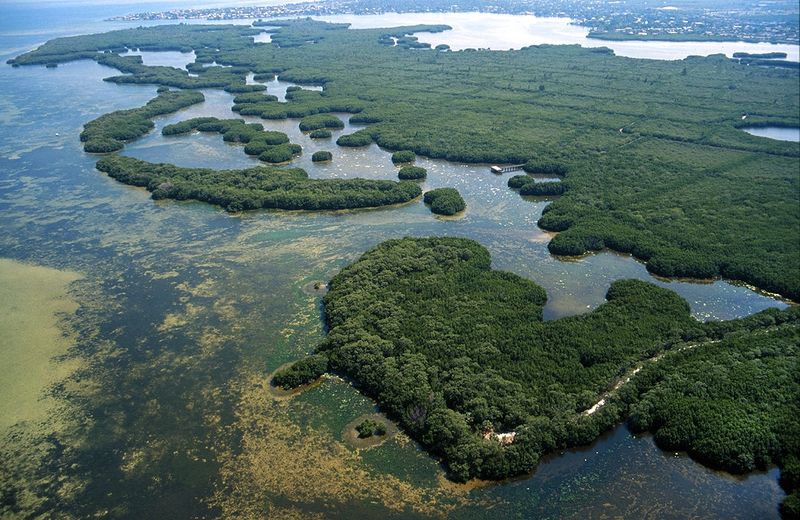
Most people have no idea that one of Pinellas County’s largest protected natural areas is hiding just off a busy road. Weedon Island Preserve spans more than 3,000 acres along the shores of Tampa Bay, making it a remarkable patch of untouched coastline in the middle of an otherwise developed region.
You could drive past it a hundred times and never realize what’s tucked behind those trees.
The preserve was established to protect the area’s rich ecosystems and cultural heritage, and it has been doing exactly that for decades. Unlike crowded state parks or tourist-heavy beaches, Weedon Island stays refreshingly quiet.
Most visitors who do find it describe the experience as surprisingly remote, even though they’re just minutes from downtown St. Petersburg.
For anyone craving a nature escape without a long drive, this is a rare find. The sheer size of the preserve means you can spend hours exploring and still feel like you haven’t seen everything.
Bring comfortable shoes, a water bottle, and a sense of curiosity — because this place rewards those who take the time to slow down and look around.
Where Freshwater Meets the Gulf
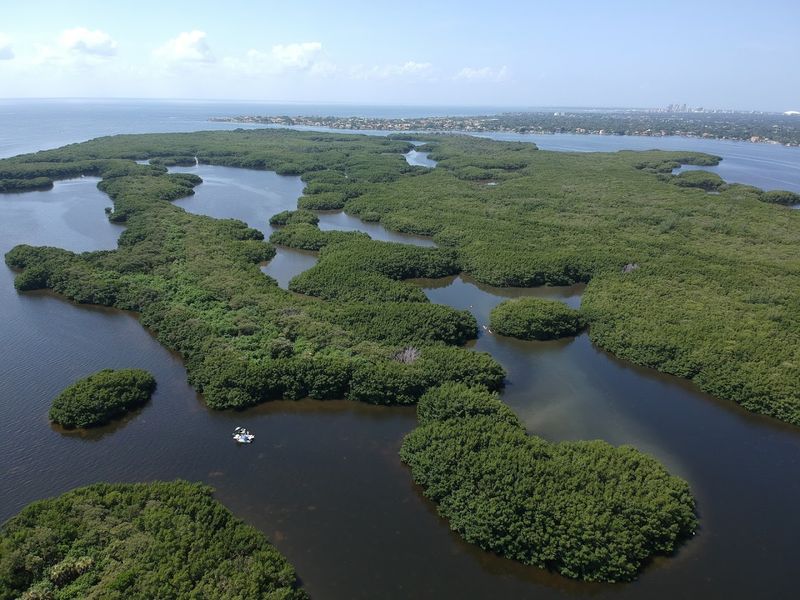
There’s something almost magical about the spot where freshwater rivers meet the salty Gulf, and Weedon Island sits right at that meeting point. The preserve is classified as an estuarine ecosystem, which means freshwater and saltwater constantly mix here, creating a uniquely productive environment.
That blend of water types is the secret behind the incredible variety of life found throughout the preserve.
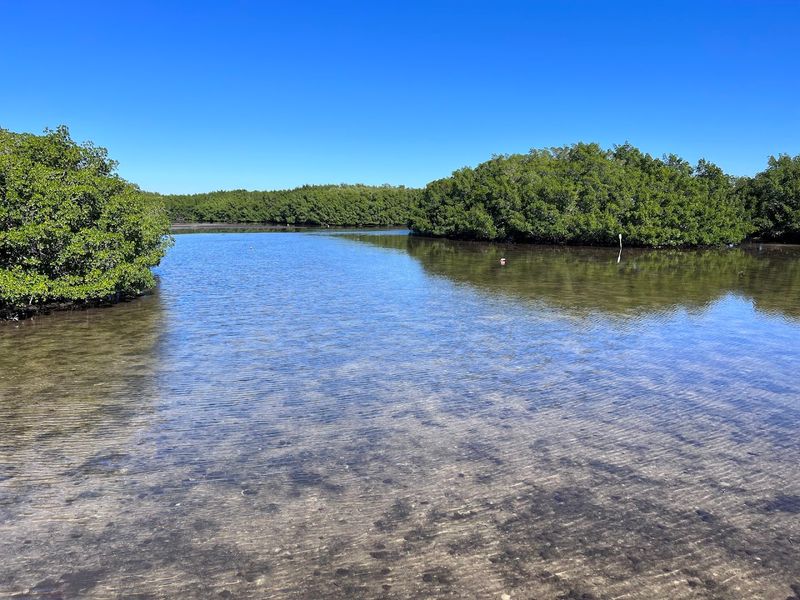
Mangrove forests line the shoreline, their tangled roots providing shelter for juvenile fish, crabs, and other marine creatures. Seagrass beds stretch beneath the surface of the shallow water, acting as both a nursery for sea life and a feeding ground for larger animals like manatees and sea turtles.
Tidal flats expose themselves at low tide, drawing in shorebirds that pick through the mud for small invertebrates.
Understanding this ecosystem makes a visit to Weedon Island feel like a biology lesson brought to life. Every plant and creature you spot has a specific role in keeping the whole system balanced.
Kids especially tend to light up when they realize how connected everything is — pull one piece away, and the whole web shifts. It’s ecology in action, right before your eyes.
Boardwalk Trails That Take You Deep Into the Mangroves
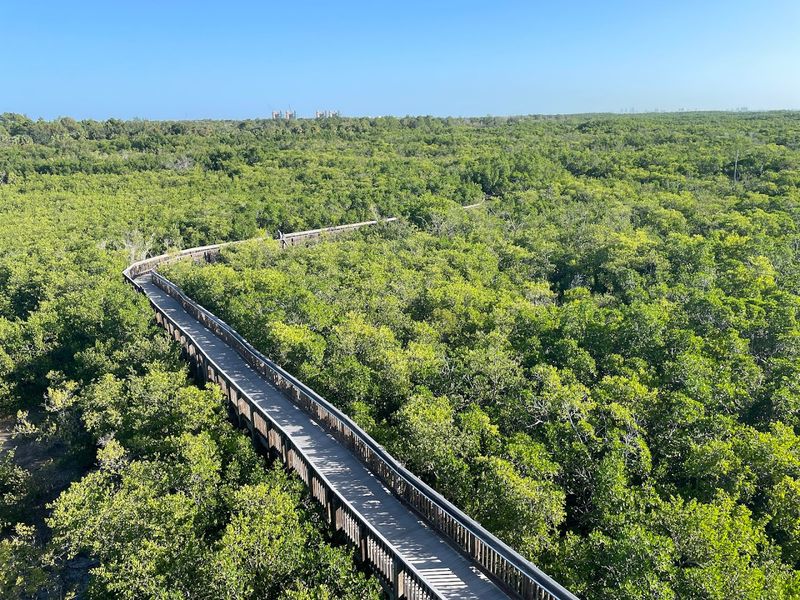
Walking through a mangrove tunnel feels like stepping into a completely different world. At Weedon Island, more than 4.7 miles of trails — including elevated wooden boardwalks — carry you directly into the heart of these ancient, twisted forests without disturbing a single root.
The boardwalks are thoughtfully designed so that foot traffic doesn’t compact the soft, waterlogged soil that mangroves depend on to survive.
As you walk, the sounds of the city fade fast. You’ll hear birds calling overhead, water lapping softly below the boards, and maybe the occasional splash of a fish breaking the surface.
The canopy above filters the Florida sun into shifting patches of light and shadow, keeping the trail cooler than you might expect even on warm days.
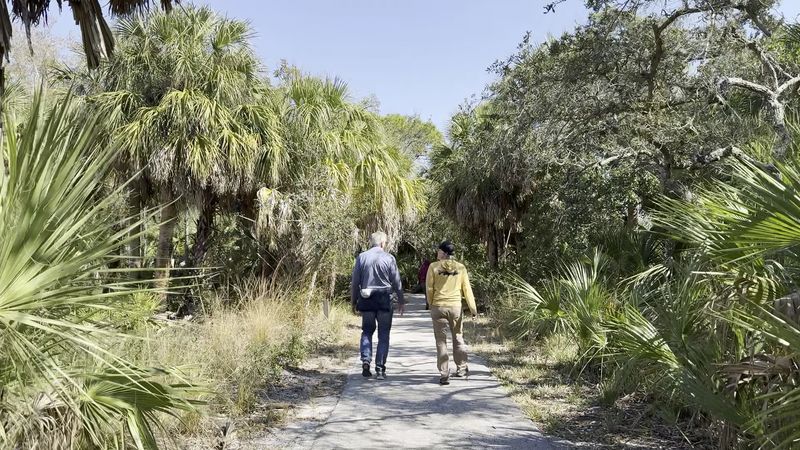
The trail system is well-marked and accessible for most fitness levels, making it a great option for families, solo hikers, and older visitors alike. Some sections loop back around, so you can customize your route depending on how much time you have.
First-timers often say they expected a short, casual walk and ended up staying for hours. That’s the kind of place Weedon Island is — it has a way of making time disappear on you.
A 45-Foot Observation Tower With Bay Views
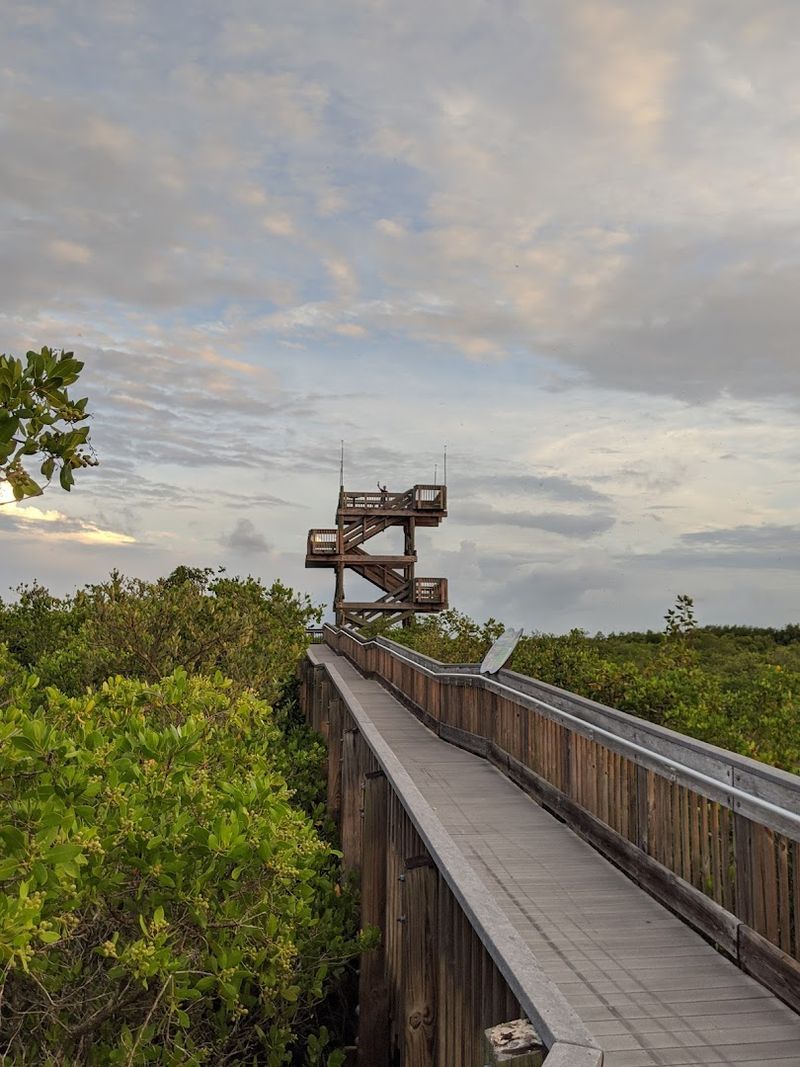
Not many people expect to find a panoramic view platform inside a nature preserve tucked near a Florida suburb, but that’s exactly what waits at the top of Weedon Island’s 45-foot observation tower. Climbing the wooden steps takes only a minute or two, but the payoff is immediate and genuinely stunning.
Tampa Bay opens up before you in a wide sweep of blue, dotted with small islands and framed by the green canopy of the preserve below.
On a clear day, you can spot the Sunshine Skyway Bridge in the distance, along with the St. Petersburg skyline and the wide, open Gulf beyond. Birders love the tower because the elevated vantage point makes it easier to spot ospreys, pelicans, and herons gliding just below eye level.
Photographers tend to linger up there, waiting for the perfect light.
Even if you’re not into photography or birdwatching, the tower is worth the climb just for the perspective it gives you. From up there, you truly understand how vast and unspoiled the preserve actually is.
The contrast between the wild natural landscape and the nearby city is striking in the best possible way. It’s one of those views that sticks with you long after you’ve driven home.
A Paddling Trail Through Hidden Waterways
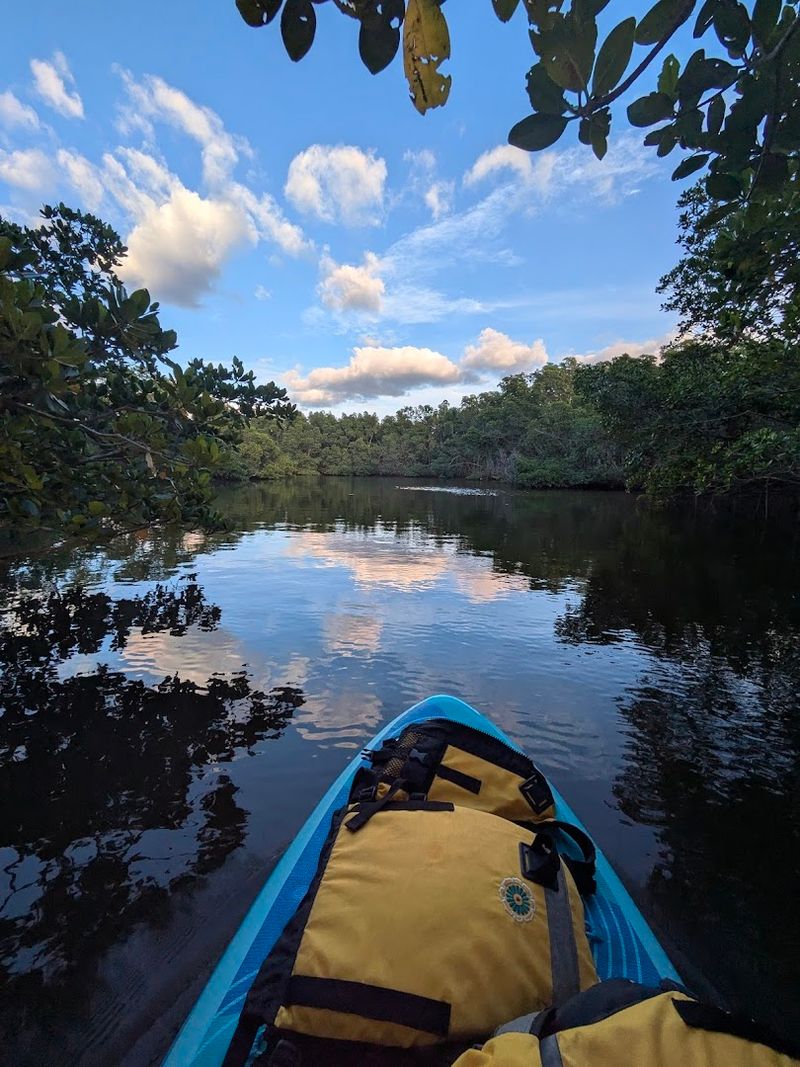
Some parts of Weedon Island simply can’t be reached on foot — and that’s exactly what makes the paddling trail so special. A self-guided canoe and kayak route winds through a network of mangrove-lined channels that feel completely removed from the outside world.
The water is calm, the channels are narrow enough to feel intimate, and the silence out there is the kind you actually have to seek out these days.
Paddlers can launch from the designated put-in area and follow the marked trail at their own pace. The route takes you through tight mangrove corridors where branches arch overhead, creating a natural tunnel effect that’s unlike anything you’d find on an open beach.
Manatees occasionally drift through these waters, and dolphins have been spotted exploring the channels during high tide.
You don’t need to be an experienced paddler to enjoy the trail — the water is generally shallow and sheltered from wind, making it beginner-friendly. Rentals aren’t available on-site, so plan to bring your own kayak or canoe.
Arriving early on weekends is a smart move, as the launch area fills up quickly. Once you’re out on the water, though, you’ll feel like you have the whole place to yourself.
Thousands of Years of Indigenous History
Long before highways and subdivisions surrounded this land, people were living here — and they left behind remarkable evidence of their presence. Weedon Island Preserve holds archaeological sites dating back thousands of years, including shell mounds built by the ancient Weeden Island culture, a group of indigenous people who inhabited the Gulf Coast of Florida from roughly 200 to 900 CE.
Their shell mounds, some still visible today, were built over generations from discarded shellfish and other materials.
These mounds aren’t just piles of old shells. They served as ceremonial sites, burial grounds, and community gathering places, telling a complex story about the spiritual and social lives of the people who created them.
Artifacts recovered from the area include pottery, tools, and other objects that have helped archaeologists piece together what daily life looked like along this coastline centuries ago.
Walking through the preserve with this history in mind changes the experience entirely. Every trail, every tidal flat, and every mangrove cluster becomes part of a much longer story.
The land has been valued and inhabited for millennia, which makes the modern effort to protect it feel even more meaningful. Knowing you’re walking where ancient communities once lived adds a quiet sense of reverence to every step you take here.
A Cultural and Natural History Center Worth Exploring
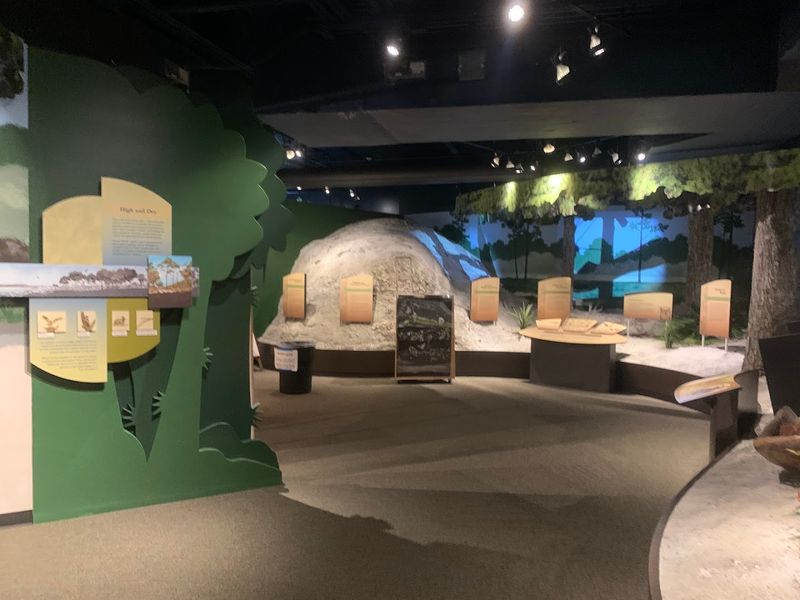
Before you hit the trails, spending time in the on-site Cultural and Natural History Center is genuinely worthwhile. The center serves as an introduction to everything the preserve holds — both above the waterline and buried beneath it.
Exhibits cover the area’s Native American history, the ecology of the surrounding estuary, and the archaeological discoveries made on the land over the past century.
One of the most striking pieces in the collection is a dugout canoe estimated to be over 1,000 years old. Seeing it up close makes the ancient history of this place feel suddenly very real.
Alongside the canoe, you’ll find pottery fragments, tools, and other artifacts recovered from the shell mounds within the preserve, all carefully displayed with context about how they were used and what they reveal about the people who made them.
The center also has interactive displays aimed at younger visitors, making it a solid stop for families with kids. Rangers and staff are usually available to answer questions and point you toward the best trails based on your interests.
Admission to the center is free, just like the rest of the preserve. It’s the kind of place where you walk in expecting a quick look around and end up staying much longer than planned.
A Rare Mix of Ecosystems in One Preserve
Most nature preserves specialize in one type of habitat. Weedon Island gives you several in a single afternoon.
Within the preserve’s 3,000-plus acres, you’ll move through mangrove forests, pine flatwoods, coastal hammocks, and upland habitats — each one supporting its own distinct community of plants and animals. That kind of ecological variety packed into one location is genuinely unusual, even by Florida standards.
Pine flatwoods stretch across the higher, drier sections of the preserve, filled with slash pines, saw palmetto, and the rustling sounds of small birds darting between shrubs. Coastal hammocks offer dense shade and a lush, jungle-like feel, with gnarled oaks draped in Spanish moss.
Then the landscape shifts again, and suddenly you’re back at the water’s edge, surrounded by the salt-tinged air and the rhythmic motion of tidal movement.
For naturalists and casual hikers alike, this variety keeps every visit feeling fresh. You’re never looking at the same scenery for long, which makes the trails feel more engaging and less repetitive.
Bringing a field guide to Florida plants or birds is a great idea — you’ll have plenty of opportunities to use it. Each habitat transition is like turning the page on a new chapter of the same incredible story.
Wildlife Encounters From Birds to Marine Life
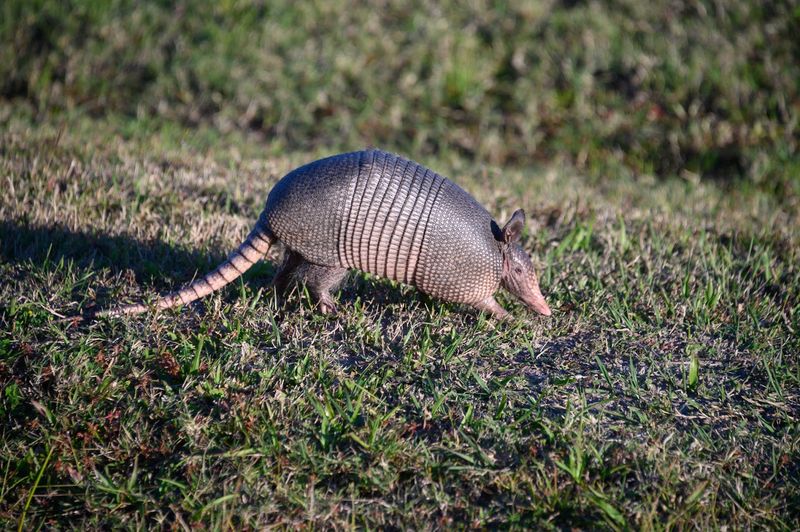
Birders have been quietly talking about Weedon Island for years, and for good reason. The preserve sits along a key migratory flyway and offers habitat for an impressive roster of species year-round.
Roseate spoonbills, great blue herons, snowy egrets, ospreys, and reddish egrets are just a few of the birds regularly spotted along the trails and tidal flats. During migration season, the variety increases even further.
Below the waterline, the action is just as lively. The shallow bay waters surrounding the preserve are home to stingrays, small sharks, mullet, and snook.
Manatees pass through seasonally, often spotted near the kayak launch area during the cooler months when they seek out warmer waters. Dolphins occasionally cruise the outer channels, especially during morning hours when the tide is moving.
You don’t need expensive gear or expert knowledge to have memorable wildlife encounters here. A pair of basic binoculars and a little patience go a long way.
Early mornings tend to be the most active time for wildlife, so arriving at dawn — even if it means skipping that extra cup of coffee — is absolutely worth it. The preserve feels alive in a way that’s hard to describe until you’ve experienced it yourself.
A Quiet Escape That Protects the Coastline
Beyond everything it offers visitors, Weedon Island Preserve plays a vital environmental role that most people never think about. The preserve functions as a natural floodplain, absorbing excess water during heavy rains and storm events.
Its mangrove forests act as a living buffer, reducing storm surge and slowing coastal erosion in ways that protect nearby communities far more effectively than any concrete seawall could.
Mangroves are among the most carbon-rich ecosystems on the planet, storing far more carbon per acre than tropical rainforests. Protecting land like Weedon Island isn’t just about keeping a pretty place intact — it’s a meaningful contribution to climate resilience along one of the most storm-vulnerable coastlines in the country.
Every acre preserved here is doing real, measurable environmental work.
And yet, for all of that ecological importance, the preserve remains completely free and open to the public every single day. No entrance fee, no reservation required — just show up and explore.
That accessibility is part of what makes Weedon Island so special. It’s a place where recreation, education, and environmental protection all happen in the same space, without any of them getting in the way of the others.
Few places in Florida manage to pull that off quite as well.