
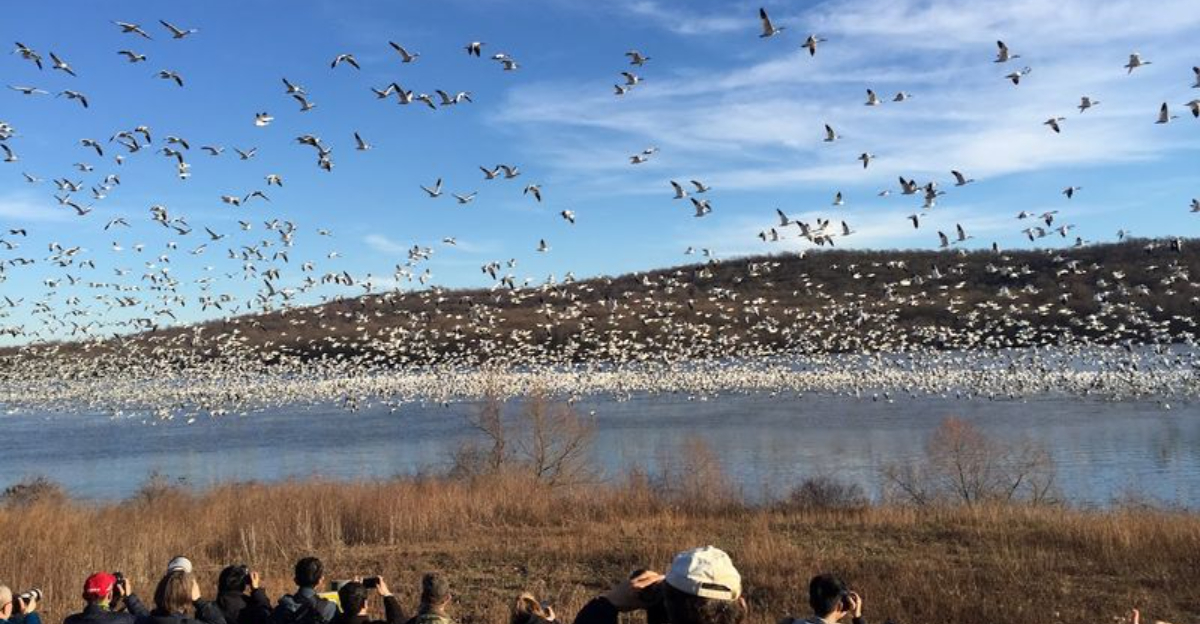
Pennsylvania comes alive every spring as millions of birds push northward along ancient flyways, pausing in forests, wetlands, and lakeshores to rest and refuel.
From the shores of Lake Erie to the ridges of the Appalachians, the state offers an incredible range of habitats that attract hundreds of species during peak migration season.
Whether you are a seasoned birder with a life list or someone who just bought their first pair of binoculars, Pennsylvania has a spot that will genuinely surprise you.
These twelve locations are the ones serious birders plan their calendars around every single year.
Presque Isle State Park (Erie)
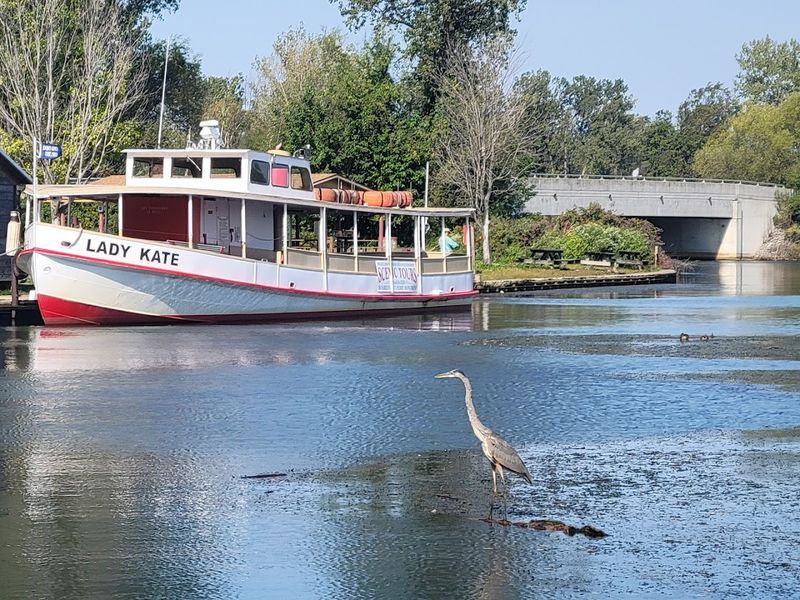
Jutting out into Lake Erie like a curved arm, Presque Isle State Park is one of those rare places where geography does all the heavy lifting for birders. The narrow peninsula acts as a natural funnel, concentrating migrants that are pausing before or after crossing the lake.
Warblers, waterfowl, and shorebirds pile into the available habitat in numbers that can genuinely take your breath away on a good May morning.
Over 300 species have been recorded here over the years, making it one of the most species-rich locations in the entire state. Spring migration peaks roughly from late April through late May, when warblers dominate the tree canopy and shorebirds work the mudflats.
Arriving early in the morning after a night of southerly winds gives you the best chance of encountering a true fallout of migrants.
Presque Isle is also a Pennsylvania State Park, meaning parking, restrooms, and well-marked trails make it beginner-friendly. Bring a spotting scope for scanning the open water, where diving ducks and loons often linger well into May.
Few spots in the Northeast deliver this kind of consistent, reliable spring birding season after season.
Hawk Mountain Sanctuary (Kempton)
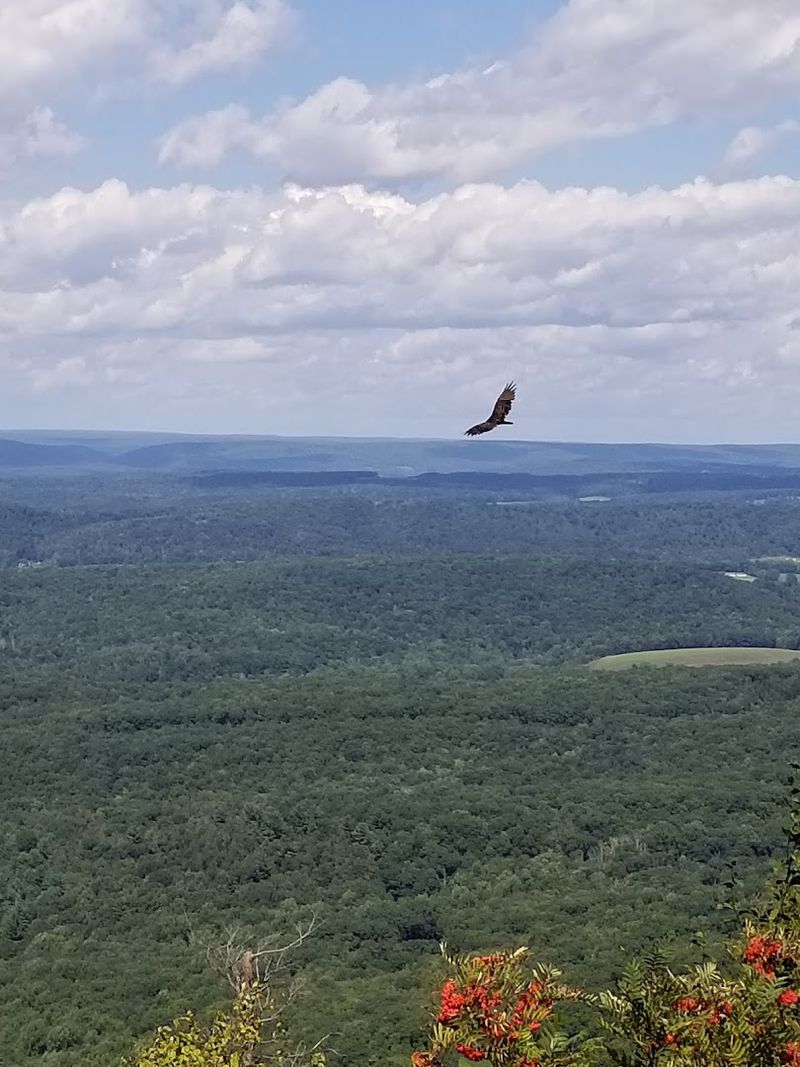
Hawk Mountain Sanctuary holds a special place in conservation history as the world’s first refuge established specifically to protect birds of prey. Perched along the Kittatinny Ridge in Berks County, the sanctuary is internationally recognized for its raptor counts, and visiting here feels like standing at a crossroads of natural history.
The ridge geography channels migrating raptors along predictable flight paths that observers have been documenting since the 1930s.
Fall migration is undeniably the headline season, but spring brings its own rewards. From March through May, hawks, eagles, and falcons ride warming thermals northward, and patient observers on the North Lookout can log impressive species counts on the right weather days.
Bald eagles and osprey are especially reliable spring sightings.
The sanctuary also offers excellent forest birding along its trail network, where migrating warblers and vireos fill the oaks and maples each spring. Educational programs run throughout the season, making this a fantastic destination for families introducing kids to birding.
Membership supports ongoing research and monitoring that benefits raptor conservation across the entire flyway. Plan to spend a full morning here rather than just a quick stop.
Middle Creek Wildlife Management Area (Lancaster/Lebanon Counties)
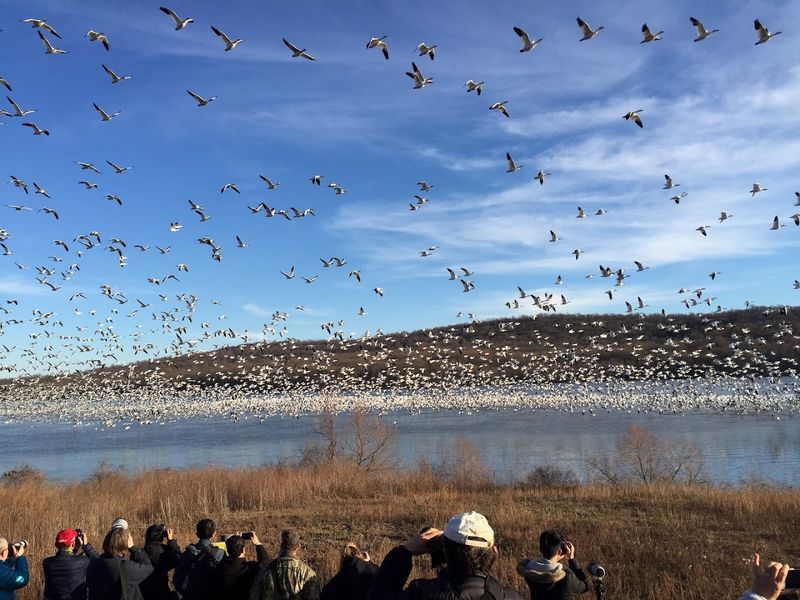
Few wildlife spectacles in the eastern United States rival the snow goose and tundra swan staging event at Middle Creek Wildlife Management Area each late winter. On peak mornings in February and March, the sky above the main lake can literally turn white as tens of thousands of snow geese lift off in a roaring wave.
It is the kind of moment that turns casual observers into lifelong birders on the spot.
The mixed landscape of wetlands, agricultural fields, and the central lake supports an impressively diverse cast of species through the early spring transition period. Dabbling ducks, Canada geese, and occasional rare gulls round out the waterfowl spectacle, while early-season songbirds begin appearing in the surrounding woodlands by late March.
Peak snow goose numbers typically fall between mid-February and mid-March, so timing your visit matters.
The Wildlife Management Area visitor center provides excellent orientation for first-timers and offers updated sighting information. Mornings are best, especially on calm days when birds are actively moving between fields and the lake.
Dress in layers because late winter temperatures at Middle Creek can be brutally cold even when the birds are spectacular. Bring a spotting scope without question.
Bald Eagle State Park (Centre County)
Tucked into the Ridge and Valley province of central Pennsylvania, Bald Eagle State Park offers a birding experience that feels genuinely off the beaten path compared to the state’s more famous hotspots. The Sayers Reservoir at the park’s heart attracts waterfowl, osprey, and the namesake bald eagles throughout spring, while the surrounding ridgelines guide migrating songbirds through the valley below.
It is a quietly productive location that rewards visitors who take the time to explore.
Spring migration here builds steadily from March through May. Early arrivals include tree swallows, osprey, and ring-necked ducks on the open water, followed by waves of warblers, vireos, and flycatchers moving through the forest edges as temperatures warm.
Bald eagle sightings are nearly guaranteed year-round, but spring nest activity makes April particularly exciting for eagle watchers.
The park’s trail system winds through varied habitats that include riparian corridors, upland forest, and open shoreline, giving birders multiple microhabitats to check in a single morning. Weekday visits tend to be quieter and more productive than weekends when recreational boating picks up.
Central Pennsylvania’s Ridge and Valley geography is underappreciated as a migration corridor, and this park is one of the best entry points for exploring it.
Codorus State Park (York County)
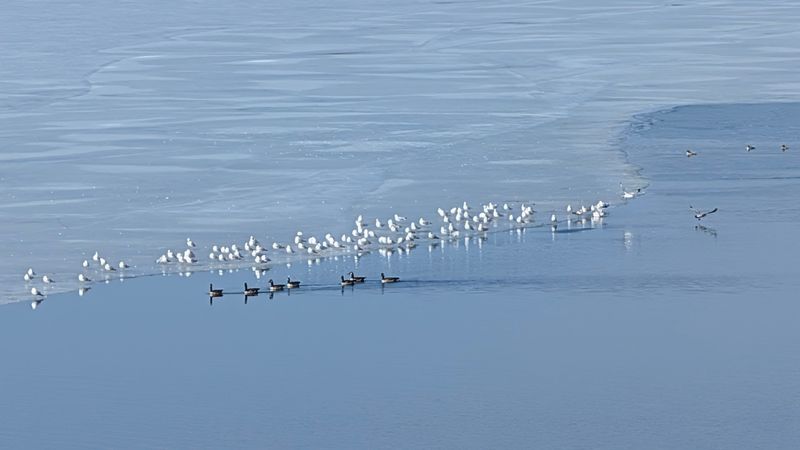
Codorus State Park in York County quietly punches well above its weight as a southern Pennsylvania birding destination. Nearly 240 species have been recorded within the park over the years, a number that reflects the exceptional habitat diversity created by Lake Marburg and the surrounding mix of forest edges, wetland margins, and open fields.
Spring migration here is particularly rewarding because the varied landscape attracts a wide range of species rather than just specialists.
Highlights from April through May include warblers filtering through the oak-dominated forest edges, great blue herons and great egrets working the shallows, and osprey hunting over the open water with impressive efficiency. Migrating ducks use the lake as a stopover, and patient observers scanning from the dam area often pick up less common species mixed in with the common ones.
Wood ducks nest in the park, adding a resident breeding component to the spring experience.
The park’s trail network is well-maintained and easy to navigate, making early morning birding walks comfortable even for beginners. York County’s location in southern Pennsylvania means spring migrants arrive slightly earlier here than at sites farther north, giving birders in the region a head start on the season.
Weekday mornings in early May are consistently the most productive times to visit.
Marsh Creek State Park (Chester County)
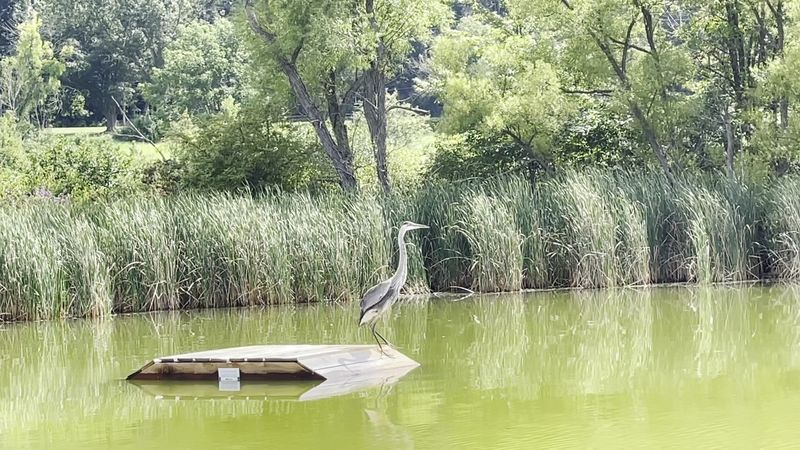
For birders living in or near Philadelphia’s western suburbs, Marsh Creek State Park is one of those essential local spots that delivers consistent results without requiring a long drive. The reservoir at the park’s center acts as a magnet for migrating waterfowl each spring, while the surrounding woodland and shrubby edges funnel songbirds through in impressive numbers.
It is proof that you do not need to travel far to experience quality spring migration birding.
Osprey are among the most reliable spring arrivals, typically appearing by late March and hunting the open water through the warmer months. Great blue herons, great egrets, and green herons work the shoreline, while wood ducks and ring-necked ducks use the reservoir as a refueling stop.
Warbler activity peaks in the first two weeks of May, when the lakeside trees and shrubby edges can be alive with movement on the right mornings.
Access is straightforward, with multiple parking areas and well-marked trails circling portions of the lake. Early morning visits before the recreational crowd arrives give birders the best combination of quiet and bird activity.
Chester County’s active birding community means recent sightings are often posted online, making it easy to know when conditions are favorable before you make the trip out.
Nescopeck State Park (Luzerne County)
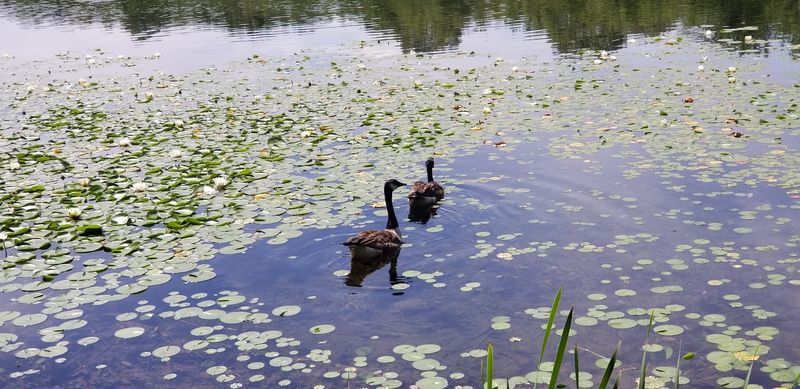
Nescopeck State Park does not always make the headlines the way Presque Isle or Hawk Mountain do, but birders who know northeastern Pennsylvania’s inland habitats keep coming back here every spring for good reason. The park protects a rich mix of forest, wetland, and stream corridor habitats that together create an outstanding inland migration stopover for warblers, thrushes, vireos, and flycatchers moving through the Appalachian corridor.
Over 160 species have been documented within the park boundaries.
Spring migration at Nescopeck builds gradually from late April through mid-May, with warbler diversity peaking during the first two weeks of May on most years. The wetland areas attract species like common yellowthroat, yellow warbler, and Louisiana waterthrush, while the upland forest draws American redstart, black-throated green warbler, and ovenbird.
Early morning walks along the park’s stream corridors can produce an impressive species list in just a couple of hours.
The park receives far less visitor pressure than many southeastern Pennsylvania sites, which means quieter trails and less disturbance during sensitive migration periods. Luzerne County sits within a stretch of the Appalachians where inland migration corridors concentrate birds moving along ridge and valley terrain.
Nescopeck is a genuinely rewarding destination for birders willing to explore beyond the most well-known Pennsylvania locations.
Fort Washington State Park (Montgomery County)
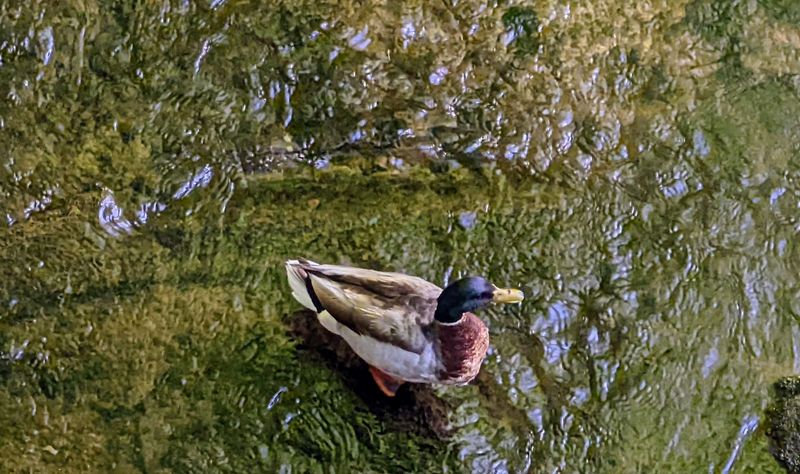
Birders in the Philadelphia region have long known that Fort Washington State Park is something special during spring migration, even if the park’s reputation outside the local community remains surprisingly modest. The oak-dominated forest here creates ideal conditions for migrating warblers, tanagers, and vireos that need mature canopy cover as they move through the mid-Atlantic.
Over 200 species have been recorded across the park, a number that reflects decades of dedicated observation by local birding clubs.
The warbler action in early May is genuinely exceptional on the right mornings. Species like Cape May warbler, blackpoll warbler, bay-breasted warbler, and black-throated blue warbler move through in numbers that reward early risers who arrive at dawn.
The park’s location in Montgomery County puts it squarely in the path of migrants following the Wissahickon Creek corridor northward from the city.
Accessibility is one of Fort Washington’s strongest selling points. Multiple parking areas, easy terrain, and proximity to public transit make this one of the most beginner-friendly migration hotspots in southeastern Pennsylvania.
The local birding community is welcoming and active, with organized spring walks offered through several area clubs. Showing up on a warm morning after a night of southerly winds is the single best strategy for maximizing your species count here.
Allegheny Front Hawk Watch (Somerset County)
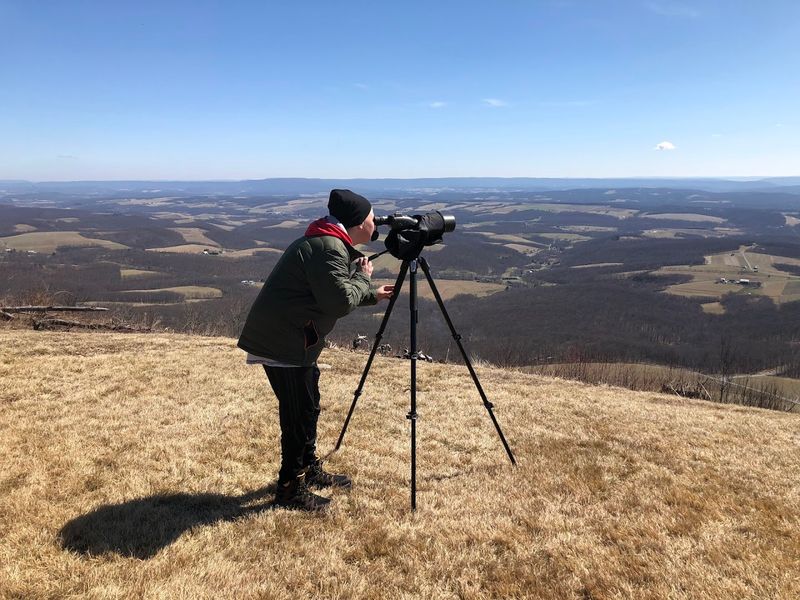
Sitting atop one of the highest and most dramatic ridges in the Pennsylvania Appalachians, the Allegheny Front Hawk Watch offers a birding experience that is equal parts spectacular scenery and serious raptor monitoring. The site is maintained by dedicated volunteers who conduct systematic counts of migrating raptors, contributing data to long-term population studies that inform conservation decisions across the entire flyway.
Fall migration is the primary peak season here, but spring movement still delivers rewarding observations.
From March through May, golden eagles, red-tailed hawks, sharp-shinned hawks, and American kestrels move northward along the ridge, using the lift generated by prevailing winds against the escarpment to conserve energy during long flights. On the best spring days, the pace of movement can be surprisingly brisk, especially during periods of northwest wind following cold fronts.
Broad-winged hawk days in late April can also be productive at this elevation.
Getting to the Allegheny Front requires a drive on unpaved roads through state forest land, so a vehicle with decent clearance is helpful. The isolation that makes the approach feel rugged is exactly what makes the ridgetop feel so rewarding when you arrive.
Pack a lunch, dress for wind, and bring patience because the best flights often develop after mid-morning when thermals begin to build.
Blue Knob State Park (Bedford County)
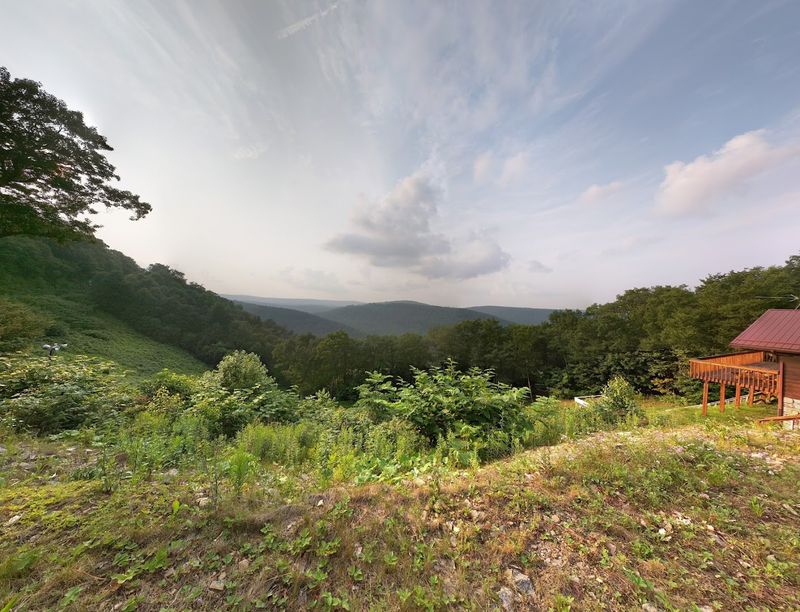
Blue Knob State Park carries a distinction that matters to birders: it protects some of the highest elevation forest habitat in the entire Pennsylvania state park system. That elevation shapes everything about the spring birding experience here, from the timing of migration to the species composition of the breeding community that arrives once migrants pass through.
Warblers, vireos, and woodland thrushes all move through the park during spring, but the timing runs a week or two later than at lower elevation sites.
The high forest at Blue Knob attracts species that prefer cooler, montane conditions, including Canada warbler, magnolia warbler, and Swainson’s thrush moving through during peak migration. The park’s relative isolation in Bedford County means far fewer visitors than comparable sites in southeastern Pennsylvania, giving birders a quiet, undisturbed experience that is increasingly rare.
Mornings here in early May can feel almost meditative with birdsong filling the forest before the day warms up.
The park also offers camping, which allows dedicated birders to be on the trails at first light without a long pre-dawn drive. Trail conditions can be challenging at higher elevations, so sturdy footwear is worth putting on before you head out.
Blue Knob rewards the extra effort required to reach it with a birding atmosphere that feels genuinely wild and refreshingly uncrowded.
Erie Bluffs State Park (Erie County)
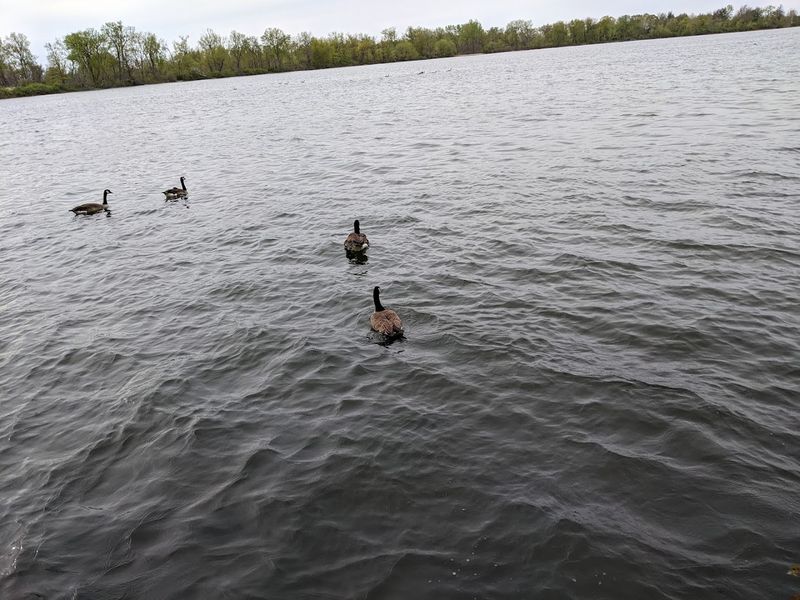
Erie Bluffs State Park sits just west of Presque Isle along the Lake Erie shoreline, and while it shares the same migratory corridor, it offers a distinctly different character. The park’s forested bluffs drop steeply to a narrow beach, creating an edge habitat where passerines, shorebirds, and gulls concentrate during spring migration.
Birders who find Presque Isle too crowded on popular spring weekends often head here for a more solitary experience along the same productive stretch of shoreline.
Spring migration at Erie Bluffs brings a reliable parade of species moving along the lake edge. Shorebirds work the narrow beach, while gulls rest on rocks and driftwood near the water.
The forest along the bluff top channels migrating warblers and thrushes, and the cliff edge itself provides an elevated vantage point for watching birds moving low over the water. Species composition overlaps significantly with Presque Isle, but the lower visitor numbers create a quieter atmosphere.
Trail access at Erie Bluffs requires a short hike from the parking area to reach the bluff edge and beach, which naturally filters out casual visitors and keeps the birding areas calm. Sunrise walks here during the first two weeks of May consistently produce excellent results.
Combining a morning at Erie Bluffs with an afternoon at Presque Isle makes for one of the most productive single-day spring birding itineraries in the entire state.
John Heinz National Wildlife Refuge at Tinicum (Philadelphia County)
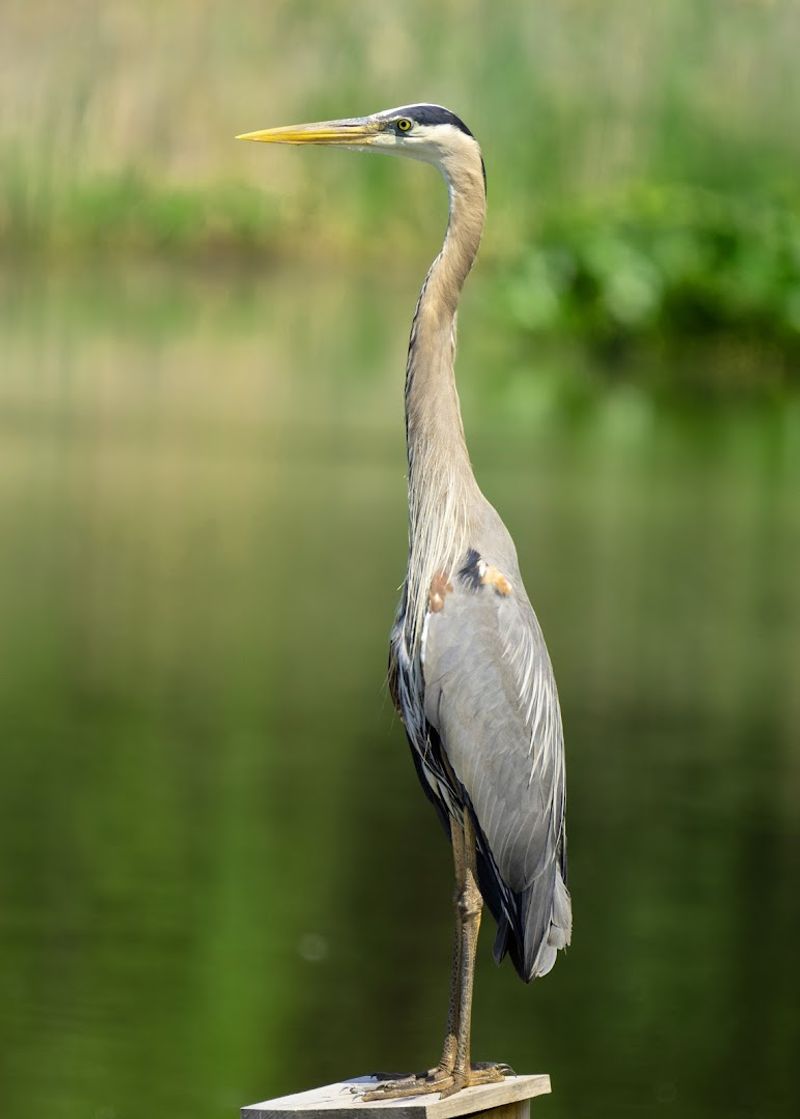
Established in 1972 as the first urban national wildlife refuge in the United States, John Heinz National Wildlife Refuge at Tinicum carries a legacy that goes well beyond its modest size. Tucked between Philadelphia International Airport and the surrounding industrial landscape, this 1,000-acre freshwater tidal marsh is a genuine ecological miracle that attracts an astonishing diversity of birds during spring migration.
The refuge protects the largest remaining freshwater tidal marsh in Pennsylvania, a habitat type that has nearly vanished from the region.
Spring migration at Tinicum is supercharged by the refuge’s position on the Atlantic Flyway and its proximity to the urban heat island, which can accelerate spring green-up and insect emergence. Herons, egrets, and wood ducks are reliable residents, while migrating warblers, thrushes, and flycatchers use the woodland edges bordering the marsh.
Warm fronts that push overnight migrants northward consistently produce exceptional morning fallouts at Tinicum, sometimes delivering rare species that generate significant regional excitement.
The refuge trail system is flat, paved in sections, and fully accessible, making it one of the most inclusive birding destinations in the state. A free visitor center provides maps, recent sighting boards, and helpful staff who track daily migration activity.
Arriving within the first hour after sunrise during the first two weeks of May gives birders the best chance of experiencing Tinicum at its most spectacular.