Tucked into the rolling hills near Lucas, Ohio, Malabar Farm State Park is one of those rare places that manages to be both historically fascinating and genuinely beautiful to visit.
Once the personal estate of Pulitzer Prize-winning author Louis Bromfield, this working farm attracted Hollywood royalty, inspired conservation movements, and hosted one of the most famous celebrity weddings of the 1940s.
Today, it operates as a fully functioning state park where history, nature, and rural Ohio life come together in one surprisingly rich destination.
Whether you love history, the outdoors, or just a good story, Malabar Farm has something worth the drive.
A Hidden Ohio Farm With Big-City Dreams
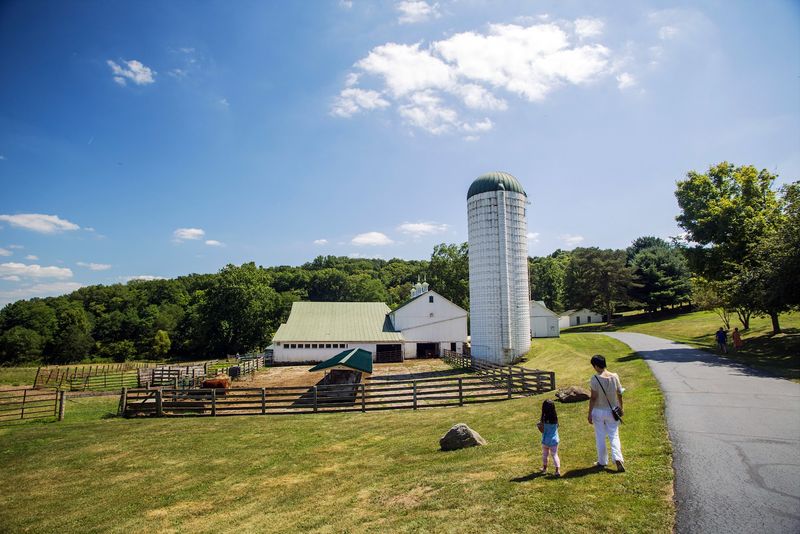
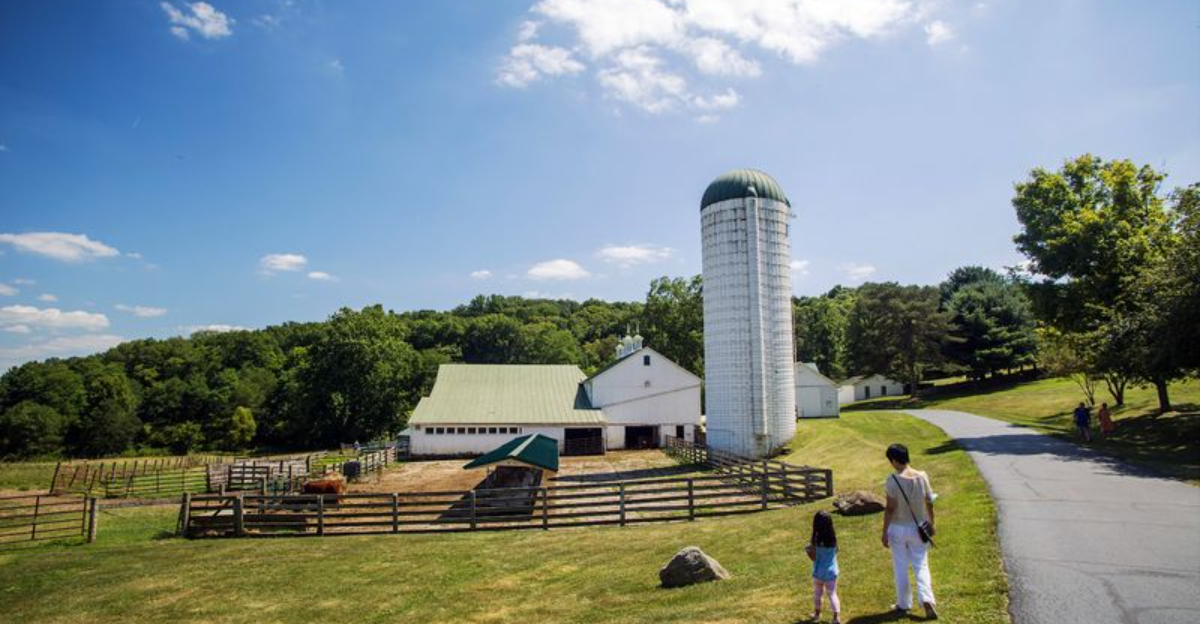
Not every historic landmark announces itself with grand signage or tourist traps. Malabar Farm sits quietly in Richland County, Ohio, looking every bit like a peaceful countryside retreat rather than a place where big ideas once took root.
Louis Bromfield purchased this land in 1939 with a bold vision: prove that exhausted, eroded farmland could be brought back to life through thoughtful stewardship. He didn’t just want a home — he wanted a demonstration.
The farm became known as a living laboratory for sustainable agriculture at a time when most people hadn’t even heard that phrase.
What makes Malabar special is how deliberately it was built. Bromfield didn’t start with healthy soil or easy conditions.
He started with land that had been farmed hard and left tired, and he turned it into something thriving. That story of renewal gives the whole property a sense of purpose that visitors can still feel walking through it today.
The hills look intentional. The fields feel cared for.
Even the tree lines seem placed with thought. Coming here feels less like visiting a museum and more like stepping into someone’s deeply considered life’s work.
The Writer Who Walked Away From Hollywood Life
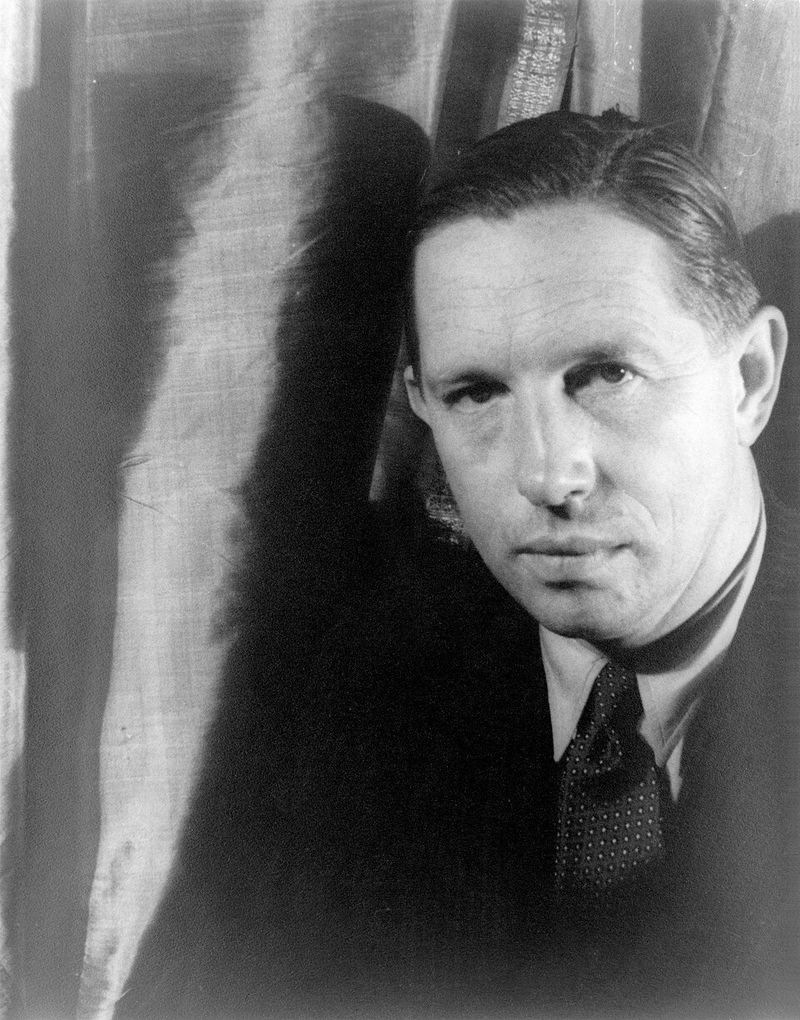
Louis Bromfield had every reason to stay comfortable. By the 1930s, he had won the Pulitzer Prize for his novel “Early Autumn,” spent years living in Paris among artists and intellectuals, and built connections throughout Hollywood’s golden circle.
Fame had found him, and he had accepted it gracefully.
But something about that life felt hollow. He watched people chase recognition and burn out chasing more of it.
Bromfield wanted something grounded — literally. Returning to Ohio, the state where he grew up, he bought land near the town of Lucas and began building a farm that reflected his values more than his fame.
It was a quiet but radical decision for someone of his stature.
His writing didn’t stop when he came home to farm. If anything, the land gave him more to say.
He wrote books about conservation, soil health, and the philosophy of working with nature rather than against it. “Malabar Farm” and “Pleasant Valley” became influential texts in early American environmentalism. Bromfield proved you could walk away from the spotlight and walk toward something far more lasting.
That choice is what makes his story feel relevant even now, decades after his death in 1956.
A Farm Designed as a Living Experiment
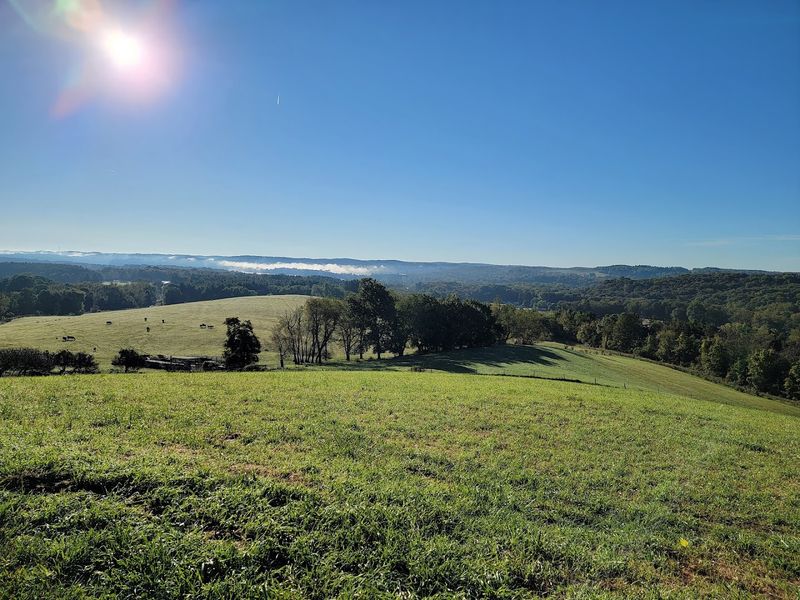
Most farms of the 1940s followed a straightforward formula: plow straight rows, plant the same crops season after season, and push the land as hard as it could go. Bromfield rejected that approach almost entirely.
He studied conservation techniques being developed by soil scientists and turned Malabar into a place where those ideas could be tested in real time.
Contour plowing — curving the rows to follow the natural shape of the hillside — was one of his signature methods. Instead of letting rainwater rush straight downhill and carry topsoil with it, the curved rows slowed water down and kept the soil in place.
Combined with cover crops, composting, and careful rotation, these practices helped rebuild land that had been stripped of nutrients over generations.
Scientists, farmers, and government officials visited regularly to see what Bromfield was doing. The farm hosted field days where guests could walk the land and learn firsthand.
It wasn’t just a personal project — it was an educational resource during a critical moment in American agricultural history. Today, the Ohio Department of Natural Resources maintains that tradition of active farming on the property, keeping Bromfield’s experiment alive rather than simply preserving it behind glass.
The Big House That Felt Like a Retreat for the Famous
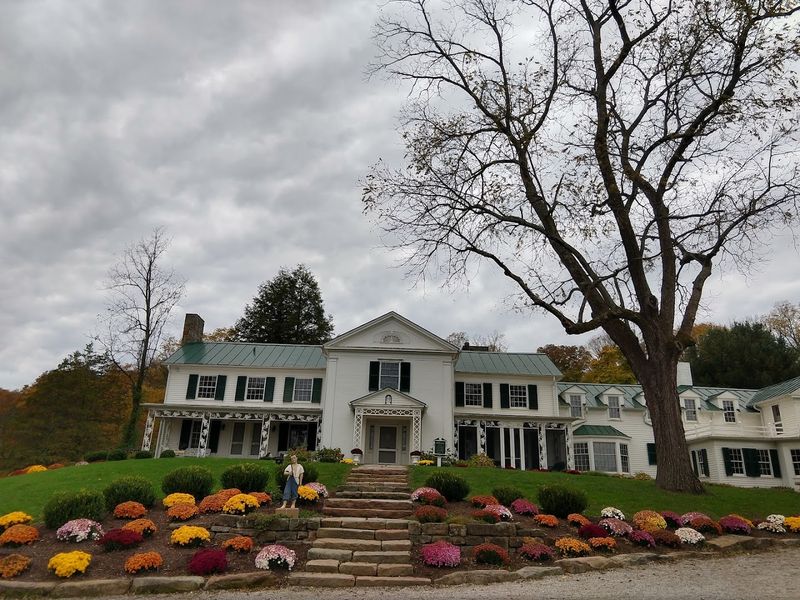
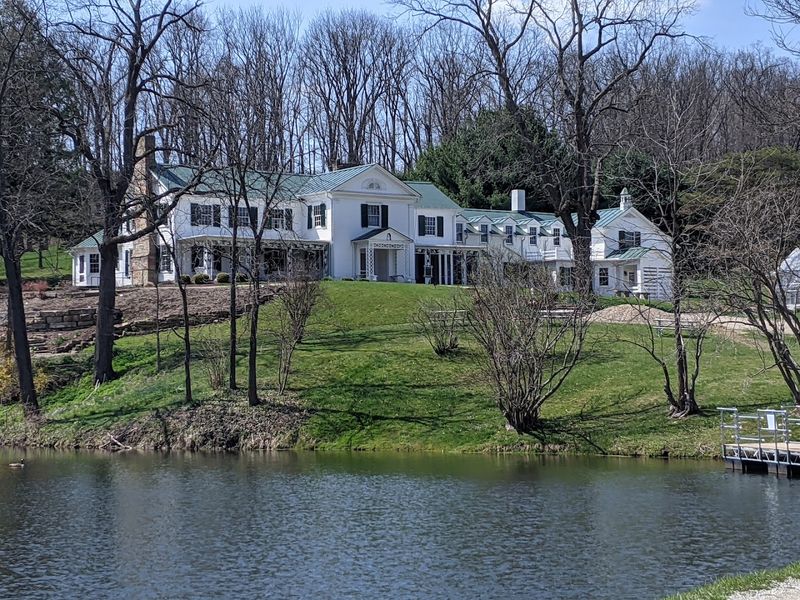
Walk up to the Big House at Malabar Farm and you immediately understand why famous people wanted to come here. It isn’t a mansion trying to impress — it’s a 32-room home that feels warm, sprawling, and surprisingly welcoming, like a place built for long conversations and slow mornings.
Bromfield designed it to accommodate guests comfortably and often. The home blends several architectural styles, with additions built over time as the farm grew.
Inside, it’s filled with books, antiques, original artwork, and mementos from Bromfield’s travels through Europe and his years in the literary world. Guided tours take visitors through the rooms where history actually happened — where guests slept, where meals were shared, where ideas were debated.
The Big House wasn’t a showpiece. It was a working center of the farm’s social life.
Bromfield believed that good food, good land, and good conversation belonged together. His kitchen was stocked with produce from the gardens.
His living room filled regularly with people who came from cities but needed something quieter. For many of his guests, Malabar wasn’t just a visit — it was a reset.
That feeling hasn’t entirely disappeared. Stepping inside the house today, you can still sense the deliberate calm Bromfield built into every corner of it.
Hollywood Visitors Who Came for Quiet Instead of Cameras
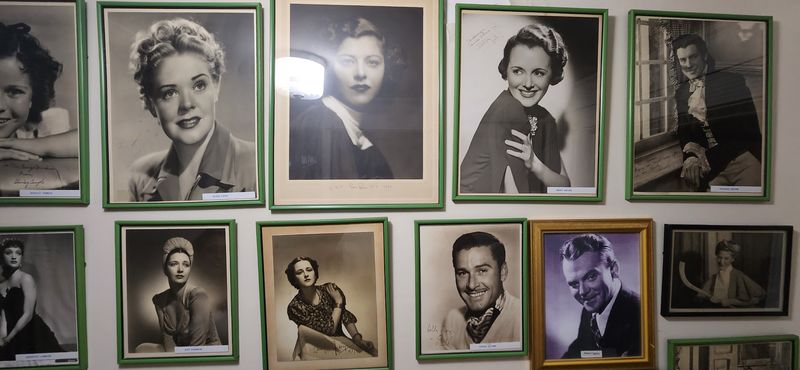
During the 1940s, Malabar Farm had a guest list that would have looked more at home in a Hollywood trade magazine than on an Ohio farm. James Cagney, Joan Fontaine, Kay Francis, and other well-known names from the film world made their way to Bromfield’s property — not for a premiere or a press event, but for genuine rest.
Bromfield’s Paris years had given him a wide social network, and his fame as a novelist made him a figure that artists and performers respected. He wasn’t starstruck by his guests, and they seemed to appreciate that.
Malabar was a place where being famous didn’t mean anything special. Everyone helped with the farm, ate at the same table, and walked the same fields.
That unusual dynamic — celebrity guests doing chores alongside farmhands — gave the property an atmosphere that was hard to find anywhere else at the time. There were no photographers waiting at the gate.
No publicists managing the story. Just a working farm in Ohio where people who happened to be famous could behave like ordinary humans for a while.
It’s a quirky footnote in Hollywood history, but it says a lot about what Bromfield was actually building out there in Richland County.
A Wedding That Made National Headlines
May 21, 1945 turned a quiet Ohio farm into the most talked-about address in America. On that afternoon, Humphrey Bogart and Lauren Bacall were married in the living room of Malabar Farm’s Big House, with Louis Bromfield serving as best man.
The couple had met on the set of “To Have and Have Not” the previous year, and their relationship had already captured the public’s imagination.
Choosing a working farm in Ohio over a Hollywood venue was a deliberate statement. Bogart and Bacall wanted something personal and real, away from the industry machinery that surrounded their daily lives.
Bromfield’s home offered exactly that — privacy, warmth, and a setting that felt nothing like a movie set.
News of the wedding spread quickly despite the low-key setting. Reporters and photographers gathered outside the property, and photographs of the ceremony ran in newspapers across the country.
Overnight, Malabar Farm became famous far beyond agricultural circles. Visitors still come today specifically because of that wedding — and the Big House tour makes sure to honor it, with the ceremony room carefully maintained and the story told with full detail.
It remains one of the most romantic and unexpected chapters in Ohio’s history.
A Landscape That Still Feels Untouched
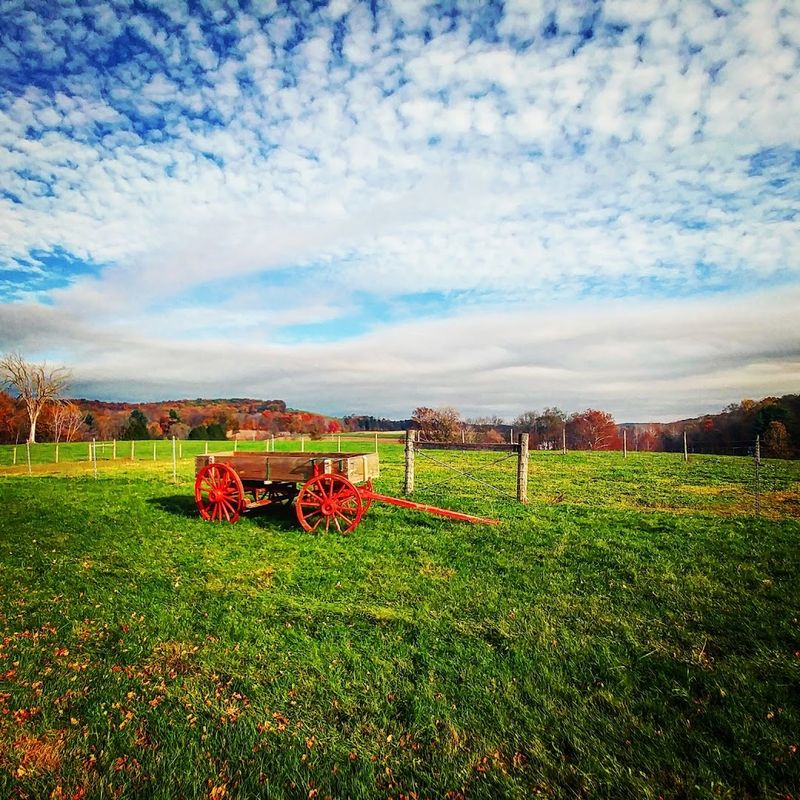
One of the first things visitors notice at Malabar Farm is how unhurried everything feels. The fields open up gradually as you drive in.
The hills roll in the way Ohio hills do — not dramatically, but steadily, like the land is breathing. It’s the kind of scenery that makes people slow down without being told to.
Bromfield planted trees strategically across the property, both for erosion control and for beauty. Decades later, those trees have matured into something genuinely stunning, especially in autumn when the colors hit their peak.
The wooded trails that wind through the property feel more like a nature preserve than a managed park, and that’s intentional. The Ohio Department of Natural Resources has worked to maintain the landscape as Bromfield envisioned it.
Spring brings wildflowers along the trail edges and new growth in the fields. Summer fills the farm with the sounds of working animals and active gardens.
Winter strips the trees back and reveals the clean geometry of the hills in a way that feels almost architectural. Every season at Malabar offers something different, which is part of why repeat visitors keep coming back.
The landscape doesn’t get old — it just keeps changing, right on schedule with nature.
A Working Farm You Can Actually Experience
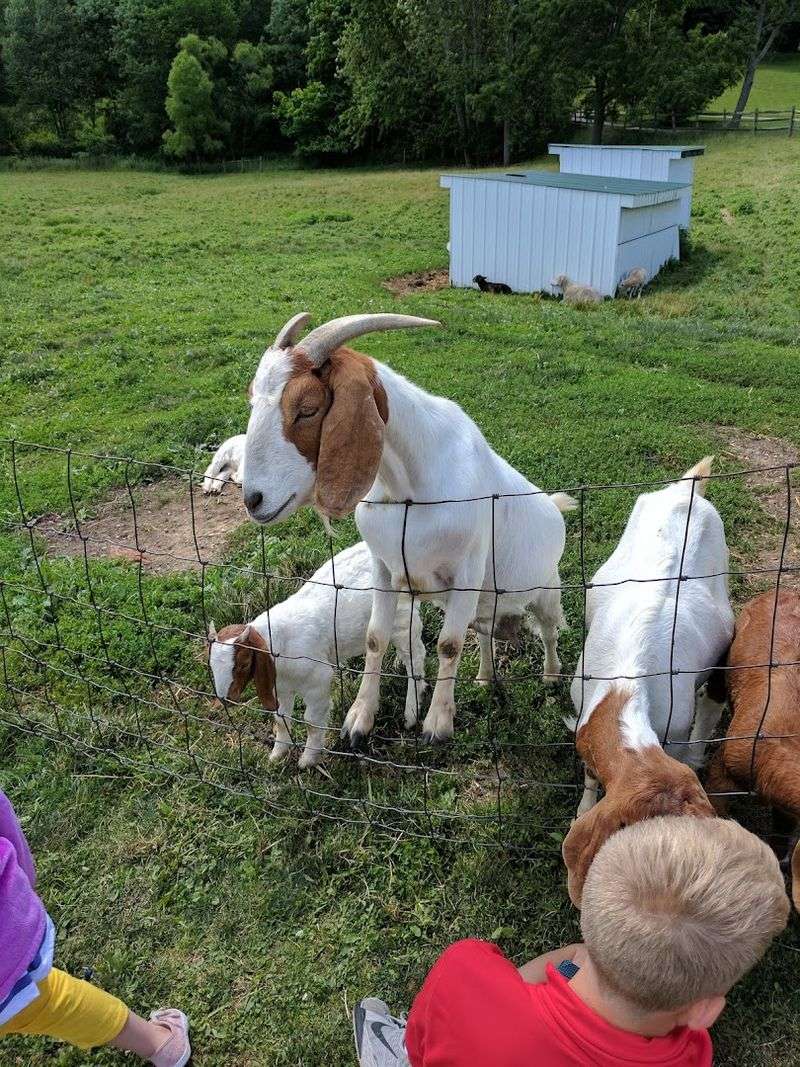
Plenty of historic sites preserve the past by keeping it behind velvet ropes. Malabar Farm takes a different approach — it keeps farming.
The property still operates as a working farm, which means visitors aren’t just looking at history, they’re watching it continue in real time.
Draft horses, cattle, pigs, and chickens are part of the regular farm operation. Barns are active, not decorative.
The vegetable and herb gardens that Bromfield planted near the Big House are still tended and producing. On a typical visit, you might see someone mucking out a stall, fixing a fence, or harvesting from the garden beds — the kind of everyday farm work that most people never get to see up close.
For families with kids, this hands-on quality makes Malabar genuinely memorable. Children who have only ever seen farms in picture books suddenly get to smell, hear, and observe the real version.
Adults who grew up in rural areas often find something nostalgic and comforting about the place. And first-time farm visitors of any age tend to leave with a new appreciation for how much work goes into producing food.
The farm doesn’t lecture — it just shows you, which turns out to be far more effective.
Events That Bring the Past Back to Life
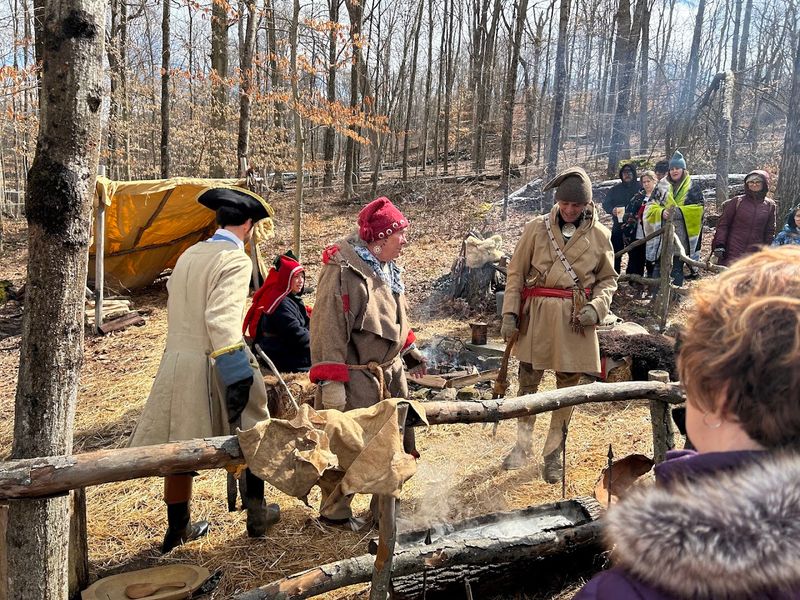
Malabar Farm doesn’t just sit quietly between visitor hours — it hosts a rotating calendar of events that turn the property into a living classroom throughout the year. The maple syrup festival each late winter is one of the most beloved, drawing families out to watch the full process from tree tap to finished syrup using traditional methods that haven’t changed much in centuries.
Heritage festivals in spring and fall bring craftspeople, demonstrators, and educators who keep old skills alive — blacksmithing, spinning, butter churning, and old-time cooking methods that most people have only read about. These aren’t performances staged for tourists.
They’re genuine practices carried out by people who know them well, and the educational value is real.
Seasonal wagon rides give visitors a chance to see parts of the farm that aren’t easily accessible on foot, especially useful for younger children or visitors who want a broader view of the property’s scale. Bromfield himself believed that education and farming belonged together, so the event programming at Malabar feels like a natural extension of his original vision.
Checking the Ohio State Parks event calendar before your visit is worth the extra step — catching one of these events can turn a good day trip into a genuinely unforgettable one.
Visitor Info and Tips for a Perfect Day Trip
Malabar Farm State Park is located at 4050 Bromfield Road, Lucas, Ohio 44843 — about 10 miles south of Mansfield and easily reachable from Columbus or Cleveland in under two hours. The park grounds are open year-round, and parking is free.
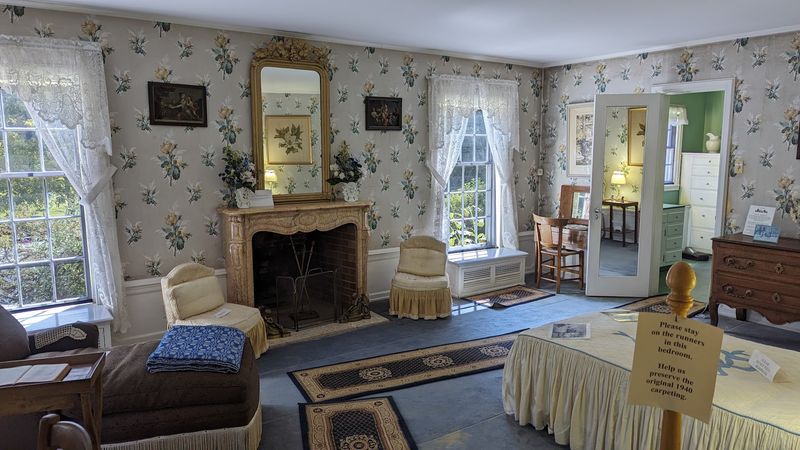
Guided tours of the Big House run seasonally and are worth booking in advance, especially during peak fall weekends when the property is at its most scenic.
Entry to the park itself is free, though the Big House tours and some special events carry a small fee. Comfortable walking shoes are strongly recommended — the terrain between the barns, gardens, trails, and historic buildings involves a fair amount of uneven ground.
A light jacket is smart even in warmer months, since the open fields can be breezy.
Many visitors pair Malabar with a stop at nearby Mohican State Park, which is only about 15 miles away and offers hiking, waterfalls, and campgrounds for those who want to extend the trip overnight. Spring and fall offer the best combination of comfortable weather and visual beauty, but summer events and winter maple season have their own appeal.
Bring a picnic if you can — the farm’s open grounds are perfect for a slow afternoon meal between exploring. It’s the kind of day trip Ohio doesn’t always get credit for.