Peter Wentz Farmstead in Lansdale feels like the kind of place where history still has chores to do. One minute you are walking past sheep, gardens, and stone outbuildings, and the next you are standing near rooms connected to George Washington’s 1777 military planning.
This preserved Montgomery County museum makes the American Revolution, Pennsylvania German farming, and everyday colonial life feel personal instead of distant. If you want a day trip that mixes quiet countryside, real history, and hands-on seasonal experiences, this farmstead deserves a closer look.
Start With the 1758 Georgian Farmhouse
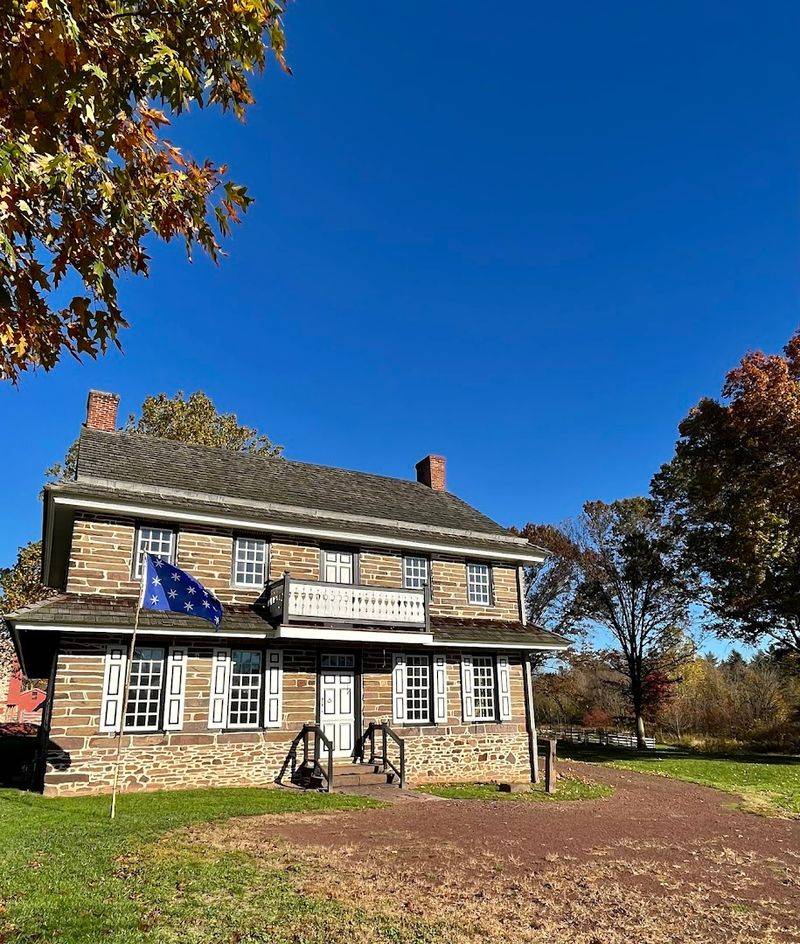
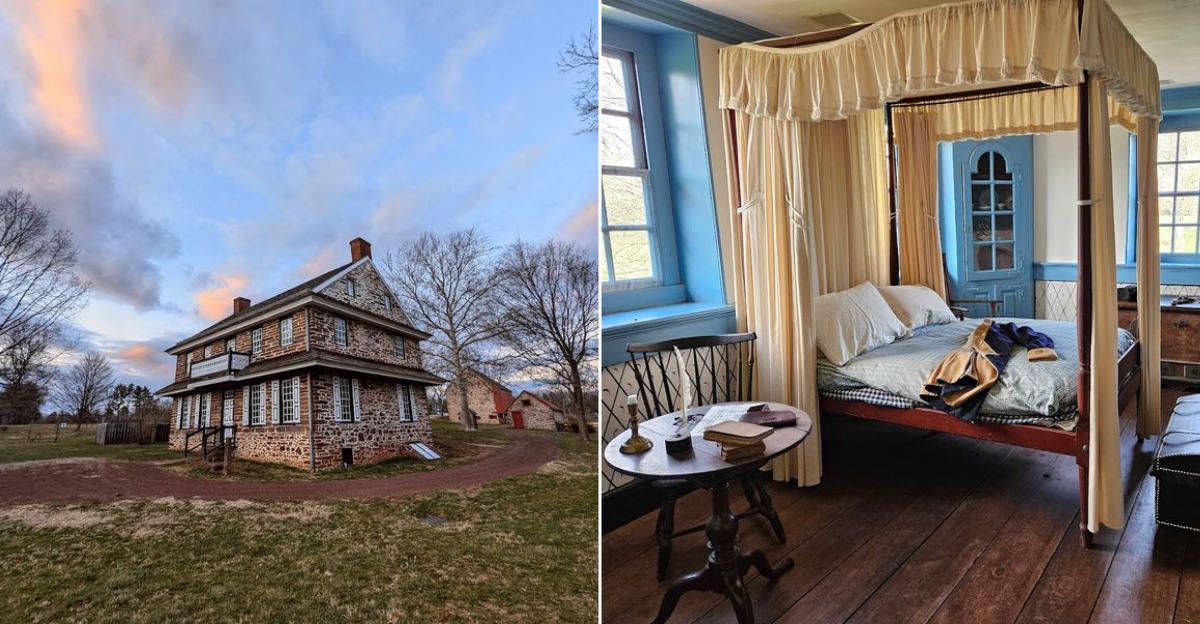
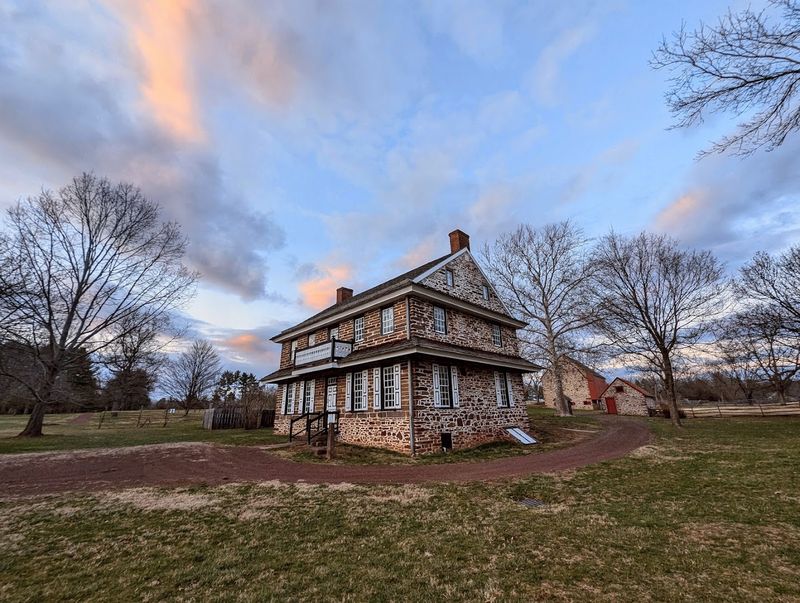
The heart of Peter Wentz Farmstead is the 1758 Georgian-style farmhouse, and this is where your visit should begin. Built by Peter and Rosanna Wentz, the house shows how a prosperous Pennsylvania German farming family could blend practical country life with refined architectural taste.
You notice the dressed red shale and sandstone front first, because it gives the home a more formal face than the rougher stonework elsewhere. Inside, guided interpretation often focuses on room use, family life, furnishings, foodways, and the social standing that made this farm different from a simple frontier cabin.
The house has a central passage plan, multiple rooms on two floors, an attic, and a cellar with a spring trough. Those details help you picture a working household where storage, cooking, sleeping, business, and hospitality all overlapped in carefully managed spaces.
What makes the house especially compelling is how intact the story feels. You are not just admiring old walls, you are stepping into a preserved setting where family ambition, colonial labor, and Revolutionary War decisions all met under one roof.
Stand Where George Washington Used the Farm as Headquarters
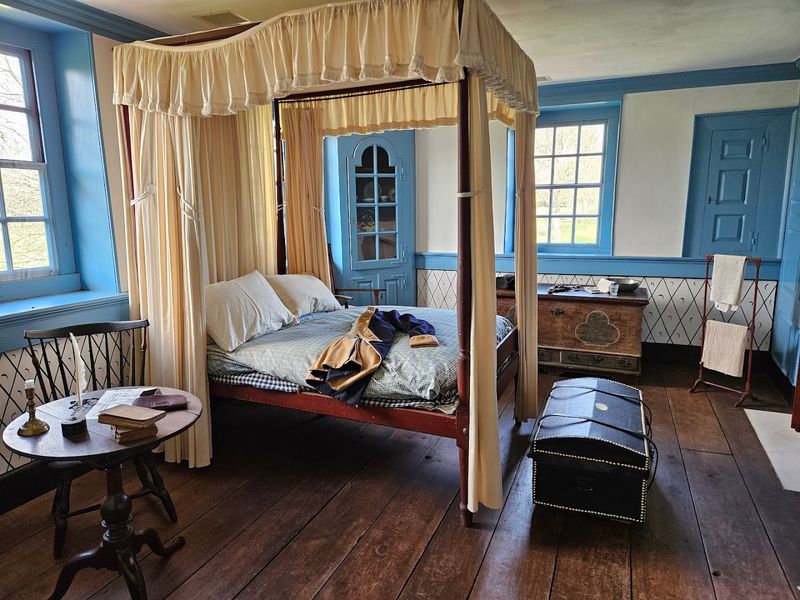
Peter Wentz Farmstead is best known for its connection to George Washington, who used the property as headquarters around the Battle of Germantown in October 1777. That fact changes the way you experience the house, because the rooms suddenly feel tied to decisions that shaped the Philadelphia Campaign.
Washington stayed here before and after the battle, while his army positioned itself in the surrounding Montgomery County countryside. His military family, aides, servants, personal guard, and officers turned a private farm into a temporary command center during one of the Revolution’s tense autumn moments.
Guides often explain that Washington’s army was camped nearby, close enough to pressure British forces occupying Philadelphia and Germantown. When you hear that context inside an original eighteenth-century setting, the war stops feeling like a textbook map and starts feeling like people moving through barns, roads, kitchens, and fields.
The appeal is not that Washington slept here as a simple trivia point. It is that you can stand inside a civilian home that briefly became part of a military network, where strategy, uncertainty, and ordinary farm life collided.
Follow the Story of Peter and Rosanna Wentz
Before Washington arrived, Peter Wentz Farmstead was first a family story, and that makes the site easier to connect with. Peter and Rosanna Wentz were first-generation Americans whose farm grew from inherited land into one of the more impressive agricultural properties in eighteenth-century Worcester Township.
The couple had seven children, and the house they built in 1758 reflected both prosperity and rootedness. You can imagine the household rhythms of child care, food preservation, worship, seasonal planting, hired help, animal care, and the constant work required to keep a large farm productive.
Learning about the Wentzes also helps you understand Pennsylvania German culture beyond stereotypes. Their world included practical farming knowledge, distinctive architecture, multilingual communities, strong family networks, and a desire to create permanence in a colony where land meant opportunity and responsibility.
This part of the visit gives the farmstead emotional weight. The famous Washington connection may pull you in, but the Wentz family story reminds you that history is also made by households building futures, raising children, managing land, and leaving traces for visitors centuries later.
Explore the Reconstructed Outbuildings and Farmyard
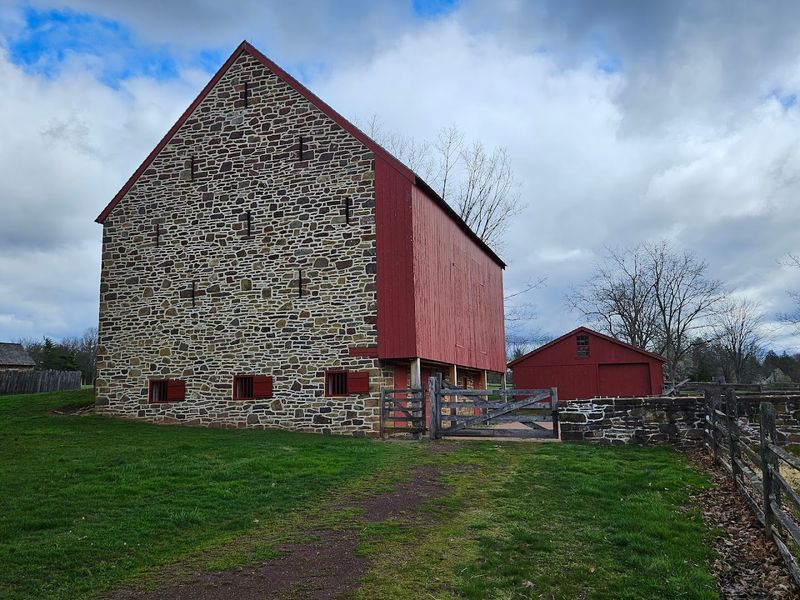
The outbuildings at Peter Wentz Farmstead are essential because they show that an eighteenth-century farm was really a network of specialized work spaces. Around the main house, you find structures interpreted as a smokehouse, woodshed, privy, ice house, barn, chicken house, sheepfold, and related farm features.
Each building answers a practical question about survival and comfort before modern utilities. Where did families preserve meat, store fuel, manage animals, keep food cool, handle waste, repair tools, and organize the endless material life of a productive farm?
Walking through the farmyard helps you see colonial life as systems, not scenery. The smokehouse speaks to preservation, the barn to harvests and livestock, the ice house to seasonal planning, and the chicken house to the daily economy of eggs, feathers, and meat.
This is especially useful if you visit with kids or anyone who learns best by seeing real spaces. Instead of hearing vague statements about hard work, you can point to the buildings and understand how every chore had a location, purpose, and rhythm.
Meet the Farm Animals That Keep the Site Alive
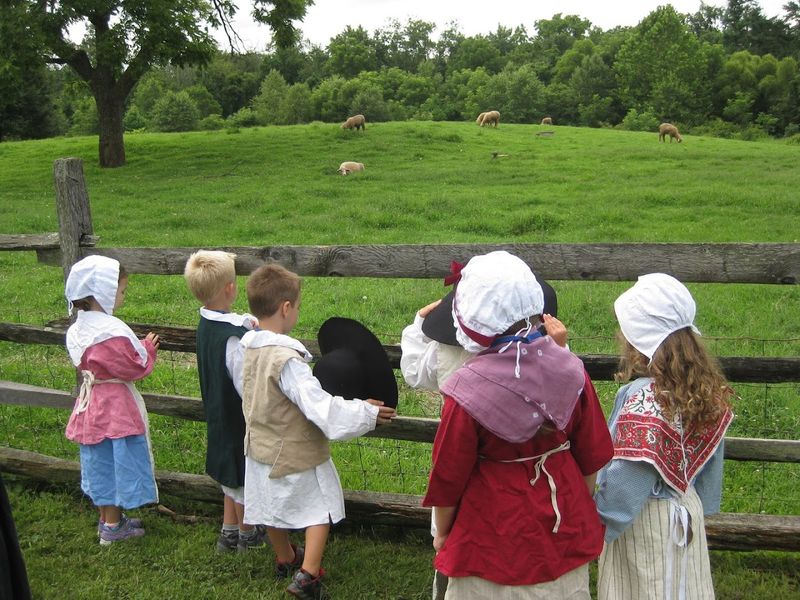
One of the most charming parts of Peter Wentz Farmstead is that it still feels alive with animals. Sheep, cows, and chickens help visitors understand that this is not only a preserved house museum, but a farm landscape where animal care remains central to interpretation.
The animals are especially helpful for families, because they make the visit instantly approachable. Children who may not be ready for military strategy or architectural details can connect with a sheepfold, a chicken pen, or cattle in the fields, then gradually absorb the larger history around them.
Livestock also reveals the economics of colonial farming. Sheep provided wool, cows supplied milk and labor-related value, and chickens supported the household with eggs and meat, while manure, feed, fencing, and shelter tied the animals to every other part of farm management.
Visitors often remember the peaceful feel of the grounds as much as the formal tour. Seeing animals against the backdrop of old stone buildings gives the farmstead texture, reminding you that history here was noisy, muddy, seasonal, and deeply connected to daily care.
Take a Guided Tour or Use the Audio Tour
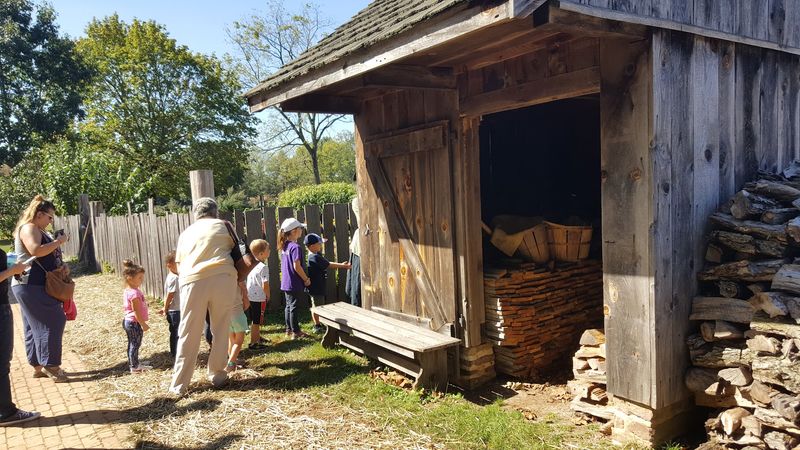
A guided tour is one of the best ways to experience Peter Wentz Farmstead, because the site rewards context. The buildings are beautiful on their own, but a knowledgeable guide can connect architecture, family history, farming practices, and Revolutionary War events into one understandable story.
Many visitors praise the staff and volunteers for being friendly, enthusiastic, and genuinely passionate about history. That matters, because a good guide does more than recite dates, they help you notice small details and encourage questions that make the visit feel personal.
If you arrive outside a scheduled tour or prefer a flexible pace, the audio tour can still add depth. It gives you structure while allowing time to linger by the farmyard, compare building materials, or revisit the Washington story without feeling rushed.
Because access to the house can depend on tour availability, it is smart to check current hours and programs before going. The museum is typically open Tuesday through Saturday from 10 AM to 4 PM and Sunday from 1 PM to 4 PM.
Plan Around Seasonal Living History Events
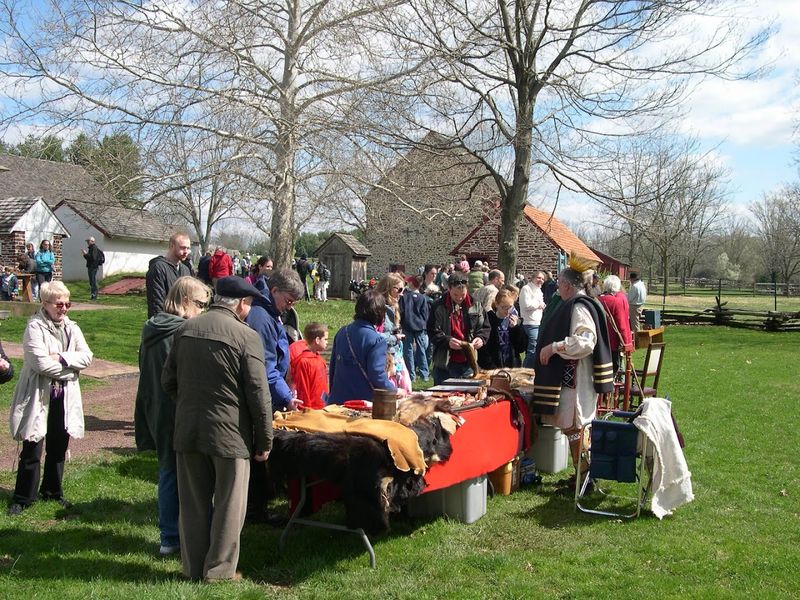
Peter Wentz Farmstead becomes especially memorable during seasonal living history events, when the farm’s work comes back into motion. Programs have included sheep shearing, apple cider pressing, sauerkraut making, candlelight tours, craft demonstrations, and Revolutionary War related interpretation.
These events help you understand history through sound, smell, and movement. Watching wool come off a sheep, apples turn into cider, or cabbage become sauerkraut makes colonial foodways and labor feel much more real than reading a display panel.
Special programs are also a good choice if you are bringing children or visiting with someone who prefers hands-on experiences. Demonstrators and volunteers often explain tools, answer questions, and make the farm feel like a community gathering rather than a quiet museum stop.
Because event schedules change by season, the farmstead’s official Montgomery County website is the best place to check before you plan. If your timing is flexible, choosing a demonstration day can turn a pleasant historic visit into a full, memorable afternoon.
Enjoy the Grounds, Gardens, and Peaceful Walks
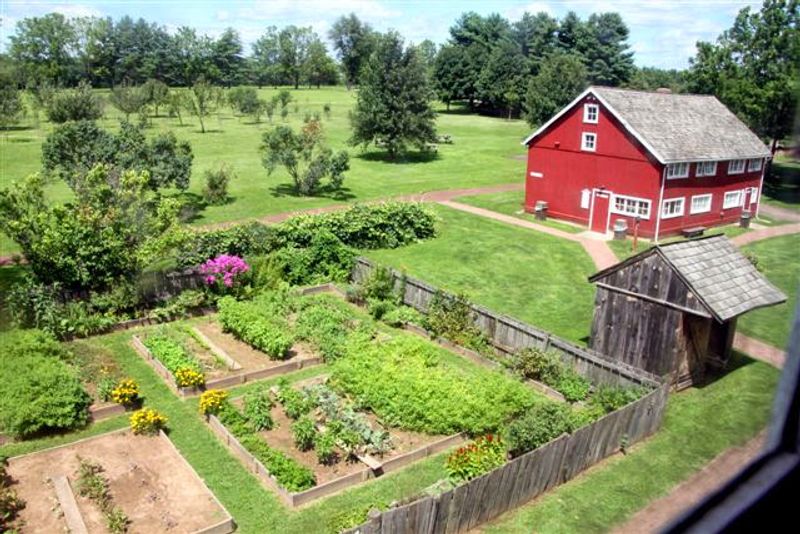
Even if you are not taking a house tour, the grounds at Peter Wentz Farmstead are worth your time. The property has a calm, open quality that makes it feel like a small countryside retreat tucked into Montgomery County near Lansdale.
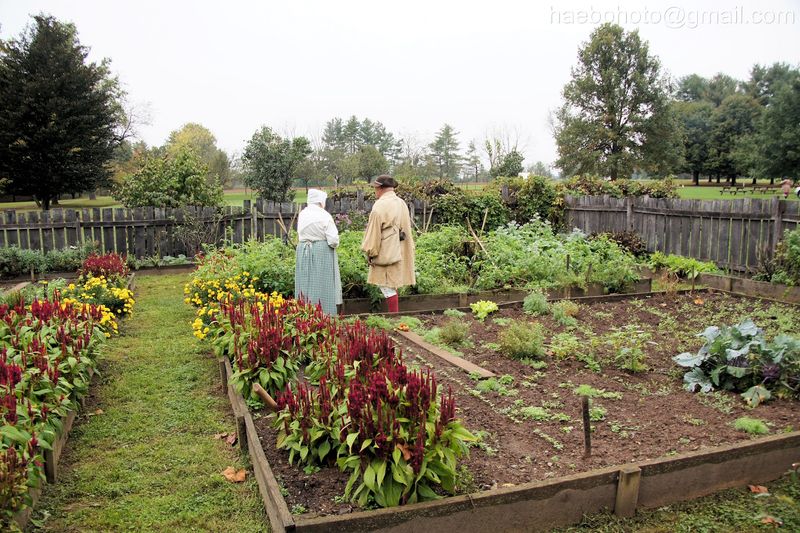
Visitors often mention the beauty of the land, the flowers, the old buildings, and the relaxing pace of walking around the farm. You can move from views of the farmhouse to barns, animal areas, gardens, and fields while imagining how the landscape supported generations of work.
The grounds are also useful when you want a low-pressure outing. You might bring a picnic to the pavilion area when available, take photos, let children observe the animals, or simply slow down and enjoy the contrast between historic stonework and green pasture.
Because this is a historic site, respectful walking matters. Stay in public areas, watch for posted guidance, and remember that the peaceful scenery is part of a carefully preserved museum landscape connected to both local farming and national history.
Use the Visitor Center as Your Practical Starting Point
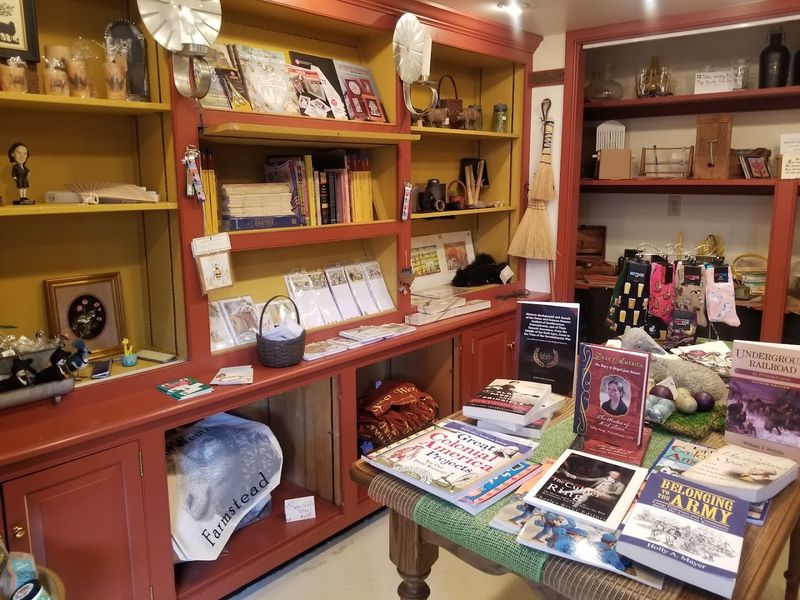
The visitor center is the practical anchor for a trip to Peter Wentz Farmstead. Housed in a converted historic poultry building, it gives you a place to orient yourself before heading into the farmhouse, farmyard, and surrounding grounds.
This is where you can ask about tour times, current access, special programs, restrooms, and any seasonal details that might affect your visit. Staff recommendations can be especially helpful if you want to connect the farmstead with other historic sites in Montgomery County.
The gift shop area may also offer small reminders of the site, local history materials, or family-friendly items depending on current offerings. More importantly, the visitor center creates a bridge between modern comfort and the older landscape you are about to explore.
It is worth calling ahead at 610-584-5104 or checking the official website before you go, especially if seeing the house interior is your priority. Peter Wentz Farmstead is a museum with scheduled hours, and planning ahead helps you avoid arriving when tours are limited.
Connect the Farmstead to the Larger Philadelphia Campaign
Peter Wentz Farmstead makes the most sense when you connect it to the larger Philadelphia Campaign of 1777. Washington’s presence here was not random, it reflected the strategic geography of Montgomery County during British occupation of Philadelphia and nearby Germantown.
The farm sat within a landscape of roads, farms, hills, and encampments that shaped military movement. Washington’s army positioned itself in the region, using local properties and terrain while watching British actions and preparing for opportunities to strike or reposition.
Understanding this context adds depth to every quiet corner of the site. A peaceful field can represent supply concerns, a farmhouse room can become headquarters space, and a road beyond the property can suggest messengers, guards, officers, wagons, and soldiers moving under pressure.
This final layer is what makes Peter Wentz Farmstead more than a charming historic farm. It lets you see how ordinary civilian places were drawn into revolutionary events, and how a preserved Lansdale-area museum can still explain national history through one carefully protected Pennsylvania landscape.