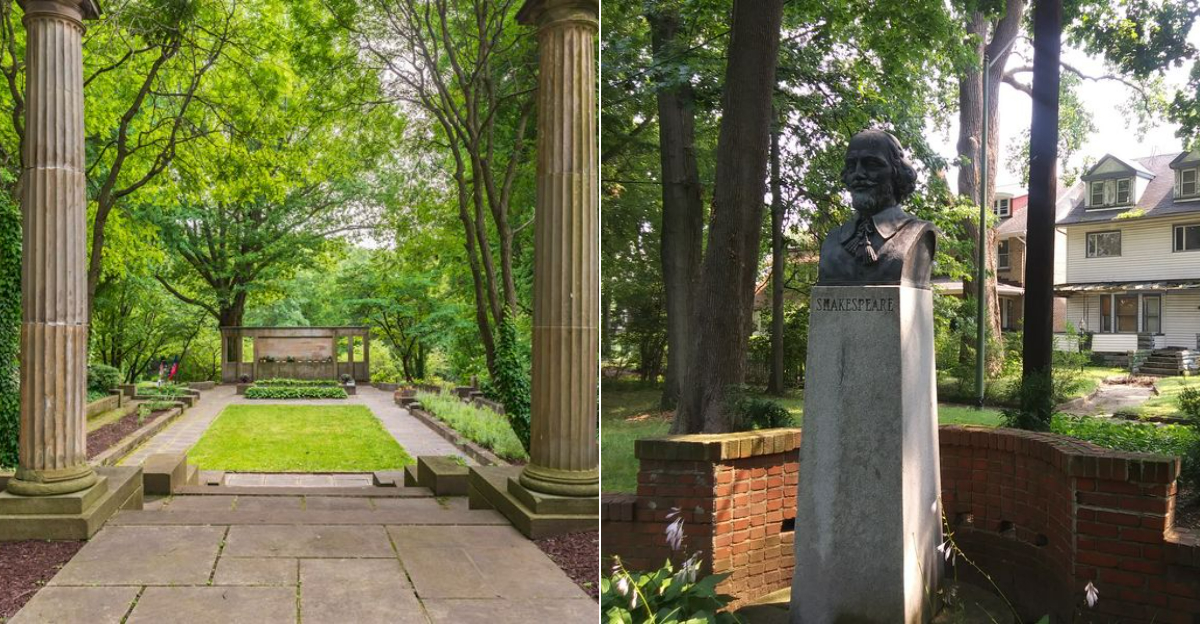
In Cleveland, one park lets you wander from ancient Greece to India, China, Italy, Ukraine, and beyond without leaving Ohio. The Cleveland Cultural Gardens stretch through Rockefeller Park like an open-air atlas, blending monuments, flowers, fountains, and community memory into one surprisingly moving walk.
It is peaceful enough for a slow afternoon, but layered enough that every statue and pathway feels like it is trying to tell you something. If you love places that are beautiful, educational, and a little unexpected, this is one Cleveland landmark worth lingering over.
One Park, Dozens of Cultures
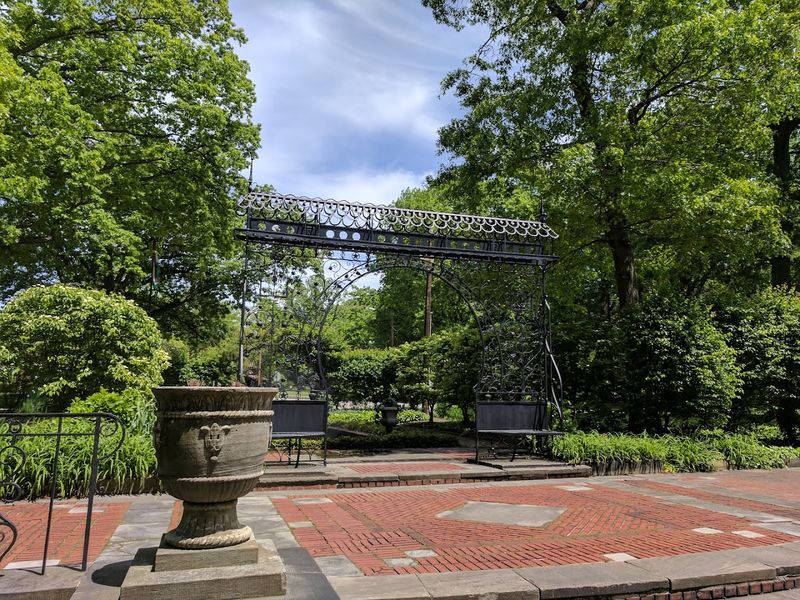
The Cleveland Cultural Gardens are not a single garden in the usual sense. They are a chain of cultural landscapes spread through Rockefeller Park, a 276-acre green corridor in Cleveland, with developed gardens representing communities from around the world.
What makes the place feel unusual is the way you move through it. Along East Boulevard and Martin Luther King Jr. Drive, you can walk or drive past one heritage site after another, almost like turning pages in a living neighborhood history book.
Some gardens are formal, with stone walls and grand staircases, while others feel quiet, leafy, and personal. You notice how Cleveland’s immigrant and ethnic communities shaped the city, not as an abstract lesson, but through fountains, plaques, statues, flowers, and carefully chosen symbols.
It is free, public, and surprisingly reflective. You may arrive expecting a park, then leave feeling like you crossed continents in an afternoon.
The History Hidden In The Stonework
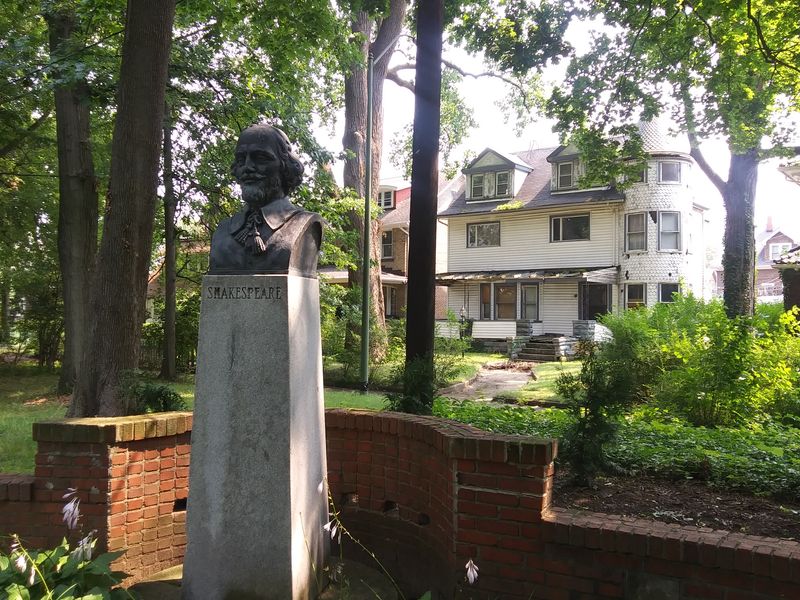
The story begins in 1916, when the Shakespeare Garden, now associated with the British Garden, was created in Rockefeller Park. That first planting helped inspire a much bigger idea: a series of gardens honoring the many communities that called Cleveland home.
Journalist Leo Weidenthal became one of the driving voices behind the concept, and the Cultural Garden League eventually helped organize the growing collection. The Hebrew Cultural Garden, dedicated in 1926, became the first official member garden in the federation.
What I find most meaningful is that many gardens were not simply imposed by planners. Communities raised money, volunteered, designed details, and added names of thinkers, artists, reformers, and leaders who mattered to them.
During the 1930s and 1940s, Works Progress Administration crews also helped build stonework that still gives the park its old-world permanence. So when you touch a wall or climb a staircase, you are touching civic history.
Greek Garden And A Pocket-Sized Acropolis
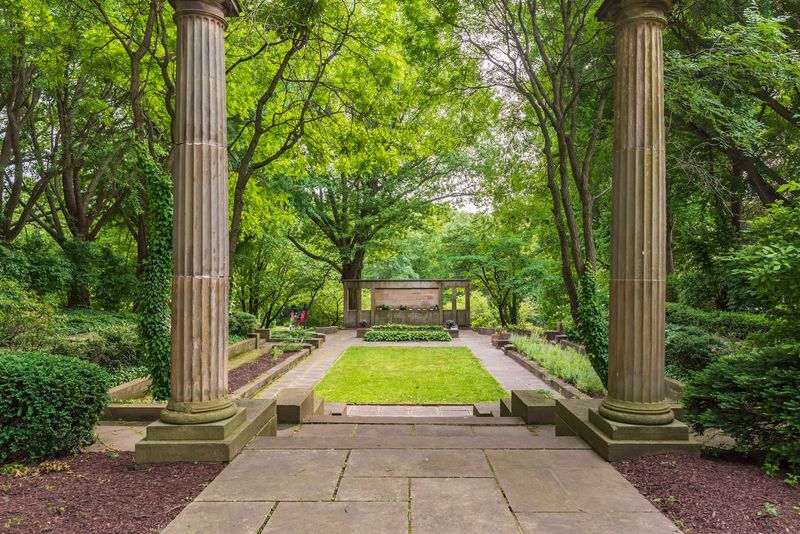
The Greek Cultural Garden feels almost theatrical, in the best way. Dedicated in 1940, it borrows inspiration from the Acropolis, with Doric columns at the entrance and a strong sense of symmetry that immediately shifts your mood.
Its Parthenon Wall is inscribed with names that read like a crash course in civilization: Socrates, Homer, Plato, Aristotle, Archimedes, and many more. A reflecting pool adds stillness, suggesting clarity and purity while giving the stonework a graceful foreground.
The garden is especially satisfying if you like spaces that make learning feel physical. You do not just read about Greek philosophy or science here, you walk between carved references to people whose ideas still shape classrooms, courts, theaters, and libraries.
There is something pleasantly strange about contemplating ancient Athens while traffic passes nearby in Cleveland. That contrast makes the garden memorable: serious, elegant, but never sealed off from real city life.
Hebrew Garden Of Memory, Wisdom, And Welcome
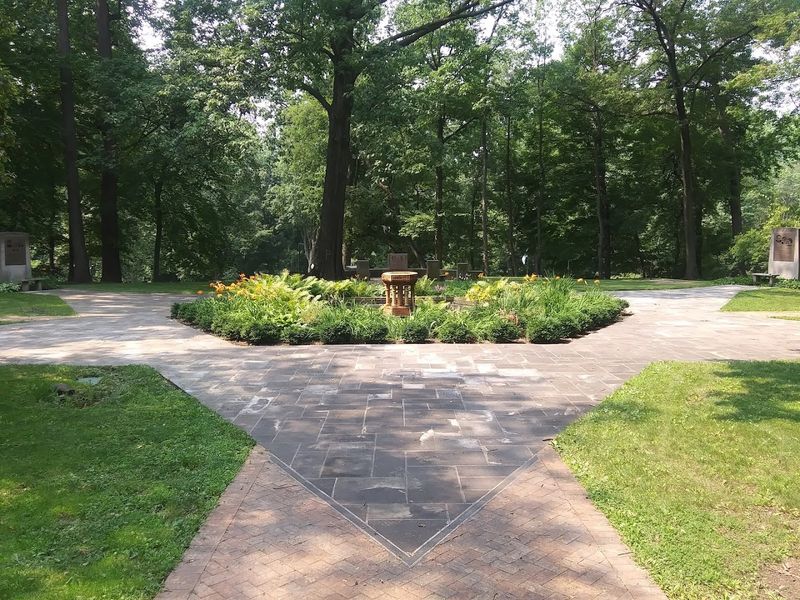
The Hebrew Cultural Garden, dedicated in 1926, carries a special gravity because it was the first official garden in the Cleveland Cultural Gardens Federation. Designed by T.
Ashburton Tripp, it uses a hexagonal Star of David layout that turns the landscape itself into symbolism.
At the center sits a hexagonal pool with a pink Georgia marble fountain supported by seven pillars. The design references the verse from Proverbs about wisdom building her house and hewing out seven pillars, giving the space a deeply layered spiritual rhythm.
Stone tablets honor thinkers such as Moses Maimonides, Baruch Spinoza, and Moses Mendelssohn, while a plaque includes Emma Lazarus’ famous words from the Statue of Liberty. That combination of scholarship, faith, migration, and welcome feels especially powerful in a city shaped by newcomers.
This is not a garden you rush. It invites you to stand still, read closely, and feel how memory can be both tender and strong.
Italian Garden With Piazza Energy
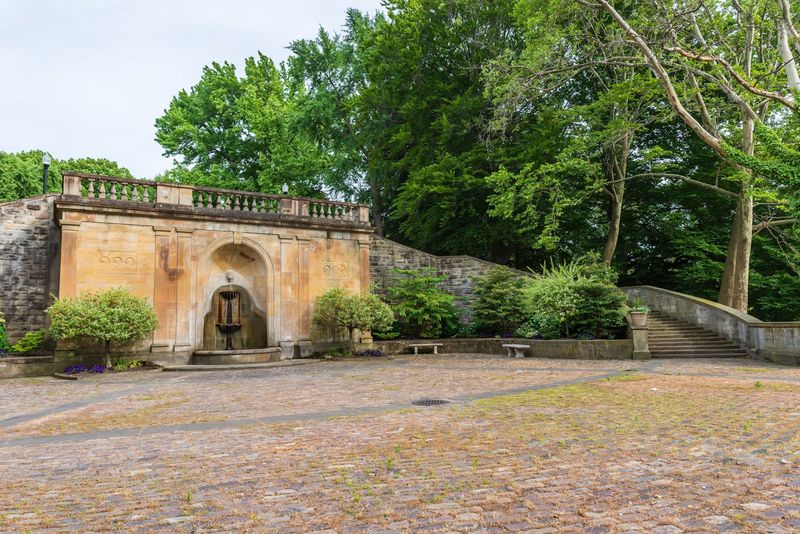
The Italian Cultural Garden may be one of the easiest places in the park to imagine as a stage. Dedicated in 1930, it was designed with Renaissance influence, using broad walkways, balustrades, benches, and stone staircases that pull your eye downward.
On the upper level, a large fountain modeled after one at the Villa Medici in Rome anchors the central piazza. Below, another Renaissance-style fountain and amphitheater space create a layered setting that feels built for music, conversation, and warm evenings.
Figures honored here include Dante, Virgil, Michelangelo, Leonardo da Vinci, Verdi, Giotto, Petrarch, and Marconi. Instead of presenting Italy as one simple idea, the garden stacks art, poetry, invention, opera, and civic beauty together.
Listen for the water if the fountains are running. Combined with stone steps and shade, it creates one of the most sensory corners of the Cleveland Cultural Gardens, cool, formal, and quietly romantic.
Ukrainian Garden With Present-Day Heartbeat
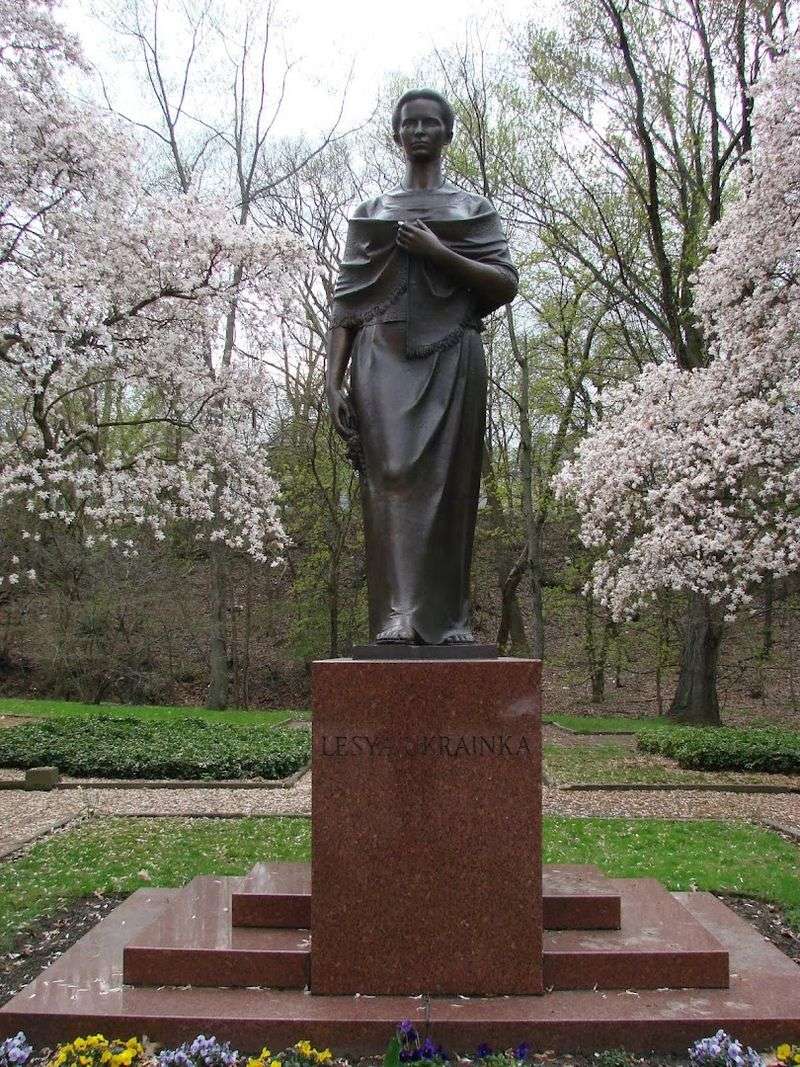
The Ukrainian Cultural Garden was established in 1940, but it does not feel trapped in the past. Because Cleveland has long had a significant Ukrainian community, the garden reads as both a heritage marker and a living gathering point.
Its monuments, inscriptions, and traditional motifs speak to national identity, language, resilience, and cultural pride. Since Russia’s 2022 invasion of Ukraine, many visitors have experienced this space with added emotion, noticing flowers, flags, or signs of care left by community members.
That is one of the most important things to understand about the Cleveland Cultural Gardens. They are not just pretty themed landscapes; they can become places where global events and local families meet in public view.
The Ukrainian Garden asks you to think about homeland from a distance. It also sits within a park dedicated to many identities, quietly suggesting that memory, grief, pride, and hope can share the same path.
Chinese Garden And A Shift In Visual Language
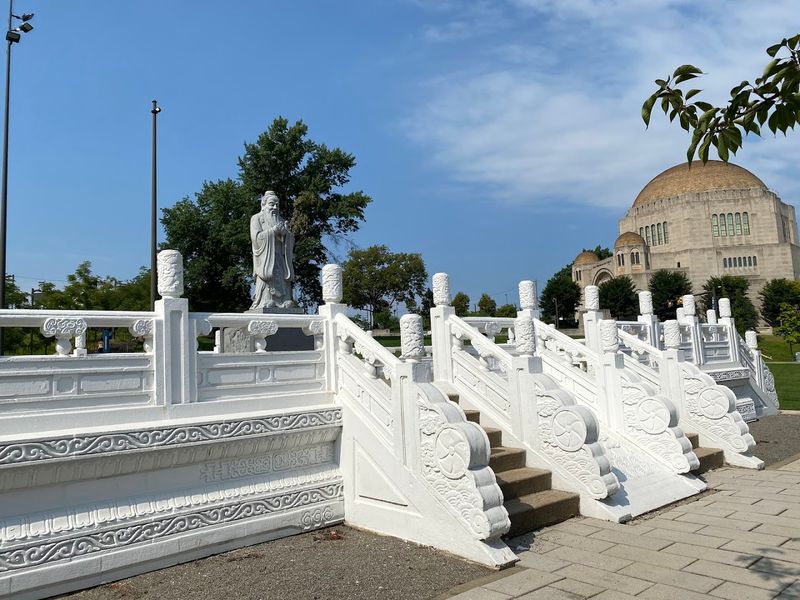
The Chinese Cultural Garden changes the visual rhythm of the park almost immediately. Established in 1985 as a gift from Taipei and its business community, it was modeled with references to Chinese imperial architecture and harmony with nature.
You see white marble railings, stone paths, carved dragons, and a striking granite statue of Confucius weighing thousands of pounds. The dragons at the pavilion entrance symbolize strength and wisdom, while Confucius brings the garden’s philosophical purpose into focus.
This garden feels especially rewarding because it interrupts any assumption that the Cultural Gardens follow one European template. Curves, carvings, symbolic plantings, and architectural details create a different language of balance, respect, and contemplation.
Take a moment here to slow down and look at edges: rooflines, railings, pathways, and stone surfaces. The details reward patient looking, and they remind you that design can express values as clearly as words.
African American Garden And The Park Still Evolving
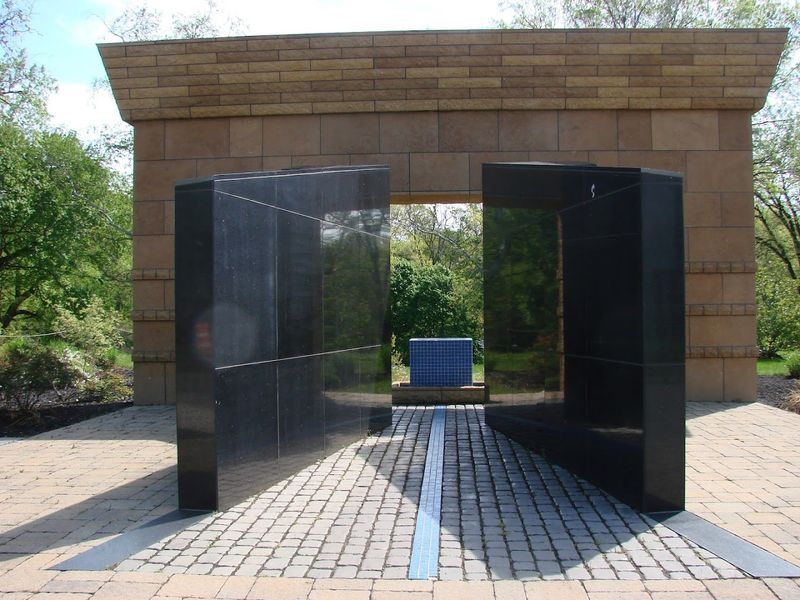
The African American Cultural Garden is essential because it shows that the Cleveland Cultural Gardens are still changing. Added in 1977, it broadened the park’s story by honoring Black Americans’ contributions to Cleveland, the nation, and the wider cultural landscape.
In 2023, it was recognized as part of the Cleveland Civil Rights Trail, a fitting distinction for the first garden in the system representing a community of color. That recognition helps visitors understand the garden as both cultural space and civil rights landmark.
Its art, open green areas, and symbolic design connect African roots with the Black American experience. The result feels different from some older gardens, less like a classical monument collection and more like an ongoing statement about presence, struggle, creativity, and belonging.
I like that this garden complicates the park in a necessary way. It reminds you that multicultural memory should not be frozen, and that new voices can reshape a historic landscape.
India Garden Where Symbols Bloom
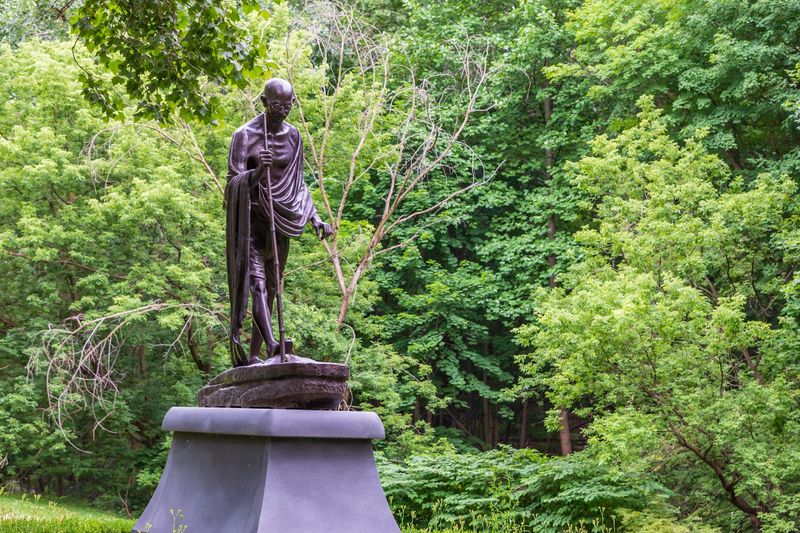
The India Cultural Garden, dedicated in 2005, brings color, language, philosophy, and symbolism into a carefully composed space. At the entrance, inscriptions welcome visitors in 15 major Indian languages plus English, which immediately sets a generous tone.
The central feature is a 10-foot bronze statue of Mahatma Gandhi on a seven-foot granite pedestal. One detail that always feels powerful is the location: Cleveland is noted for having a Gandhi statue on a street named for Martin Luther King Jr., linking two global voices of nonviolence.
A circular walkway and six granite pillars explore themes including Universal Brotherhood, Legacy, Artistic Traditions, Leadership, Modern India, and Connections. Lotus imagery, India’s national flower, appears as more than decoration; it represents purity, renewal, and cultural continuity.
This garden rewards anyone who likes meaning tucked into design. The plants, pathways, words, and statue all work together, turning a small landscape into a thoughtful meditation on identity and peace.
Walking The Full Loop Without Rushing
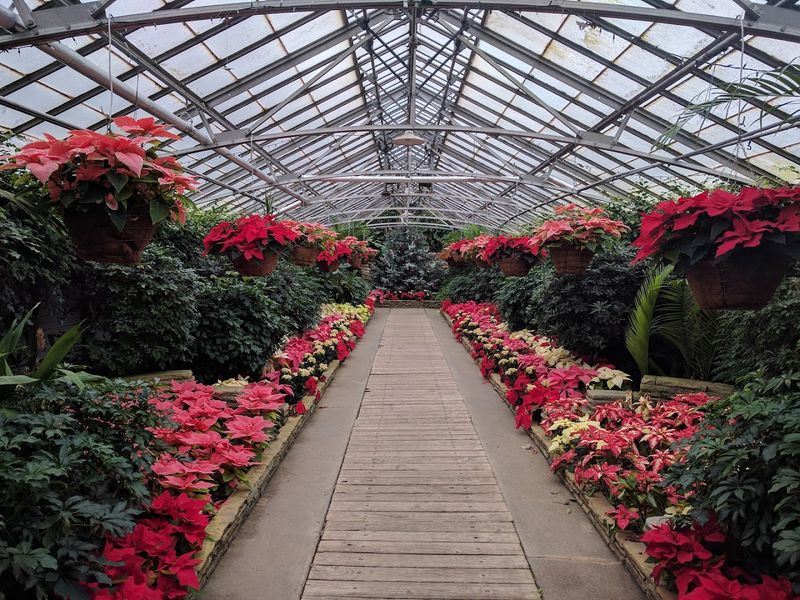
Trying to see all the gardens in one visit is possible, but you should treat it as a slow walk rather than a checklist. The full route can run a little over three miles, depending on how you cross, wander, and double back.
Some gardens sit close to street level, while others involve stairs, slopes, or upper and lower terraces. That variation makes the experience interesting, but it also means comfortable shoes, water, and a flexible plan will make your visit much better.
Signage helps, though a little research before you go adds context to the statues and inscriptions. On weekdays, the gardens can feel surprisingly uncrowded, with joggers, cyclists, photographers, and quiet walkers sharing the parkway.
The best approach is to let yourself be interrupted. A fountain sound, unfamiliar name, unusual plant, or volunteer-tended corner may pull you off your route, and those detours are often the moments you remember.
Planning A Visit Around One World Day
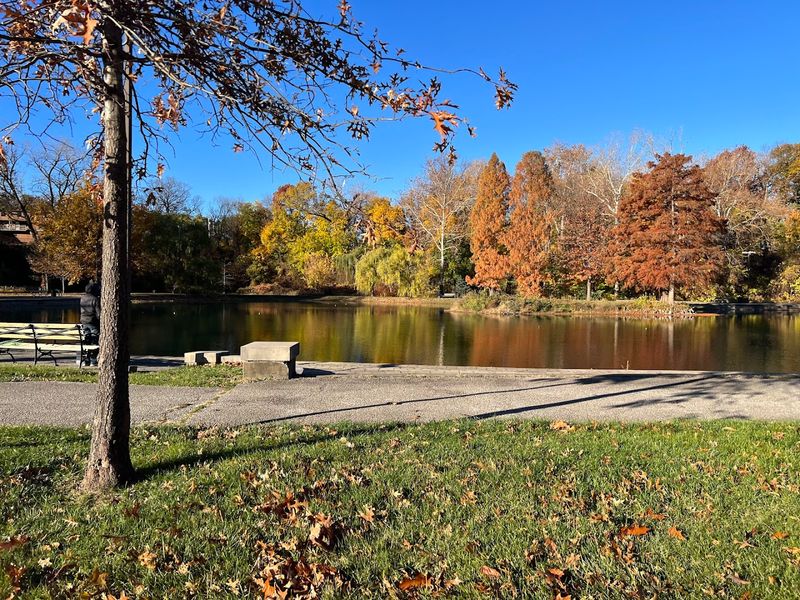
The Cleveland Cultural Gardens are located in Rockefeller Park, between University Circle and Lake Erie, along East Boulevard and Martin Luther King Jr. Drive. The listed address is Cleveland, OH 44106, and the gardens are generally open daily, with posted hours commonly running from 8 AM to 10 PM.
Spring through fall is the most comfortable time to visit because the plantings, fountains, and shaded walks feel more alive. Free street parking is often available along the parkway, though events can make traffic and parking more challenging.
If you want the gardens at their most energetic, plan around One World Day, held each summer since 1946. The festival brings a Parade of Flags, music, dance, food, and a naturalization ceremony for new U.S. citizens.
For a quieter visit, choose a weekday morning and focus on a handful of gardens instead of rushing. Either way, check the official website before you go for events, tours, and updates.