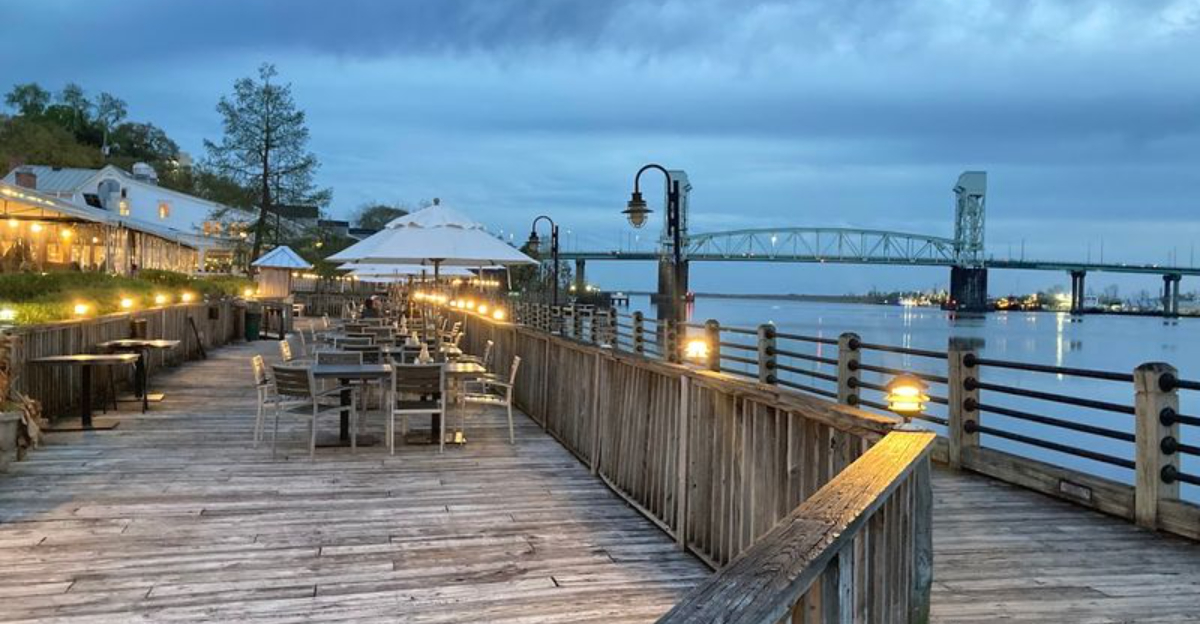
North Carolina is best understood on foot, where brick sidewalks, courthouse squares, churchyards, and waterfront streets still hold the texture of everyday life. These walking tours connect colonial ports, Revolutionary politics, Civil War scars, civil rights courage, and mill-town reinvention in a way no highway view can match.
You get the best stories when you slow down, notice the plaques, and imagine who stood on the same corner before you. Use this guide to plan walks that feel personal, practical, and rich with three centuries of state history.
Historic Edenton Walking Tour
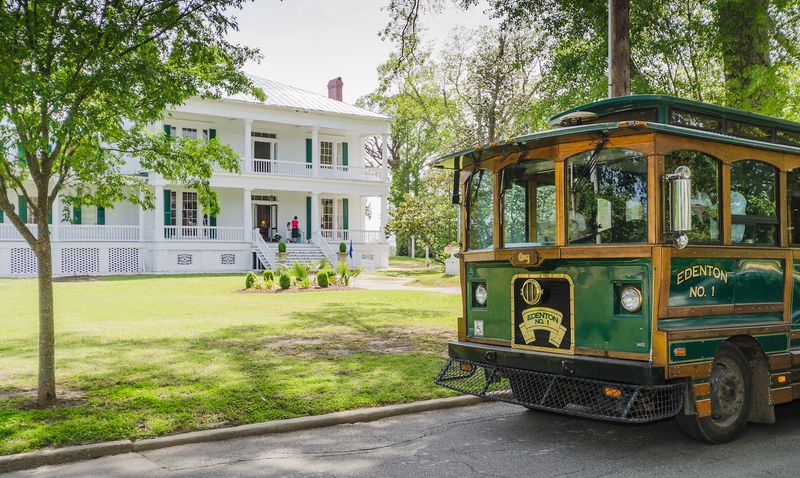
Along the Albemarle Sound, you can feel how early North Carolina balanced politics, trade, faith, and family life within a few walkable blocks. Start near the 1767 Chowan County Courthouse, then follow streets lined with clapboard homes, shaded gardens, and markers that explain why this small town mattered far beyond its size.
The pace stays gentle, which makes it ideal if you like stopping often for photos and close reading.
One of the strongest moments comes when you connect the Edenton Tea Party story to the wider American Revolution. Local women used political protest in a way that still feels sharp and organized, not decorative.
As you pass historic houses, think about who had power inside them, who labored around them, and whose stories were preserved later.
The waterfront adds atmosphere without feeling staged. Boats, porches, and church steeples help you picture a colonial port moving news, crops, and people across the region.
Give yourself at least two hours, wear comfortable shoes, and check museum hours before you go.
Old Salem Museums and Gardens Walking Tour
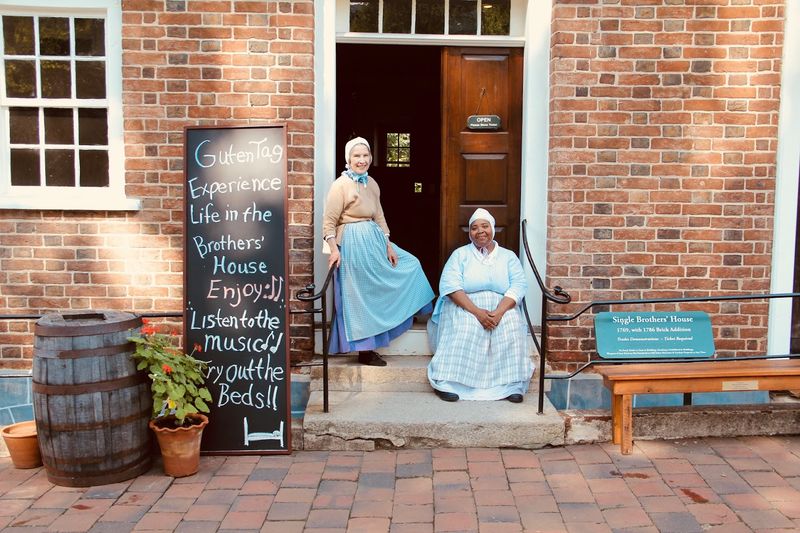
Brick sidewalks and steep roofs in Winston-Salem make this walk feel unusually immersive because the Moravian town plan still shapes the streets. Begin at the visitor area, then move slowly through houses, workshops, gardens, and public buildings that reveal how a faith community organized work, education, music, and daily routines.
You are not just looking at old buildings, you are reading a carefully planned society.
The best stops are the ones that show labor in detail. A bakery, pottery shop, or trades building can make eighteenth and nineteenth century life easier to understand than a textbook ever could.
Pay attention to the stories of enslaved and free Black residents, because they complicate the tidy look of the village in important ways.
This tour rewards curiosity, so ask interpreters specific questions about food, medicine, schooling, or gender roles. The gardens are especially useful for seeing how practical and beautiful spaces overlapped.
Plan half a day if you want museums, walking, and a relaxed coffee break nearby.
Wilmington Historic District and Riverwalk Tour
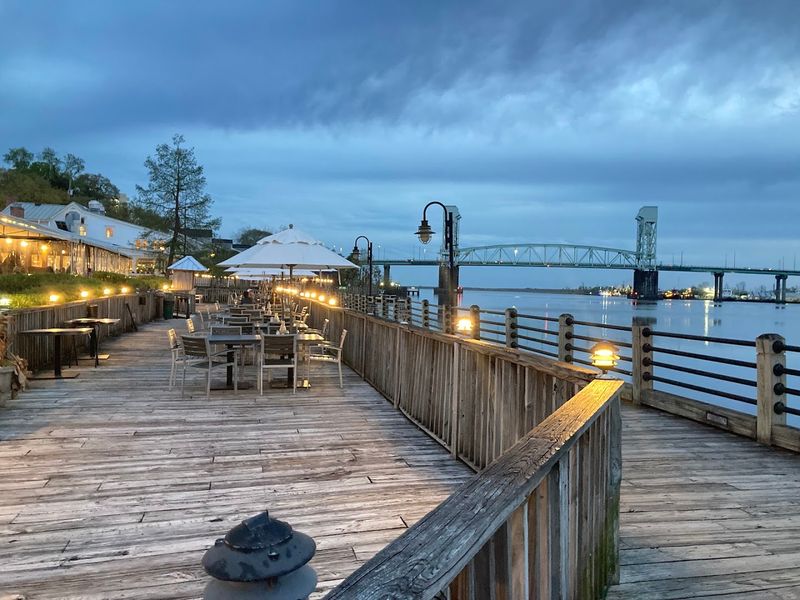
Near the Cape Fear River, Wilmington gives you layers of maritime commerce, antebellum wealth, Civil War strategy, and difficult racial history within a compact downtown. Start on the Riverwalk for a sense of the port, then move inland toward historic churches, commercial blocks, and grand homes.
The contrast between waterfront bustle and quiet residential streets helps the past feel immediate.
You will likely notice how beautiful architecture can sit beside painful history. The city was shaped by enslaved labor, blockade running, Reconstruction politics, and the 1898 coup, one of the most consequential attacks on Black political power in the United States.
A thoughtful walk should include both the polished facades and the stories that challenge them.
Guided tours are especially helpful here because context matters. If you go self-guided, read up beforehand and include markers tied to the 1898 events, not only mansion-lined streets.
Late afternoon is a good time, when the river catches light and downtown restaurants make an easy final stop.
New Bern Historic Downtown Walking Tour
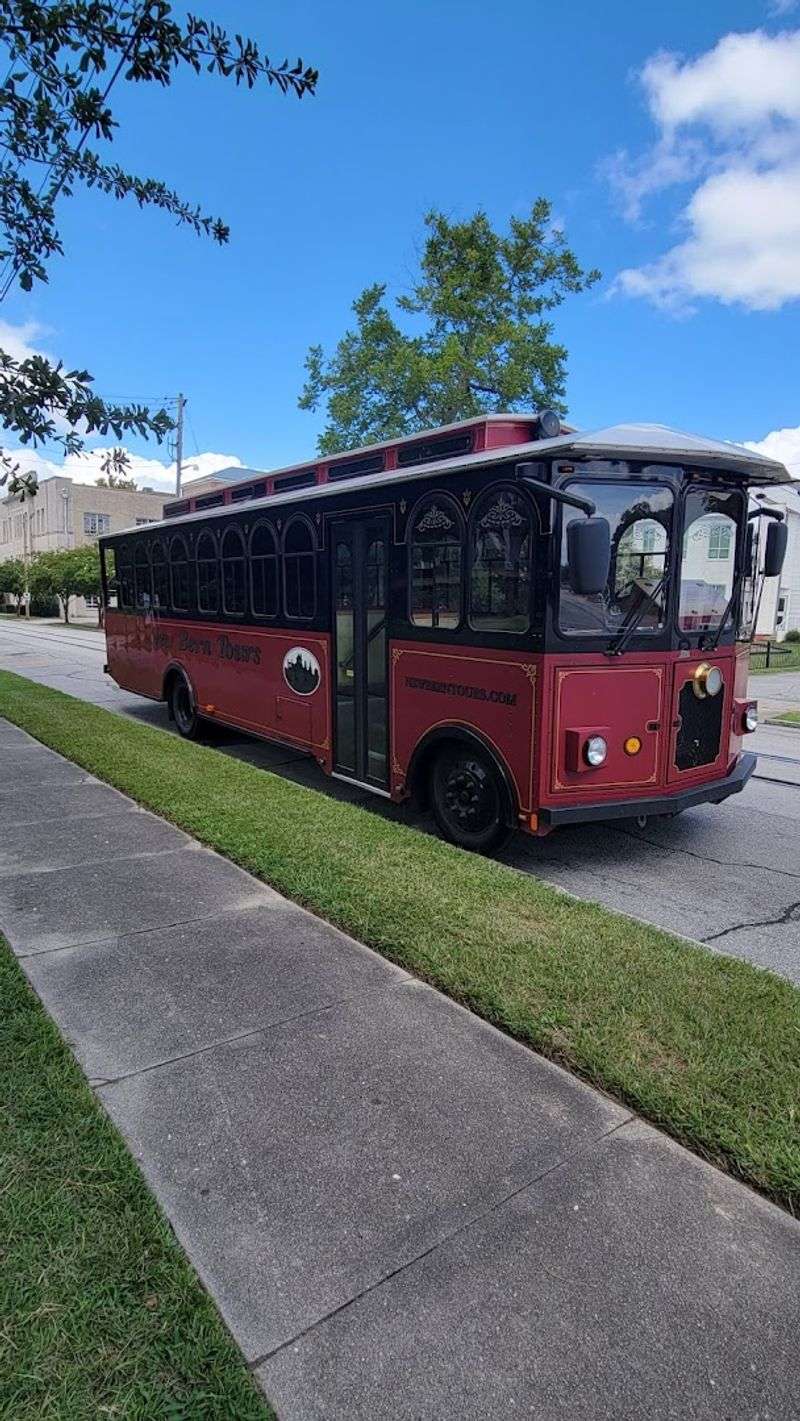
At the meeting of the Trent and Neuse rivers, New Bern tells a story of colonial ambition, political change, and waterfront resilience. Begin near Tryon Palace, then wander toward downtown streets where churches, shops, and homes show how the town grew from royal capital to modern river city.
The setting makes it easy to understand why this place became important early.
Tryon Palace naturally draws attention, but the surrounding blocks deserve equal time. You can trace stories of governors, craftspeople, merchants, soldiers, and African American communities by linking house museums with public markers.
The town’s Swiss and German roots also add a distinctive note that separates it from other coastal destinations.
Bring water, because summer humidity can slow even a short route. A guided tour helps connect colonial politics with Civil War occupation and later rebuilding, while a self-guided walk gives you flexibility for shops and river views.
The best experience mixes both: structured history first, then unhurried wandering after lunch.
Hillsborough Historic District Walking Tour
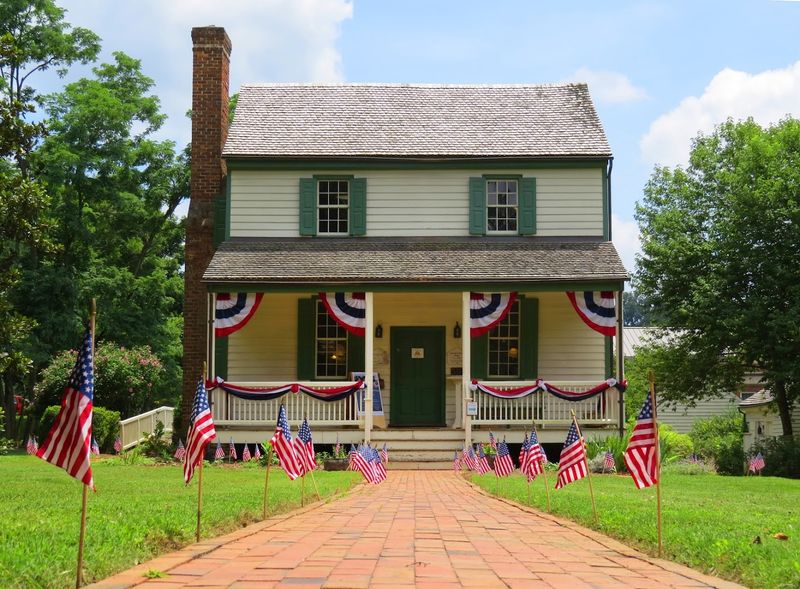
Few small towns in North Carolina pack as much political history into such a walkable setting as Hillsborough. Begin near the old courthouse area, then follow streets connected to colonial government, Revolutionary tension, literary life, and well-preserved domestic architecture.
The town feels calm now, which makes its turbulent past even more interesting.
The Regulator movement gives this walk real energy. As you stand near sites tied to taxation, courts, and public punishment, you can see why backcountry residents challenged colonial authority before the Revolution fully took shape.
Later layers, including Civil War memory and twentieth century preservation, add depth instead of replacing that earlier story.
Hillsborough works well for visitors who enjoy both history and a pleasant downtown. You can build a route around markers, historic homes, the cemetery, and a stretch near the Eno River.
Leave time for a bookstore or cafe, because this is the kind of town where lingering helps the stories settle.
Raleigh Historic Oakwood Walking Tour
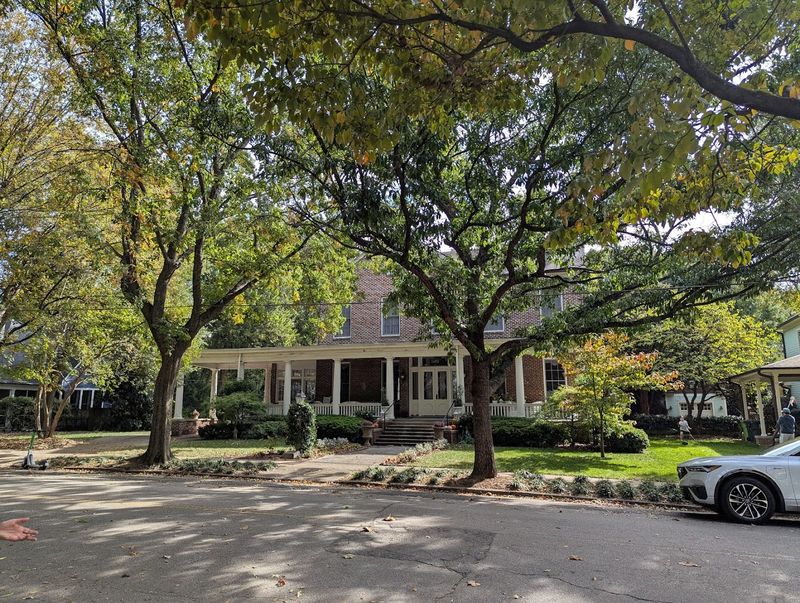
Just beyond downtown Raleigh, Historic Oakwood offers a quieter way to read the capital’s growth after the Civil War. The neighborhood’s Victorian houses, porches, gardens, and narrow streets show how professionals, politicians, craftspeople, and families shaped an expanding city.
It feels residential rather than museum-like, which makes respectful wandering especially important.
Architecture is the obvious pleasure here, but social history gives the walk more weight. You can notice how house size, decorative detail, and lot placement speak to class, ambition, and changing urban life.
Nearby Oakwood Cemetery adds another layer, with graves connected to governors, soldiers, business leaders, and ordinary residents.
A self-guided route works well, particularly if you download a historic district map before arriving. Keep to sidewalks, avoid lingering too close to private homes, and bring a camera for details like stained glass and porch trim.
Visit in spring or fall if you want comfortable temperatures and especially photogenic streets.
Asheville Urban Trail

Downtown Asheville turns local history into a sidewalk experience through sculpture, plaques, architecture, and mountain-town personality. The Urban Trail leads you across stops tied to writers, builders, musicians, civic leaders, and the city’s boom years.
Because the route is spread through active streets, you get history mixed with street music, galleries, coffee shops, and daily life.
Architecture fans get plenty to enjoy, especially Art Deco details from Asheville’s ambitious early twentieth century growth. The walk also points toward harder questions about development, displacement, and who benefited when the city became a destination.
Public art makes the information approachable, but it still rewards close attention.
Download the official map before you start, since the route can feel like a treasure hunt. Morning is comfortable and less crowded, while evening adds lively atmosphere around restaurants and venues.
Add Pack Square, the Basilica of Saint Lawrence, and nearby historic hotels if you want a fuller picture of Asheville’s layered identity.
Fayetteville Revolutionary and Civil War Walking Tour
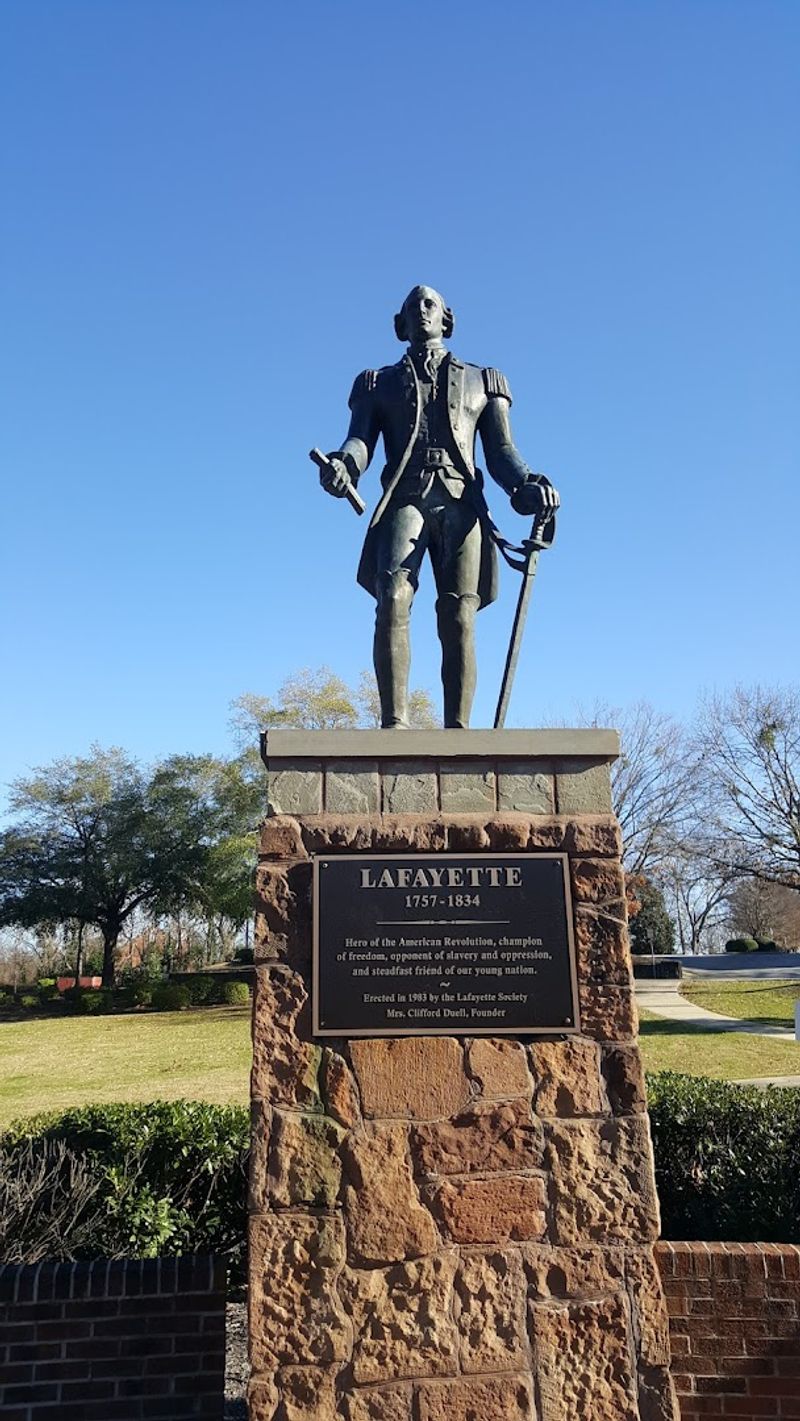
Fayetteville’s downtown walk puts you at a crossroads of military, political, and commercial history. Begin around the Market House area, then connect nearby streets to stories of early settlement, Revolutionary patriotism, trade, and the city’s long relationship with soldiers.
The setting feels especially meaningful because Fort Liberty remains part of the region’s identity today.
The Market House itself invites careful thought. It has served as a public landmark, but its history also includes slavery and civic power, so a good tour should treat it honestly rather than simply admiring the architecture.
Civil War sites add another layer, including the federal arsenal destroyed during Sherman’s campaign.
This walk benefits from preparation, because the city’s history is complex and sometimes contested. Use local interpretive resources, read plaques fully, and include museums if time allows.
Downtown restaurants and public spaces make the route convenient, but the real value comes from recognizing how national conflicts played out on specific Fayetteville streets.
Morganton Historic Downtown Walking Tour
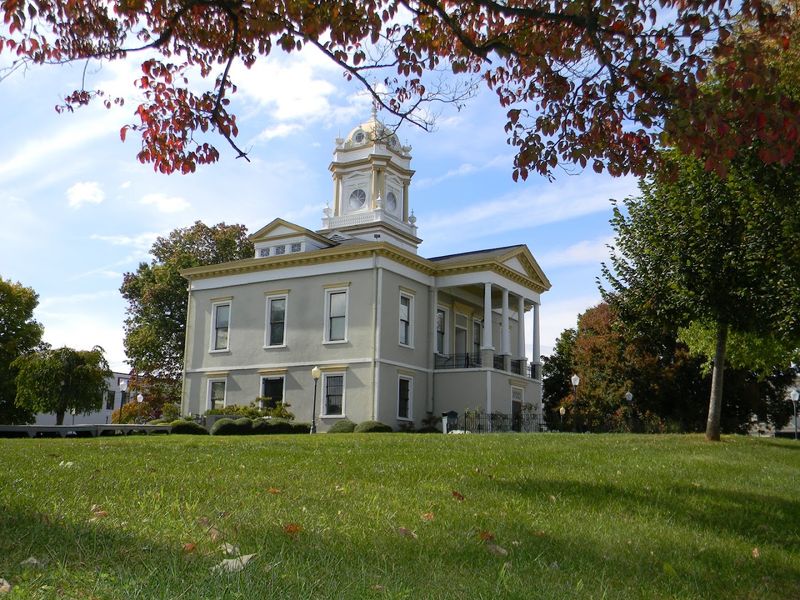
At the edge of the Blue Ridge foothills, Morganton gives you a walking tour shaped by courthouse life, mountain commerce, Indigenous history, and nineteenth century town building. Start around the historic courthouse square, then follow streets lined with brick storefronts, churches, and homes.
The mountain backdrop adds context without overwhelming the civic story.
This area invites you to think beyond a single era. Long before the town developed, Native communities lived across the Catawba River valley, and nearby sites point to much deeper history.
Later, Morganton became a regional center for law, trade, education, and institutions that influenced western North Carolina.
A good route should include downtown architecture plus markers connected to broader Burke County history. If you have time, connect the walk with nearby museums or historic sites to widen the story.
Morganton is especially pleasant in cooler months, when you can stroll, read, and then settle into a cafe without feeling rushed.
Charlotte Fourth Ward Walking Tour
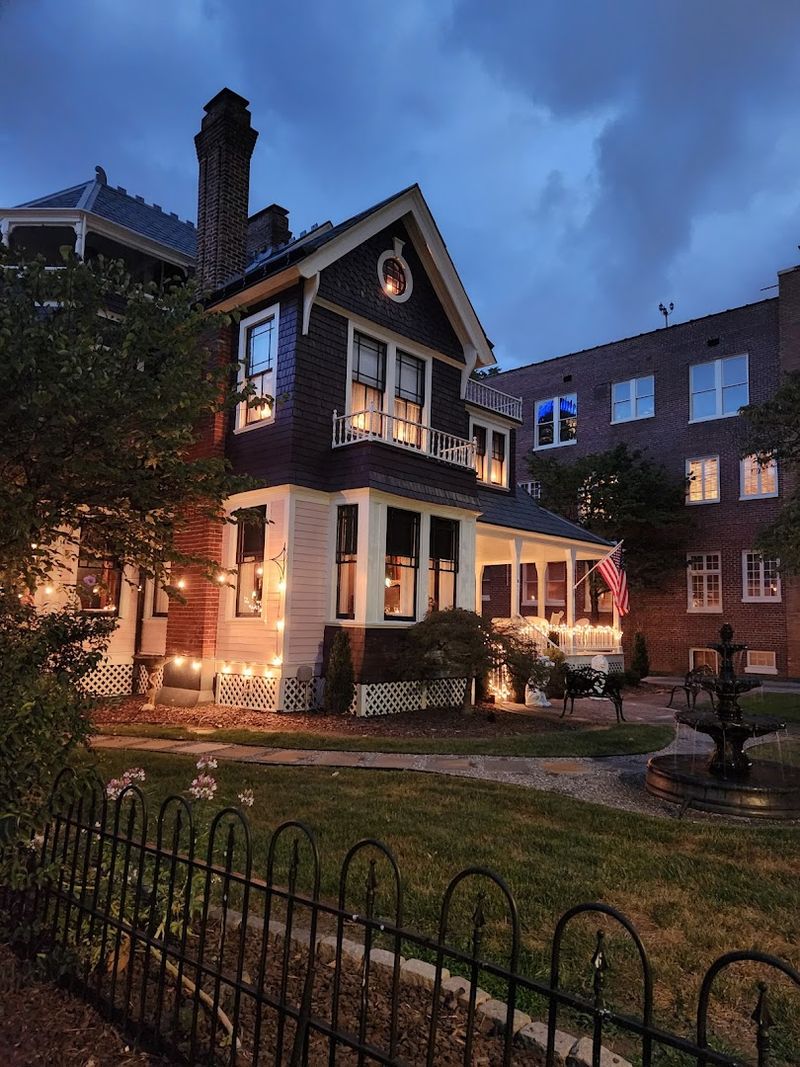
In Charlotte’s Fourth Ward, you can trace the city’s growth from a railroad crossroads into a banking capital without losing sight of its neighborhood roots. Begin near the restored Victorian homes, where porches, turrets, and pocket gardens soften the edge of the modern skyline.
As you follow the brick sidewalks, look for plaques that explain how post Civil War prosperity, preservation efforts, and urban renewal shaped these blocks. The walk feels especially rewarding because old churches, narrow lanes, and high rises share the same view.
Give yourself time to pause in Fourth Ward Park before looping back toward Tryon Street.