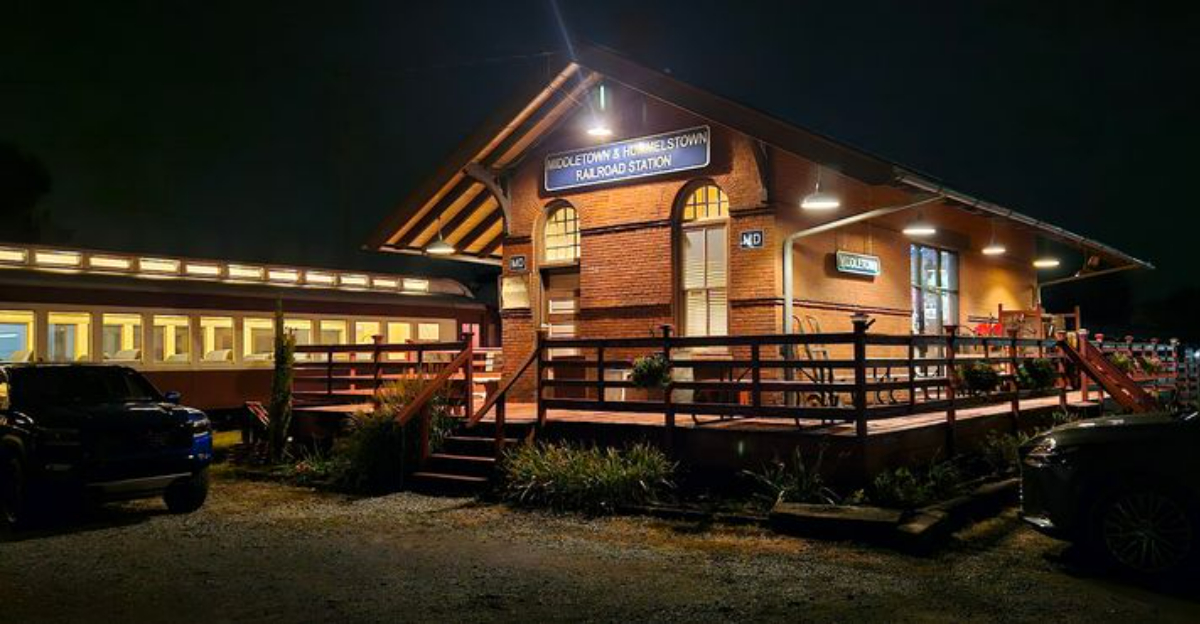
If you think scenic train rides need mountain drama to feel memorable, this Pennsylvania excursion might surprise you. The Middletown & Hummelstown Railroad pairs a relaxed journey along Swatara Creek with a dinner experience that feels charmingly old-school instead of overproduced.
What makes it stick with you is not just the meal or the views, but the way real railroad history quietly frames the whole trip. Here is why this ride stands out as one of central Pennsylvania’s most unexpectedly satisfying outings.
A Railroad With Real Roots
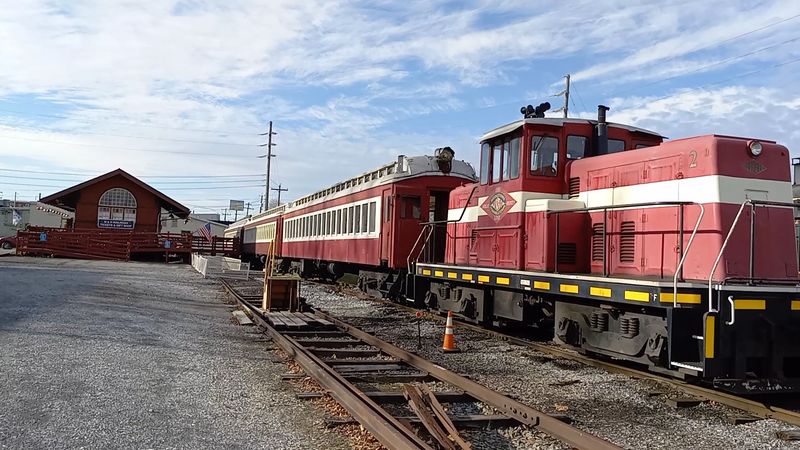
What grabs me first about the Middletown & Hummelstown Railroad is how unpolished and genuine it feels. This line began in 1888, was completed by 1890, and originally existed to connect local industry with the Philadelphia & Reading main line.
You can still sense that practical beginning in the plain station buildings, the working yard, and the freight equipment that has not been dressed up for tourists.
Passenger service on the old line ended in 1939, freight lasted until 1972, and the railroad became independent in 1976 after Reading’s bankruptcy. Tourist rides started in 1986, but freight remains part of the story, which matters because it keeps the place grounded in present-day utility.
Even the locomotive used for many excursions, a 1955 General Electric diesel, reinforces that this is transportation heritage, not a fabricated nostalgia set.
If you like travel experiences with some grit and context, this railroad delivers exactly that. It feels less like stepping into a fantasy and more like stepping into Pennsylvania’s living industrial memory.
Boarding at Middletown Station
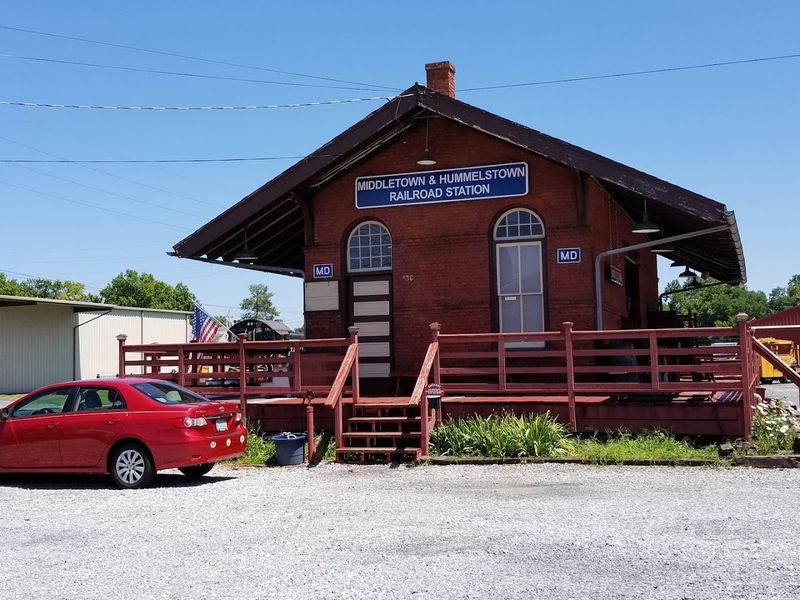
Boarding at Middletown Station sets the tone before the train even moves. The station is at 136 Brown Street in Middletown, and the building itself dates to 1891 as a former freight station that now handles passengers, tickets, and a small gift shop.
I like that the arrival process feels easy and unrushed, with gravel parking nearby and none of the stress that usually clings to organized outings.
Middletown is the oldest community in Dauphin County, founded in 1755, so even the short walk from your car carries a little historical weight. There are modern ADA restrooms in the station, which makes the experience more comfortable, especially if you arrive the recommended thirty minutes early.
Instead of giant crowds and loud staging, you get volunteers, families, couples, and train fans standing around with a quiet sense of anticipation.
That modest beginning works in the railroad’s favor. It feels approachable, local, and sincere, like a small town is inviting you into one of its traditions rather than trying to impress you with spectacle.
Following the Swatara Creek Valley
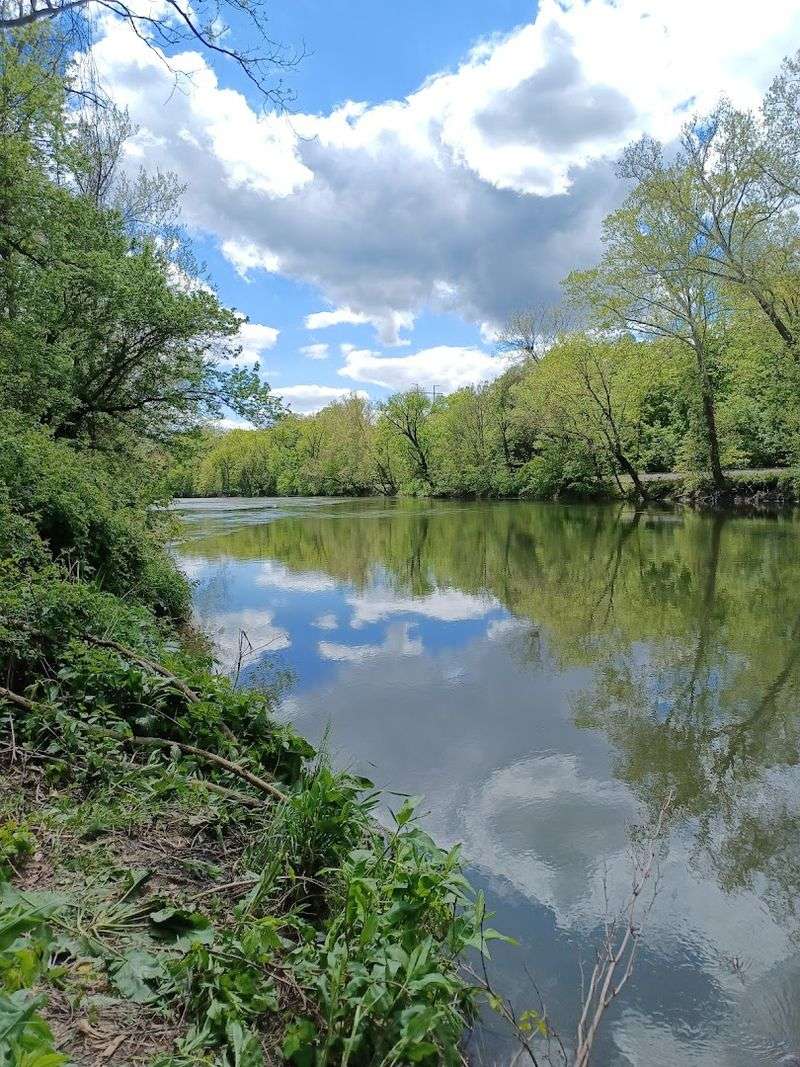
The route itself is not dramatic in the usual postcard sense, and that is exactly why I find it appealing. The excursion is an 11-mile round trip that follows Swatara Creek and traces parts of the old Union Canal towpath, giving you a slow-moving view of central Pennsylvania that feels lived in rather than curated.
Through open windows and vintage coaches, you watch fields, trees, water, and backyards slide past at a pace that rewards attention.
There is usually live narration onboard, which helps connect the landscape to the region’s canal and railroad history. Parts of the line were damaged by flooding during Tropical Storm Lee in 2011, so the train no longer reaches Hummelstown or Indian Echo Caverns, a reminder that these tracks exist in a real environment shaped by weather and time.
That detail makes the ride feel more human to me, not less special.
You are not getting alpine grandeur here. You are getting creek banks, wooded corridors, and everyday Pennsylvania scenery that becomes unexpectedly beautiful when you are finally forced to slow down and notice it.
The Five-Course Meal on Rails
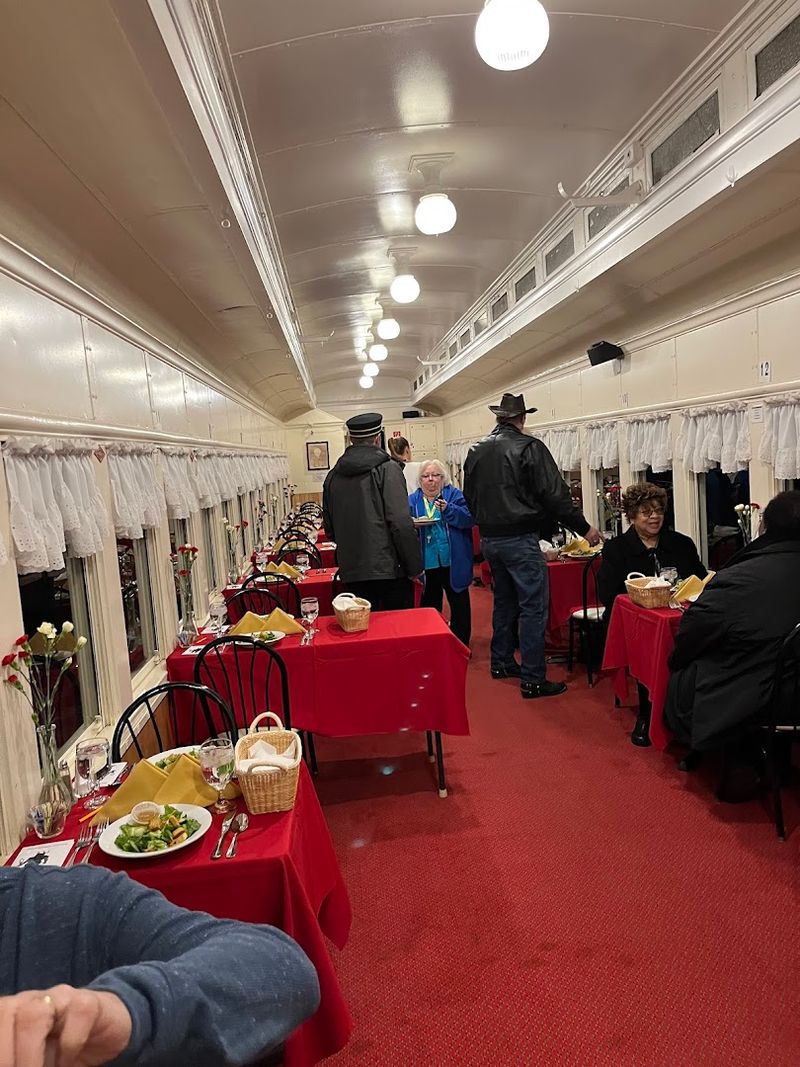
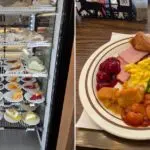
The meal is one of the biggest reasons people book this ride, and it sounds more formal than the atmosphere actually feels. Dinner trains and special meal excursions on the Middletown & Hummelstown Railroad are built around hearty, satisfying service rather than flashy culinary theater, with tables for four to six and staff serving food in the close quarters of a moving historic coach.
That combination turns out to be part of the charm because it feels intimate instead of cramped.
While online information does not clearly confirm every standard menu detail for all events, recent riders consistently describe the food as delicious, plentiful, and thoughtfully served. Past meal trains have included full plates with sides, dessert choices, and proper tableware, which tells me the railroad takes the dining portion seriously.
Special rides such as Mother’s Day meals and murder mystery dinners add variety, so the onboard dining program has more personality than a generic banquet service.
What I like most is that the food seems aligned with the setting. It is comforting, celebratory, and substantial enough to make the ride feel like an occasion without pretending to be something impossibly luxurious.
Dining Car Atmosphere That Encourages Conversation
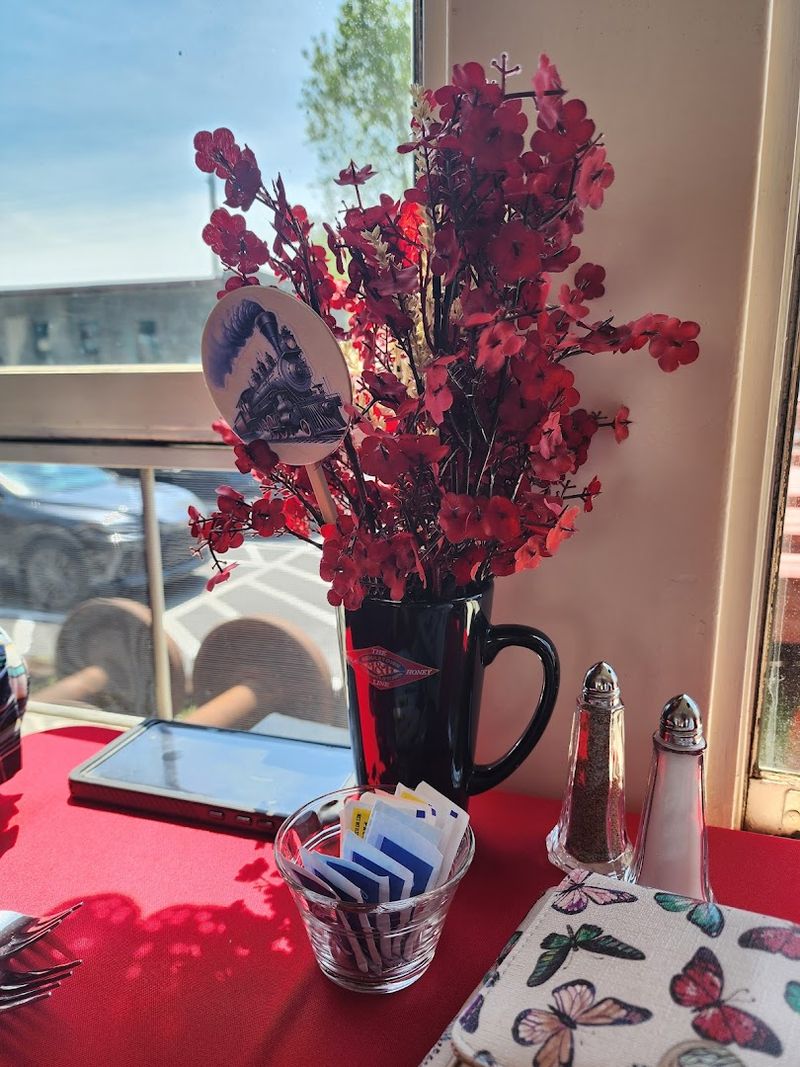
The dining cars create a mood that is more intimate than glamorous, and honestly that suits this railroad perfectly. The coaches are vintage Delaware, Lackawanna & Western cars from the 1920s, so even when the decor is simple, the age of the equipment gives the room texture and presence.
On some meal trains, tables are dressed nicely and actual dishes and flatware help the experience feel more deliberate than a quick lunch stop.
I think the best part is what the moving train does to the conversation at your table. The rocking motion, the sound of the wheels, and the shifting view outside pull everyone’s attention into the same moment in a way normal restaurants rarely manage.
Even reviews that mention warm temperatures or loud entertainment still tend to praise the servers, the friendliness onboard, and the overall pleasure of sharing a meal in such a distinctive setting.
That matters because atmosphere is not just about decor. Here, atmosphere comes from motion, history, and the odd but wonderful feeling that dinner is happening inside a living piece of Pennsylvania railroad heritage.
Day Ride or Dinner Ride?
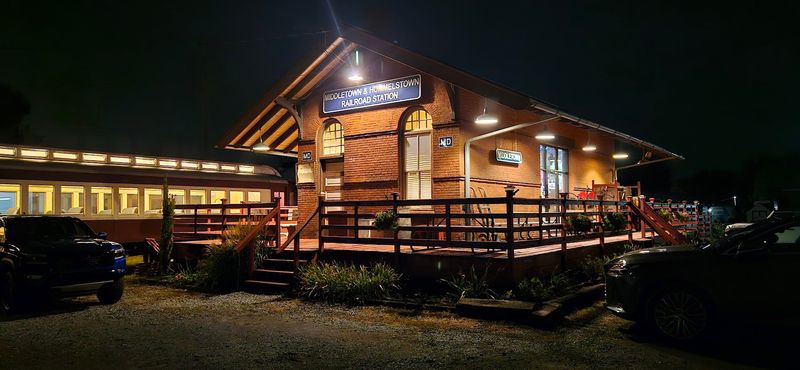
Choosing between a daytime ride and a dinner excursion really depends on the kind of mood you want. The Milk & Honey Express is the railroad’s classic scenic daytime trip, running about an hour round trip with narration, creek views, and a more casual, family-friendly atmosphere.
Dinner and special event rides feel more celebratory, whether you are planning a date night, a birthday, or simply want the scenery to come with a meal.
Daytime rides seem best if you want to focus on the railroad itself. You can hear historical commentary more clearly, look for creekside views, browse concessions, and sometimes chat with crew members or even get a closer look at the engine after the trip.
Evening dining trains shift the emphasis toward shared experience, where the train becomes the setting for conversation, entertainment, and a slower kind of celebration.
I would tell most first-timers to choose based on company. If you are bringing kids or train lovers, go daytime first.
If you want the railroad to feel a little more romantic or occasion-worthy, the dinner format is where the line becomes unexpectedly memorable.
Why the Seasons Change the Experience
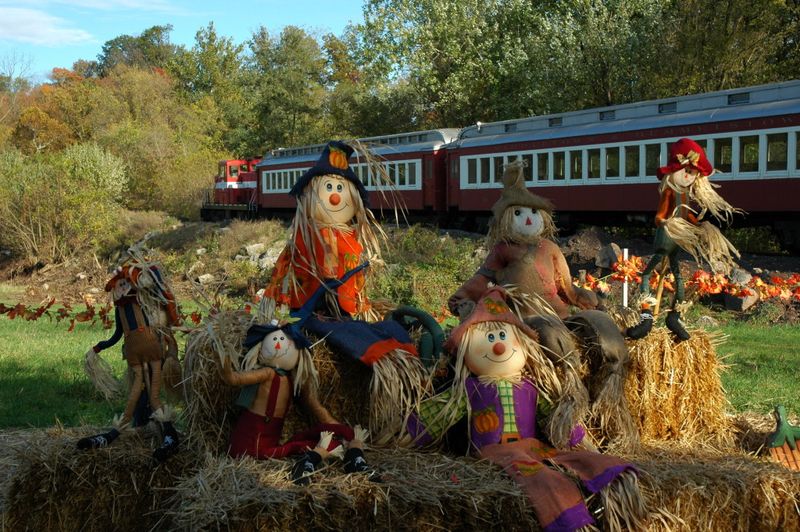
This railroad changes character with the calendar, which is one reason locals keep coming back. Fall foliage rides bring the richest scenery, especially when the trees along Swatara Creek turn amber, rust, and gold, while spring and summer make the creek corridor feel greener and softer.
Because the route is modest and low-key, these seasonal shifts matter more than they would on a bigger, flashier attraction.
The themed trips are a huge part of the appeal too. The Pumpkin Patch Express, Santa Train, Polar Bear rides, and other holiday events give the railroad a community-centered feeling that is hard to fake, and reviews suggest many families return year after year for exactly that reason.
Children can meet Santa, pick pumpkins, enjoy onboard music, and experience the line as something warmer and more personal than a one-time tourist stop.
I like that the railroad does not try to be the same in every month. It leans into the rhythm of the year, letting foliage, weather, decorations, and local traditions reshape the ride into something slightly different each time you board.
A Pre-Ride Look at Middletown
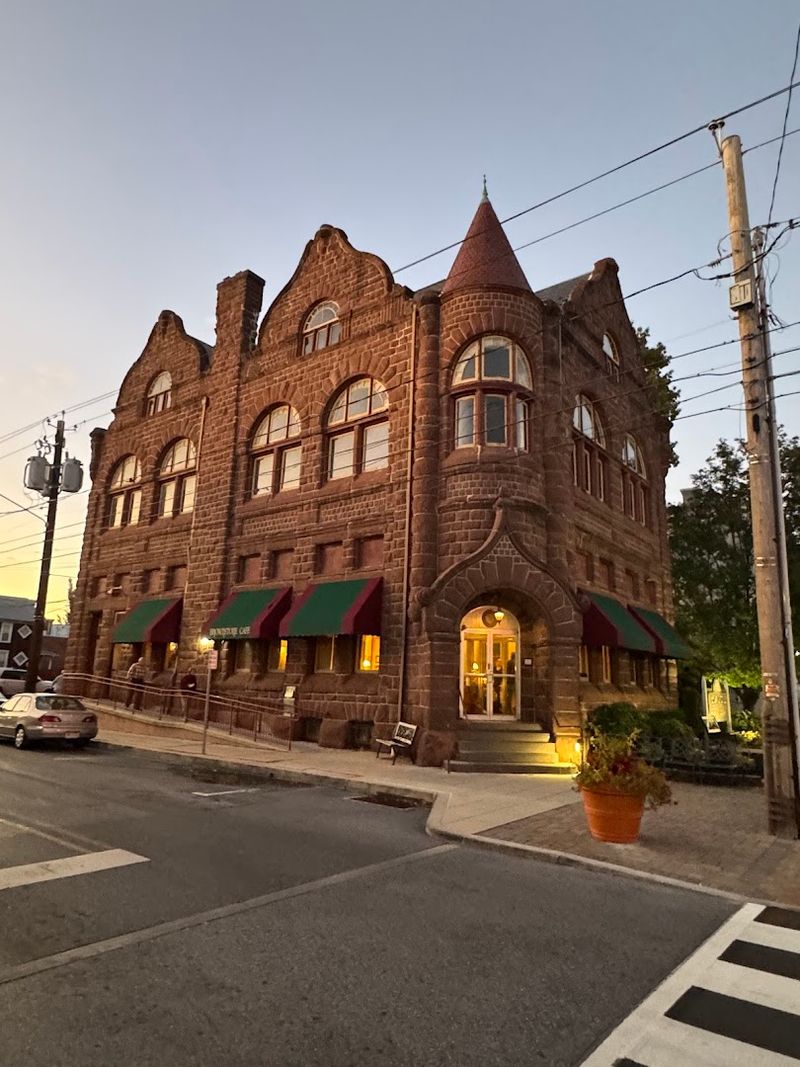
Middletown is worth more than a quick pass-through before boarding, especially if you appreciate places that have not been polished into a visitor-friendly caricature. The borough sits about ten miles southeast of Harrisburg and carries the layered feeling of an old working Pennsylvania town, with brick storefronts, local diners, and streets that still look like people actually use them every day.
That honesty pairs well with the railroad because both feel rooted in utility rather than performance.
I find the surrounding details especially interesting. Penn State Harrisburg adds a little student energy nearby, while the Three Mile Island site appears from certain vantage points as a strangely fitting regional landmark that reminds you this is central Pennsylvania, not a museum village.
The contrast between historic town fabric, industrial memory, and daily life makes even a short walk before departure feel textured.
If you arrive early, take the extra time. The town helps frame the train ride by showing you the kind of place this railroad has always served: practical, old, resilient, and quietly more interesting than it first appears from the parking lot.
Easy Logistics From Nearby Cities
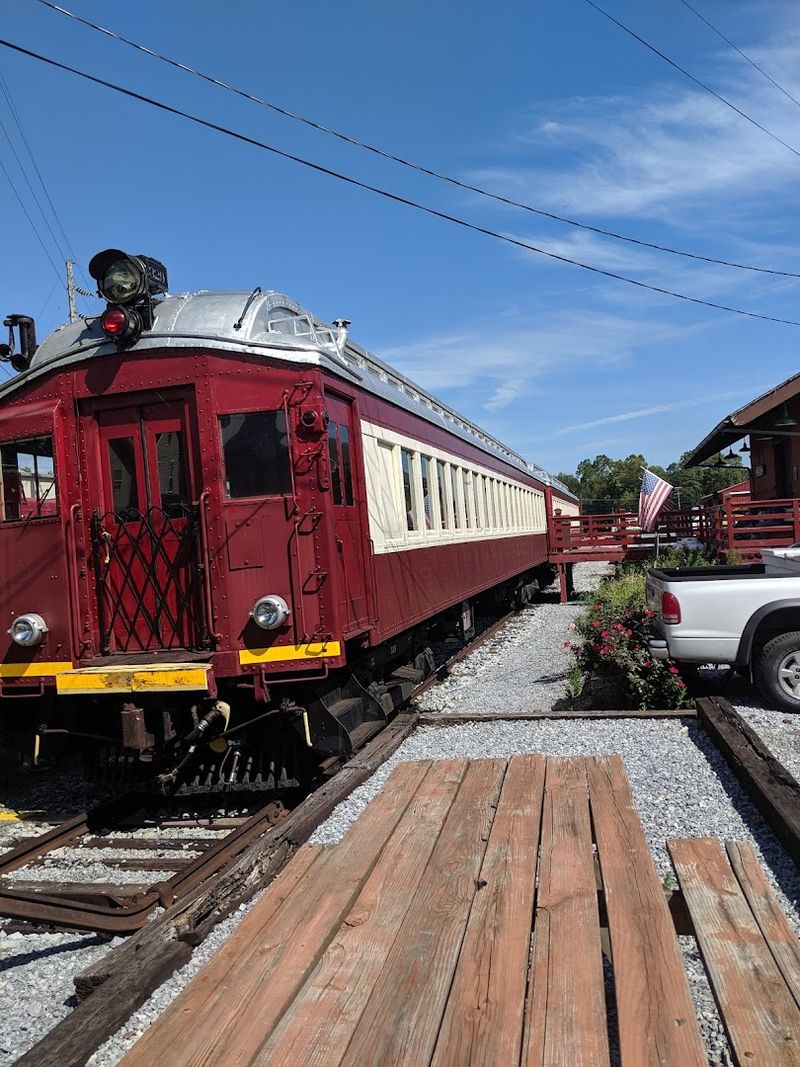
One of the smartest things about this railroad is how little effort it takes to reach. The station in Middletown is easy to access from Harrisburg and realistic for day-trippers coming from Philadelphia, Baltimore, Pittsburgh, Lancaster, or other parts of central Pennsylvania.
In a travel world full of experiences that demand serious planning, this one stays refreshingly manageable.
Reservations are required for rides and special events, and they are made directly through the railroad’s website or by phone, which keeps the process simple. Parking is available at the gravel lot near the station, and the advice to arrive at least thirty minutes early seems worth following so you can check in, browse the gift shop, and settle into the slower pace.
That ease matters more than people think because it lets the outing feel spontaneous rather than over-engineered.
I would call this one of the railroad’s secret strengths. You get a distinctive excursion, historic equipment, and a scenic meal or narrated ride without committing to a weekend-long trip, expensive hotel stay, or the kind of logistics spreadsheet that usually kills a good day trip before it starts.
Who Will Enjoy It Most
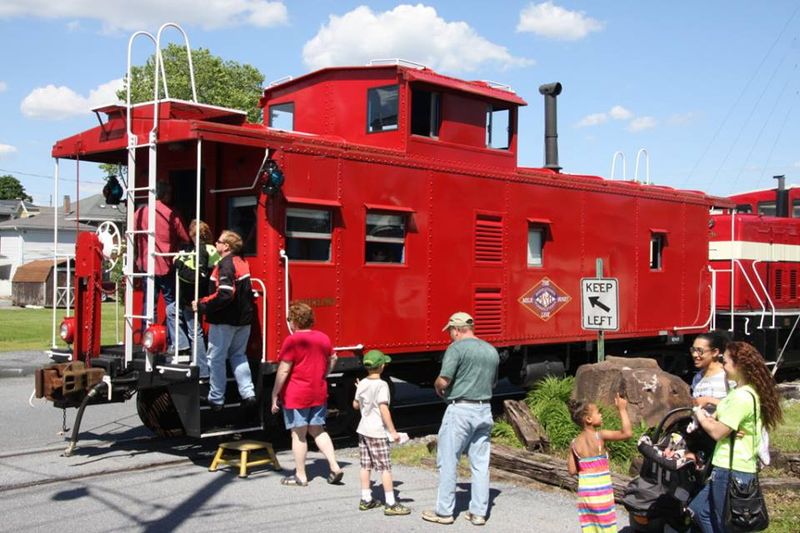
This is not the best fit for travelers chasing extremes, luxury, or blockbuster scenery. The Middletown & Hummelstown Railroad works best for people who enjoy slower experiences, local history, and the satisfying texture of something genuine but modestly scaled.
Couples, multigenerational families, train enthusiasts, and older travelers all seem to get a lot from it because the experience asks you to appreciate details rather than spectacle.
Families especially have good options through holiday rides and themed excursions that keep children engaged without needing a giant entertainment machine around them. For accessibility, the station itself offers ramp access and ADA restrooms, and manual wheelchairs up to a certain width can be accommodated onboard, though motorized wheelchairs will not fit through coach doorways.
That limitation is important to know in advance, but so is the fact that the railroad encourages guests to call ahead for assistance.
I think the ideal passenger is someone who values warmth over polish. If you can enjoy friendly volunteers, narrated history, creaking vintage coaches, and the simple pleasure of being carried through the countryside, this railroad will probably feel like money well spent.
What Stays With You After the Ride
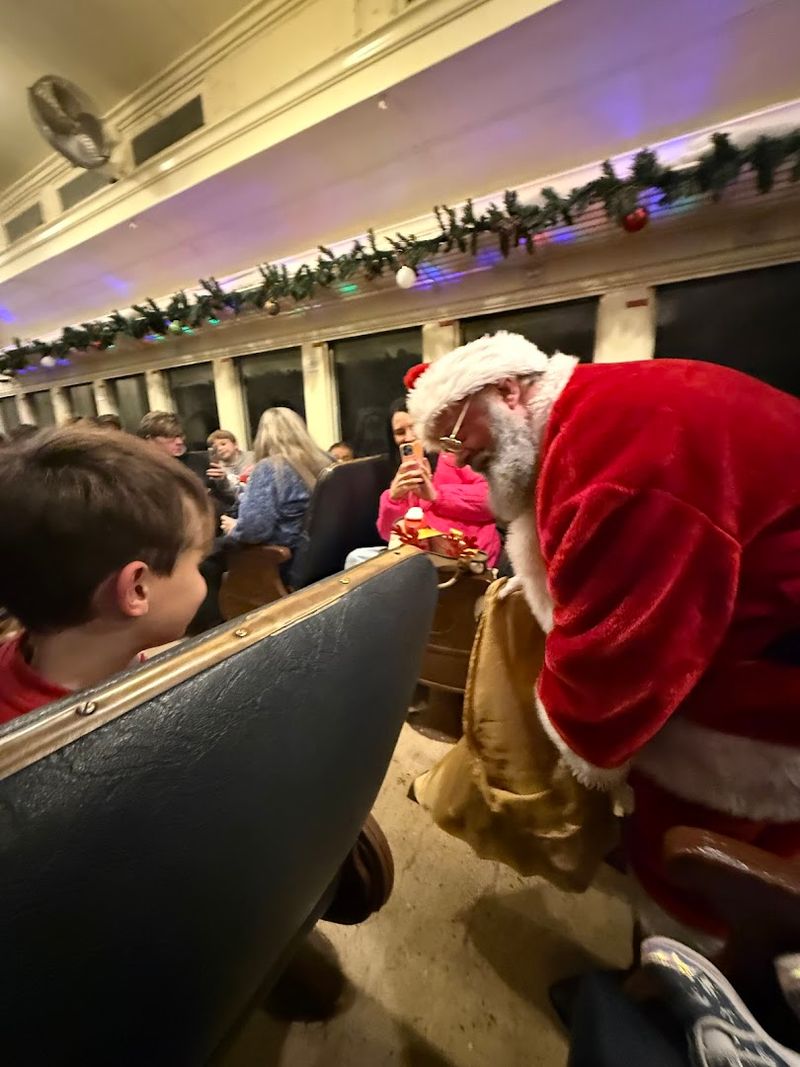
What stays with me most about the Middletown & Hummelstown Railroad is not one overwhelming highlight. It is the blend of real railroad history, volunteer energy, vintage equipment, narrated local context, and a landscape that reveals itself slowly instead of demanding attention all at once.
Add a meal or special event to that formula, and the whole outing becomes more memorable than the individual pieces might suggest on paper.
That balance is probably why the place earns such loyal repeat visitors. Reviews regularly mention kind staff, enjoyable food, comfortable seats, creek views, and the pleasure of riding a real working railroad, even when people also note heat, loud music, or scenery that is uneven in spots.
The experience succeeds because it does not oversell itself or pretend every mile is cinematic perfection.
I respect that honesty. In a tourism landscape crowded with inflated promises, this line offers something steadier: a modest but meaningful ride through Pennsylvania, where the track, the table, and the people around you do most of the work, and somehow that turns out to be enough.