
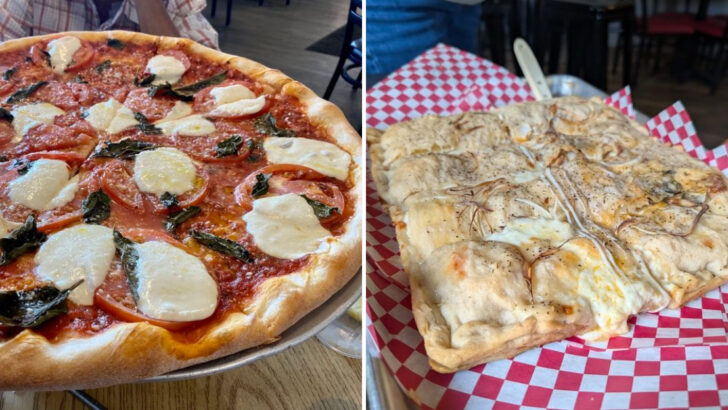
If you think pizza in America begins and ends with New York slices or deep dish, Pennsylvania is ready to surprise you. Across the state, local shops serve trays, cuts, tomato pies, and square pans that barely resemble what most people expect.
I love how each town treats its own version like a birthright, with loyal fans debating sauce, crust, and cheese blends down to the tiniest detail. This lineup gives you a road map to some of the state’s most distinctive pizza traditions, and exactly where to taste them.
Arcaro & Genell
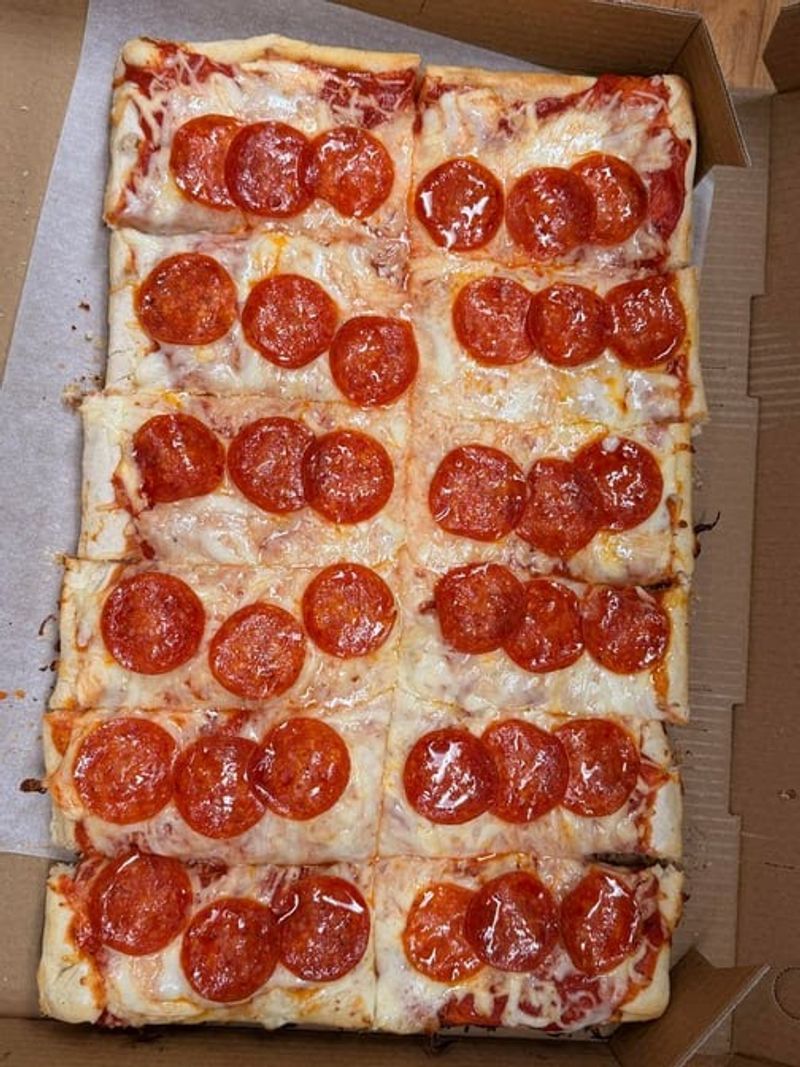
Arcaro & Genell is another Old Forge institution, and it carries the kind of reputation that makes pizza lovers plan detours. The shop is famous for traditional tray pizza and a long-guarded approach to cheese blending.
That detail matters more here than almost anywhere else.
Old Forge style depends on balance between pan-baked crust, slightly sweet or savory sauce, and cheeses that do not follow mainstream pizza rules. Instead of relying only on mozzarella, places like this build character with blends that can include American or cheddar notes.
The result is creamy, tangy, and instantly recognizable.
I like Arcaro & Genell on a list like this because it shows how subtle differences define the town’s pizza culture. Two trays may look similar from a distance, yet locals can spot the personality fast.
This place has that deeply rooted, benchmark quality.
If you want a serious taste of the coal region canon, put it high on your route. It helps explain why Old Forge calls itself the pizza capital of the world.
Salerno’s Café
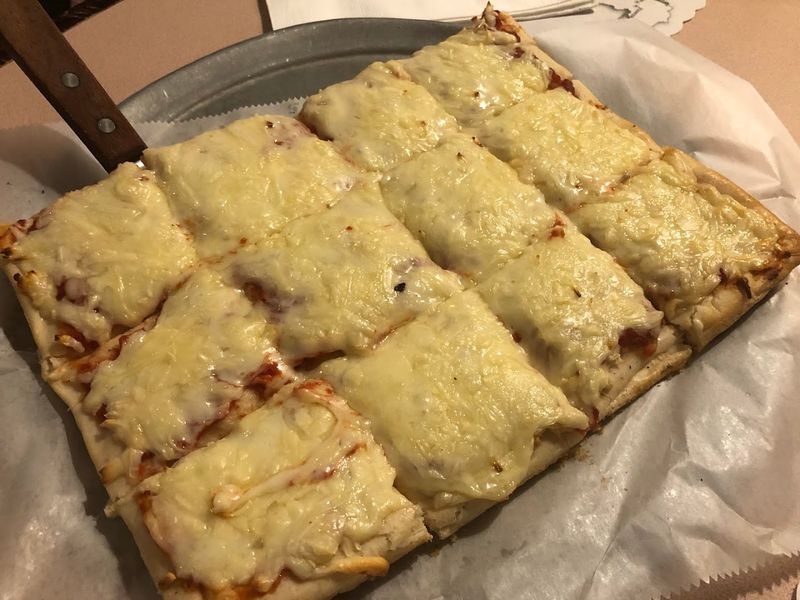
Salerno’s Café is essential because it highlights one of the most charming details in Old Forge pizza culture: these are cuts, not slices. That language tells you everything.
The pizza is meant to arrive as a rectangular tray, then be divided into snackable squares with a denser bite.
Salerno’s leans into the hearty side of the style, with crust that feels substantial without turning heavy. The red trays bring a rich tomato presence, while the structure of the dough makes each cut feel composed and tidy.
You are not chasing runaway cheese or floppy tips here.
I think this stop matters for readers who want to understand why Old Forge pizza is not just Sicilian by another name. The format, terminology, and texture all set it apart.
It is neighborhood food with its own rules and its own confidence.
Go here ready to compare details, because that is what locals do best. One tray at Salerno’s can turn a casual pizza fan into someone suddenly obsessed with regional variations.
Mary Lou’s Pizza
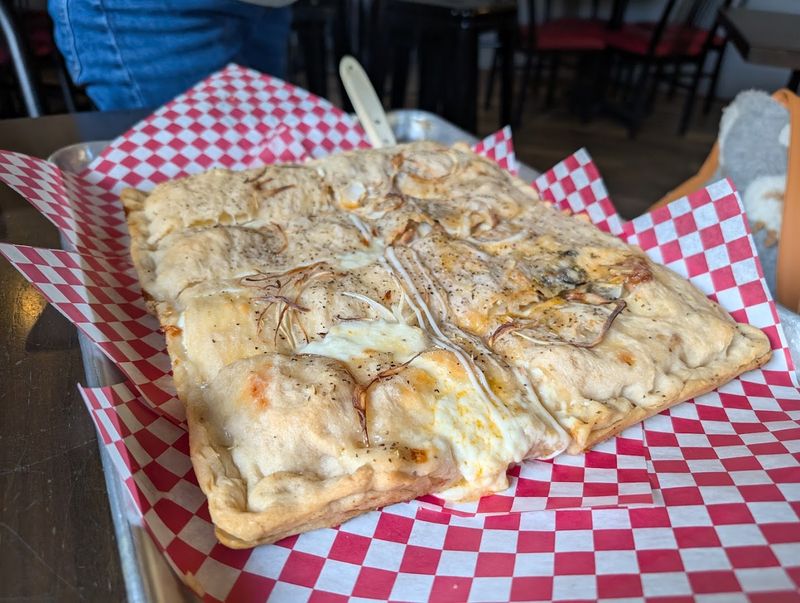
Mary Lou’s Pizza is often mentioned when people want to talk about a slightly lighter expression of Old Forge style. That makes it a smart stop if you are curious about the range within one small pizza-famous town.
Even inside a defined tradition, texture can shift a lot.
The appeal here is how the crust feels a touch more delicate while still respecting the tray format that defines the region. You still get rectangular cuts, a balanced sauce-to-cheese ratio, and that unmistakable local identity.
It just lands with a little less heft than some neighbors.
I like including Mary Lou’s because it proves regional pizza is never a single fixed recipe. It is a conversation across generations, shops, and loyal customers who know exactly what they prefer.
This place gives that conversation another persuasive point of view.
If you are building a tasting tour through Old Forge, Mary Lou’s helps keep your comparisons sharp. Try it after one of the denser trays nearby, and you will notice the distinctions immediately.
Café Rinaldi
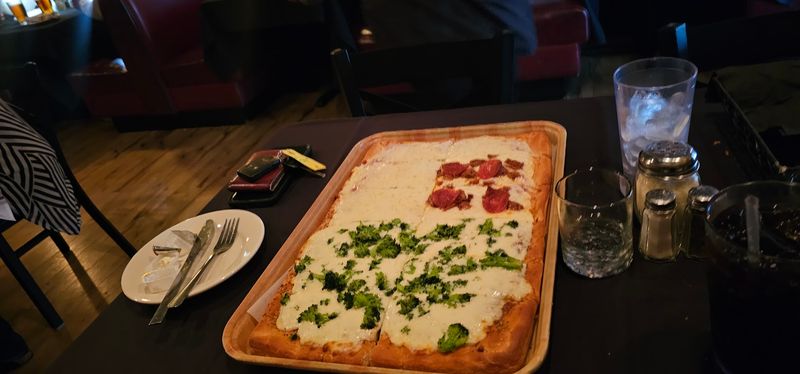
Café Rinaldi deserves a spot because white tray pizza is one of the clearest reminders that Pennsylvania pizza traditions do not follow national expectations. If you arrive assuming sauce is mandatory, this place broadens the conversation fast.
The cheese becomes the whole story.
Its white tray is known for layered blends that melt into a rich, savory top with browned edges and plenty of character. Old Forge pizza already plays by its own rules, and the white version pushes even further from mainstream pie logic.
It is comforting, salty, and proudly regional.
I would point curious eaters here when they want to taste the style note everyone talks about: the unusual use of American, cheddar, and mozzarella combinations. At Café Rinaldi, those cheeses make complete sense on the palate.
The result is creamy, sharp, and memorable.
Order a white tray alongside a red one somewhere else and compare them side by side. That is when Old Forge clicks, not as one pizza, but as an entire pizza language.
Maroni’s Pizza
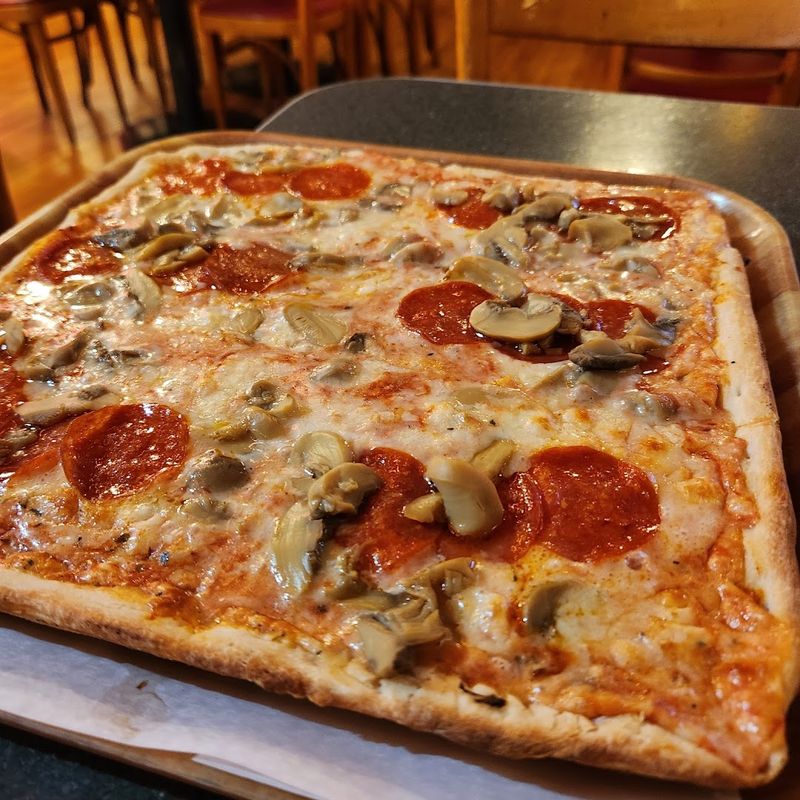
Maroni’s Pizza brings you out of Old Forge and into the broader Scranton area pan tradition, where square pies take on a different personality. Here, the crust gets thicker, the bottom can turn impressively crisp, and the sauce often leans sweeter.
It feels familiar and regional at once.
This style sits somewhere between bakery pan pizza, local square pie, and the kind of comfort food that disappears fast at parties. Maroni’s does that old-school version well, delivering a sturdy bake with generous sauce and a clean corner crunch.
It is easy to see why people crave it.
I like Maroni’s on this list because it shows northeastern Pennsylvania is not defined by one pizza map point. A few towns over, the emphasis shifts noticeably.
Texture, sweetness, and pan technique start telling a slightly different story.
If you are trying to understand the region beyond Old Forge headlines, this is a worthwhile comparison stop. The pizza is still square and shareable, but the flavor profile pushes in a broader, sweeter, pan-baked direction.
Pizza L’Oven
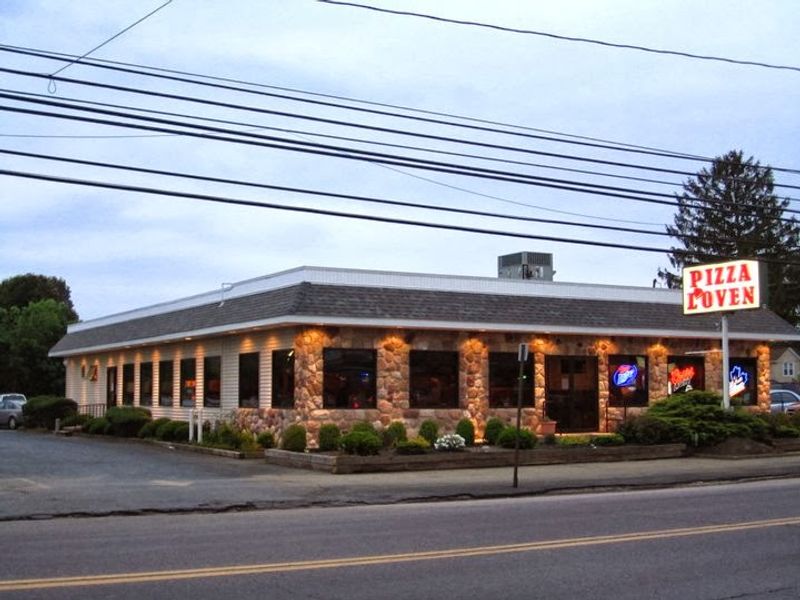
Pizza L’Oven represents the kind of old-school Northeast Pennsylvania square pizza that locals grow up with and never stop defending. In Pittston, the regional influences start blending together in interesting ways.
You see traces of pan pizza, bakery pizza, and Old Forge logic in one meal.
The pies are known for that comforting rectangular form and a bake that feels rooted in family-shop tradition rather than trend chasing. The crust has body, the sauce stands out, and the whole experience feels built for gatherings, not Instagram stunts.
That authenticity is part of the draw.
I would include Pizza L’Oven in any serious outline because it helps explain how style lines blur in this part of the state. Pennsylvania pizza is full of overlaps, not rigid borders.
Shops like this show how local habits evolve town by town.
Come here expecting a practical, deeply regional square pie with history behind it. It may not fit a national pizza category cleanly, and that is exactly why it belongs on this list.
Victory Pig Pizza
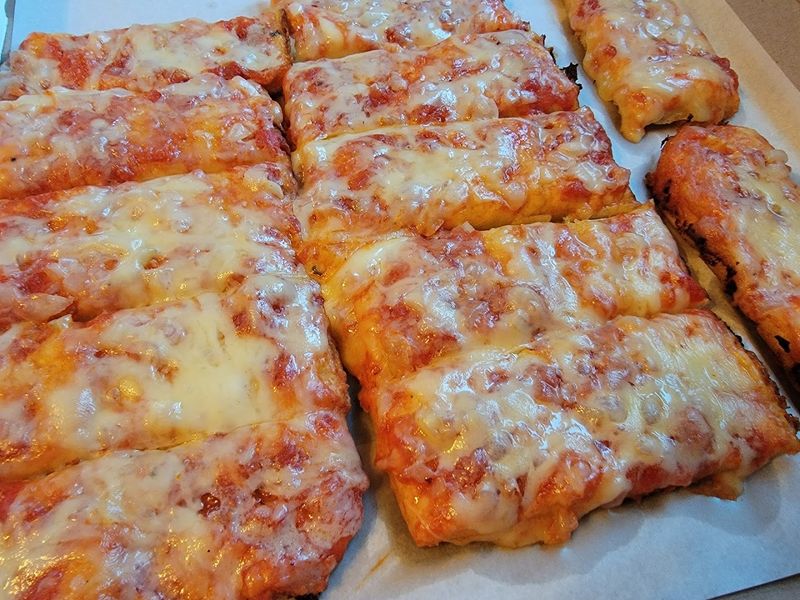
Victory Pig Pizza earns its place because it captures another side of the Pittston area’s regional pizza identity, especially the love for cheese blends that taste a little different from the national norm. If you notice cheddar-like sharpness, that is part of the point.
Western and northeastern Pennsylvania both share that streak.
The pizza style here reflects a broader local preference for pan-baked structure, sweet or balanced sauce, and a topping profile that feels rooted in community taste rather than textbook Italian categories. That is what makes it memorable.
It speaks fluent regional dialect.
I think Victory Pig is useful in an article like this because it shows how Pennsylvania pizza traditions echo one another across distance. Cheddar-forward blends, square cuts, and family-style serving all help connect the dots.
The state is more internally linked than outsiders realize.
Stop here if you want to taste the in-between space where Old Forge influence, bakery logic, and pan pizza comfort meet. It is not flashy, but it teaches you plenty with one box.
Mama Randazzo’s Pizzeria
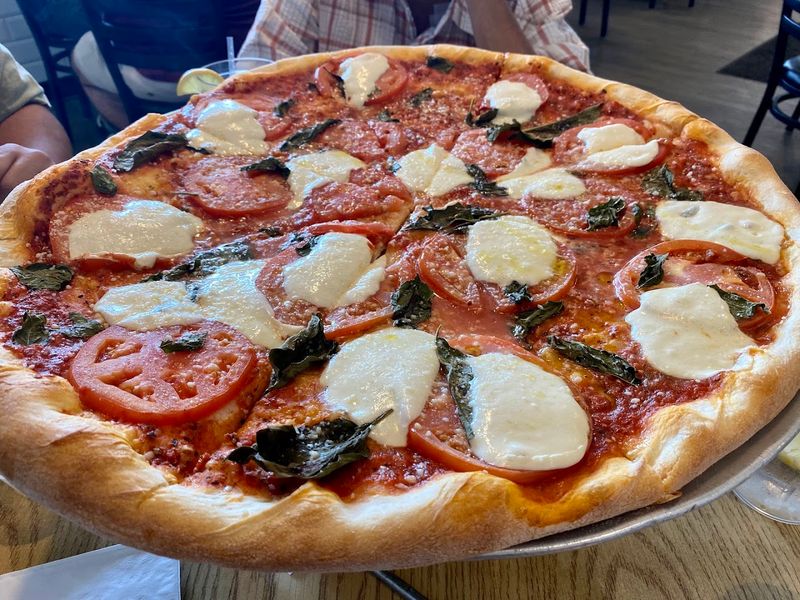
Mama Randazzo’s Pizzeria belongs here because Altoona-style pizza is one of the most misunderstood regional pies in America. Mention American cheese on pizza and people often react before they taste it.
In central Pennsylvania, though, that topping choice is part of a deeply local tradition.
The classic formula layers a sweet sauce with deli-style toppings like ham, then finishes with glossy slices of American cheese and green pepper rings. It can feel more like a hot sandwich translated into pan pizza form than a standard pie.
That is exactly what makes it fascinating.
I like Mama Randazzo’s as an anchor for this section because it gives readers a recognizable place to encounter the style head-on. The combination sounds odd until it clicks.
Then you start understanding it as comfort food, not culinary rebellion.
If you want Pennsylvania pizza that truly surprises outsiders, Altoona delivers. Order with an open mind, because this is less about chasing authenticity myths and more about tasting what one community has loved for decades.
Aiello’s Pizza
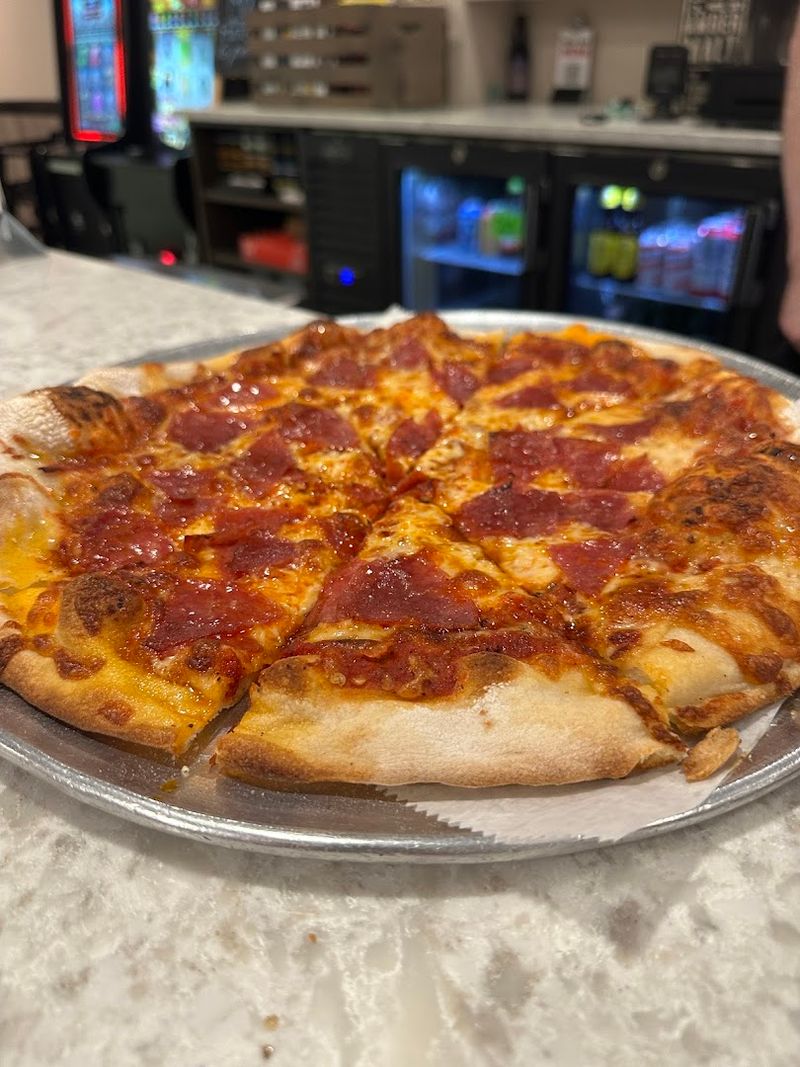
Aiello’s Pizza is one of the better-known Pittsburgh names, and it works here because it highlights the city’s fondness for thick cheese coverage, sweeter sauce tendencies, and hearty crust. This is not delicate minimalist pizza.
It is confident, filling, and unmistakably local in spirit.
Western Pennsylvania pizza often gets overshadowed by bigger national style debates, but shops like Aiello’s show why the region deserves more attention. The flavor profile leans accessible while still carrying distinctive local habits.
You get richness, chew, and a sauce style that sets a different tone.
I like this inclusion because Pittsburgh pizza culture can be hard to summarize with one rule. It is part old-school American pizza, part neighborhood tradition, and part regional preference for sweeter tomato notes.
Aiello’s captures that hybrid quality nicely.
Visit with an open frame of reference and you will appreciate it more. Rather than asking whether it matches New York or Chicago, ask what it says about Pittsburgh, and the answer becomes much more interesting.
Corropolese Bakery
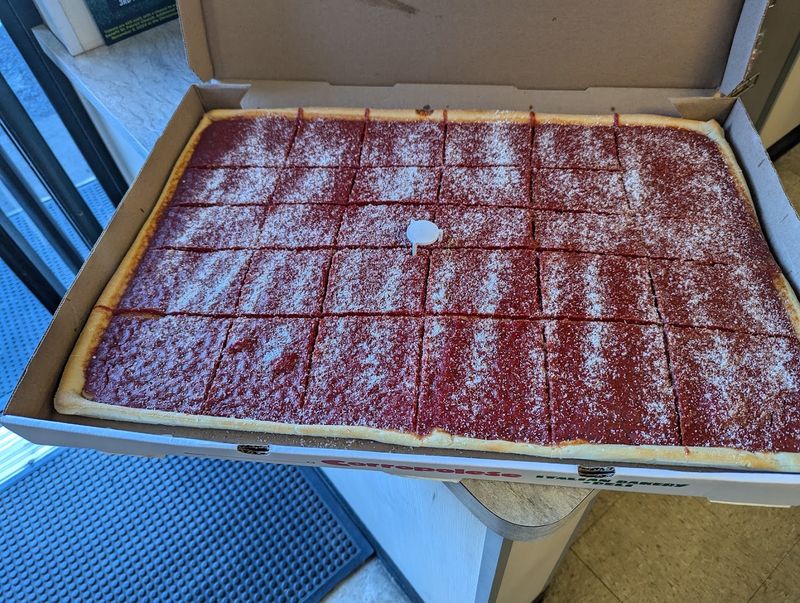
Corropolese Bakery is one of the most famous names in the Philadelphia-area tomato pie tradition, and for good reason. Its version has become a benchmark for how satisfying a no-cheese or minimal-cheese pizza can be.
One glance tells you this is bakery culture, not slice shop culture.
The crust is thick and tender, the sauce sits generously on top, and the oregano presence is often strong enough to define the whole bite. Served cold or at room temperature, it challenges nearly every assumption people bring to pizza.
That tension is part of the fun.
I think Corropolese is indispensable in this outline because it gives the tomato pie tradition broad recognition beyond city limits. It has introduced countless people to the style at parties, holidays, and office tables.
Pennsylvania food identity travels through boxes like these.
If you have never had bakery tomato pie, this is a persuasive place to start. It is straightforward, deeply local, and memorable in a way that has nothing to do with trendy toppings or dramatic cheese pulls.
Marchiano’s Bakery
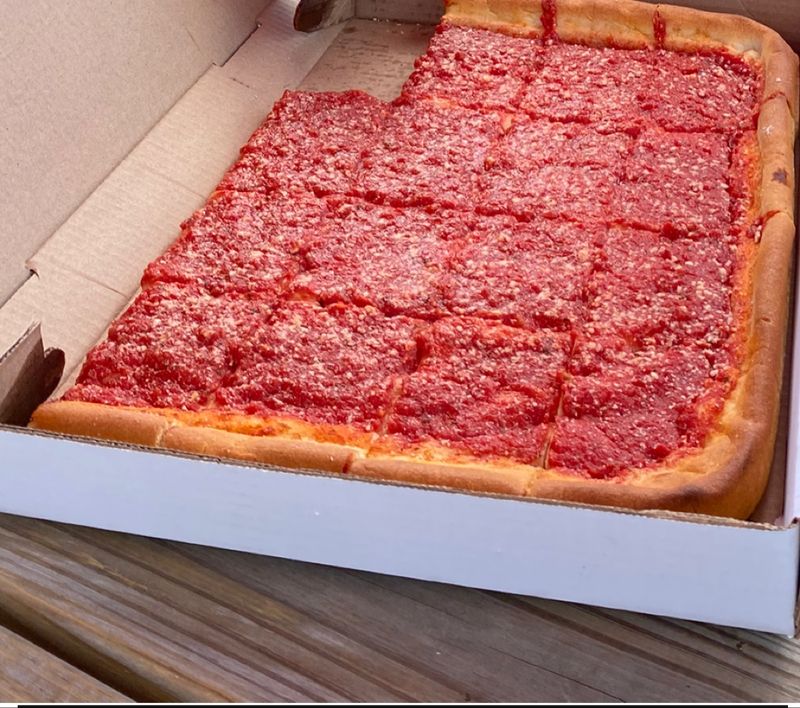
Marchiano’s Bakery adds another valuable angle to the Philadelphia tomato pie conversation by leaning into a Roman-style bakery sensibility. The structure is rectangular, the dough is substantial, and the sauce leads from the top.
It feels ancient in concept compared with the average American takeout pie.
What makes a place like this important is how it preserves a style that lives in bakeries as much as restaurants. The crust can be airy yet sturdy, built to support a thick red layer without collapsing.
That texture is a huge part of the appeal.
I wanted Marchiano’s here because it helps readers see that tomato pie is not one fixed formula either. Even within this cheeseless or cheese-light tradition, each bakery carries its own rhythm.
Sauce seasoning, crumb structure, and serving temperature all matter.
Visit when you want to taste pizza as bread culture first and melted-cheese event second. Pennsylvania has several traditions that challenge expectations, and Philadelphia tomato pie may be the one that does it most elegantly.
Pica’s Restaurant
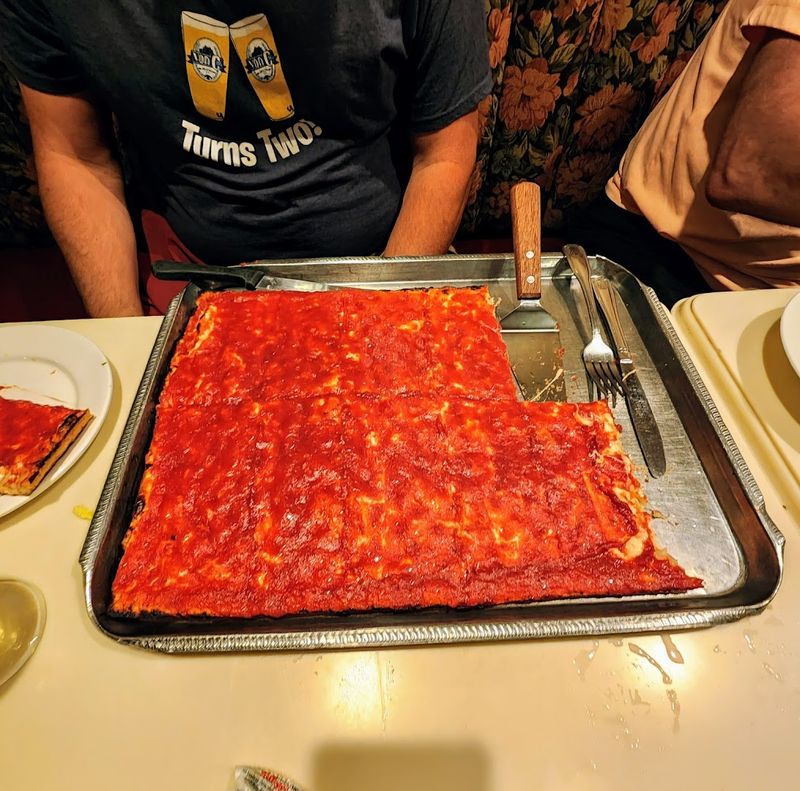
Pica’s Restaurant belongs in the hybrid section because its thin-crust tavern pizza stands apart from many of Pennsylvania’s thicker, bakery, or tray-based traditions. Yet it is still unmistakably local, with a devoted following that treats the recipe like part of family history.
Regional pizza does not have to be obscure to be distinctive.
The crust is thin, the pie is often cut for easy sharing, and the overall style predates the polished chain version of tavern pizza many people know today. There is a homespun confidence to it.
It tastes like a house specialty, not a market trend.
I like ending up in Upper Darby after so many square trays and tomato pies because it expands the state’s pizza map again. Pennsylvania is not one style multiplied.
It is a collection of local loyalties held together by strong opinions and repeat orders.
If your idea of regional pizza is only thick and rectangular, Pica’s resets the conversation. It shows that even thin-crust pies can carry a powerful local identity when generations keep ordering the same thing.
Mineo’s Pizza House
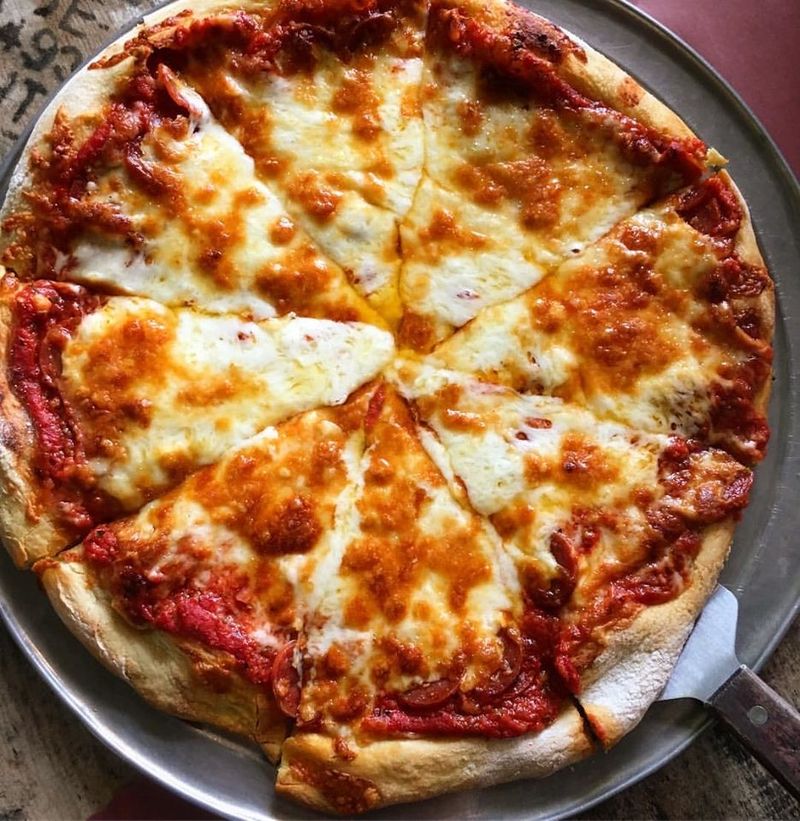
Mineo’s Pizza House is a Pittsburgh classic that helps define what many locals think of as ideal neighborhood pizza: thick with cheese, generous in spirit, and unapologetically filling. It is not a novelty style, but it absolutely reflects a regional preference.
That makes it relevant here.
The heavy cheese coverage is the first thing many people notice, followed by a sauce profile that fits western Pennsylvania’s tendency toward sweetness. Together, those elements create a pie that feels rich and comforting rather than spare or sharply technical.
It is pizza built to satisfy.
I included Mineo’s because Pennsylvania’s unknown pizza story is not only about the strangest formats. It is also about how ordinary-looking pies can still speak a specific local language.
In Pittsburgh, abundance and flavor balance are part of that language.
If you are comparing western Pennsylvania shops, Mineo’s gives you a strong reference point. It helps explain why locals stay loyal to their favorites and why this part of the state deserves more respect in regional pizza discussions.