Located in downtown Bradenton, The Bishop Museum of Science and Nature houses the most extensive collection of natural and cultural history artifacts along the entire Gulf Coast. This remarkable institution combines three major attractions under one roof: a working aquarium with live manatee rehabilitation, a cutting-edge planetarium featuring daily shows, and galleries packed with thousands of years of regional history.
Whether you’re fascinated by prehistoric creatures, curious about Florida’s first inhabitants, or eager to see rescued manatees up close, this museum delivers an unforgettable educational experience for visitors of all ages.
The Manatee Rehabilitation Center
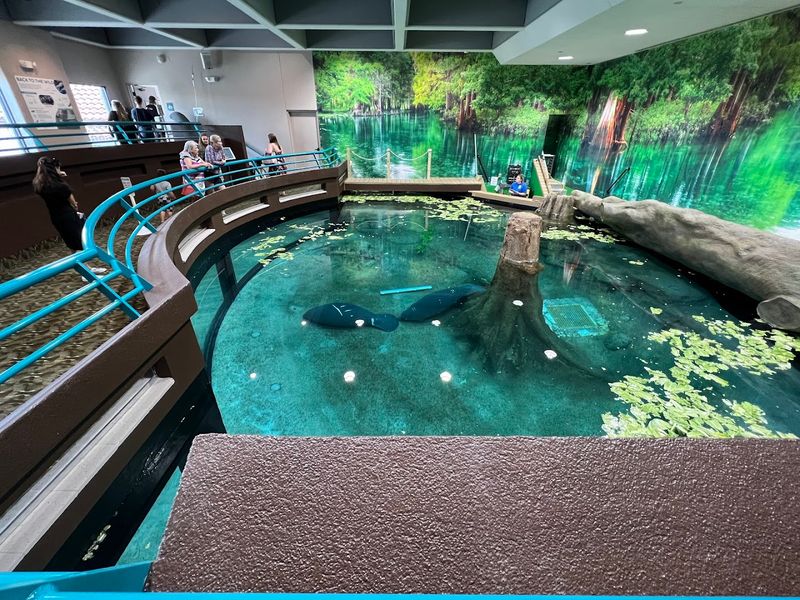
Walking into the manatee viewing area feels like stepping into an underwater world where conservation happens right before your eyes. The Bishop Museum serves as an official rehabilitation facility for injured and orphaned manatees, partnering with state wildlife organizations to nurse these gentle giants back to health.
Visitors can watch two or three manatees at any given time as they recover in the spacious 60,000-gallon habitat.
What makes this experience truly special is the opportunity to see these endangered animals up close while learning about their journey to recovery. Many guests report watching curious manatees swim right up to the viewing windows, creating magical moments of connection.
Educational signage explains each manatee’s rescue story, their specific injuries or challenges, and the rehabilitation timeline before they return to Florida’s wild waterways.
The aquarium maintains a comfortable viewing environment with benches and accessible pathways for all visitors. Staff members are often nearby to answer questions and share updates about the current residents.
Kids especially love identifying individual manatees by their unique scars or markings, making return visits exciting to track their progress toward release.
The Snooty Memorial and Florida Manatee Legacy
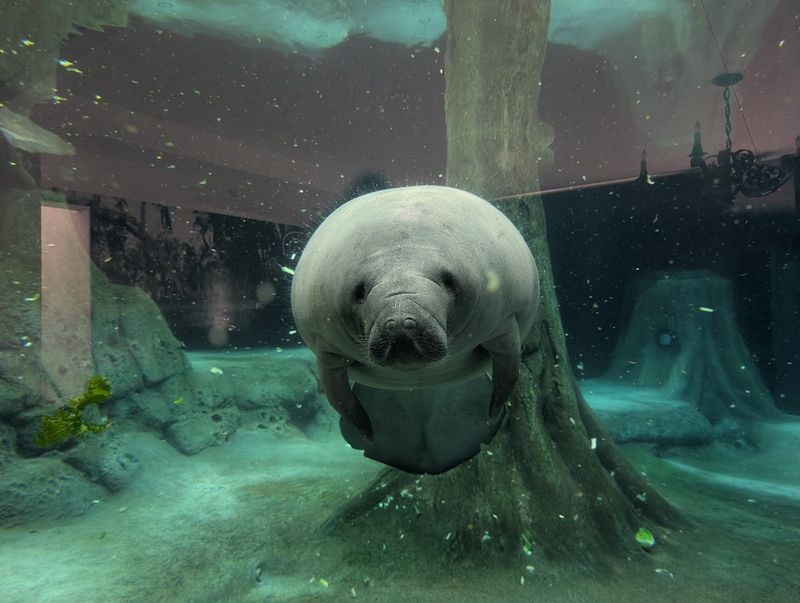
For 69 years, Snooty the manatee captivated hearts as the oldest manatee in human care and Bradenton’s beloved mascot. Born at the Miami Aquarium in 1948, Snooty called the Bishop Museum home for most of his remarkable life, becoming a symbol of manatee conservation efforts statewide.
His legacy continues to inspire the museum’s mission and dedication to protecting these endangered marine mammals.
The museum honors Snooty’s memory through educational displays that tell his extraordinary story and highlight decades of conservation progress. Visitors learn how one charismatic manatee helped raise awareness about habitat protection, boat strike prevention, and the importance of warm-water refuges.
His impact extended far beyond the museum walls, influencing state legislation and public attitudes toward marine mammal protection.
Following Snooty’s passing in 2017, the museum underwent significant renovations and improvements to its facilities, including upgrades to the manatee habitat and planetarium. These enhancements ensure that his legacy of education and conservation continues through improved visitor experiences and expanded rehabilitation capabilities.
The story resonates powerfully with guests, creating emotional connections that transform casual visitors into passionate conservation advocates.
Prehistoric Florida: The Mastodon Display
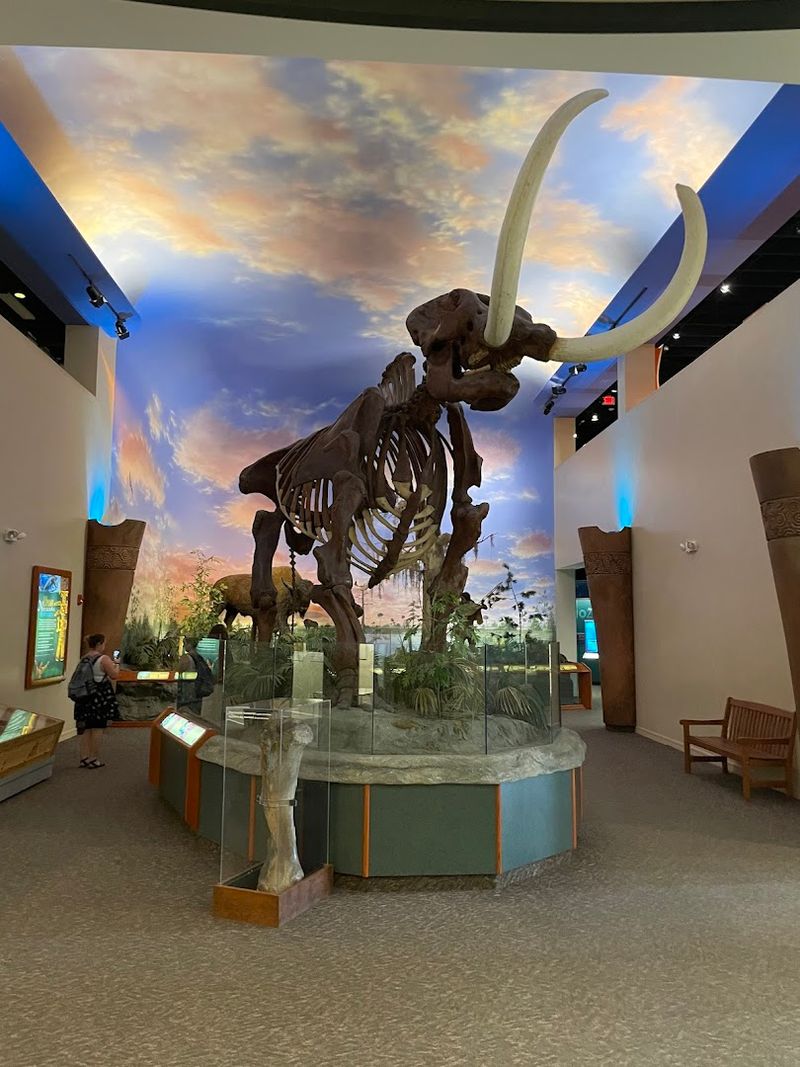
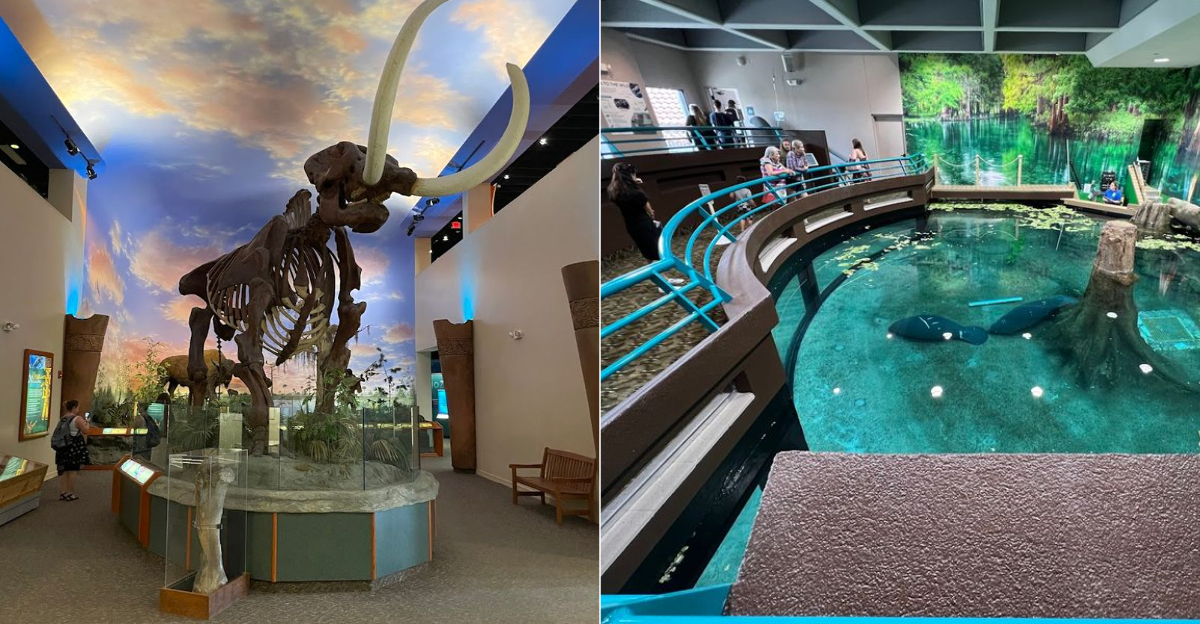
Right past the ticket booth stands an awe-inspiring mastodon skeleton that immediately signals you’ve entered a place of ancient wonders. This prehistoric giant roamed Florida during the Ice Age, and seeing its massive bones assembled creates an instant sense of connection to the distant past.
Staff members often greet visitors with fascinating facts about this particular specimen and the creatures that once called Florida home.
The mastodon serves as the gateway to understanding Florida’s rich paleontological history. Educational panels explain how these elephant relatives adapted to the peninsula’s prehistoric landscapes, what they ate, and why they eventually disappeared.
Geological evidence shows that Florida was once a very different place, with cooler climates and diverse megafauna that would seem completely foreign to modern visitors.
Kids absolutely love the scale of this exhibit, often standing beneath the towering skeleton for photos that capture their sense of wonder. The display effectively sets the tone for the museum’s broader collections, demonstrating that Florida’s natural history extends millions of years beyond the beaches and theme parks most tourists know.
This single exhibit often becomes families’ favorite photo opportunity and most memorable conversation starter.
Florida’s Natural Habitats and Wildlife Dioramas
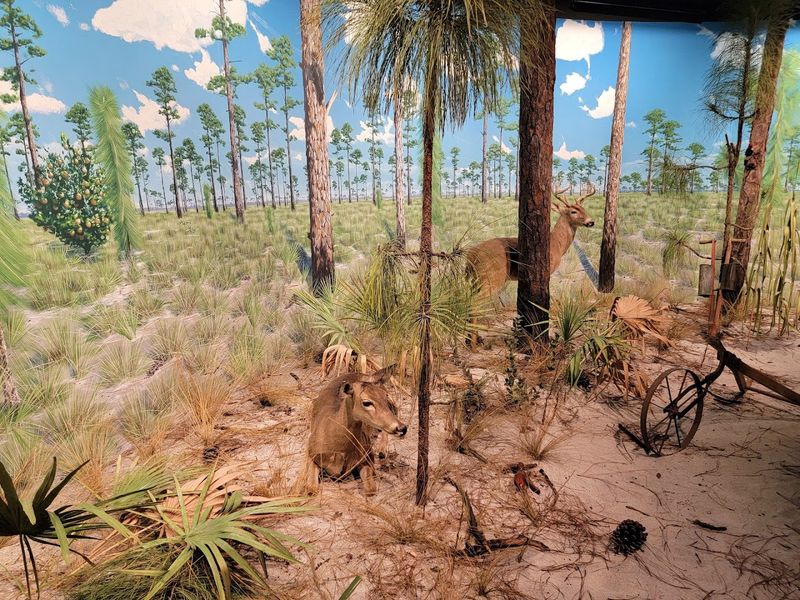
Step into meticulously crafted dioramas that transport you through Florida’s diverse ecosystems without ever leaving the museum. These three-dimensional displays showcase everything from coastal mangrove forests to inland freshwater marshes, complete with taxidermied native animals posed in lifelike scenes.
The attention to detail in vegetation, lighting, and animal positioning creates surprisingly realistic windows into nature.
Each habitat exhibit educates visitors about the interconnected relationships between Florida’s plants, animals, and environments. You’ll encounter representations of panthers, black bears, alligators, wading birds, and countless other species that call the Gulf Coast region home.
Information panels explain ecological concepts like food chains, seasonal migrations, and habitat preservation in language that younger learners can understand.
These displays serve an important purpose beyond visual appeal—they help visitors recognize and appreciate the wildlife they might encounter in real Florida environments. Many families use these exhibits as identification guides before embarking on nature walks or kayaking adventures.
The dioramas also highlight conservation challenges, showing both pristine habitats and areas affected by human development, encouraging thoughtful discussions about environmental stewardship and our collective responsibility.
The Extensive Regional History Timeline
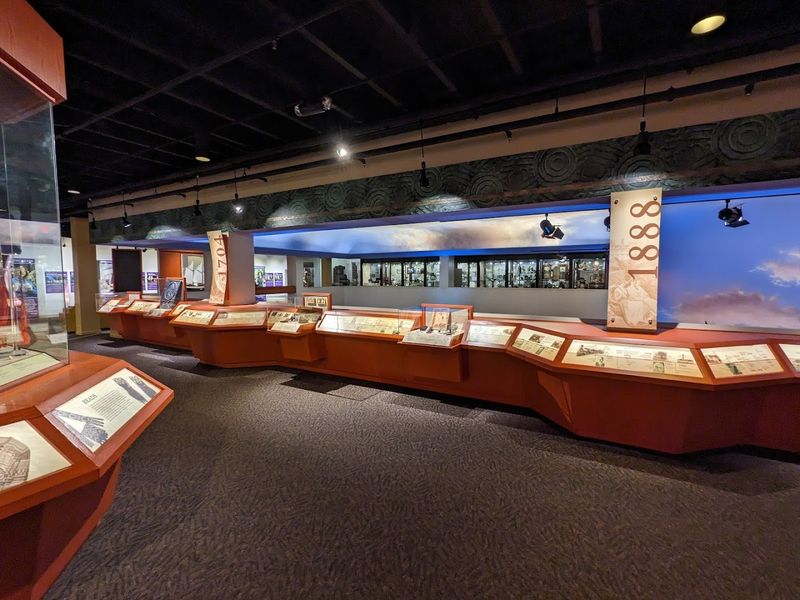
Walk through 12,000 years of Gulf Coast history along a comprehensive timeline that brings Florida’s human story to life. This extensive exhibit traces the region from the earliest Paleo-Indian inhabitants through Spanish colonization, pioneer settlements, and modern development.
Artifacts, photographs, documents, and interactive elements combine to create an engaging narrative that makes history feel immediate and personal.
The timeline doesn’t just present dates and facts—it tells stories of real people who shaped the Bradenton area. You’ll discover how Spanish explorers first encountered the region, how pioneer families established homesteads, and how the community evolved from a small settlement into today’s thriving coastal city.
Original objects like tools, clothing, photographs, and household items provide tangible connections to past generations.
Many visitors report spending far more time than expected reading through the detailed panels and examining authentic artifacts. The exhibit rewards close attention with fascinating details about everyday life in different eras, from Native American fishing techniques to Civil War impacts on the region.
This historical depth distinguishes the Bishop Museum from typical science centers, offering equal weight to cultural heritage alongside natural history.
Indigenous Peoples of Southwest Florida Exhibition
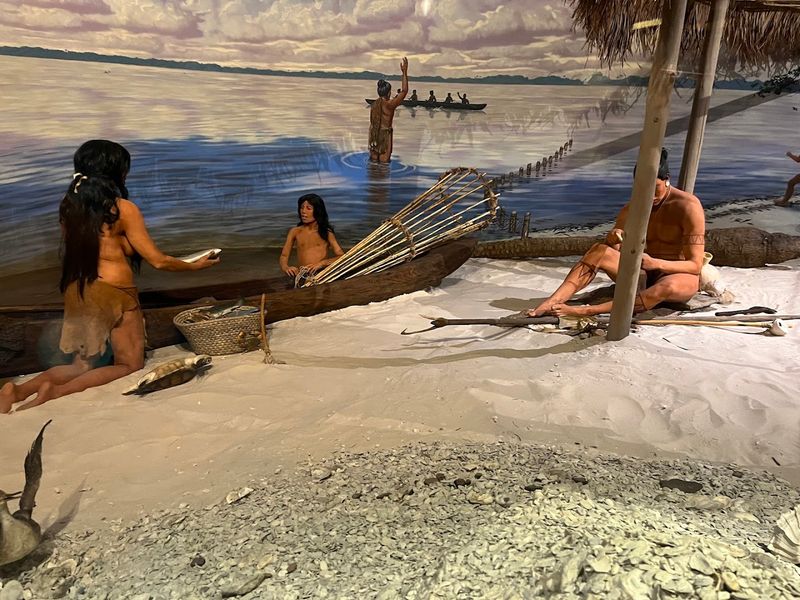
Long before European explorers arrived, sophisticated indigenous cultures thrived along Florida’s Gulf Coast for thousands of years. This exhibition honors those first residents through carefully preserved artifacts, interpretive displays, and reconstructed scenes of daily life.
Pottery fragments, shell tools, ceremonial objects, and architectural evidence tell the story of peoples like the Calusa, Tocobaga, and Timucua nations.
What makes this exhibit particularly valuable is its focus on correcting misconceptions about pre-Columbian Florida societies. Rather than primitive nomads, these exhibits reveal complex civilizations with advanced fishing technologies, extensive trade networks, and impressive engineering abilities.
Shell mounds, canoe construction techniques, and sophisticated tools demonstrate remarkable adaptation to the coastal environment.
Archaeological findings presented here show how indigenous peoples managed Florida’s resources sustainably for millennia. The exhibit addresses the devastating impacts of European contact, including disease and displacement, with appropriate sensitivity.
Educational components help young visitors understand that Florida’s human history didn’t begin with European settlement—it extends back thousands of years with rich, diverse cultures whose legacy persists in place names, archaeological sites, and oral traditions maintained by descendant communities today.
Interactive Children’s Discovery Center
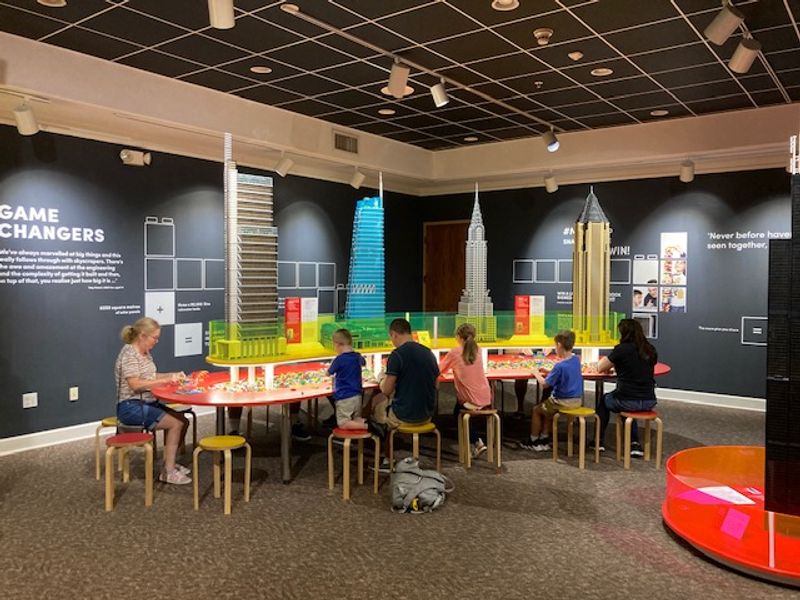
Parents breathe a sigh of relief discovering the dedicated children’s space where younger visitors can touch, play, and explore without worrying about damaging precious exhibits. This interactive zone features age-appropriate activities designed specifically for kids aged 3-7, though older children often enjoy the hands-on elements too.
Puzzle stations, dress-up areas, building blocks, and tactile learning stations keep little hands busy while sneaking in educational content.
Unlike the quiet observation required in other museum areas, this space celebrates noise and movement. Kids can crawl through tunnels, manipulate gears and pulleys, examine nature specimens up close, and engage in imaginative play scenarios.
Regular programming includes story time sessions like “Tales Under the Tree” and themed craft activities that connect to current exhibitions.
The play area gives families with mixed-age children a perfect solution—older kids can explore the main galleries while younger siblings stay engaged in appropriate activities. Clean facilities, helpful staff supervision, and comfortable seating for caregivers make this space genuinely family-friendly.
Many local families maintain museum memberships specifically for regular access to this beloved play space, visiting weekly to let their children burn energy while building early science literacy skills.
The Mosaic Garden Courtyard
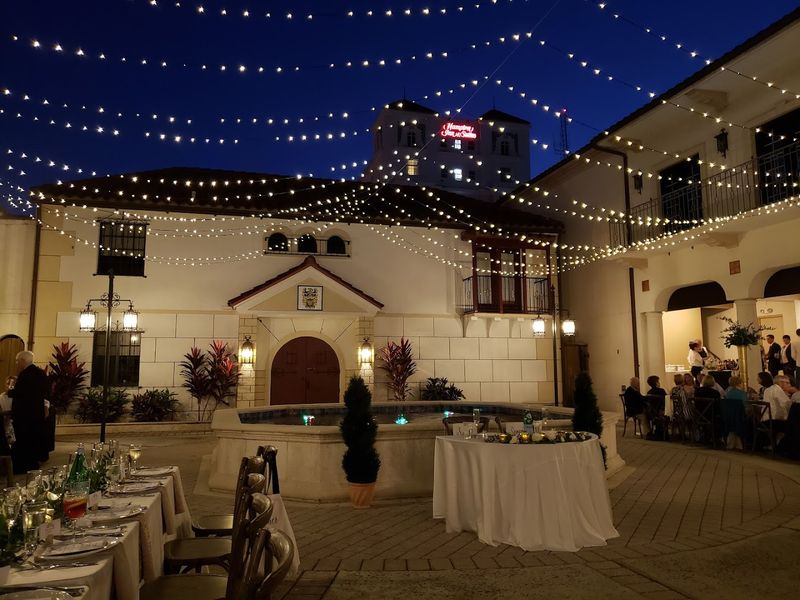
Between museum wings lies an unexpected oasis where art and nature merge into a peaceful retreat. The mosaic courtyard features colorful tile work, shaded seating areas, and native Florida plantings that provide a welcome mid-visit break.
On beautiful Florida days, this outdoor space offers fresh air and sunshine without requiring families to leave the museum grounds entirely.
While some visitors expecting elaborate mosaic displays find it more modest than anticipated, the courtyard serves an important practical purpose. Young children who’ve reached their indoor exploration limit can decompress in this safe, contained outdoor environment.
Families often use picnic tables here for snacks or lunch, taking advantage of the pleasant weather while still technically within the museum property.
The garden demonstrates xeriscaping principles using drought-tolerant native plants that thrive in Florida’s climate with minimal water. Educational signage identifies plant species and explains their ecological roles, extending the learning experience beyond the building’s walls.
Birds and butterflies frequent the space, creating spontaneous nature observation opportunities. The courtyard may not be the museum’s main attraction, but it significantly improves the overall visitor experience by preventing fatigue and providing sensory variety during longer visits.
Rotating Temporary Exhibition Gallery
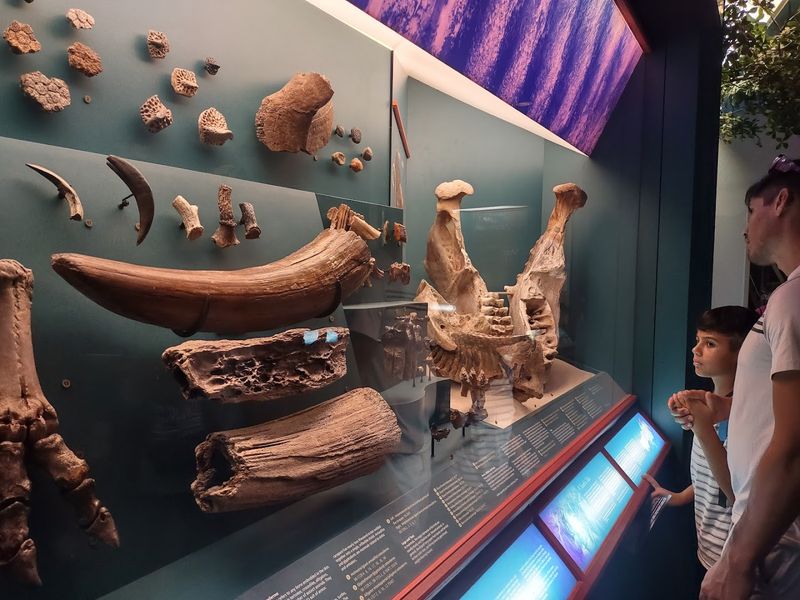
Beyond the permanent collections, the museum dedicates valuable gallery space to rotating exhibitions that keep the experience fresh for repeat visitors. These temporary displays change several times yearly, covering diverse topics from traveling natural history collections to specialized cultural exhibitions and contemporary science themes.
Past exhibitions have explored everything from dinosaur discoveries to artistic interpretations of nature to technology innovations.
This programming strategy means members and locals can visit multiple times annually and encounter new content each trip. The changing exhibitions often tie into current events, seasonal themes, or educational initiatives within the community.
Teachers particularly appreciate these rotating displays for planning field trips that complement classroom curricula at different times throughout the school year.
The temporary gallery space also allows the museum to showcase items from its extensive storage collections that don’t fit permanent displays. Thousands of artifacts, specimens, and archival materials remain behind the scenes in climate-controlled storage, and rotating exhibitions provide opportunities to bring these hidden treasures into public view.
Special programming often accompanies temporary exhibitions, including expert lectures, hands-on workshops, and themed family events that deepen engagement with featured topics.