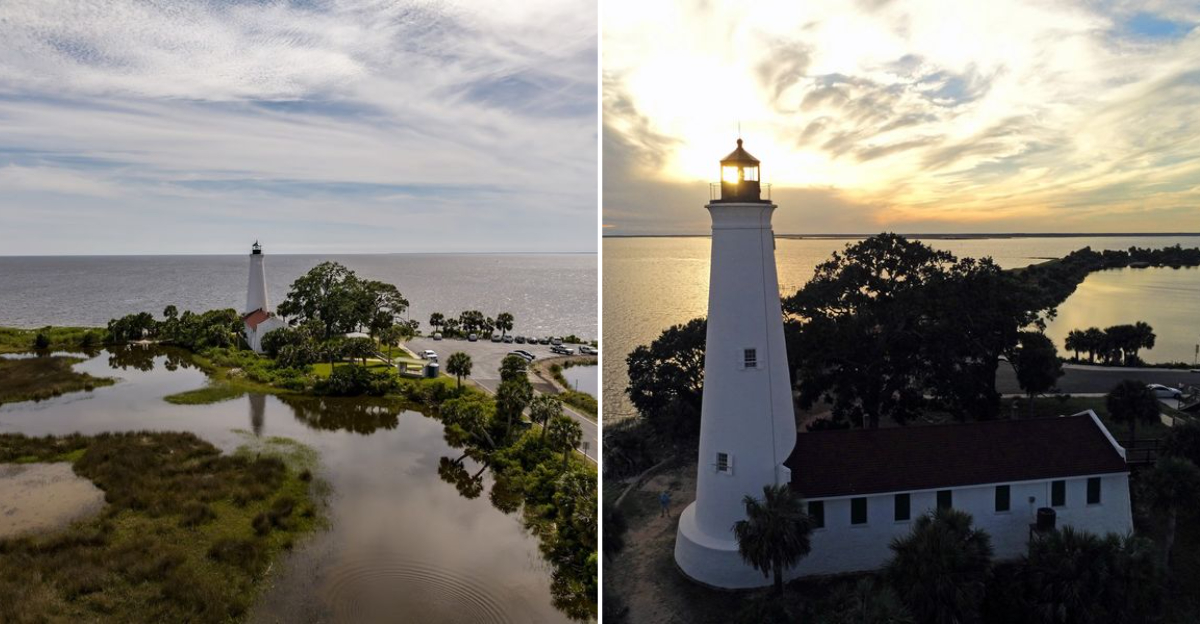
Standing tall since 1842, St. Marks Lighthouse has weathered more than a century of fierce Gulf Coast storms without giving up. This remarkable beacon sits in a beautiful wildlife refuge where alligators sun themselves and pelicans dive for fish just yards from its white tower.
Visitors from around the world come to see this historic survivor and explore the seven miles of coastal trails that wind through one of Florida’s most pristine natural areas. Whether you’re a history buff or a nature lover, this special place offers something truly unforgettable.
A Hurricane Survivor Built to Last
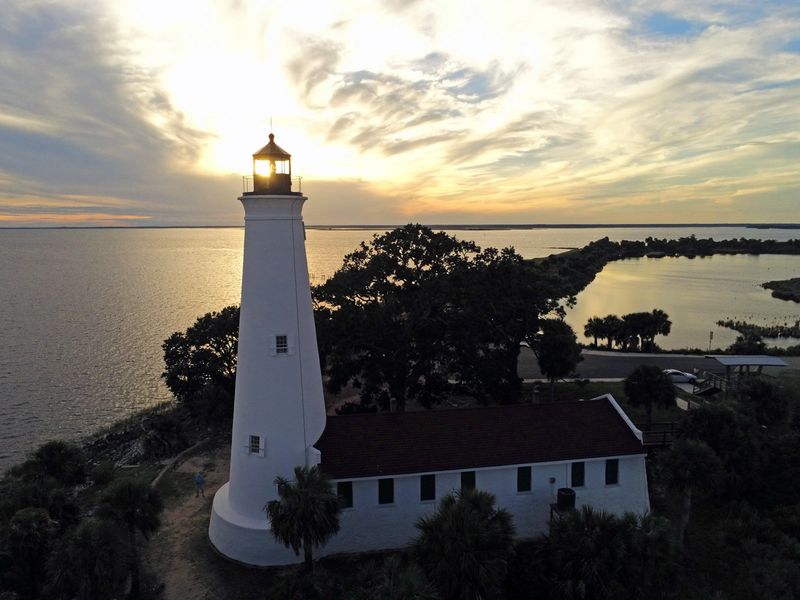
More than 100 hurricanes have battered Florida’s coastline since 1842, yet St. Marks Lighthouse stands as proud today as it did when workers finished building it. The original lighthouse from 1830 actually washed away in a storm, teaching engineers valuable lessons about Gulf Coast construction.
When they rebuilt in 1842, they used techniques that have kept this tower standing for over 180 years.
The secret lies in its solid foundation and sturdy brick construction that can bend slightly with powerful winds instead of snapping. Every major storm season brings worries, but this lighthouse continues proving its worth year after year.
Hurricanes Michael, Hermine, and countless others have tested its strength without bringing it down.
Walking around the base, you can see how well-maintained the structure remains despite decades of salt spray and wind. The National Wildlife Refuge Service works hard to preserve this historic treasure for future generations.
Standing before this mighty tower, you realize you’re looking at real American resilience built brick by brick.
Few structures anywhere have faced such repeated natural fury and survived to tell the tale.
Wildlife Refuge Surroundings
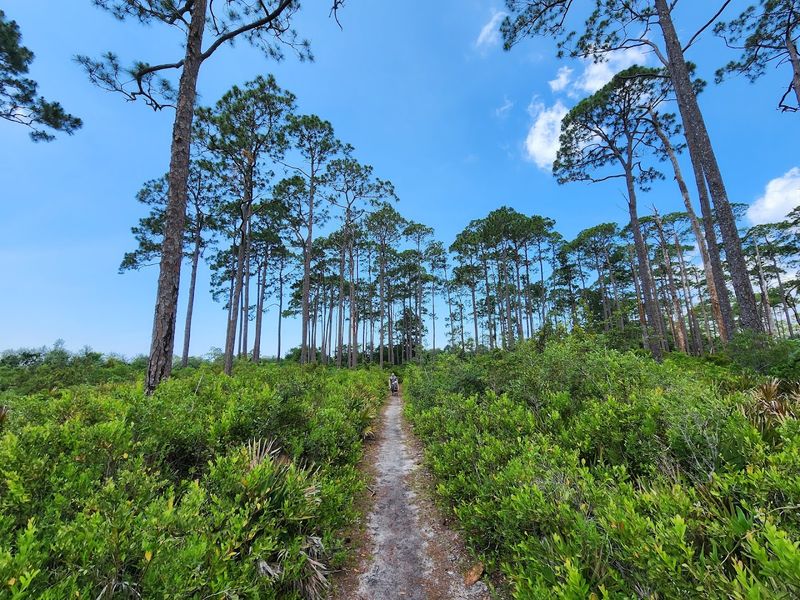
St. Marks Lighthouse sits inside one of Florida’s most spectacular wildlife refuges, where nature takes center stage. The refuge spreads across thousands of acres of coastal marsh, pine forests, and tidal flats teeming with life.
Every visit feels like stepping into a nature documentary where anything might appear around the next corner.
Butterflies flutter through the air in colorful clouds during warmer months. Shore birds wade through shallow pools hunting for their next meal.
The marsh grasses sway in gentle breezes that carry the scent of salt water and wild places.
Rangers and volunteers work daily to protect this precious habitat for both wildlife and visitors to enjoy. The refuge provides crucial nesting grounds for endangered species and migration stopovers for birds traveling thousands of miles.
Visitors can explore on foot, by bike, or by car, with plenty of spots to stop and soak in the scenery.
The $5 daily admission fee supports conservation efforts that keep this place pristine. Clean bathrooms, well-marked trails, and informative signs make exploring comfortable for everyone.
This isn’t just a lighthouse destination but a complete nature experience that stays with you long after leaving.
The Seven-Mile Scenic Journey
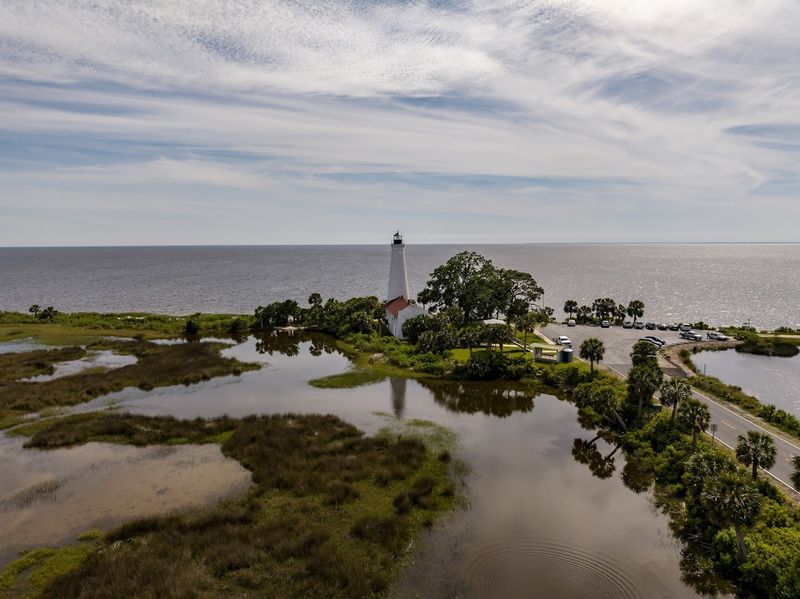
Getting to St. Marks Lighthouse requires a beautiful seven-mile drive from the visitor center that many people enjoy as much as the destination itself. This winding road cuts through some of Florida’s most unspoiled coastal landscape, offering new surprises around every bend.
Plan at least an hour for the round trip if you want to stop and really see things.
Multiple pulloffs dot the route where you can park safely and scan the wetlands for wildlife. Some visitors spot bald eagles perched in dead trees watching for fish.
Others catch dolphins playing in the channels during high tide or raccoons rustling through the underbrush.
The road passes through different ecosystems, from dense pine forests to open salt marshes. Each section has its own character and wildlife community worth discovering.
Photographers love the changing light throughout the day that paints the landscape in different moods.
Don’t rush this drive even if you’re eager to reach the lighthouse. The journey itself teaches you about Florida’s unique coastal environment and how everything connects.
Early morning drives often reward visitors with the best wildlife sightings when animals are most active and the air feels freshest.
Inside the Lighthouse Museum
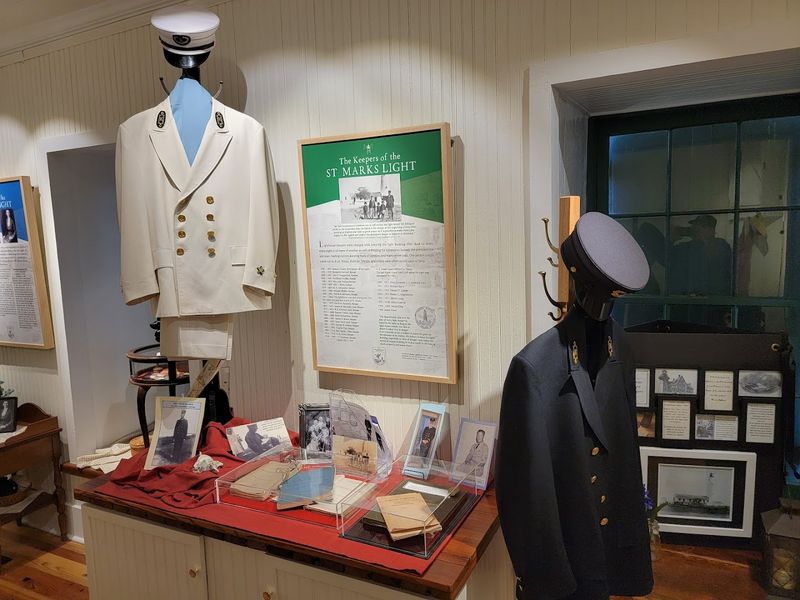
Small but fascinating, the lighthouse museum shares stories about the keepers who lived here and kept the light burning for passing ships. Knowledgeable volunteers answer questions and share details you won’t find in any guidebook.
Their passion for the lighthouse’s history makes every conversation memorable and educational.
Original artifacts and photographs line the walls, showing what life looked like for lighthouse families over different eras. You learn about daily routines, challenges they faced, and the critical role this beacon played in keeping sailors safe.
Each keeper had unique stories, and some of their descendants still visit today.
Unfortunately, climbing to the top isn’t allowed for safety reasons, which disappoints some visitors hoping to see the original Fresnel lens up close. However, ground-level exhibits explain how the lighthouse technology worked and evolved over time.
Models and diagrams help you understand the engineering brilliance behind these maritime guardians.
The museum operates on limited hours, typically until 3 PM, so plan your visit accordingly. Rangers emphasize arriving earlier in the day for the best experience.
Tours happen when volunteers are available, making each visit slightly different depending on who’s sharing their knowledge that particular day.
Coastal Trails and Walking Paths
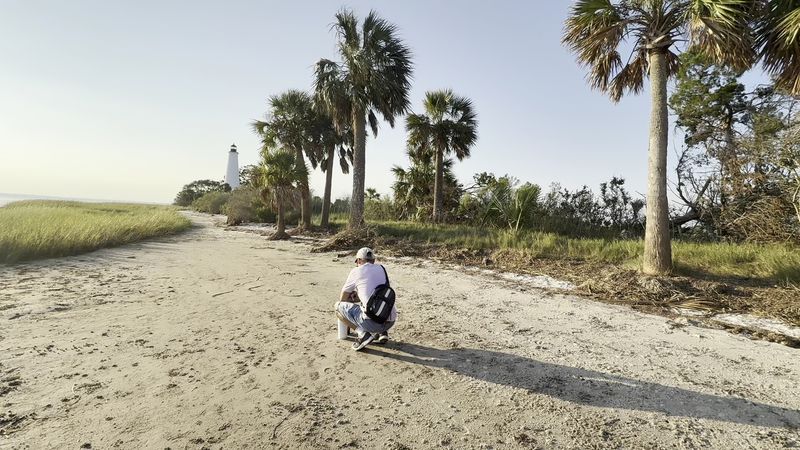
Well-maintained trails surround St. Marks Lighthouse, inviting visitors to explore the coastal landscape on foot. These paths range from easy strolls suitable for all ages to longer hikes for those wanting more adventure.
Every trail offers chances to spot wildlife, breathe fresh salt air, and escape the everyday world for a while.
Wooden boardwalks protect sensitive wetland areas while letting you walk right through fascinating ecosystems. Observation platforms provide perfect spots to pause, rest your legs, and watch for animals without disturbing them.
Benches appear at scenic overlooks where you can sit and listen to bird calls mixing with gentle wave sounds.
The main trail from the boat ramp parking area to the lighthouse takes about fifteen minutes at a leisurely pace. Sandy paths along the shoreline let you walk beside the water during low tide when small sandbars emerge.
Some visitors spend hours wandering different trails, discovering hidden corners of this special refuge.
Remember to stay on marked trails to protect fragile habitats and keep yourself safe from hidden dangers. The refuge provides trail maps at the visitor center showing distances and difficulty levels.
Comfortable walking shoes and water bottles are essential, especially during Florida’s warm months when the sun beats down relentlessly.
Perfect for Sunrise and Sunset Views
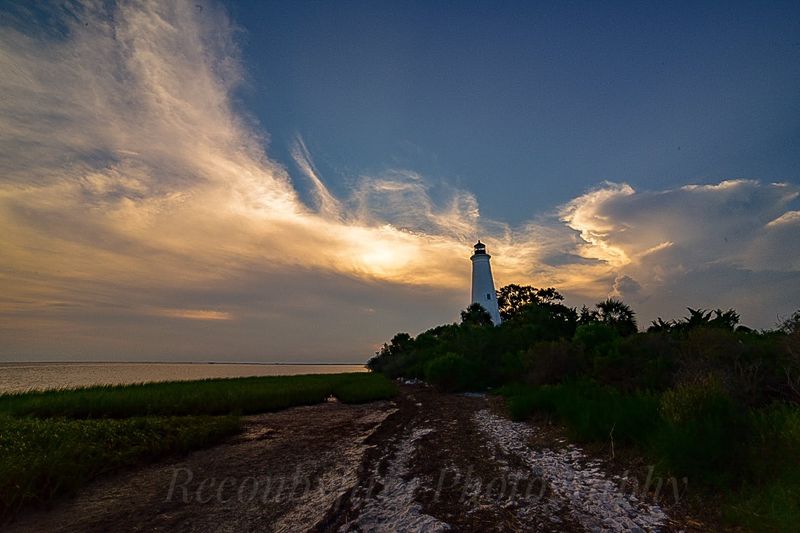
Photographers and romantic couples flock to St. Marks Lighthouse during golden hour when the light transforms everything into magic. Sunrise paints the white tower in warm orange and pink hues that practically glow against the morning sky.
The birds become extra active at dawn, adding movement and life to already stunning scenes.
Sunset brings different but equally spectacular colors, with the lighthouse standing dark against brilliant skies. Many engagement photos happen here because the setting practically guarantees beautiful backdrops.
One recent review mentioned witnessing a surprise proposal, and it’s easy to understand why people choose this spot for special moments.
The coastal location means you get both sky reflections in the water and interesting foreground elements for photography compositions. Professional photographers and smartphone snappers alike capture frame-worthy images without much effort.
Different weather conditions create entirely different moods, from dramatic storm light to peaceful clear evenings.
Timing your visit for sunrise means arriving when the refuge opens at 6 AM, giving you the place nearly to yourself. Evening visitors should check closing times to avoid getting locked in after 9 PM.
Either time rewards you with memories and photos you’ll treasure for years to come while experiencing the lighthouse in its best light.
Alligator Country
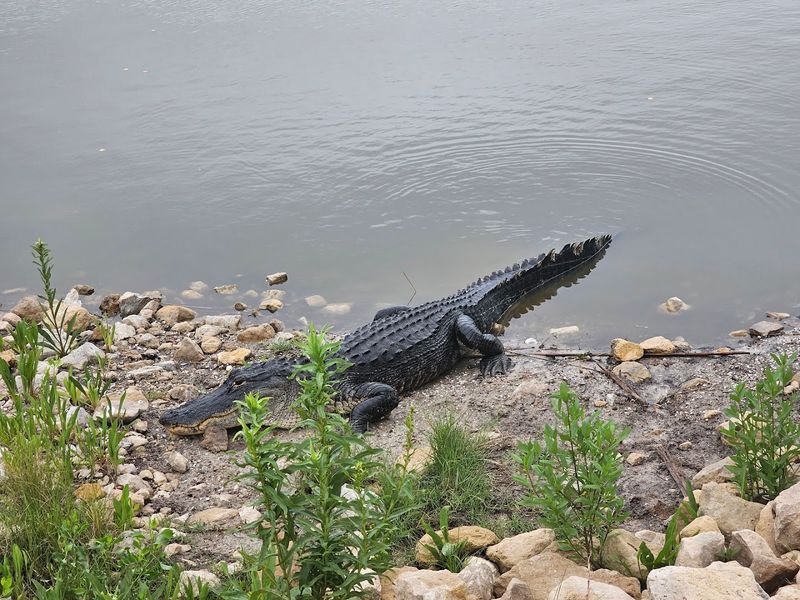
Alligators live throughout St. Marks Wildlife Refuge, and spotting these prehistoric reptiles sunning themselves is practically guaranteed during warmer months. Most visitors see at least three to five gators during a typical visit, with some lucky folks counting even more.
They lie motionless on banks or float with just their eyes above water, looking exactly like logs until they move.
While exciting to observe, these wild animals demand respect and caution from all visitors. Rangers stress keeping safe distances and never approaching or feeding alligators under any circumstances.
Dogs must stay leashed because loose pets can quickly become prey to hungry gators lurking nearby.
The refuge provides safe viewing opportunities where you can watch alligators from observation platforms and along roadways. Smaller gators frequent the marshy areas near the lighthouse, while bigger ones prefer deeper channels.
Spring brings nesting season when females become especially protective and potentially dangerous.
Despite the risks, alligator attacks remain extremely rare when people follow basic safety rules and use common sense. These creatures play vital roles in the ecosystem, controlling fish and turtle populations while creating habitats other animals use.
Seeing them in their natural environment, rather than a zoo, makes your visit genuinely authentic and memorable in ways artificial settings never could match.
Family Day Out Destination
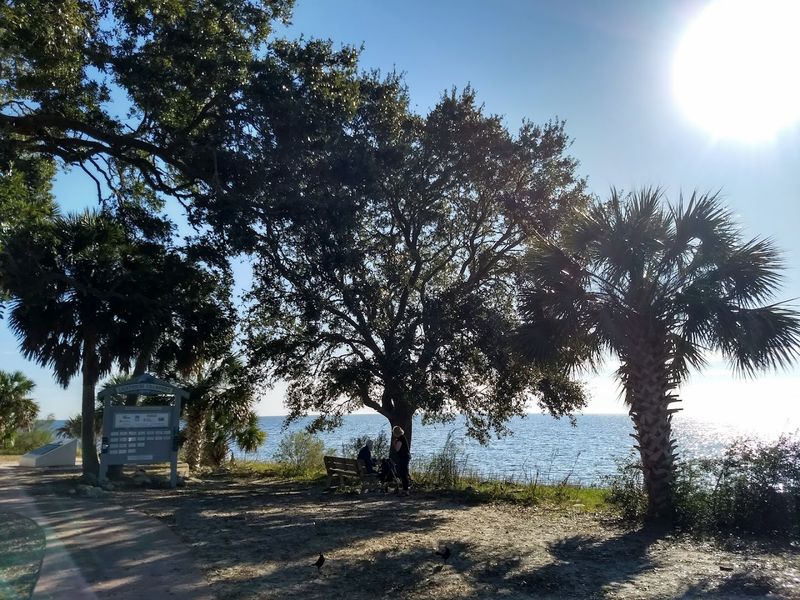
St. Marks Lighthouse welcomes families looking for educational outdoor fun that doesn’t break the bank. The $5 admission covers your entire vehicle for the whole day, making it affordable entertainment that beats expensive theme parks.
Kids love searching for alligators, collecting shells, and running along the trails while parents appreciate the peaceful natural setting.
Picnic tables scattered throughout the refuge provide perfect lunch spots with incredible views. Pack sandwiches, snacks, and plenty of drinks to make a full day of your visit.
Clean bathroom facilities mean you don’t have to worry about long drives before finding restrooms.
Dogs are welcome but must stay leashed at all times for their safety around alligators and other wildlife. Many families make regular visits throughout the year, watching how the landscape and animal activity changes with seasons.
The visitor center offers kid-friendly educational materials about the refuge’s plants and animals.
Most children find something fascinating here, whether it’s watching pelicans dive or spotting a raccoon scurrying through bushes. The relatively easy terrain works well for strollers and young walkers just developing their hiking skills.
Parents appreciate having cellphone service throughout most of the refuge in case emergencies arise, though disconnecting from screens and enjoying nature together makes the real magic happen.
Engineering Marvel of the 1840s
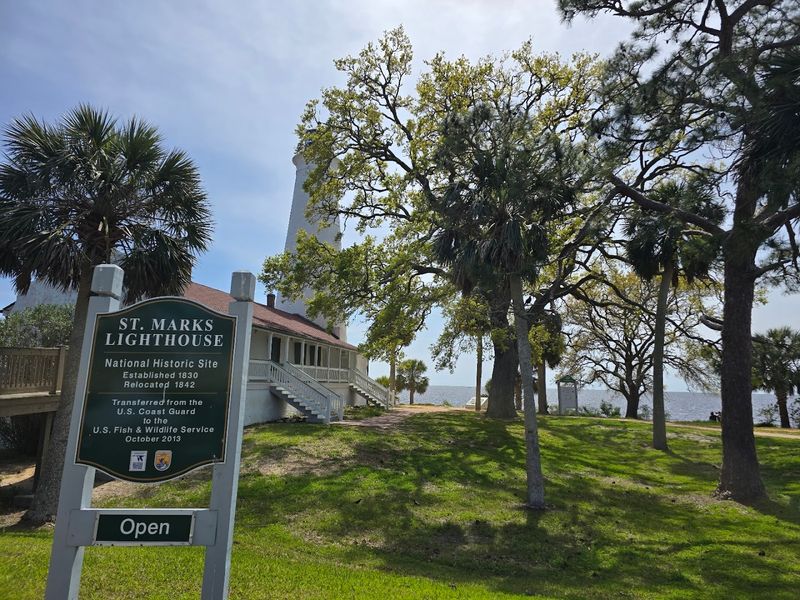
Building a lighthouse that could withstand Gulf Coast hurricanes required impressive engineering skills back in 1842 when modern construction equipment didn’t exist. Workers hauled materials by boat and hand, mixing mortar and laying bricks with precision that still impresses today’s engineers.
The foundation goes deep into the coastal soil, anchoring the tower against storm surge and powerful winds.
The original 1830 lighthouse failed because builders underestimated the Gulf’s fury, but the 1842 replacement incorporated hard-won lessons about coastal construction. Brick walls rise thick and strong, designed to flex slightly rather than crack under pressure.
The tapered shape helps wind flow around rather than pushing directly against flat surfaces.
Over the decades, maintenance crews have reinforced and restored the structure while keeping its original character intact. Modern materials help preserve historic bricks and mortar without changing the lighthouse’s appearance or integrity.
Each restoration project uses techniques that respect the building’s heritage while ensuring it survives another hundred years.
Standing beside this tower, you’re looking at practical genius from an era when builders couldn’t run computer simulations or use steel reinforcement. They relied on experience, mathematics, and careful craftsmanship to create something truly lasting.
More than 180 years later, their work still performs exactly as intended, guiding ships and inspiring visitors daily.