The Florida Aquarium in Tampa stands as one of the most impressive marine exhibits in the southeastern United States, housing over 20,000 aquatic animals and plants from around the globe. Located right along the waterfront at Channelside Drive, this world-class facility offers visitors an unforgettable journey through diverse aquatic ecosystems, from Florida wetlands to coral reefs.
With interactive touch tanks, massive viewing windows, and engaging educational programs, the aquarium provides families and ocean enthusiasts with hands-on experiences that spark curiosity and conservation awareness. Whether you’re watching playful otters, touching gentle stingrays, or marveling at sharks swimming overhead, every visit promises new discoveries and lasting memories.
The Coral Reef Gallery with 500,000-Gallon Tank
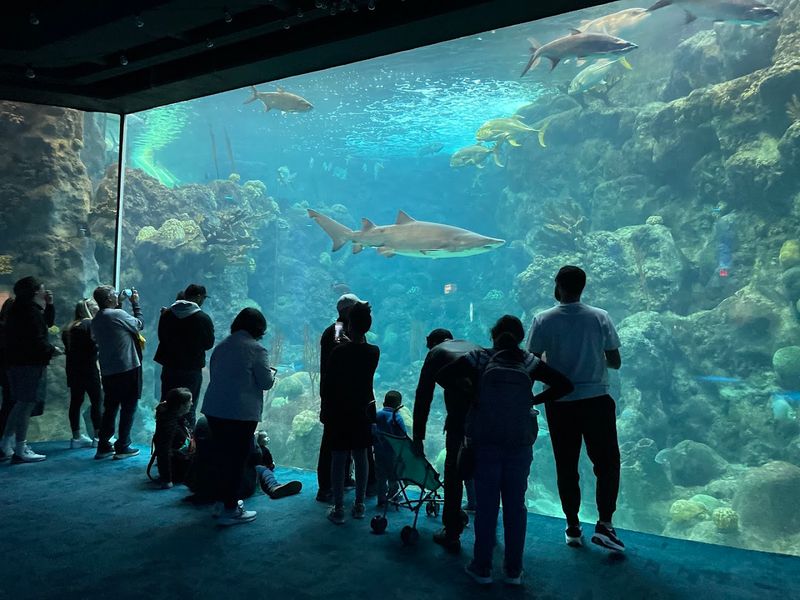
Walking into the Coral Reef Gallery feels like stepping into an underwater paradise. The centerpiece is a breathtaking 500,000-gallon tank filled with over 2,000 fish representing species from around the world.
Floor-to-ceiling windows wrap around the exhibit, giving you panoramic views of this thriving ecosystem.
Sharks glide gracefully through the water while colorful tropical fish dart between artificial coral formations. Giant groupers lumber past, and eagle rays sweep by with elegant wing-like fins.
The sheer size and diversity of marine life creates a mesmerizing experience that can keep visitors transfixed for extended periods.
Educational panels throughout the gallery explain the delicate balance of coral reef ecosystems and conservation efforts. Staff members are typically stationed nearby to answer questions and share fascinating facts about the inhabitants.
Many visitors report spending significant time in this area, watching feeding times and observing natural behaviors.
The lighting design mimics natural underwater conditions, creating an immersive atmosphere that helps you forget you’re standing in a building. Children and adults alike press close to the glass, discovering new species with each viewing angle.
This exhibit alone justifies the admission price for many marine enthusiasts.
Stingray Beach Interactive Touch Tank
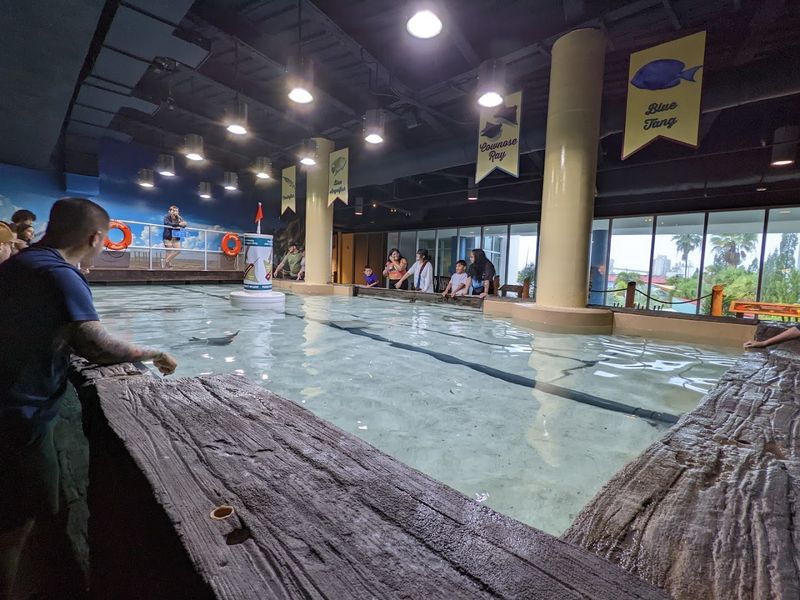
Few experiences at the aquarium generate more excitement than Stingray Beach. This shallow, open-top pool allows visitors to reach into the water and gently touch cownose and southern stingrays as they glide past.
The velvety texture of their skin surprises first-time touchers, feeling smooth in one direction and slightly rough in the other.
Knowledgeable staff members surround the pool, demonstrating proper touching techniques and sharing interesting facts about stingray biology. They explain how these gentle creatures have had their barbs safely removed and are accustomed to human interaction.
Visitors learn that stingrays are actually quite social and seem to enjoy the attention.
The pool is designed with a beach-like shelf where rays swim in just inches of water. This setup makes it easy for visitors of all ages and heights to participate comfortably.
Children especially love the experience, often returning multiple times during their visit.
Reviews consistently mention this as a highlight, with families spending considerable time watching the graceful movements. The interactive nature creates lasting memories and helps visitors develop appreciation for these misunderstood creatures.
Staff encourage questions and create an educational yet playful atmosphere that resonates with guests.
African Penguin Colony Habitat
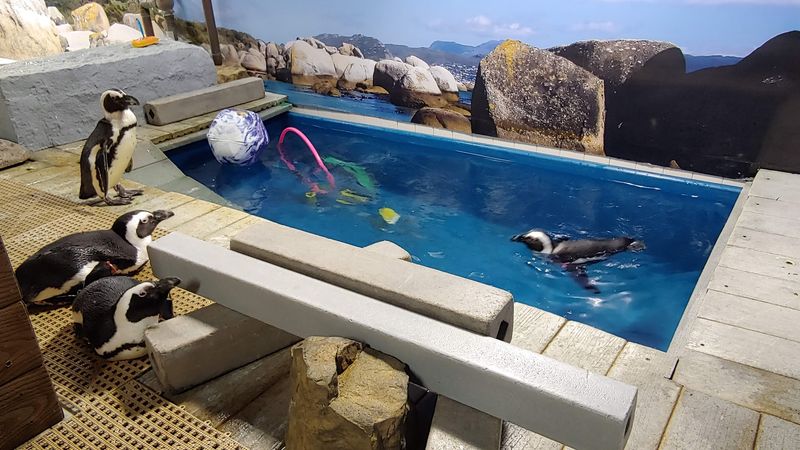
The African penguin exhibit transports visitors to the rocky shores of South Africa where these charming birds make their home. Behind large viewing windows, you can watch both above and below the waterline as penguins waddle on land and torpedo through the water with surprising speed.
Their distinctive black and white tuxedo markings make each individual recognizable.
These endangered birds are part of important conservation breeding programs. The aquarium participates in Species Survival Plans to help protect wild populations facing threats from overfishing and habitat loss.
Educational signage explains the challenges these penguins face and how visitors can support conservation efforts.
Daily feeding demonstrations draw large crowds, with staff sharing stories about individual penguins’ personalities and behaviors. Some visitors report that penguin viewings were temporarily unavailable during exhibit maintenance, but staff confirmed they bring the birds out several times daily for public interaction.
Their braying calls, which sound remarkably like donkeys, always surprise and delight first-time observers.
The habitat includes both a pool for swimming and rocky areas for nesting and resting. Climate control keeps temperatures comfortable for these cold-water species.
Photography enthusiasts love capturing these photogenic birds in action, whether they’re preening their feathers or diving for fish.
Wild Dolphin Cruise Adventure
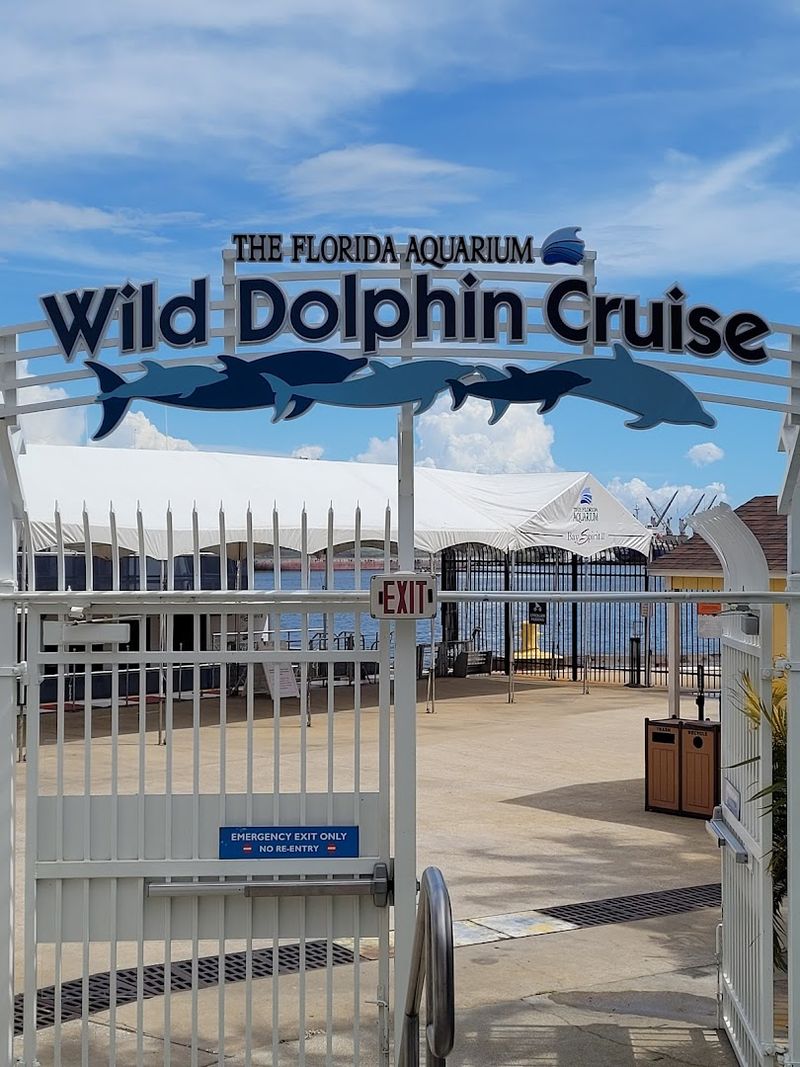
Beyond the aquarium walls, adventure awaits on the Wild Dolphin Cruise that departs from the adjacent marina. This eco-tour takes visitors into Tampa Bay aboard a comfortable catamaran specifically designed for marine wildlife viewing.
The cruise is operated by aquarium naturalists who provide expert commentary throughout the journey.
Multiple dolphin pods call Tampa Bay home, and sightings are extremely common during these excursions. Passengers watch in amazement as bottlenose dolphins swim alongside the boat, sometimes leaping completely out of the water.
The naturalists explain dolphin behaviors, communication methods, and social structures while pointing out other marine life like manatees, sea turtles, and various seabirds.
Reviews mention lucky visitors seeing several pods during a single cruise. The 90-minute journey covers different areas of the bay, maximizing opportunities for wildlife encounters.
The cruise operates weather permitting, so checking conditions before your visit is recommended.
This add-on experience can be purchased separately or combined with aquarium admission. Many families report this as the highlight of their Tampa visit, especially children who’ve never seen wild dolphins before.
The educational component helps visitors understand the importance of protecting marine habitats and the creatures that depend on them for survival.
Wetlands Trail with Free-Roaming Birds

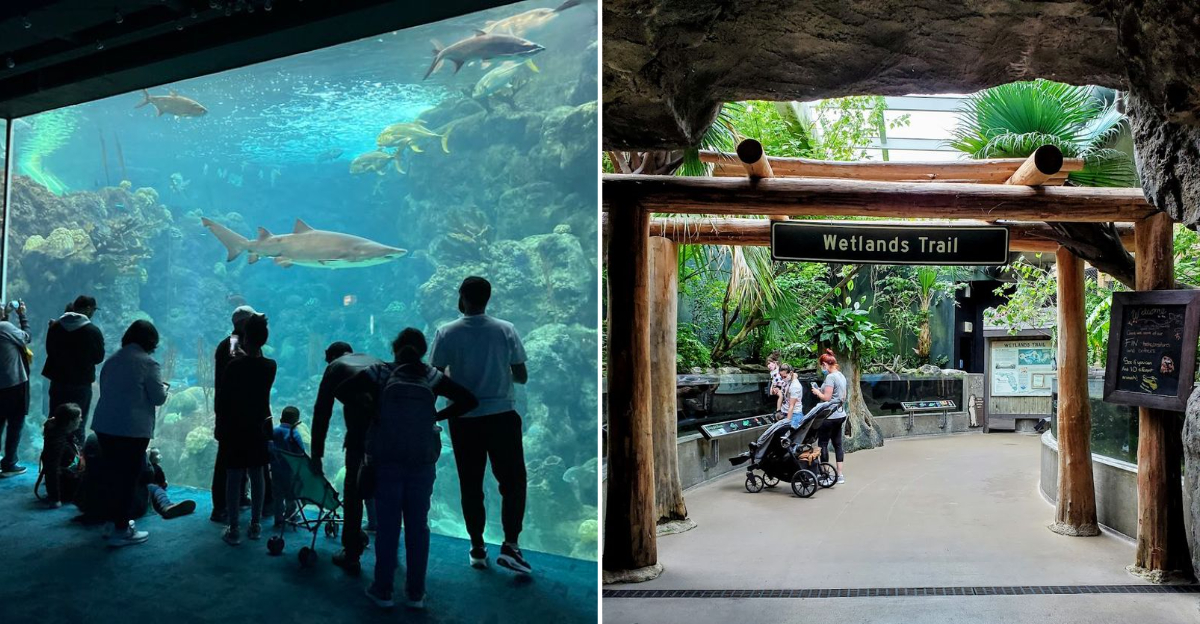
Stepping into the Wetlands Trail feels like entering a Florida marsh ecosystem. This unique exhibit features free-roaming native birds including white ibises, herons, ducks, and egrets that wander freely among visitors on the elevated boardwalk.
The multi-level design allows observation from different angles, including underwater viewing of the mangrove roots.
The mangrove zone receives particular praise from visitors who appreciate seeing both above and below the waterline simultaneously. Clear plexiglass panels reveal how mangrove root systems provide crucial nursery habitat for juvenile fish like spotted sea trout and redfish.
Native shore birds wade through the shallows, demonstrating natural foraging behaviors.
Educational interpreters stationed throughout the trail help identify species and explain the ecological importance of wetlands. Many visitors learn for the first time how these ecosystems protect coastlines, filter water, and support incredible biodiversity.
The immersive design makes you forget you’re indoors.
Birds fly overhead and land just feet away, creating magical photo opportunities. The water table is elevated to eye level, offering perspectives impossible in wild wetlands.
This exhibit showcases Florida’s natural heritage and helps visitors appreciate the ecosystems often overlooked when thinking about marine environments. It’s educational without feeling like a classroom.
Moon Jelly Touch Experience
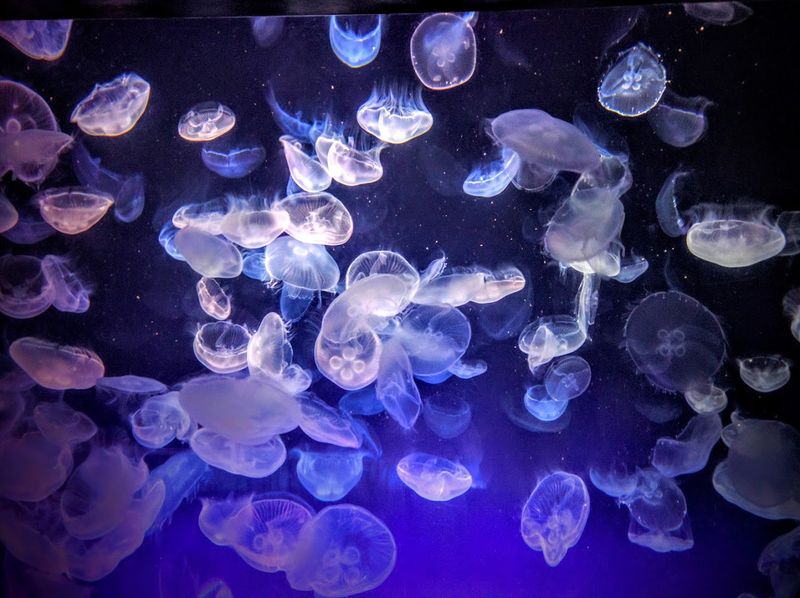
The jellyfish touch experience offers something truly unique among aquarium attractions. Unlike most jellyfish species with painful stings, moon jellies are safe to touch gently.
Their translucent bells pulse rhythmically through the shallow touch pool, creating a mesmerizing ballet of movement and light.
Staff members guide visitors on proper touching techniques, explaining you should use just one or two fingers on the top of the bell. The sensation is described as feeling like soft gelatin or a firm water balloon.
Educational interpreters explain jellyfish anatomy, which consists of approximately 95 percent water.
This hands-on encounter helps demystify these often-misunderstood creatures. Visitors learn how jellyfish have survived for over 500 million years without brains, hearts, or bones.
The exhibit includes information about different jellyfish species, some harmless like moon jellies and others potentially dangerous.
Children find the experience both thrilling and slightly nerve-wracking at first. The otherworldly appearance of jellyfish combined with being able to touch them creates a memorable experience.
Reviews frequently mention this as a highlight, with many visitors surprised such interaction is possible.
The exhibit area includes beautiful jellyfish displays with specialized lighting that makes them glow in various colors. This creates stunning photo opportunities while also showcasing different species beyond the touchable moon jellies.
Sea Turtle Recovery and Conservation Center
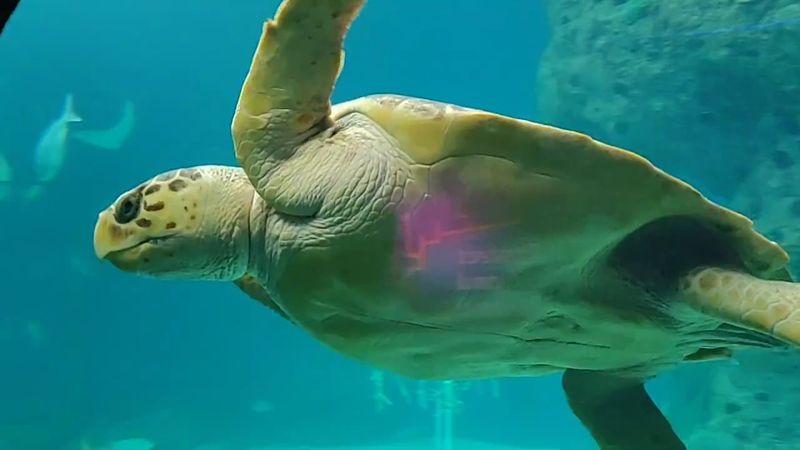
The sea turtle exhibit serves as both an attraction and a working rehabilitation center for injured and sick sea turtles. Visitors can observe these ancient mariners as they recover from various injuries, often caused by boat strikes, fishing gear entanglement, or ingesting marine debris.
Large viewing windows provide excellent views of these graceful swimmers.
Educational panels tell individual turtle stories, explaining how each one arrived at the facility and their progress toward release. This personal connection helps visitors understand the real-world impacts of human activities on marine wildlife.
Staff members share updates about rehabilitation efforts and success stories of turtles returned to the ocean.
Several turtle species may be present, including loggerheads, green sea turtles, and occasionally Kemp’s ridley or hawksbill turtles. Watching them glide effortlessly through the water, propelled by powerful front flippers, showcases the beauty that makes sea turtles beloved worldwide.
Some individuals have been residents for years due to injuries preventing release.
The exhibit emphasizes conservation messages about reducing plastic pollution, respecting nesting beaches, and supporting protective legislation. Visitors learn simple actions they can take to help sea turtle populations.
Many reviews specifically mention being moved by meeting Flip the Turtle and other long-term residents, appreciating the aquarium’s commitment to animal welfare and education.
Outdoor Splash Pad and Water Playground
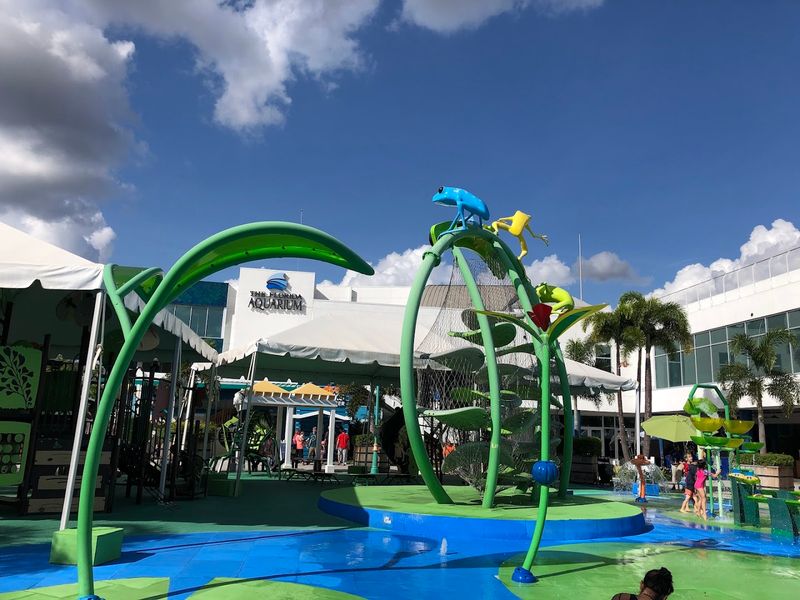
After exploring indoor exhibits, families appreciate the outdoor courtyard featuring an interactive splash pad and water playground. This area provides the perfect spot for children to burn off energy while parents relax in the Florida sunshine.
Water jets, spray features, and interactive elements keep kids entertained and cool.
The outdoor space is designed with young children in mind, featuring age-appropriate water depths and soft surfaces. Parents can supervise from shaded seating areas surrounding the play zone.
This thoughtful design allows adults to rest while maintaining clear sightlines to their children.
During warmer months, the splash pad becomes especially popular. Many families plan their visits to include time here, often bringing swimsuits or change of clothes.
The area never feels like an afterthought but rather an integral part of the aquarium experience designed for family enjoyment.
Additional outdoor elements include native Florida landscaping, viewing areas overlooking the waterfront, and sometimes glimpses of cruise ships departing from nearby Port Tampa Bay. The courtyard also features a food and beverage area where families can purchase refreshments.
Reviews frequently mention this space as a valuable addition, particularly for families with multiple children of different ages.
The combination of educational indoor exhibits and outdoor play creates a well-rounded experience that accommodates various energy levels and attention spans throughout the day.
Madagascar Journey Lemur Habitat
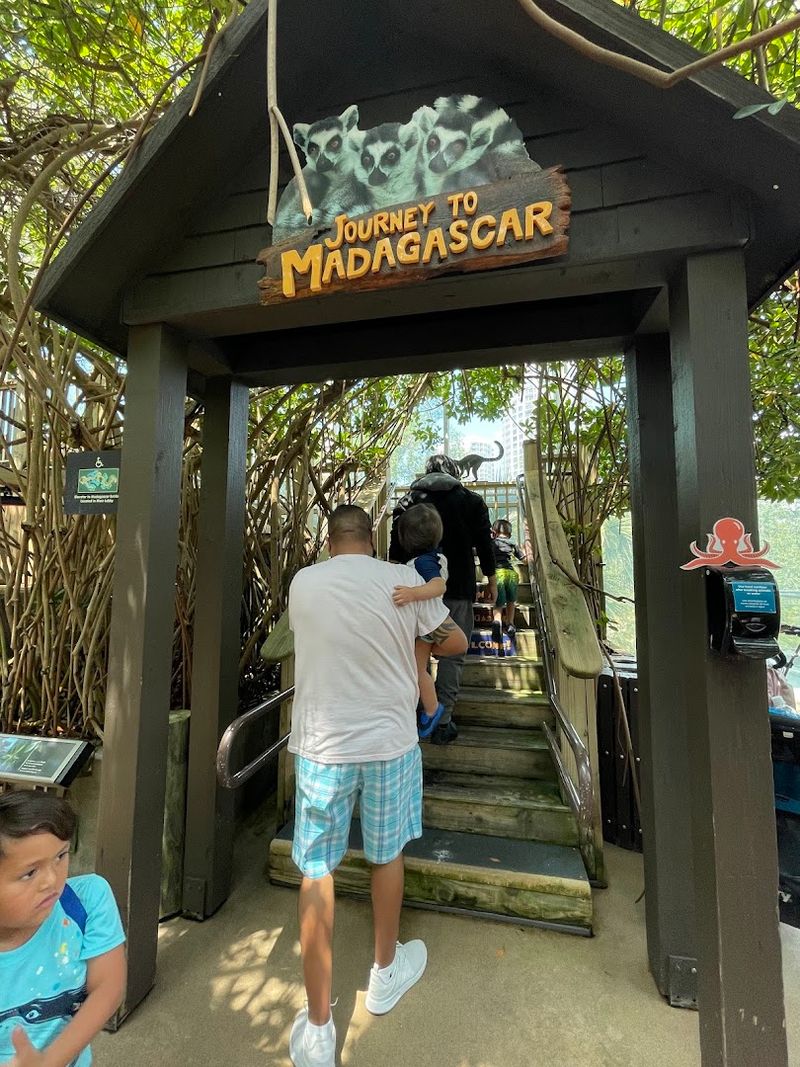
While primarily focused on aquatic life, the aquarium surprises visitors with a charming lemur habitat. This exhibit showcases ring-tailed lemurs in a naturalistic Madagascar-themed environment complete with climbing structures, ropes, and vegetation.
These primates are not aquatic but are included to represent the connection between terrestrial and marine ecosystems.
Ring-tailed lemurs are highly social animals, and watching their troop interactions proves endlessly entertaining. Their distinctive black-and-white striped tails make them instantly recognizable.
Visitors often observe them sunbathing with arms outstretched in their characteristic yoga-like pose, grooming each other, or leaping between branches with remarkable agility.
Educational components explain how Madagascar’s ecosystems, including its rivers and coastal areas, support unique biodiversity found nowhere else on Earth. The exhibit emphasizes how protecting entire ecosystems, not just individual species, is crucial for conservation success.
Lemurs serve as ambassadors for understanding habitat interconnectedness.
Staff presentations often include feeding times and training demonstrations that showcase lemur intelligence and personality. These charismatic primates have distinct vocalizations and social hierarchies that interpreters explain to fascinated audiences.
The exhibit design allows close viewing while maintaining appropriate barriers for animal and visitor safety.
Many reviews mention being pleasantly surprised by this exhibit, noting it adds diversity to the aquarium experience. The lemurs’ expressive faces and playful behaviors create memorable moments for visitors of all ages.
Shark Bay Shallow Water Encounter
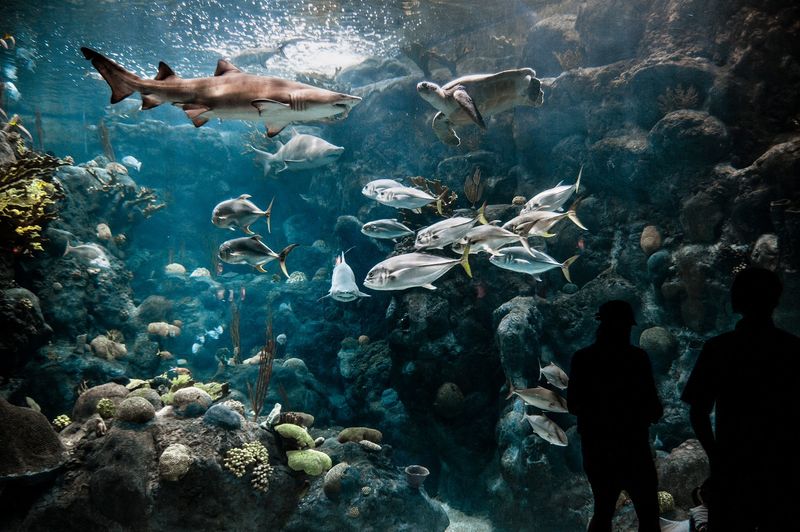
Shark Bay lets you observe several shark species gliding through crystal-clear shallow waters from just inches away. Bonnethead sharks, a smaller cousin of the hammerhead, patrol the exhibit alongside gentle nurse sharks that rest on the sandy bottom.
The viewing area puts you at eye level with these misunderstood predators, helping you appreciate their grace and importance.
Many visitors are surprised to learn that sharks are more afraid of humans than we are of them. The aquarium’s conservation message emphasizes how crucial sharks are for maintaining healthy ocean ecosystems worldwide.
Educational talks scheduled throughout the day reveal amazing shark facts, including how they can detect electrical signals from other animals and why protecting shark populations matters for our planet’s future.