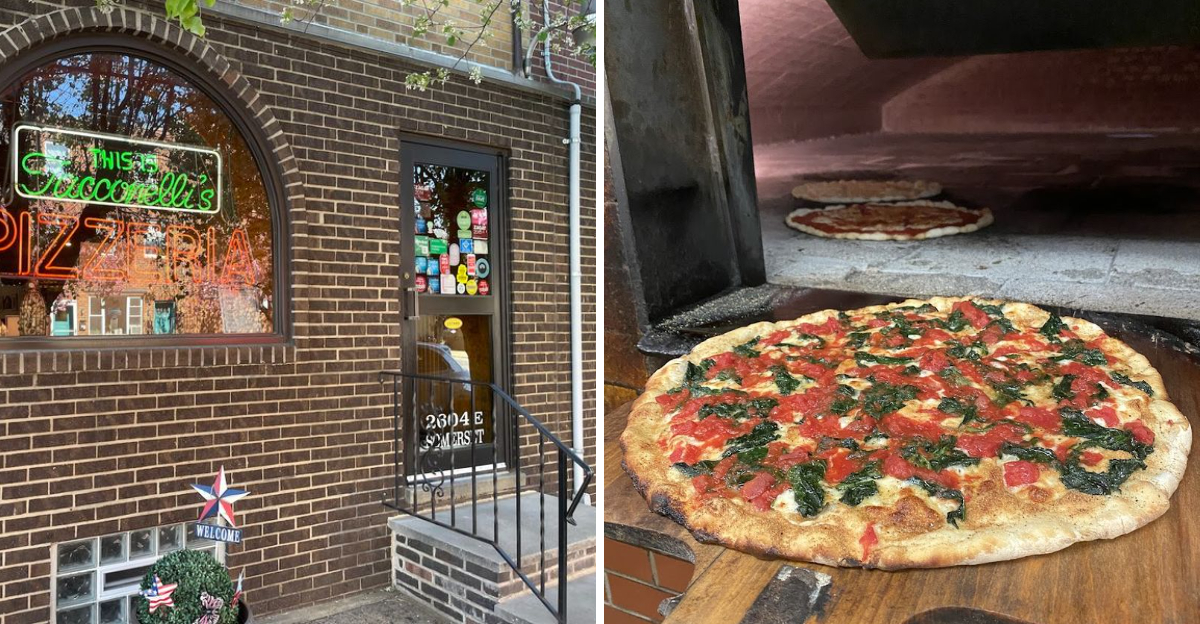
Some pizza places sell dinner, but Tacconelli’s feels like it serves living history by the slice.
In Philadelphia’s Port Richmond neighborhood, one family has kept an old brick oven working through wars, generations, and changing food trends without losing its soul.
If you love places where tradition still sets the pace, this story will pull you straight to the table.
And once you hear how the oven works, you may never look at pizza the same way again.
Italian Roots That Go Back to 1918
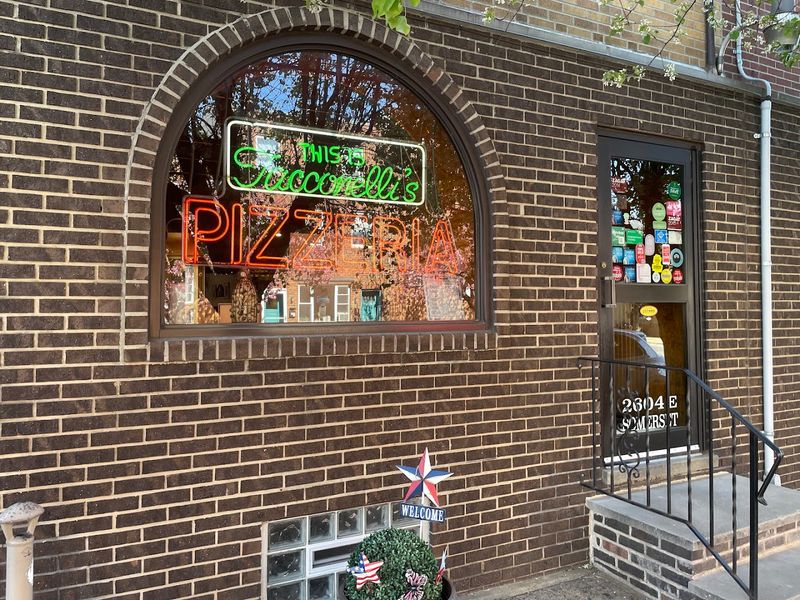
The story starts in 1918, when Giovanni Tacconelli arrived in Philadelphia from Italy carrying the kind of knowledge you cannot pack in a suitcase. He brought bread-making skills shaped by old-country practice, patience, and repetition, the kind of craft that turns flour, water, and heat into a family legacy.
When you look at Tacconelli’s today, you are really looking at the long shadow of that decision to build a life through dough.
What makes this beginning so compelling is how practical it was. Giovanni was not chasing a trendy food concept or trying to invent a brand friendly origin story.
He was doing what many immigrants did, using the work he knew best to create stability, dignity, and a future for the people around him.
That old-world foundation still matters because you can feel it in the shop’s pace and priorities. Nothing about Tacconelli’s reads like a place built for shortcuts.
The roots go back to survival, skill, and tradition, and that gives every pie a deeper context than a typical neighborhood slice shop could ever hope to offer today.
The Original Brick Oven That Started It All
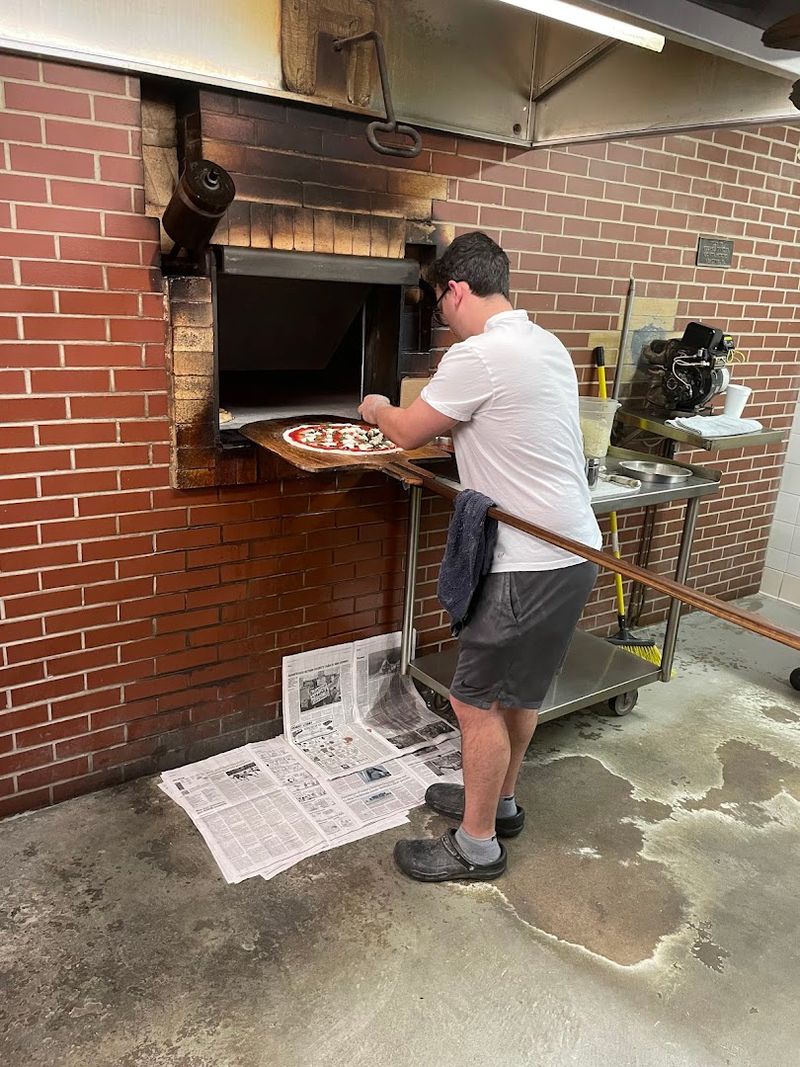
Long before Tacconelli’s became famous for pizza, the heart of the business was a huge brick oven built for bread. Giovanni constructed a massive 20-by-20-foot oven, and that detail alone tells you everything about the ambition behind the family operation.
This was not a side project or a decorative nod to tradition, but a serious working tool designed to produce food at scale with old-fashioned consistency.
What amazes me most is that the oven still anchors the pizzeria today. In an era when restaurants remodel constantly and replace equipment the moment something newer appears, Tacconelli’s still relies on the same essential structure that launched the family business decades ago.
That continuity gives the place a physical connection to its own past that most restaurants can only imitate through framed photos and nostalgic menus.
If you visit, the oven is more than an appliance. It feels like the oldest employee in the building, steady, stubborn, and impossible to separate from the identity of the shop.
Plenty of pizzerias talk about authenticity, but here the authenticity is literally built into the walls, heated by fire, and preserved through daily use over generations.
From Bread to Tomato Pies After WWII
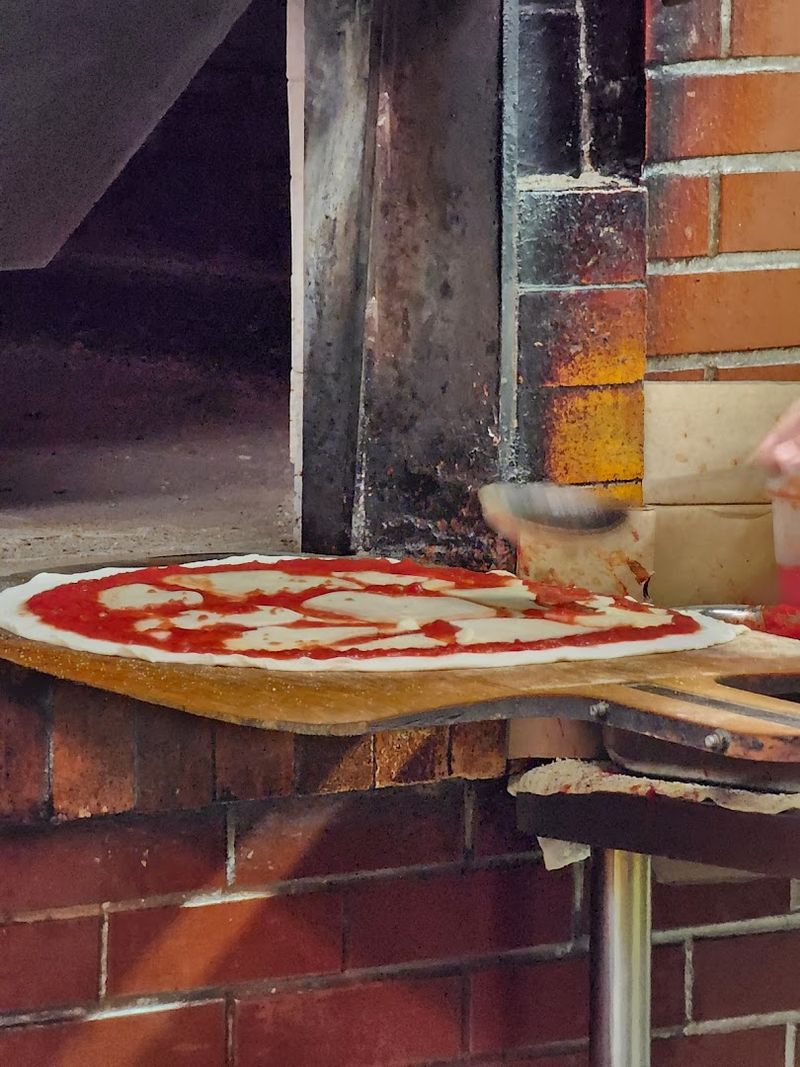
After World War II, Tacconelli’s took the turn that would define its future. Giovanni’s sons came home from military service, and the family shifted from baking bread to making tomato pies, adapting what they already had instead of starting from scratch.
That move feels especially meaningful because it was born from return, resilience, and the practical instinct to turn tradition into something new.
The old oven did not need to be replaced or reinvented. It simply found a new purpose, moving from loaves to pies while carrying the same family discipline into a different kind of product.
You can almost picture the conversations that must have happened around that decision, with generations balancing memory, necessity, and opportunity in one hot room.
That postwar pivot also helps explain why Tacconelli’s pizza feels so rooted instead of manufactured. The restaurant was not created by chasing a market gap or following a passing craze.
It grew organically from the rhythms of a working family business, and that kind of evolution gives the pies a sense of continuity you can taste. Every crisp bite feels connected to bread first, then pizza, then family, then neighborhood, all at once.
A Family Business Passed Through Generations
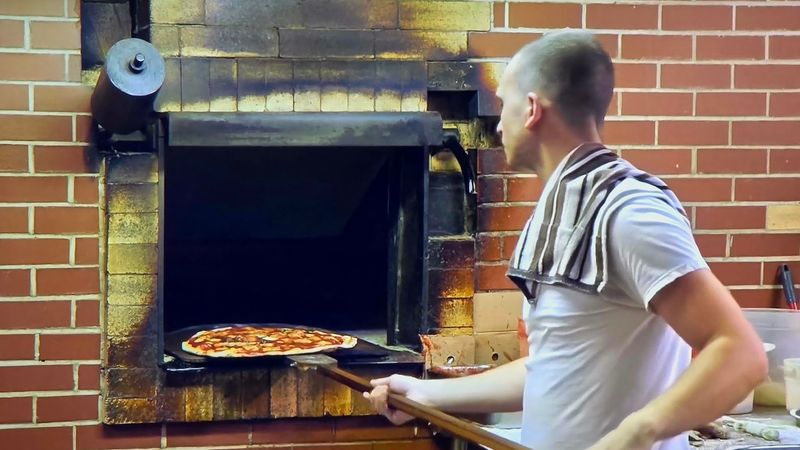
One of the most remarkable things about Tacconelli’s is that it has stayed in the same family for five generations. That kind of continuity is rare in any business, but it feels especially extraordinary in the restaurant world, where rising costs, changing neighborhoods, and burnout can end a legacy quickly.
Here, techniques, habits, and standards were not just written down. They were handed from person to person, oven to oven, year after year.
You can sense that this is more than inheritance on paper. A family business like this survives because each generation chooses to care about the details enough to protect them.
The crust, the baking rhythm, the restraint with toppings, and even the insistence on doing things the slower way all suggest a chain of trust that never fully broke.
There is something deeply reassuring about eating in a place where grandparents, parents, and children have all shaped the same craft. Instead of rebranding itself every few years, Tacconelli’s seems to grow by remembering.
That gives the restaurant a different kind of authority, the kind that comes from lived repetition rather than marketing language. When you sit down here, you are not just ordering pizza.
You are stepping into a family conversation that started decades ago.
The One-Man, One-Oven Philosophy
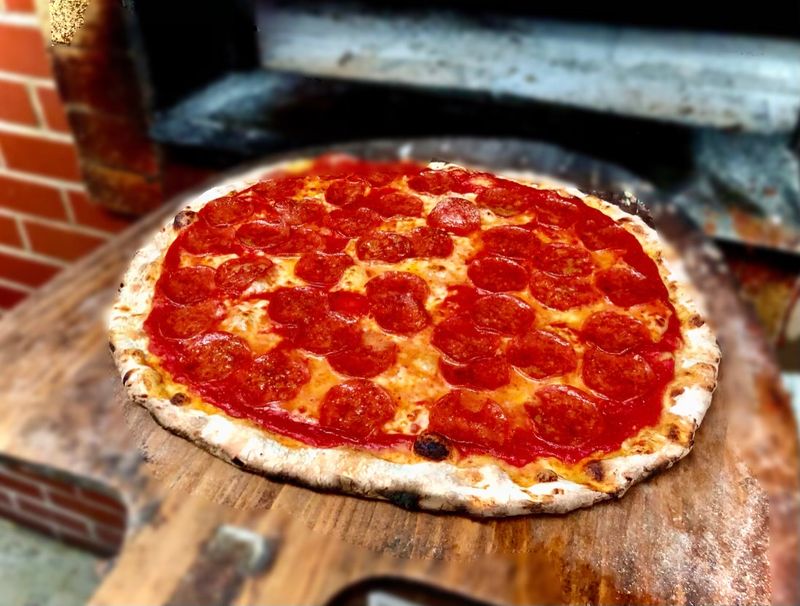
Tacconelli’s does not operate like a high-volume modern pizza shop, and that is exactly the point. The place is known for a one-man, one-oven philosophy that keeps the process intimate, controlled, and stubbornly resistant to speed for speed’s sake.
If you are used to conveyor efficiency and endless output, this approach can feel almost radical.
There is something beautiful about the limits built into that system. One primary baker, one oven, one rhythm, and a finite number of pies mean every decision matters more.
The result is not just slower production. It is a style of cooking where attention stays concentrated, and the person handling the pizza remains closely connected to the fire, the dough, and the timing of each bake.
That philosophy also shapes the entire customer experience. You are not walking into a place designed to crank out interchangeable food as fast as possible.
You are stepping into a process with boundaries, and those boundaries are part of what gives Tacconelli’s its identity. In a strange way, the limitation becomes the luxury.
The pizza feels personal because it cannot be mass-produced without losing the very thing that makes people seek it out in the first place.
A Unique Cooking Method Using Residual Heat
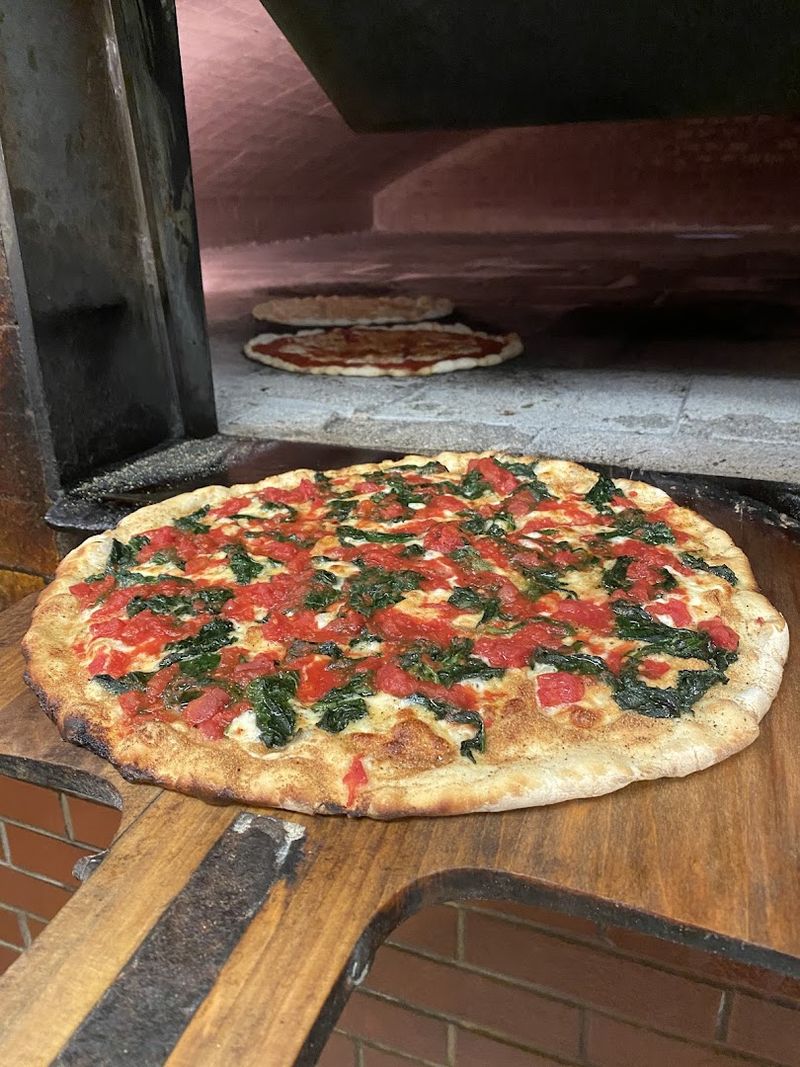
The cooking method at Tacconelli’s is one of those details that instantly makes the place unforgettable. The brick oven is fired for hours and then turned off before service, so the pizzas cook in retained heat rather than under a constantly roaring flame.
That single choice changes everything about texture, timing, and flavor, giving the pies a character that is hard to fake anywhere else.
Residual heat creates a crust with a crisp, crackling quality that fans talk about almost reverently. Because the oven’s stored energy radiates through the brick, the bake feels steady and deep rather than aggressive.
You get a pie that seems both delicate and structured, with a finish that highlights the dough instead of burying it under char or excess grease.
I think this method explains why Tacconelli’s inspires such loyalty among people who care about technique. The oven is not just hot.
It is seasoned by time, managed with intention, and used in a way that demands patience from everyone involved. That patience pays off in every bite.
When you taste the crust, you are tasting heat that was banked, held, and carefully spent, which somehow makes the whole experience feel older and wiser.
Minimalist Toppings That Let the Crust Shine
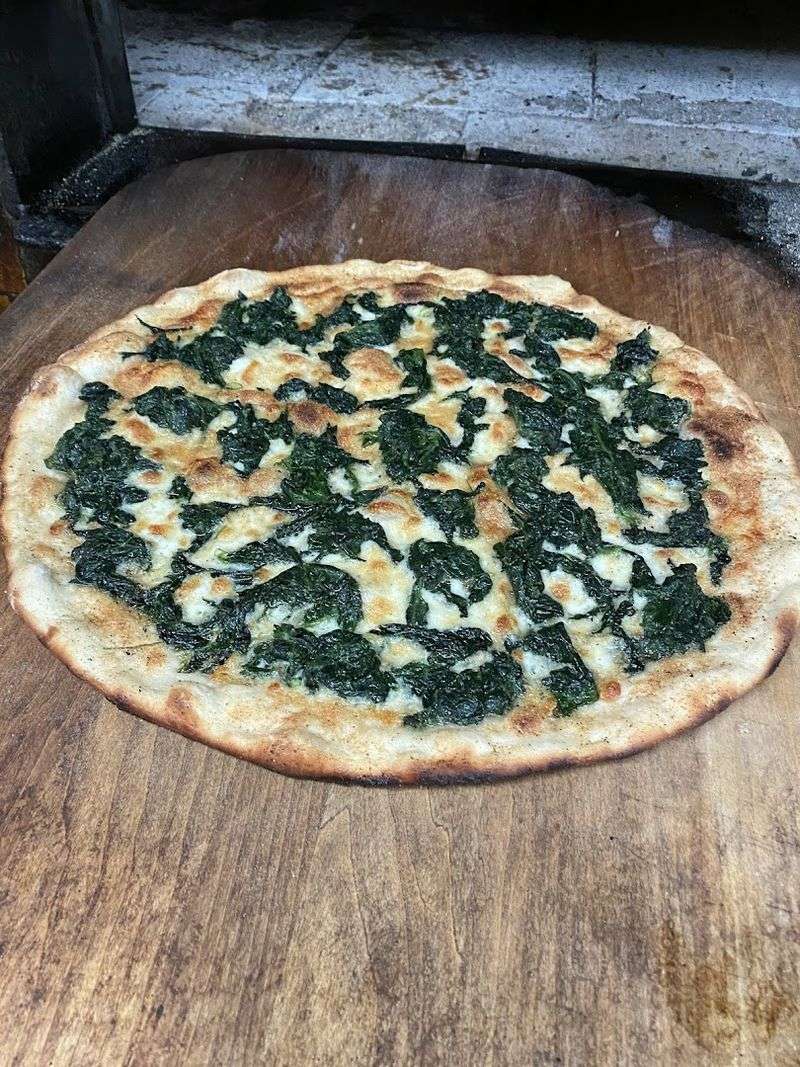
If you like overloaded pizzas buried under cheese, Tacconelli’s may surprise you. The pies are known for a lighter hand, with bold tomato sauce, restrained cheese, and toppings used carefully instead of piled on for spectacle.
That balance makes the crust the star, which is exactly how a place with this kind of baking heritage wants it.
There is real confidence in that restraint. A restaurant does not keep toppings minimal unless it believes the dough and bake can carry the experience on their own.
At Tacconelli’s, the crust has enough texture and personality to deserve the spotlight, and the sauce brings brightness without drowning everything else. Each component feels measured, as though someone asked what the pizza needed rather than how much could fit on top.
That old-school discipline can be refreshing in a food culture obsessed with bigger, heavier, and more photogenic. Here, excess would only distract from the point.
The pie is meant to be balanced, not burdened. When you eat it, you notice structure first, then flavor, then the satisfying crackle that keeps pulling you back for another bite.
It is a reminder that simplicity is not boring when every element has earned its place.
Dough Reservations Are Part of the Experience
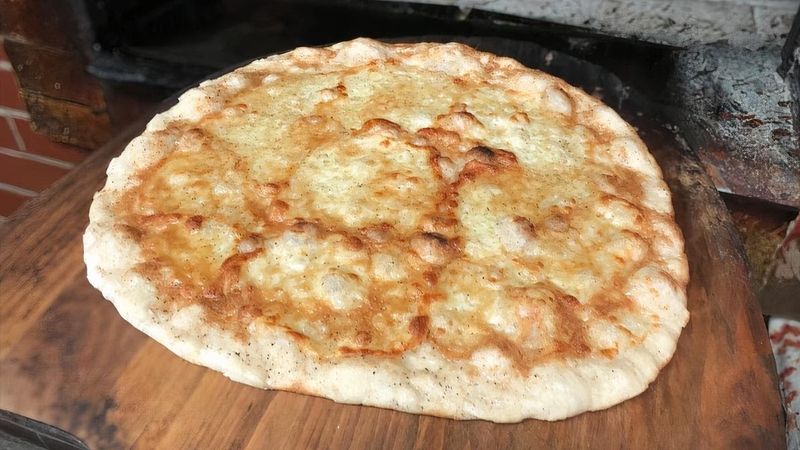
At Tacconelli’s, reserving dough is not a gimmick. It is a practical tradition tied directly to how the pizzeria works, from limited daily production to the realities of one oven and a carefully managed baking schedule.
You often need to call ahead so your dough is set aside, and that simple step tells you this place values preparation more than impulse.
Some first-time visitors may find that unusual, but I think it adds to the personality of the experience. The reservation system creates a little anticipation, almost like making plans for something worth slowing down for.
Instead of assuming unlimited supply, you are reminded that each pie depends on finite labor, finite space, and a process that cannot be rushed without changing the result.
In a world built around instant gratification, there is something charming about a pizza shop that asks you to think ahead. It makes the meal feel intentional before you even arrive.
By the time your pie reaches the table, you understand that it was not just ordered, it was accounted for. That might sound small, but it changes the mood completely.
You are no longer consuming convenience. You are participating in a tradition that respects limits, timing, and craftsmanship.
A Cult Following Built Over Decades
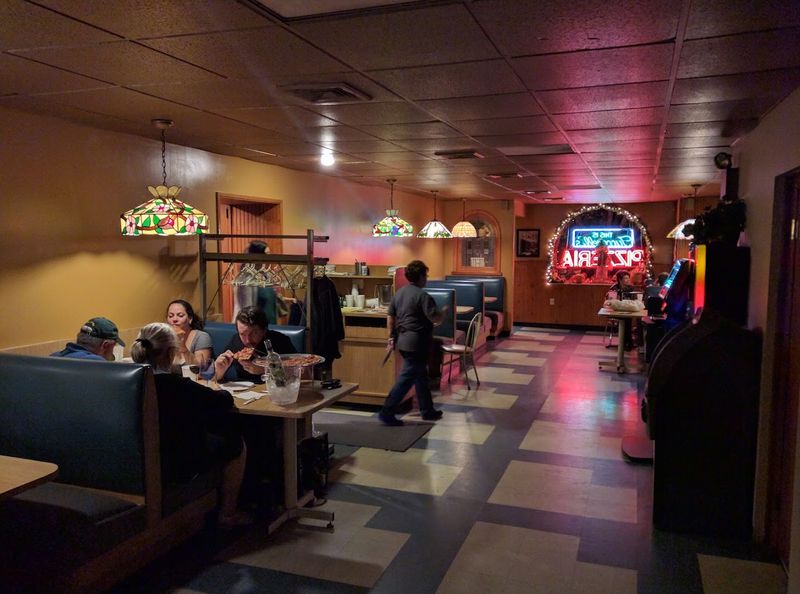
What began as a neighborhood business eventually became one of Philadelphia’s most beloved old-school pizzerias. Tacconelli’s built its reputation over decades, earning awards, national attention, and the kind of word-of-mouth admiration that cannot be bought.
The loyalty feels earned because the restaurant never seems to chase fame directly. It simply keeps doing the work the same careful way.
Cult followings usually form when a place offers something people cannot easily replace. At Tacconelli’s, that is not just the pizza itself, but the entire package of history, scarcity, technique, and personality.
Regulars know the drill, newcomers feel like they have discovered a secret, and both groups leave with the sense that they have tasted something rooted in Philadelphia’s food identity.
I think that reputation also says something about how diners respond to authenticity. People can tell when a restaurant’s story is decorative and when it is structural.
At Tacconelli’s, the story lives in the oven, the process, the family line, and the stubborn refusal to modernize away the soul of the place. That is why the following keeps growing.
The pizzeria offers more than nostalgia. It offers continuity, and in a city full of great food, that kind of permanence stands out.
Visitor Info and Tips
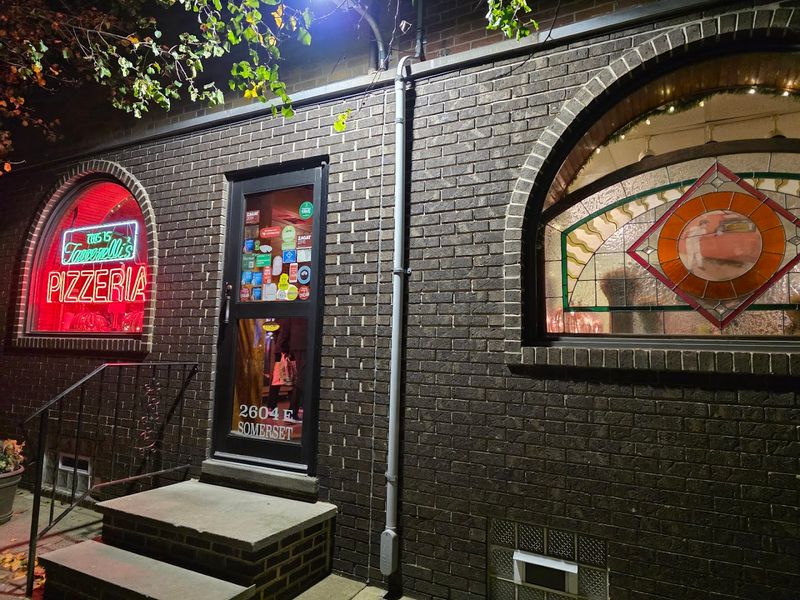
If you are planning a visit to Tacconelli’s, a little preparation will make the experience much smoother. The pizzeria is located at 2604 E Somerset St, Philadelphia, PA 19134, in the Port Richmond neighborhood, and the phone number is +1 215-425-4983.
The menu is available through SinglePlatform, but the most important tip is simpler than any menu note: call ahead and reserve your dough, especially if you want a weekend table.
You should also know that Tacconelli’s is cash-only and BYOB, two details that feel completely in character for a place this rooted in old-school habits. Hours can be limited, demand is strong, and the pace is slower than what many people expect from a typical pizza night.
That is not bad service or disorganization. It is the natural result of a process built around one oven, finite dough, and deliberate baking.
If you go in with the right mindset, the quirks become part of the charm. Bring cash, bring your drink of choice, and bring patience.
Do not expect a rushed meal or a hyper-polished experience. Expect tradition, a little waiting, and a pie that makes the extra effort feel reasonable.
In a city full of options, Tacconelli’s rewards people who are willing to meet it on its own terms.