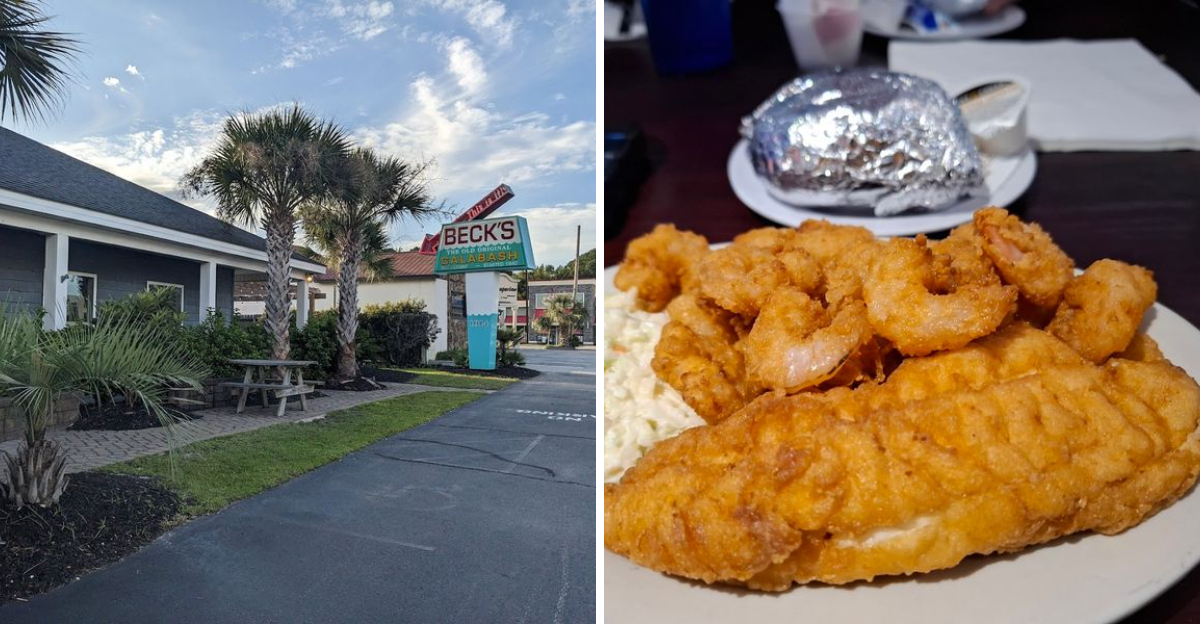
Tucked along the banks of the Calabash River in a small North Carolina coastal town, Beck’s Restaurant has been serving up some of the most beloved seafood in the state since 1940.
What Ruth Beck started in a modest kitchen over eight decades ago grew into a culinary landmark that helped put Calabash on the map.
The same family has kept the tradition alive ever since, never straying from the recipes and cooking methods that made the place legendary.
If you have ever wondered what makes Calabash-style seafood so special, this is exactly where that story begins.
A Seafood Legacy That Dates Back to 1940
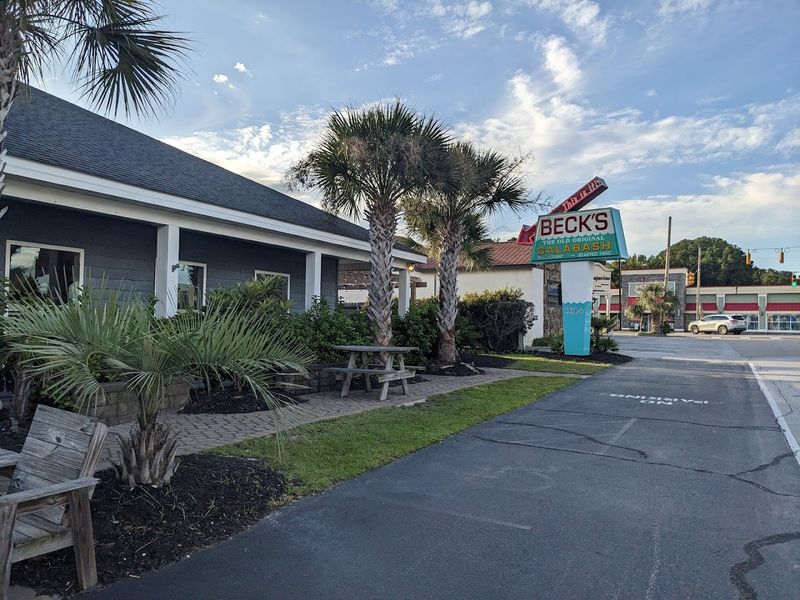
Ruth Beck opened her small restaurant along the banks of Calabash Creek in 1940, and what started as a modest kitchen feeding local fishermen quickly became something far greater than anyone expected. More than 80 years later, her name still hangs above the door, and her recipes continue to shape every plate that leaves that kitchen.
That kind of staying power is genuinely rare in any corner of the restaurant world.
Beck’s didn’t earn its reputation through flashy marketing or celebrity endorsements. It earned it one plate of fried shrimp at a time, served honestly and consistently to anyone who walked through the door.
Locals trusted it, travelers discovered it, and word spread naturally up and down the Carolina coast across the decades.
What makes 1940 feel so significant isn’t just the number itself — it’s everything that number represents. Beck’s has survived wars, economic downturns, shifting food trends, and waves of competition from newer establishments.
Through all of it, the kitchen stayed true to its roots while the world changed dramatically around it. Few restaurants anywhere can honestly make that claim.
Beck’s can, and that’s precisely why it still draws loyal crowds today, generation after generation returning to that same door.
One of the Founding Pillars of Calabash-Style Seafood
Back in the 1930s and 1940s, a handful of small family kitchens along the Calabash River quietly invented something that would define North Carolina’s coastal food identity forever. Beck’s Restaurant was right there at the beginning, helping shape what the world now calls Calabash-style seafood.
That’s not a minor footnote in food history — that’s a genuine founding role in a beloved culinary tradition.
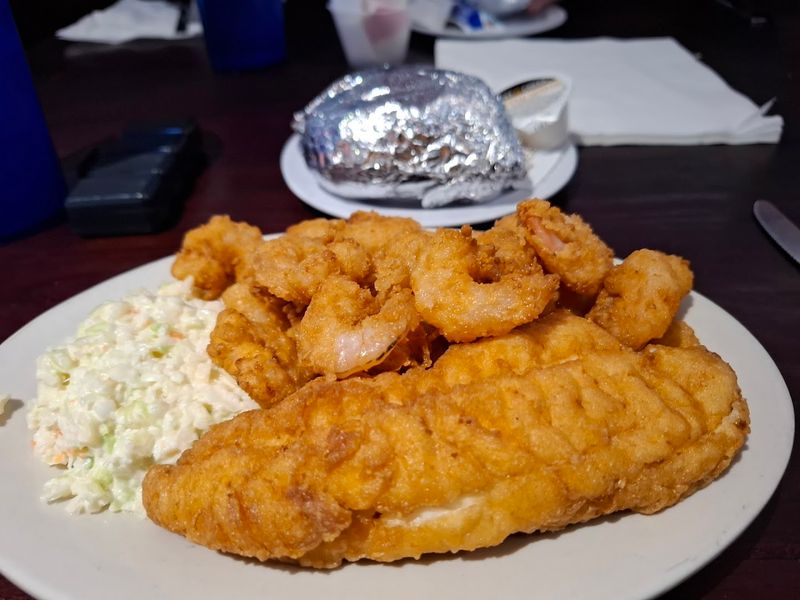
Calabash-style seafood became a recognized cooking tradition because places like Beck’s stayed committed to the method that made it special. The approach was deliberate in its simplicity: light batter, fresh-caught seafood, and a quick fry that preserved natural flavor rather than drowning it.
It wasn’t fine dining by any stretch, but it never needed to be.
Today, countless restaurants across the Southeast proudly advertise Calabash-style cooking, but most visitors don’t realize they can experience it at one of its true original sources. Beck’s carries that founding legacy without making a big spectacle of it, which somehow makes the experience feel even more authentic.
When you eat there, you’re not just enjoying a meal — you’re tasting a tradition that shaped an entire region’s food culture, still protected by the same family that helped create it.
A Family Tradition That Never Left the Kitchen
Some restaurants change ownership every few years, quietly losing whatever made them special along the way. Beck’s took a completely different path.
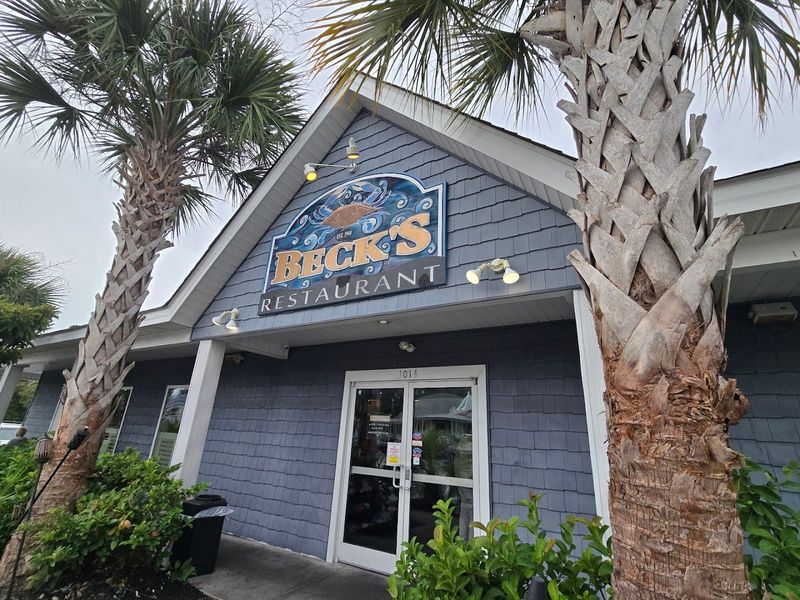
Descendants of Ruth Beck have kept the kitchen running continuously since 1940, passing down not just recipes but an entire philosophy about what honest, well-prepared seafood should taste and feel like on the plate.
That kind of generational commitment is almost impossible to fake. When a family spends decades perfecting the same techniques — the same seasoning balances, the same frying temperatures, the same relationships with local suppliers — the results show up clearly and consistently in every dish.
Every plate carries the weight of memory and repetition in the very best possible way.
There’s something deeply meaningful about eating at a place where the cook learned their craft from someone who also learned that same craft in that same kitchen. The continuity isn’t just sentimental; it’s practical.
It means quality standards haven’t been reset by outside investors or corporate management teams. What Beck’s serves today connects directly back to what Ruth Beck was placing on tables more than eight decades ago, and that unbroken thread of authentic family dedication is genuinely difficult to find anywhere else along the Carolina coast.
A Cooking Style That Defined a Town
Calabash is a small town, but it carries a reputation far larger than its population would suggest. The reason comes down entirely to one thing: food.
The Calabash-style seafood tradition that developed here during the mid-20th century became so widely beloved that the town earned the bold nickname Seafood Capital of the World. That’s a title most small communities could only dream of holding.
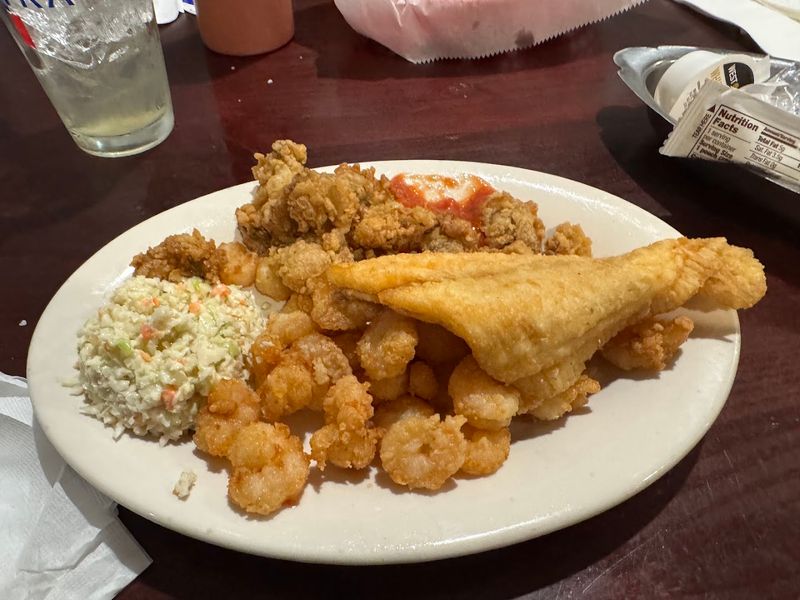
The cooking style itself is elegantly straightforward — seafood lightly coated in thin batter, dropped into hot oil for a quick fry, and served in generous, unpretentious portions. No heavy crusting, no overpowering spice blends, just fresh seafood allowed to be exactly what it naturally is.
Beck’s helped refine and popularize that style long before it even had an official name attached to it.
Visitors who travel to Calabash specifically for the food often say the experience feels noticeably different from eating Calabash-style seafood at restaurants in other states. Part of that is the authentic coastal setting, a real fishing town with real heritage behind it.
But a significant part of it is simply that restaurants like Beck’s have been doing this longer than almost anyone else. The cooking shaped the town, and the town shaped the cooking, in a relationship that remains very much alive today.
The Signature Light Batter That Sets It Apart
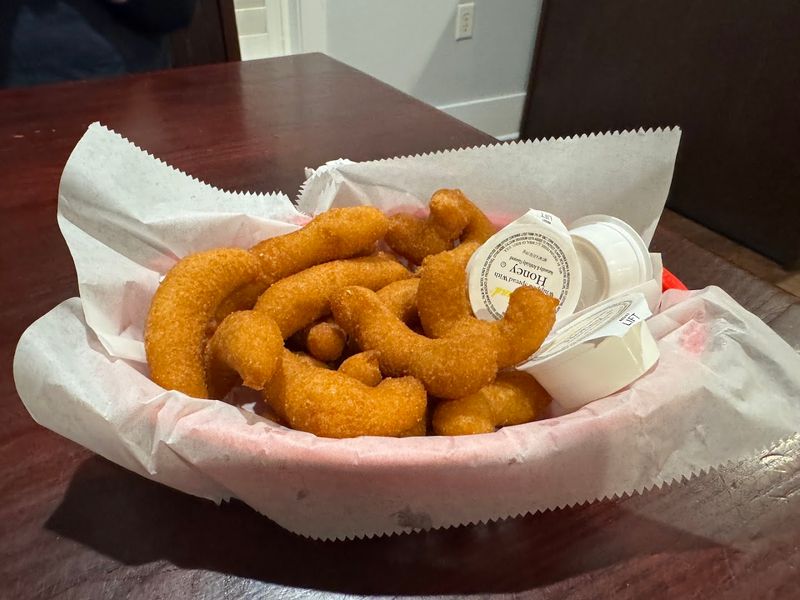
Ask any regular at Beck’s what keeps them coming back, and the batter almost always enters the conversation first. Unlike thick, doughy coatings that can completely overwhelm delicate seafood, Beck’s uses a famously thin and crisp batter that clings lightly to each piece of shrimp, fish, or oyster.
The result is a satisfying crunch that gives way immediately to the natural sweetness of the seafood underneath it.
Developing a coating that light takes genuine skill — and decades of hands-on practice to master. Too thick and you lose the seafood entirely in the crust.
Too thin and it simply won’t hold together properly in the hot oil. Beck’s has found that precise balance and maintained it across multiple generations of cooks working in the same kitchen.
That kind of consistency is its own form of culinary excellence.
Food enthusiasts who have eaten widely at coastal seafood spots often note that Beck’s batter feels distinctly different from what you encounter at chain restaurants or even other well-regarded coastal establishments. It’s a style that respects the ingredient rather than masking it.
Whether you order flounder, shrimp, or oysters, the preparation lets each seafood’s natural character come through completely. That philosophy — simple, honest, and skillfully executed — is what made this kitchen famous in the first place.
Deep Roots in Coastal Fishing Culture
Long before Beck’s became a destination for road-tripping travelers, it was simply a practical place for fishermen to sit down and grab a real meal. The restaurant’s origins are tied directly to the working waterfront culture of Calabash, where fishing boats arrived daily with fresh catches and small local kitchens turned them into affordable, filling plates of food.
That connection to the actual source of the seafood was never a marketing story — it was just real life on the Carolina coast.
In the early days, the freshness of Beck’s seafood was never something that needed advertising. It was a given, because the fish had often come out of the water that same morning and traveled only a short distance to the kitchen.
That kind of supply chain barely exists in most restaurants today, which makes Beck’s history feel remarkable from a modern food perspective.
The fishing culture of coastal North Carolina shaped everything about how Beck’s approaches its food — the straightforward preparation, the focus on what’s available and seasonal, and the no-nonsense commitment to serving something genuinely good without unnecessary fuss. That culture has evolved over the decades, but its influence still runs visibly deep in the restaurant’s identity.
Eating at Beck’s quietly connects you to a coastal way of life that grows harder to find each passing year.
A Menu Built on Consistency, Not Trends
Plenty of restaurants reinvent themselves every couple of years, chasing whatever food trend happens to dominate the moment. Beck’s has never operated that way.
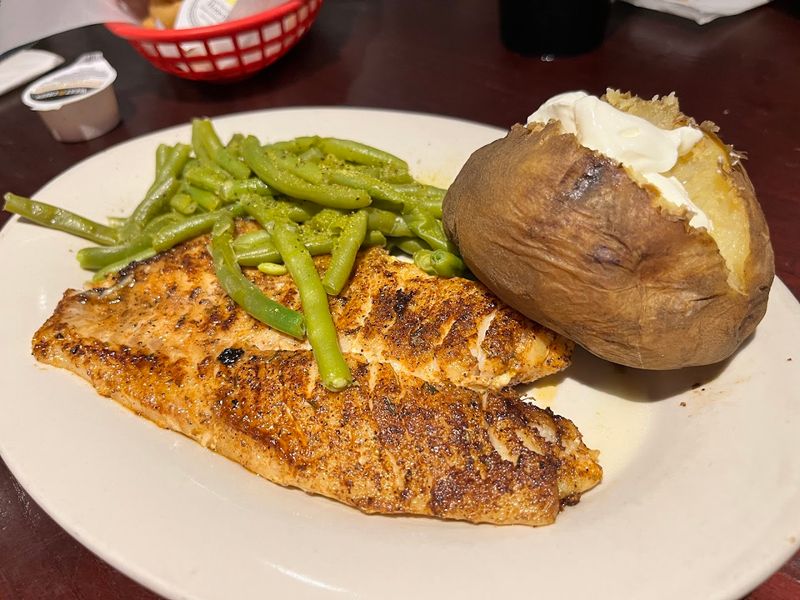
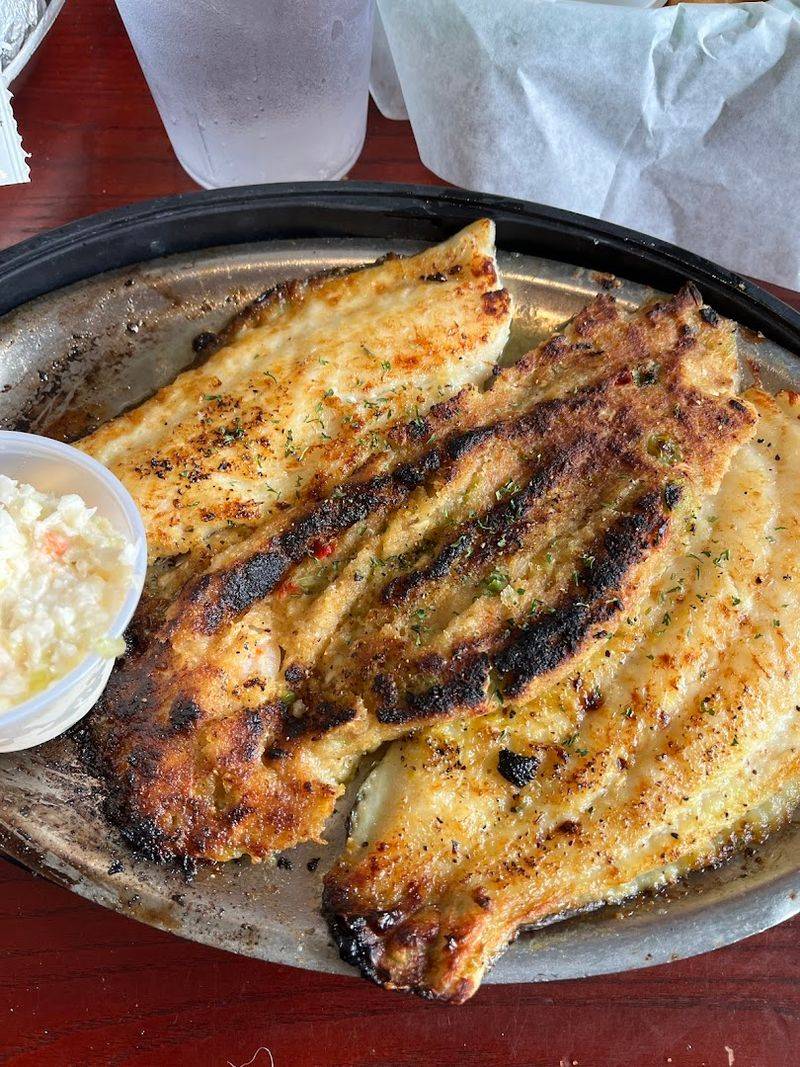
The menu reads like a sincere tribute to the seafood traditions of coastal North Carolina — fried shrimp, flounder, oysters, and deviled crab, prepared the same way they’ve always been. No fusion experiments, no chef-driven seasonal reimaginings, no items added just because a food blog said so.
That kind of discipline is actually harder to maintain than it sounds. The temptation to modernize or expand is constant, especially when food culture shifts as rapidly as it does today.
Beck’s has resisted all of it, choosing instead to trust a menu that has been winning over diners for more than eight decades. Confidence in your classics is its own kind of philosophy.
Regular visitors often say that one of the quiet pleasures of returning to Beck’s is knowing exactly what to expect when they sit down. The deviled crab tastes exactly the way it always has.
The flounder comes out precisely the way you remembered it. That reliability creates a warmth that trendy restaurants simply cannot manufacture.
When you’ve spent generations perfecting the same dishes, there’s no real need to reinvent anything — and Beck’s has always understood that clearly.
A Modest Setting That Keeps the Focus on the Food
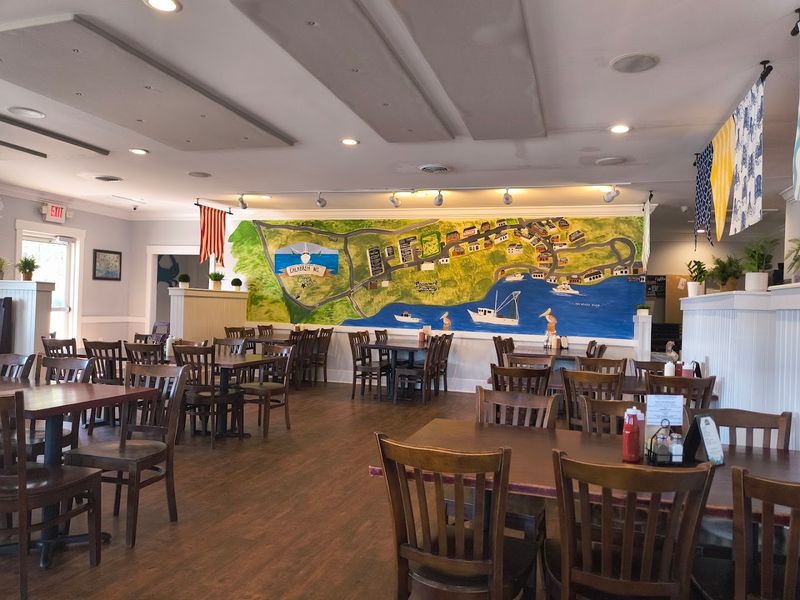
Walk into Beck’s and you won’t find mood lighting, an Instagram-ready interior, or a carefully curated design aesthetic. What you’ll find instead is a clean, unpretentious dining room that tells you immediately what this place has always been about: the food on the table.
The atmosphere is comfortable without being formal, welcoming without working too hard at it. That straightforward honesty carries its own particular charm.
In a restaurant culture increasingly obsessed with visual presentation and carefully managed ambiance, Beck’s serves as a genuinely refreshing reminder that great food doesn’t need a theatrical backdrop. The tables are practical, the setup is uncomplicated, and the focus stays exactly where Beck’s has always believed it belongs — on the plate directly in front of you.
That approach has never needed rethinking.
First-time visitors expecting an upscale coastal dining experience sometimes need a brief moment to recalibrate their expectations. Most people, though, find that the simplicity works powerfully in the food’s favor.
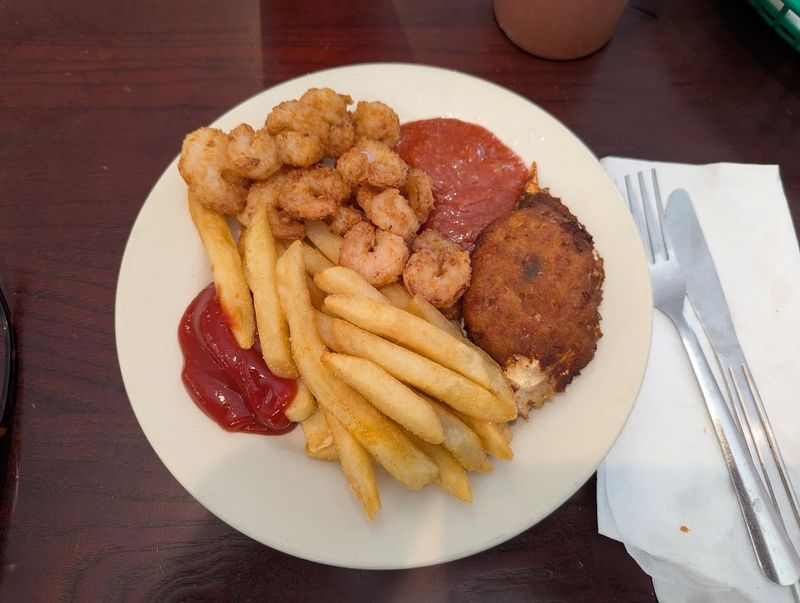
Without the distraction of elaborate decor or performative service rituals, every bite gets your complete attention. The fried shrimp is the star.
The flounder is the headliner. Beck’s figured out long ago that when the food is this good, the room has absolutely no need to compete with it, and that quiet confidence is earned.
A Destination for Generations of Diners
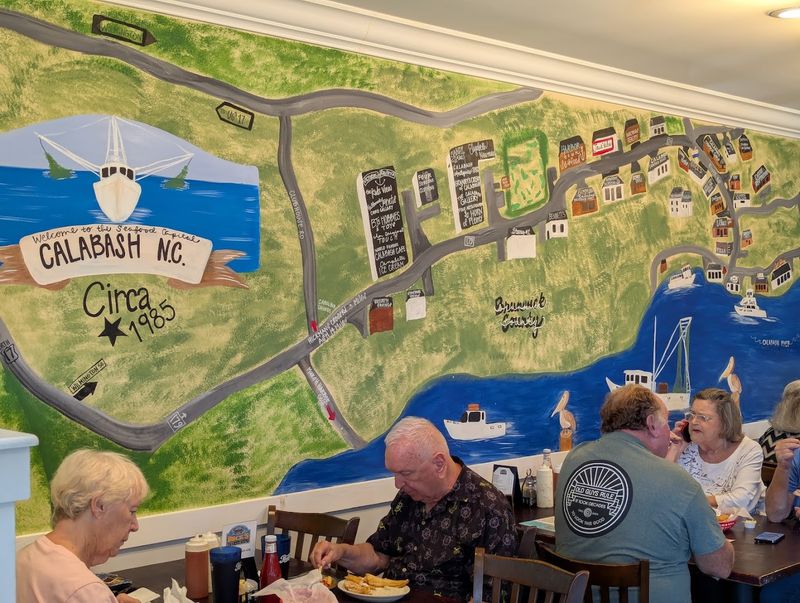
There’s a specific type of restaurant that becomes woven into a family’s ongoing story — not just a place to eat, but a place that marks the passage of time. Beck’s has become exactly that restaurant for countless families across the Carolinas and well beyond.
Grandparents bring grandchildren. Parents share memories of eating there as kids themselves.
The restaurant doesn’t simply serve meals; it anchors something much harder to define.
That generational loyalty is one of the most reliable signals of a truly exceptional restaurant. Trends can drive traffic for a season or two, but the families who return year after year because it genuinely means something to them — those are the guests who tell you everything you actually need to know about a place’s real and lasting value.
For visitors coming to the Calabash area for the first time, Beck’s offers something beyond excellent food alone. It offers an authentic window into the culture and heritage of coastal North Carolina.
Sitting at a table where other families have gathered for decades, eating dishes that have remained essentially unchanged through all those visits, carries a quietly moving quality that’s difficult to describe. It’s a reminder that food can hold far more than flavor — it can hold a whole community’s identity, passed carefully from one generation to the next.
Visitor Information and Tips
Planning a visit to Beck’s Restaurant is worth a little preparation beforehand. Located at 1014 River Road in Calabash, NC 28467, it sits right in the heart of the small coastal town whose cooking style it helped make famous.
You can reach the restaurant by phone at +1 910-579-6776, and menu details can be found at places.singleplatform.com. A quick call ahead during peak travel seasons is always a smart first step before making the drive.
Beck’s typically operates during standard lunch and dinner hours, though those hours can shift depending on the season. Summer months and holiday weekends bring noticeably heavier tourist traffic to the Calabash area.
Arriving early — especially for the lunch service — can save you a wait and help you settle in before the afternoon crowds begin to build up.
A few practical tips for first-time visitors: the portions tend to be very generous, so be thoughtful when ordering sides. Seafood platters are an excellent way to sample several different items in one sitting.
The low-key, family-friendly atmosphere makes it easy to relax and linger over your meal without feeling rushed. And if any staff members share something about the restaurant’s long history while you’re there, listen closely.
The stories they carry are every bit as rich as the food they serve.