
If you think aviation museums are all ropes, labels, and distant views, MAPS Air Museum in North Canton will surprise you fast. Inside a real former Air National Guard hangar at Akron-Canton Airport, history feels loud, mechanical, and wonderfully close.
You can study rivets, peek into cockpits, and sometimes hear stories straight from the volunteers restoring the aircraft. It is one of those rare places where military aviation history feels less preserved than actively alive.
A Hangar Where the Planes Feel Within Reach
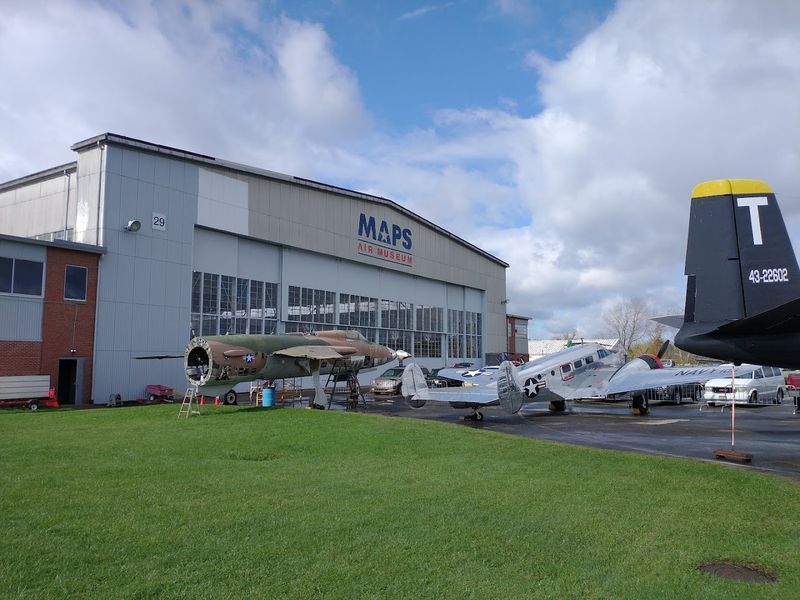
The first thing that struck me at MAPS Air Museum was how little distance exists between you and the aircraft. These planes are not staged like untouchable relics in a polished gallery.
They rest on real hangar floor inside a former Air National Guard building, which gives the whole visit a working, practical feel.
You notice metal, tires, ladders, rivets, and the scale of wings almost immediately. That closeness changes how you look, because you are not just identifying an airplane from a sign.
You are reading its skin, its wear, and its shape at eye level.
For you, that means the museum feels immersive from the first few minutes. Some exhibits are hands-on, including cockpit access in select aircraft and other interactive displays.
MAPS turns aviation history into something physical, immediate, and much more memorable than a distant walk past display cases.
North Canton Is the Kind of Detour That Pays Off
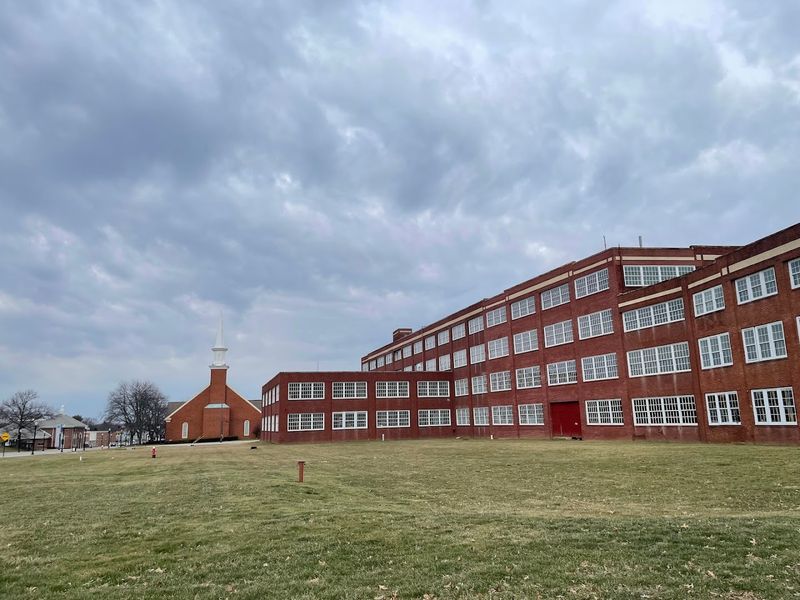
North Canton is not the kind of place most travelers circle first when planning an aviation-themed day trip, and that is part of the appeal. MAPS Air Museum gives the city a genuinely distinctive stop that feels rewarding rather than overhyped.
You arrive expecting a niche museum and leave realizing the trip carried much more weight than the drive suggested.
The museum sits at 2260 International Parkway on the west side of Akron-Canton Airport, so the setting adds immediate context. Step outside and you may catch modern aircraft moving through the same airspace that frames the historic collection inside.
That overlap between past and present gives the visit extra energy.
For you, North Canton works because it is practical, accessible, and low-pressure. Parking is easy, the museum is straightforward to find, and the surrounding area makes a simple day trip feel surprisingly layered.
It is an unexpected Ohio stop that earns your time.
The Name Explains the Soul of the Museum
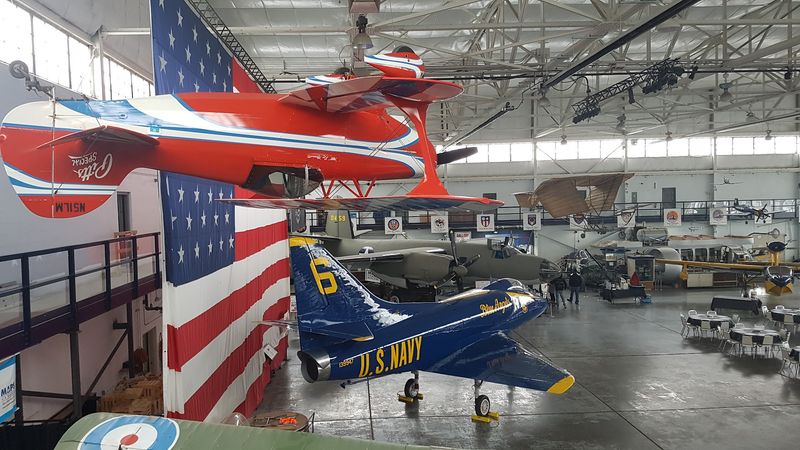
MAPS stands for Military Aviation Preservation Society, and once you know that, the museum makes perfect sense. This is not a slick institutional collection built around distance and prestige.
It is a nonprofit shaped by people who care deeply about saving aircraft, telling stories, and keeping aviation history accessible.
Founded in 1990, MAPS grew from volunteer commitment rather than corporate polish. Many of the people behind the museum are veterans or retired aviation professionals, which means the expertise here often comes with firsthand connection.
You are not just looking at preserved machines. You are standing inside the result of decades of labor, memory, and skill.
That matters because the museum feels personal in a way many larger places do not. The name tells you preservation comes first, and you can see that mission on the floor.
Every restored panel, repainted marking, and carefully displayed aircraft carries the fingerprints of people who refused to let it disappear.
A Collection That Jumps Across Eras and Scale
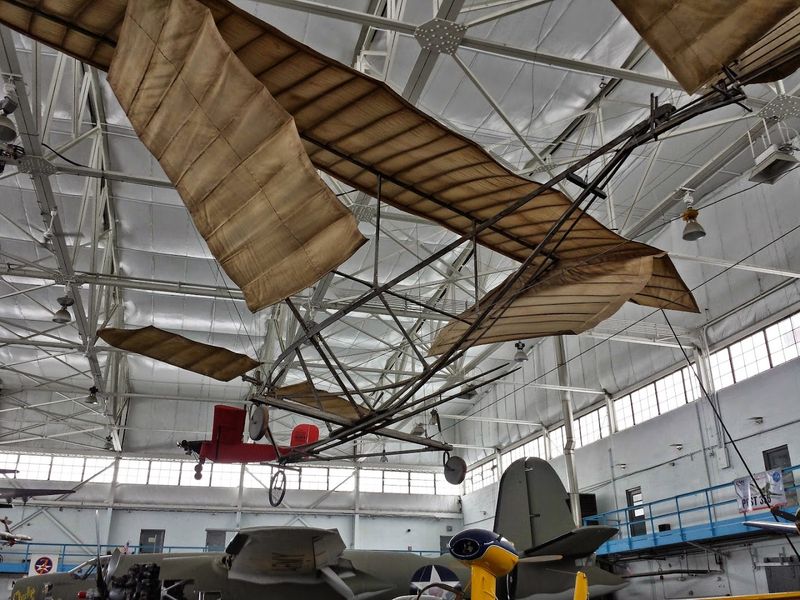
One of the best things about MAPS Air Museum is how quickly the collection changes shape around you. In one stretch you may be looking at an early glider, and in the next you are face to face with a jet that represents a completely different century of flight.
The museum holds nearly 60 military and civilian aircraft, so the range feels broad without becoming overwhelming.
What makes it especially interesting is the mix of conditions. Some aircraft look sharply restored, while others are clearly mid-project, with parts exposed or surfaces still carrying the roughness of time.
That contrast is not a weakness. For you, it becomes a lesson in how airplanes are built, repaired, and remembered.
Because the hangar contains such different sizes and eras side by side, scale keeps surprising you. A compact trainer can sit not far from something massive and imposing.
MAPS feels less like one timeline and more like aviation history arranged in three dimensions.
World War II Aircraft That Make the War Feel Tangible
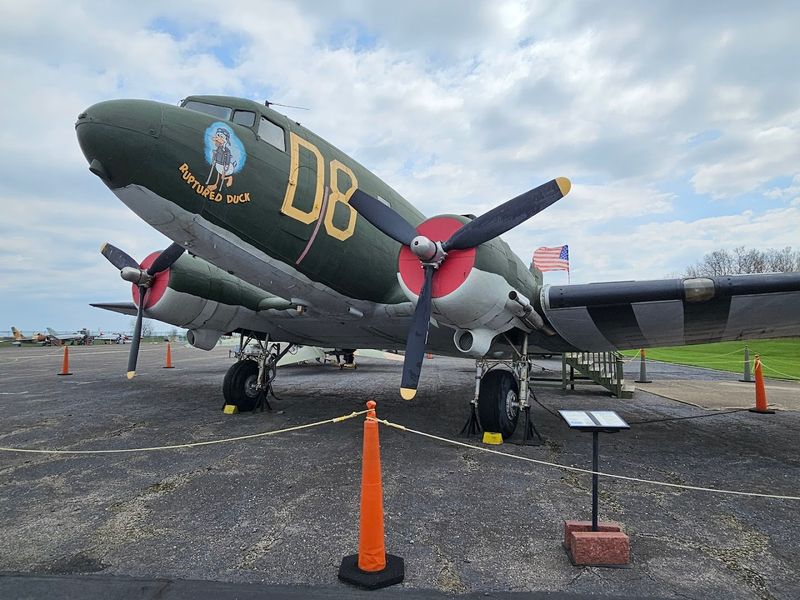
The emotional center of MAPS Air Museum is its World War II collection, where the machines feel large enough to reshape your understanding of the war. Reading about bombers and fighters is one thing.
Standing beside one and looking up into its fuselage is something else entirely. You suddenly understand how much metal, noise, and vulnerability surrounded the crews who flew them.
Among the standouts is the B-26 Marauder, one of the last known survivors of its kind, along with aircraft such as the P-51 Mustang. MAPS also lets you experience the era through interactive pieces, including a World War II anti-aircraft gun and walk-through opportunities in select aircraft.
Those details turn abstract history into physical experience.
What stays with you most is the scale. Even before you read the labels, these planes tell you what they demanded from pilots and crews.
At MAPS, World War II aviation feels heavy, human, and startlingly immediate.
Cold War Jets Show How Fast Flight Changed
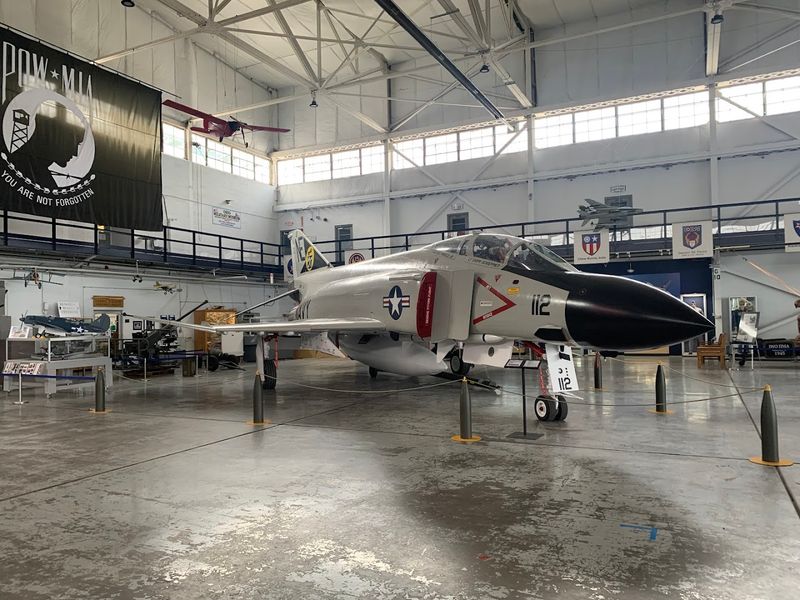
Walking from a propeller aircraft toward the jet section at MAPS feels like crossing a technological fault line. The change is so sharp that you do not need a timeline on the wall to explain it.
You can see how quickly military aviation moved from piston-driven design to sleek, aggressive shapes built for speed, altitude, and new kinds of combat.
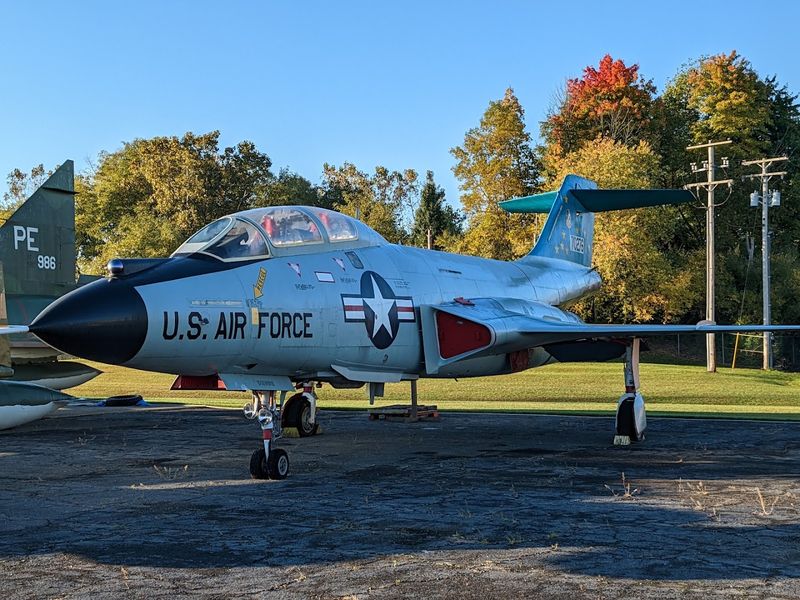
The museum includes Cold War and later aircraft such as the F-14 Tomcat, Russian MiG-17, F-16 Fighting Falcon, F-102A Delta Dagger, A-4A Skyhawk, and A-7E Corsair II. Seeing these jets in person makes the era’s strategic tension feel more concrete.
Their lines look faster, narrower, and more specialized than the aircraft that came before them.
For you, the real value is the side-by-side comparison. MAPS lets World War II and Cold War aviation occupy the same visual space.
That proximity makes innovation feel sudden, dramatic, and easier to grasp than any textbook summary.
The Volunteers Are Part of the Exhibit, in the Best Way
At MAPS Air Museum, the volunteers do more than point you toward the next aircraft. They shape the tone of the whole place.
Because so much of the museum’s restoration and daily operation depends on them, you feel their presence in nearly every corner of the hangar. This is a collection sustained by people, not just policies.
Many volunteers are veterans, retired mechanics, or aviation professionals with years of practical knowledge. On weekends especially, you may find them actively working, answering questions, or sharing stories about restoration challenges and service history.
For you, that can transform an ordinary museum stop into a conversation you remember long after the visit ends.
What makes this especially compelling is how unforced it feels. Nobody is trying to deliver a rehearsed performance.
The passion is obvious because it is lived in. MAPS works so well partly because the people caring for the aircraft make the history feel current, specific, and deeply human.
Cockpits, Paint, and Tiny Details Carry Big Stories
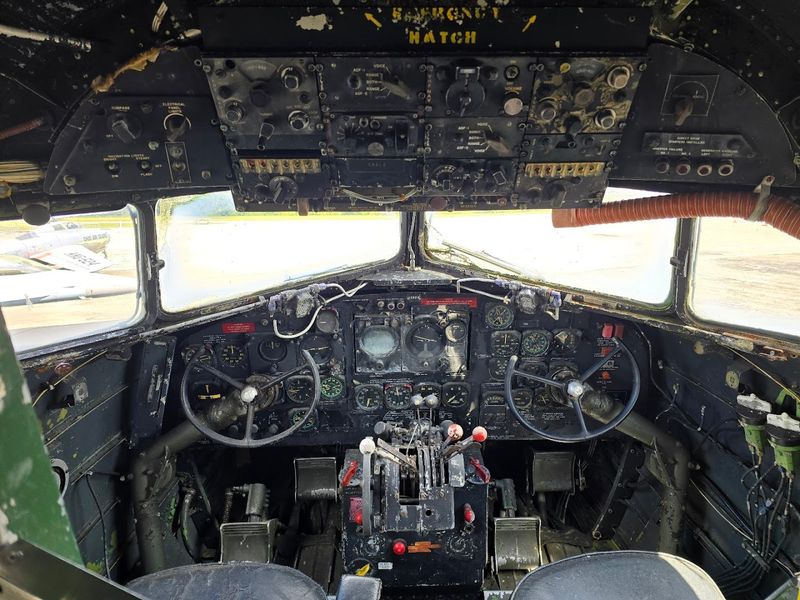
Some of the most memorable moments at MAPS happen when you stop looking at whole airplanes and start looking at fragments. A faded serial number, a painted insignia, a patched panel, or the cramped view into a cockpit can say more than a broad overview plaque.
The museum rewards patience, and you do not need to be an aviation expert to feel that.
Several displays let you get close enough to study canopies, instrument spaces, and the practical tightness of wartime design. Some aircraft retain service-era markings or recognizable schemes, including eye-catching examples like the Blue Angels A-4A Skyhawk.
Those surfaces give the machines a biography rather than just a category.
For you, the pleasure here is in slowing down. Instead of moving quickly from famous aircraft to famous aircraft, MAPS invites close reading.
Scratches, stencils, and cockpit angles become clues. The details quietly remind you that every airplane here once belonged to specific crews, missions, and moments.
Outside, the Museum Feels Rawer and More Exposed
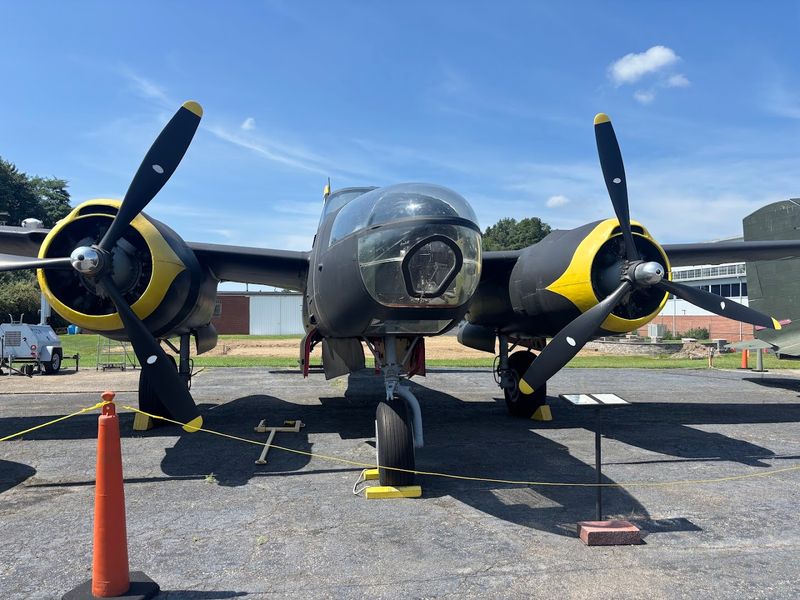
The outdoor displays at MAPS Air Museum add a different emotional tone from the indoor hangar. Inside, the aircraft feel curated and protected, even when restoration is still ongoing.
Outside, the planes face open sky, shifting weather, and the visual noise of the nearby airport. That exposure gives the collection a rougher, more vulnerable presence.
Walking the grounds, you may see larger aircraft, additional equipment, and planes in less polished condition than the ones inside. Natural light changes everything.
Dents, faded surfaces, and weathering become easier to read, and the museum starts to feel less like a gallery and more like an active holding ground for history.
For you, the airport backdrop matters too. Watching contemporary aircraft take off or land while standing near older military displays creates a strong sense of continuity.
The outside section may be less refined, but that is exactly why some visitors find it more affecting. It feels exposed, honest, and fully connected to aviation’s living environment.
There Is More Here Than a Standard Walk-Through
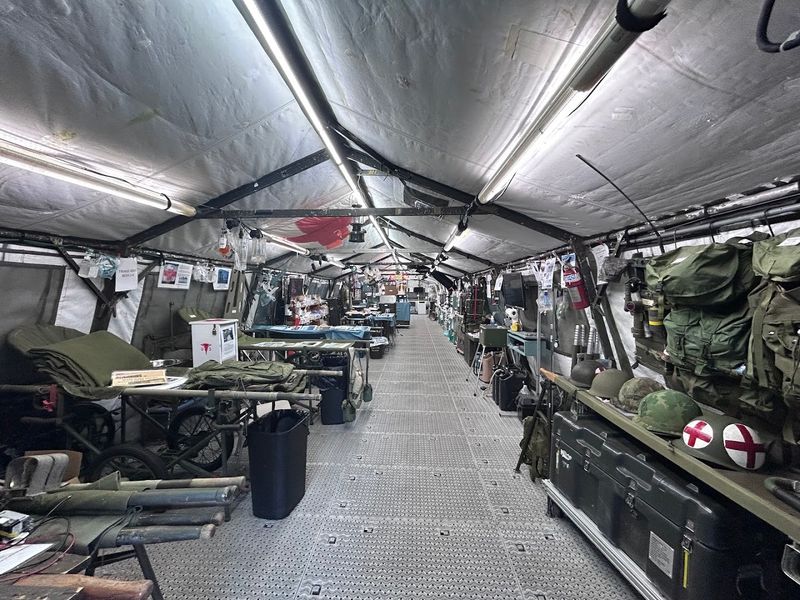
MAPS Air Museum works well as a self-guided visit, but it offers much more if you want a deeper experience. Guided tours are available, QR codes help you explore independently, and select exhibits allow hands-on access that keeps the visit from feeling passive.
You are not just reading labels. You are moving through an educational space that invites curiosity.
The museum also hosts programs and events that widen the experience beyond the hangar walk. There are student air academies, flight simulators, special gatherings, and a veterans oral history effort that preserves firsthand accounts.
For school groups especially, the chance to hear directly from veterans or aviation professionals adds a dimension no textbook can match.
That broader programming gives MAPS unusual depth for a museum its size. If you plan ahead, the visit can become much richer than a casual afternoon stop.
For you, it means this is not only a place to observe aircraft. It is a place to engage with aviation history actively.
Smaller Than Dayton, But More Personal by Design
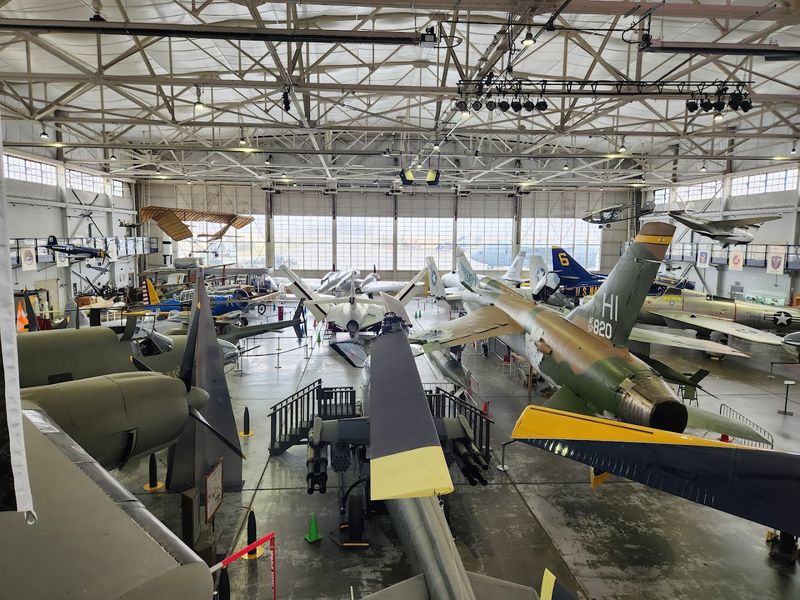
It is fair to compare MAPS Air Museum with the National Museum of the United States Air Force in Dayton, because many visitors will naturally think of both. MAPS is smaller, less comprehensive, and less monumental in presentation.
But that difference is not a drawback unless you expect every museum to aim for the same experience.
What MAPS offers instead is intimacy. With roughly 13,000 square feet of museum space and nearly 60 aircraft, the collection feels close, readable, and shaped by human effort rather than institutional scale.
Aircraft here often feel like ongoing projects, and volunteers are visible parts of the story. For you, that creates a more conversational and less overwhelming visit.
The result is not better or worse than Dayton, just different. MAPS works on its own terms.
If you value access, personality, and the sense that preservation is still happening around you, this museum can feel more memorable precisely because it never tries to be enormous.
How to Plan a Smart Visit to MAPS Air Museum
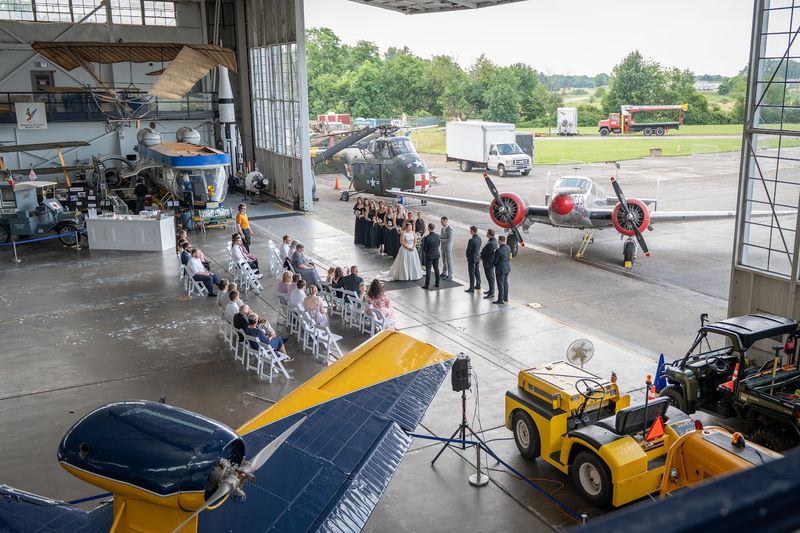
If you are planning a visit, MAPS Air Museum is located at 2260 International Parkway in North Canton, Ohio, beside Akron-Canton Airport. General admission is about $15 for adults, with discounts for seniors and children, and World War II and Korean War veterans receive free admission.
The museum is typically open Tuesday through Saturday from 9 a.m. to 4:30 p.m. and Sunday from 11:30 a.m. to 4 p.m., though checking ahead is smart.
Because MAPS is volunteer-driven, schedules and access can shift with events, seasons, or restoration activity. Calling ahead at 330-896-6332 or checking mapsairmuseum.org helps avoid surprises.
Most visitors should budget at least three to four hours, especially if you like reading exhibits or talking with guides.
For you, the best strategy is simple: wear comfortable shoes, bring curiosity, and leave extra time. Admission and donations directly support restoration work, so your ticket helps keep these aircraft preserved and visible for future visitors.