Some breakfast spots serve pancakes, but Pamela’s Diner built its legend on hotcakes that look more like buttery crepes stretched across an entire plate.
In Pittsburgh, this place feels less like a trend and more like a ritual, where locals line up early for crisp edges, tender centers, and a diner atmosphere that still feels wonderfully old school.
If you love iconic regional food with real history behind it, this is the kind of breakfast story you will want to savor.
Here is what makes Pamela’s one of Pennsylvania’s most talked-about morning destinations.
The Origin of a Pittsburgh Breakfast Icon
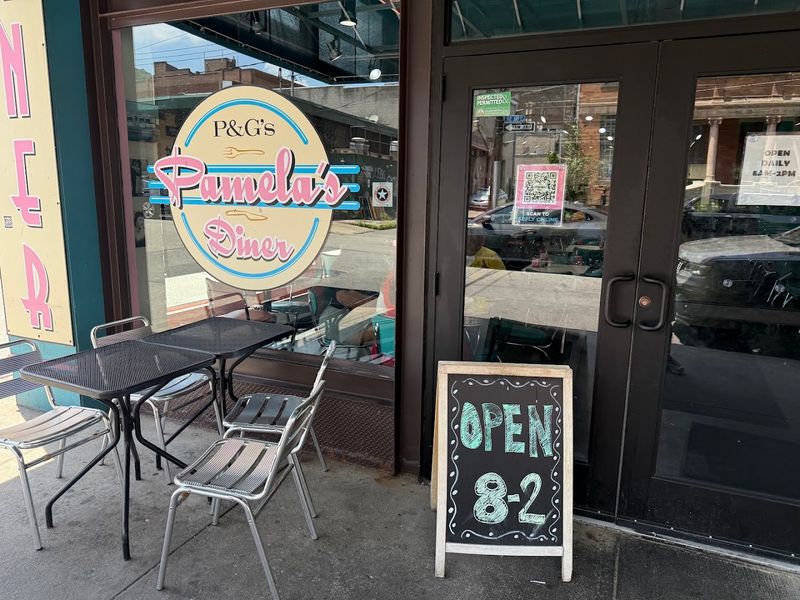
When you talk about beloved Pittsburgh breakfasts, Pamela’s Diner comes up almost immediately, and its story starts in the Squirrel Hill neighborhood around 1979 to 1980. Founded by friends Pam Cohen and Gail Klingensmith, the diner was built on a simple idea: serve comforting breakfast in a place that felt easy, familiar, and genuinely welcoming.
That straightforward vision gave the restaurant a personality people could feel from the moment they walked through the door.
What stands out to me is how little of the concept needed gimmicks. Instead of chasing trends, the founders leaned into consistency, neighborly service, and food people actually wanted to return for again and again.
You can still sense that original spirit in the way Pamela’s is talked about, not just as a restaurant, but as part of Pittsburgh’s everyday life.
Its roots matter because they explain why the diner feels so personal. Pamela’s did not become famous by trying to be flashy.
It became iconic by doing breakfast extremely well, making guests feel at home, and turning an ordinary morning meal into something people proudly recommend to anyone visiting the city.
From Neighborhood Favorite to Citywide Staple
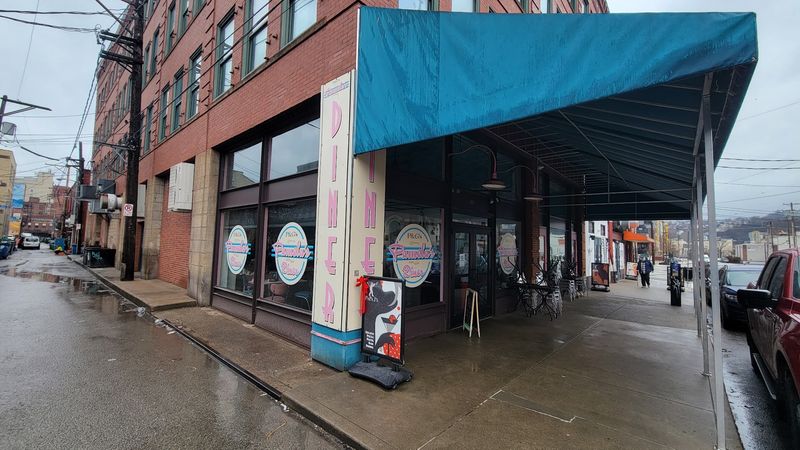
What began as one neighborhood diner did not stay small for long. Pamela’s grew from its original Squirrel Hill following into a citywide staple, expanding to locations in Shadyside, the Strip District, Oakland, and Mt.
Lebanon while holding onto the same old-school identity that made people fall for it in the first place. That kind of growth says a lot, because diners usually lose charm when they scale, but Pamela’s managed to keep its character intact.
Each location has its own rhythm, yet the core experience stays familiar. You still get the sense that breakfast matters here, that regulars are expected, and that the room is meant for conversation over coffee rather than rushed, forgettable dining.
I think that is a big reason locals remain loyal even after years of hearing national praise.
It is also impressive that expansion never turned Pamela’s into something slick or overly polished. The appeal remains rooted in practical comfort, recognizable menu favorites, and a lived-in atmosphere that feels distinctly Pittsburgh.
If you visit different locations, you will notice the same spirit repeated, which makes the diner feel less like a chain and more like a city tradition.
The Signature Crepe-Style Hotcakes
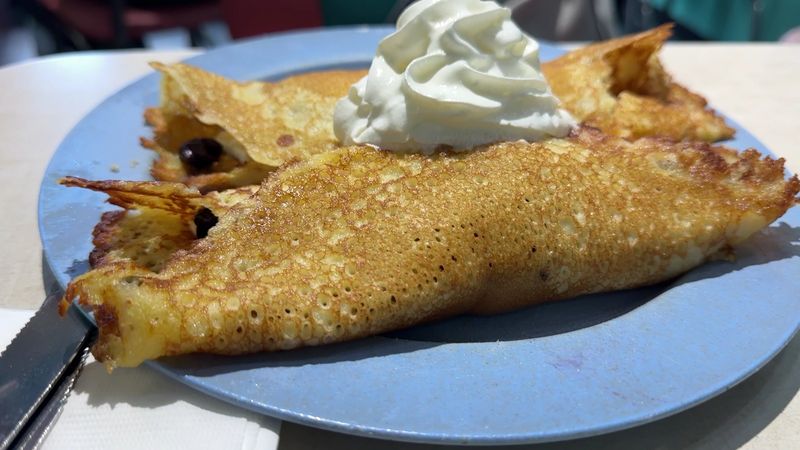
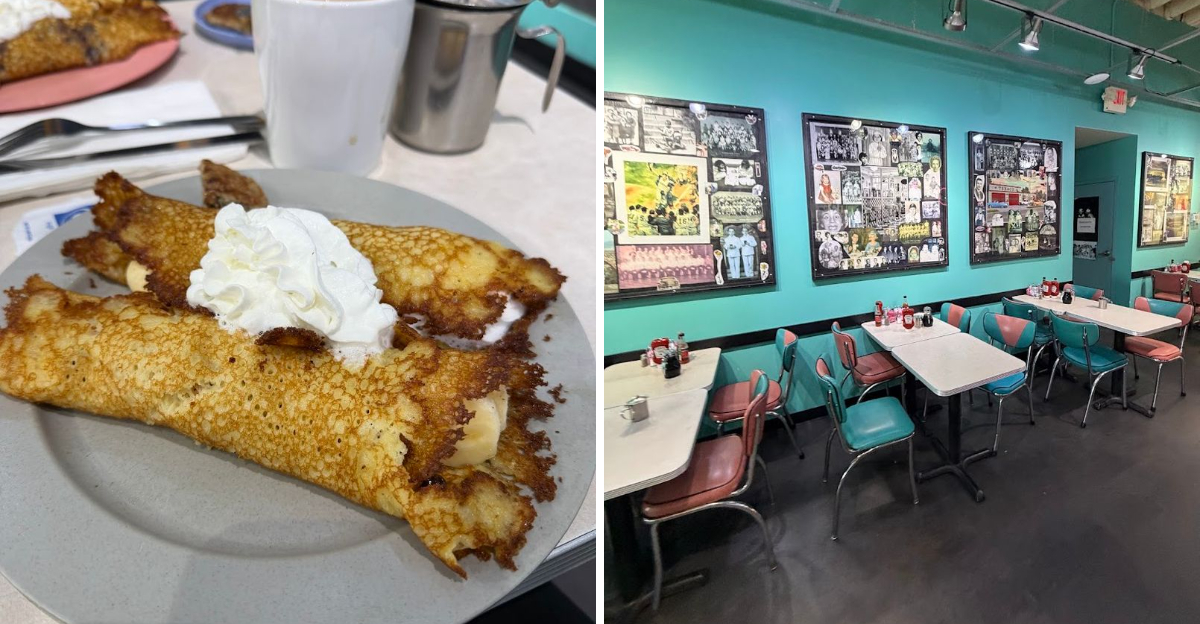
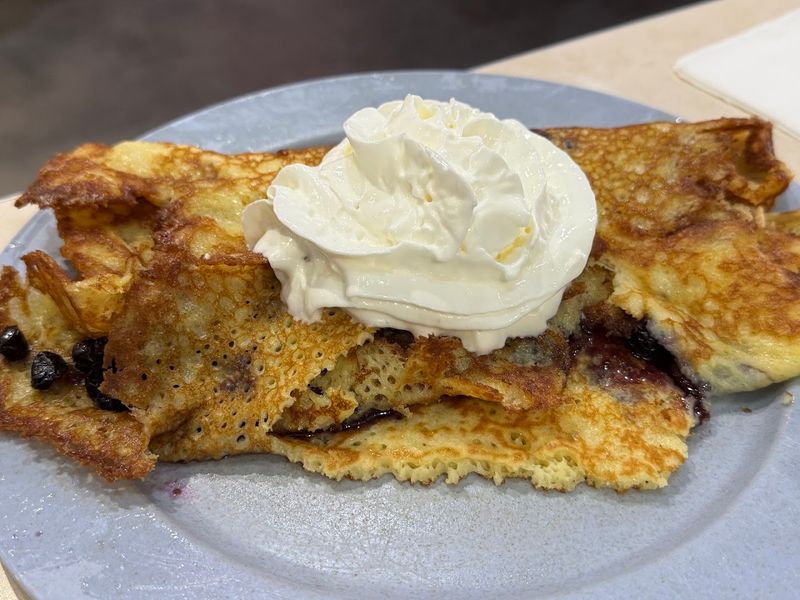
The dish that defines Pamela’s is its famous crepe-style hotcakes, and they do not resemble the thick, fluffy pancakes many people expect. These are stretched thin across the griddle until they become broad, plate-sized rounds with golden surfaces, delicate structure, and beautifully crisp, lacy edges.
The first time you see them, they look almost too large to be real, yet they arrive with a kind of effortless diner confidence.
What makes them special is the balance between resemblance and surprise. They borrow the thinness of a crepe, but still deliver the comfort and richness people crave from a pancake breakfast.
You get something buttery and tender in the middle, while the outer edge adds texture that keeps every bite interesting instead of soft and uniform.
I think that visual impact is part of their legend. They are dramatic without being precious, and they instantly signal that Pamela’s is not serving a generic breakfast.
If you are someone who usually skips pancakes because they feel heavy or repetitive, these hotcakes completely change the conversation and make breakfast feel distinctive, local, and worth planning your morning around.
Why the Texture Makes Them Famous
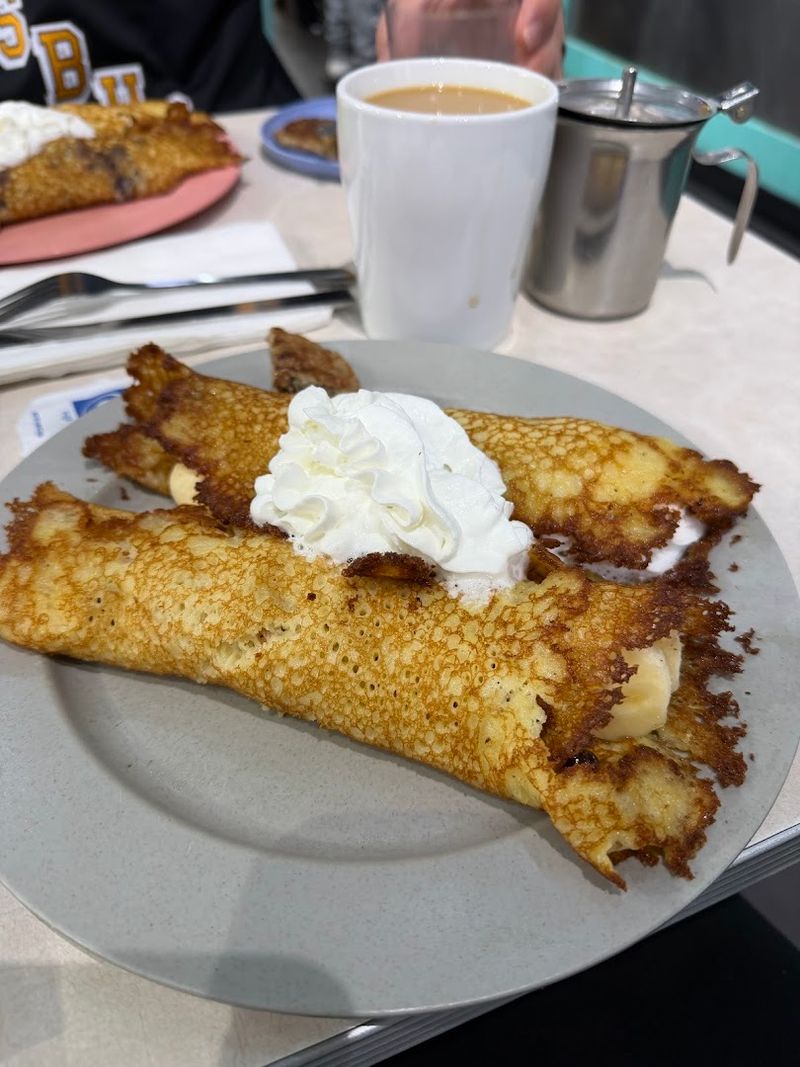
Plenty of restaurants can claim a signature breakfast, but Pamela’s hotcakes earned fame because of texture as much as taste. Instead of turning out soft, cake-like stacks, the batter is spread thin on a hot griddle so the edges crisp up into delicate, almost frilled borders while the center stays supple and buttery.
That contrast creates a bite that feels layered, even though the ingredients remain simple.
You notice it immediately when you cut in. The center folds with a tenderness closer to a crepe, while the outer ring gives a light crackle that keeps the hotcake from feeling one-note or overly dense.
For me, that is what makes them memorable long after breakfast is over, because the texture tells you this was made with intention rather than habit.
It also helps explain why so many diners and reviewers keep mentioning the same details. People remember the crisp edges because they are unexpected, and they remember the soft middle because it keeps the hotcakes comforting instead of brittle.
Pamela’s found a texture combination that feels both nostalgic and unusual, which is exactly the kind of thing that turns a local breakfast into a must-try city icon.
Fresh Batter Made Throughout the Morning
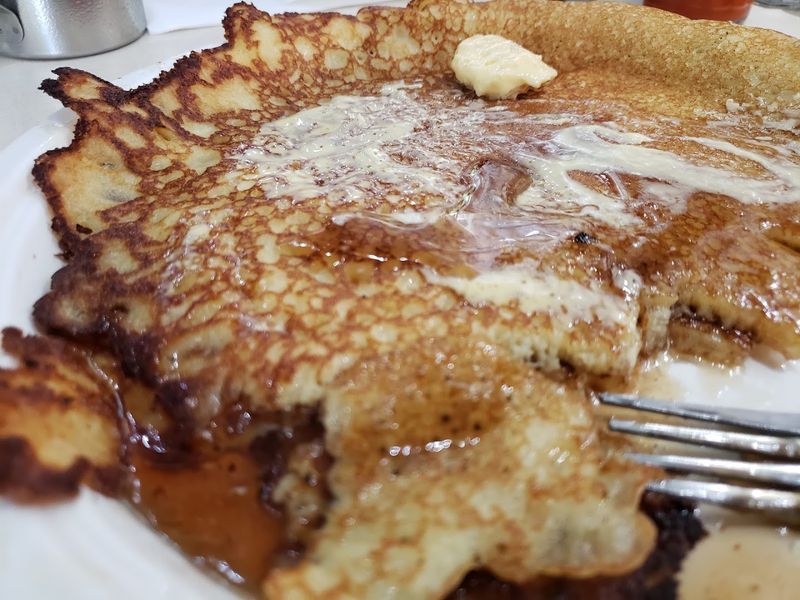
One detail that helps separate Pamela’s from more generic breakfast spots is the way the hotcakes are prepared throughout the morning. Rather than relying on something pre-made and waiting in bulk, the batter is mixed by hand in small batches during the rush, which keeps the texture and consistency right where the kitchen wants it.
That kind of rhythm may sound minor, but you can taste the difference when freshness is built into the process.
Small-batch preparation matters because these hotcakes are not supposed to feel standardized or mass-produced. They need the right pour, the right spread across the griddle, and the right timing to create those signature edges without losing the tender interior.
When a diner stays committed to that level of repetition and care, you get food that still feels personal even when the room is packed.
I always think details like this are what turn a popular item into a lasting institution. Fresh batter signals that the kitchen respects the dish enough not to coast on reputation alone.
If you arrive in the morning and catch the pace of service, you can sense the steady handwork behind each plate, and that makes the hotcakes feel earned rather than simply assembled.
Classic Toppings and Sweet Variations
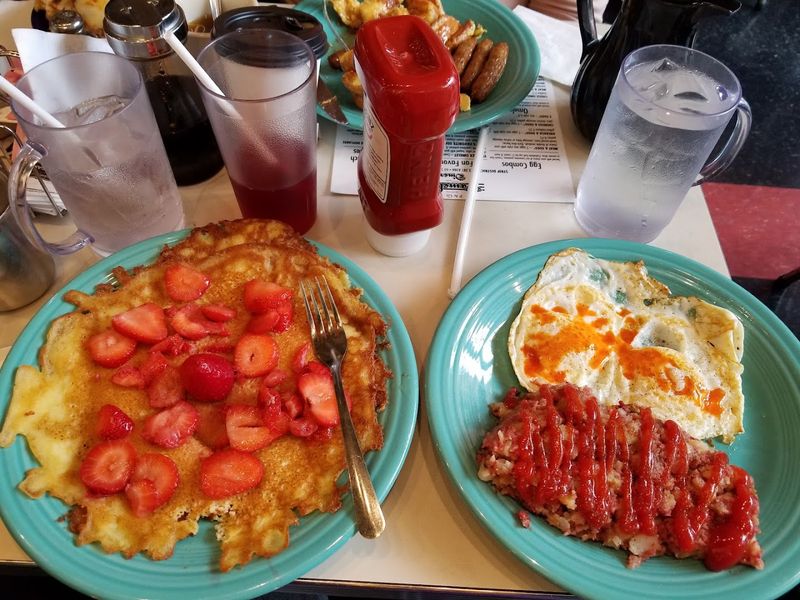
Even though the plain crepe-style hotcakes are stars on their own, Pamela’s gives you plenty of reasons to branch out with toppings and sweet variations. Popular choices include strawberries, bananas, chocolate chips, and whipped cream, all of which play nicely with the thin, buttery base without overwhelming it.
The best versions feel balanced, letting the hotcake stay central while the toppings add contrast, brightness, or a bit more indulgence.
Some specialty combinations lean into richer flavor profiles with brown sugar, sour cream, or fruit-filled pairings that make the dish feel almost dessert-like without leaving breakfast territory. Because the hotcakes are so delicate and wide, toppings spread across them differently than they would on thicker pancakes, giving you a more even mix in every bite.
You are not just getting sweetness piled on top, you are getting flavor distributed over a crisp and tender surface.
That flexibility is part of the appeal. If you like simple breakfasts, there is a version for you, and if you want something more playful, Pamela’s can meet that mood too.
The menu proves these hotcakes are not a one-note specialty but a format that welcomes variety while still keeping its distinctive identity.
A Full Breakfast Menu Beyond Hotcakes
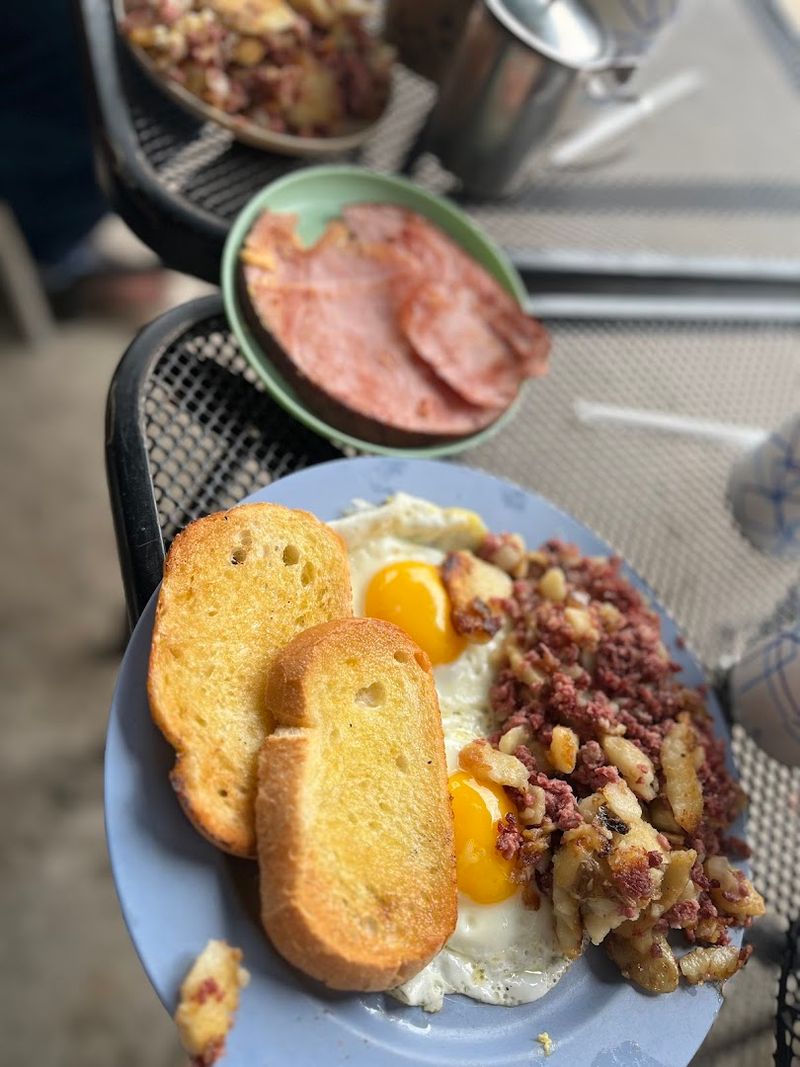
As iconic as the hotcakes are, Pamela’s would not have become such a reliable Pittsburgh favorite if the rest of the menu felt like an afterthought. The diner also serves omelets, eggs, Lyonnaise potatoes, hash, and other classic breakfast dishes that give regulars plenty of reasons to come back, even when they are not in a pancake mood.
That broader menu matters because it turns the restaurant from a novelty stop into a true everyday breakfast spot.
The supporting dishes reinforce the same strengths that make the hotcakes memorable: comfort, consistency, and a feeling that the kitchen understands what a diner meal should be. You can build a more traditional breakfast, combine savory plates with something sweet to share, or lean fully into eggs and potatoes if that is more your style.
Pamela’s does not trap you into one famous order, which makes the whole experience more flexible and more welcoming.
I think that balance is one reason the place has endured for decades. A signature item can bring people in, but a dependable full menu keeps them returning with friends, family, and out-of-town visitors.
At Pamela’s, the hotcakes may get the headlines, yet the rest of breakfast quietly strengthens the diner’s reputation every single morning.
The Retro, Cash-Only Diner Experience
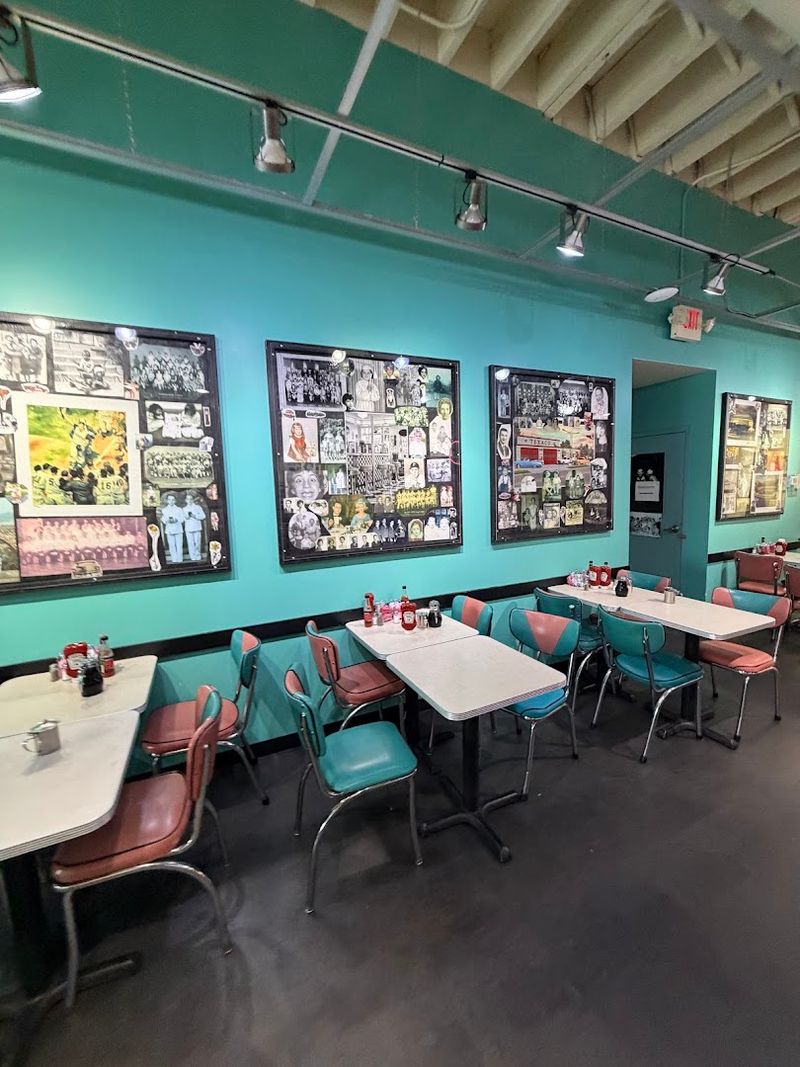
Part of Pamela’s charm comes from how firmly it holds onto the classic diner model. You will find counter seating, nostalgic decor, a breakfast-and-lunch focus, and a cash-only policy that immediately tells you this place is not chasing modern restaurant trends.
Instead, it leans into a practical, old-school rhythm that feels refreshingly grounded in a world of overdesigned brunch spots.
The cash-only rule is especially memorable because it reinforces the sense that Pamela’s operates on its own terms. For some visitors, that might feel inconvenient at first, but it also becomes part of the experience, a small reminder that this diner values tradition and simplicity over constant adaptation.
Once you are inside, the clatter of plates, the close quarters, and the steady flow of regulars make that old-fashioned structure feel completely fitting.
I think this setting enhances the food rather than distracting from it. The room feels lived in, the service feels brisk and real, and the atmosphere tells you breakfast is the main event here.
If you appreciate places with personality, Pamela’s offers a diner experience that feels authentic instead of curated, and that authenticity is a major reason people remember it so vividly.
Cultural Fame and Celebrity Attention
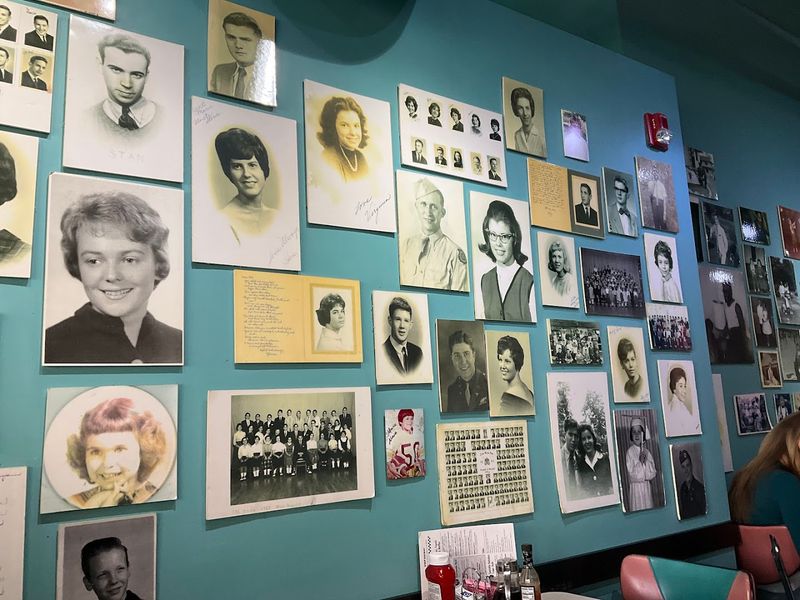
Over the years, Pamela’s Diner has grown beyond local favorite status and become one of Pittsburgh’s best-known breakfast landmarks. Its reputation has spread through national food coverage, travel recommendations, and visits from public figures, helping introduce the hotcakes to people who may never have heard of the city’s diner scene before.
That broader recognition could have made the place feel inflated, but instead it mostly confirms what locals already knew.
Celebrity attention tends to matter less than the steady stream of loyal regulars, yet it still adds another layer to Pamela’s story. When notable visitors stop in, they are participating in a ritual that Pittsburgh residents have been protecting for decades.
I like that the fame does not seem to erase the neighborhood spirit, because the diner still feels rooted in everyday breakfast culture rather than staged for tourism alone.
Repeated praise also helps explain why first-time visitors arrive with high expectations and usually leave satisfied. Pamela’s has become shorthand for a certain kind of Pittsburgh morning: casual, hearty, and proudly local.
In a city full of strong food traditions, that is a meaningful accomplishment, and it is why the diner continues to show up on lists of must-visit places for breakfast lovers.
Visitor Tips for the Strip District Location
If you are planning a visit, the Pamela’s Diner location at 60 21st Street in Pittsburgh’s Strip District is one of the best-known places to experience the hotcakes firsthand. It is easy to see why people target this spot, but popularity comes with a tradeoff: wait times can build quickly during peak brunch hours, especially on weekends.
Arriving early gives you a better shot at shorter lines, a calmer atmosphere, and the freshest start to the morning rush.
It is also smart to remember that Pamela’s keeps a cash-only policy, so showing up prepared will save you stress once you are hungry and ready to order. The diner generally focuses on breakfast and lunch service and typically closes in the afternoon, which means this is not a place to postpone until later in the day.
If you like having details handy, the phone number is +1 412-281-6366, and menu information is available at pamelasdiner.com.
My best advice is simple: treat Pamela’s like a breakfast destination, not a backup option.