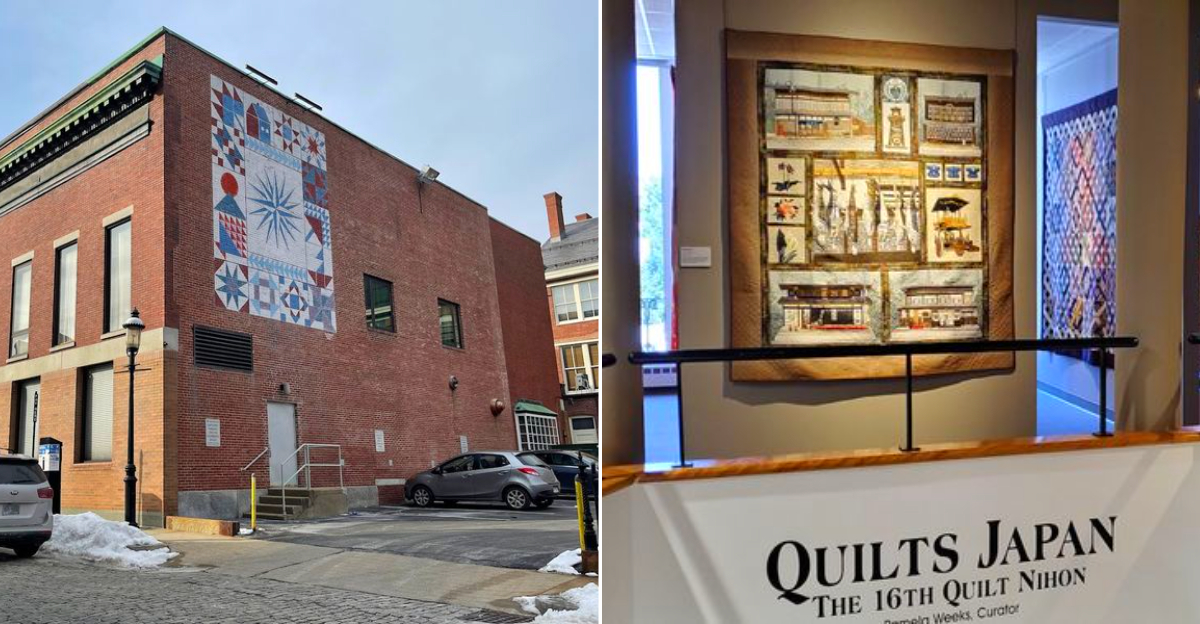
At the intersection of history and high art sits a place that elevates centuries of sewing and stitching into the realm of fine art.
Step inside the New England Quilt Museum, and you’ll find that the humble blanket has been reimagined as a canvas of complex geometry, vibrant storytelling, and incredible technical precision.
This isn’t your grandmother’s attic collection.
From 19th-century heirlooms to avant-garde contemporary works that look more like oil paintings than fabric, the exhibits challenge every preconceived notion of what a quilt can be.
Whether you’re a lifelong stitcher or a modern art enthusiast, this museum offers a rare look at the patience and passion woven into every single thread.
A Small Museum With Big Visual Impact
First impressions can fool you in the best way.
This small but might museum is located at 18 Shattuck St in downtown Lowell, where it sits in a compact space that feels calm rather than crowded.
I liked that the galleries never tried to overwhelm me, yet every wall gave me something worth studying. Because it is small, you can see a lot without museum fatigue setting in.
If you are driving, aim to arrive before late morning because street parking nearby fills quickly.
From the Lowell National Historical Park area, it is an easy walk through the surrounding mill district streets.
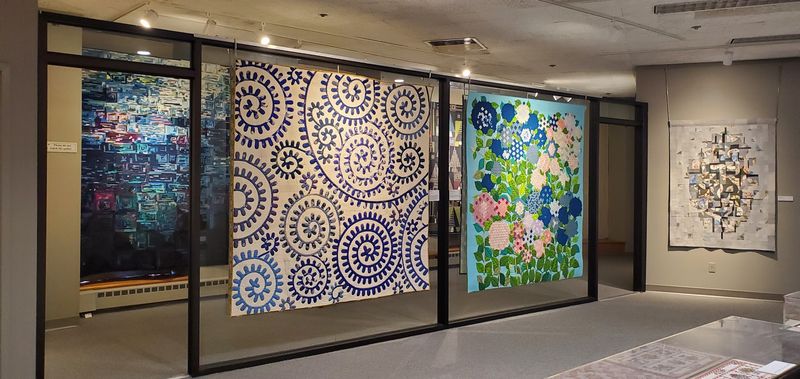
Color does the talking before labels ever do.
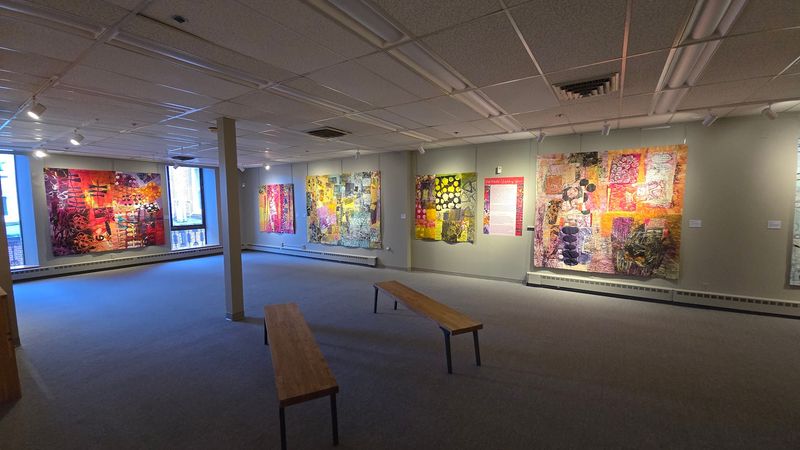
Inside, the museum turns handmade quilts into a gallery experience, with enough breathing room to notice stitching, composition, and scale.
Visitors often mention that the museum does not take long to see, and I found that to be a strength.
You can visit in about thirty to sixty minutes, then linger longer if certain pieces pull you back.
The hours are practical too: Tuesday through Saturday, 10 AM to 4 PM.
That schedule makes it easy to pair with lunch across the street or nearby Lowell attractions.
Changing Exhibitions Keep Every Visit Fresh
Nothing goes stale and too familiar when the walls keep changing.
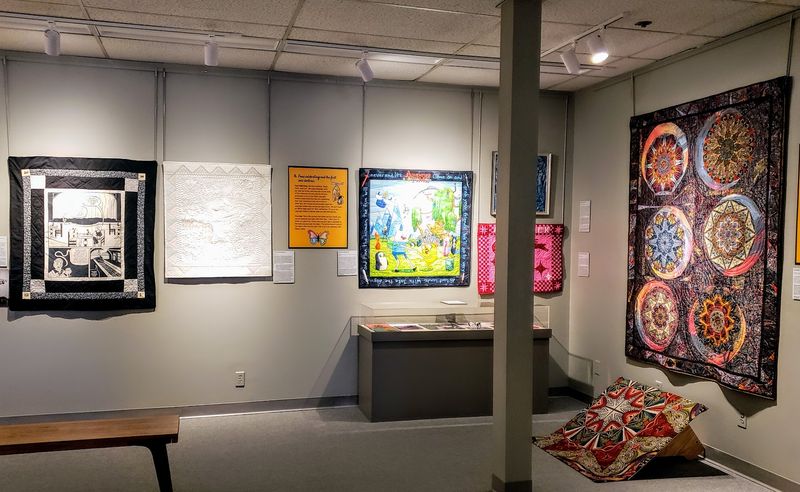
Visitors regularly note that exhibits rotate every couple of months, and that rhythm gives the museum a lively pulse.
I would absolutely check the website before heading over, because one season might highlight Japanese quilting, another modern fiber art, and another historic work.
Surprises are stitched right into the schedule.
The museum avoids repeating itself by balancing traditional quilting history with inventive textile art that stretches the definition of a quilt.
That variety matters if you are visiting with someone who does not sew.
I noticed how easily the displays appealed to both craft lovers and general art fans, because the themes often lean into storytelling, place, or social ideas.
If you want the quietest experience, try a weekday morning soon after the 10 AM opening.
It gives you room to slow down and really see the work.
Traditional Craft Meets Contemporary Art
Thread has a way of crossing centuries without getting tangled.
I appreciated that the museum does not trap quilting in the past.
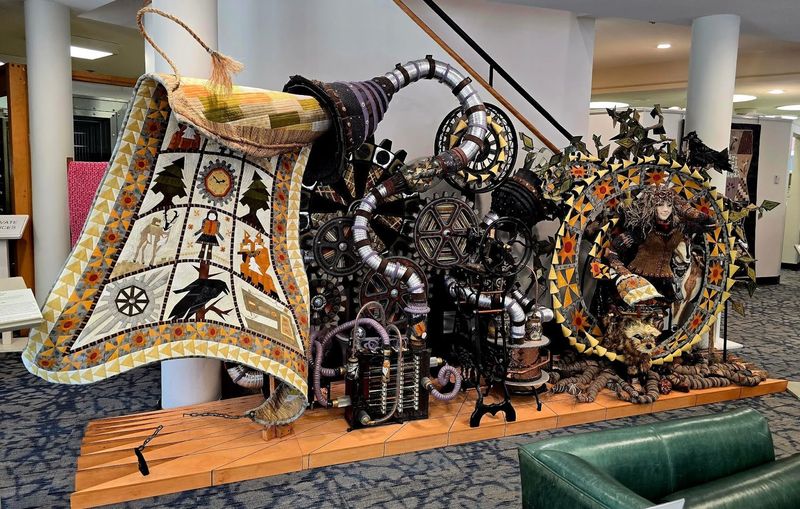
Historic quilts reveal precision, thrift, and family memory, while newer works push color, abstraction, and political themes in fresh directions.
That contrast kept me alert, because each room changed the conversation.
Details whisper, but they do not stay quiet for long.
The museum helps you notice how quilting can be both technically rigorous and emotionally direct.
Some pieces showcase tiny hand stitching and careful piecing, while others use unusual materials or layered imagery to make broader artistic statements.
I liked watching people move closer, then closer again, as if every quilt had a second act.
This is also a good stop for non-quilters, since the labels and presentation frame the work as visual art rather than hobby display.
Bring your phone for reference photos afterward, but remember the common courtesy rule: no flash.
The Stories Are Sewn Into Every Wall
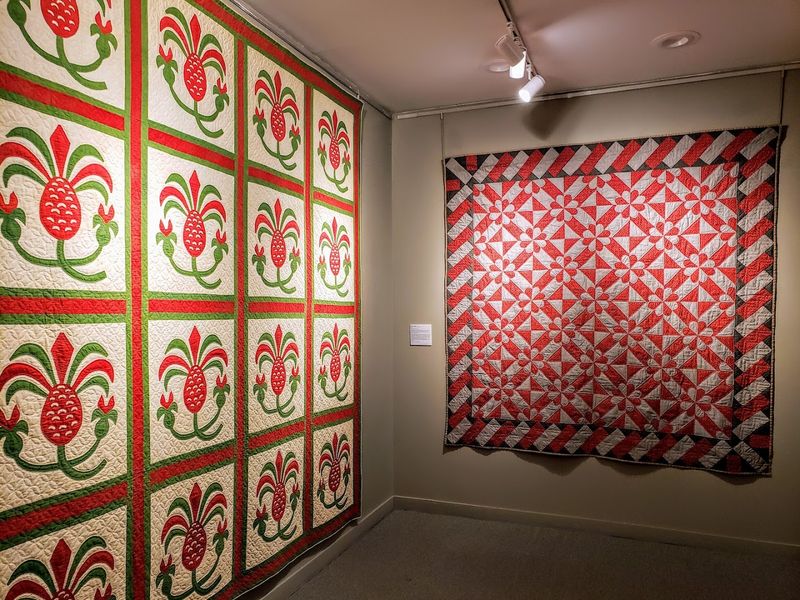
Some art tells you what happened before you even read the label.
Sometimes it feels like the stories are sewn into the wall, andmany works carry personal, cultural, or historical narratives.
Reviews mention woodland scenes, symbolic exhibitions, and even thought-provoking social topics, and that range gives the galleries real depth.
I found myself reading more than usual because the backstories genuinely changed what I saw in the stitching.
If you are mapping your route, the museum sits near several Lowell historical attractions, so it fits well into a half-day downtown plan.
Enter from Shattuck Street and give yourself a little extra time for the unexpected pieces.
Meaning sneaks up on you when color opens the door, and the quilts become more than pattern and technique because artists use fabric to talk about memory, nature, community, and loss.
That makes the visit feel thoughtful without becoming heavy.
I liked the balance: enough context to ground the work, yet enough openness for your own interpretation.
If you visit with a child or a friend who thinks quilts are just bedcovers, this is the section of the experience that may change their mind fastest.
It certainly sharpened mine, one stitch at a time.
Easy Viewing Makes Details Shine
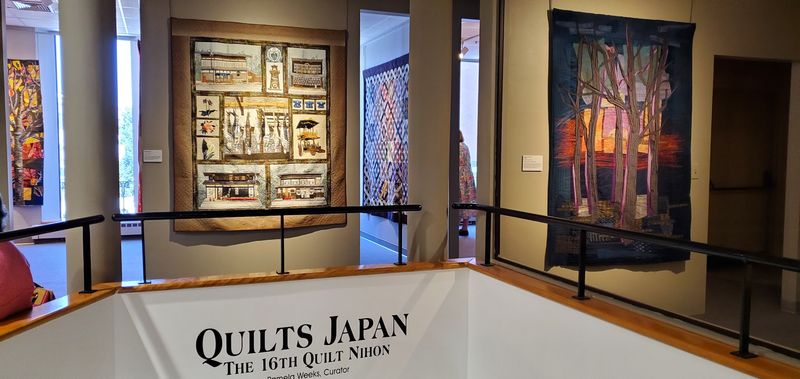
Good museum design is easy to miss, which is exactly the point.
The lighting, spacing, and practical amenities make close looking feel natural.
Visitors have praised the well-lit galleries, and I understood why within minutes.
Quilts need enough room and enough light for the stitches, piecing, and texture to read clearly.
The museum also offers thoughtful conveniences, including air conditioning, restrooms, an elevator, and even magnifying glasses for studying fine details.
If mobility matters in your planning, that elevator is worth noting before you go.
Little comforts can turn a quick stop into a satisfying one.
The museum respects the fact that textile art rewards patience and proximity.
I liked being able to step close without feeling cramped, then back away to see the full composition.
It sounds simple, but that kind of viewing setup changes how much you actually notice.
If you want the best experience, visit earlier in the day and give yourself permission to linger in front of one or two favorites.
At a museum this size, a slower pace does more than extra square footage ever could for attentive visitors.
Helpful Staff Add Real Warmth
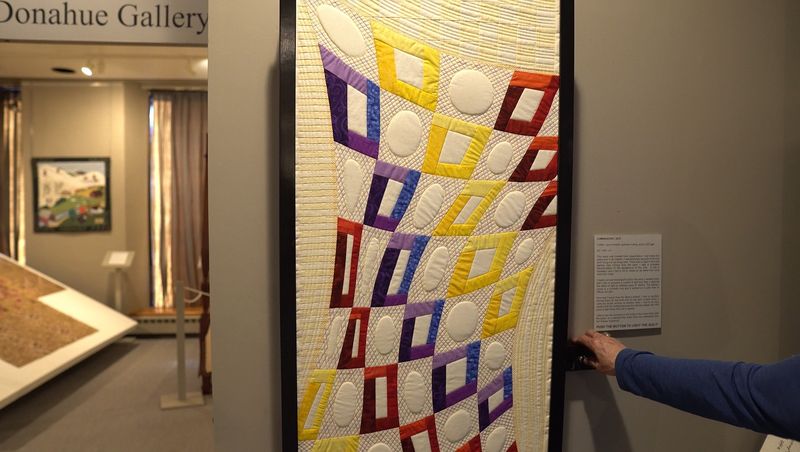
A kind welcome can change the temperature of a whole visit.
Helpful staff add warmth to the museum, and visitors often mention friendly employees, volunteer docents, and even conversations with a curator.
I always notice when a small museum gets this part right, because warmth can feel as memorable as the objects on display.
Here, questions seem invited rather than tolerated.
That is especially useful if you are new to quilting terms and want help understanding techniques or exhibition themes.
If you arrive around late morning on a Saturday, you may have a better chance of finding gallery staff available for conversation.
Expertise lands better when it feels like a chat, not a lecture.
The museum’s human side makes the artwork more approachable for serious quilters, casual sewers, and complete beginners alike.
I have been in places where labels do all the work; this museum benefits from people who can fill in the texture between the lines.
Several visitors even noted how welcoming the staff were to children, which says a lot about the tone.
If you are hesitant about visiting a specialty museum, start here anyway. You might leave knowing more than you expected, without ever feeling talked down to.
The Gift Shop Is Worth A Browse

Not every museum shop deserves extra time, but this one quietly does.
The gift shop is worth a browse, and gives the visit a practical and creative finish without feeling overpriced.
Visitors often mention affordable gifts, sewing-related finds, handmade goods, and even bags of fabric remnants, which I think is a charming detail.
I like souvenir shopping best when it feels connected to the mission, and this shop keeps that thread intact. Even if you do not sew, there are giftable items that travel well.
Since the museum opens at 10 AM Tuesday through Saturday, early shoppers can pop in before exploring the galleries.
Temptation here arrives folded, stitched, and surprisingly reasonable.
The selection extends the museum’s focus on craft instead of turning into generic branded clutter.
I have seen visitors come out with books, small textile pieces, and materials that spark their own projects back home.
That makes the shop feel more like a creative coda than an exit lane.
If you are planning a Lowell day trip, this is also a smart place to pick up a thoughtful local-leaning gift before lunch nearby.
Just leave a little room in your bag, because fabric has a way of following people home.
A Smart Stop On A Lowell Day Trip
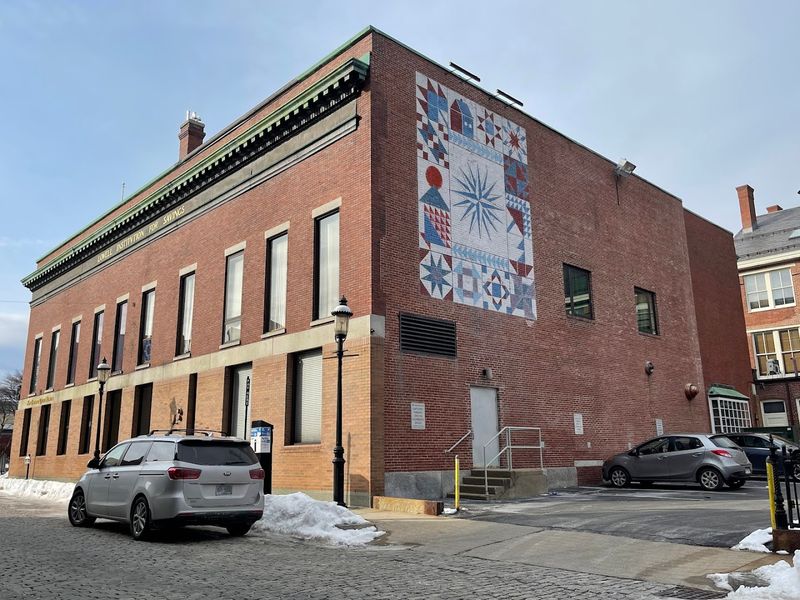
One good stop becomes better when locals and previous visitors help.
Visitors and locals point out the Victorian garden entrance diagonally across the street and the nearby streetcar museum, and that kind of pairing makes planning simple.
I like destinations that do not ask for a whole day unless you want to give it one.
Here, you can enjoy the galleries, browse the shop, and still have time to explore the city’s industrial history. If you are coming by car, build in a few extra minutes for parking, especially after 11:30 AM.
Good timing can stitch a whole outing together.
The museum works well as either your first stop or your quiet reset between busier sites.
Because most visitors can see the exhibits in under an hour, you can keep the day flexible without feeling rushed.
I would pair it with a downtown walk and lunch nearby, especially on a weekday when the pace feels gentler.
The museum is closed Sunday and Monday, so keep that in mind before a weekend detour.
Lowell has plenty to say, and this museum gives the conversation texture.
Why This Museum Lingers After You Leave
Some places stay with you because they never raise their voice.
This museum presents handmade work with seriousness, clarity, and just enough intimacy to let the art breathe.
I came away thinking less about categories and more about attention.
Quilts here are not treated as side notes to painting or sculpture, and that curatorial respect changes how you look.
Quiet conviction can be more persuasive than spectacle.
The lasting appeal comes from the mix of craftsmanship, rotating exhibitions, friendly guidance, and the museum’s modest size.
I never felt rushed, and I never felt like the work needed overselling.
Instead, the visit challenged me to notice the small, seemingly insignificant things and show them great appreciation.
Looking past the beauty and value of common things and objects is a mistake people often make.
This museum will teach you that those seemingly insignificant things are the ones of the highest value.