Some walls do a lot more than decorate a block – they tell stories big enough to stop you mid-step.
Across Pennsylvania, towering murals turn students, athletes, musicians, and neighborhoods into legends with the scale of comic-book heroes.
If you love public art that feels cinematic, emotional, and unmistakably local, these giant works deserve a spot on your list.
Here are ten murals and mural experiences that make whole cities feel like open-air graphic novels.
Common Threads – Philadelphia
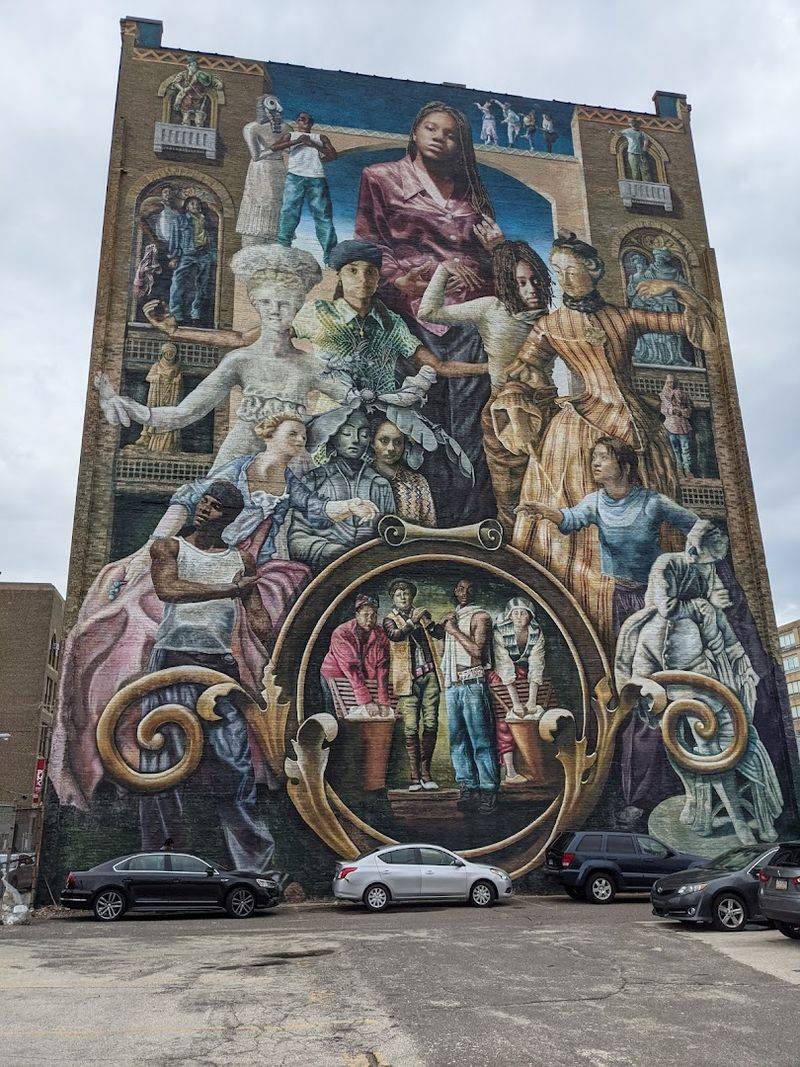
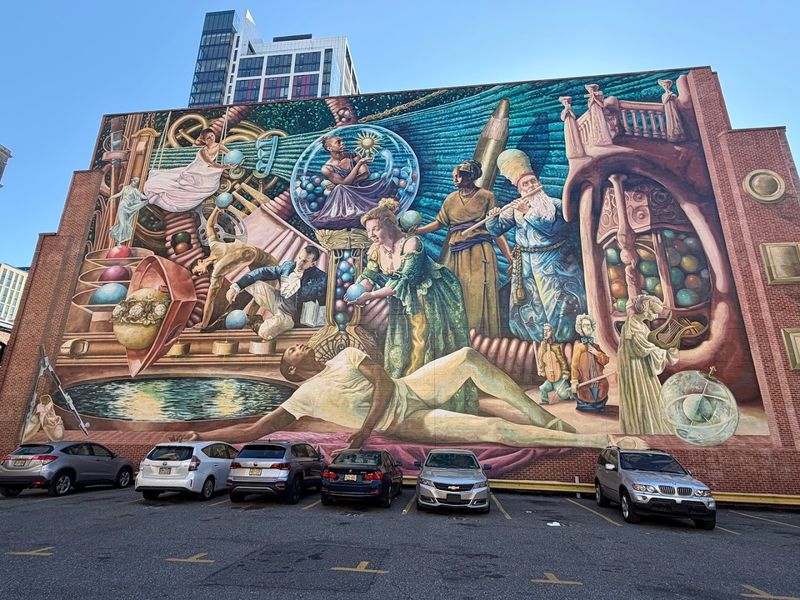
Standing in front of Common Threads, you immediately get why this mural is one of Philadelphia’s most beloved giants. The composition lifts everyday students into a space usually reserved for saints, muses, and mythic heroes, and that contrast gives the wall its emotional punch.
It feels grounded in real life, but it also has the visual ambition of a grand comic-book splash page.
I love how the mural blurs the line between classical imagery and neighborhood identity without feeling stiff or overly academic. The scale makes every gesture feel important, so even ordinary faces seem to radiate purpose, dignity, and possibility.
If you are drawn to art that celebrates people instead of monuments, this wall really delivers.
What makes Common Threads linger in your mind is the way it turns public space into something uplifting and cinematic. You are not just looking at paint on brick – you are seeing a city make a statement about whose stories deserve to be elevated.
In that sense, the mural does exactly what great superhero art does: it makes human potential feel enormous.
Philadelphia Muses – Philadelphia
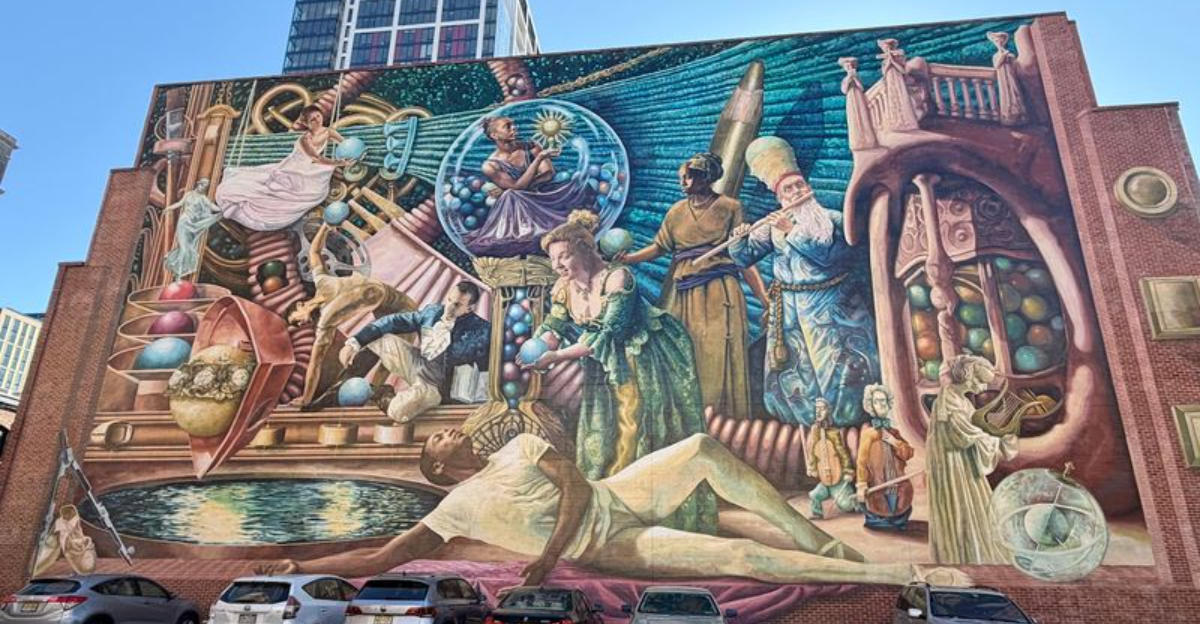
Philadelphia Muses has the kind of presence that makes a whole street feel like part of a dream sequence. The mural stretches across multiple building surfaces, and those monumental female figures seem to hover over the block with motion, grace, and quiet authority.
It is impossible not to think of a graphic novel panel expanded to city size.
What I find most striking is how the work uses scale to create momentum rather than just spectacle. The figures do not merely sit on the wall – they glide, lean, and pull your eye from one architectural edge to the next, making the buildings themselves feel animated.
If you enjoy murals that reward both close looking and long-distance viewing, this one has that rare sense of movement.
The best part is the mood it creates for anyone walking beneath it. You feel slightly smaller, but in a good way, like the street has opened into a story bigger than your afternoon plans.
Philadelphia Muses turns ordinary city infrastructure into a stage for imagination, proving that mural art can be both elegant and thrilling at once.
Love Letter for You – Philadelphia
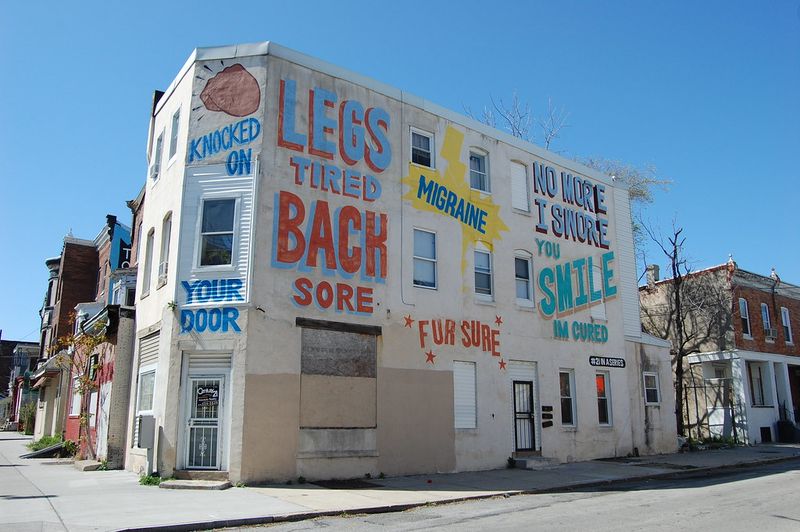
Love Letter for You is less a single mural than a citywide story unfolding across rooftops, walls, and train views. Seen from the Market-Frankford Line, the messages line up like panels in a serialized romance, turning your ride into something part scavenger hunt, part visual poem.
Few public art projects in Pennsylvania feel this inventive on such a large scale.
I love that this series uses movement as part of the experience. You are not meant to absorb it all from one fixed spot, because the sequence builds as the train rolls forward and the skyline reveals each new fragment.
That rhythm gives the murals a genuine comic-strip quality, with anticipation, pauses, and emotional payoff between each line.
Even though the project is playful, it also says something powerful about intimacy in public space. These giant declarations of affection and reflection soften the hard surfaces of the city and make the commute feel unexpectedly personal.
If you want mural art that transforms infrastructure into narrative, Love Letter for You is one of the smartest and most memorable examples you can see in Philadelphia.
Legendary – Philadelphia
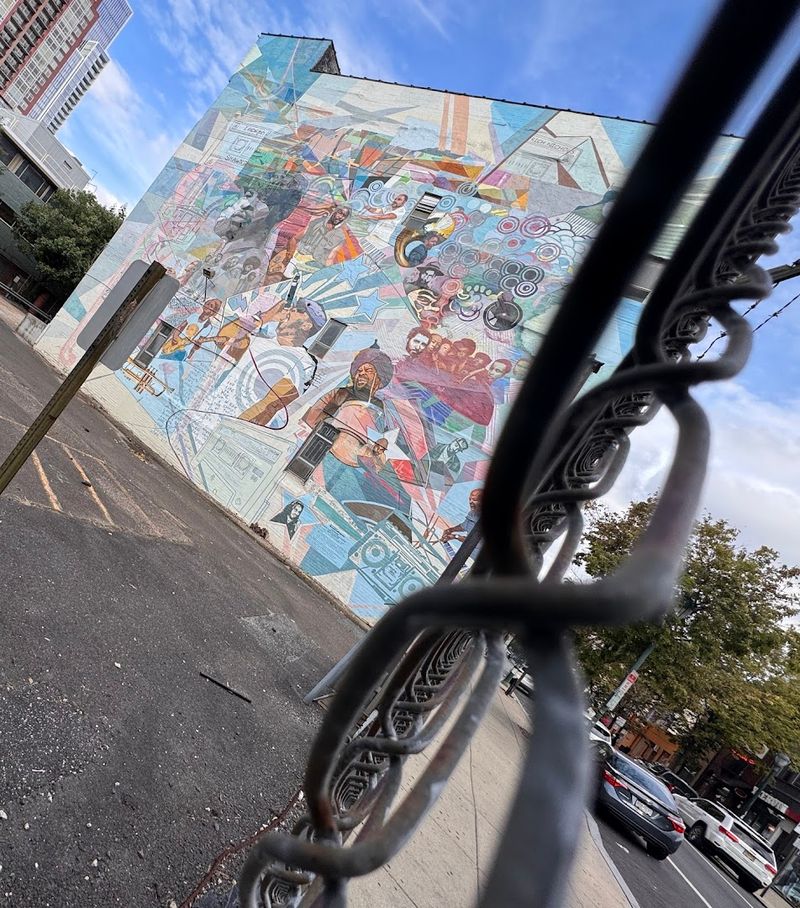
Legendary earns its title by presenting activist figures with the kind of scale and visual force usually given to pop culture icons. The colors are bold, the lines feel intentional, and the overall effect is less like a passive portrait and more like a declaration across the wall.
You can sense the mural insisting that civic courage deserves the same spotlight as celebrity.
What makes it so compelling is the graphic intensity. The faces and forms read clearly from a distance, but up close you notice how the design choices heighten emotion, almost like a poster, comic panel, and protest banner folded into one.
If you respond to public art that feels current and unapologetic, this mural has that sharp, contemporary edge.
I think Legendary works because it does not separate aesthetics from message. The mural turns activism into something visually unforgettable without flattening the people behind it into symbols alone.
Standing there, you get the feeling that Philadelphia is using its walls to define who matters, and that kind of storytelling gives the piece real staying power long after you leave the block.
Tree of Knowledge – Philadelphia
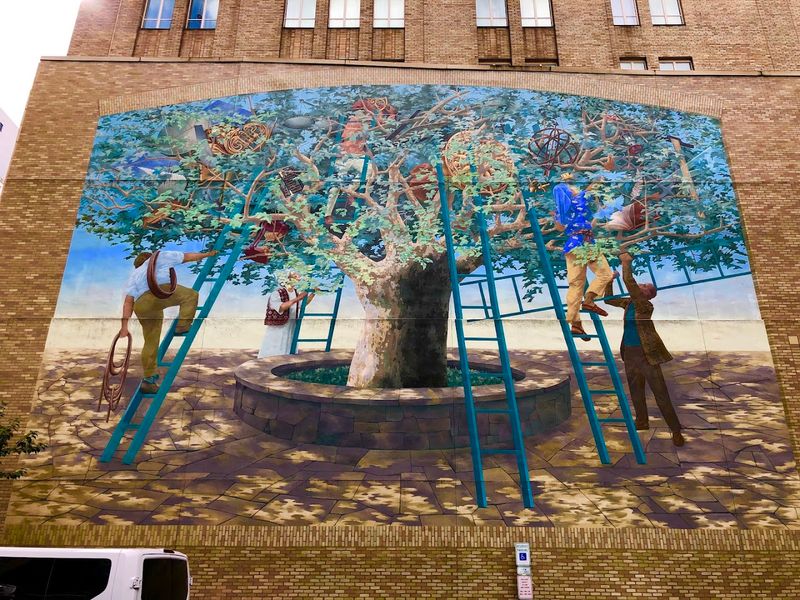
Tree of Knowledge feels like stepping into a fully imagined universe compressed into one monumental wall. The giant tree branches outward like a narrative map, and the hidden symbols, objects, and visual clues invite you to keep scanning long after your first look.
It has that same layered thrill you get from a comic-book page packed with secret details.
I am always drawn to murals that reward curiosity, and this one absolutely does. Instead of presenting a single obvious scene, it builds a world through fragments, references, and surreal combinations that let you invent your own pathways through the imagery.
If you enjoy art that asks you to participate rather than simply observe, this mural makes you feel like a detective inside a story.
The scale matters here because the idea itself is expansive. A tree already suggests memory, growth, and connected lives, and when that symbol spreads across a whole wall, it turns into a public archive of imagination.
Tree of Knowledge is larger than life not just because of its size, but because it opens a door into a visual mythology that keeps unfolding the longer you stand there.
Roberto Clemente Mural – Pittsburgh
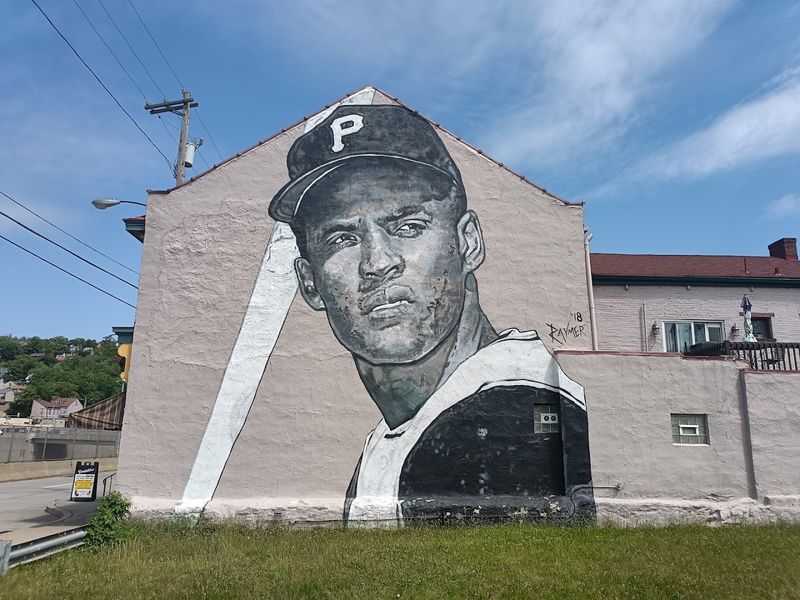
The Roberto Clemente mural in Pittsburgh has the kind of scale that matches the legend it honors. Spread across a full facade, it captures the baseball icon with movement and gravity, making him appear both athletic and almost mythic.
You do not have to follow sports closely to feel the heroic energy coming off that wall.
I think what makes this mural so memorable is the way it channels classic sports imagery without becoming nostalgic wallpaper. Clemente is presented as a player, certainly, but also as a symbol of excellence, pride, and lasting civic memory.
The composition carries the punch of an old comic-book cover where the hero is frozen in a moment of perfect action.
Standing before it, you get why murals are such effective monuments. Bronze statues can honor a person, but a wall-sized painted figure can suggest motion, feeling, and story all at once.
This tribute turns a Pittsburgh street into a place of remembrance and admiration, and it reminds you that some hometown legends are too expansive for plaques or pedestals. They need vertical space, bold color, and a city willing to celebrate them in full public view.
Mac Miller Murals – Pittsburgh
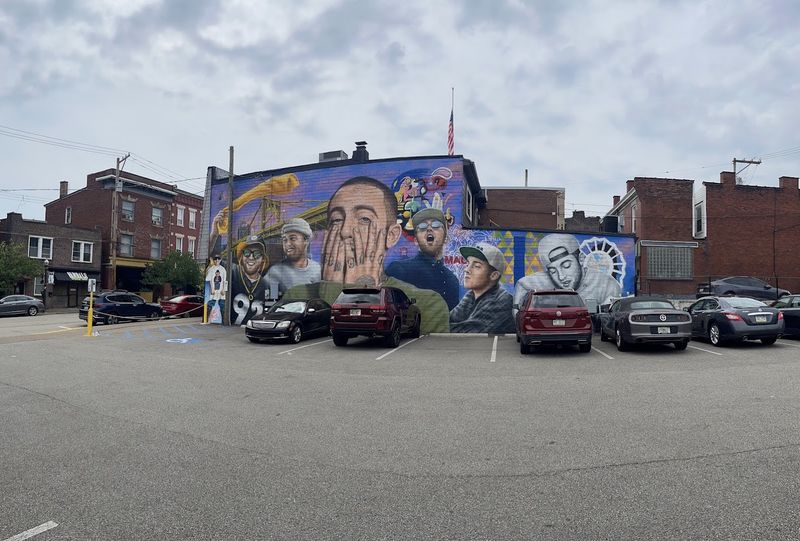
Pittsburgh’s Mac Miller murals show how public art can hold grief, affection, and hometown pride in the same frame. Across the city, these large portraits and tributes transform his image into something communal, giving fans and neighbors a place to reflect on what he meant to them.
The stylized colors and bold treatment make the murals feel alive rather than memorial-only.
What I like most is that these works do not flatten him into a generic symbol. Depending on the mural, you might get warmth, playfulness, introspection, or celebration, which mirrors the emotional range people still connect with in his music and public persona.
If you care about how cities remember artists who shaped local identity, Pittsburgh offers a vivid case study on its walls.
There is also something distinctly larger than life about seeing a familiar face expanded to building scale in the place that formed it. The murals turn private listening memories into public space, so your experience becomes part of a shared local narrative.
That is why these tributes resonate beyond fandom – they show how a city can claim, mourn, and celebrate one of its own through color, scale, and street-level visibility.
Erie Mural Arts – Erie
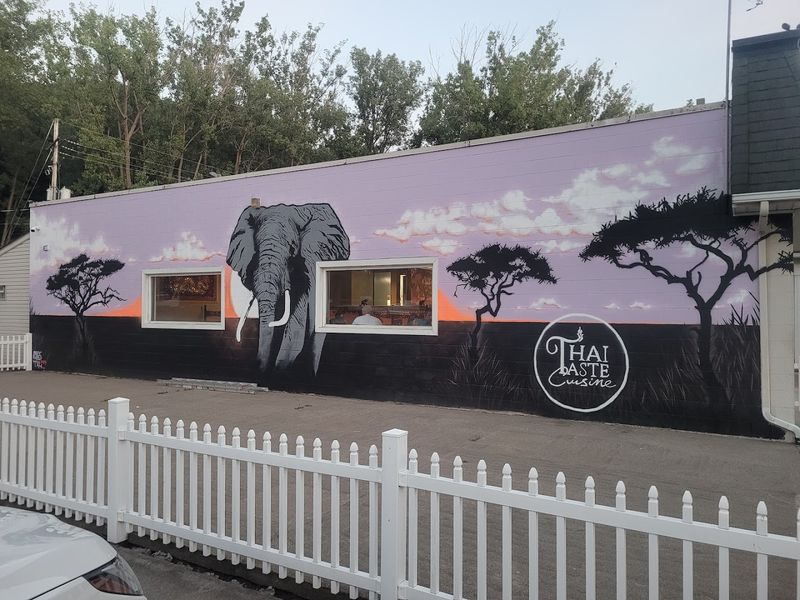
Erie might surprise you if you think Pennsylvania’s most exciting murals are concentrated only in Philadelphia and Pittsburgh. The city’s growing mural scene has added dozens of large-scale works across downtown and nearby neighborhoods, creating an evolving outdoor gallery rooted in local stories.
Many of these walls highlight athletes, civic identity, and regional history with bold compositions that feel energetic and accessible.
I find Erie’s mural momentum especially interesting because it reflects a city building visual pride in real time. Rather than relying on a single famous wall, Erie offers a broader experience where one mural leads naturally to another, and the variety keeps your attention sharp.
Some pieces lean realistic, while others use stylized framing and color blocking that echo comic-book storytelling.
That mix gives the city a sense of discovery. You are not just visiting one artwork – you are noticing how public art can reshape an entire downtown by adding scale, narrative, and surprise to everyday blocks.
If you enjoy mural hunting as much as mural viewing, Erie rewards wandering, because the scene feels both community-driven and artistically ambitious, with enough personality to make the whole city feel more vividly itself.
York Mural – York
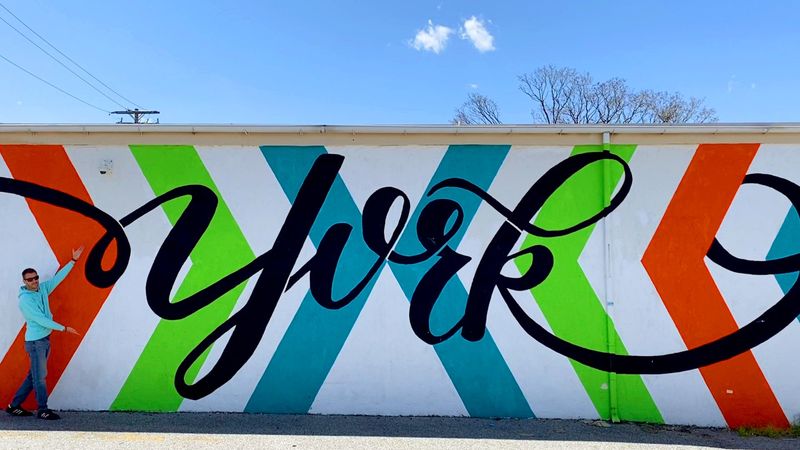
The York mural proves that typography alone can command a wall like a giant character introduction. Stretching across a long downtown surface, the sweeping wordmark turns the city’s name into a piece of public identity you can spot instantly.
It is graphic, confident, and bold enough to feel like a title card for the place itself.
I appreciate how direct this mural is. Instead of building a complex narrative through portraits or symbols, it makes design do the storytelling, using scale, lettering, and color to create instant civic recognition.
If you have ever loved the opening page of a comic because the logo alone set the tone, this mural hits a similar note in urban form.
What keeps it memorable is the way it activates the block around it. A forty-one-foot wall could easily disappear into the background, but this piece turns it into a downtown landmark and a natural photo stop.
The mural announces York with style rather than subtlety, and that confidence is part of the appeal. It shows how public art does not always need figures or scenes to feel larger than life – sometimes a city’s own name, magnified and beautifully rendered, is enough to become iconic.
Phillies Mural – Philadelphia
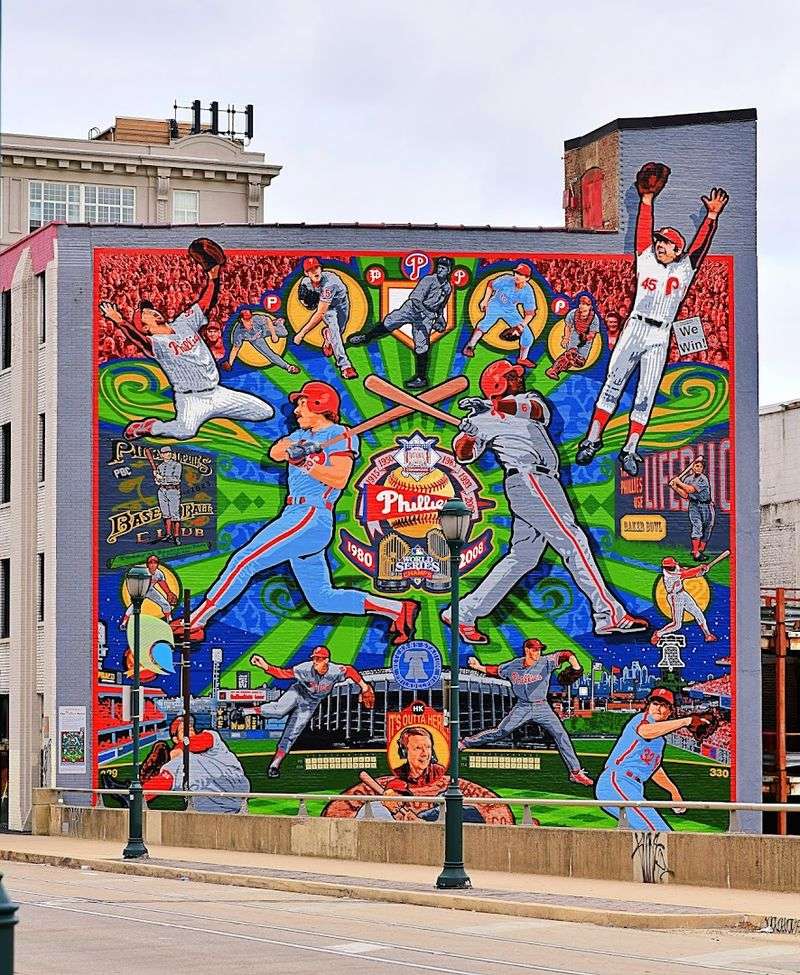
The Phillies mural near the Schuylkill River takes sports memory and scales it up to near-mythology. Rising eight stories high, it layers generations of players into one sweeping composition, so the team’s history unfolds in a single glance like a wall-sized graphic narrative.
Even if you arrive without game-day energy, the mural pulls you into Philadelphia’s baseball devotion fast.
What works so well is the sense of motion and continuity. The players are not arranged like a static hall of fame photo – they seem to emerge from different eras in a dynamic sequence that gives the whole facade rhythm and momentum.
If you love art that turns fandom into storytelling, this mural has the same charged feeling as a climactic sports comic cover.
I also think it succeeds as public art because it welcomes everyone, not just dedicated fans. The giant faces, gestures, and layering make the wall visually exciting on their own, while longtime followers can read deeper meaning into the lineup of athletes represented.
That combination of spectacle and memory makes the piece feel genuinely civic. It is a Philadelphia sports tribute, yes, but it is also a larger-than-life portrait of loyalty, legacy, and local identity.