Some Florida places feel polished for visitors, but Cortez feels like it never learned how to perform for anyone. That is exactly why it stays with you.
Between shrimp boats, weathered fish houses, and the smell of salt in the air, this little village offers the kind of coastal character that most towns paved over long ago. If you want Old Florida without the costume, Cortez is where the real thing still lives.
Start With the Fact That Cortez Is Still Real
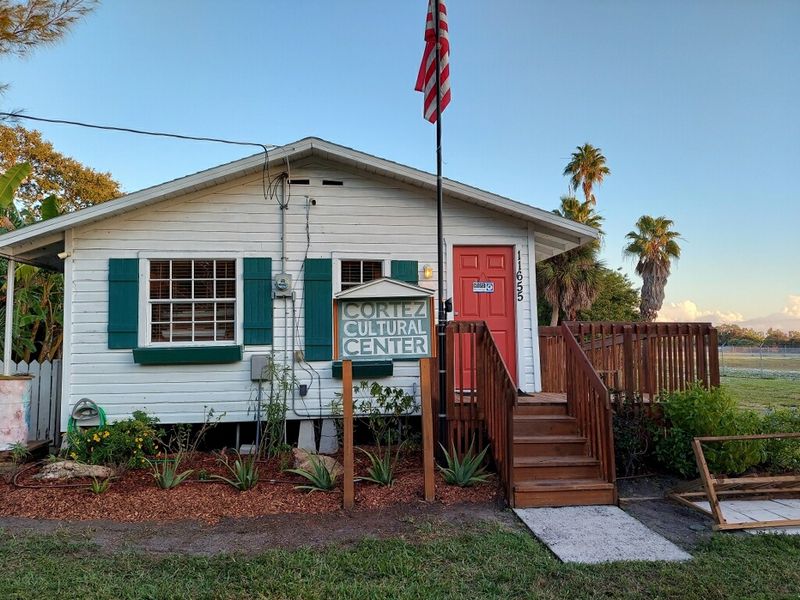
The first thing that struck me about Cortez was how little it seems interested in impressing anyone. It sits on Sarasota Bay like a place that stayed busy while the rest of Florida turned itself into a brochure.
You do not arrive to polished spectacle here – you arrive to a village that still has a job.
That matters, because Cortez is one of the last true working fishing villages on the Gulf Coast. The boats are not decorative, the docks are not props, and the weathered buildings have earned every board and nail.
Even the beauty feels practical, shaped by wind, labor, and long routines rather than branding.
If you have been craving a coastal town with actual texture, this is it. Cortez gives you sea breeze, history, and honesty all at once.
It feels less like a destination someone created and more like a place that simply refused to disappear.
Meet the Village That Followed the Mullet South
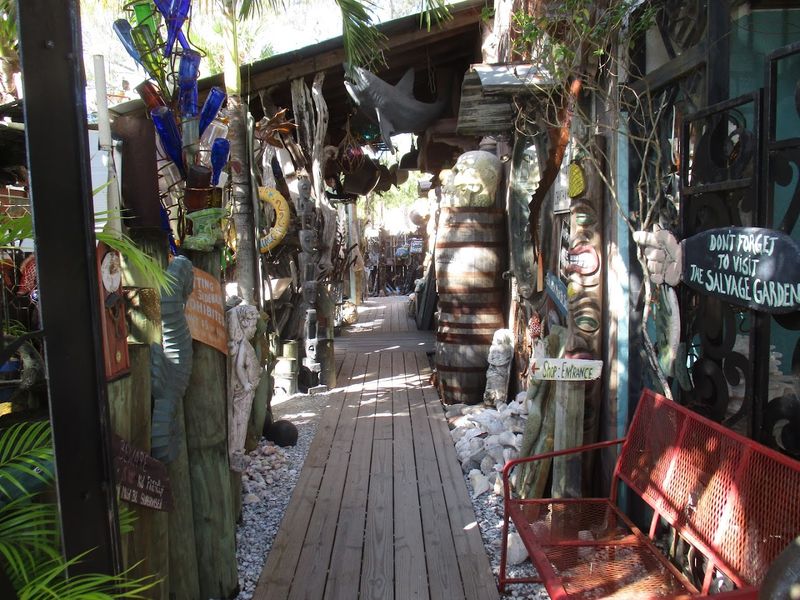
Cortez began in the 1880s when fishing families from North Carolina came south following the mullet, and that origin story still hangs in the air. Many current residents trace their roots to those original families, which gives the village an unusual sense of continuity.
In Florida, that kind of generational memory is rare.
The place was first called Hunter’s Point before becoming Cortez in 1895 when the post office arrived. That detail sounds small, but it hints at how the village grew: slowly, practically, and around real community needs.
It never had the sudden reinvention that reshaped so many nearby coastal towns.
Walking here, you can feel the difference between a place with deep family lines and one built from scratch for visitors. Cortez still carries the rhythms of inheritance.
You are not just seeing old buildings – you are stepping into a community where the past never fully packed up and left.
Go Early and Let the Docks Tell the Story
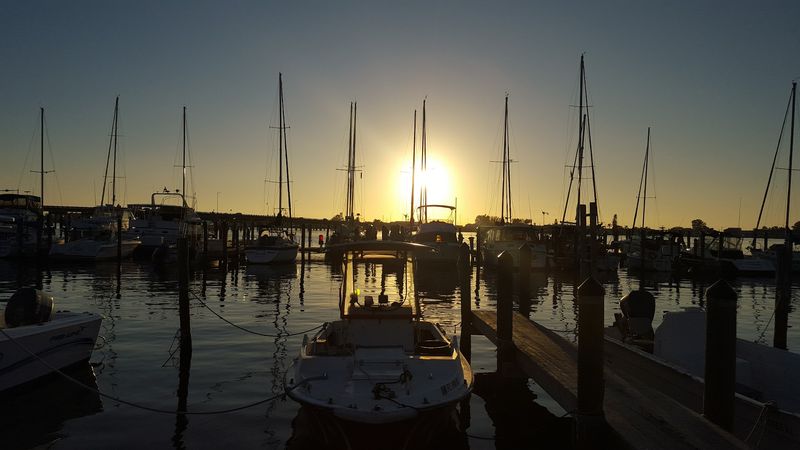
If you want to understand Cortez, go early. The docks are where the village stops being an idea and becomes a living system of work, timing, and muscle.
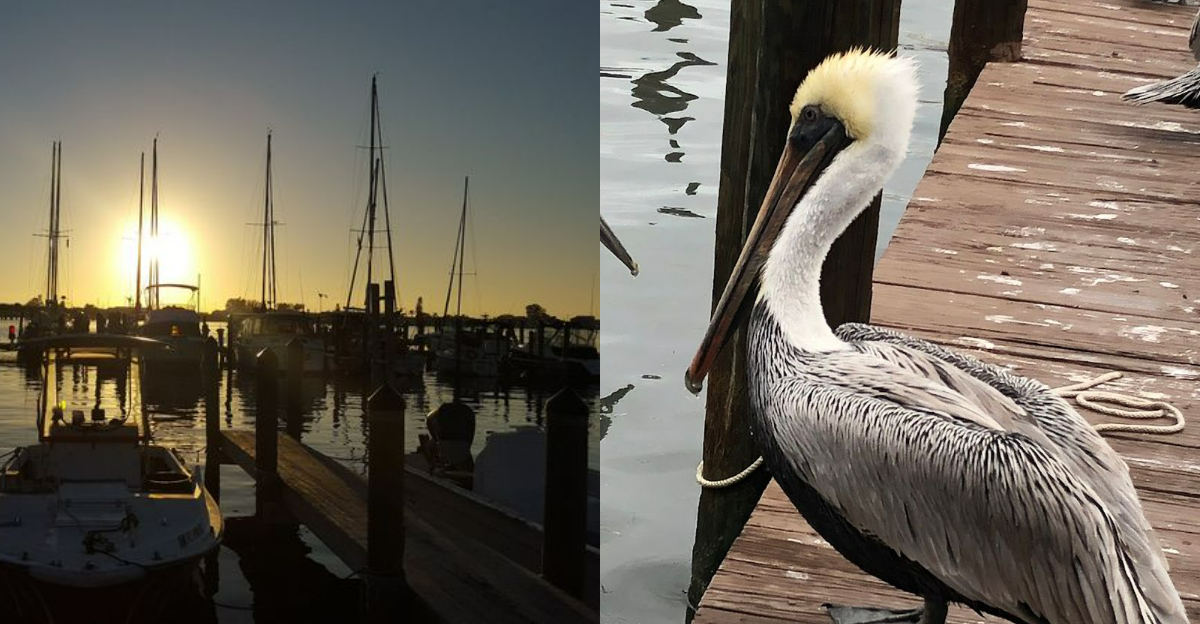
Boats return, crews move fast, pelicans hover hopefully, and everything smells like salt, bait, and diesel.
I love that nothing here is arranged for effect. Rigging clinks against masts, engines grumble, gulls complain, and the whole waterfront feels unapologetically busy.
This is not a sanitized harbor where every rope has been straightened for tourists; it is a real working edge of the bay.
There is something oddly moving about watching a place still depend on the water in such a direct way. You can see labor, weather, and tradition all sharing the same narrow dock.
In a state full of staged coastal charm, Cortez offers the rare chance to witness the actual source of it.
Eat Where the Water Practically Hands Over Lunch
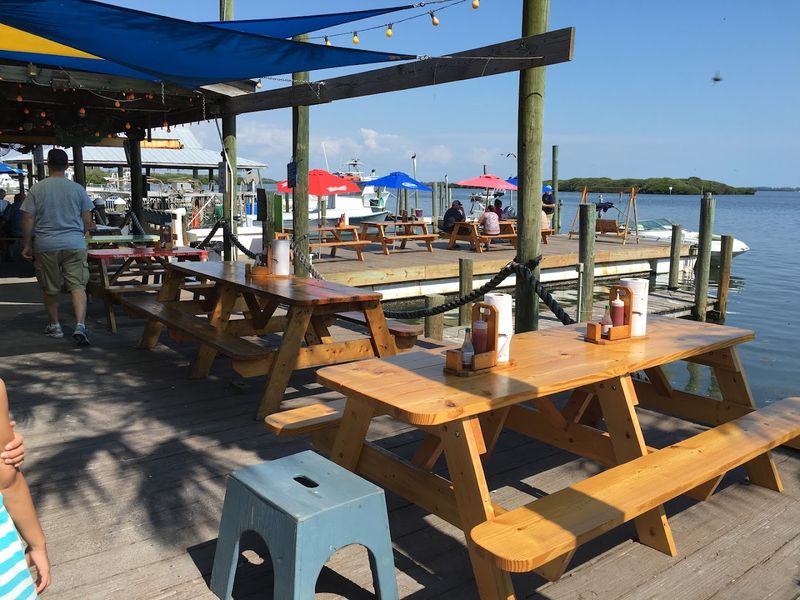
Seafood always sounds fresher in travel writing than it turns out to be, but Cortez really delivers on that promise. Boats unload just yards from the places where you can order lunch, and that closeness changes everything.
The flavor feels cleaner, sweeter, and somehow more specific to the bay around you.
Family-run fish markets and restaurants line the waterfront, serving shrimp, grouper, mullet, and stone crab with almost no unnecessary drama. You are not here for white tablecloth theater.
You are here because the ingredient had a shorter trip than you did.
That simple fact gives meals in Cortez a kind of confidence I appreciate. A basket of fried shrimp, a smoked fish spread, or fresh fillets by the pound all feel tied to the village itself rather than imported into it.
When you eat here, you taste geography, weather, and work on the same plate.
Step Into the Florida Maritime Museum and Slow Down
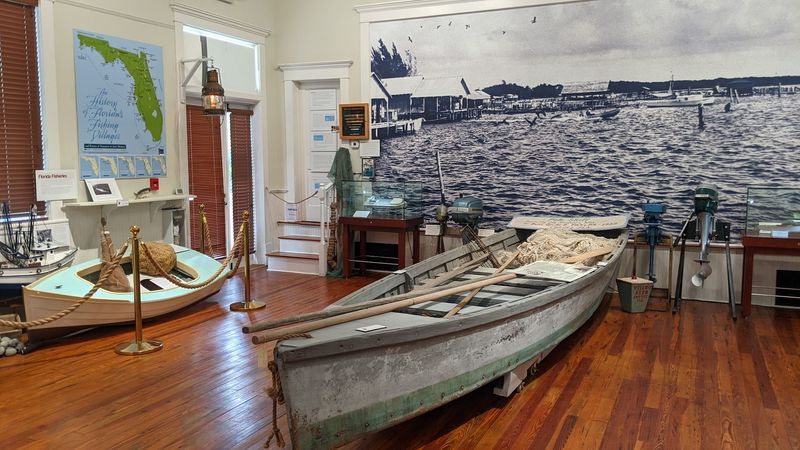
The Florida Maritime Museum is not flashy, and that is part of why it works so well. Housed in the restored 1912 schoolhouse, it gives context to everything outside on the docks without overexplaining the village into something academic.
You walk in curious and leave with a sharper eye.
Inside, you will find tools, photographs, navigation pieces, boatbuilding stories, and exhibits that explain Gulf Coast fishing culture in grounded detail. The scale stays modest, but the substance is serious.
I found myself lingering longer than expected because every display connected back to something visible just beyond the museum walls.
That connection is what makes the stop worthwhile. You are not learning about a vanished way of life behind glass; you are learning about a place still trying to hold on to itself.
The museum turns a casual visit into a deeper one, and Cortez becomes much harder to mistake for just another beach town.
Use Anna Maria Island as the Perfect Counterpoint
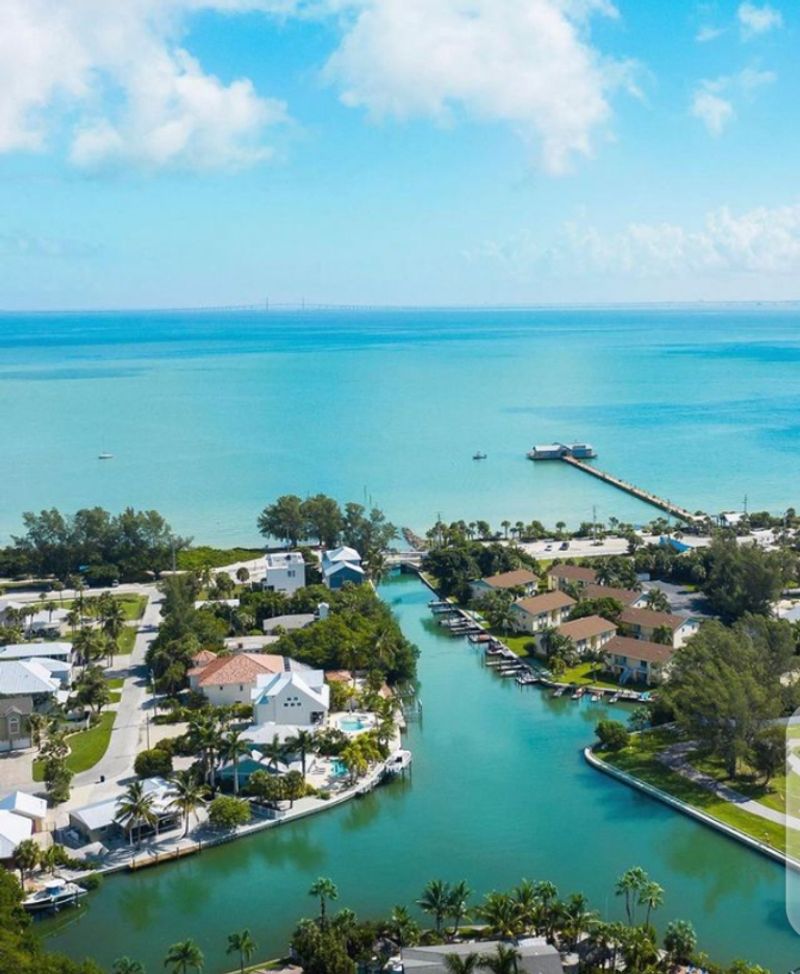
One of the smartest ways to experience Cortez is to pair it with nearby Anna Maria Island. The island is just across the bridge, and the contrast makes both places more memorable.
You get quiet white sand and calm Gulf water on one side, then working docks and fish houses on the other.
I like this combination because it keeps the day from turning into a generic beach outing. A slow morning on Anna Maria, lunch back in Cortez, and an afternoon walk near the waterfront creates a rhythm that feels distinctly local.
It is easy, unfussy, and much more satisfying than racing between attractions.
Most Florida day trips push you toward maximum activity. This one works because it invites you to notice texture instead – the different sounds, the different pace, the different relationship each place has with the water.
Anna Maria gives you the exhale, but Cortez gives you the story you remember afterward.
Walk the Streets Where Old Florida Never Left
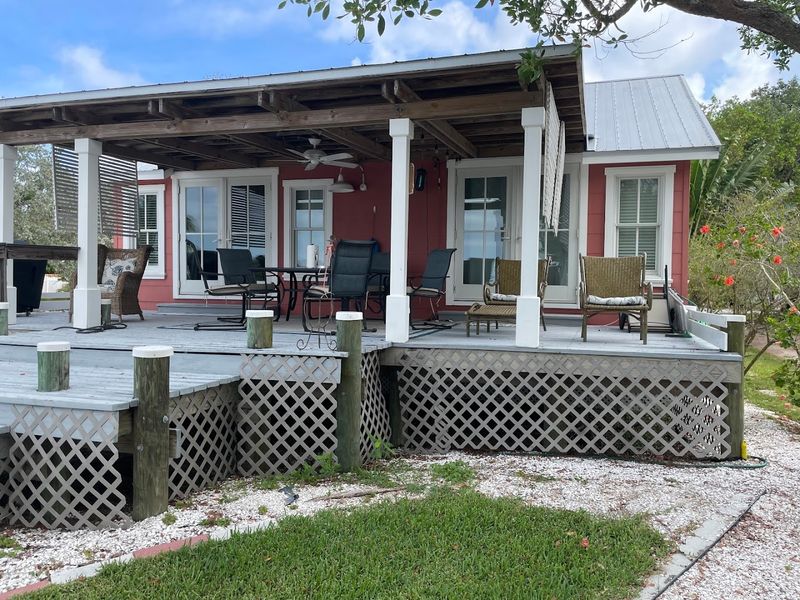
Some towns claim Old Florida charm with a few pastel facades and a souvenir shop. Cortez does not need to claim anything.
Its wood-frame homes, fish houses, and narrow streets feel naturally preserved, not recreated, and that difference is visible the minute you start walking.
Many structures in the historic district date from the late nineteenth and early twentieth centuries, and the village was added to the National Register of Historic Places in 1995. Yet it still feels residential, useful, and lived in rather than frozen.
Front porches, modest yards, and weathered siding carry more atmosphere than any master-planned waterfront ever could.
What I found most compelling was the lack of visual noise. No towering resorts dominate the view, and no slick design language flattens the place into sameness.
Cortez lets age show. If you appreciate architecture that reveals a community’s actual life instead of masking it, this walk is quietly unforgettable.
Treat the Birds Like the Local Welcoming Committee
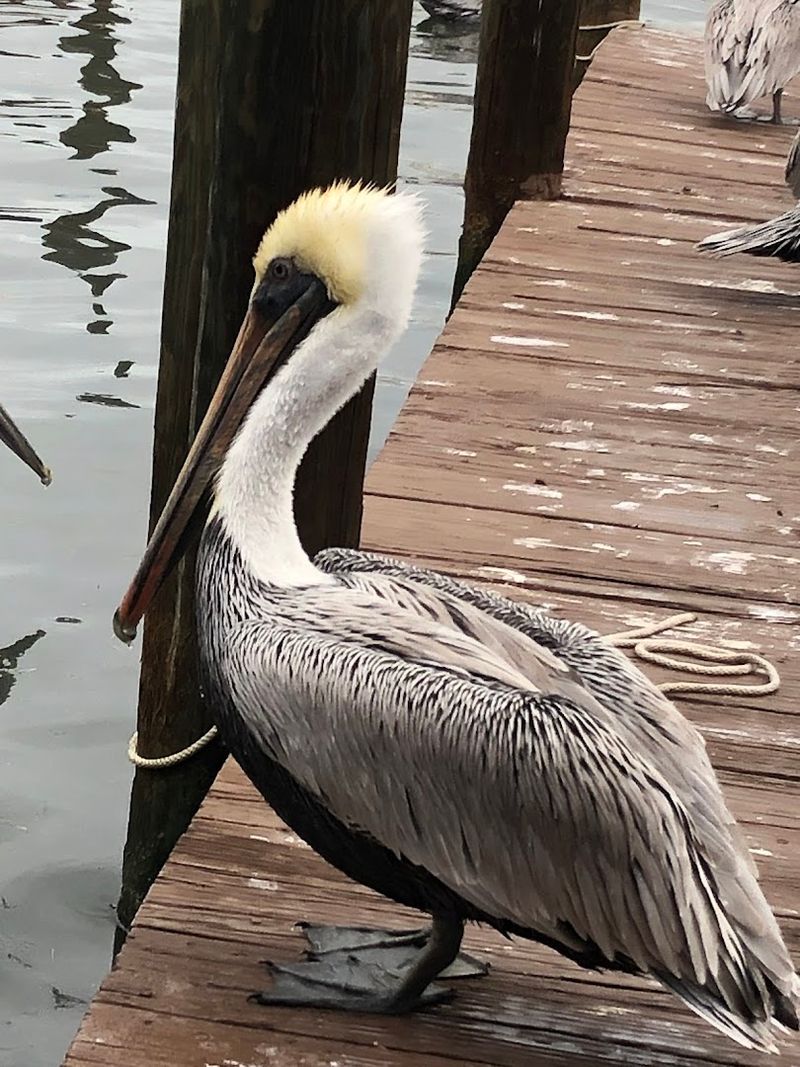
You do not need to book a formal wildlife tour to notice how alive Sarasota Bay feels around Cortez. Birds are simply part of the scenery here, except they never feel backgrounded for long.
One minute you are watching a boat unload, and the next a pelican lands like it owns the dock.
Ospreys, great blue herons, brown pelicans, and sometimes roseate spoonbills appear along pilings, shorelines, and open stretches of bay. I loved how casual the encounters felt.
There is no performance, no special hide, and no dramatic setup – just a working waterfront sharing space with constant winged traffic.
That blend of industry and wildlife gives Cortez a mood I did not expect. The village feels active without feeling harsh, and the birds soften every scene without making it precious.
If you normally think birdwatching requires effort, this place may change your mind. In Cortez, the wildlife comes to you while you are already paying attention.
Time Your Trip for the Cortez Commercial Fishing Festival
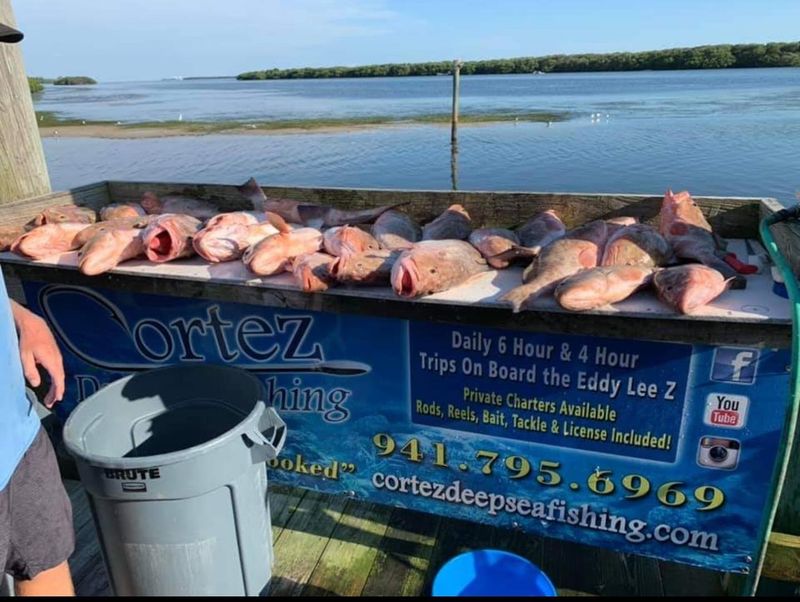
If you happen to visit in February, the Cortez Commercial Fishing Festival offers one of the easiest ways to see the village open itself to outsiders. This is not a random seafood fair dropped into a parking lot.
It grows directly from the identity and labor of the community hosting it.
Expect local seafood, live music, crafts, environmental exhibits, boat displays, and the kind of conversation that makes a place feel less like a destination and more like a neighborhood. Thousands come, but the event still carries a local heartbeat.
It feels celebratory without losing the grounded character that makes Cortez special year round.
I especially like that the festival has purpose behind the fun. Proceeds support preservation and conservation efforts tied to the village and bay, so the event reflects the same values that have kept Cortez intact.
If you want the most social, energetic version of this historic waterfront, this is the weekend to choose.
Notice How Hard the Village Has Fought to Stay Itself
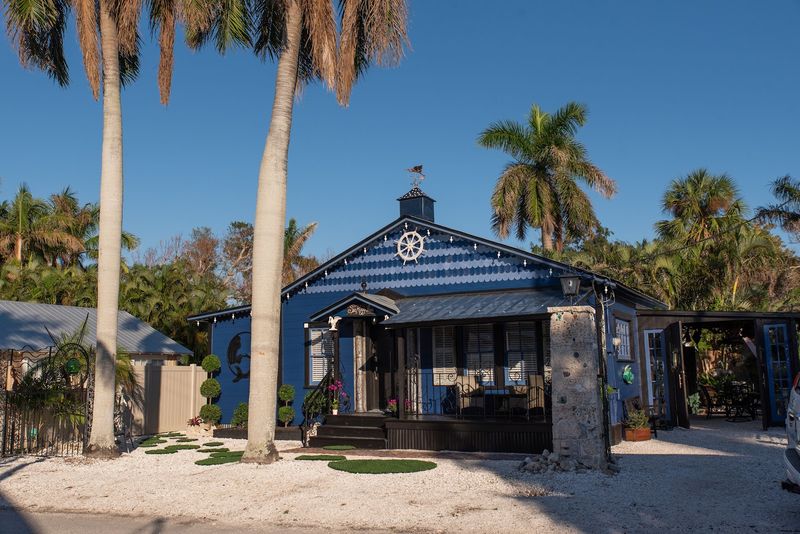
Part of what makes Cortez feel so special is knowing it very easily could have been erased. Development pressure in this part of Florida is constant, and a small waterfront village like this would have been easy to absorb into the resort economy nearby.
Instead, Cortez kept pushing back.
Historic designation helped, but it was community organizing that gave the village real staying power. Groups such as the Florida Institute for Saltwater Heritage, along with residents deeply tied to the waterfront, have fought to protect both culture and environment.
In Cortez, preserving buildings alone would never be enough if the bay and fishing life were lost.
You can feel that resistance when you visit. The place does not come across as nostalgic or fragile; it feels defended.
That changes the experience because you are not just admiring a surviving village, you are witnessing an ongoing act of local stubbornness. Honestly, that may be the most Florida story here – and the rarest one.
Visit Without Overplanning and Let Cortez Do the Talking
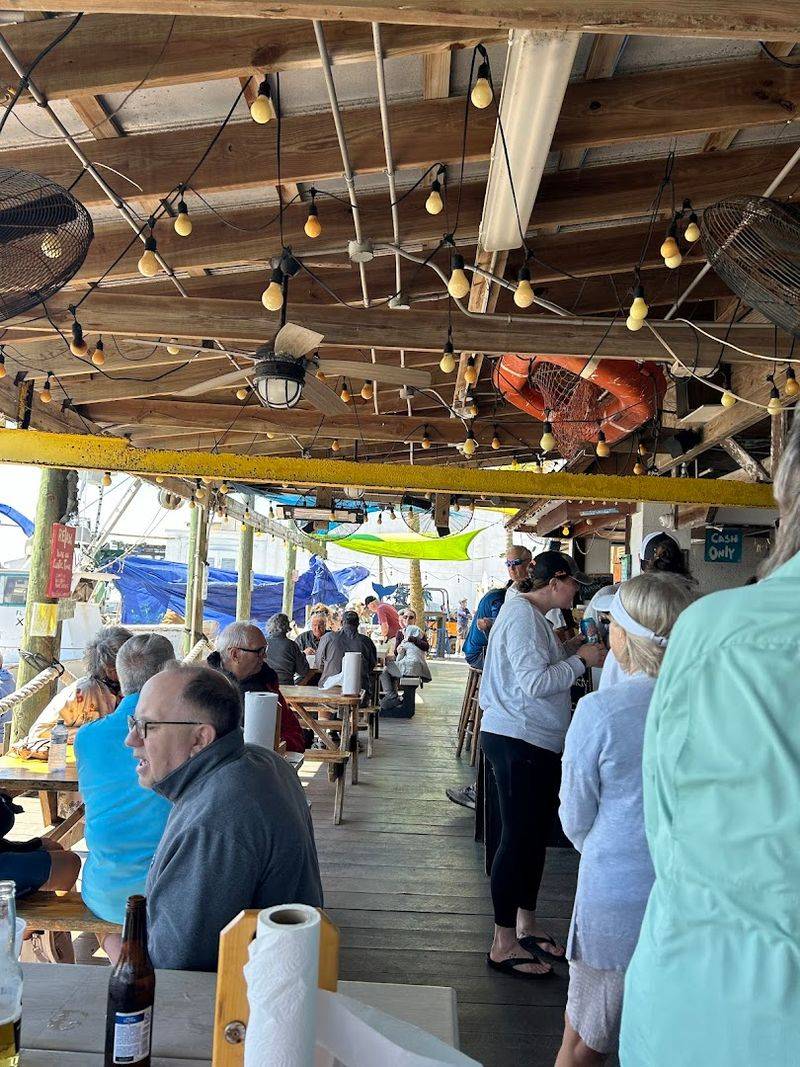
Cortez is best experienced with a loose plan and an open schedule. Come early if you want the most dock activity, or show up on a weekend when fish markets tend to have their fullest selection.
Either way, this is not a place that rewards over-scheduling.
There is no big visitor center directing your attention, no admission gate, and no resort-style choreography telling you what to do next. You park, walk, look around, and let the village reveal itself in fragments.
A boat returning, a market board changing prices, a porch catching the morning light – these are the details that end up carrying the day.
I think that is why Cortez lingers in memory longer than flashier destinations. It asks you to notice rather than consume.
If you arrive expecting entertainment, you may miss it. If you arrive ready for atmosphere, history, seafood, and a place that still trusts its own identity, Cortez gives you more than enough.