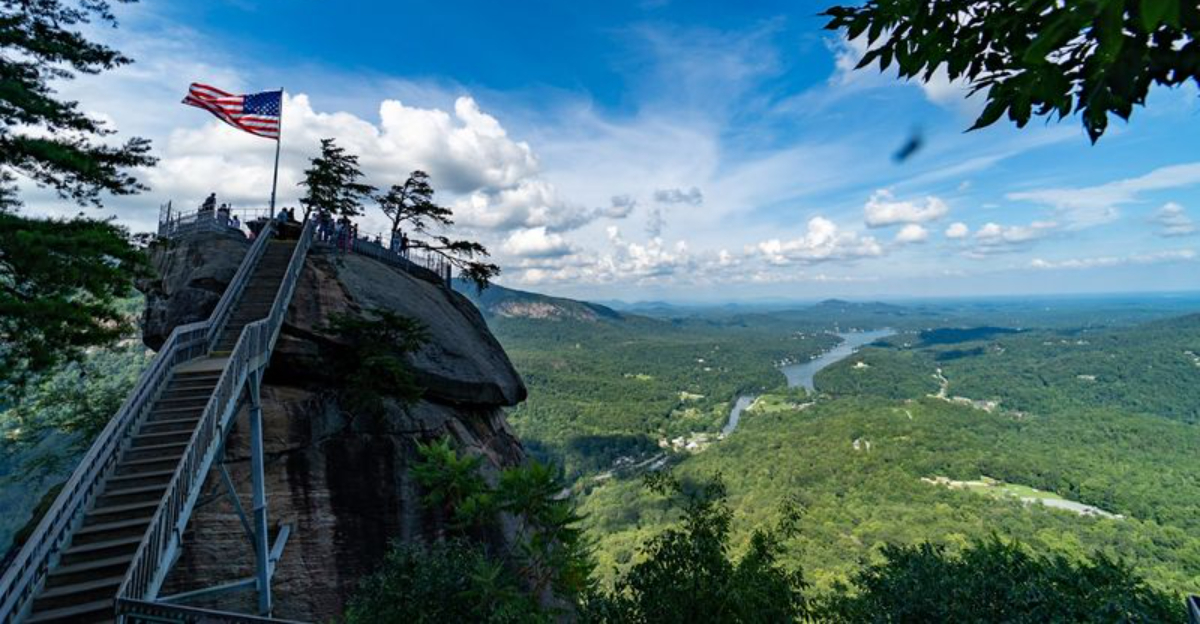
North Carolina transforms into a vibrant canvas each spring, with blooming flowers, lush greenery, and stunning landscapes stretching from the mountains to the coast.
Whether you’re chasing waterfalls through wildflower-lined trails or strolling through world-class gardens bursting with tulips and azaleas, the state offers something special for everyone.
Spring weather brings mild temperatures perfect for outdoor exploration, making it the ideal season to discover hidden gems and popular parks alike.
Get ready to explore twelve incredible destinations where colorful blooms and fresh mountain air create unforgettable springtime memories.
Blue Ridge Parkway
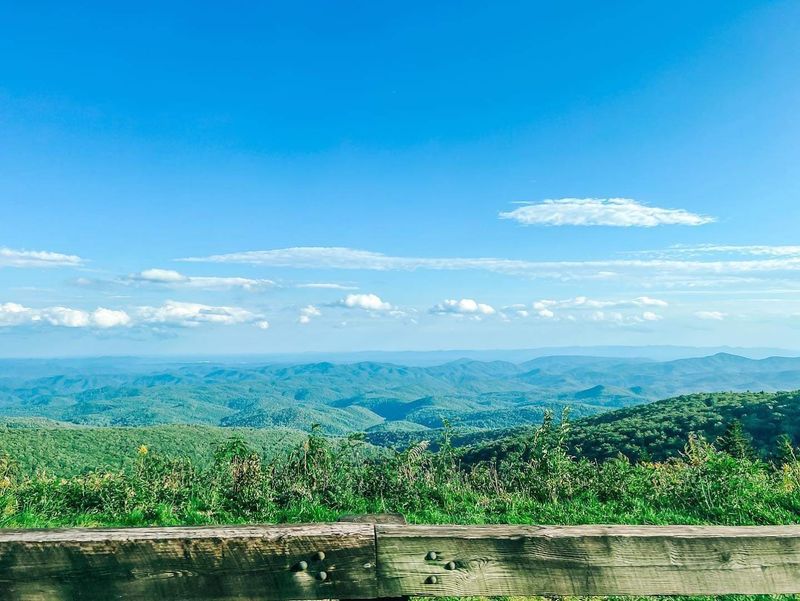
Stretching 469 miles through Western North Carolina, this legendary scenic highway becomes a wildflower wonderland each spring. The magic happens because different elevations bloom at different times, creating an extended show from March through June.
Trillium carpets the forest floor first, followed by delicate violets and wild geranium painting the roadsides purple and pink. Later in the season, rhododendrons explode in vibrant pinks and whites while mountain laurel adds creamy blooms to the display.
Pack a picnic and stop at overlooks where you can enjoy panoramic mountain views framed by flowering trees.
The winding road offers hundreds of pullouts perfect for photography or short nature walks. Early morning visits reward you with misty mountain views and fewer crowds.
Remember that higher elevations stay cooler and bloom later, so you can chase spring up the mountains for weeks.
Biltmore Estate Gardens
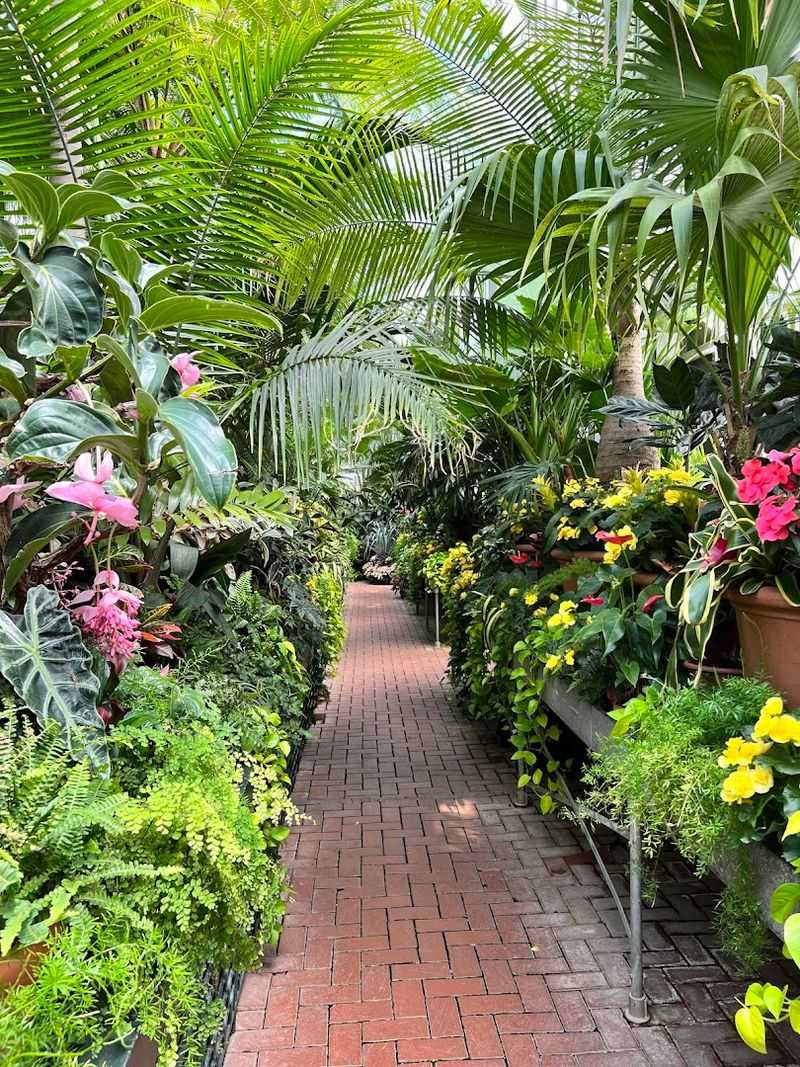
America’s largest home sits surrounded by some of the most spectacular spring gardens in the Southeast. Frederick Law Olmsted, who designed Central Park, created these grounds in the 1890s, and they still dazzle visitors today with carefully planned seasonal displays.
Late March kicks off the show with over 50,000 tulips in rainbow colors dancing across the estate’s formal gardens. Daffodils nod their sunny heads along pathways while magnolia trees burst into pink and white blooms overhead.
Azaleas follow in April, creating fiery displays of red, coral, and fuchsia against the Blue Ridge backdrop.
The Walled Garden alone features four acres of constantly changing color throughout spring. Plan for at least half a day to explore both the mansion and gardens properly.
Spring tickets often sell out on weekends, so booking advance reservations saves disappointment.
North Carolina Arboretum
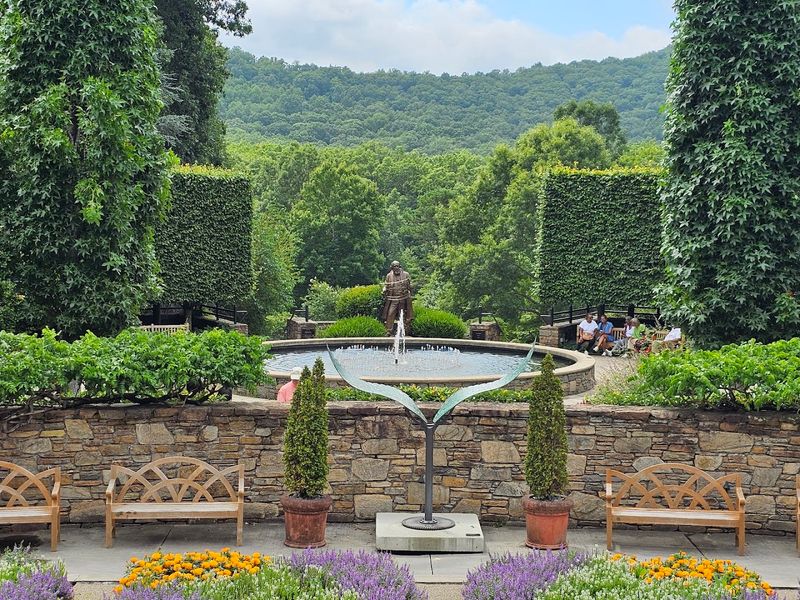
Nestled in the Pisgah National Forest just outside Asheville, this 434-acre public garden combines natural beauty with expertly designed landscape displays. Spring awakens the arboretum’s diverse plant collections in waves of color that change weekly.
Azaleas steal the show in early to mid-spring, their brilliant blooms reflected in peaceful ponds throughout the grounds. Rhododendrons follow close behind, transforming trails into tunnels of pink, purple, and white flowers.
The Quilt Garden features geometric patterns created with seasonal plantings that look stunning from elevated viewpoints.
Ten miles of hiking trails wind through both cultivated gardens and natural areas where native wildflowers bloom. The Plants of Promise Garden showcases new varieties being tested for Southern gardens.
Admission is free, though parking costs $16 per vehicle, making it budget-friendly for families wanting multiple visits throughout the season.
Sarah P. Duke Gardens
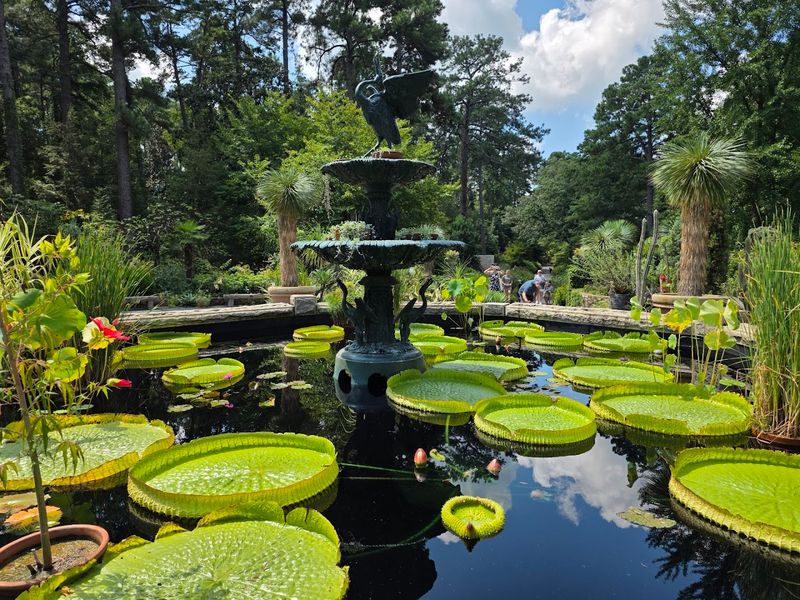
Durham’s crown jewel attracts over 300,000 visitors annually, and spring explains why this 55-acre garden ranks among the Southeast’s most beloved botanical destinations. Five distinct garden areas create intimate spaces that feel like outdoor rooms, each with its own personality and seasonal highlights.
Cherry blossoms arrive first, creating a brief but breathtaking pink canopy over pathways in March. Magnolias follow with massive flowers that smell like heaven.
The Terrace Gardens feature formal layouts where tulips, daffodils, and irises bloom in coordinated color schemes that change each year.
Stone bridges cross streams where Japanese maples unfurl fresh red leaves. Hidden benches throughout the gardens offer peaceful spots for reading or sketching.
Best of all, admission is completely free every day, making it accessible for students and families. Peak bloom typically happens mid-April, but something interesting blooms from February through May.
JC Raulston Arboretum
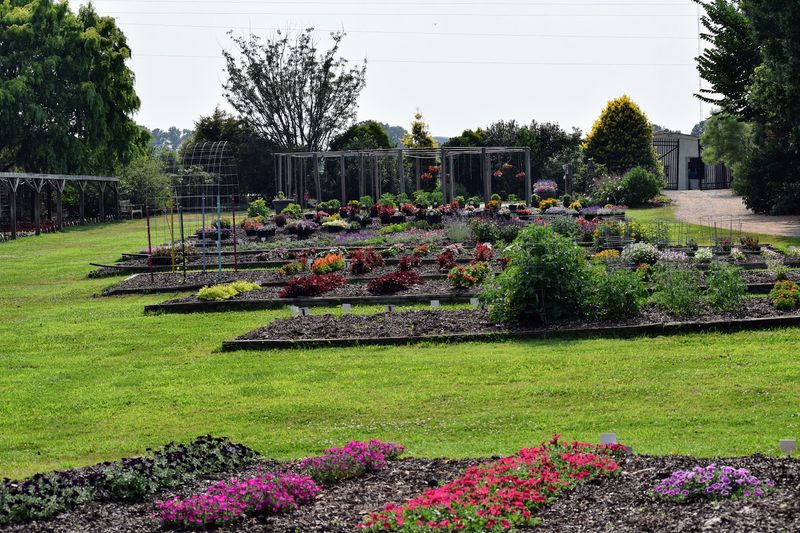
Plant nerds and casual visitors alike find something fascinating at this eight-acre research garden on NC State’s campus. Named after a legendary horticulturist, the arboretum tests thousands of plant varieties to see what thrives in North Carolina’s climate, creating an ever-changing spring showcase of unusual specimens.
Flowering cherries, crabapples, and redbuds create overhead color while below, experimental beds burst with rare bulbs and perennials you won’t see elsewhere. The White Garden becomes a serene space filled with white flowers and silvery foliage.
Border gardens demonstrate how homeowners can create their own colorful spring displays using proven plants.
Detailed labels help visitors identify everything, making it educational as well as beautiful. Special events like plant sales in April let you take home divisions from the collection.
Free admission and free parking make spontaneous visits easy for Raleigh residents.
Great Smoky Mountains National Park
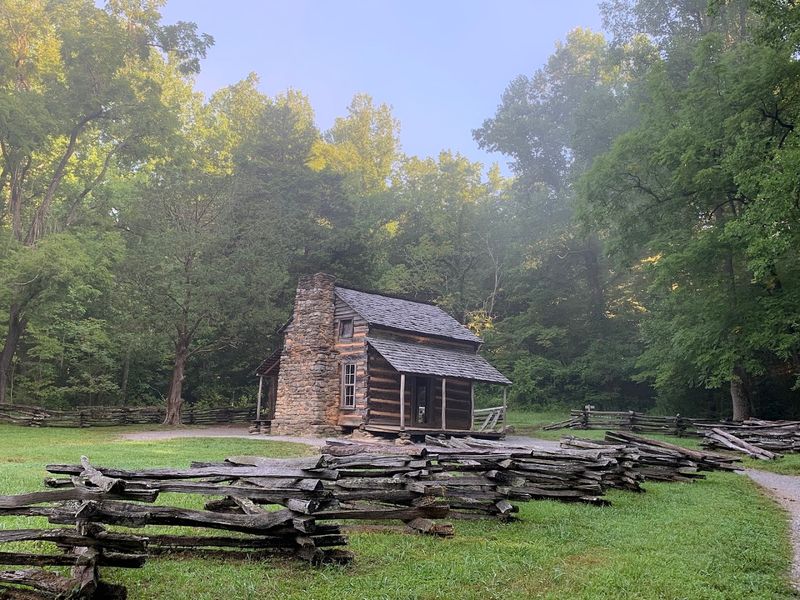
UNESCO recognizes the Smokies as an International Biosphere Reserve partly because of its incredible plant diversity. Over 1,500 flowering species call this park home, with spring wildflowers creating one of nature’s most spectacular shows from mid-April through May.
Forest floors transform into living carpets of white trillium, bloodroot, and delicate spring beauties. Rare lady slippers hide along trails, rewarding careful observers with their unusual orchid blooms.
Flame azaleas set hillsides ablaze with orange flowers while mountain laurel creates pink and white thickets. These spring ephemerals rush to bloom before tree leaves shade the forest floor.
Popular spots like Cades Cove and the Roaring Fork Motor Nature Trail offer easy wildflower viewing from your car. Serious botanists hike trails like Rich Mountain Loop for rare species.
Rangers lead free wildflower walks that teach identification skills and ecology.
Gorges State Park
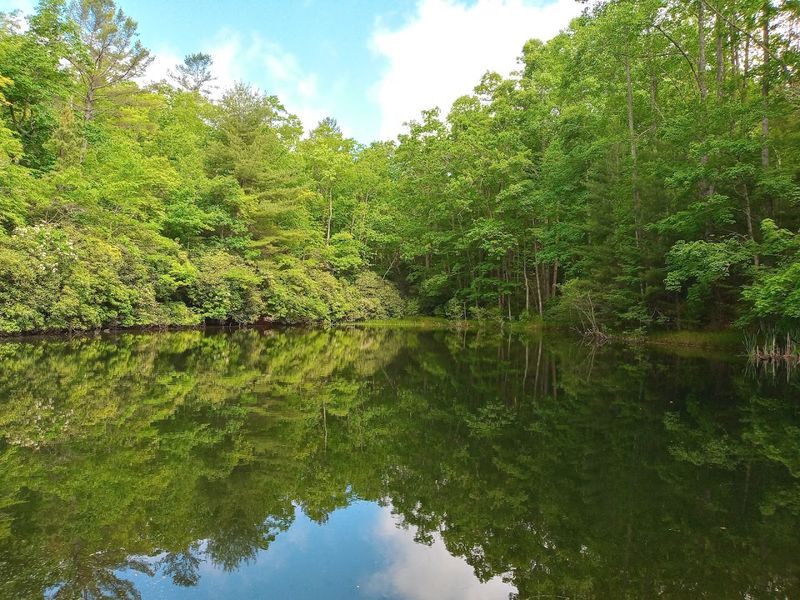
Few places in North Carolina feel as wild and remote as Gorges State Park, where some areas receive over 80 inches of rain annually, creating temperate rainforest conditions. This moisture-loving environment supports an amazing diversity of spring flowers that thrive in the cool, damp mountain air.
Flame azaleas live up to their name with brilliant orange and red blooms illuminating shaded ravines. Wild iris pop up near streams while various trillium species carpet the forest.
Sharp-eyed visitors might spot rare orchids tucked into mossy banks. The park’s numerous waterfalls provide stunning backdrops for all this color.
Rainbow Falls and Drift Falls trails showcase both dramatic cascades and excellent wildflower viewing. Spring rains make waterfalls extra impressive but can create muddy trails, so good hiking boots are essential.
The park’s remote location means smaller crowds even during peak bloom season.
Hanging Rock State Park
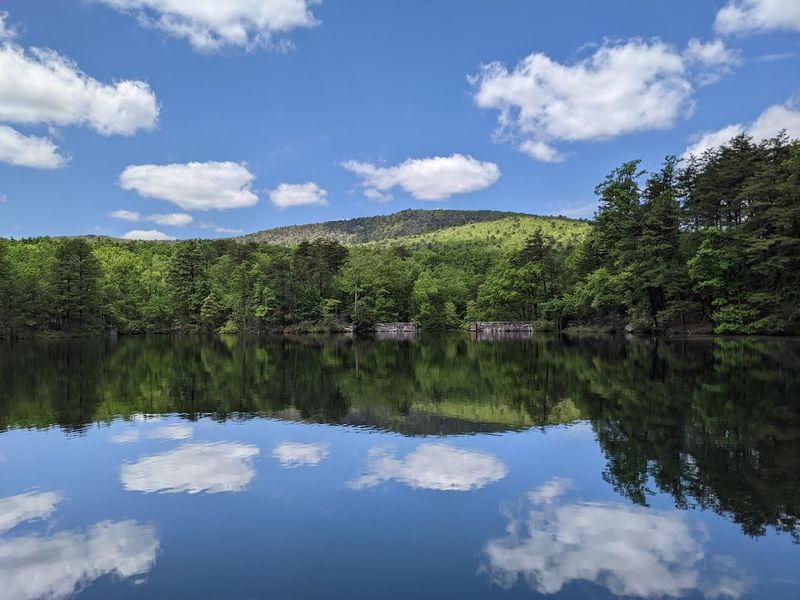
Dramatic rock formations give this Stokes County park its name, but spring transforms the rugged landscape into a surprisingly delicate garden. Waterfalls thunder down cliffs while native wildflowers soften the harsh stone with splashes of color from April through June.
Phlox paints rocky slopes purple and pink while violets peek from crevices where you’d swear nothing could grow. Mountain laurel’s twisted branches produce clusters of pale pink flowers that attract butterflies by the hundreds.
The contrast between powerful waterfalls, massive boulders, and delicate blooms creates unforgettable scenery.
Hiking to Hanging Rock’s summit rewards you with 360-degree views where spring greenery spreads like an endless carpet below. Hidden Falls Trail passes through wildflower-rich forests before reaching a secluded cascade.
Rock climbers tackle the park’s challenging routes surrounded by blooming dogwoods. Camping here lets you experience spring’s progression over several days.
Chimney Rock State Park
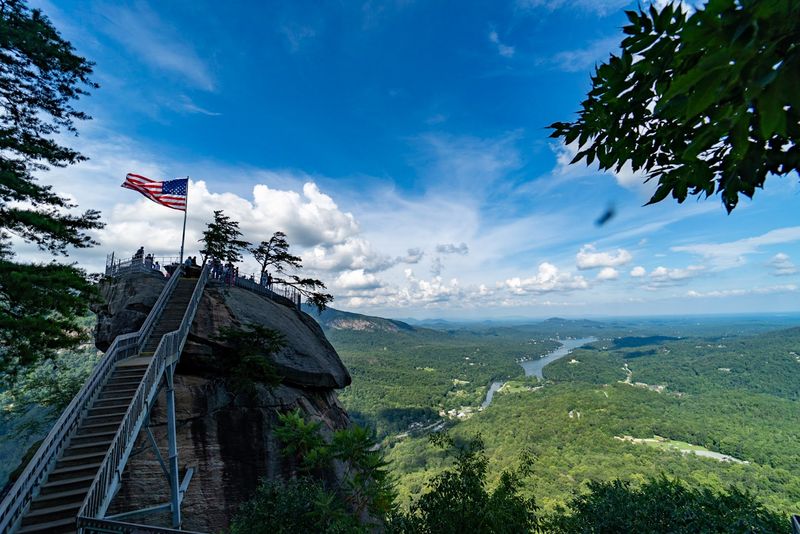
Rising 315 feet above the forest floor, Chimney Rock offers one of North Carolina’s most dramatic viewpoints, and spring makes the scenery even more spectacular. Hickory Nut Gorge below transforms into a sea of fresh green dotted with flowering trees and wild blooms.
An elevator inside the mountain whisks visitors to the top, making incredible views accessible for everyone regardless of mobility. Hickory Nut Falls, one of the tallest waterfalls east of the Mississippi, flows with extra power from spring rains.
Trails wind past wildflowers including trillium, wild ginger, and various orchids.
Spring greenery softens the gorge’s dramatic cliffs and rock outcrops. Peregrine falcons return to nest on the rock faces, and patient observers might spot them hunting.
The Four Seasons Trail showcases how different the park looks as seasons change. Visit on weekdays to avoid crowds that pack the parking area on spring weekends.
Roan Mountain Rhododendron Gardens
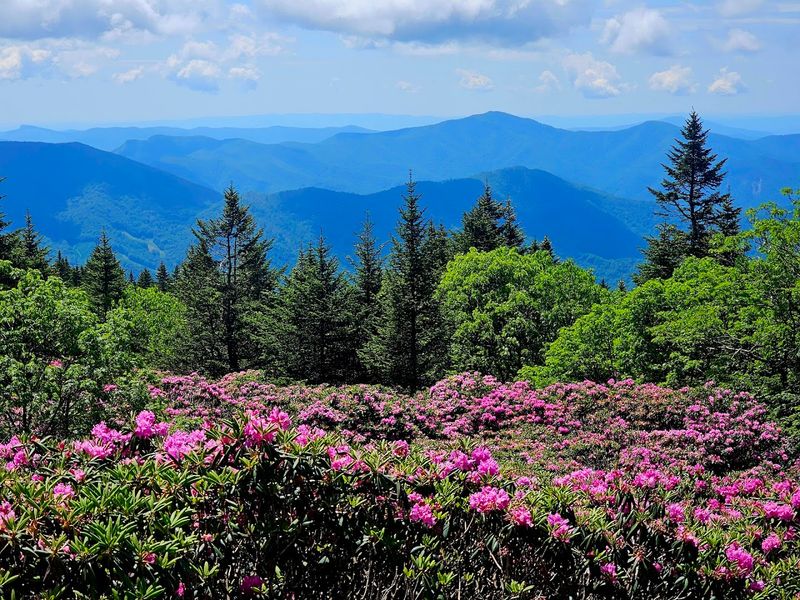
Straddling the North Carolina-Tennessee border, Roan Mountain hosts one of the world’s largest natural rhododendron gardens covering over 600 acres. Unlike most spring destinations that peak in April, this high-elevation wonderland saves its show for late May through mid-June when Catawba rhododendrons explode in purple glory.
Described as one of the greatest natural gardens in America, the balds here become completely carpeted in purple-pink blooms. The spectacle draws thousands of visitors during the annual Rhododendron Festival held in mid-June.
Trails wind through the gardens, offering close-up views and mountain vistas.
The Rhododendron Gardens Trail provides an easy 0.8-mile loop through the thickest blooms. For more adventure, hike to Grassy Ridge Bald where wildflowers and rhododendrons mix with 360-degree views.
High elevation means cooler temperatures even in June, so bring layers. The late bloom season extends North Carolina’s spring color well into early summer.
Moses H. Cone Memorial Park
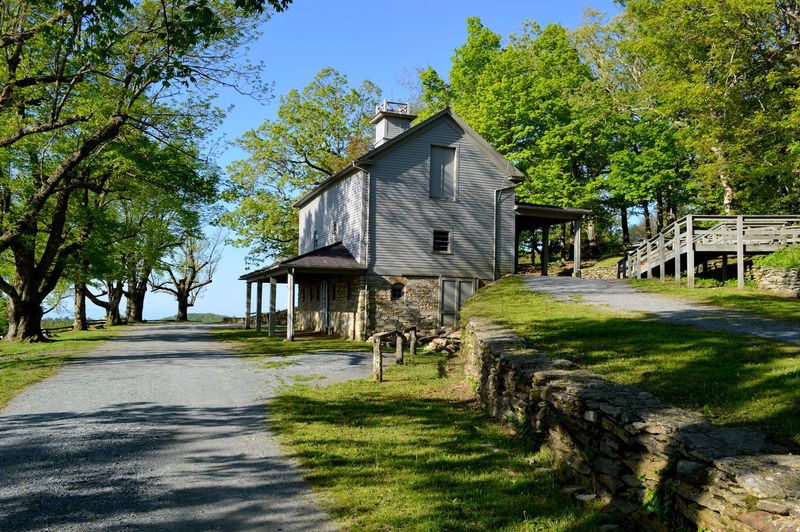
Twenty-five miles of carriage roads wind through this historic estate near Blowing Rock, creating perfect paths for exploring spring’s arrival in the mountains. Moses Cone built these roads in the early 1900s, and they still provide some of the area’s best gentle hiking and wildflower viewing.
Fresh green leaves emerge on hardwood trees while dogwoods and redbuds add white and pink accents throughout the forest. Wildflowers line the roads including violets, trillium, and jack-in-the-pulpit hiding under ferns.
Bass Lake reflects the surrounding mountains and blooming trees in its calm waters.
The Flat Top Tower Trail climbs to panoramic Blue Ridge views where you can see spring’s green wave spreading across the valleys below. Carriage roads accommodate bikes, making family exploration easier.
The craft shop in Cone Manor showcases local artisans’ work. Parking areas fill quickly on spring weekends, so arrive early or visit weekdays for peaceful walks.
Outer Banks National Seashore
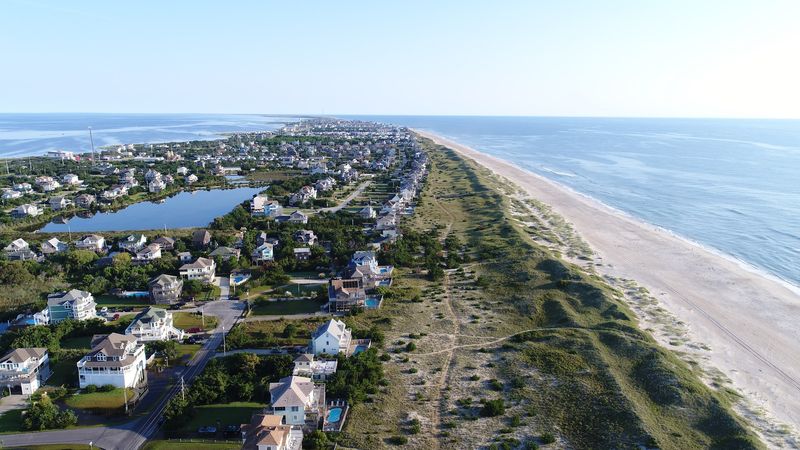
Spring offers a completely different Outer Banks experience than the crowded summer beach scene most people know. Coastal wildflowers bloom across the dunes while migratory birds stop to rest during their long journeys north, creating excellent wildlife viewing opportunities from March through May.
Maritime forests burst with flowering yaupon holly, wax myrtle, and wild cherry trees. Dune wildflowers including beach evening primrose and seaside goldenrod add yellow and white blooms to sandy landscapes.
National seashore areas like Cape Hatteras and Cape Lookout protect these natural areas from development.
Birders flock here during spring migration when hundreds of species pass through the barrier islands. Quiet beaches mean you might have entire stretches of sand to yourself.
Water temperatures remain cool for swimming, but beachcombing, kayaking, and photography shine in spring’s gentle weather. Hotels cost less and restaurants have tables available without long waits.